The paint code tells the painter which colour your car left the factory in. It's where a match starts, not where it ends. A paint maker can hold more than one formula for the same code, and paint that has been out in the weather for years has moved on from the shade it was sprayed. So the right formula is picked by checking it against the car itself, and the repair is blended into the panels beside it.
Here's how it works.
Where do I find my car's paint code?
On a label on the car, usually in a door shut, under the bonnet or in the boot. Exactly where depends on the make. PPG, one of the big paint makers, starts its procedure for identifying a colour formula by taking the code off the vehicle, and points painters to a guide of where each carmaker puts it.
The label gives the factory colour. If the car has been resprayed in a different colour since, the label is no help, and the match has to come from the paint on the car.
Why can one paint code come in more than one shade?
Because cars that left the factory in the same colour aren't all exactly the same shade, and they don't stay the same. Axalta, another of the big paint makers, puts the difficulty of finding the right formula down to weather damage, vehicle age and manufacturing differences.
So for many codes, the paint maker holds a prime formula and variants of it. PPG's procedure has the painter check the variants against the car before choosing one. PPG also lists the wrong variant of a colour among the causes of a poor colour match, along with fading from weathering.
How is the right formula picked?
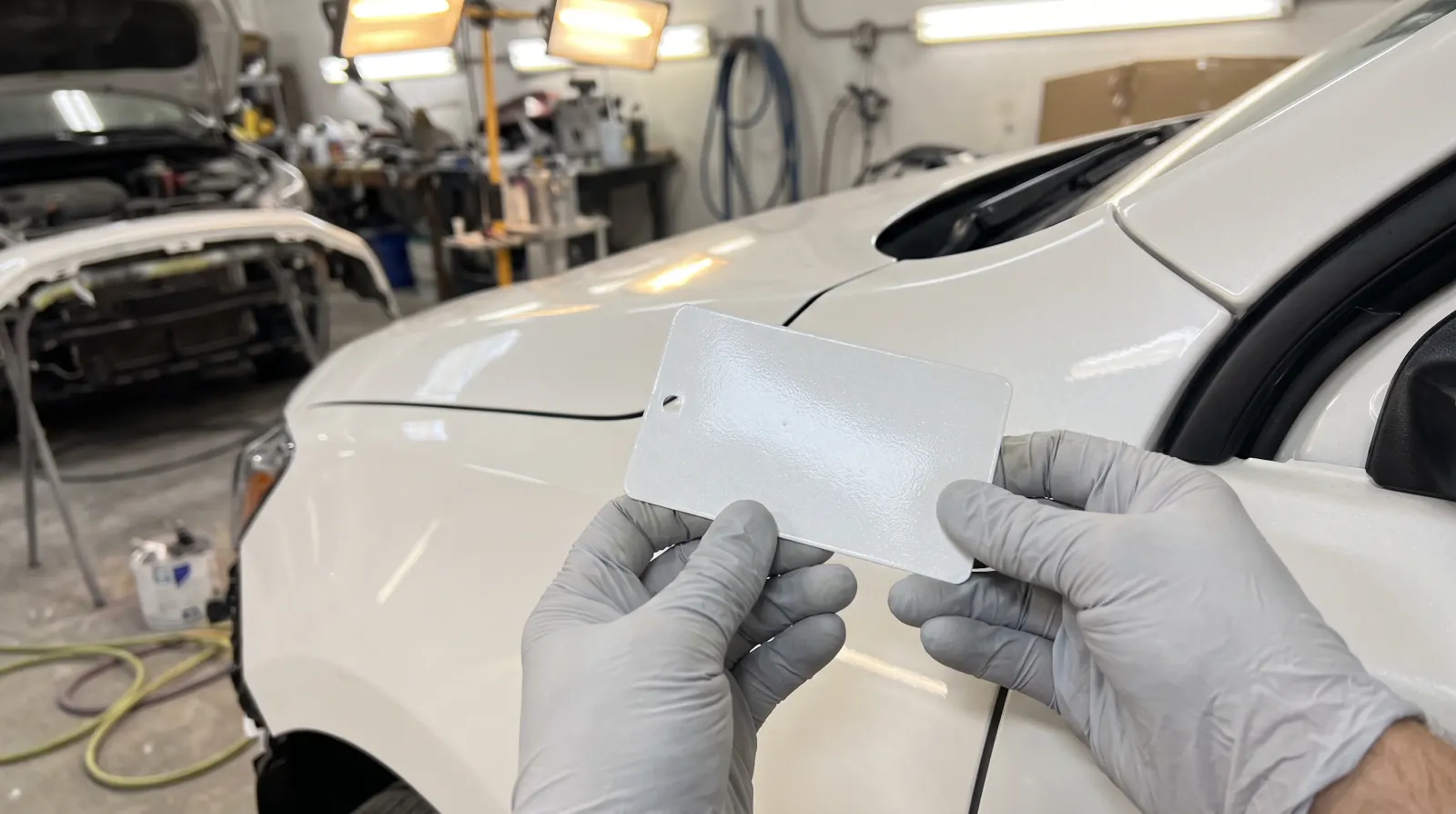
By comparing the options with the car, close to the damage. PPG's procedure says to check the variants against the car with its colour deck, a set of sprayed colour chips, or with a spray out card, nearest to the area to be painted. It also says to polish the panels next to the repair, and to choose the prime or a variant by which gives the best match for blending in.
Some paint makers also sell handheld readers, called spectrophotometers, that measure the colour on the panel and suggest a formula. Axalta describes its own as measuring colours directly from the vehicle body.
What is a spray out card?
A test card sprayed with the mixed colour and held against the car, so the match is seen before any paint goes on the car. PPG's procedure says that if a match looks doubtful, a small amount of colour is mixed to make a spray out card first. Its defects guide gives the same advice: spray a test panel and compare it with the original at different angles and in different light.
A card costs a little paint. Getting the colour wrong on the car costs a repaint.
Why does the light matter?
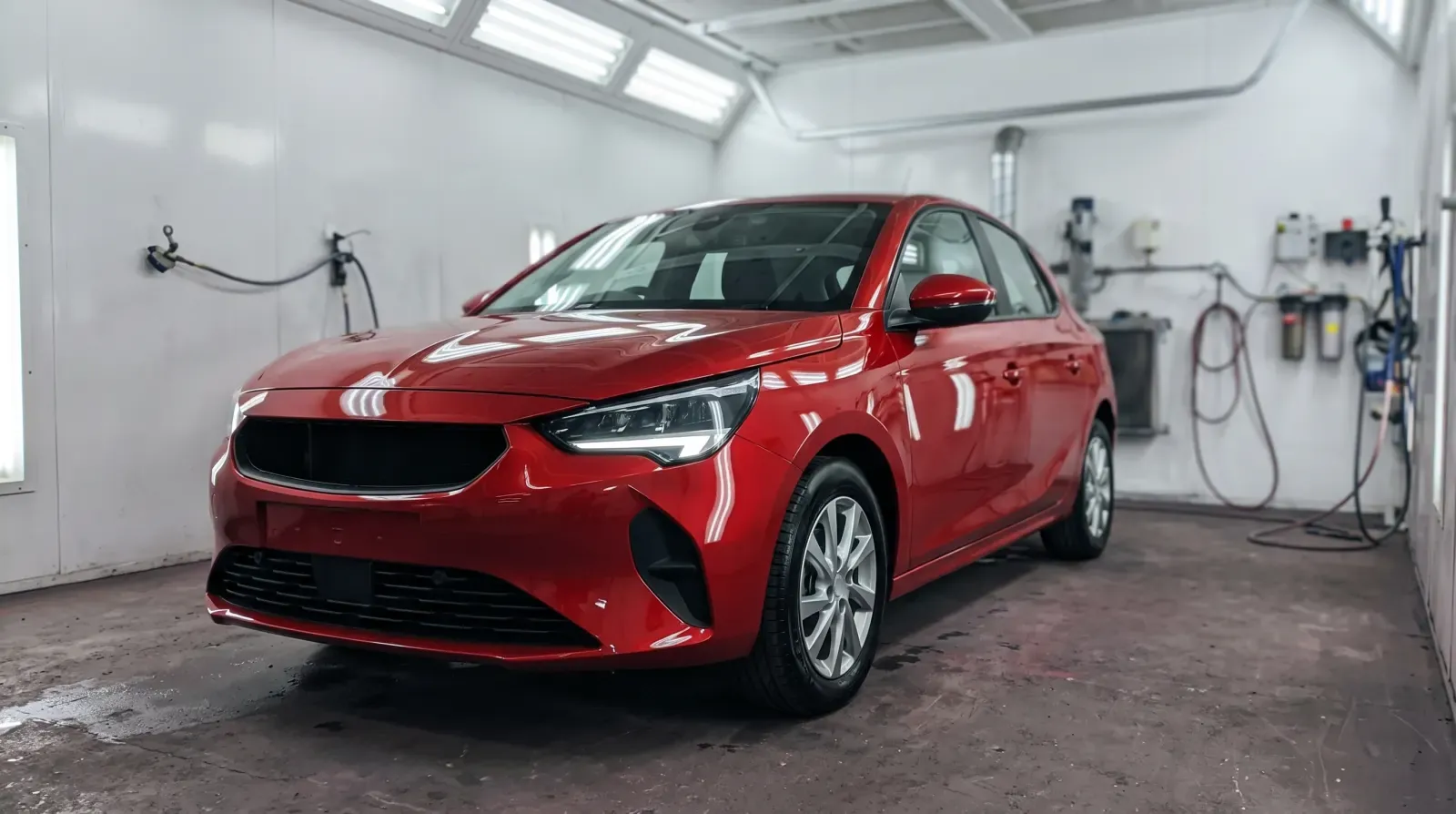
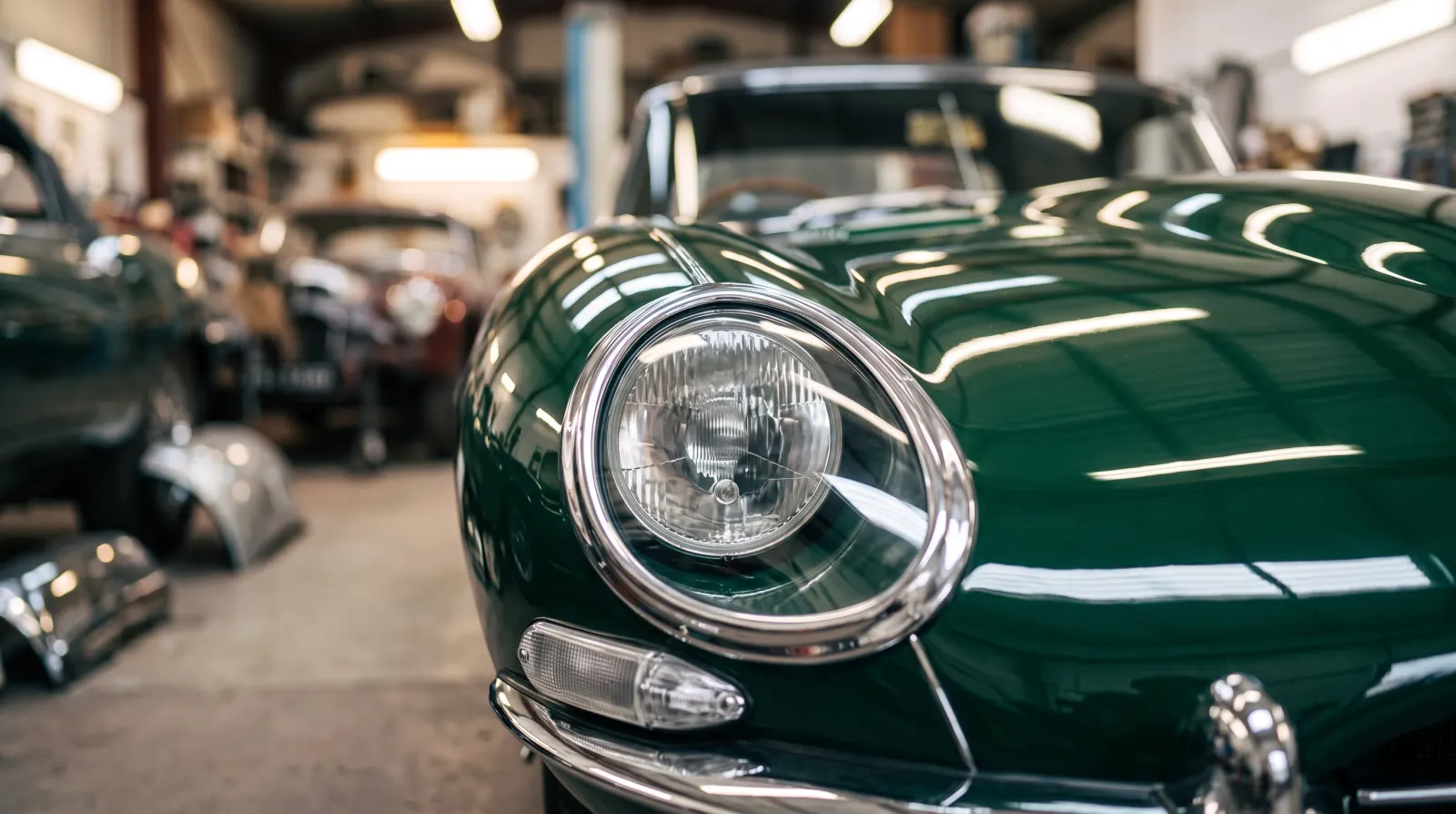
Because a colour can match in one light and not in another. PPG lists metameric distortion, colour variation in differing light, among the causes of a poor match. Its procedure says to judge a match in natural sunlight, under colour-corrected lights or with a handheld colour matching light.
The angle matters too. On a metallic there's the sparkle to match as well as the colour, and a pearl changes shade as the angle changes, so both are checked from more than one side.
Why is the new paint blended into the next panel?
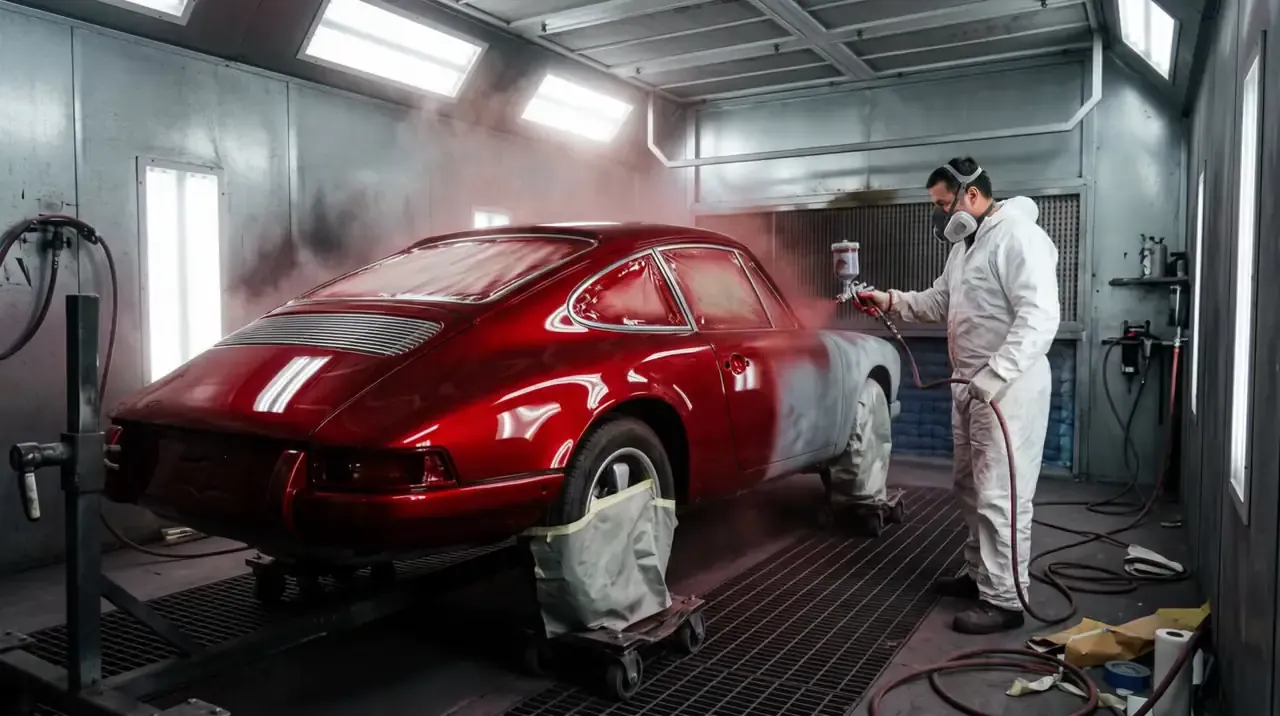
Because even the best formula sits against paint that has been on the car for years. Blending fades the new colour out across part of the panel beside the repair, so your eye sees a gradual change rather than an edge. Then lacquer goes over the lot.
PPG's procedure ends on the same point: once a blendable match is verified, enough colour is mixed for the whole repair. The aim is a colour that reads right where the old paint meets the new.
See body repair for how we put the damage right before the colour goes on.
What makes a colour harder to match?
- Faded paint, above all on the roof and bonnet, which take the most sun
- Old repairs in slightly different shades from the rest of the car
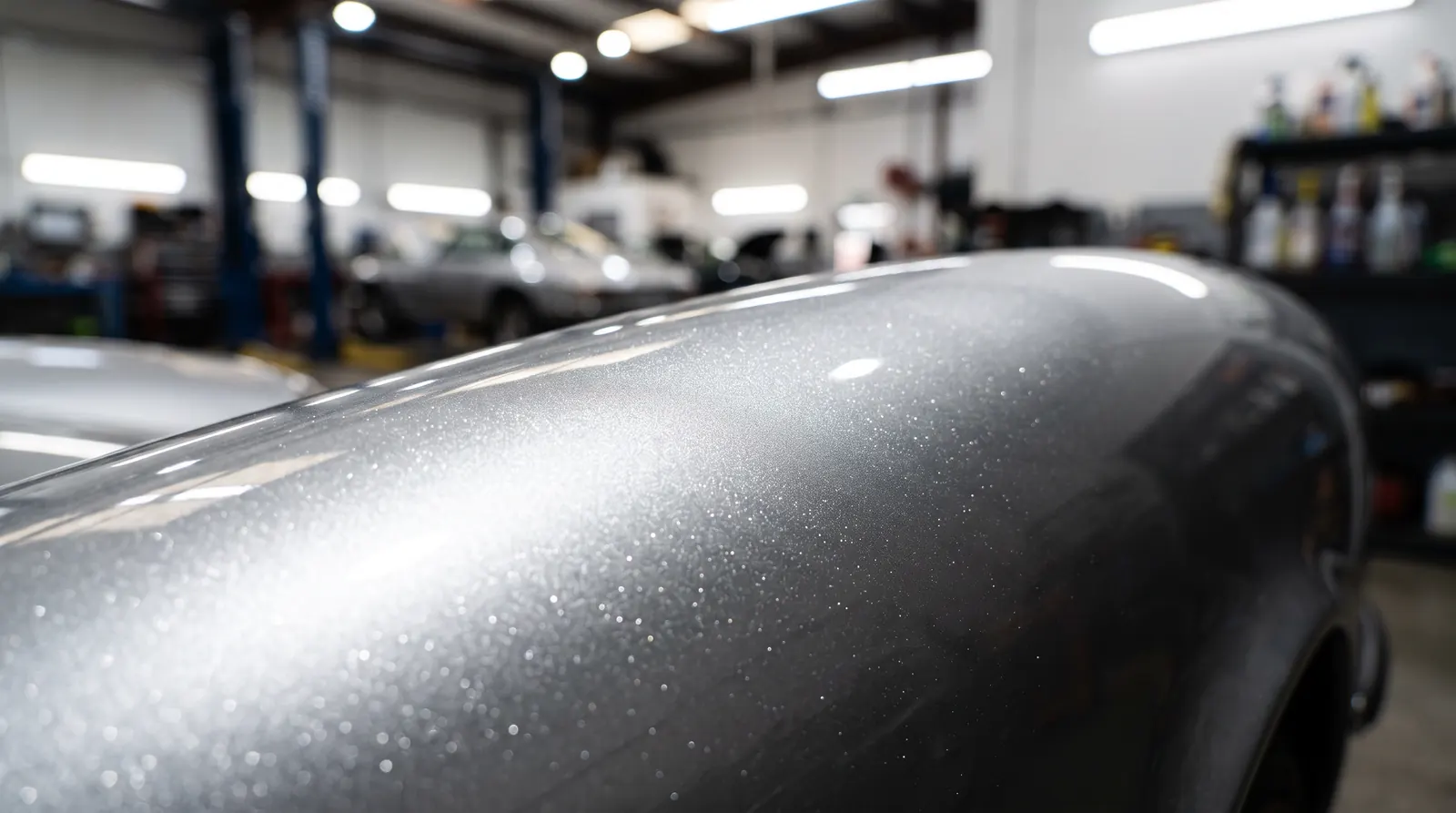
- Metallic and pearl colours, with the sparkle and the shade to match as well as the colour
- A respray in a colour that isn't on the label
None of these stop a match. They mean more checking before the colour goes on, and sometimes a wider blend.
Does a full respray need a colour match?
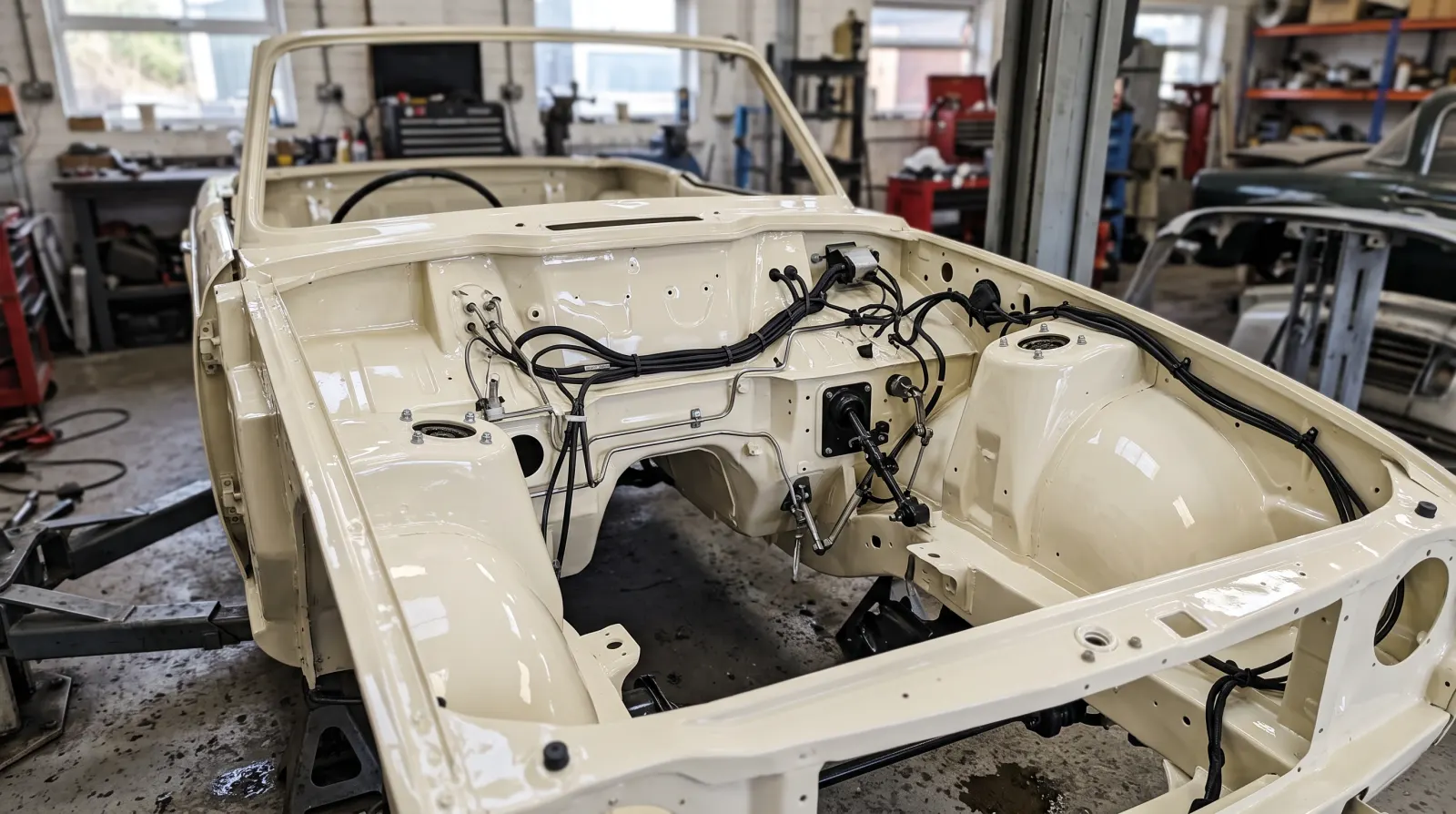
Yes, if it's the same colour. A same colour respray usually leaves the door shuts and the engine bay as they are, so the new paint on the outside has to sit right against the old paint inside them.
A colour change is different. The new colour goes into the shuts, the bays and under the seals, so there's no old paint left showing for it to match. See resprays for what each job involves.
Send us the paint code, or a photo of the label, with a few photos of the damage from the quote form.