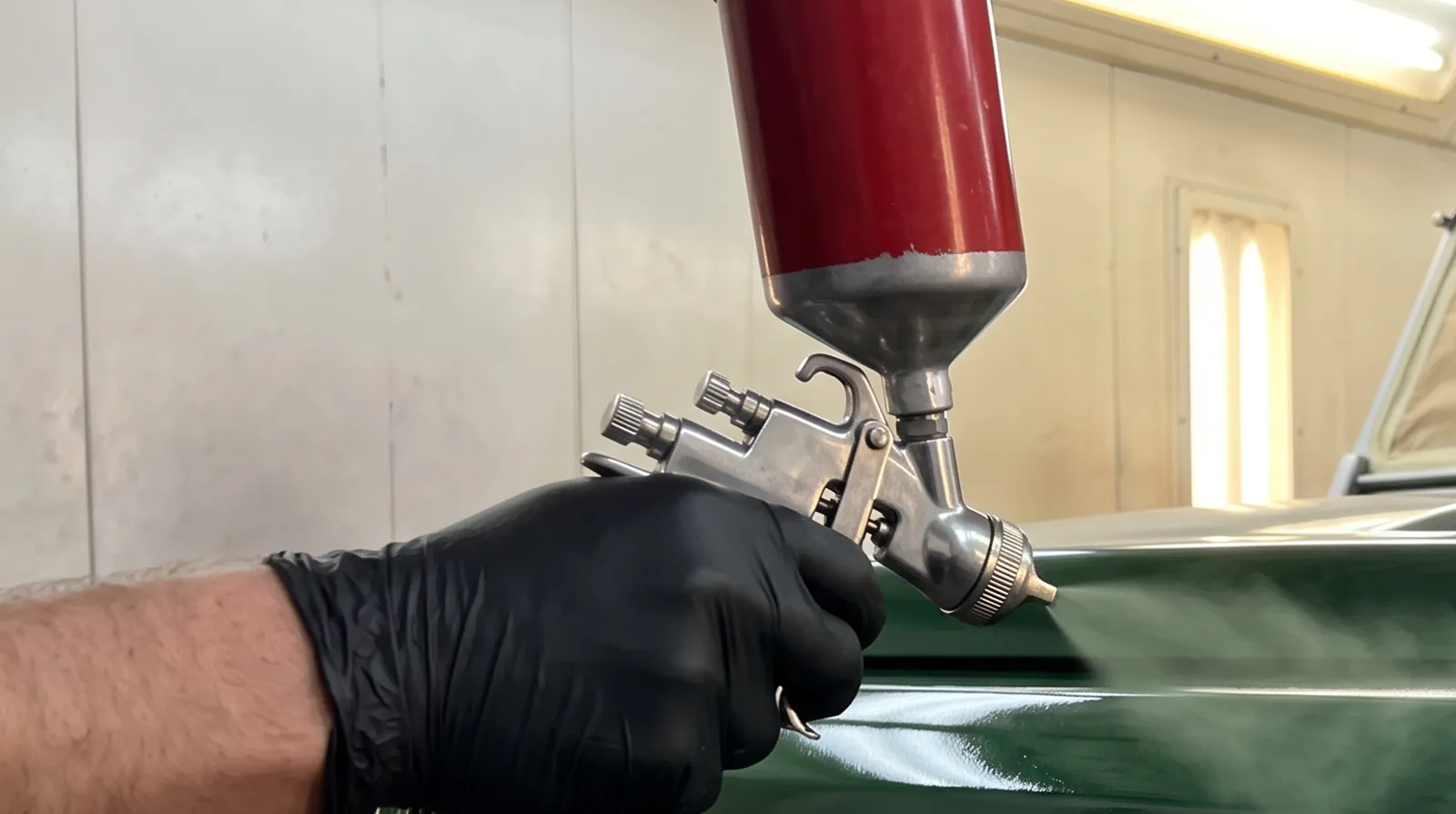
A Land Rover is built from two metals. The body panels are aluminium, which doesn't rust the way steel does. The chassis and the bulkhead are steel, and they do. So a proper Land Rover respray starts with the steel, deals with the places where the two metals meet, and gives the bare aluminium a primer made to grip it before any colour goes on.
Here's what that means for the paint, and how much comes off to do it properly.
Why is a Land Rover different to respray?
Because most of what you see is aluminium, and most of what rusts is out of sight. Land Rover's own history of the Series I says the first Land Rovers got an aluminium body because of a steel shortage and an aluminium surplus after the war, and that aluminium doesn't rust away as steel does. Land Rover's story of the Defender puts its lightweight aluminium panels among what made it so capable.
The chassis is steel, and so is the bulkhead, the part between the engine and the cab with the footwells in it. Both can rust badly while the panels above them still look fine.
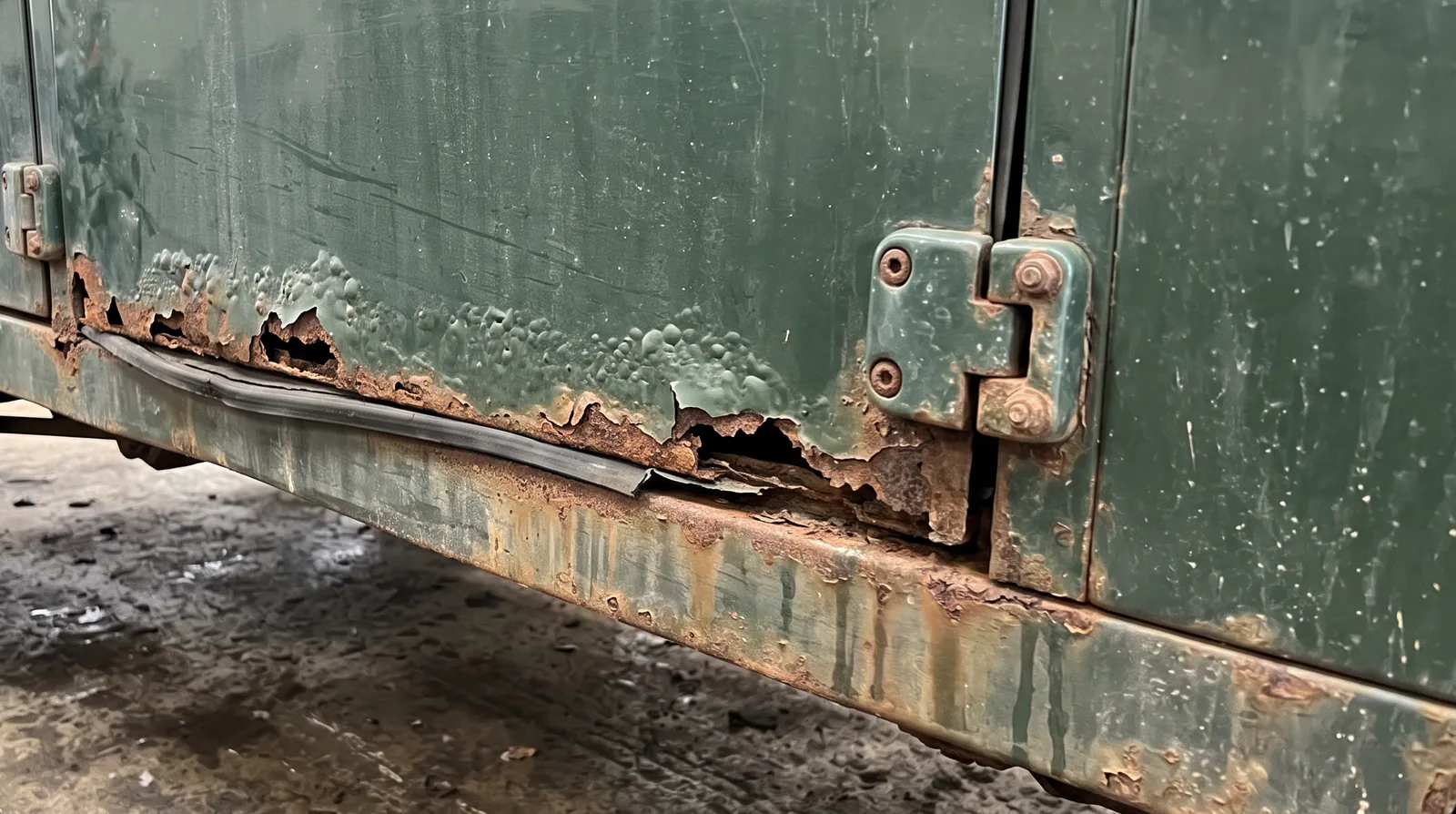
Where does a Land Rover rust if the body is aluminium?
In the steel. On the chassis, the usual places are the rear crossmember, the outriggers and the rails near the spring mounts. On the bulkhead, it's the footwells and the door pillars. The steel frames along the bottoms of the doors go too.
So a respray that only looks at the panels misses the parts most likely to fail. Look underneath before you think about the colour.
What happens where aluminium meets steel?
The aluminium corrodes. TWI, the UK's welding and materials research organisation, describes galvanic corrosion as one metal corroding in preference to another that it's in contact with through an electrolyte. Its own example is aluminium and carbon steel: the aluminium corrodes more quickly, while the steel is protected. On a Land Rover, the electrolyte is the water that sits in the joins.
On the body, it shows as paint bubbling and lifting where aluminium sits against steel, with white powder underneath. Door frames, hinges and the joins to the steel parts are where to look.
TWI's ways of preventing it include insulating the two metals from each other, coating both, and separating them with a spacer. So on a respray, the joins are opened up and cleaned back to sound metal, and the two metals are primed and kept apart where they meet, rather than painted over as they are.
Why does aluminium need etch primer?
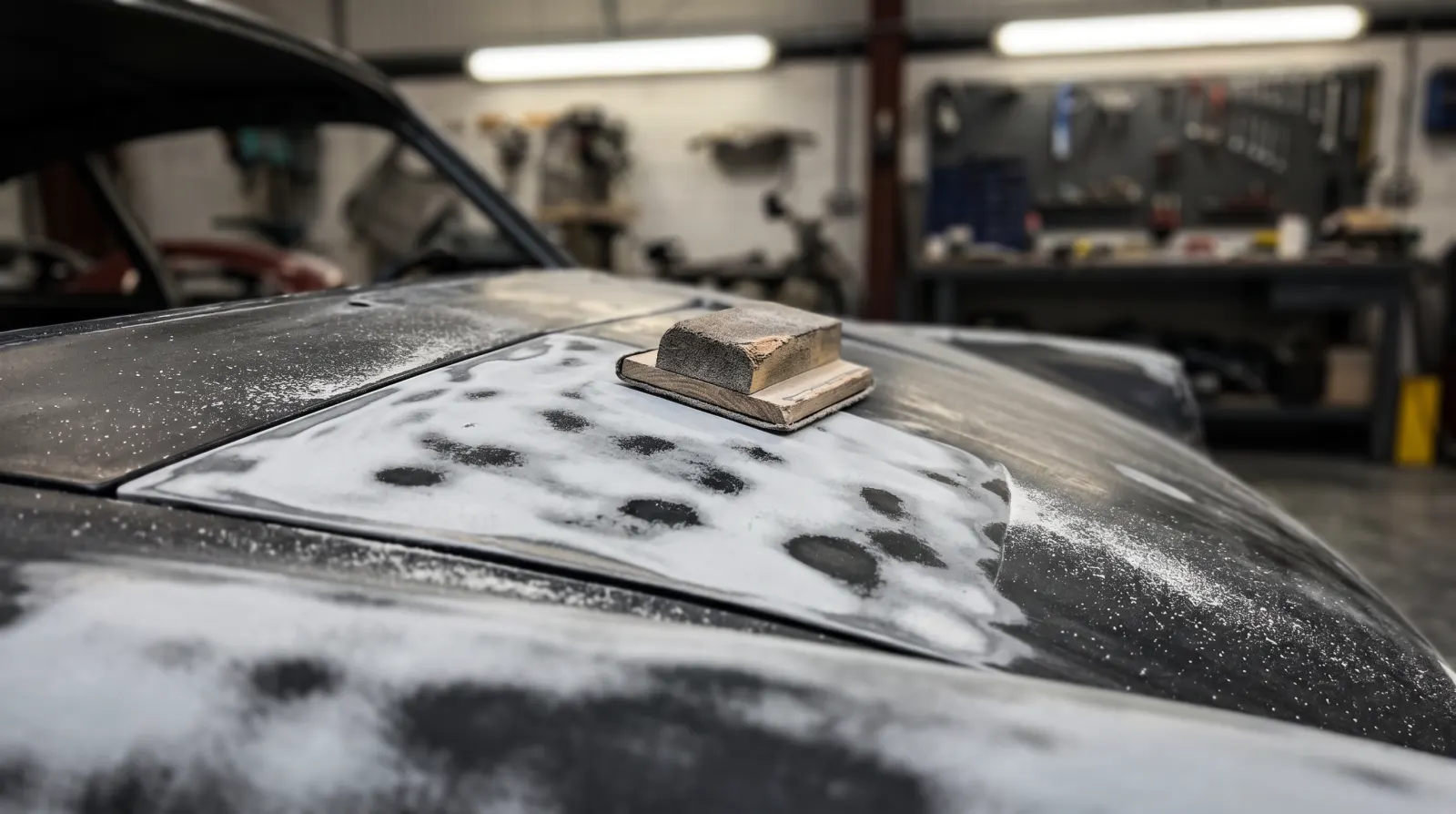
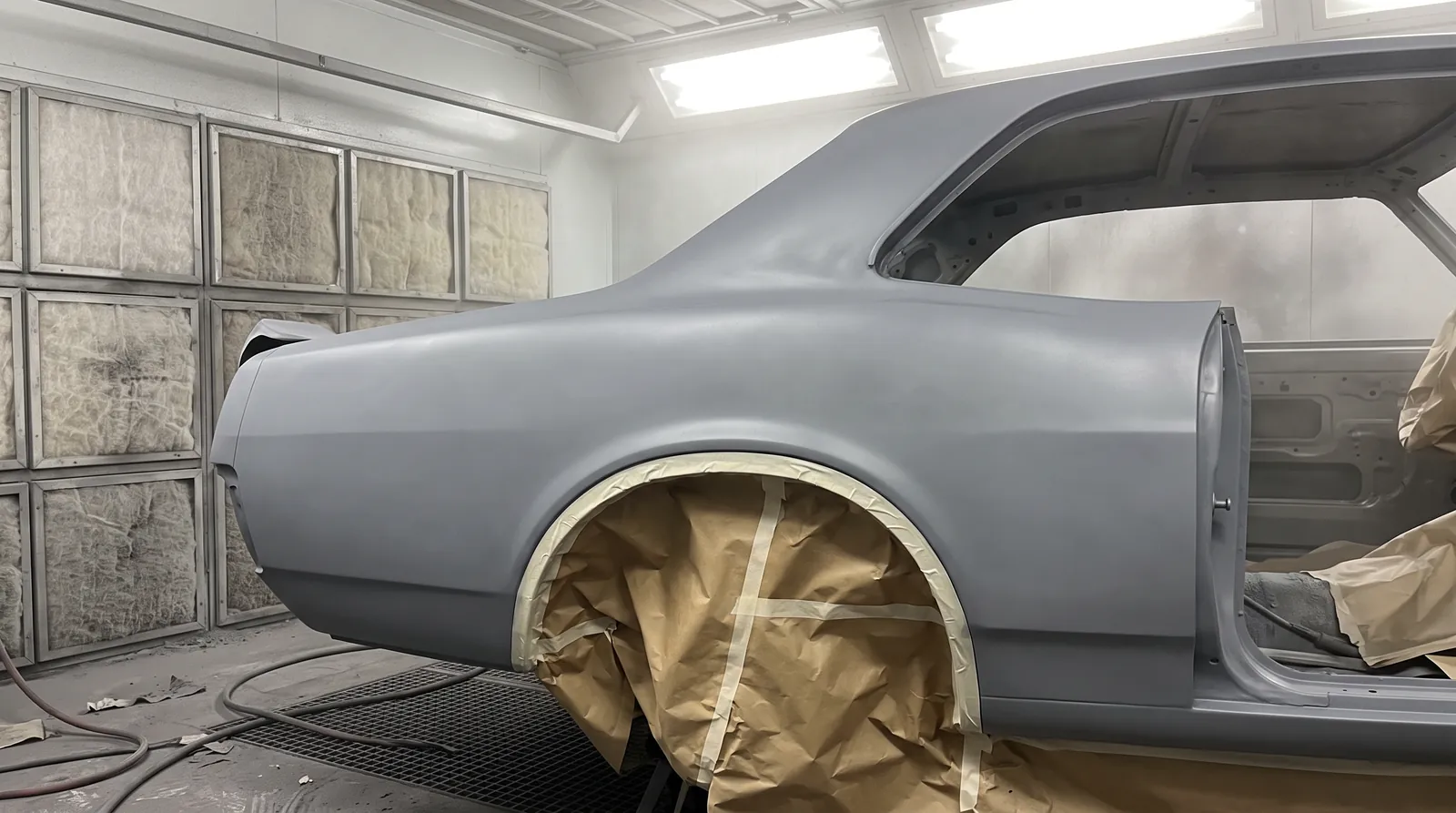
Because colour isn't made to stick to bare metal, and etch primer is made to grip it. Etch primer is a thin primer with acid in it that bites into bare metal, aluminium and galvanised panels included. PPG, one of the big paint makers, describes one of its etch primers as made for bare and galvanised steel, and bare and anodised aluminium.
Body filler doesn't go on top of etch primer, because the acid can stop polyester filler curing and gripping properly. Any filler goes on keyed bare metal, or over a primer its own data sheet allows.
After that it's high build primer, guide coat and blocking, as on any respray. A Defender's big, flat panels show every ripple, so the blocking matters.
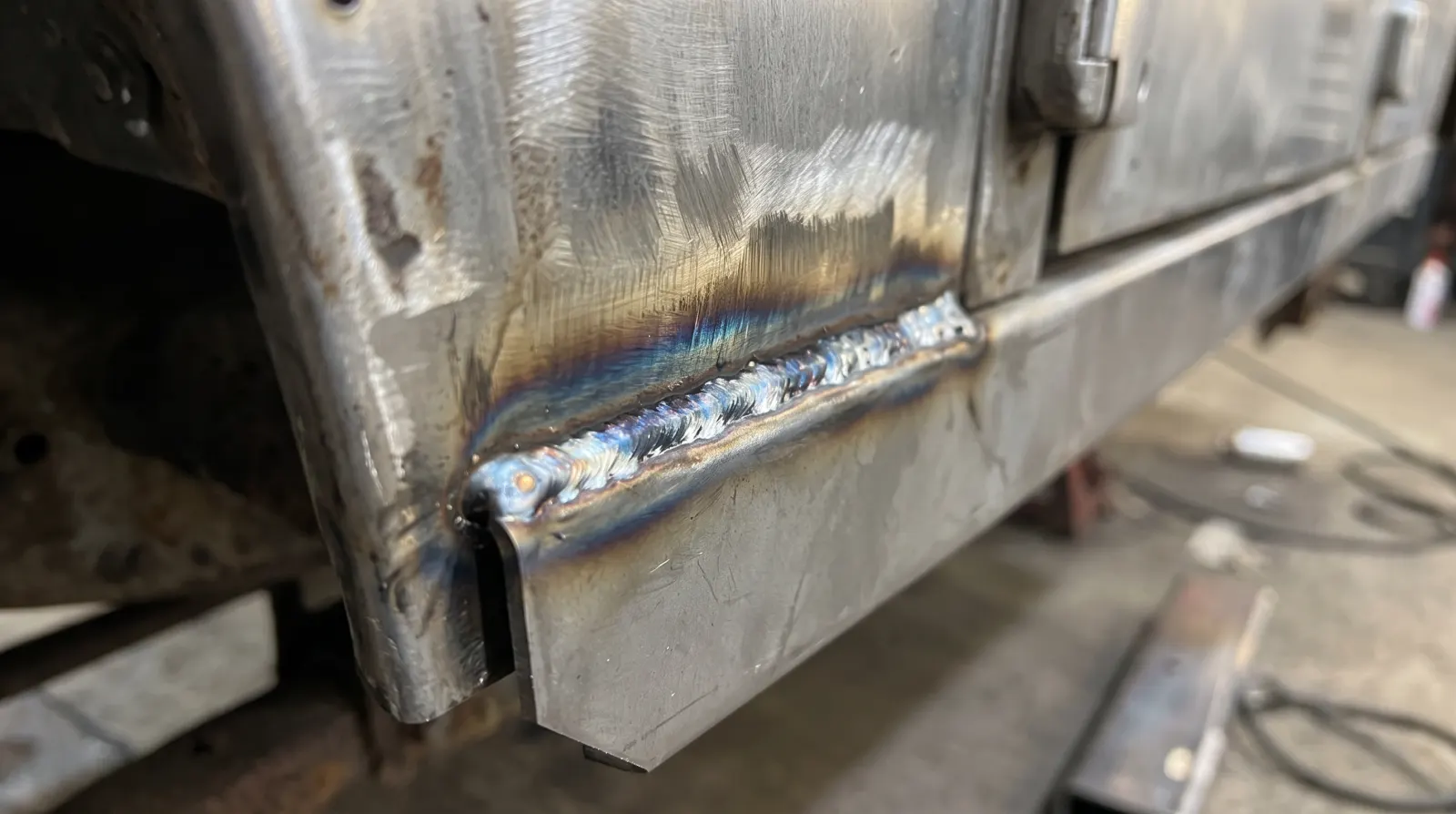
What happens to the steel before the paint?
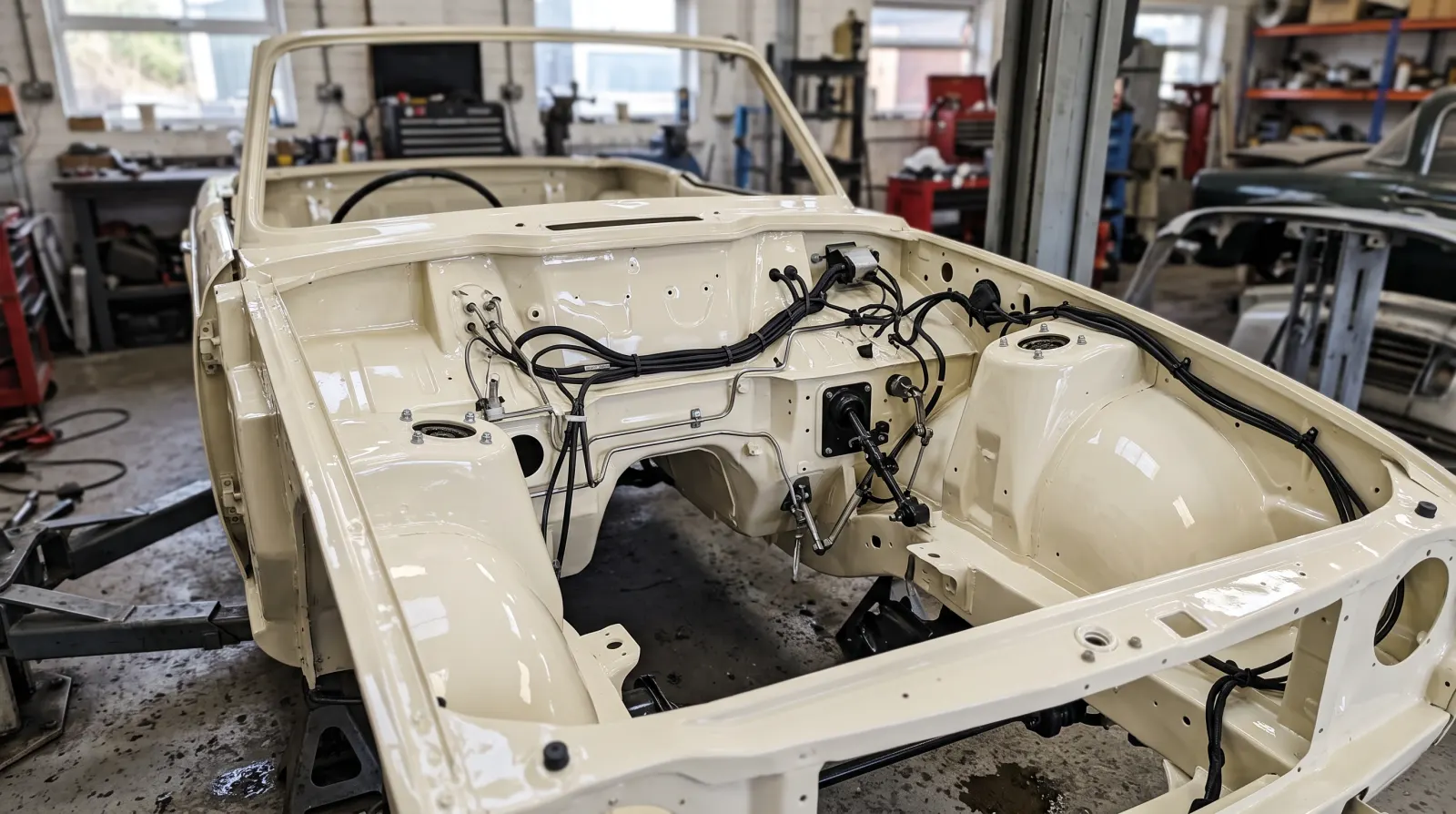
It's put right first. Rot in the chassis or bulkhead is cut back to clean steel and new metal let in, or a new section fitted where it has gone too far. The new metal is primed and seam sealed, and box sections get cavity wax after the paint, or the rust comes back from inside. See welding and rust repair for how we decide between a patch and a new section.
How much comes off a Land Rover for a respray?
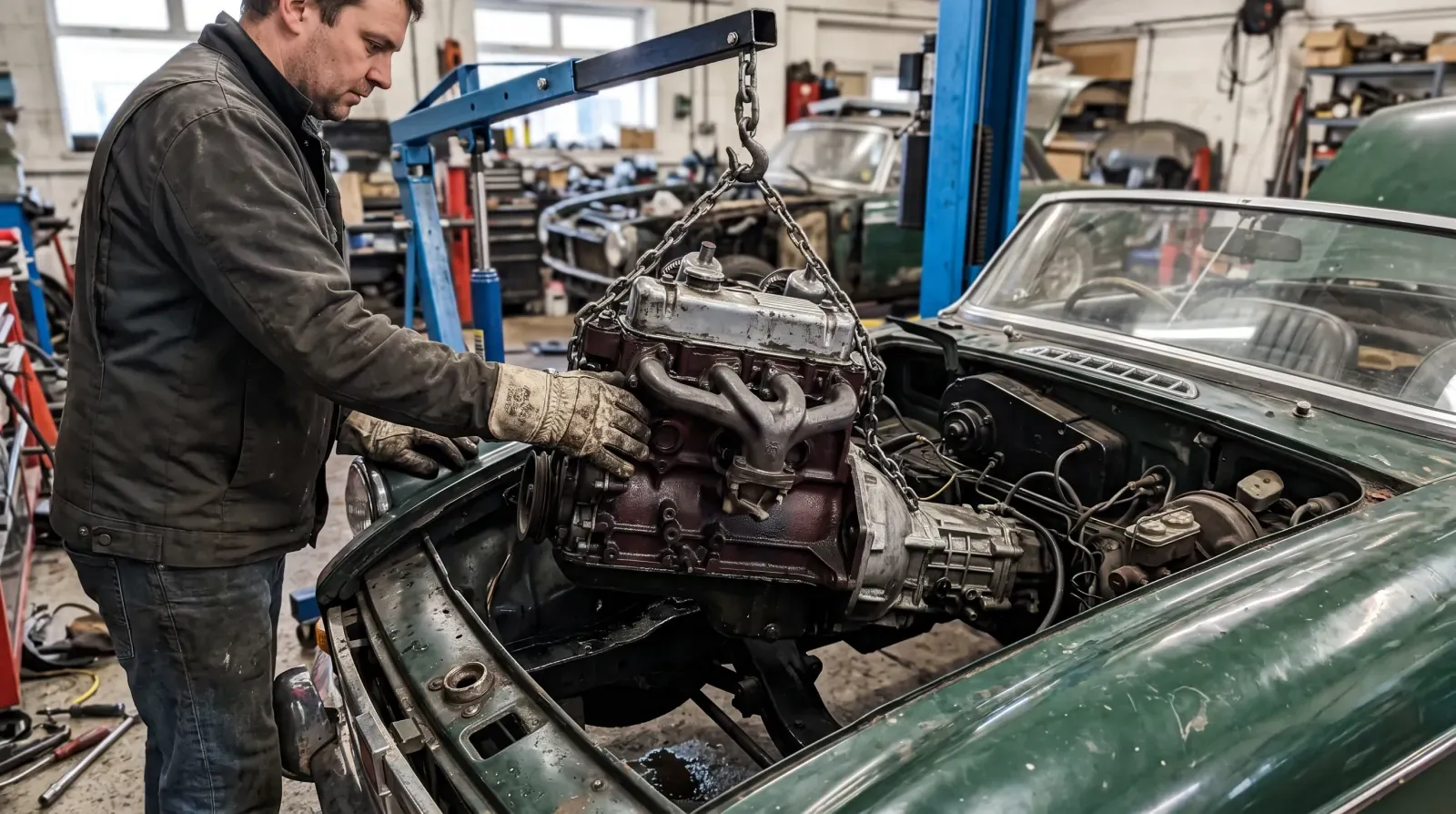
More than the panels alone. Lights, grille, handles, mirrors and seals come off so the paint runs right under them, and the joins between aluminium and steel have to be seen before they can be dealt with. On a colour change, the paint also reaches the door shuts, the inside of the bonnet and the edges under the seals.
How far it goes depends on the job. A same colour respray on sound panels can stop at the outside. A full restoration takes it much further. See resprays for what each involves.
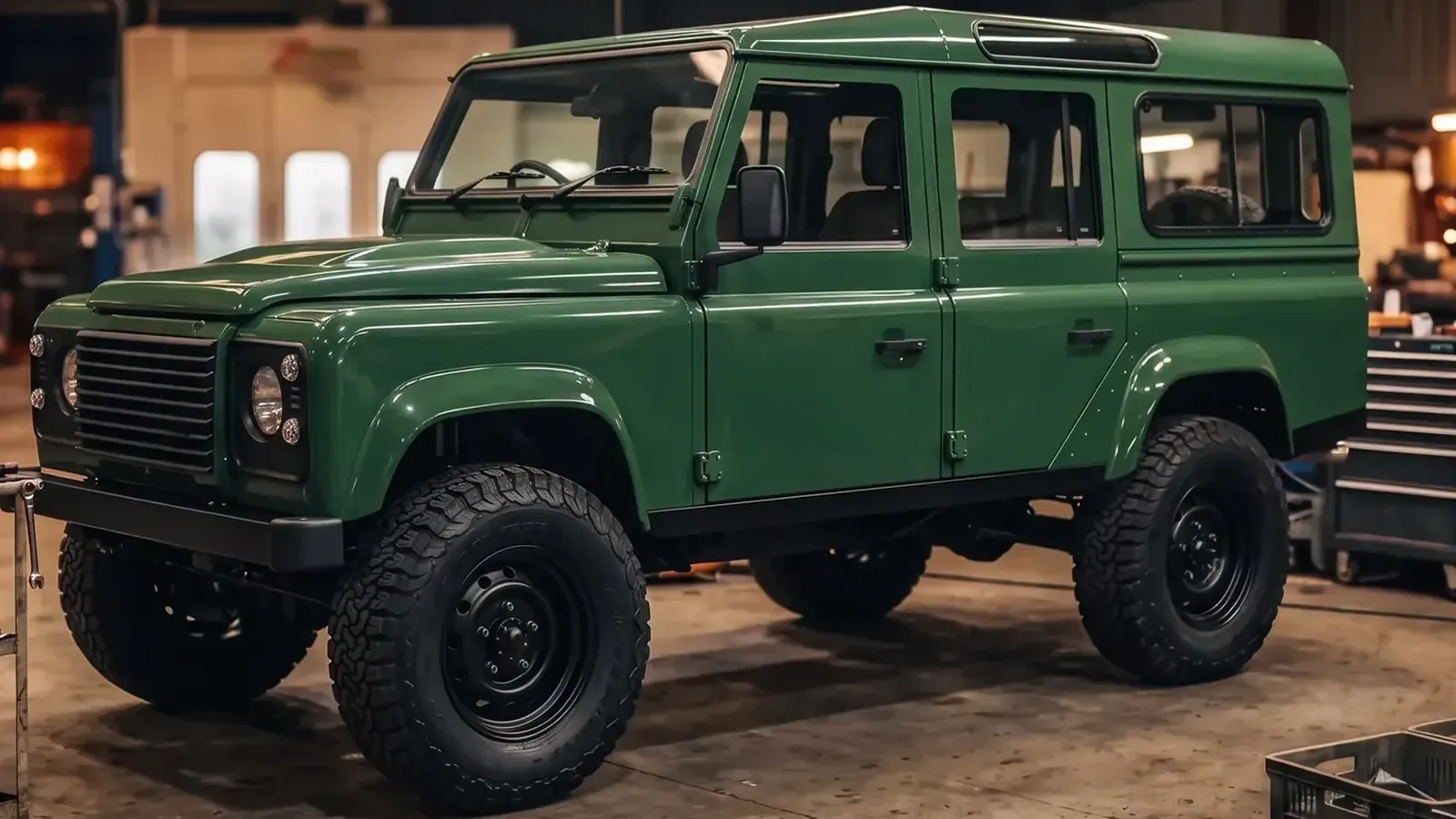
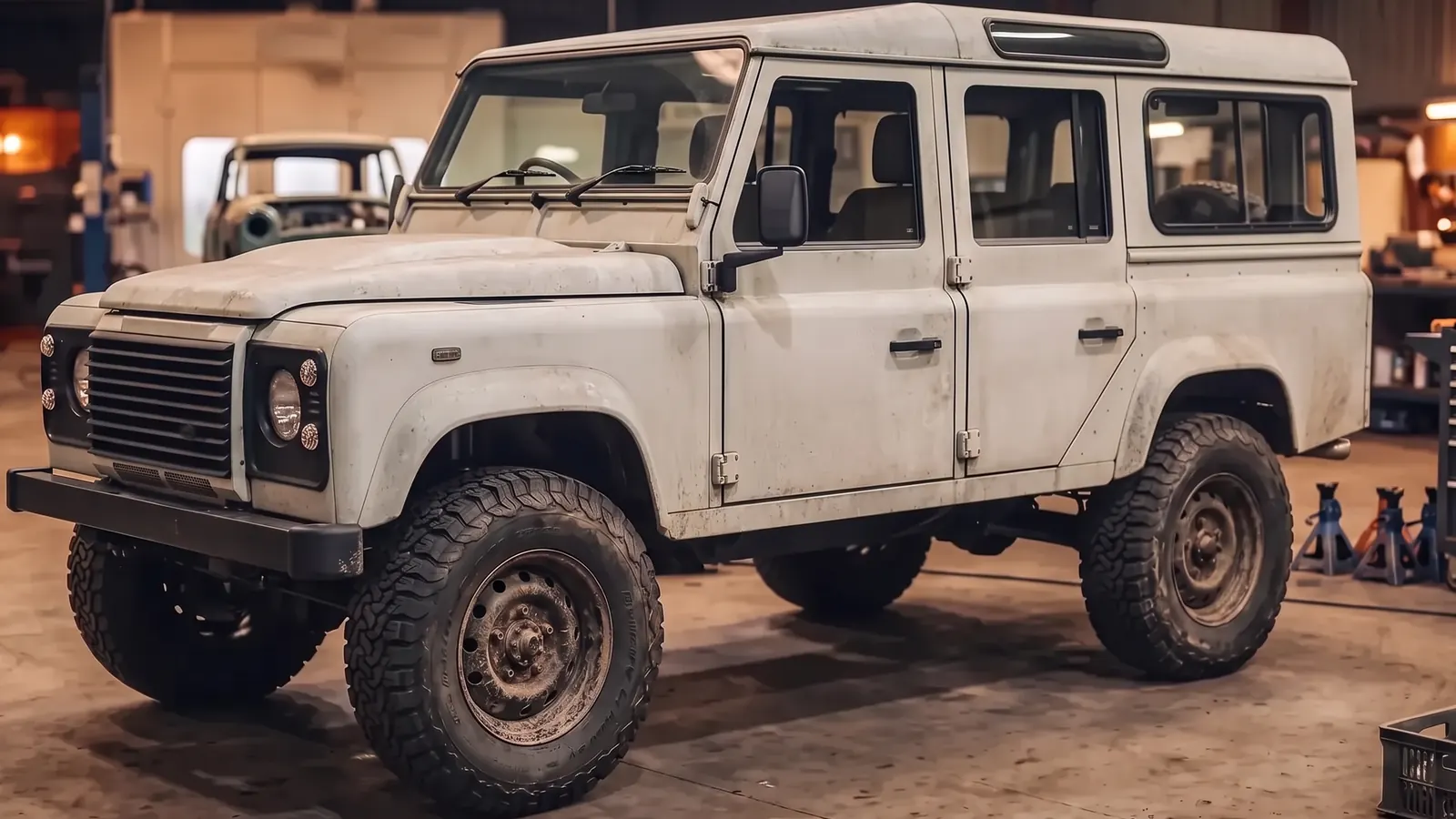
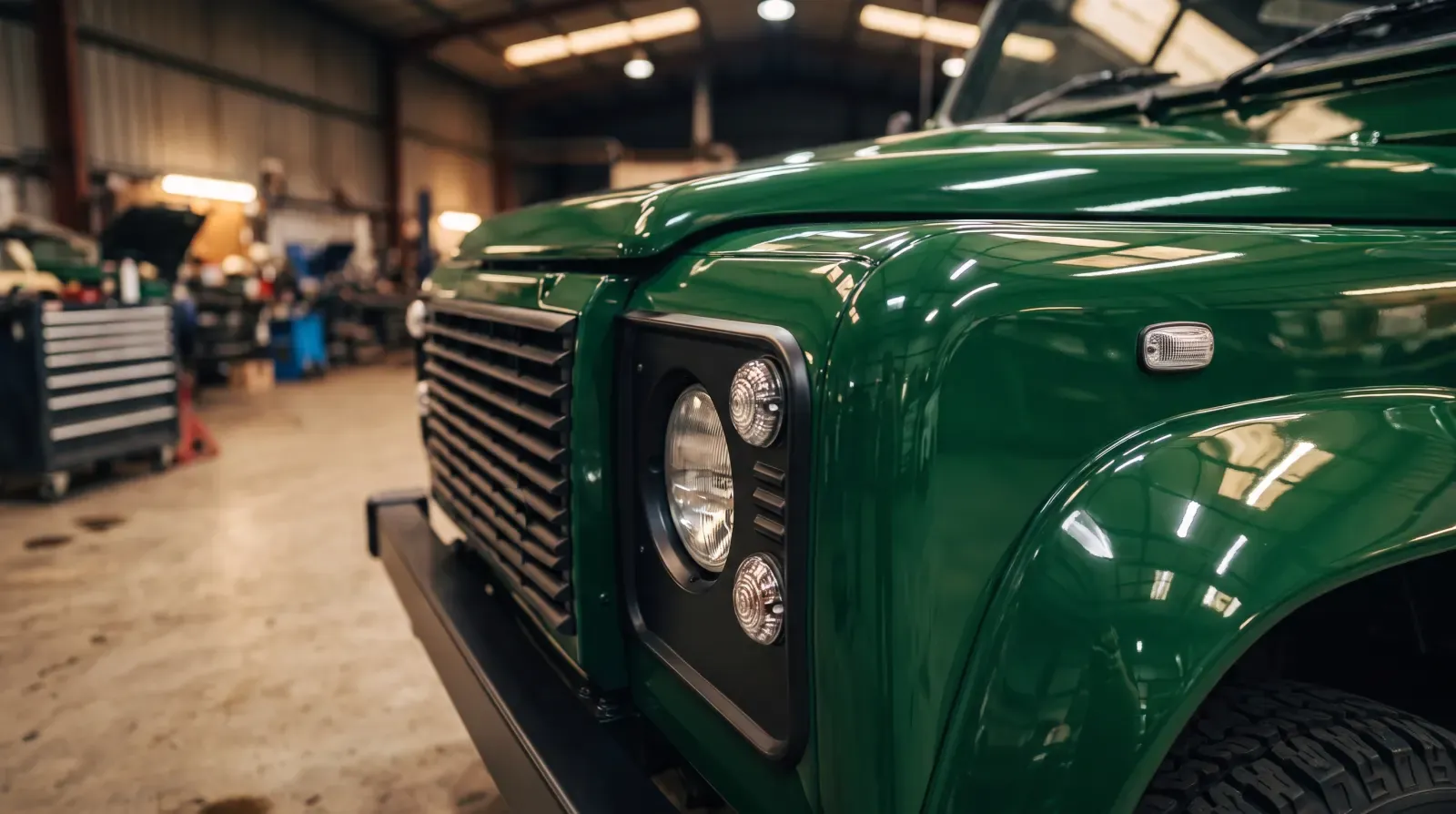
Same colour or a new one?
Either works on a Land Rover. A same colour respray brings tired, chalky paint back to one even finish. A colour change is the bigger job, for the reasons above, and the V5C has to be updated afterwards: GOV.UK lists colour among the changes you must put on your V5C. Tell your insurer at the same time.
What does a Land Rover respray cost?
It depends on what's under the paint more than on the size of the panels. Rust in the chassis or the bulkhead, corrosion at the joins and old repairs all add hours, and none of it can be priced from a photo of the outside. We give a rough price from photos, confirm it once it's here and stripped, and show you what we've found. See prices for how we quote.
Send us photos of the panels, the chassis and the footwells from the quote form.