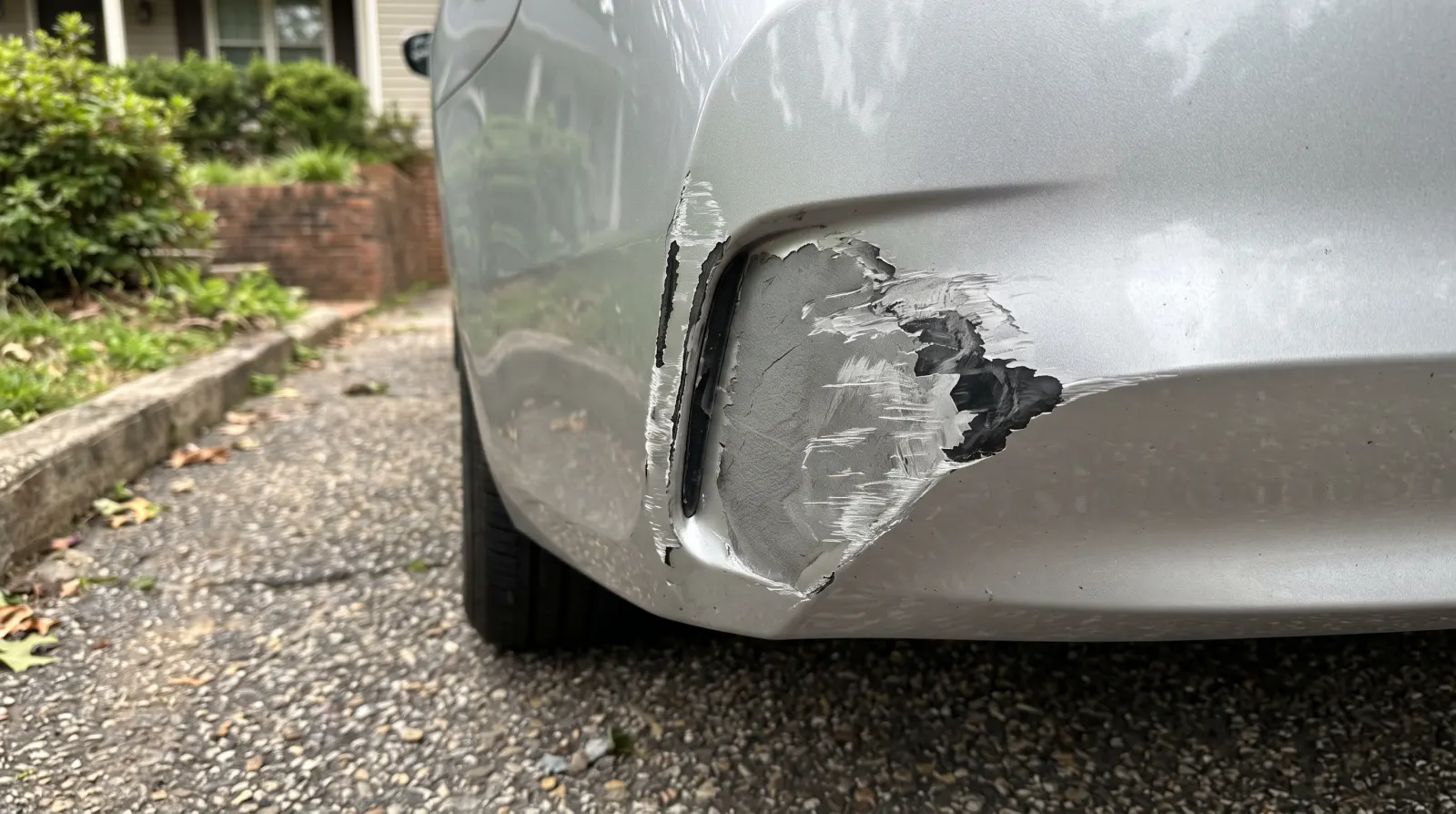
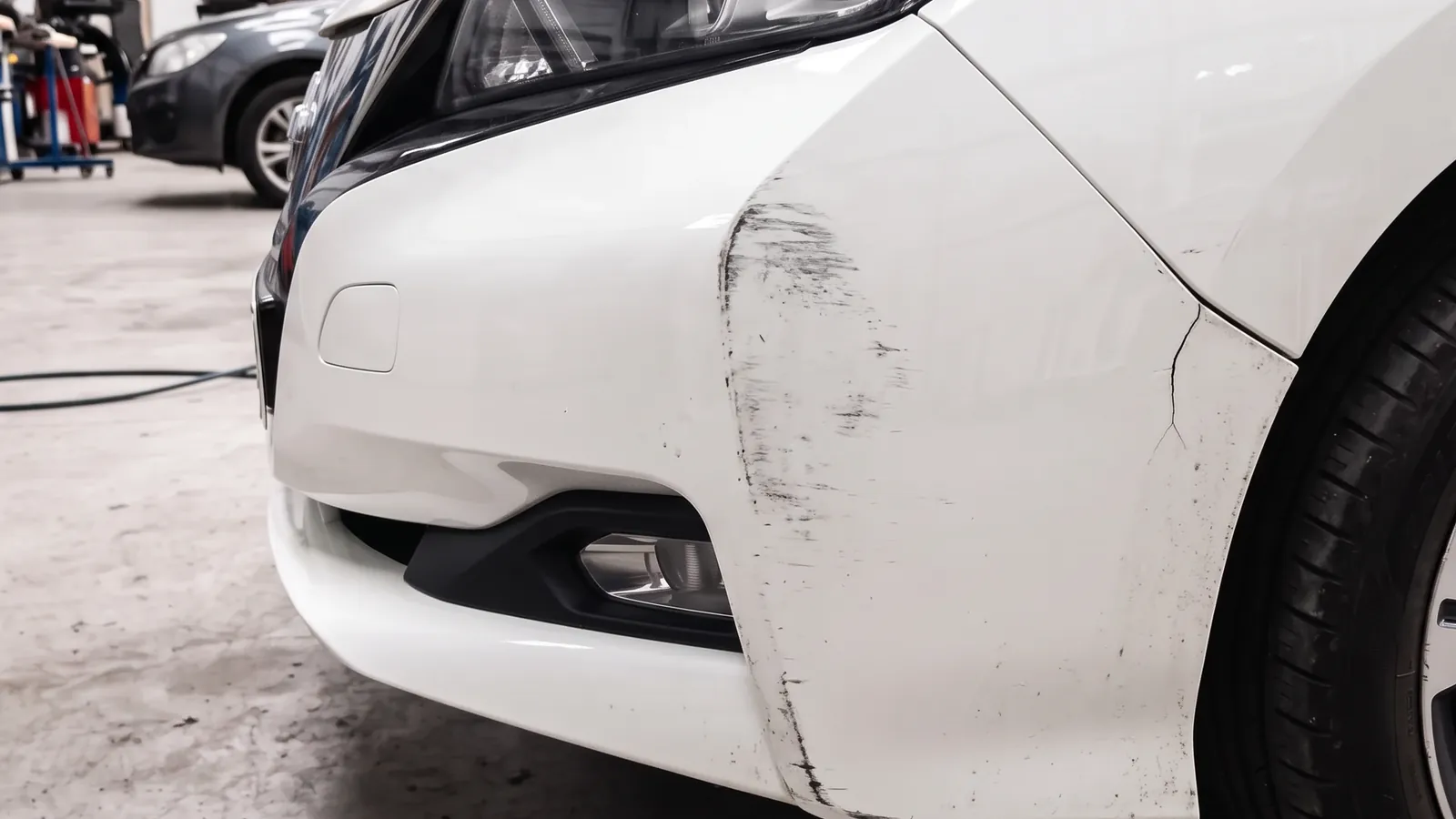
Most scuffed bumpers can be repaired. A scuff that stops in the clear coat can often be polished out. A scrape through the paint is sanded back, filled where it needs it, primed with a primer made for plastic, then painted and blended to match. A crack is a bigger question. A short split can sometimes be put right, but a bumper that is torn, broken where it fixes on, or cracked in front of a radar sensor is usually a new bumper.
Here's how to tell which yours needs.
Can a bumper scuff be polished out?
Often, if it hasn't gone through the clear coat. The clear coat is the see-through lacquer over the colour, and a light scuff that stays in it can be polished away.
Run a fingernail across the mark. If your nail glides over it, there's a good chance it polishes out. If it catches, the scuff has usually gone through the clear and needs filling and paint.
Some marks aren't in your paint at all. A grey or coloured smear from a wall, a post or another car can be paint sitting on top of yours, and that can often be cleaned off without touching your own.
What if the scrape has gone through the paint?
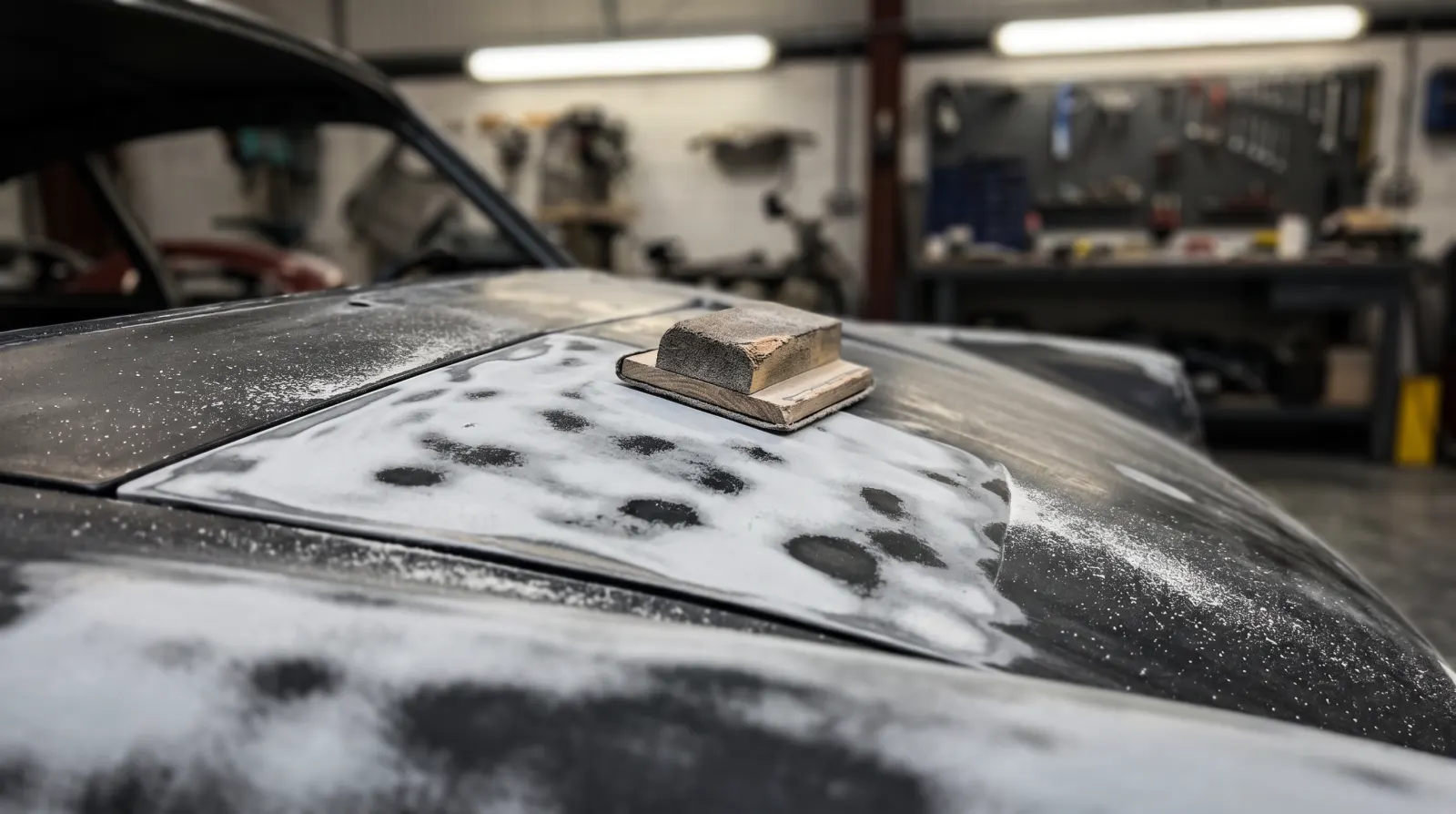
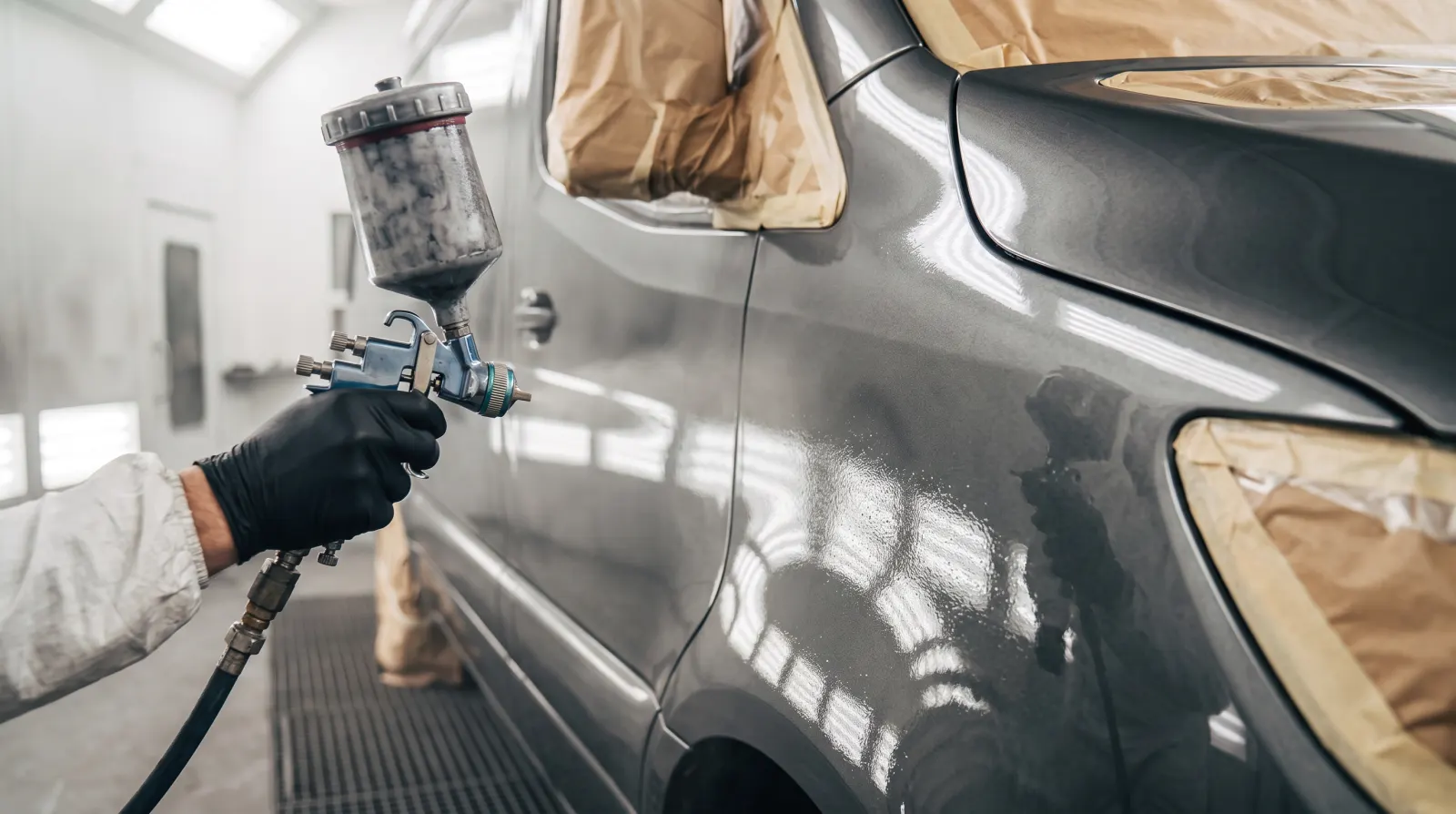
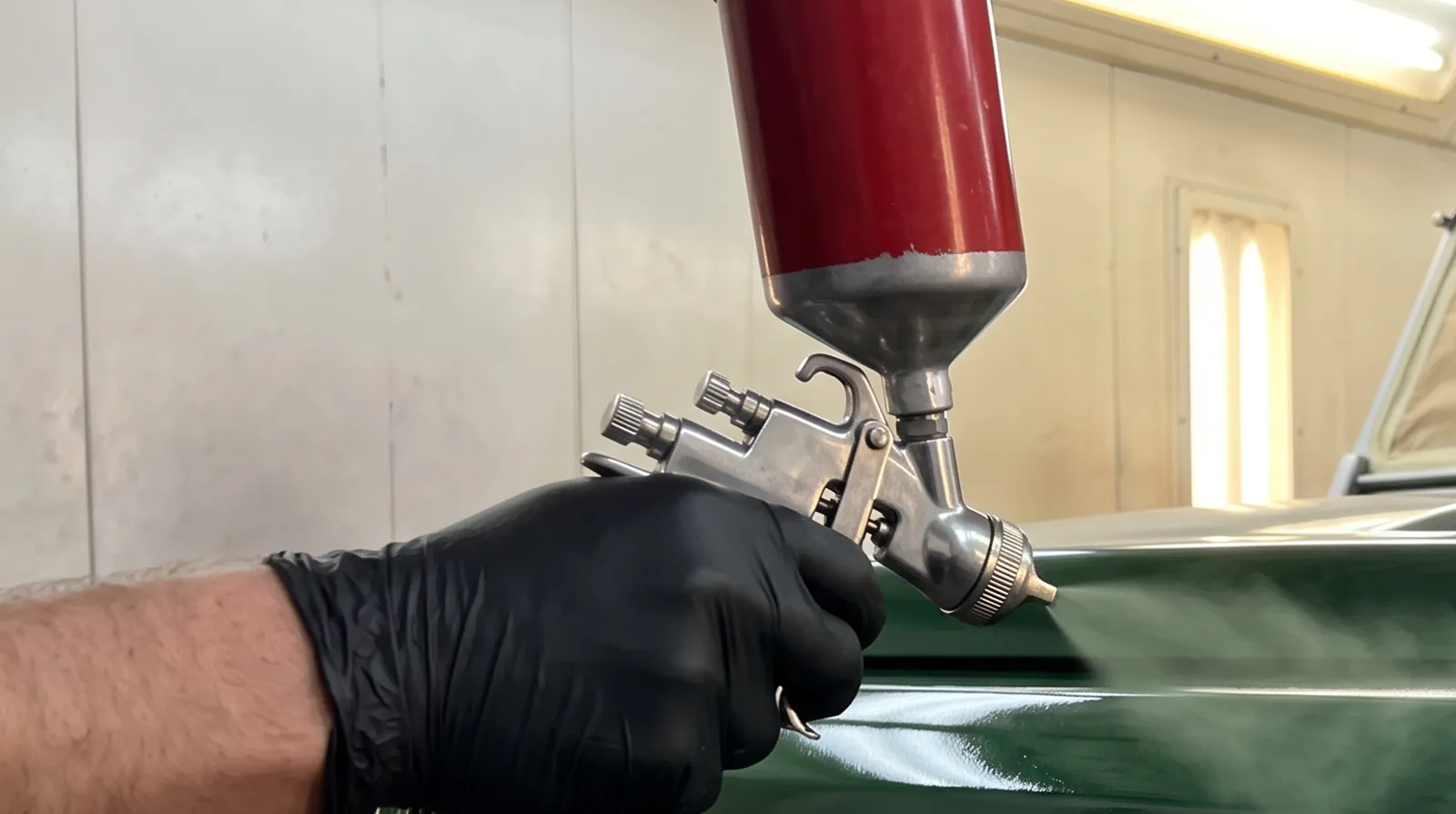
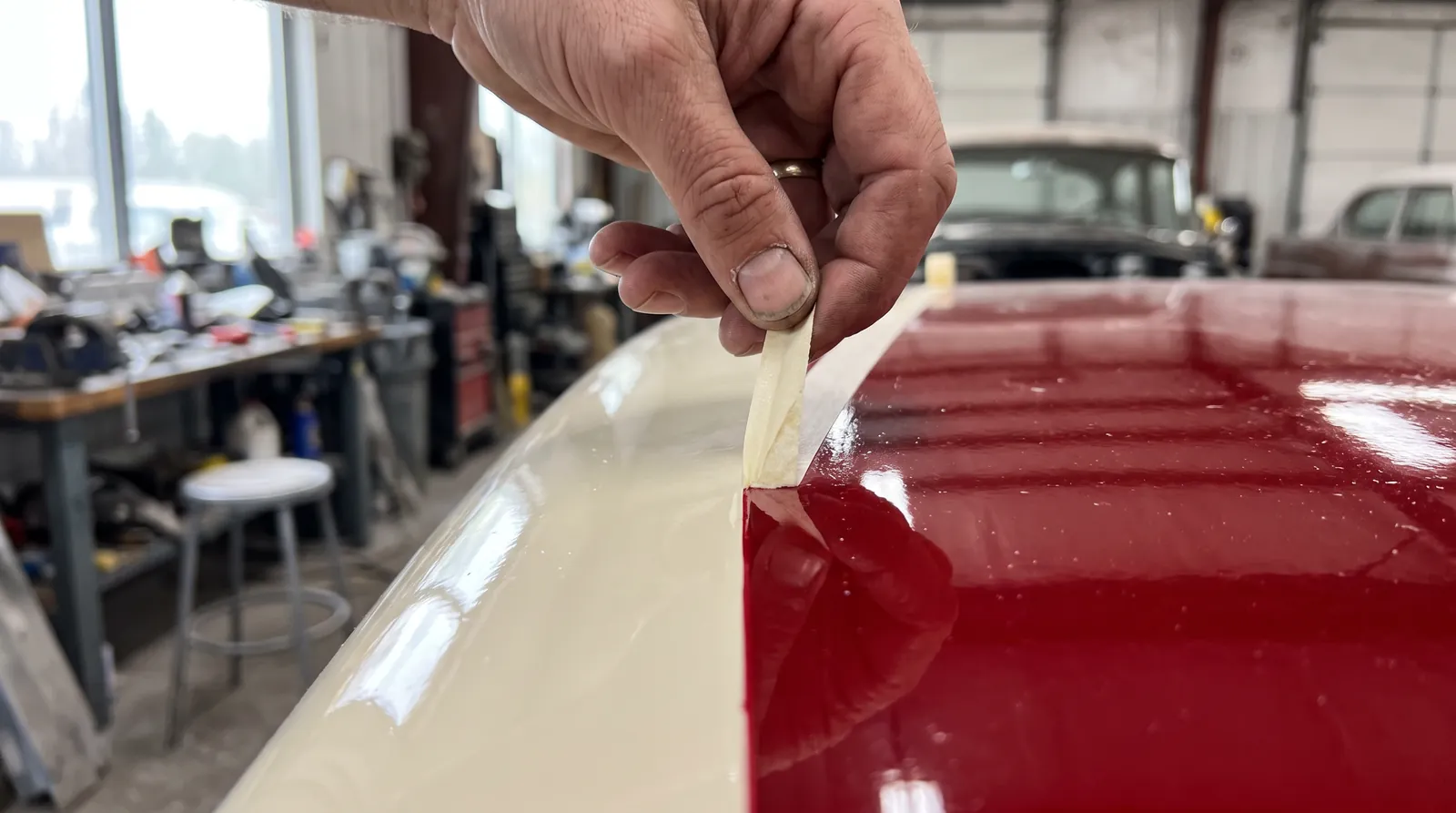
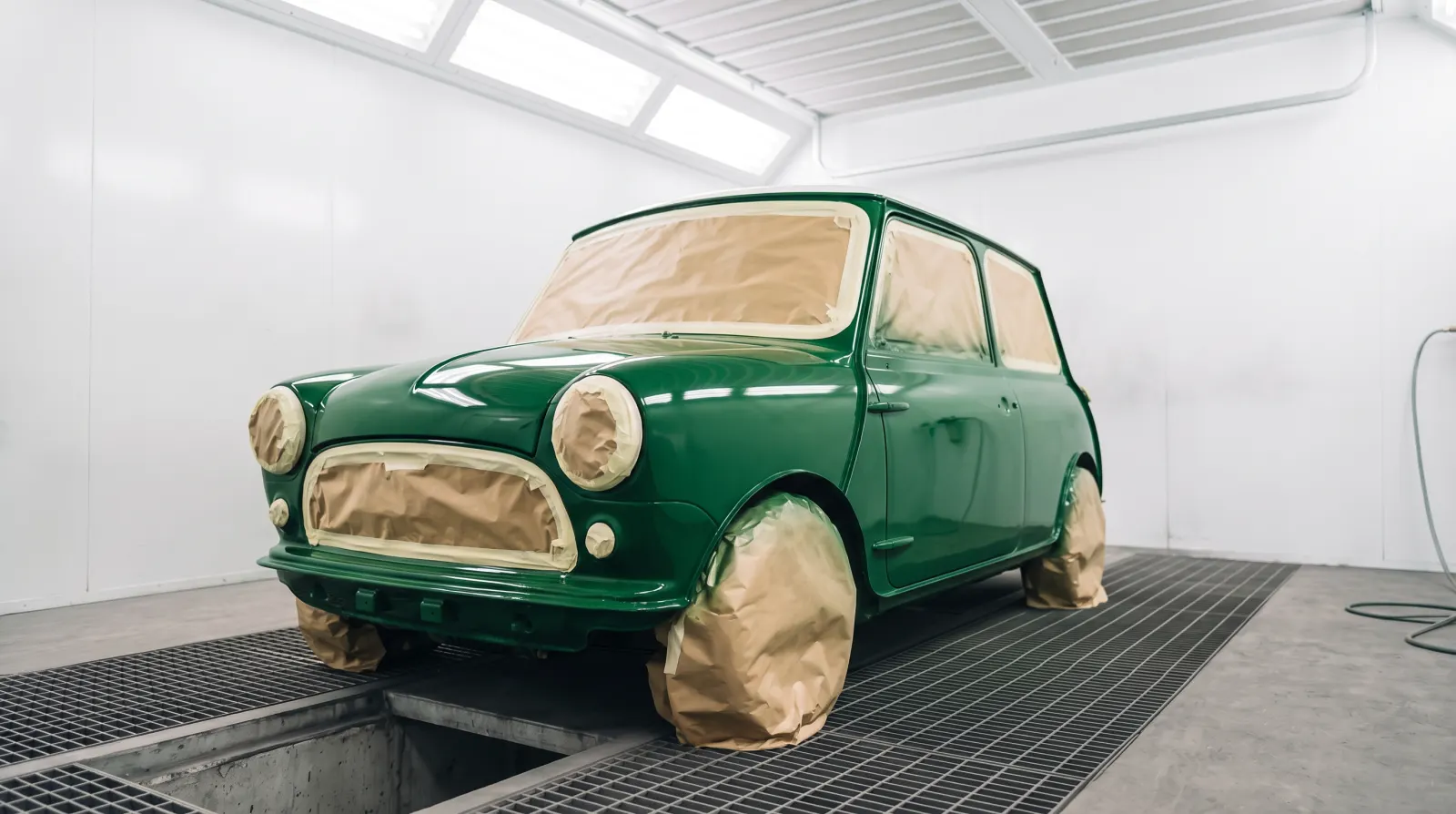
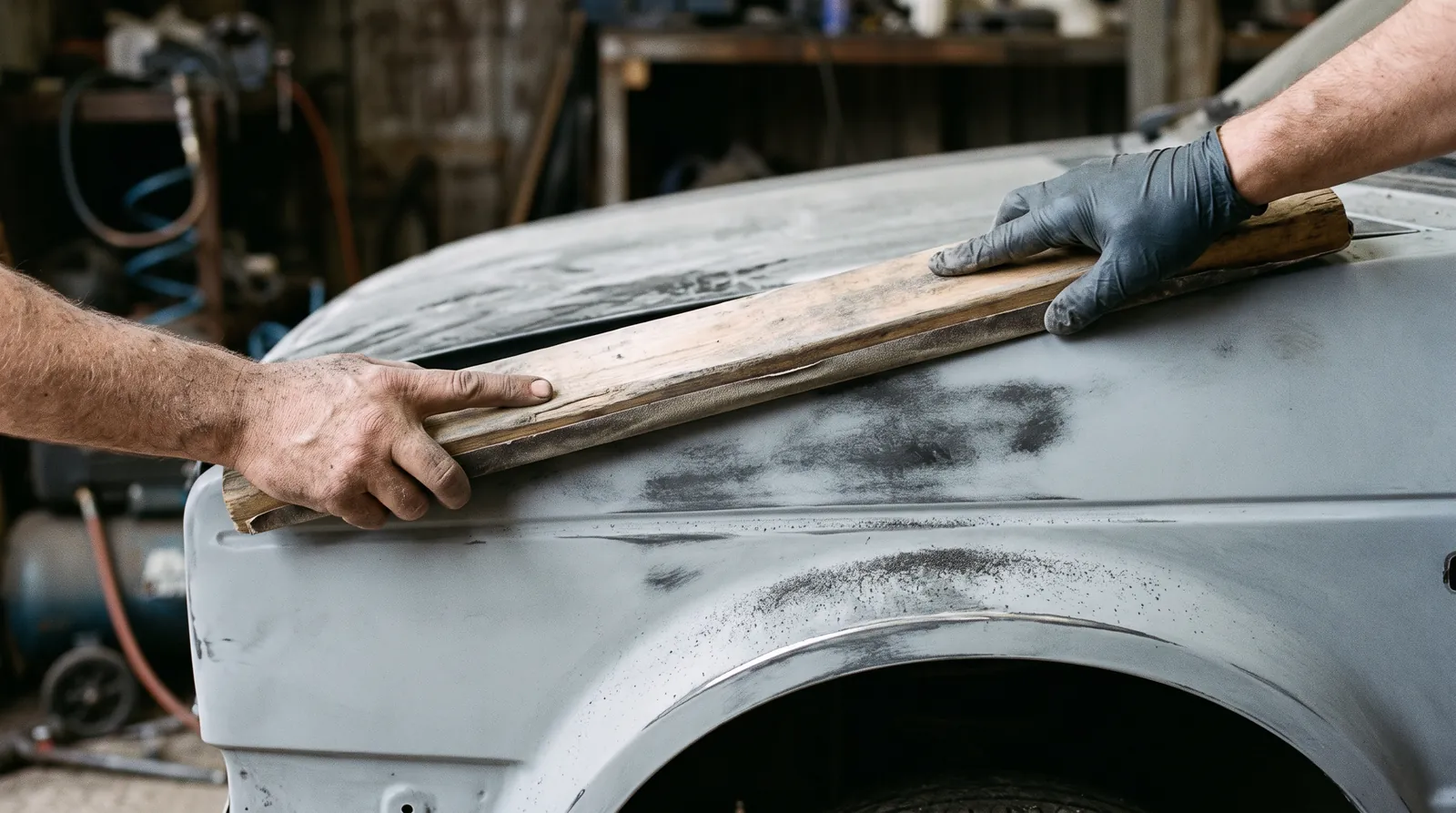
Then it needs paint, not polish. The scraped area is sanded back so the edges of the old paint taper into it, with no step left to show through the new colour. A gouge in the plastic is filled and sanded flat. Then it's primed, painted to the car's paint code and lacquered.
See body repair for how we put scrapes and scuffs right.
Why does a plastic bumper need its own primer?
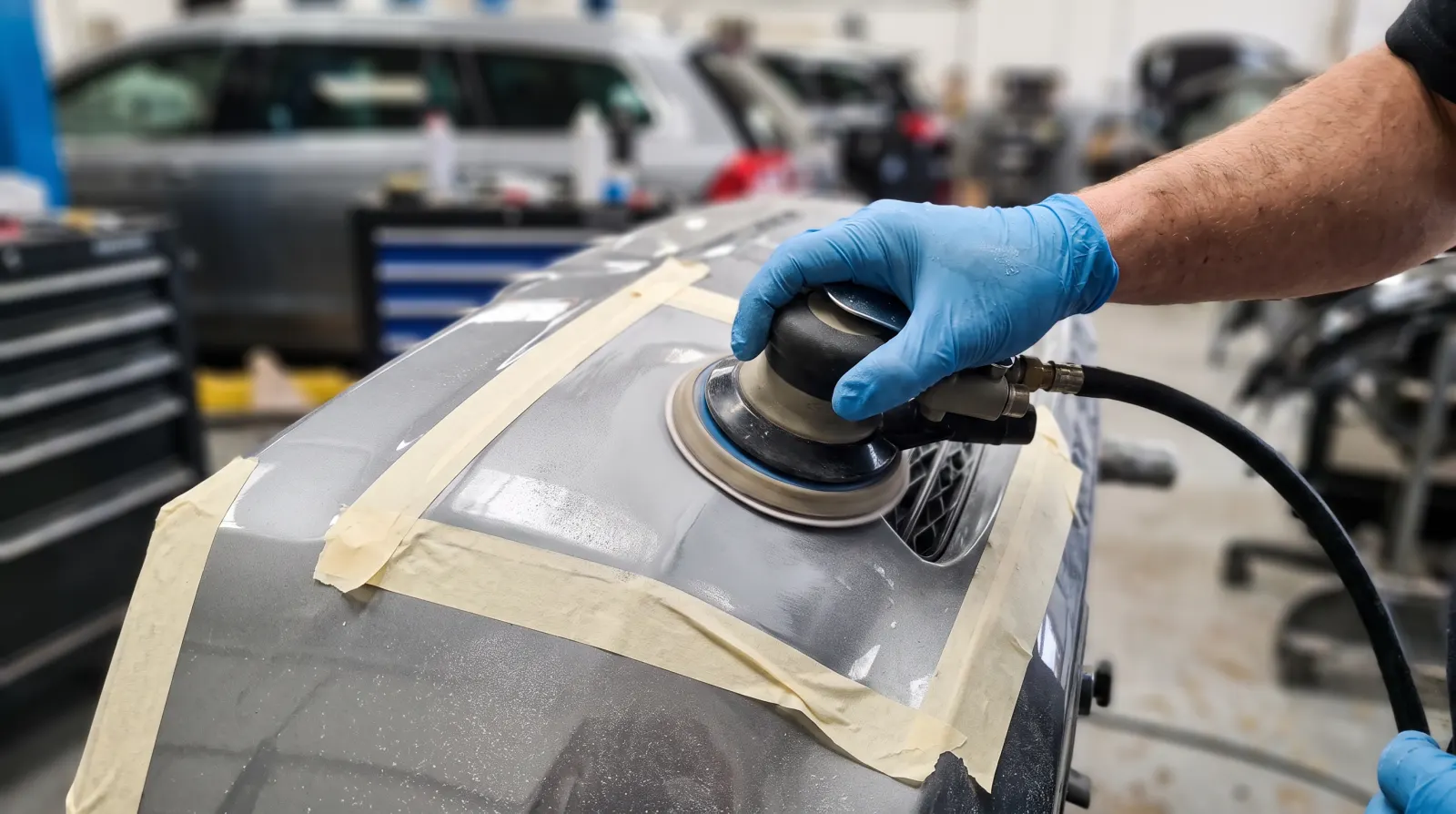
Because paint doesn't grip bare plastic the way it grips steel, and a bumper flexes. Plastic bumpers get their own primer so the paint grips and flexes with them, rather than cracking or lifting off.
The repair to the plastic itself needs the same care. I-CAR, the US collision repair training body, says most bumpers today are made of an olefin plastic, and that olefin needs an adhesion promoter, a thin coat that helps the repair stick, when it's repaired with adhesive. It warns that if the promoter is left out when it's needed, or put on wrong, the repair will fail.
Can a cracked bumper be repaired?
Sometimes. A short split in a flat part of the bumper, away from its fixings and sensors, can be repaired. It's reinforced from behind so the crack can't open again, then filled, primed and painted on the front.
A new bumper is usually the better job when:
- the plastic is torn, or pieces are missing
- it's cracked in several places
- the mountings where it bolts or clips on are broken
- the damage sits in front of a radar sensor
A new bumper usually needs painting to match the car, so it gets the same primer, colour and lacquer as a repair.
What if there's a sensor or radar behind the bumper?
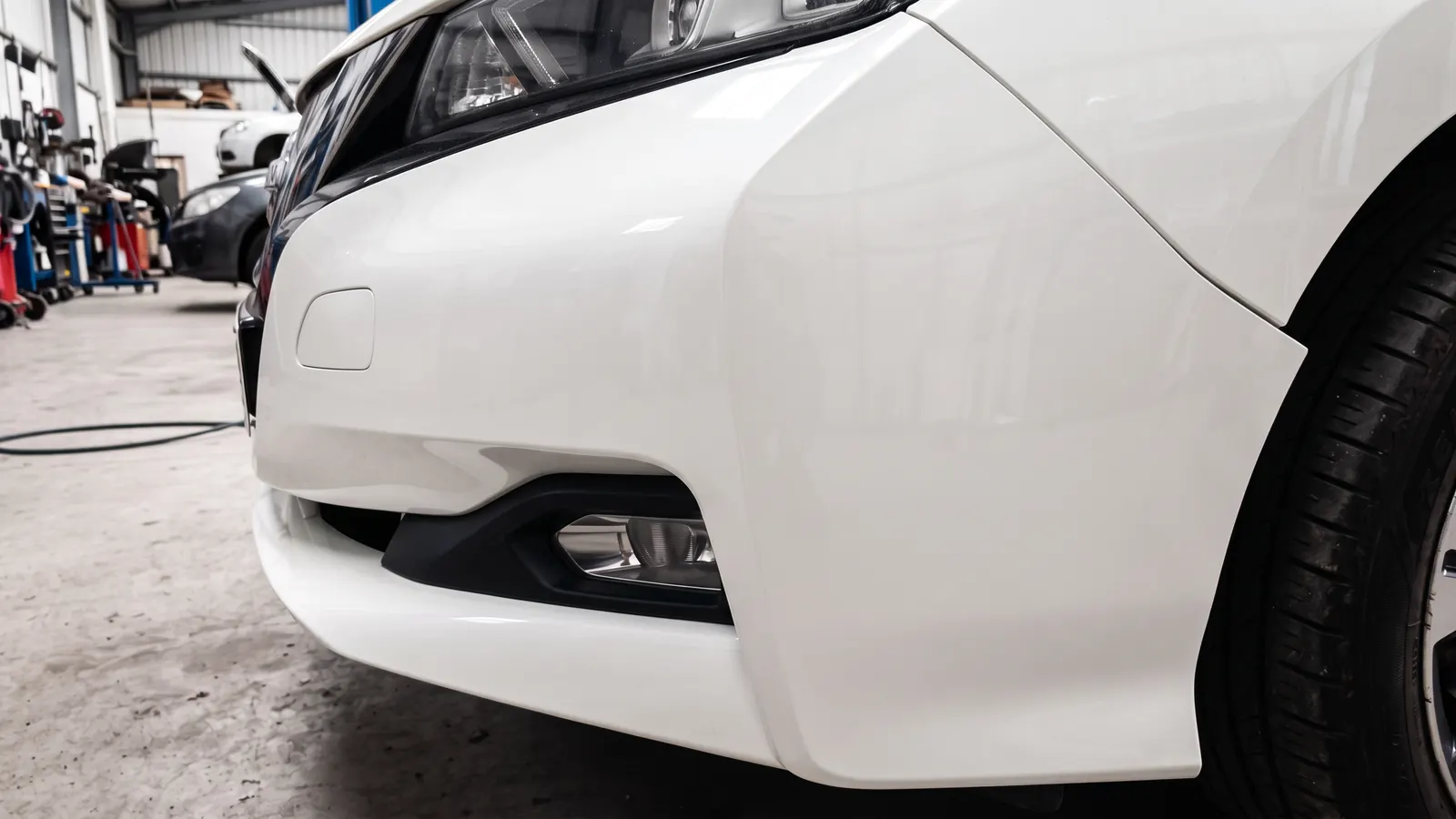
Then the carmaker's repair instructions decide what can be done. Many modern bumpers carry parking sensors, and some carry radar for the driver assistance systems. Paint and filler in front of a radar can get in the way of how it works, so carmakers set rules for that part of the bumper.
Honda's rules for its Acura models fitted with the AcuraWatch 360 system show how strict they can be. As Repairer Driven News reported, Honda says a crack, dent or gouge within the radar's range means the bumper must be replaced. The basecoat there must not go over 40 microns, and the colour must not be blended inside that area. If new paint runs into it, the whole area is painted.
So before a bumper with sensors in it is repaired, it's worth knowing what's behind it. Tell us the make, model and year when you send photos.
Will the repaired bumper match the car?
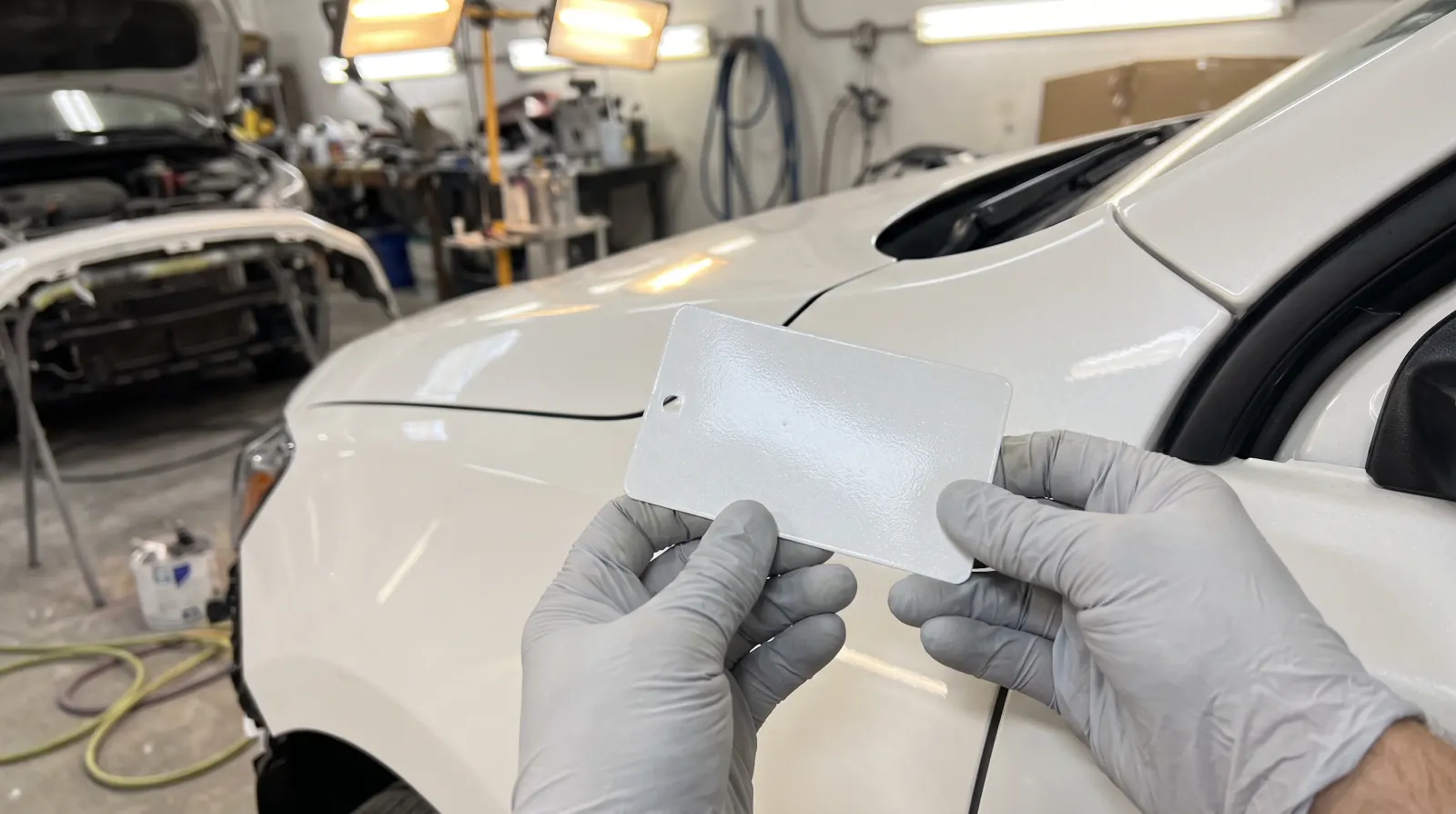
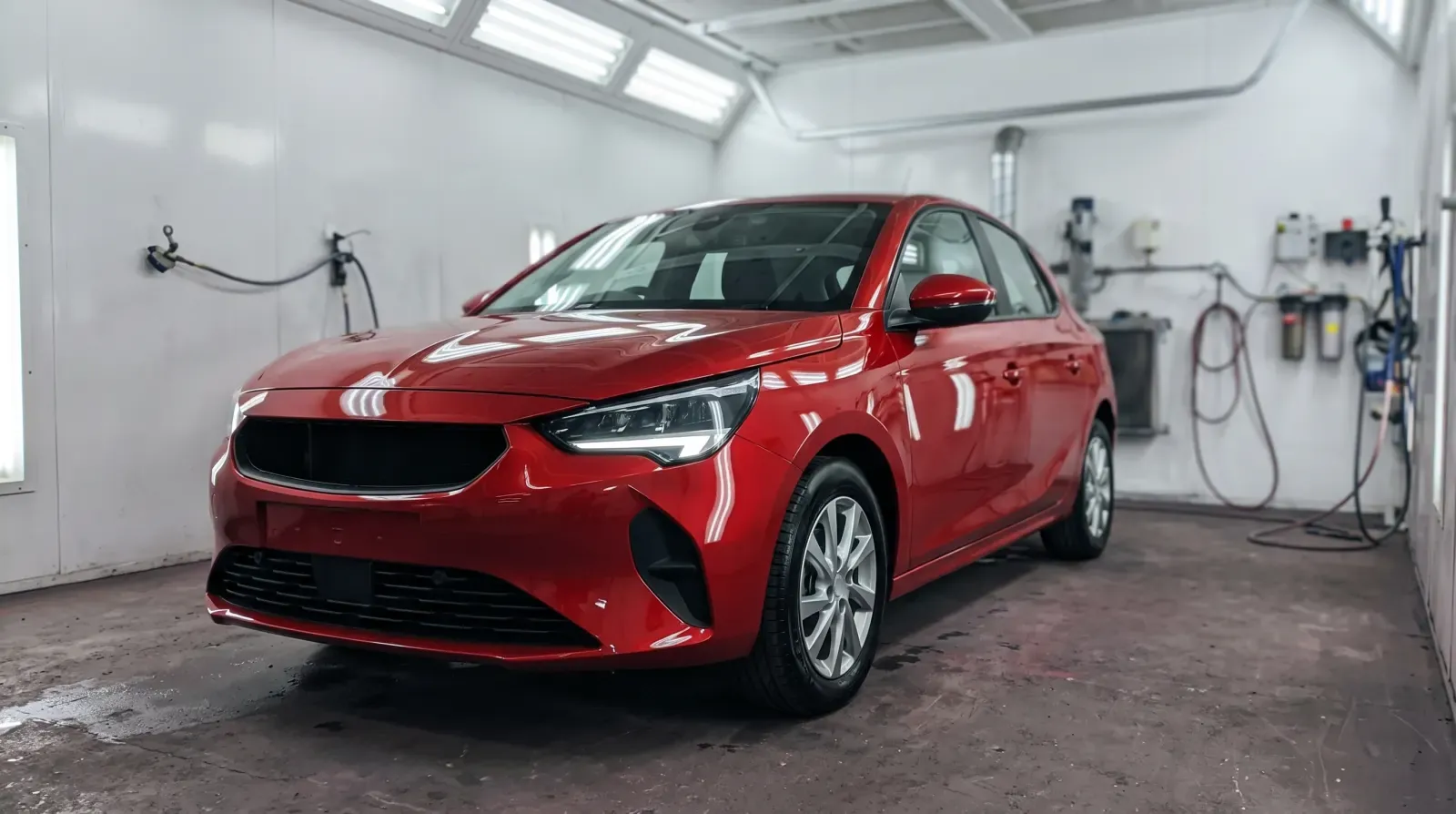
It should, when it's matched and blended. The colour is mixed to the car's paint code, which is on a label, usually in a door shut, under the bonnet or in the boot. Then it's blended into the panels either side of the repair, so it doesn't show as a patch. The radar area is the exception, on cars whose carmaker rules out blending there.
What moves the cost of a bumper repair?
How deep the damage goes, whether the bumper has to come off, and what's fitted to it. A light scuff on a corner is a smaller job than a deep scrape along the side. A crack adds the repair from behind. Sensors, grilles, fog lights, the number plate and trim all have to come off and go back on. A metallic or pearl colour asks more of the blend.
We give a rough price from photos and confirm it once the car is here. See prices for how we quote.
Scuffed or cracked bumper? Send us photos of the damage close up and from a few steps back, the make, model and year, and the paint code if you have it, from the quote form.