Tell your insurer before the work starts, and in any case before the car goes back on the road. An engine swap, a bigger engine, a remap or an electric conversion changes the car you're insured to drive. If the insurer doesn't know, it may have grounds to refuse a claim or cancel the policy.
What a change does to your cover is your insurer's call, and every insurer decides for itself. So ask your own, in writing if you can, before anything comes apart.
What counts as a modification?
Anything that changes the car from how its maker built it. The Financial Ombudsman Service, which settles complaints between consumers and insurers, describes car modification as changes that aren't part of the manufacturer's standard specification. Its examples run from different wheels and window tint to exhaust upgrades, engine tuning and remapping the ECU, the engine's control unit.
Engine work sits at the big end of that list.
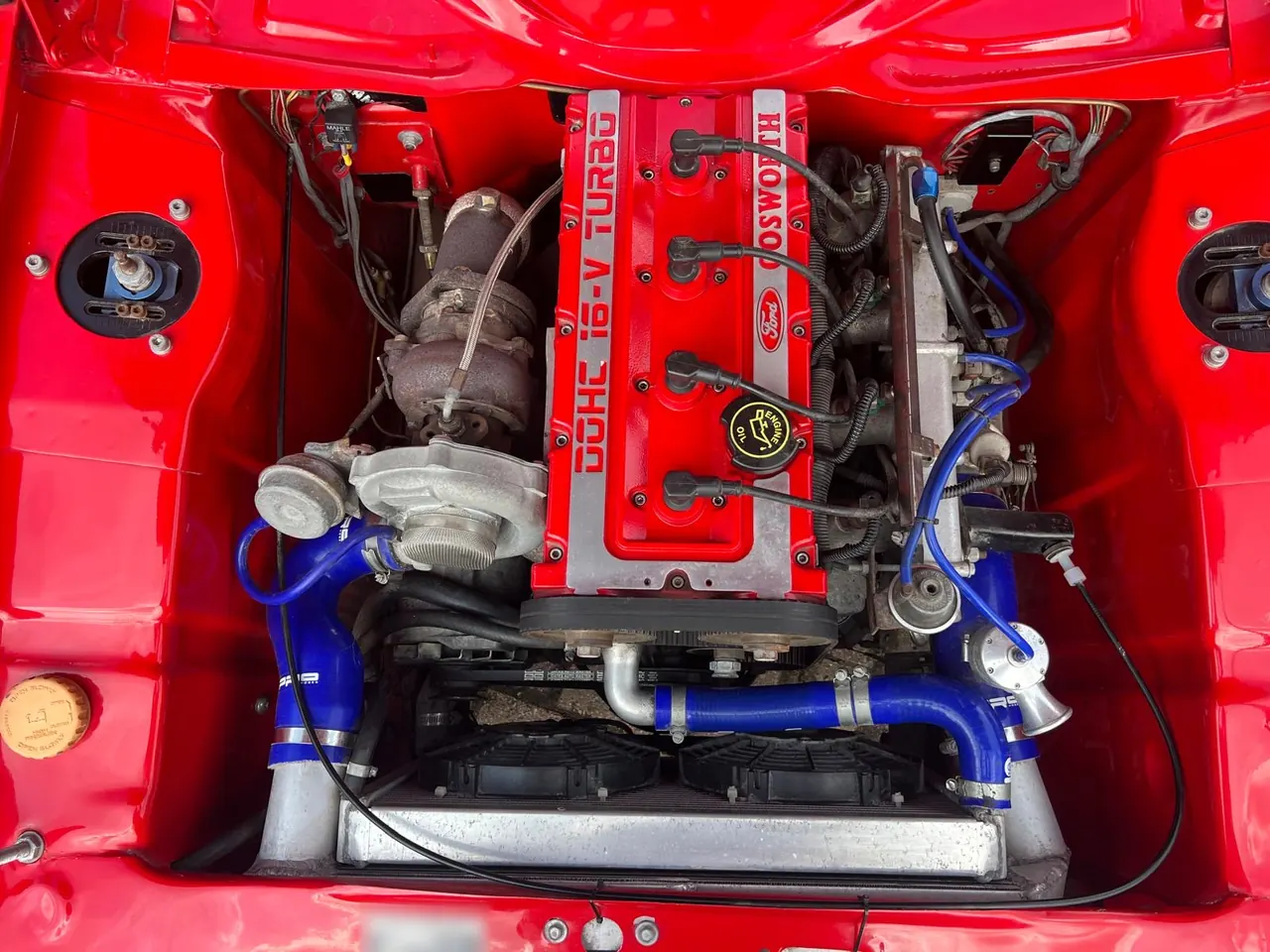
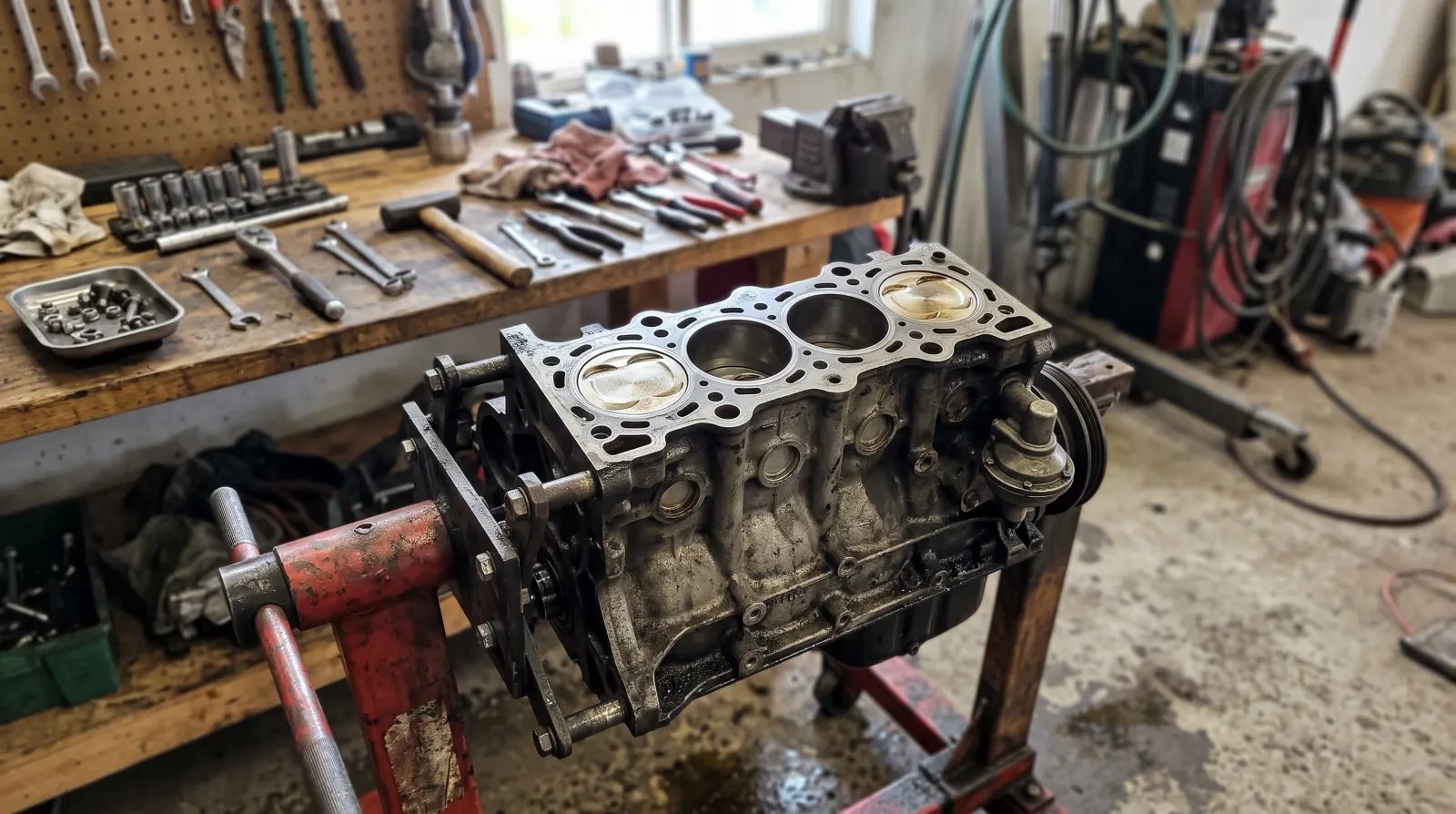
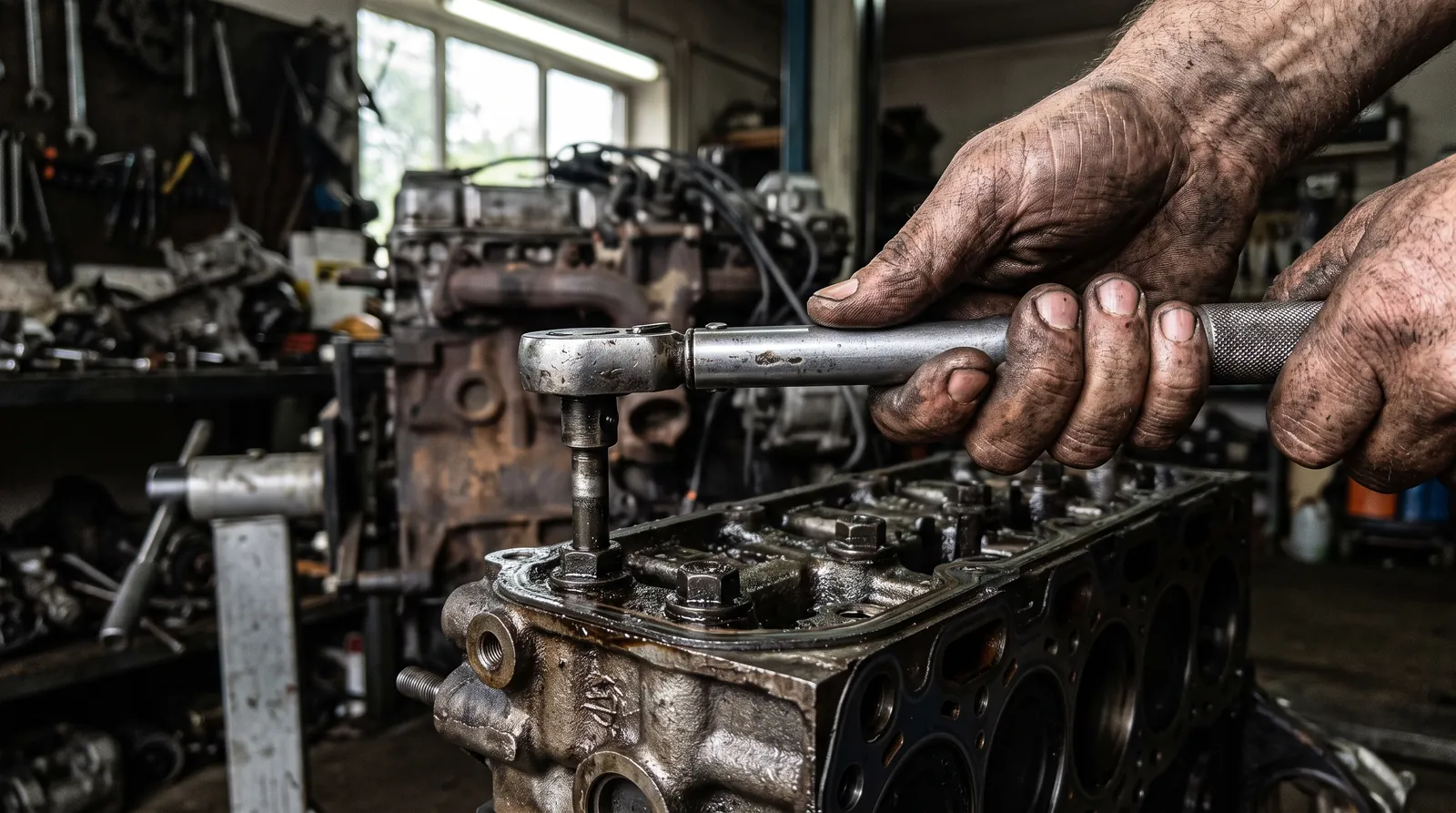
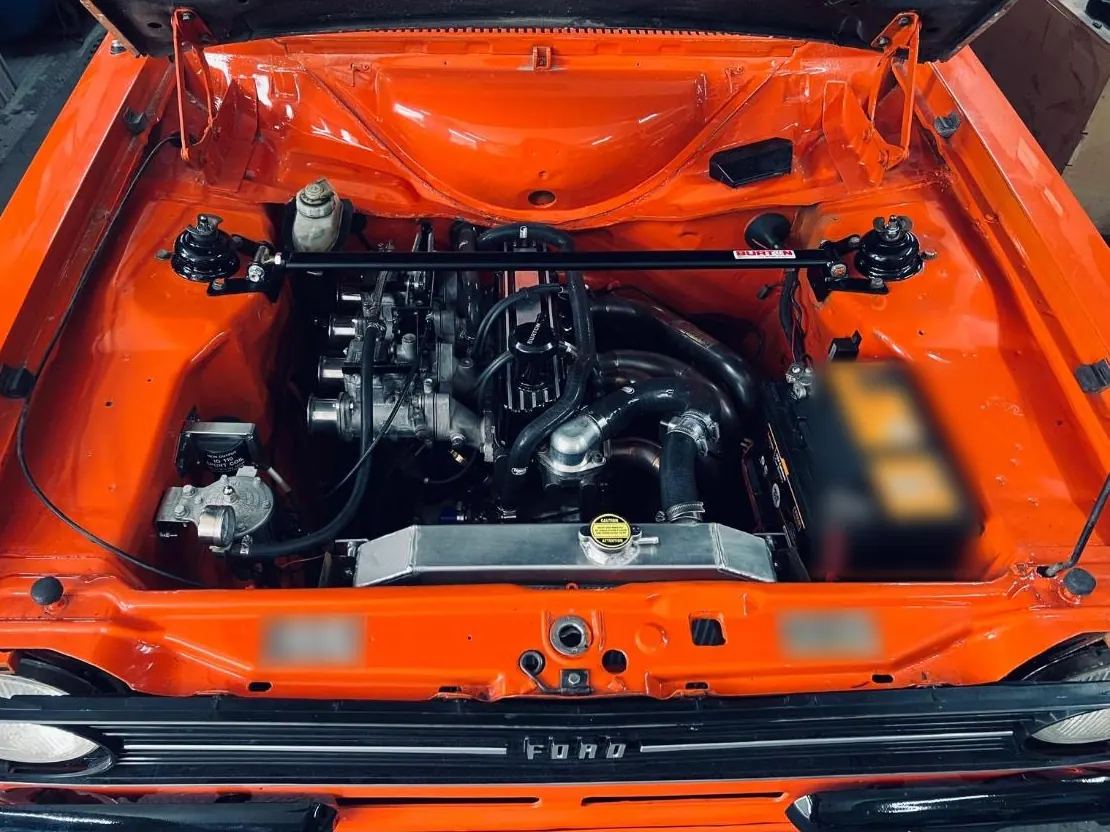
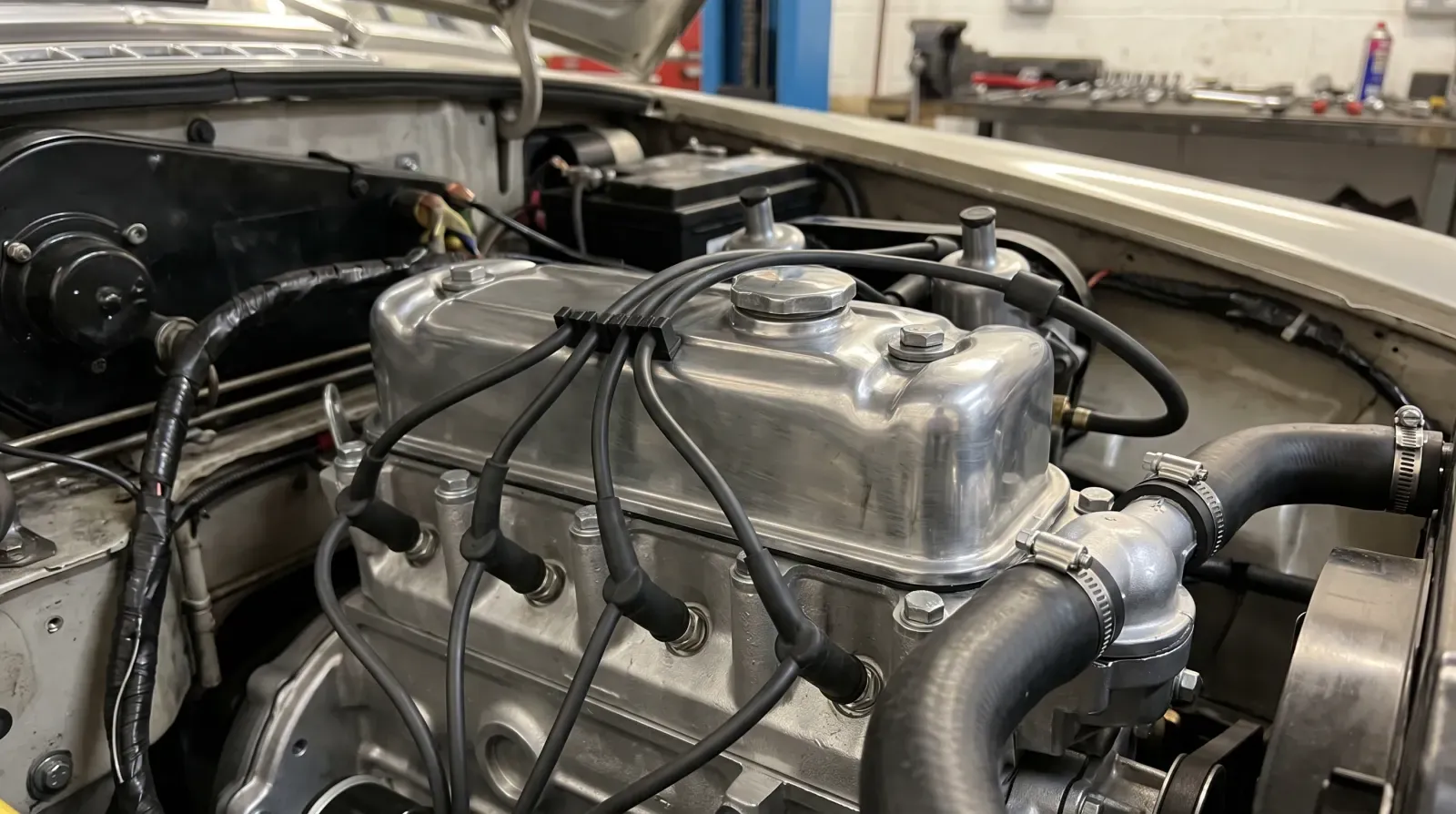
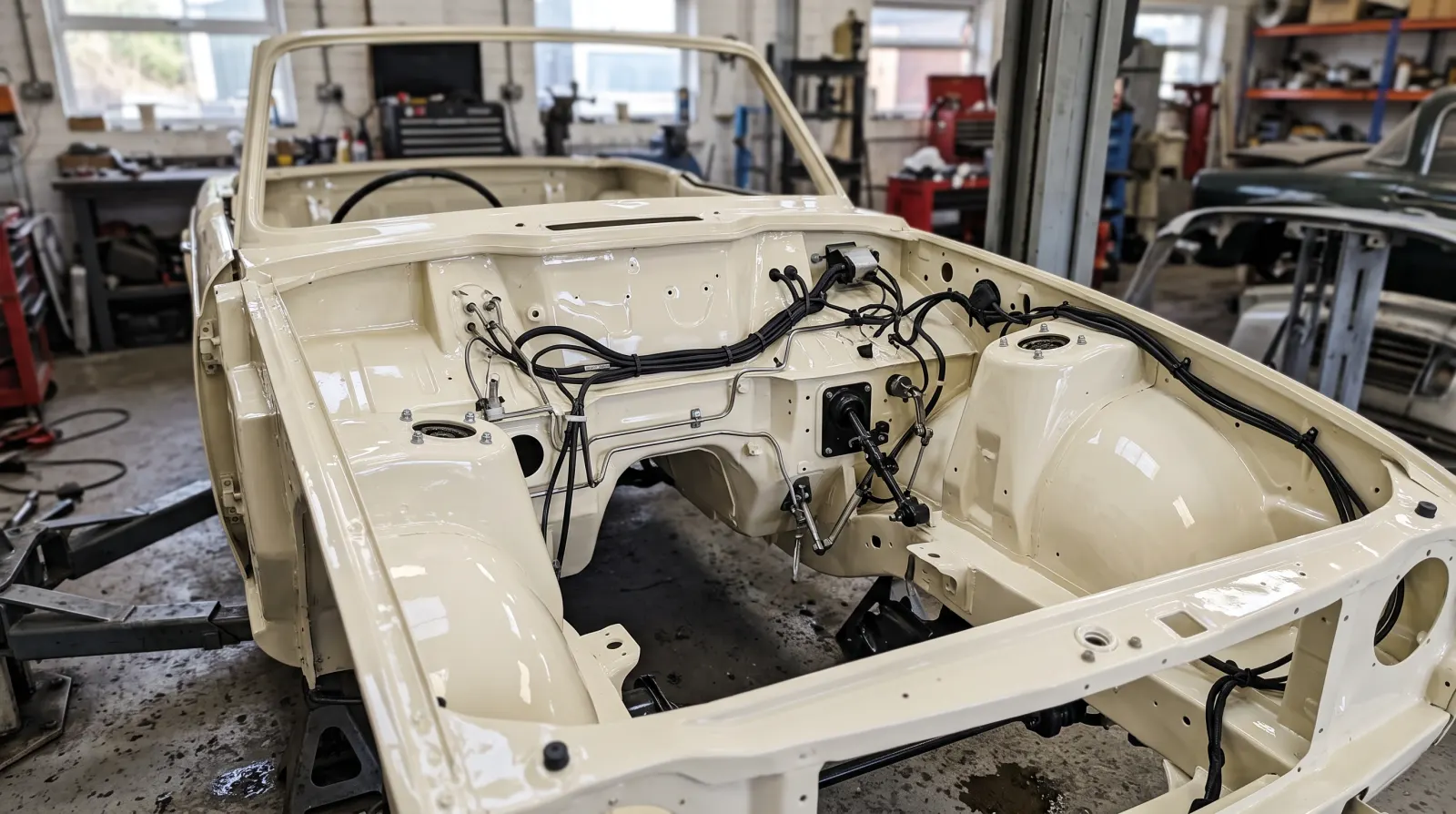
Does an engine swap count?
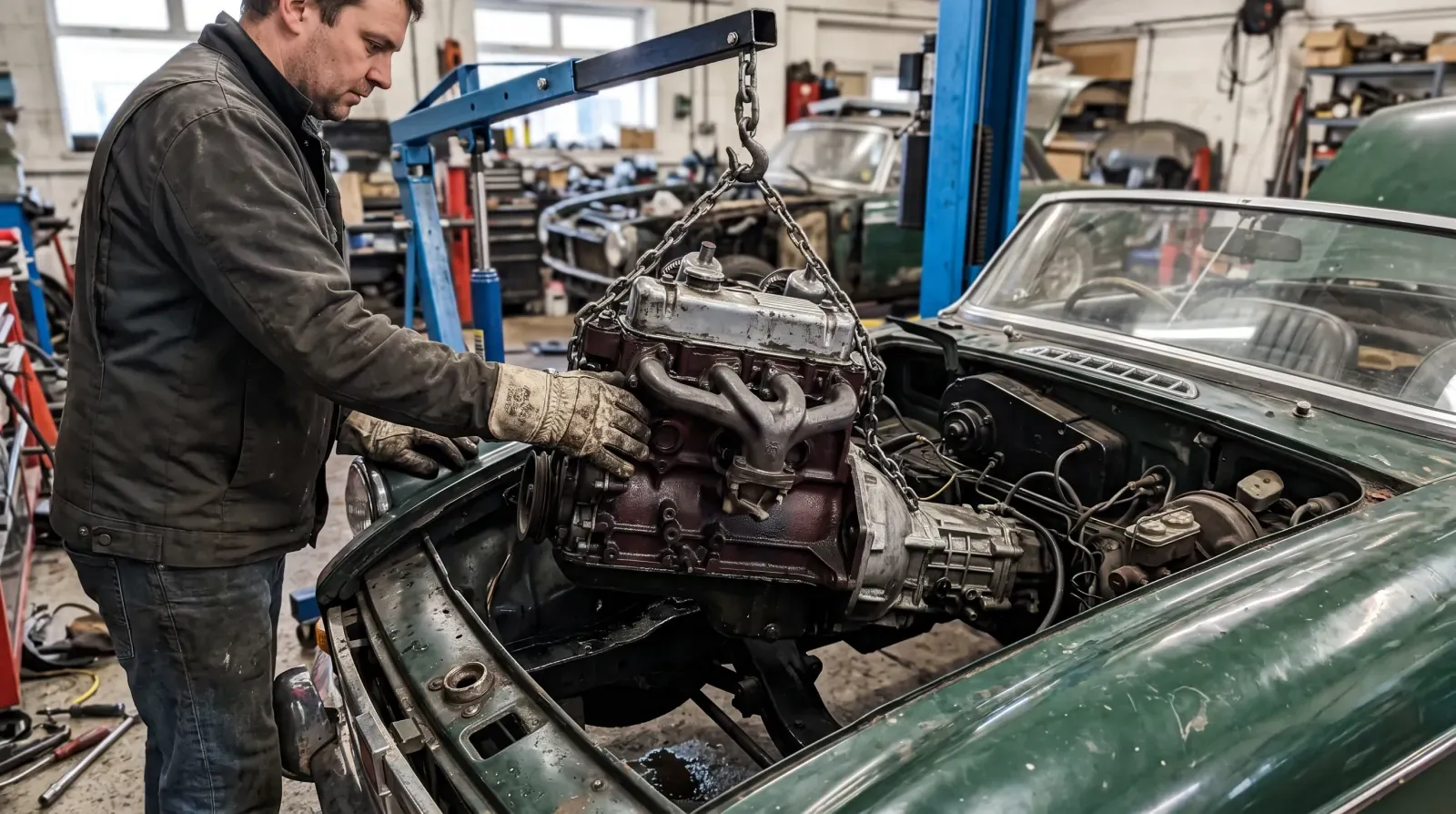
Yes. A different engine, a bigger one or a new fuel all change what the car is and how it goes. They change its paperwork too. GOV.UK lists the engine, the cylinder capacity and the fuel type, converting to electric included, among the changes you must put on your V5C.
The V5C and your insurance are separate, so tell both.
Does a remap count if nobody can see it?
Yes. The Ombudsman lists remapping the ECU as a modification alongside the changes you can see. A remap changes how the engine performs, and that matters to an insurer whether or not anything shows from the outside.
When should I tell my insurer?
Before the work, ideally. The Ombudsman's advice is to check your policy and confirm with your insurer what you need to tell them before you change anything, and to let them know as soon as possible about a change you're planning. That way you find out what it does to your cover while there's still time to change the plan.
Don't drive it modified and leave it until the renewal.
What can happen if I don't tell them?
They may refuse a claim, pay out less or cancel the policy. In one case on the Ombudsman's page, the modifications weren't declared even though the customer had been asked, and the Ombudsman agreed the insurer was within its rights to void the policy, treating it as if it had never existed, and refuse all claims.
The rules behind that are in the Consumer Insurance (Disclosure and Representations) Act 2012, which expects you to take reasonable care when you answer an insurer's questions. If an answer was wrong, what the insurer can do depends on why, and on what it would have done had it known:
- Deliberate or reckless: it can void the policy, refuse all claims and keep the premiums.
- Careless, and it wouldn't have insured the car at all: it can void the policy and refuse all claims, but must give the premiums back.
- Careless, and it would have charged more: it can cut what it pays on a claim in proportion.
- Careless, and it would have insured the car on different terms: the policy can be treated as if those terms applied.
Your policy will also say which changes you have to tell them about during the year. Read it, and ask if you're not sure.
What does the Ombudsman look at if there's a dispute?
Whether you took reasonable care, and whether the change is one an ordinary driver would see as a modification. In one case it describes, a new air filter couldn't reasonably have been seen as one, and made little difference to performance or risk. But where a significant modification wasn't declared and the policy clearly asked for it, the Ombudsman says it's unlikely to uphold the complaint.
A new engine or a remap is a long way from an air filter.
Will my premium go up?
It might. The Ombudsman notes that even simple changes can lead to higher premiums because they raise the perceived risk, and in one case the insurer said it wouldn't have kept covering the car at all had it known.
What if I'm buying a car that's already modified?
Ask the seller what's been changed, and check the paperwork. That's the Ombudsman's advice for anyone buying a used car, and it means you can answer the insurer's questions about modifications properly.
What about the paint and bodywork?
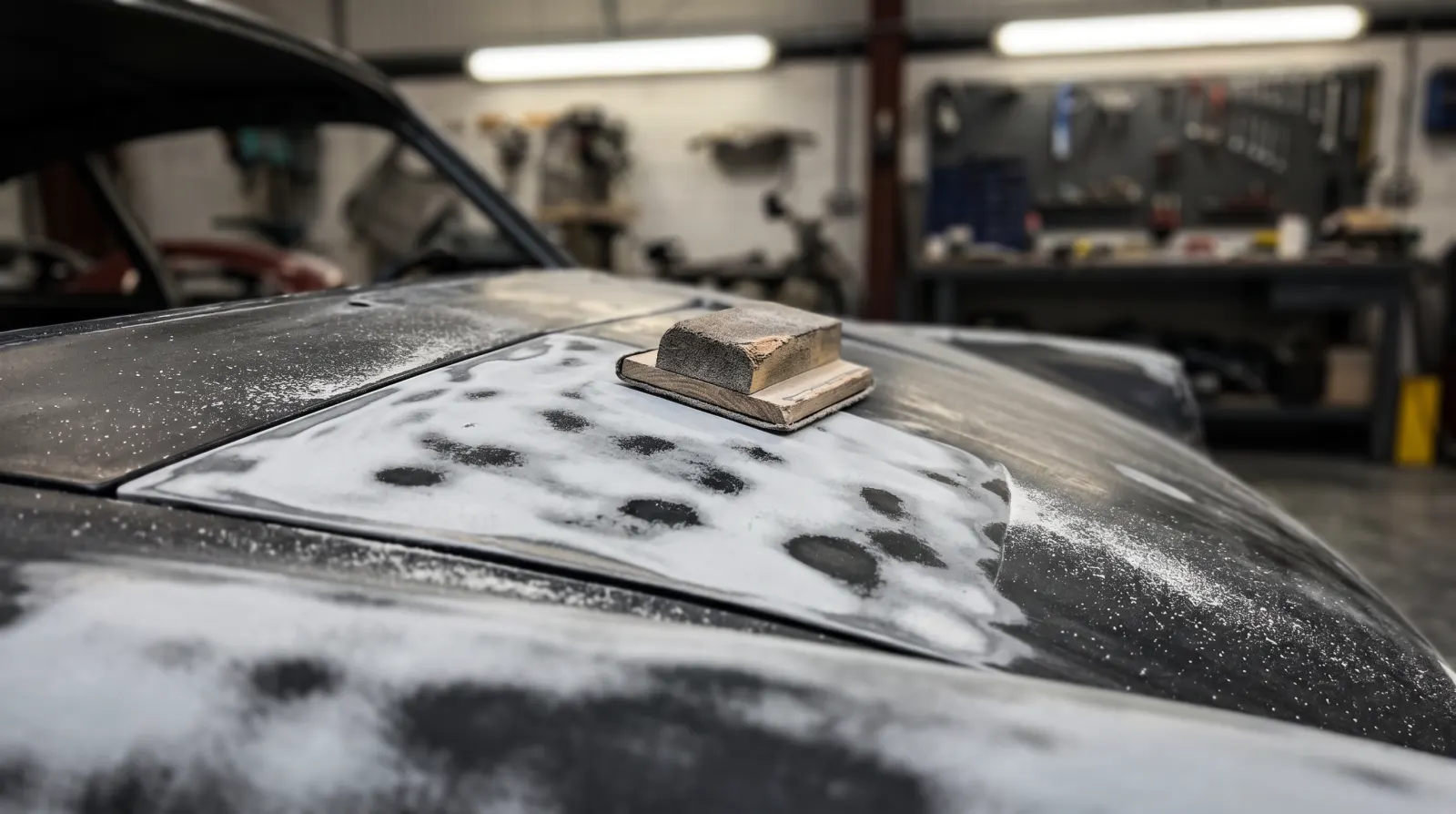
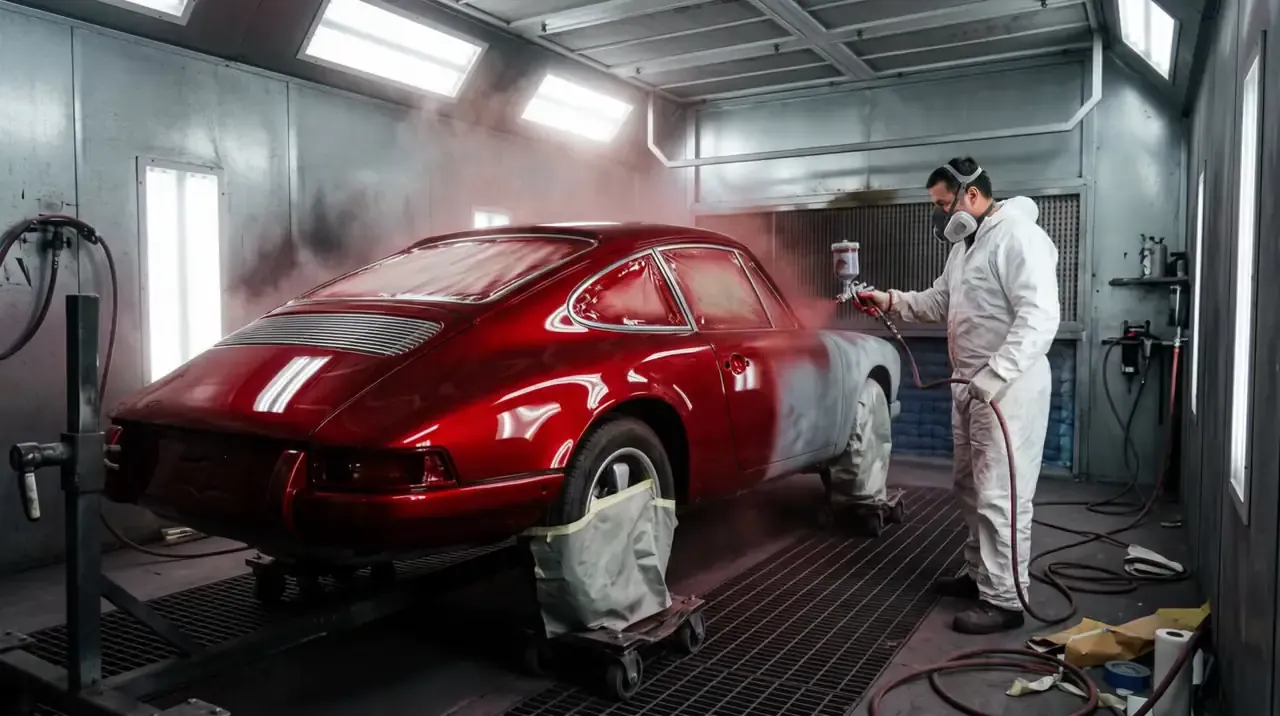
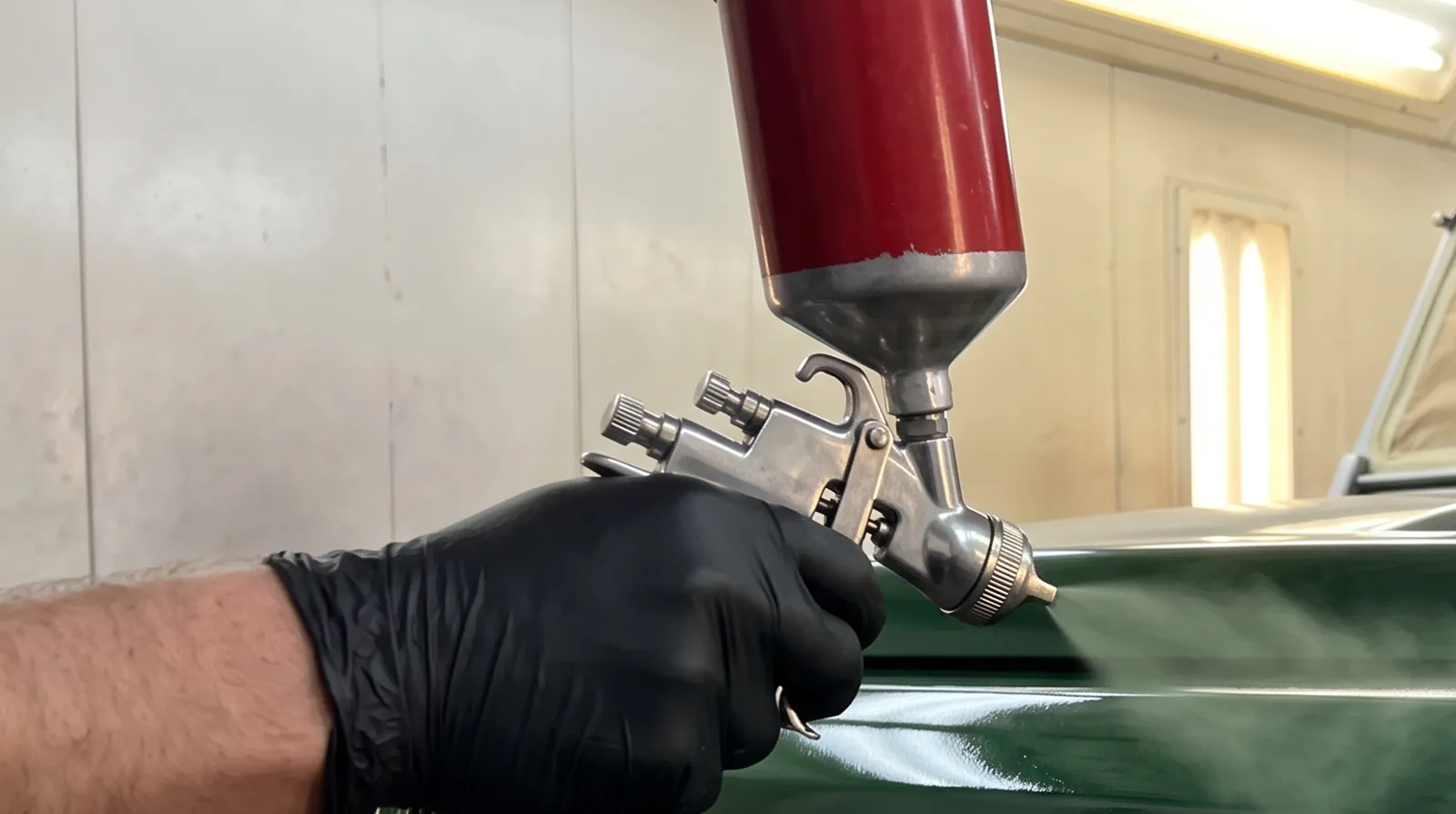
Tell them about those too. A new colour goes on the V5C as well, on the same GOV.UK list, and the Ombudsman's examples of modifications include wheels and window tint. If the engine is part of a bigger build, tell the insurer about all of it at once.
With the engine out, the bay can be painted at the same time. See engine modifications.
Tell us the car, what's in it and what you're after from the quote form.