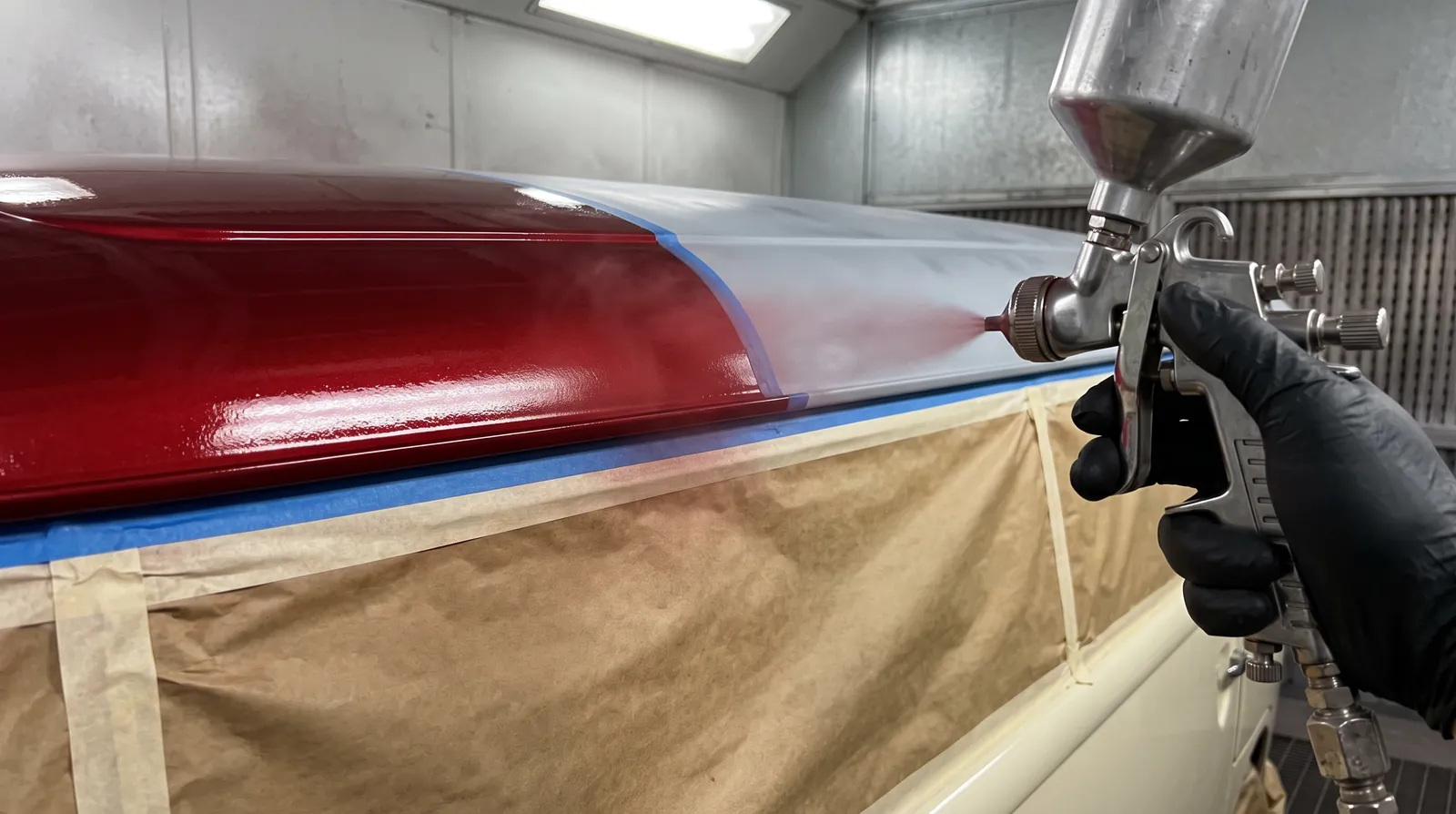
Single stage paint carries the colour and the gloss in one paint. Basecoat and clear does it in two: a coat of colour first, then a clear lacquer over it that gives the shine. The difference is where the gloss sits, and that changes how the paint polishes, how it's repaired and which colours it can do.
Here's what each one is, and which suits your car.
What is single stage paint?
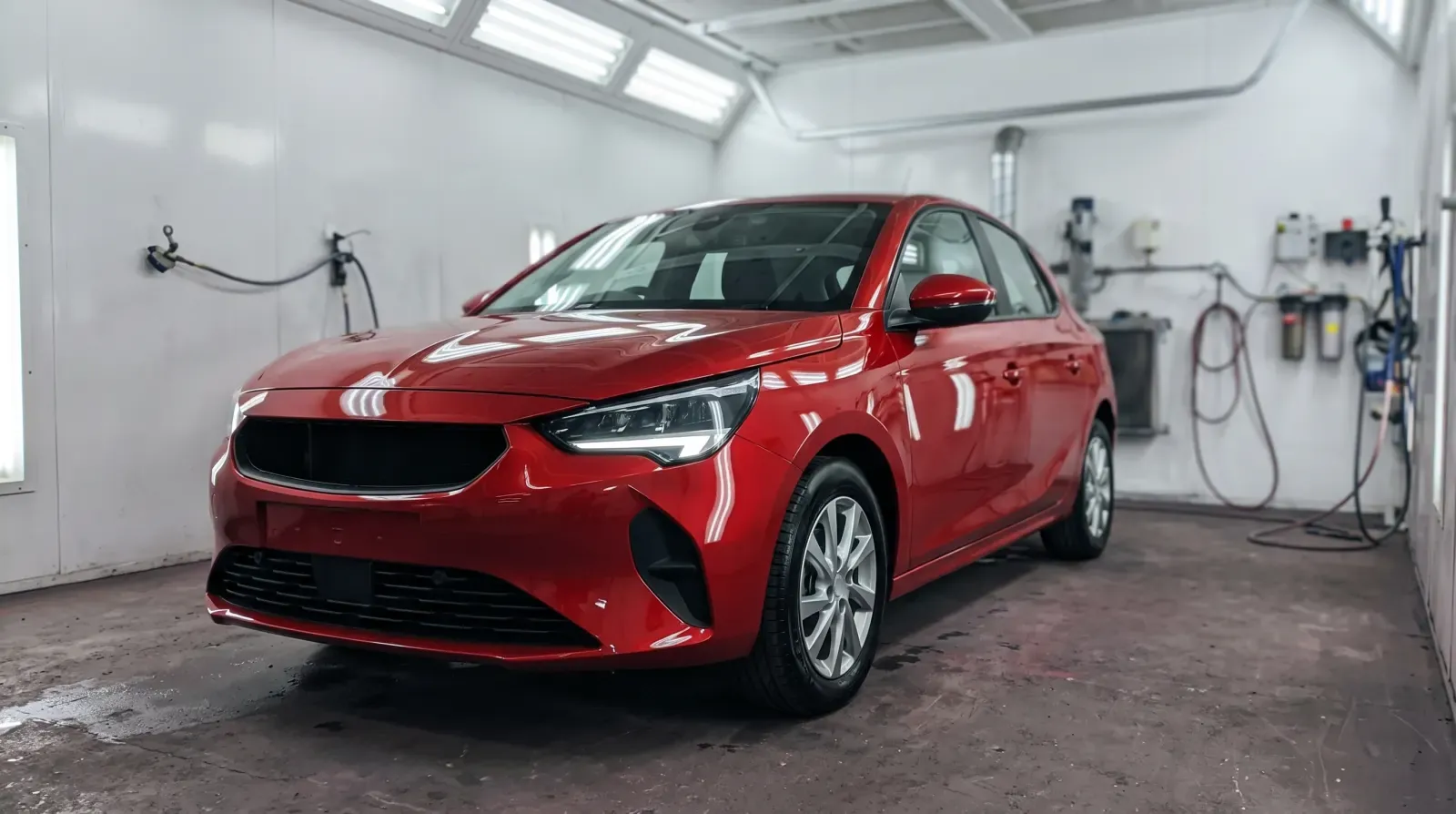
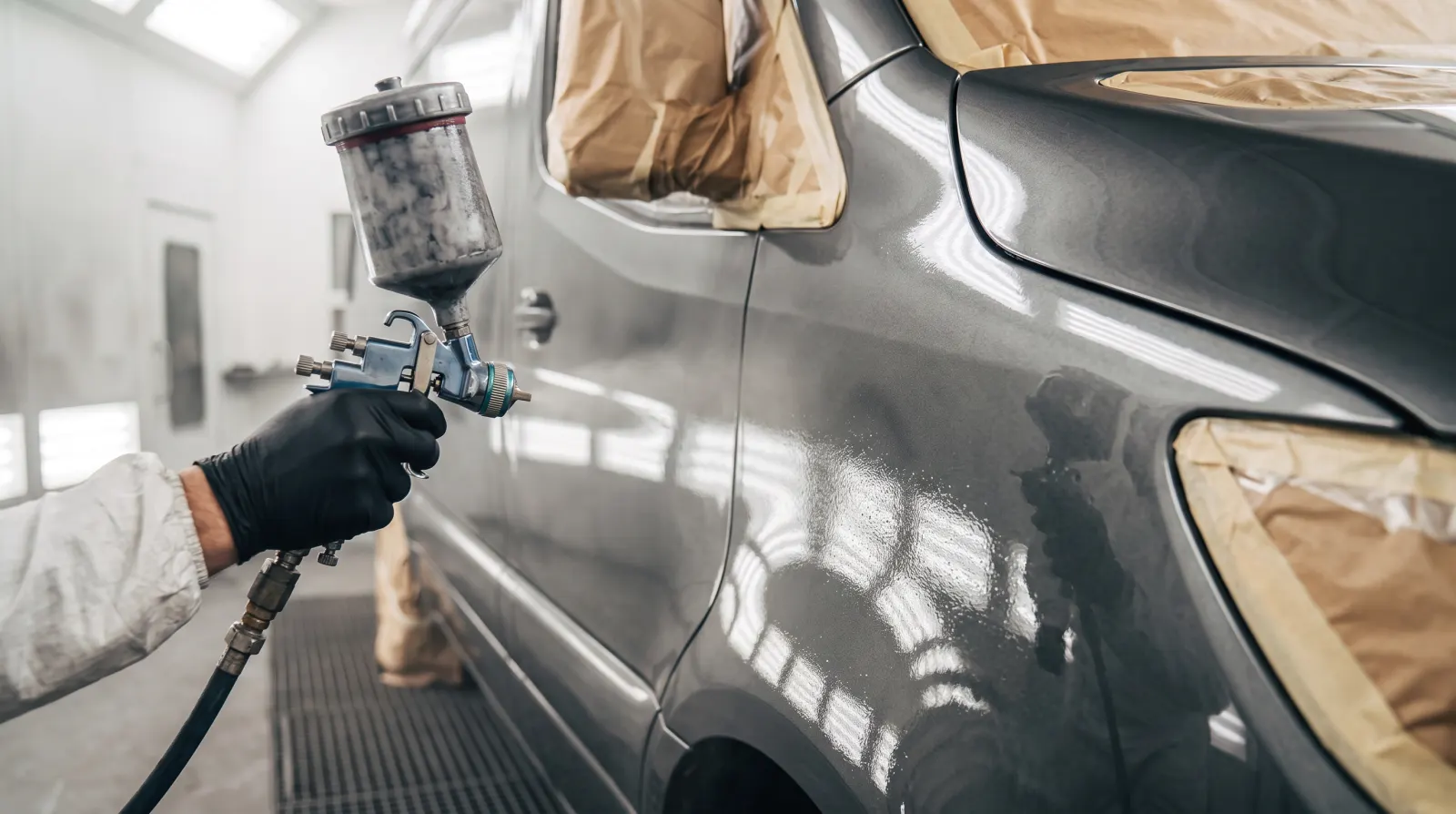
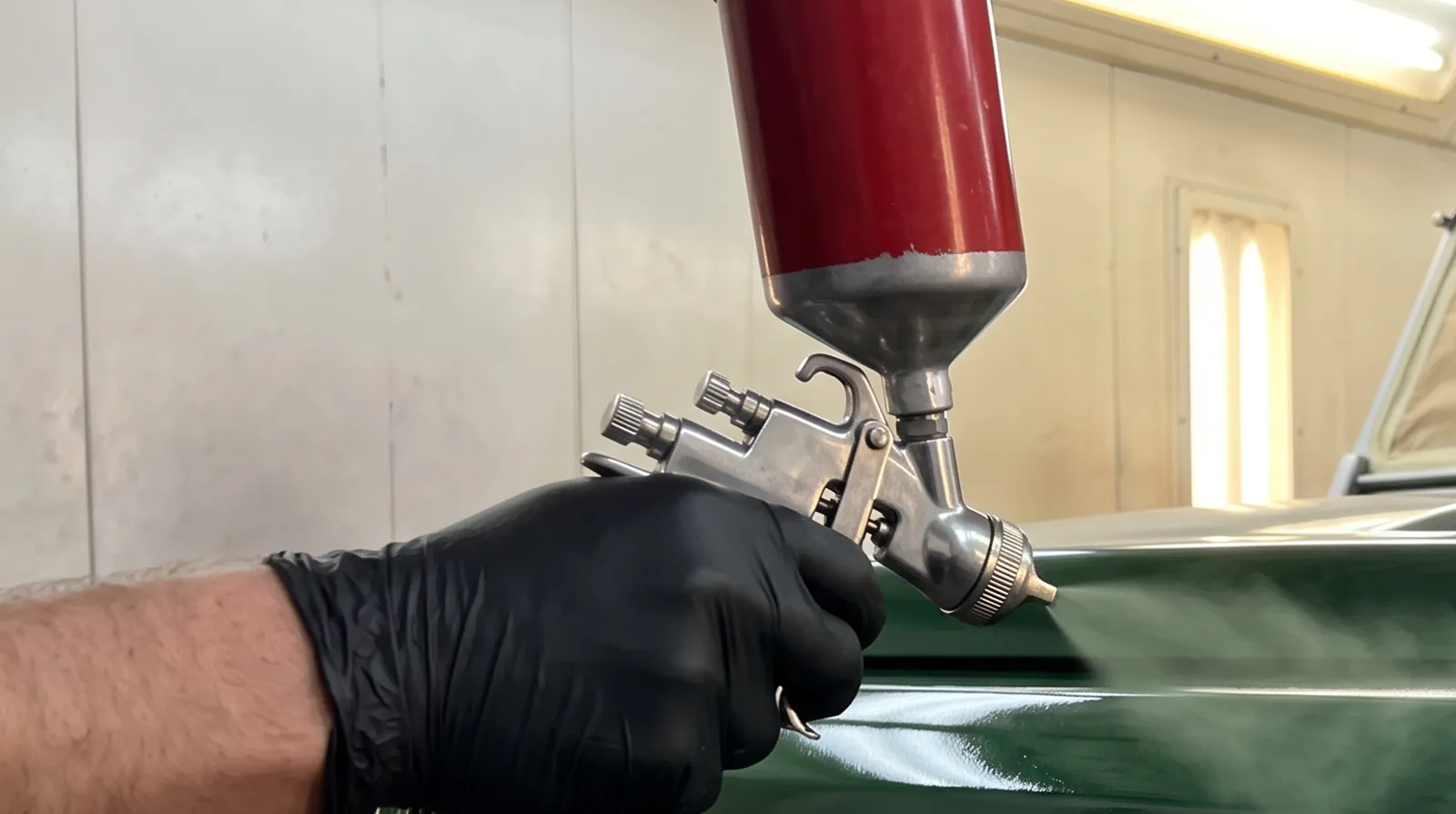
Single stage is one paint that is both the colour and the gloss. It goes on in coats and dries shiny, with nothing over it. The trade also calls it direct gloss.
PPG, one of the big paint makers, describes its own direct gloss topcoat as reproducing paintwork finished in a direct gloss solid colour, and the original finish on cars factory-painted in a single stage system.
Because the colour is the top layer, everything that happens to the surface happens to the colour: the weather, the polish and the scratches.
What is basecoat and clear?
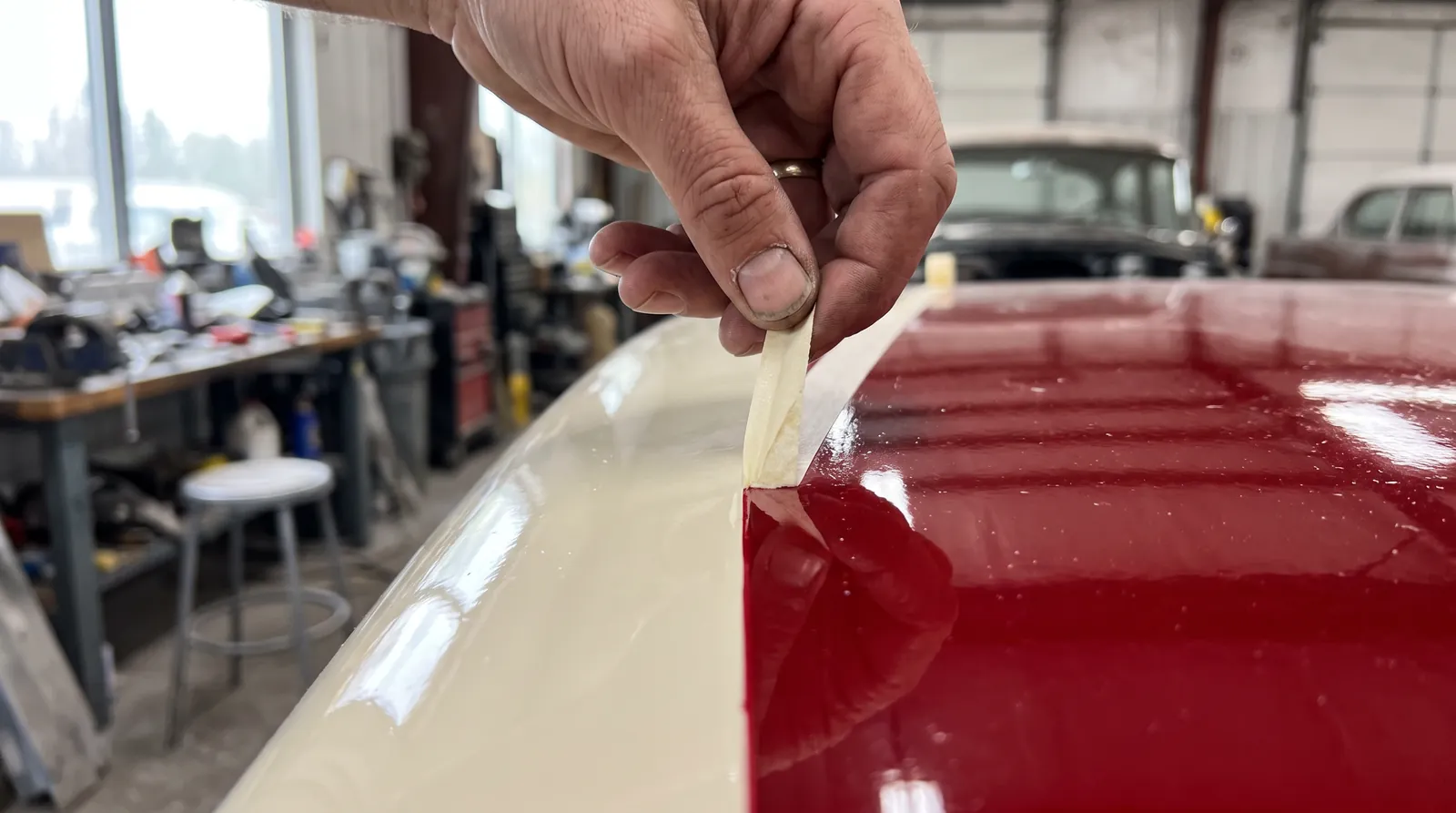
It's a finish in two layers. The basecoat carries the colour. The clear coat, a see-through lacquer, goes on over it and gives the gloss.
PPG's data sheet for its waterborne basecoat says it's applied as part of a two or three-stage basecoat and clearcoat process, and tells painters to overcoat it with a compatible clearcoat. Its matching clear is described as a high gloss clear. Three-stage means an extra coat between the colour and the clear, as on some pearls.
So the clear is the layer that takes the wear and the polish, and the colour sits under it.
What does 2K mean?
2K means two-pack. The paint is mixed with a hardener just before it's sprayed, and the two react and set hard. HSE's guidance for bodyshops talks about spraying isocyanate-based two-pack top coats.
It isn't a choice between single stage and basecoat and clear. A 2K clear goes over a basecoat, and single stage comes in 2K too: PPG sells hardeners made for single-stage paints.
Why does metallic paint need a clear coat over it?
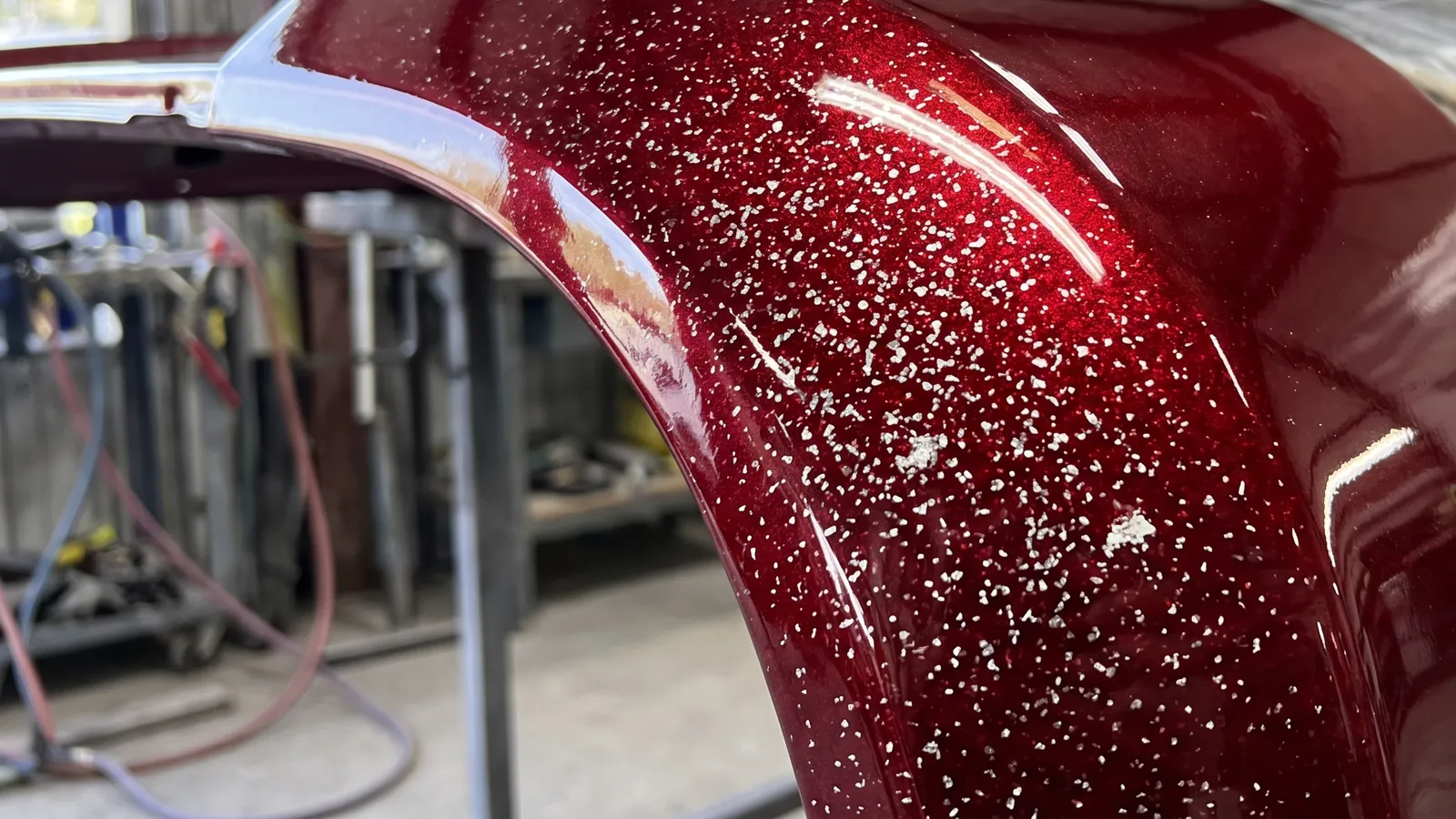
Because a metallic or pearl is sprayed as a basecoat, and a basecoat isn't the finished surface. PPG's direct gloss topcoat is made for solid colours, while its waterborne basecoat covers solid, metallic and mica colours and goes under a clear.
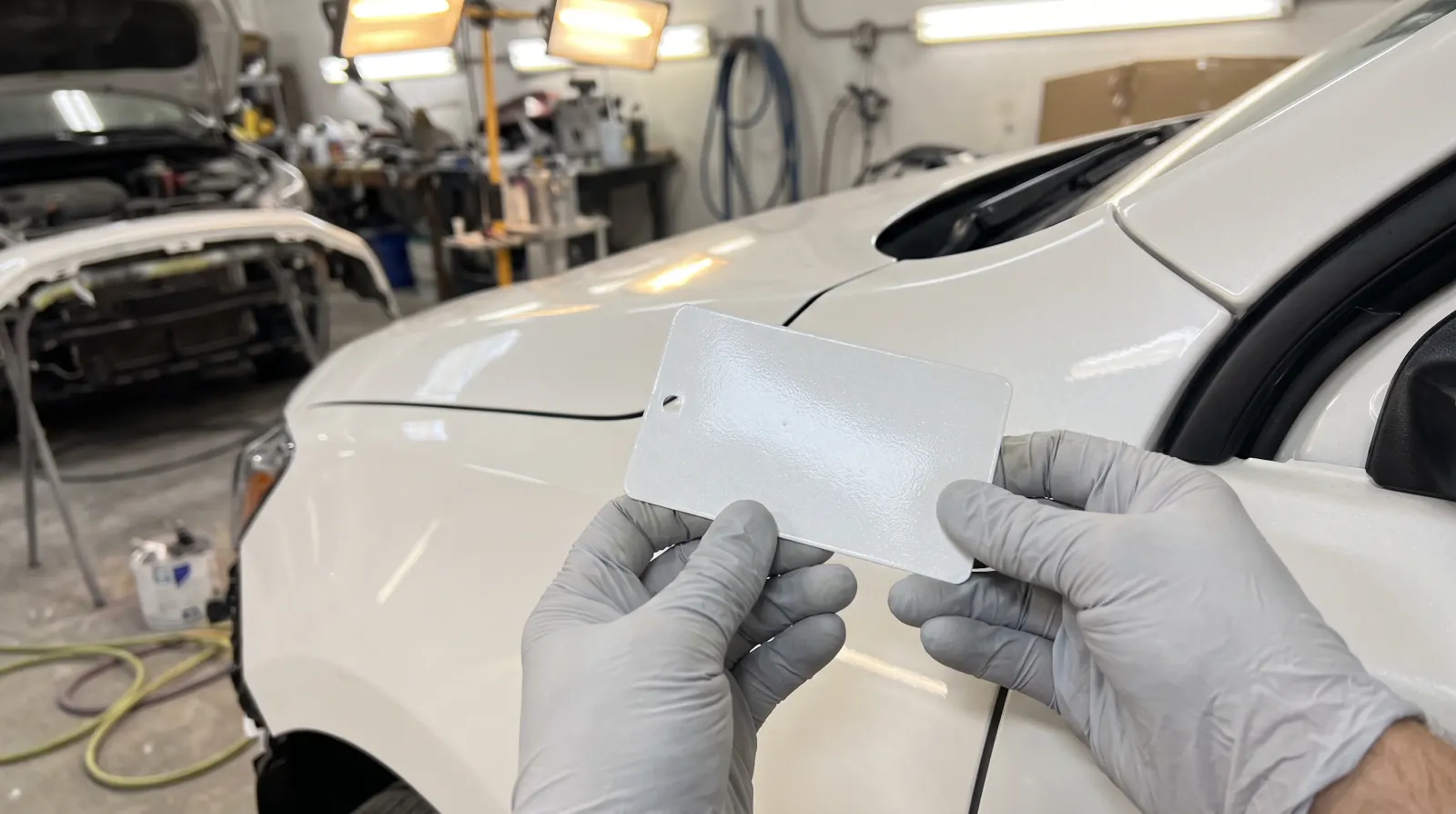
The flake sits in the colour, and you see it through the clear. That's also why a metallic is harder to repair than a solid: there's the sparkle to match as well as the colour.
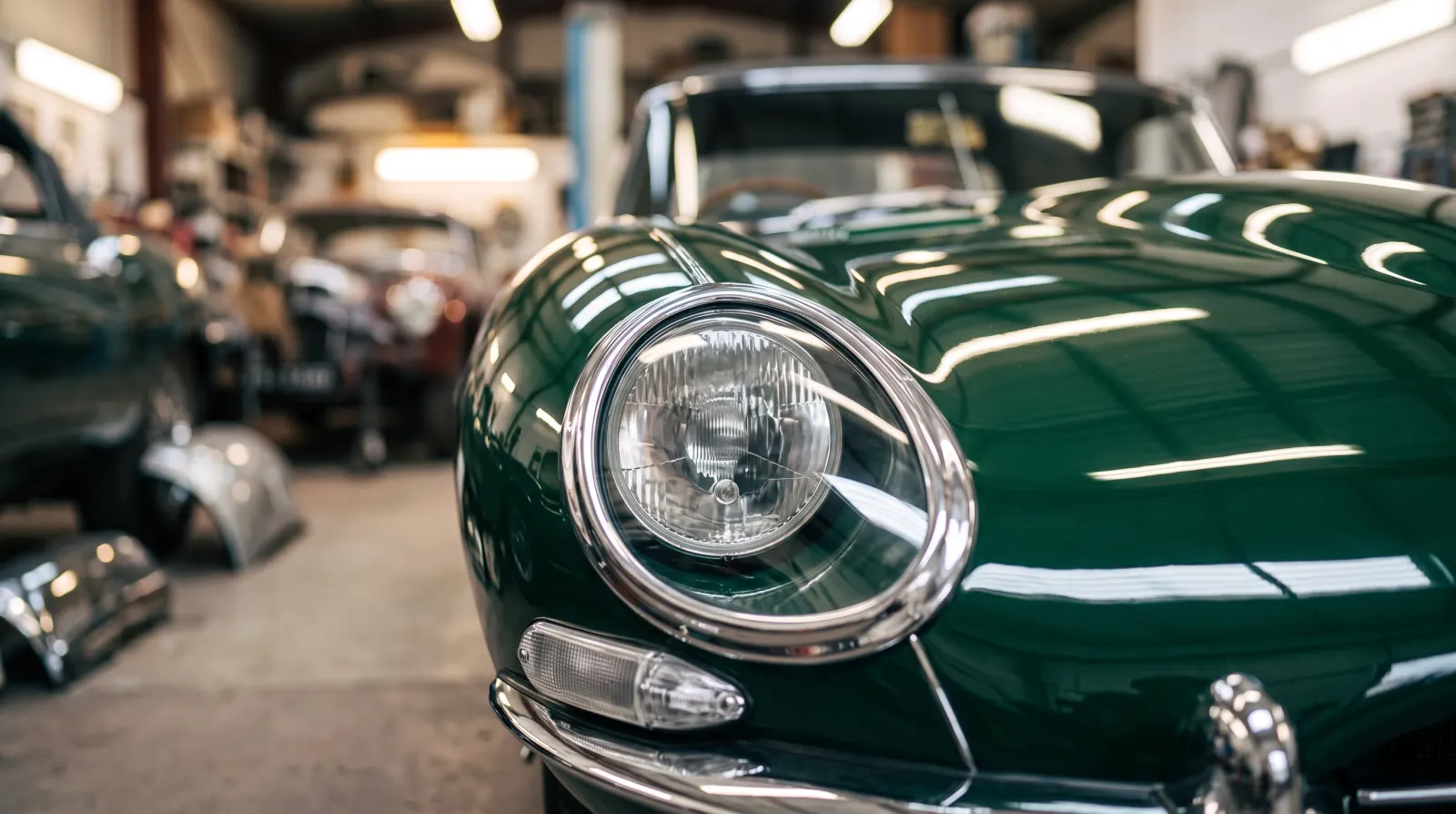
Which suits a classic in a solid colour?
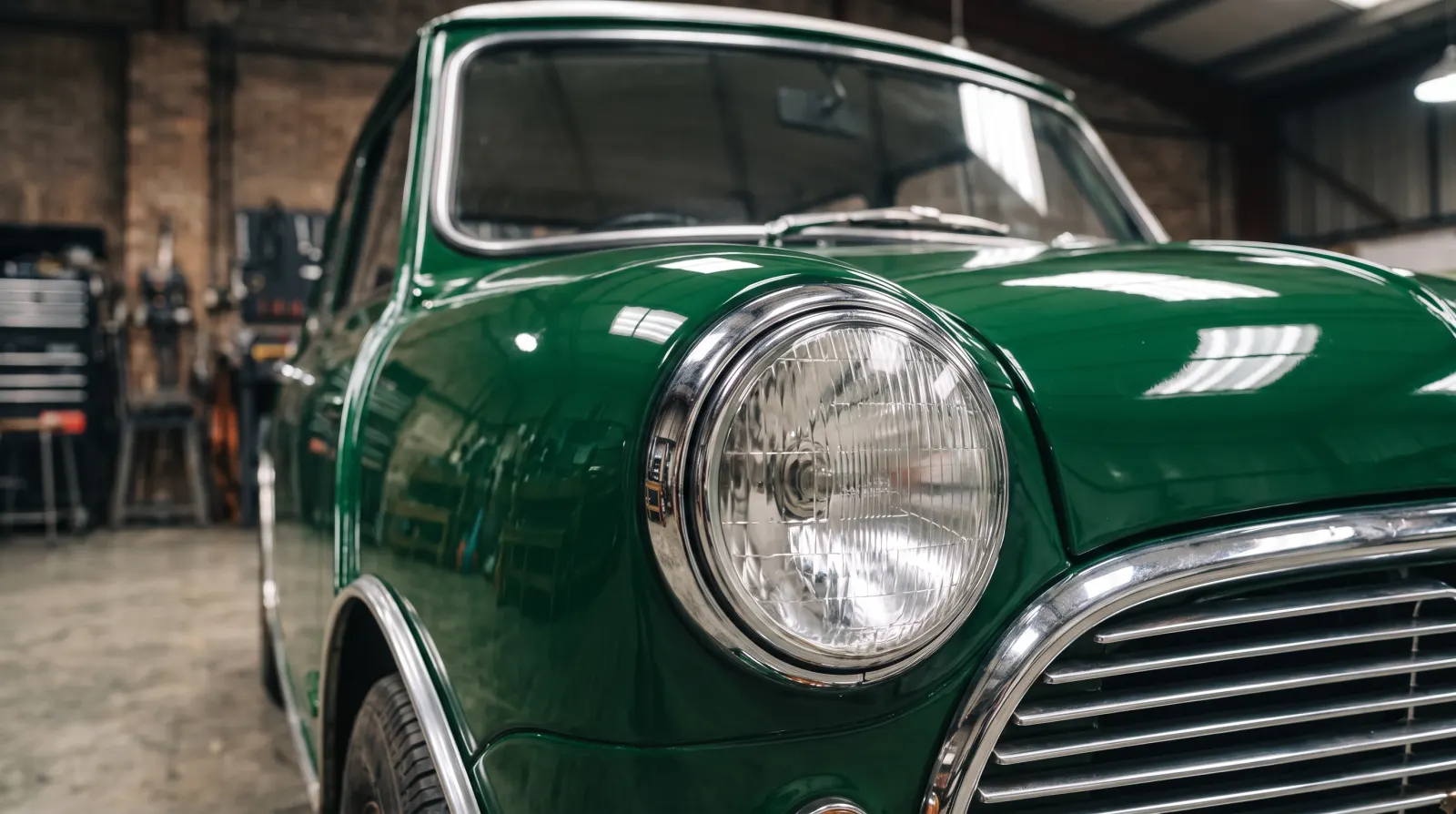
Either can look right. If the car left the factory in single stage and you want it as it was, single stage puts that finish back, which is what PPG says its direct gloss is for. On a car judged on originality, that matters.
Basecoat and clear works on a classic in a solid colour as well. The clear takes the wear, and it can be flatted and polished to a deep gloss without touching the colour underneath.
If the colour you want is metallic or pearl, it's basecoat and clear. See resprays for how a full respray runs, and custom paint for one-off colours.
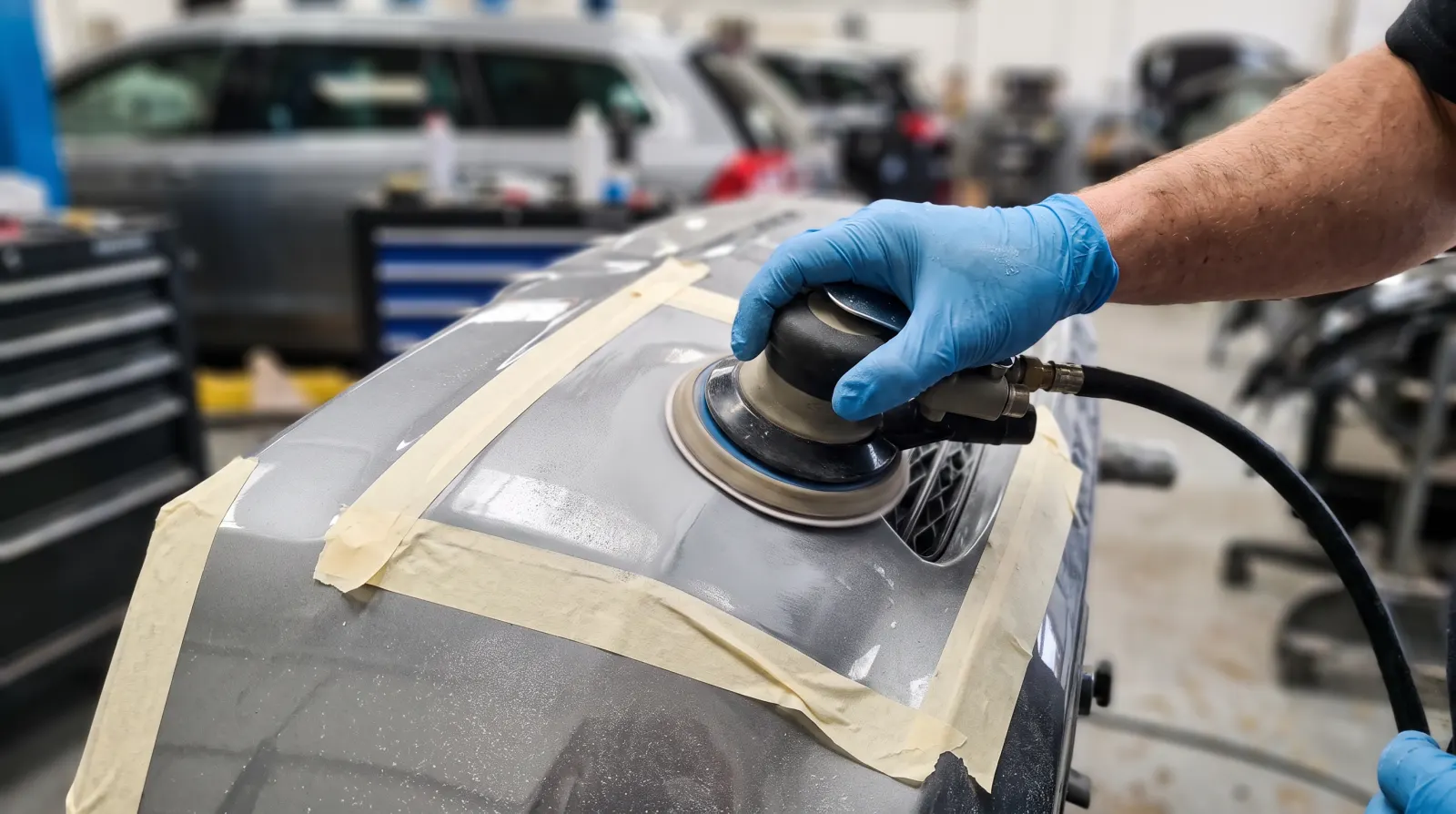
Can you polish single stage paint?
Yes, and the polish works on the colour itself. Paint that has gone dull with a powdery surface is what PPG calls chalking, and its remedy is to flat, compound and polish the surface to bring the gloss back, or repaint the top coat in bad cases. On single stage, every polish takes a little of the colour with it.
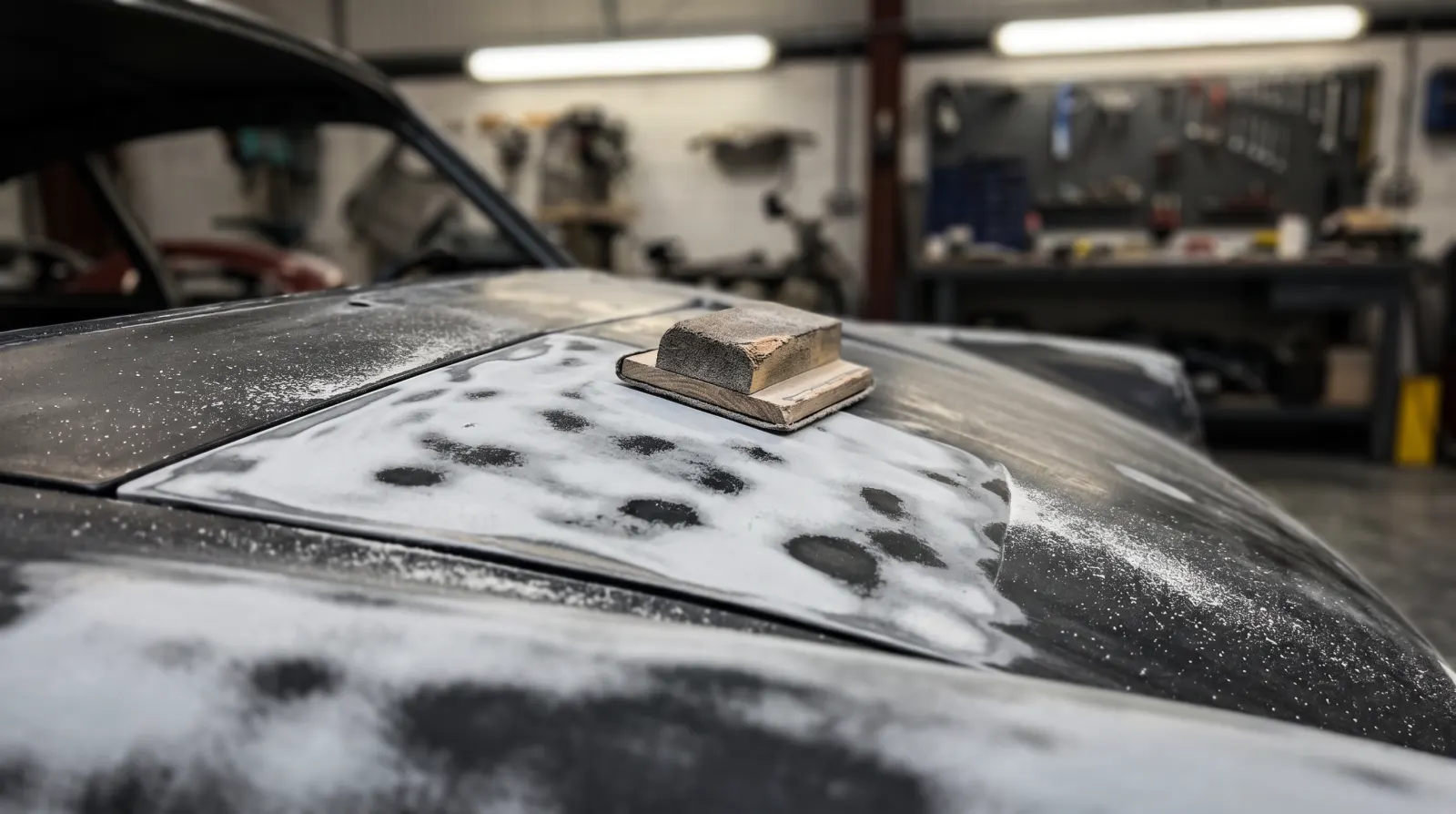
On basecoat and clear, flatting and polishing happen in the clear. That's how dust specks and texture come out of fresh paint, and how light scratches in the lacquer are polished away. The rule is not to go through it. Once the colour shows through the clear, that part has to be painted again.
How can I tell which my car has?
Put a little polish on a clean white cloth and rub a small spot low down, out of sight. If the cloth picks up the colour, it's single stage. If it doesn't, there's a clear coat on top.
On a white car it tells you nothing, and an older respray can differ from panel to panel. Leave fresh paint alone. If you're not sure, send us photos and we'll tell you what we think.
What does each mean for repairs?
On basecoat and clear, the new colour is blended into the panels beside the repair, then clear goes over the top. PPG's basecoat blending procedure allows a blend area on the adjacent panels, and a wider one for three-coat colours.
On single stage, the colour and the gloss go on together, so the repair is matched and blended in that one paint.
Either way, paint that has been out in the weather is rarely the shade it left the factory, so the mix is checked against the car before it goes on.
What does each cost?
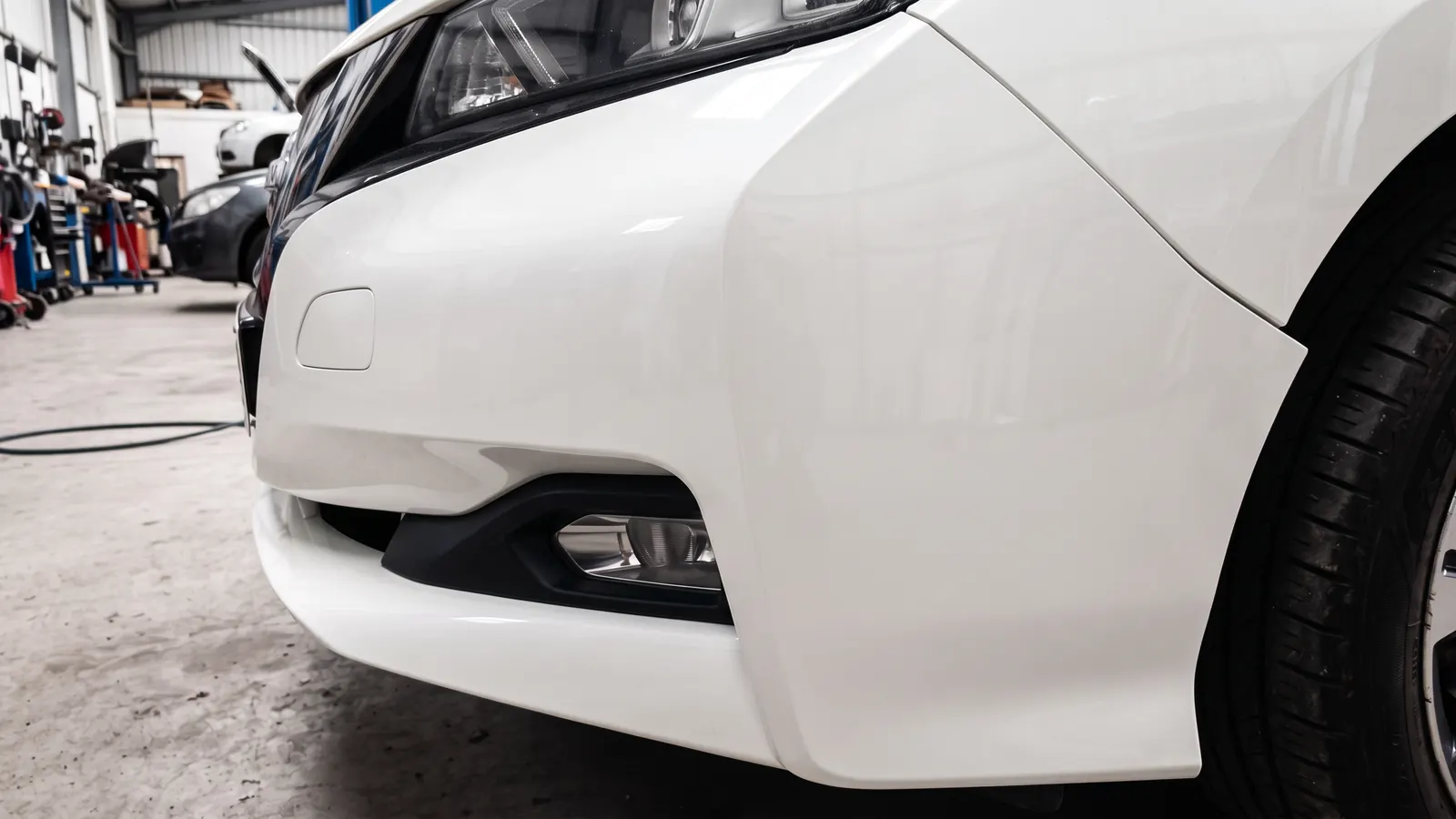
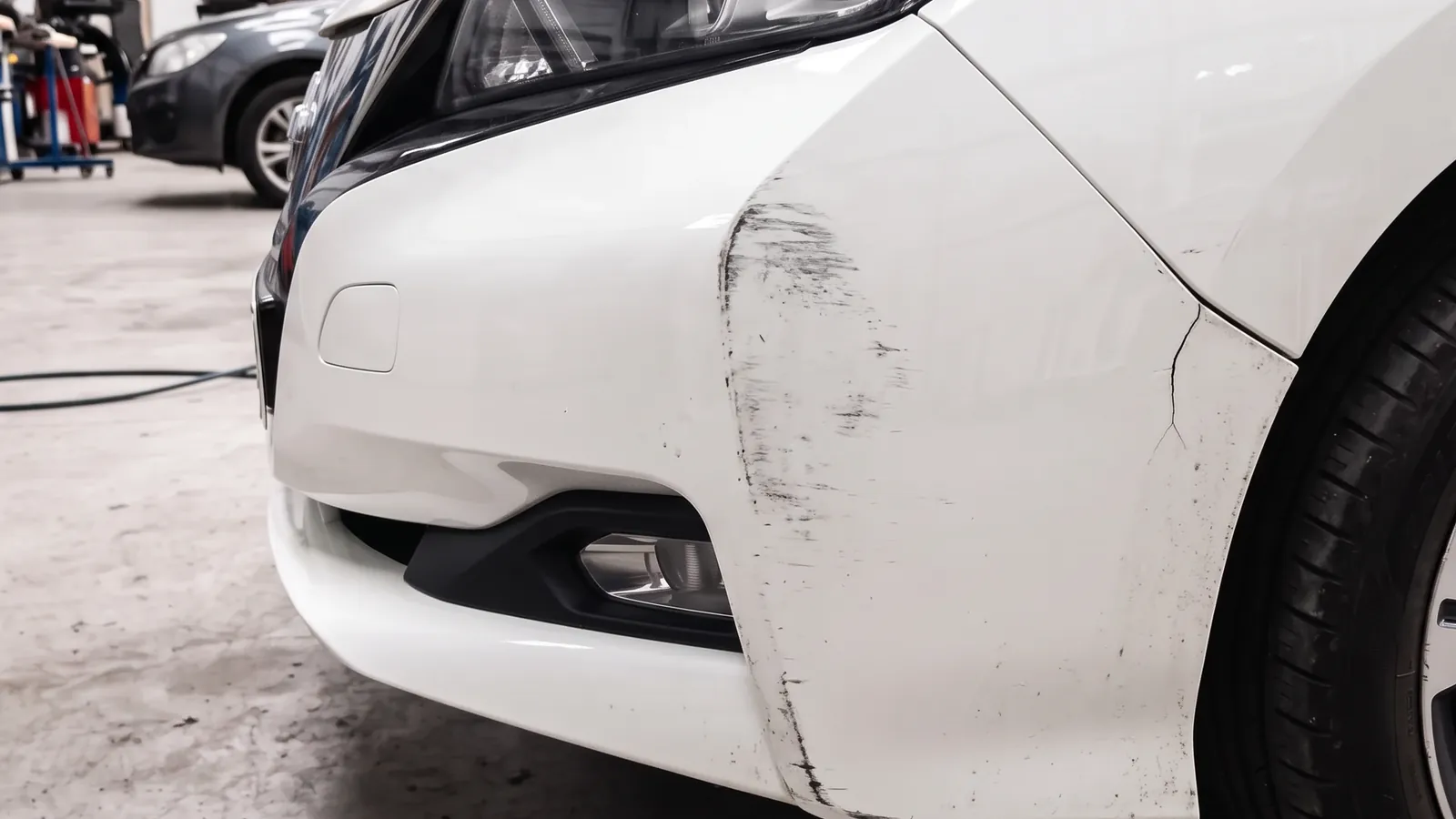
Basecoat and clear means two products and more coats than single stage in the same colour. The finish is one of the things that moves a price, along with how much comes off the car, what's under the paint and the size of the vehicle. See prices for how we quote.
Not sure what your car has, or what it should have? Send us a few photos and what you're after from the quote form.