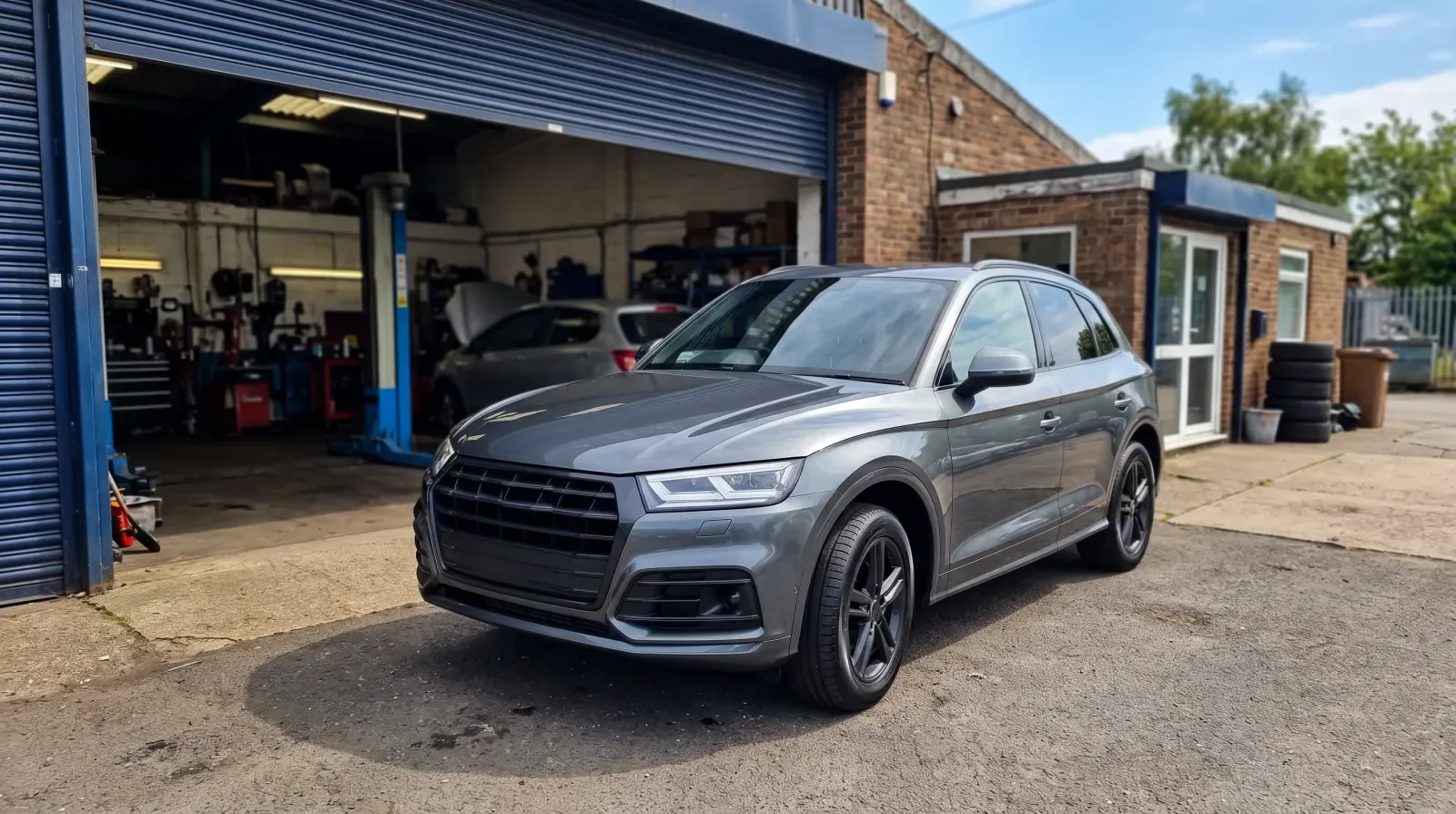
When a lease car goes back, it's inspected, and anything counted as damage rather than wear is charged to you. Sometimes it costs less to have that damage repaired before the inspection. Sometimes it doesn't. The way to know is to put a repair quote next to what your lease company would charge, mark by mark.
Here's how to work it out.
How is damage judged when a lease car goes back?
Against your lease company's return standard. Most UK lease companies judge returns against the BVRLA's fair wear and tear guide. The BVRLA is the UK leasing trade body.
The guide separates wear from damage. Wear is what normal use does to a car over the length of a lease. Damage is what a knock, a scrape, careless use or neglect does, and that's what gets charged.
Don't go on a general idea of what counts. Read your own lease company's guide, because it's the one they'll inspect against, and not every company uses the BVRLA's. If you can't find it in your paperwork, ask them for it.

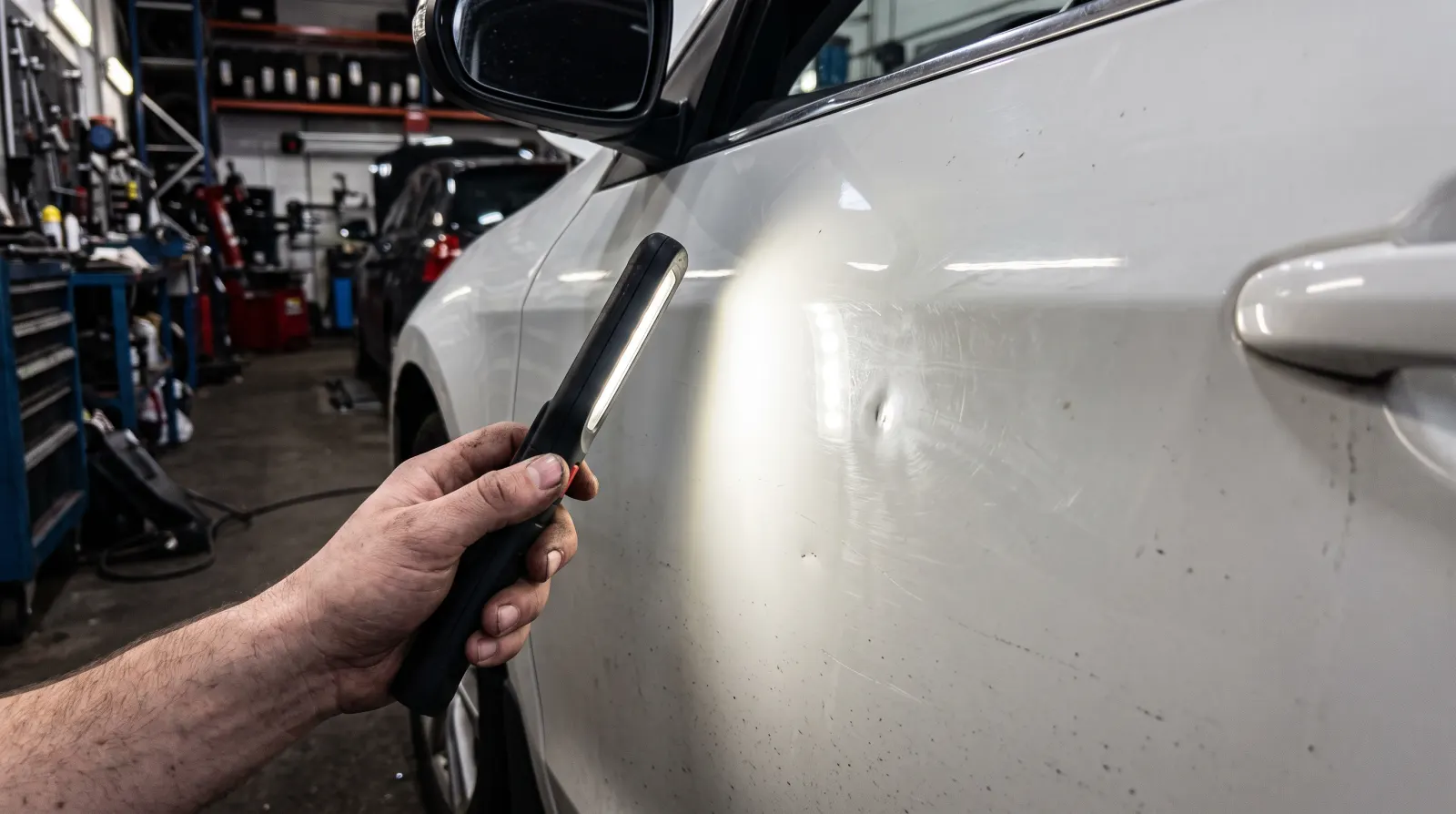
What happens if there's damage at the inspection?
The inspection records anything outside the return standard, and the lease company charges you for it after the car has gone. By then, repairing it yourself is no longer an option.
So the time to decide is before the collection date, while the car is still yours to put right.
Is it cheaper to repair lease damage before the car goes back?
Often, but not always. It depends on what your lease company charges for each mark and what the repair costs. If a charge is less than a proper repair would be, paying the charge is the sensible choice.
To compare properly you need two things: the lease company's charges, and a quote for the repairs. If they've sent you a list of charges, send it to us with photos of every mark and we'll tell you which repairs are worth doing. See prices for how we quote.
If the damage came from an accident, it may be a matter for your insurer instead. Weigh the excess and your no claims discount against the charge before you decide.
What lease damage is worth repairing?
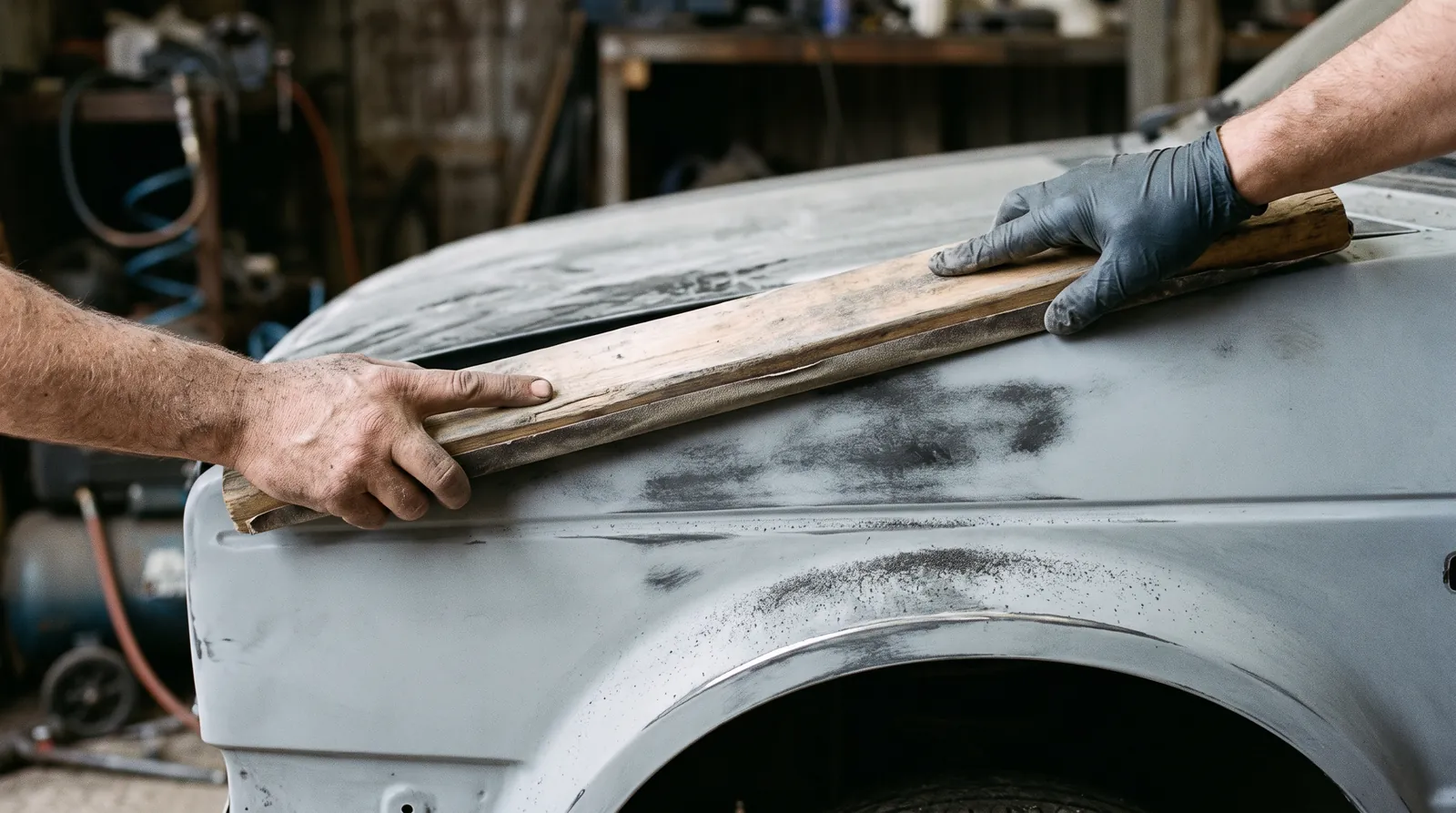
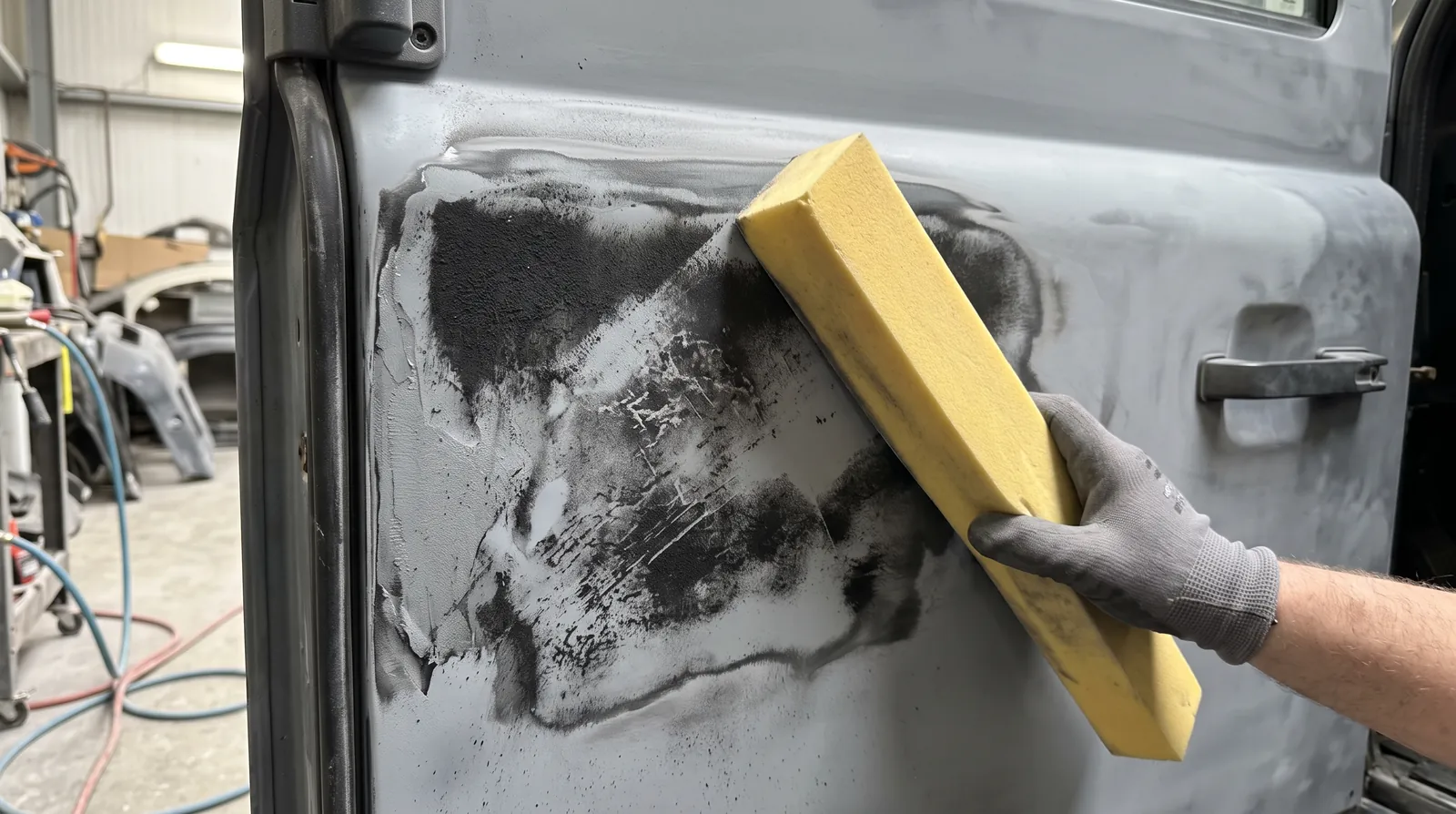
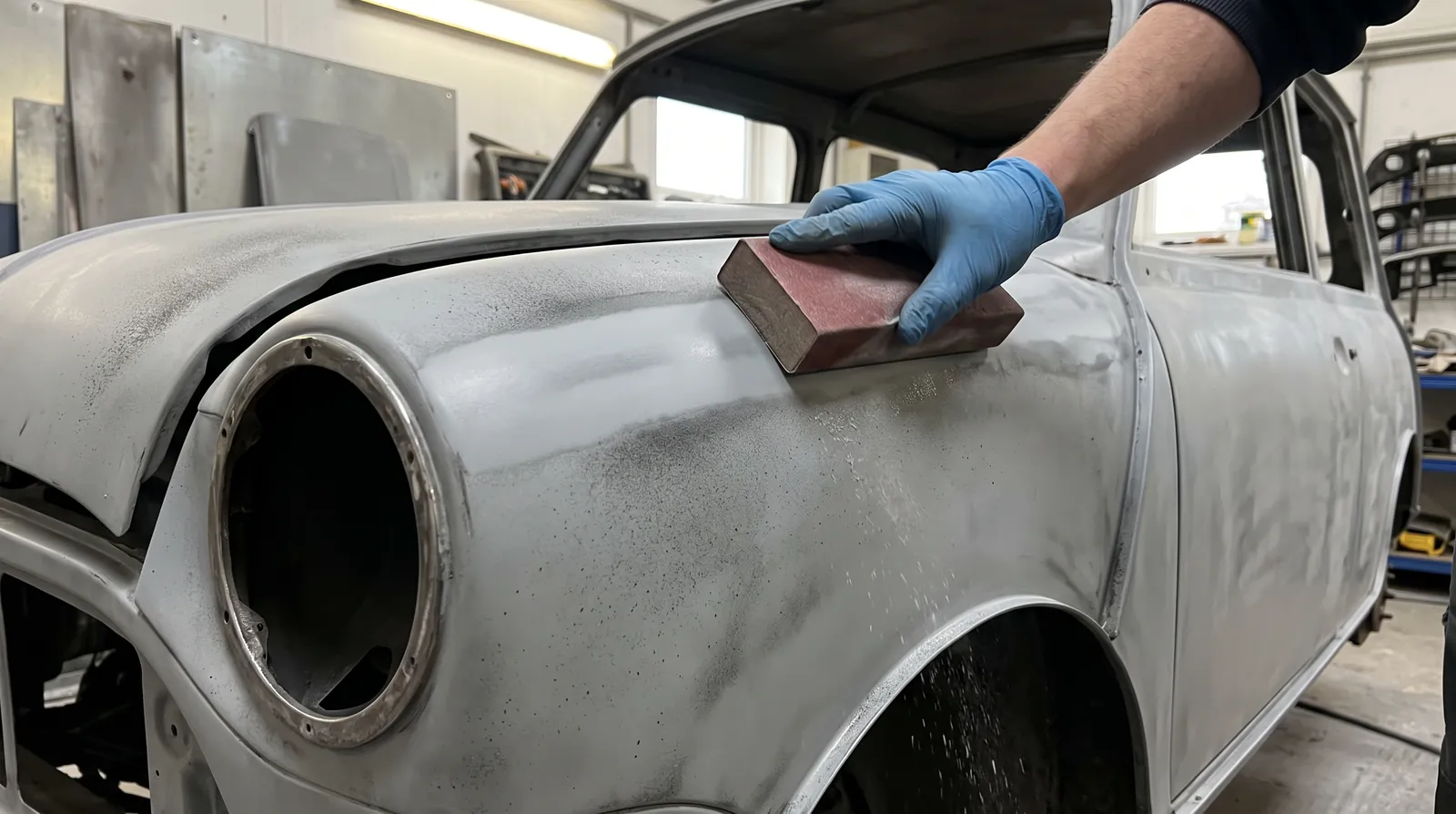
The marks that will clearly be charged and that repair well. On the bodywork, that usually means:
- Scratches that have gone through the paint
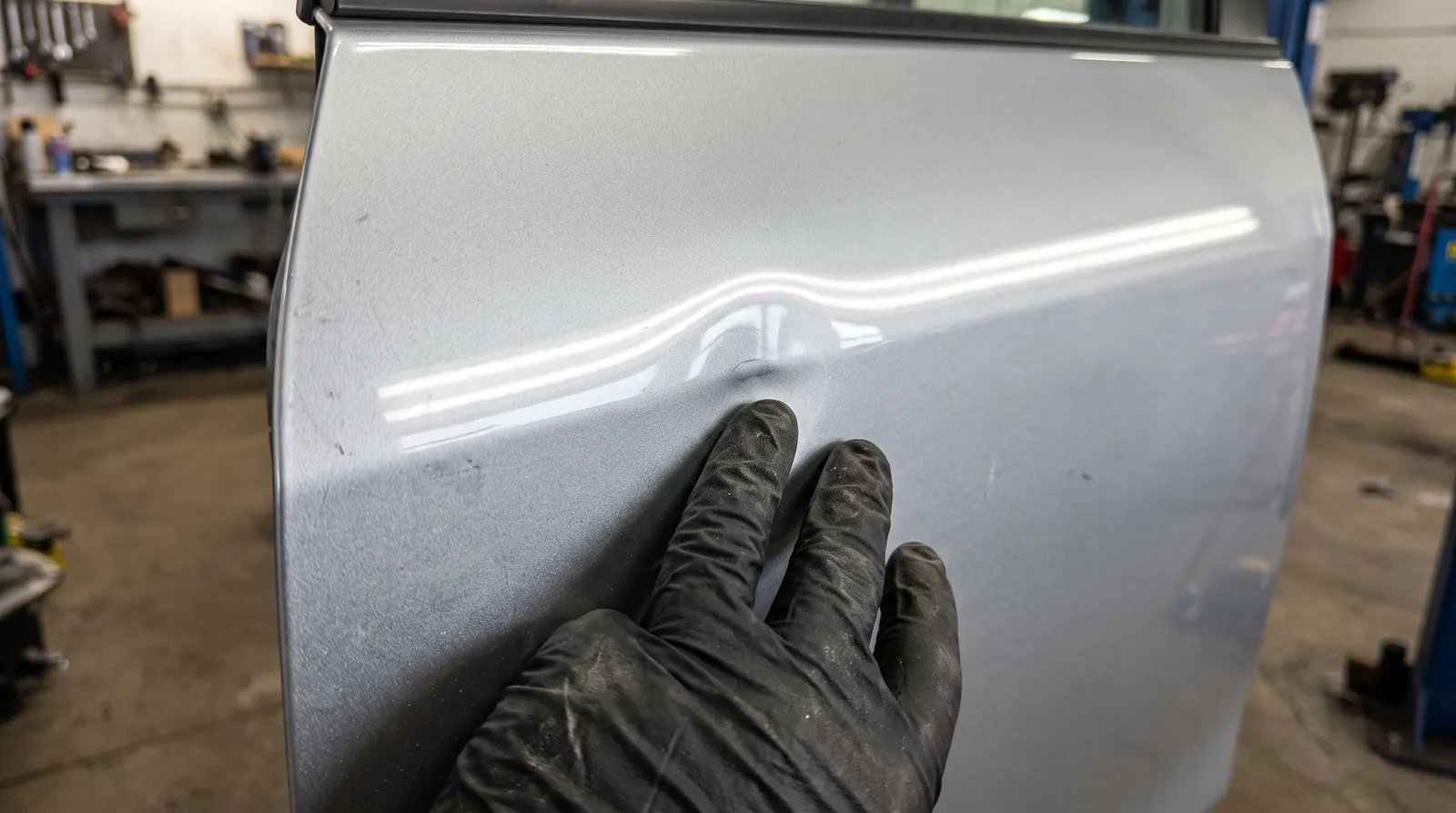
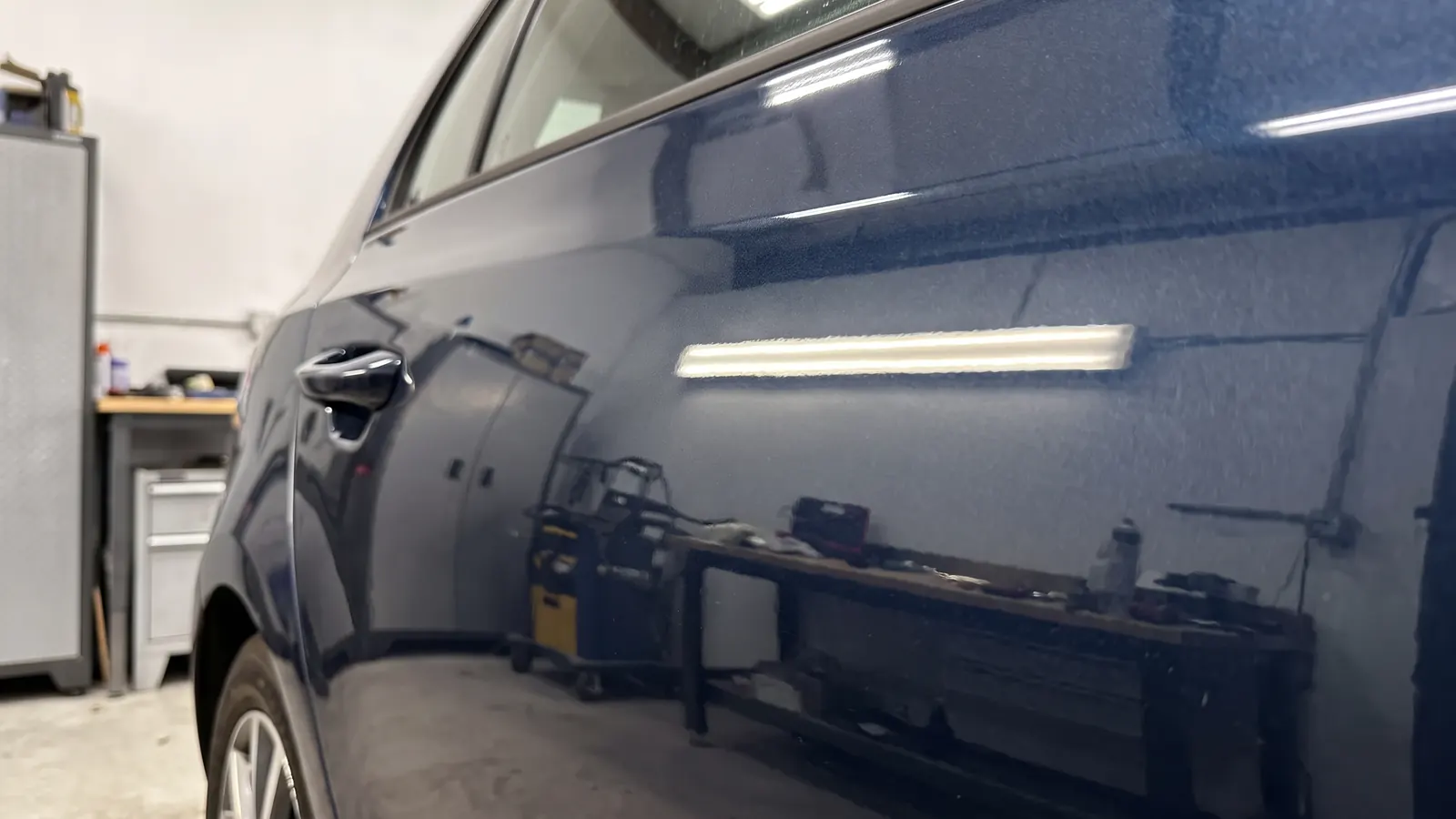
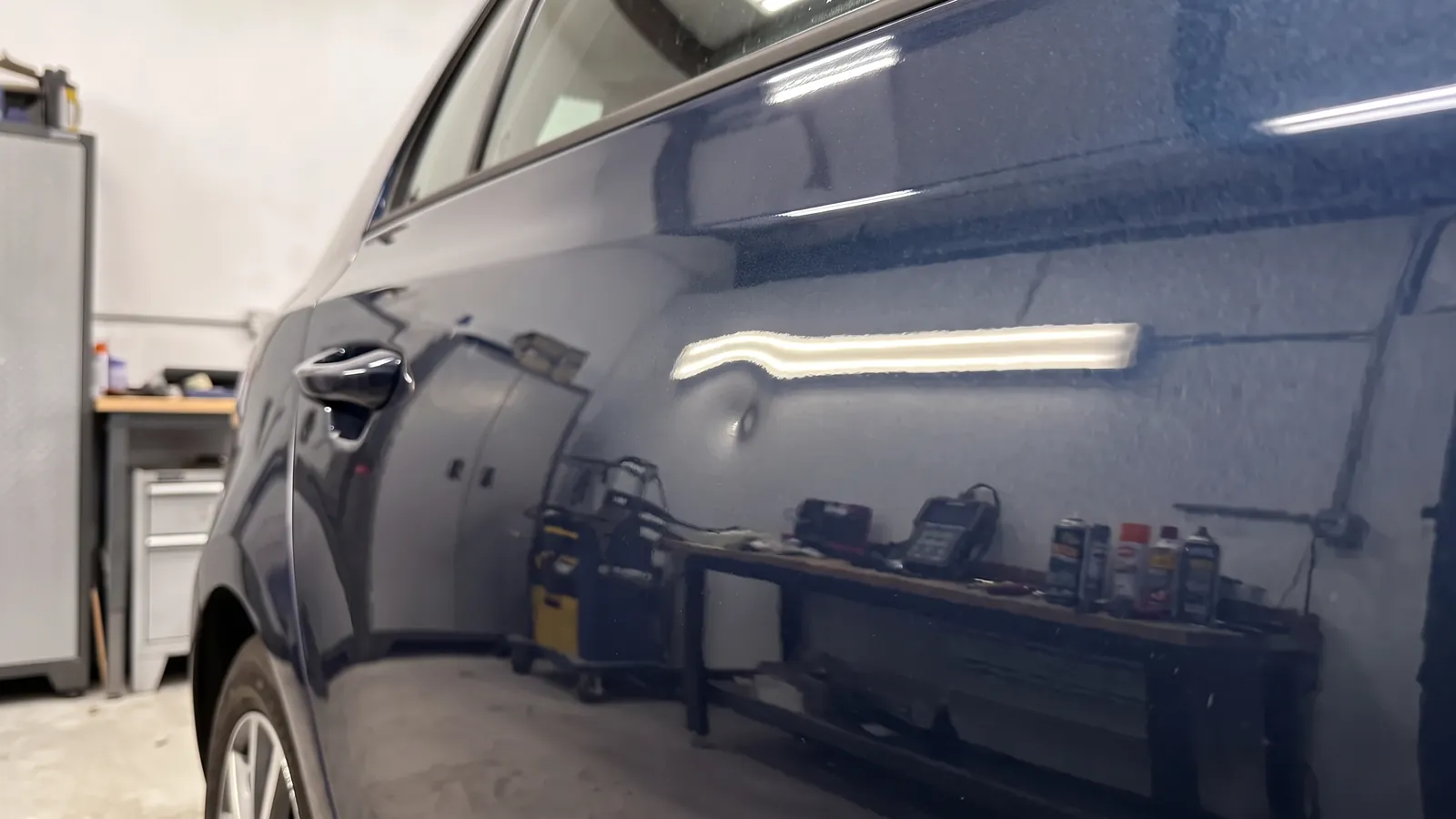
- Dents and creases in the panels
- Scuffed bumpers and corners
- Stone chips on the bonnet and front end
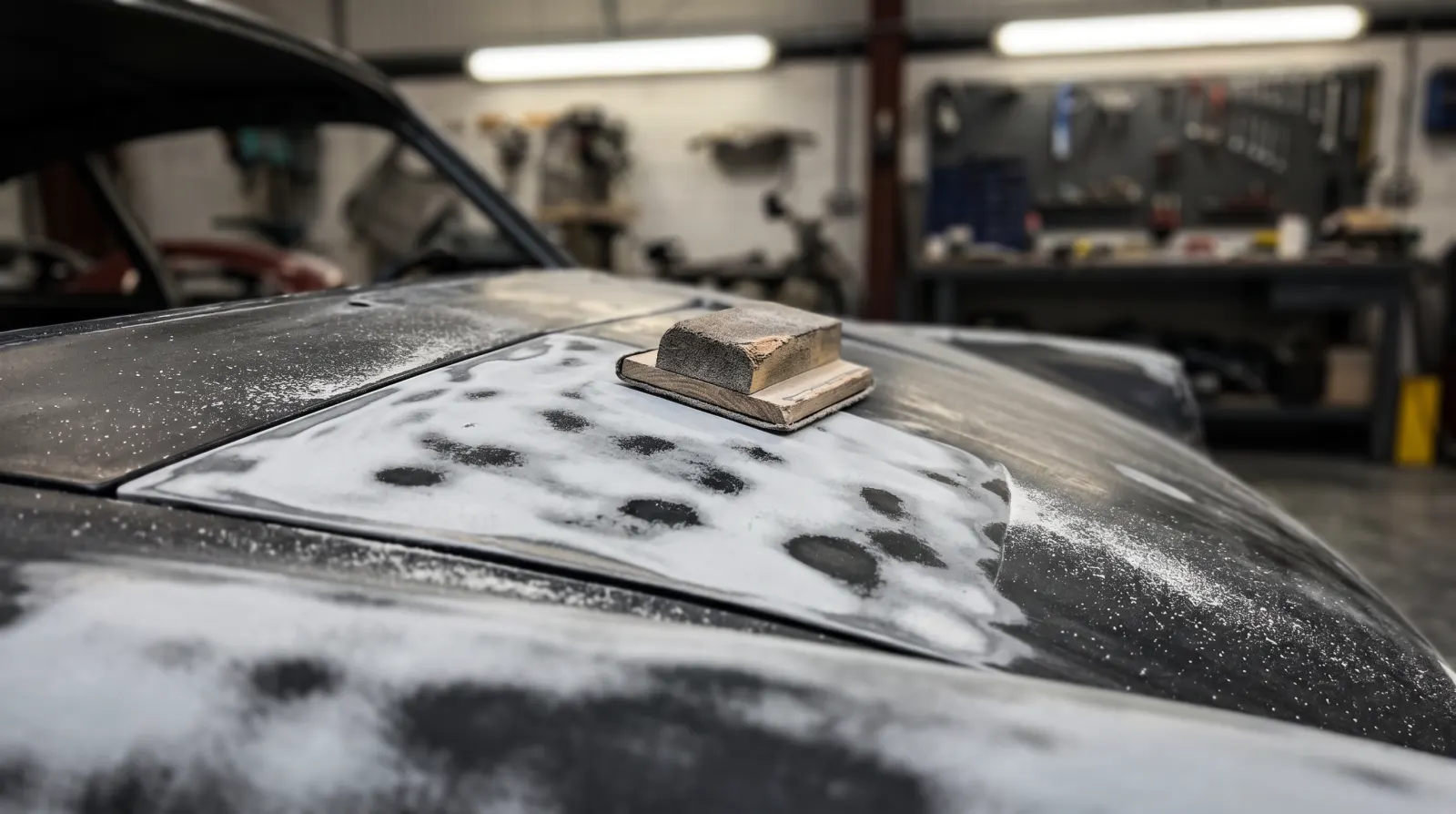
These are standard body shop repairs. See lease return repairs for what we put right, and body repair for how the work is done.
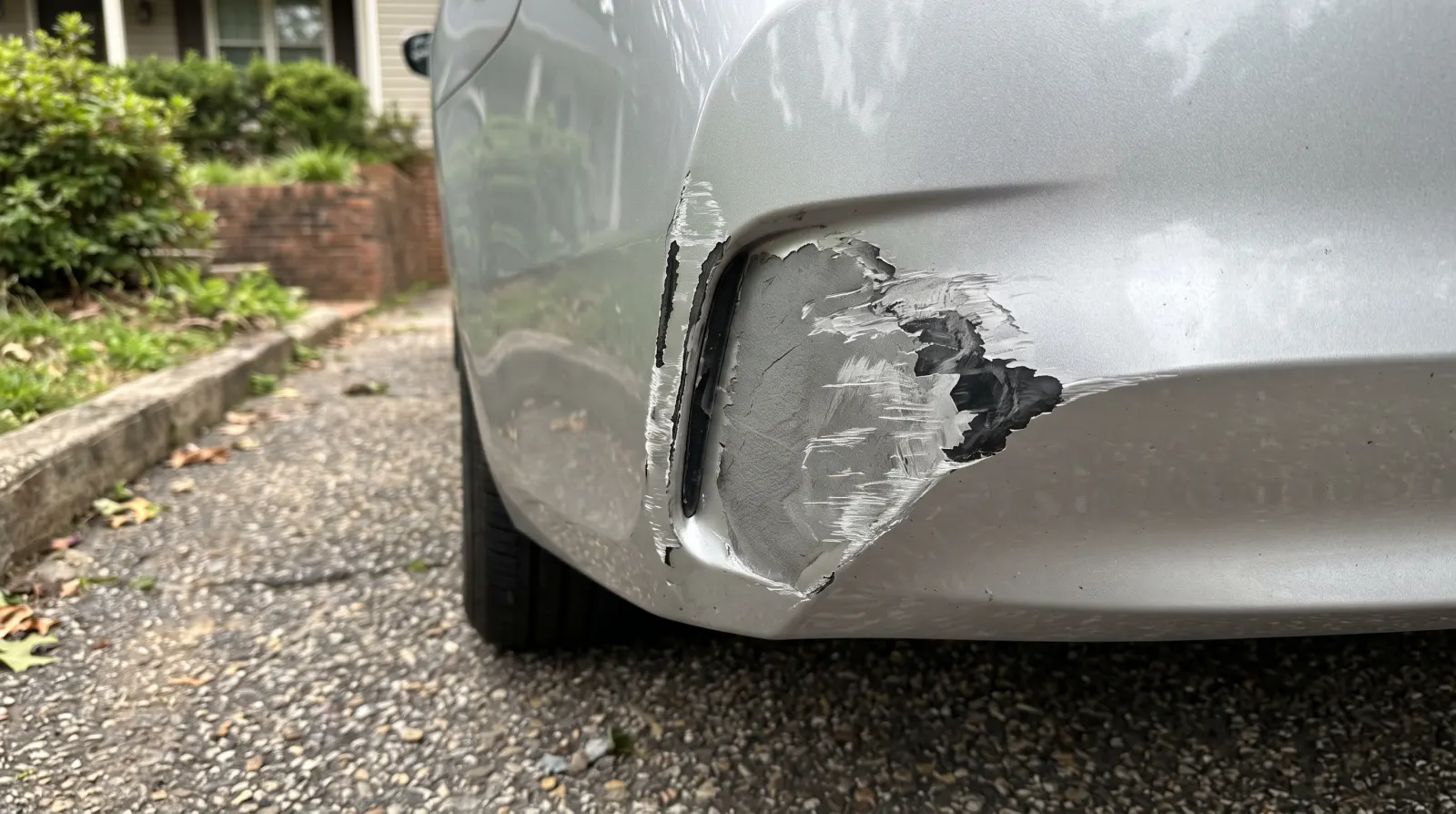
Scuffed bumpers and corners
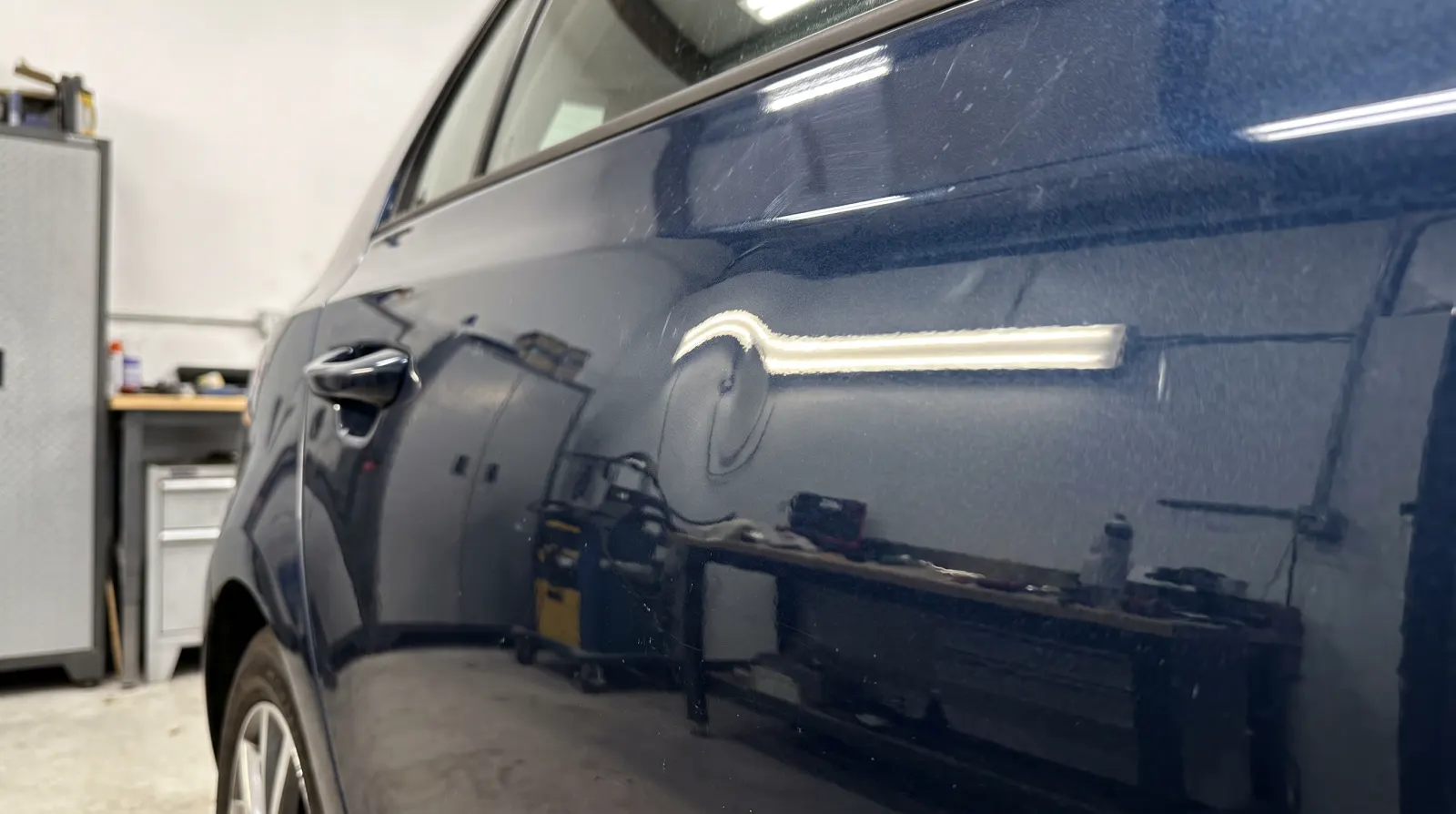
Dents and creases
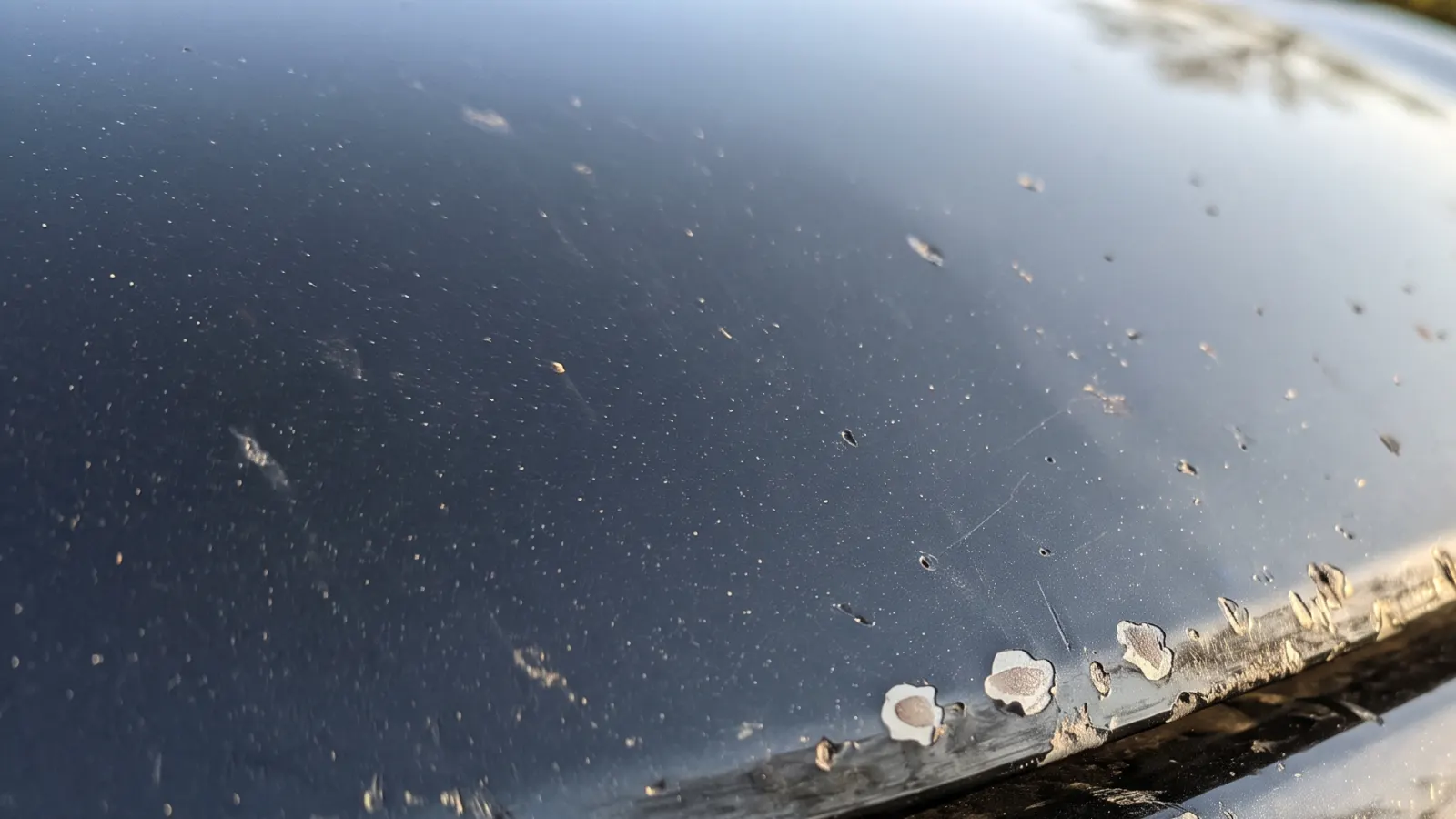
Stone chips
What should I leave alone?
Anything your lease company's guide counts as wear. Light marks from normal use are accepted, so paying to repair them is money spent for nothing.
Return standards cover more than paint. Wheels and tyres, glass, the interior and the service history all come into it. We put the body and paint right; the rest needs the right people for each.
Will a repair show at the inspection?
A proper one shouldn't. The colour is mixed to the car's paint code and blended into the panels either side, so the repaired area matches the rest of the car.
A poor repair can count against you. Mismatched colour, overspray on the rubbers or a rippled panel can be recorded as damage in its own right, so a cheap repair can end up costing twice. That's worth weighing when you compare quotes.
When should I book a lease return repair?
Well before the collection date. Paint needs time to be done properly, and a rush is where mistakes happen.
If your lease company offers a check before collection, ask for one. It tells you what they'll look at while there's still time to do something about it.
What should I do on collection day?
Wash the car, then photograph it in daylight: every panel, every wheel, the glass, the interior and the mileage. If anything is disputed later, you have your own record of how the car left you.
Keep the paperwork for any repairs as well, in case a question comes back about a panel.
Send us photos of every mark, the paint code if you have it and your collection date from the quote form.