Fair wear and tear is what normal use does to a car over the length of a lease. Damage is what a knock, a scrape, harsh treatment or neglect does. Wear is accepted when the car goes back. Damage is charged.
On the bodywork, the line usually comes down to three things: whether the paint has been broken, where the mark is, and how old the car is. Here's how it works, and how to check your own car before the inspection.
What is fair wear and tear on a lease car?
It's the wear a car picks up from being used as it should be. The BVRLA, the UK leasing trade body, describes it as deterioration caused by normal usage, and says it's not to be confused with damage, which comes from a specific event or series of events: impact, items stowed badly, harsh treatment, or negligence.
So light marks from years of parking and driving are wear. A dent from a knock in a car park is damage, however careful you were the rest of the time.
Which guide is my car judged against?
Your lease company's. Most UK lease companies judge returns against the BVRLA's fair wear and tear guide, and the BVRLA publishes separate guides for cars, for vans and light commercials, and for larger goods vehicles and minibuses. Its own advice is to ask your leasing company for a copy.
Go by that copy rather than one found online. Editions change, and not every lease company uses the BVRLA's. The one in your paperwork is the one the inspector works to.
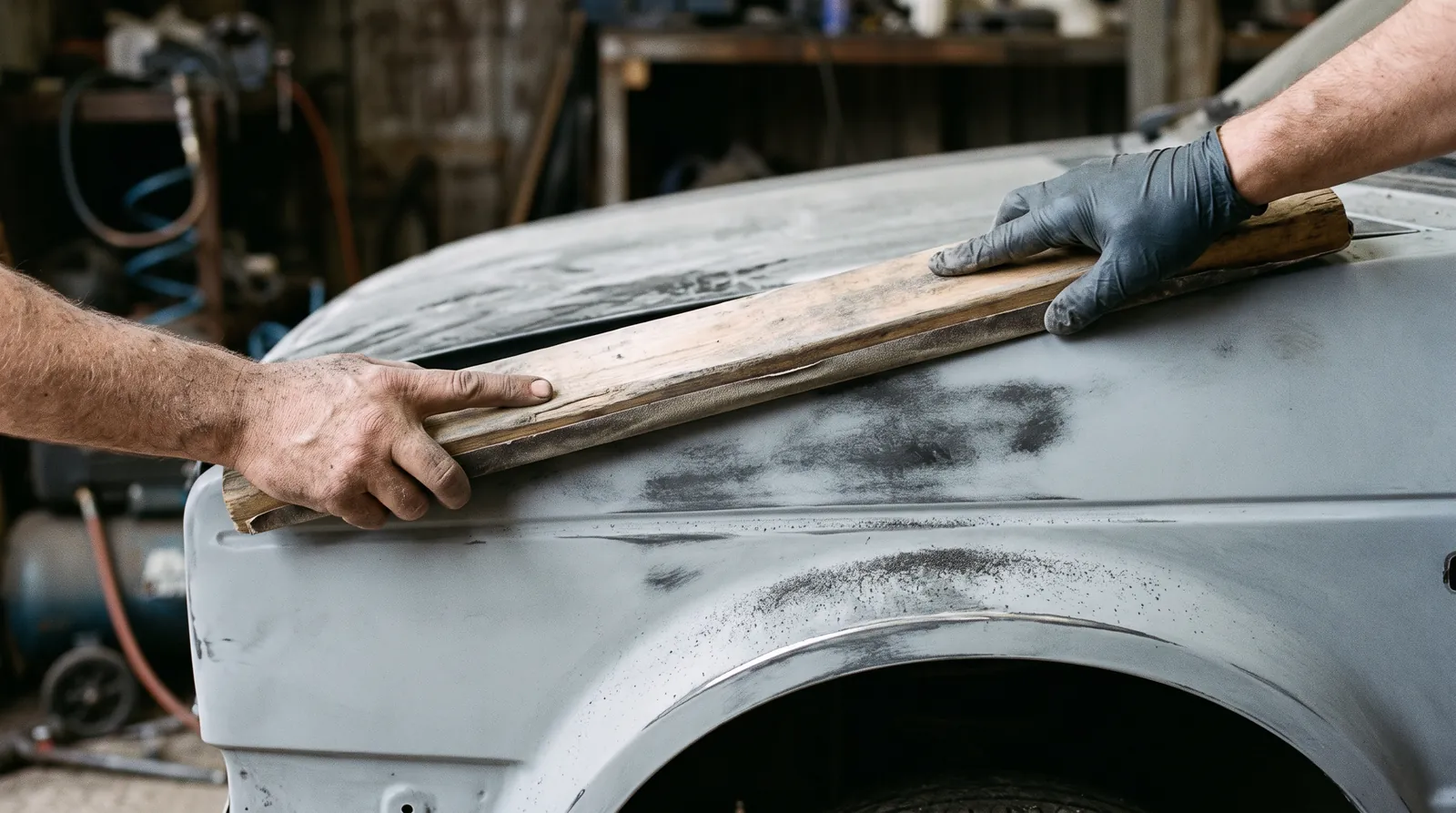
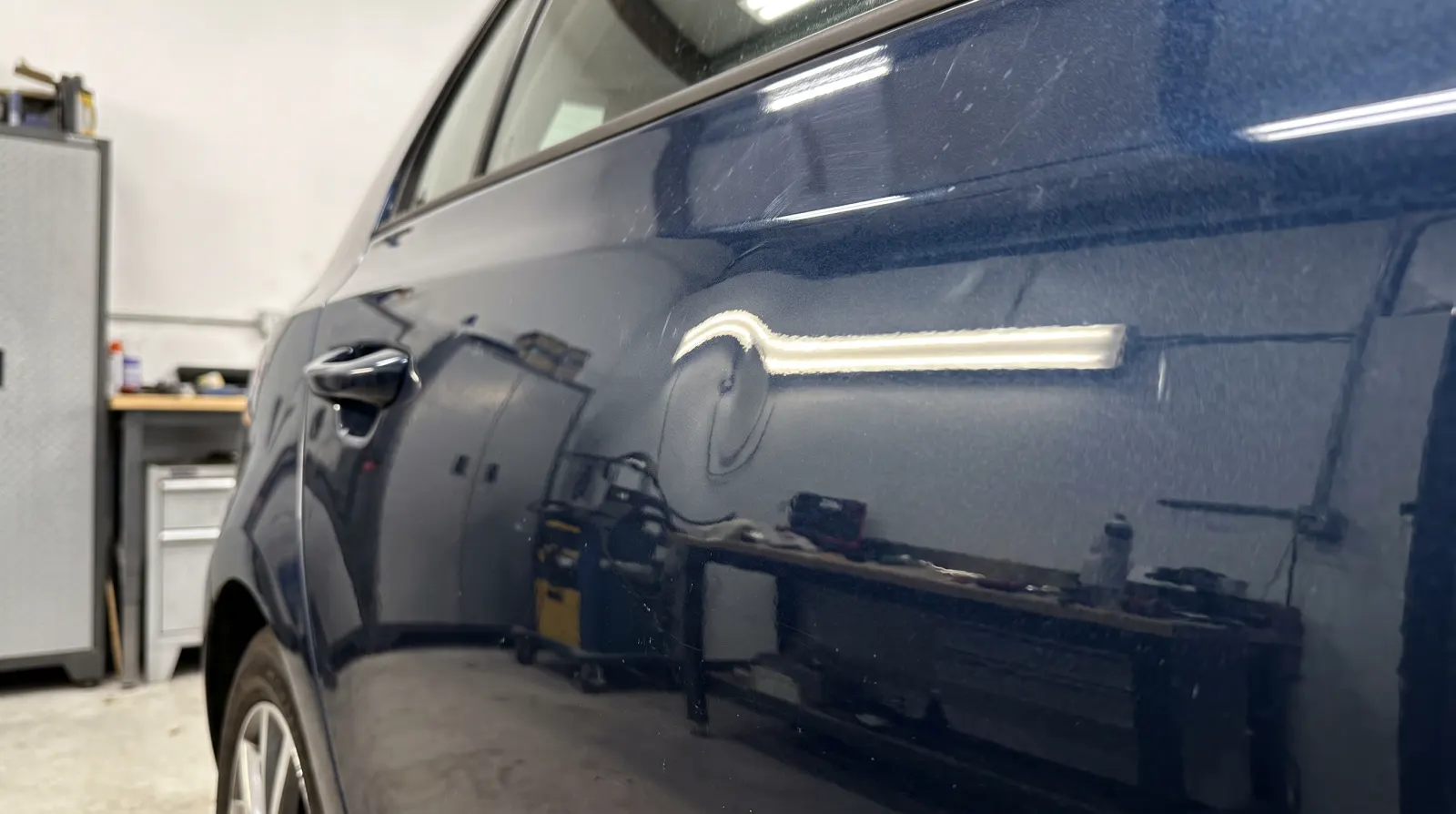
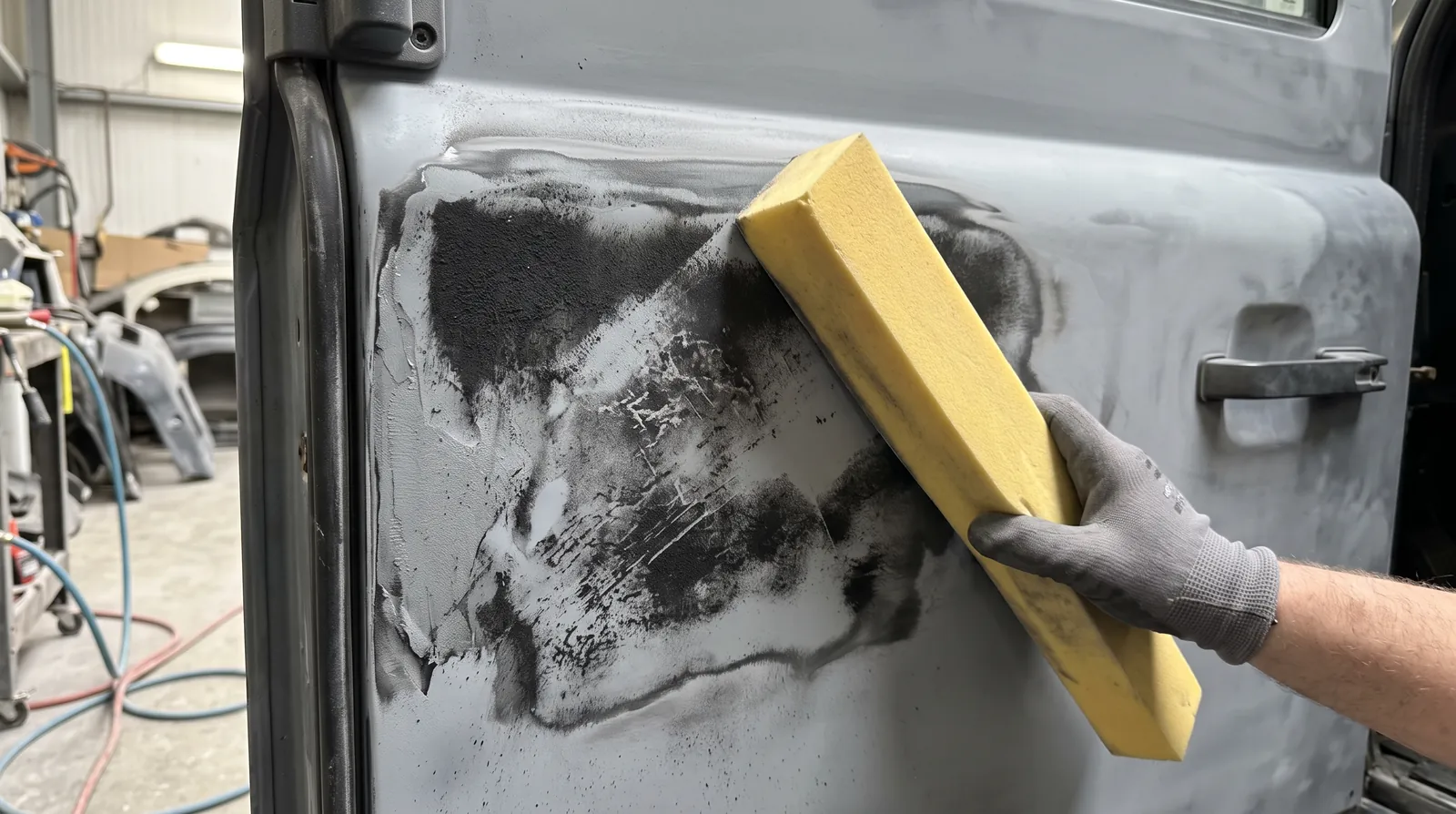
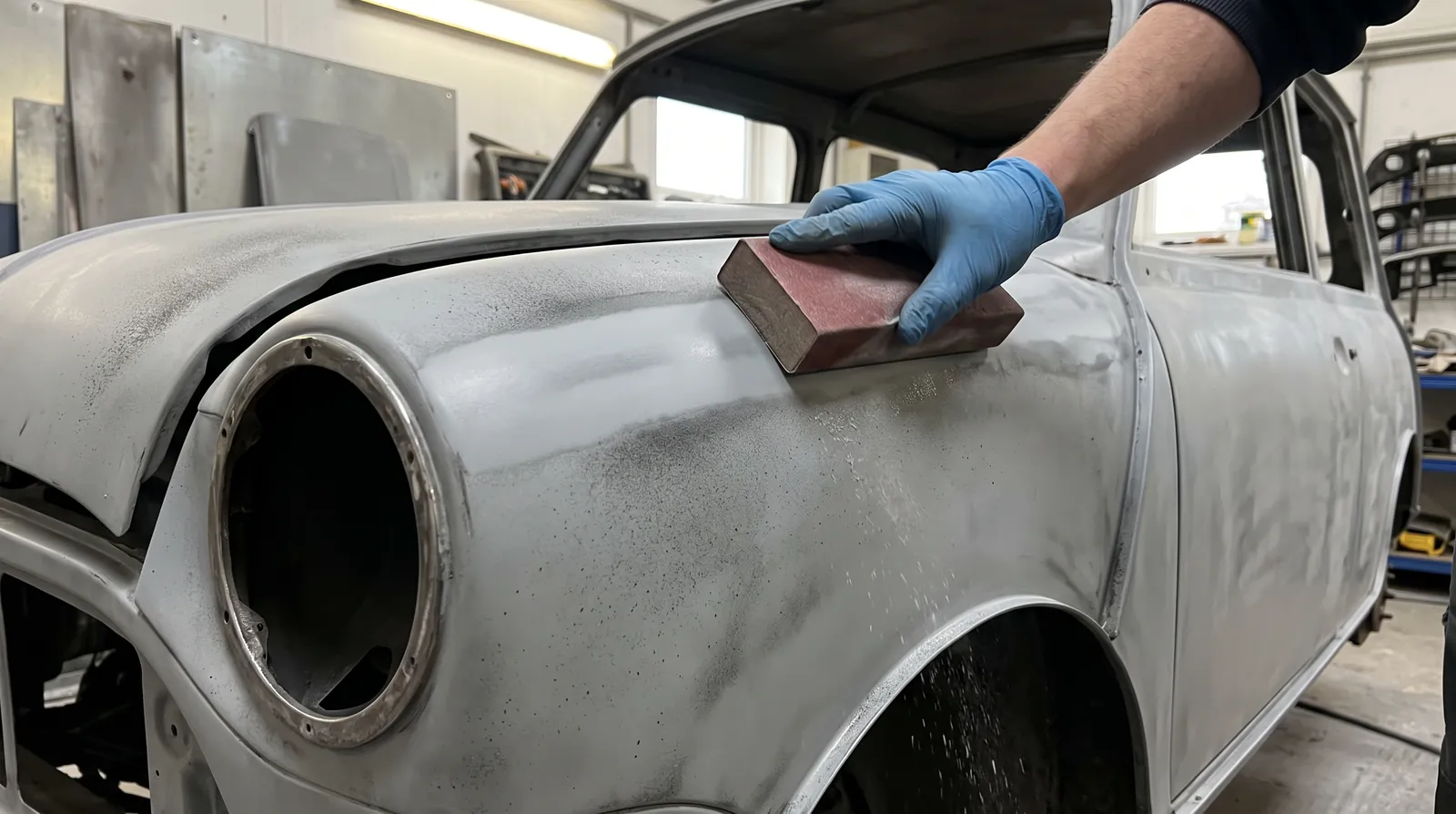
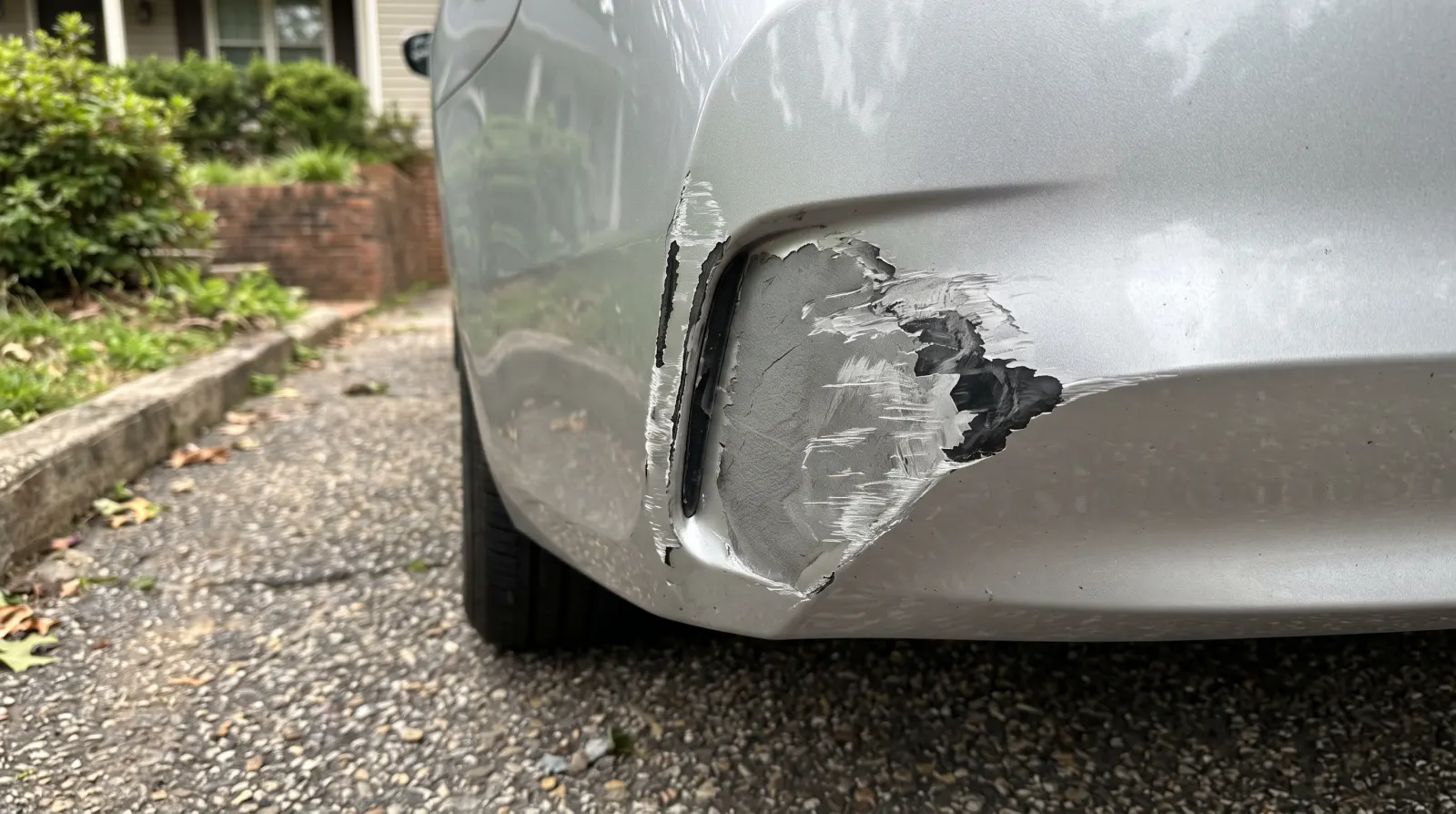
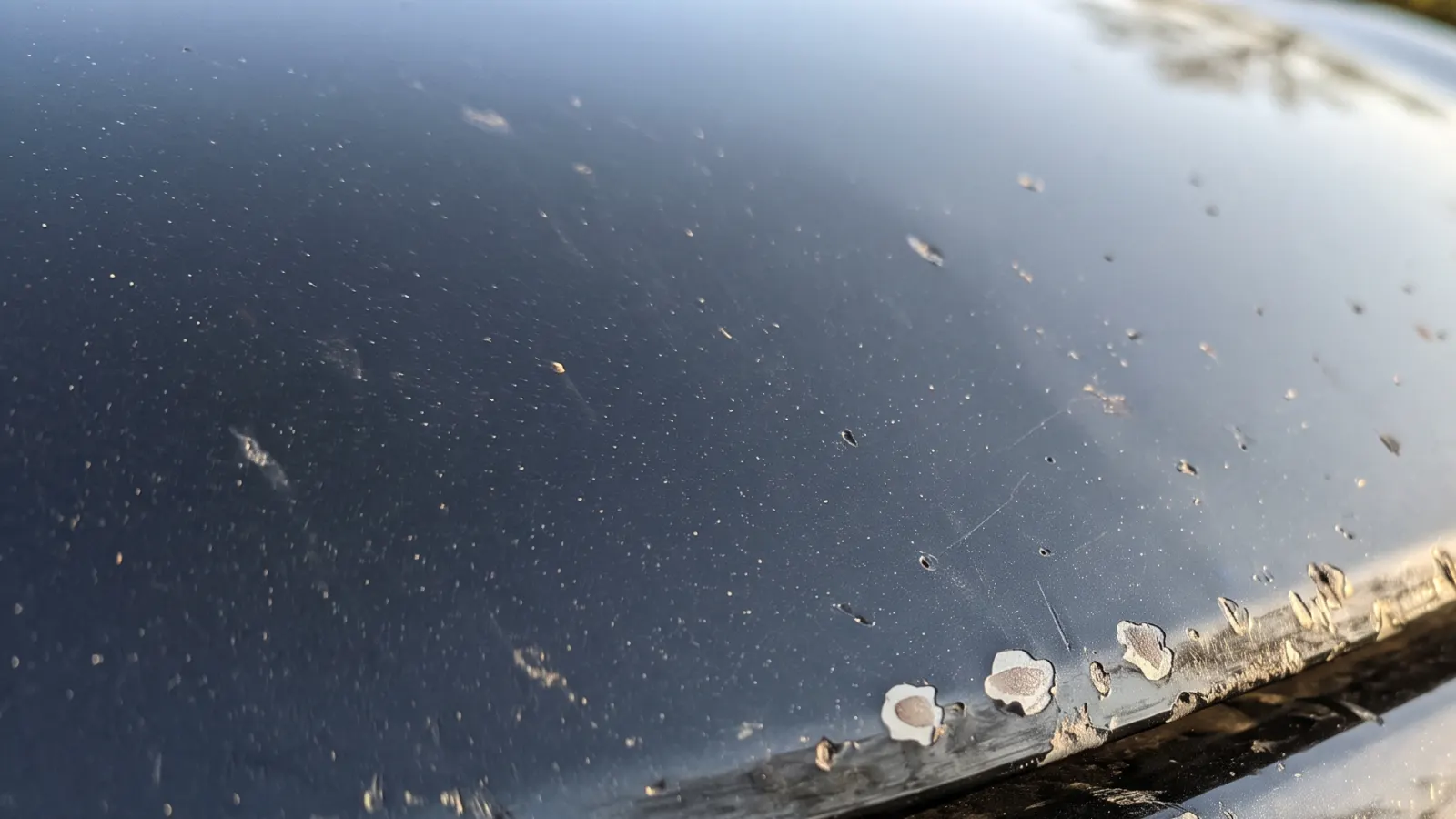
Are stone chips fair wear and tear?
Some are. Light chipping on the bonnet and the front of the car comes with driving. The AA's summary of the BVRLA standard accepts small chips, up to a limit on each panel, and counts chips inside a dent as damage.
Are dents fair wear and tear?
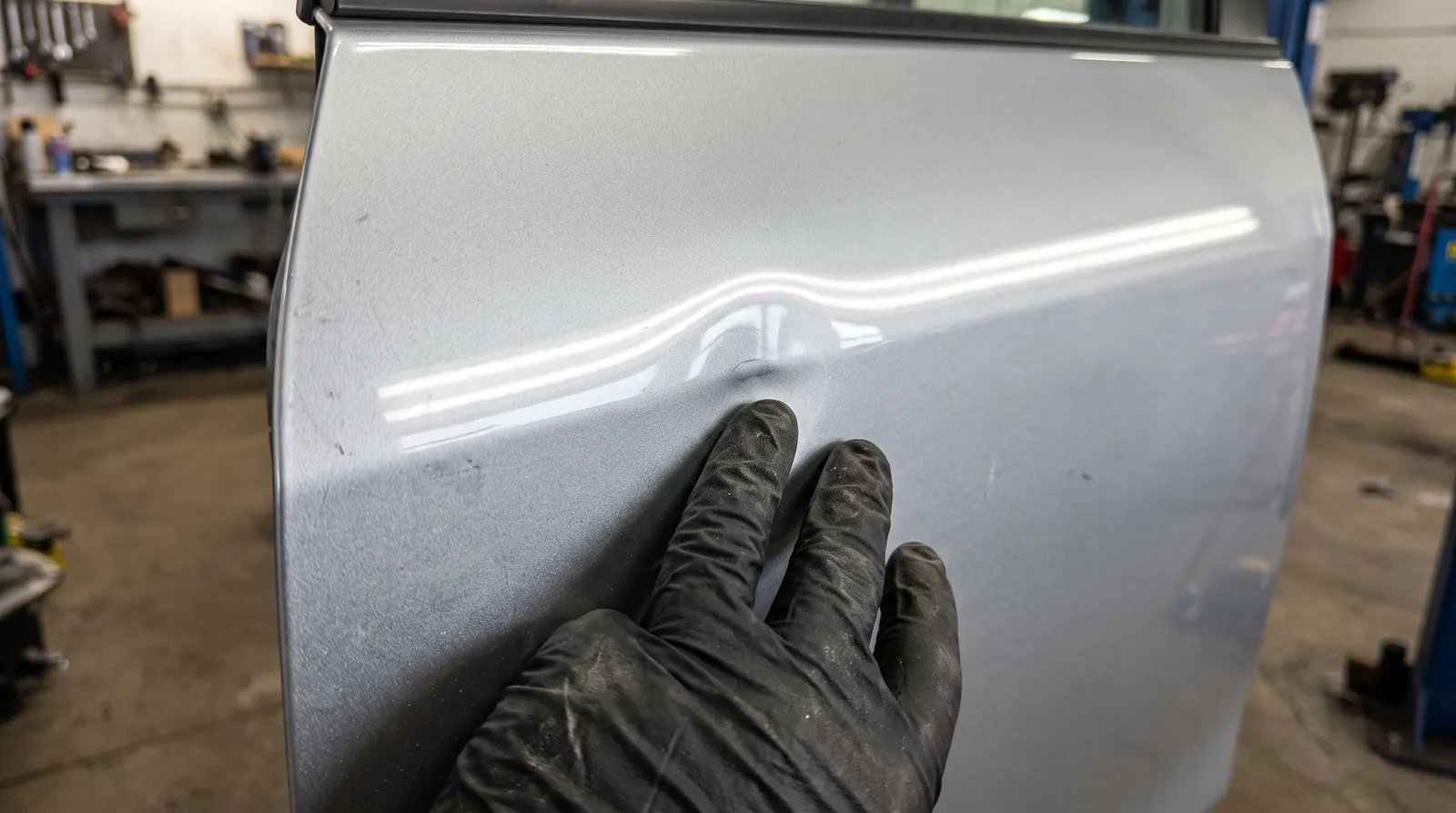
Small ones can be, as long as the paint isn't broken. Under the BVRLA standard as the AA summarises it, a small dent is accepted if the paint surface is intact and the panel doesn't carry too many. A dent on the roof, or on a swage line, the crease pressed along the side of a panel, counts as damage whatever its size.
Are scratches fair wear and tear?
Light surface scratches can be. The test is whether the scratch has gone through the paint. Under the same standard, a surface scratch is accepted only where no primer or bare metal is showing, and only up to a set length.
Run a fingernail across it. If your nail catches, the scratch has usually gone through the clear coat and needs filling and paint rather than a polish.
Does the age of the car make a difference?
Yes. The AA says a car on a four-year agreement will likely have travelled further than one on a two-year agreement, so a greater allowance for wear is accepted. A car that has done more miles is expected to show more of them.
Are bumpers judged the same as the panels?
Yes, where they're painted. The AA lists rust, corrosion or discolouration on any painted area, painted bumpers, body mouldings and mirrors included, as unacceptable. A bumper corner is where low-speed scrapes end up, so look at all four closely.
Does a repair count against me?
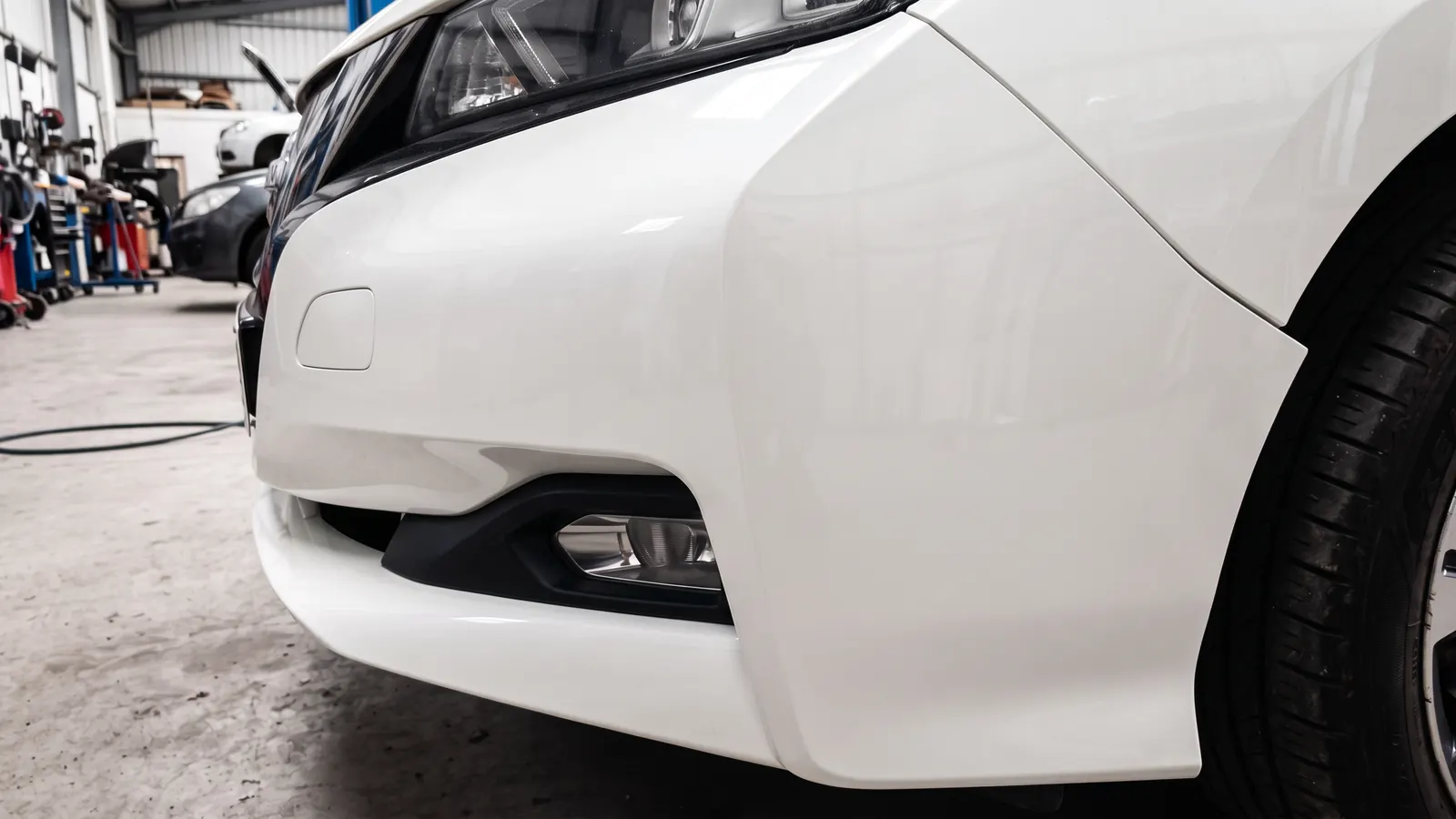
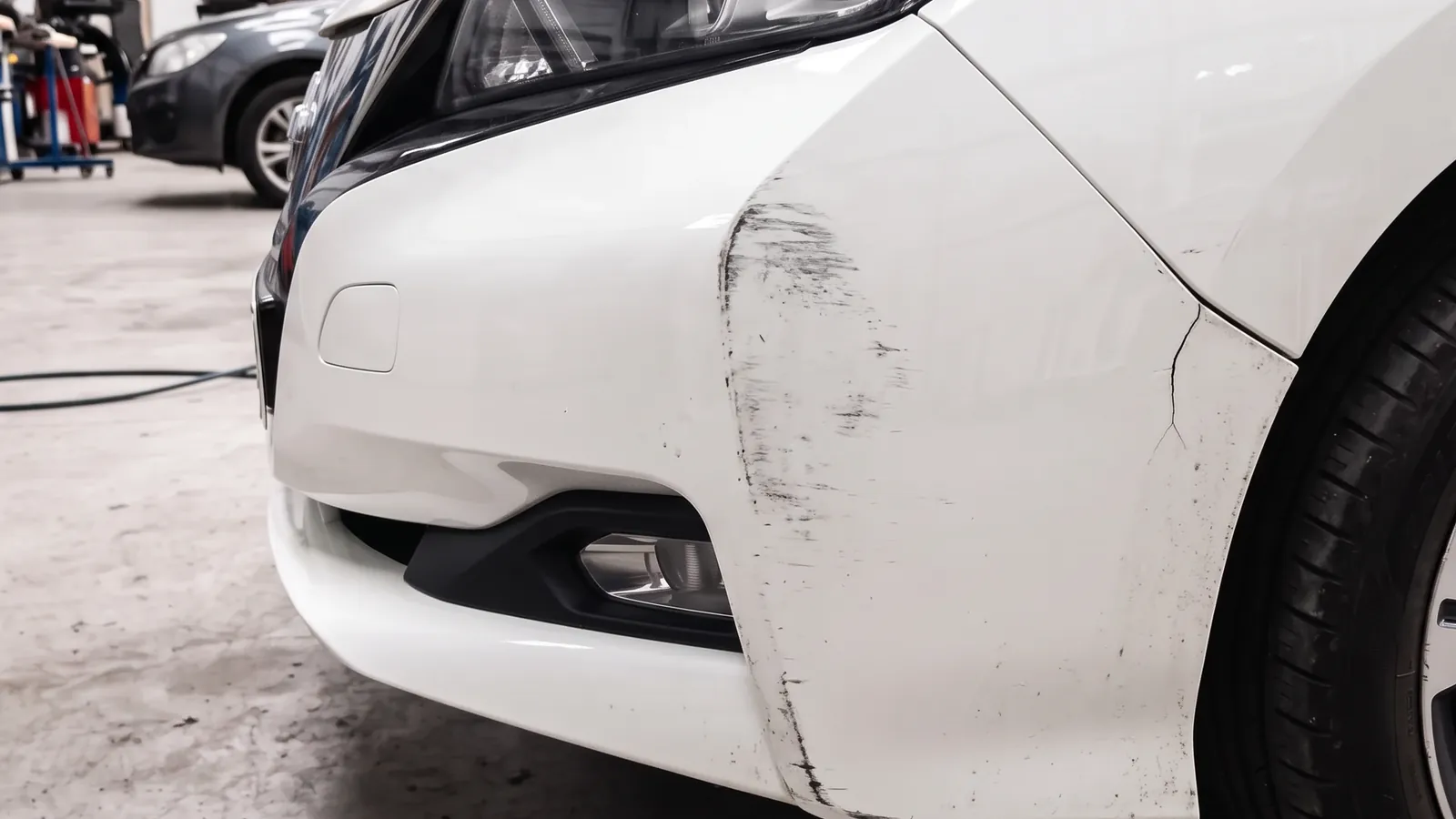
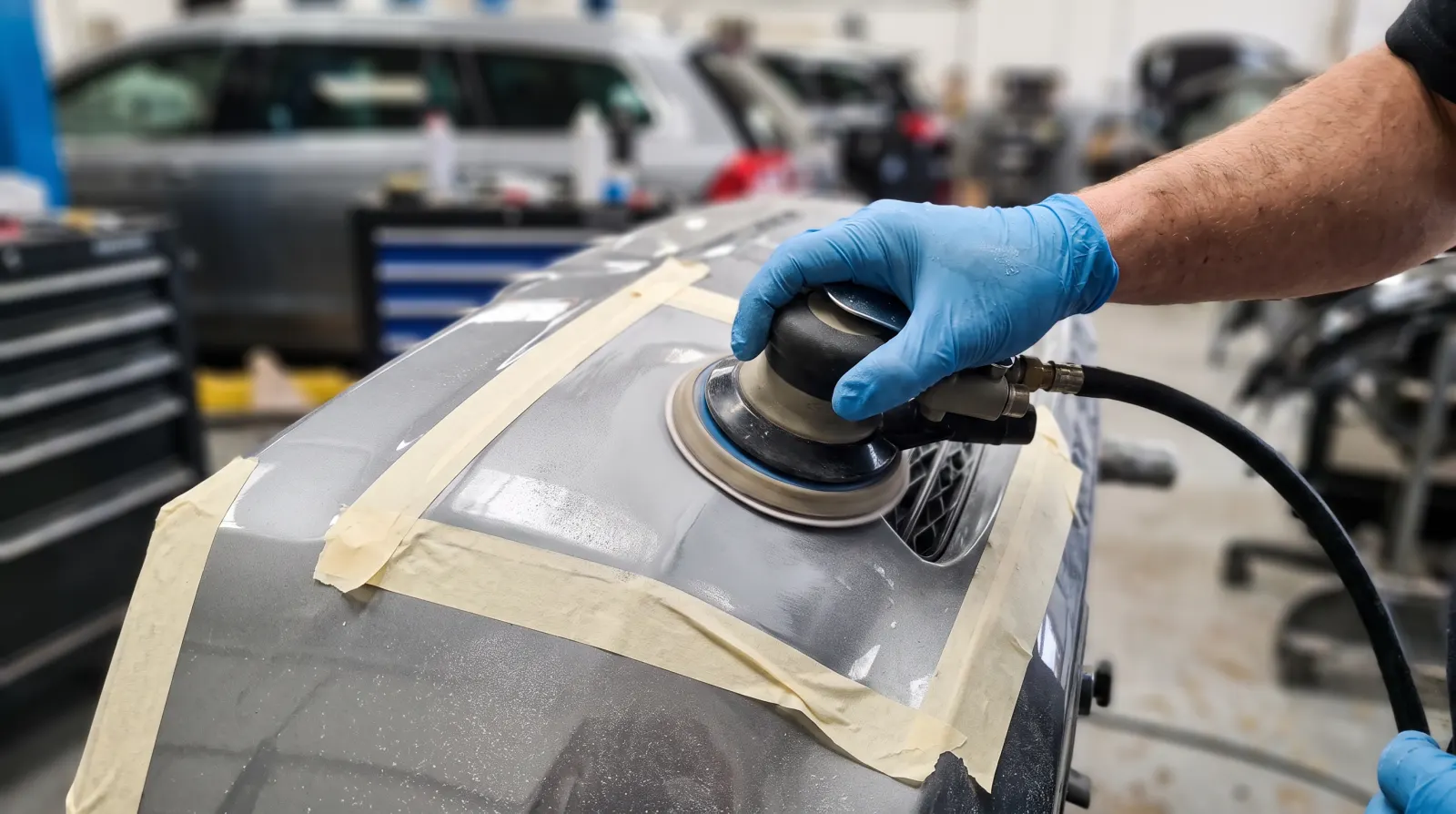
Not if it's done properly. The BVRLA says you can have damage outside the return standard repaired before the car goes back, as long as the work is done to a professional standard by a reputable repairer who can give a fully transferable warranty on it.
A poor repair is a mark in its own right. The AA lists evidence of poor repair as unacceptable. A colour that doesn't match the panel beside it, a rippled finish and overspray on the rubbers are the usual giveaways.
See lease return repairs for what we put right, body repair for how the colour is matched and blended, and prices for how we quote.
How do I check my own car?
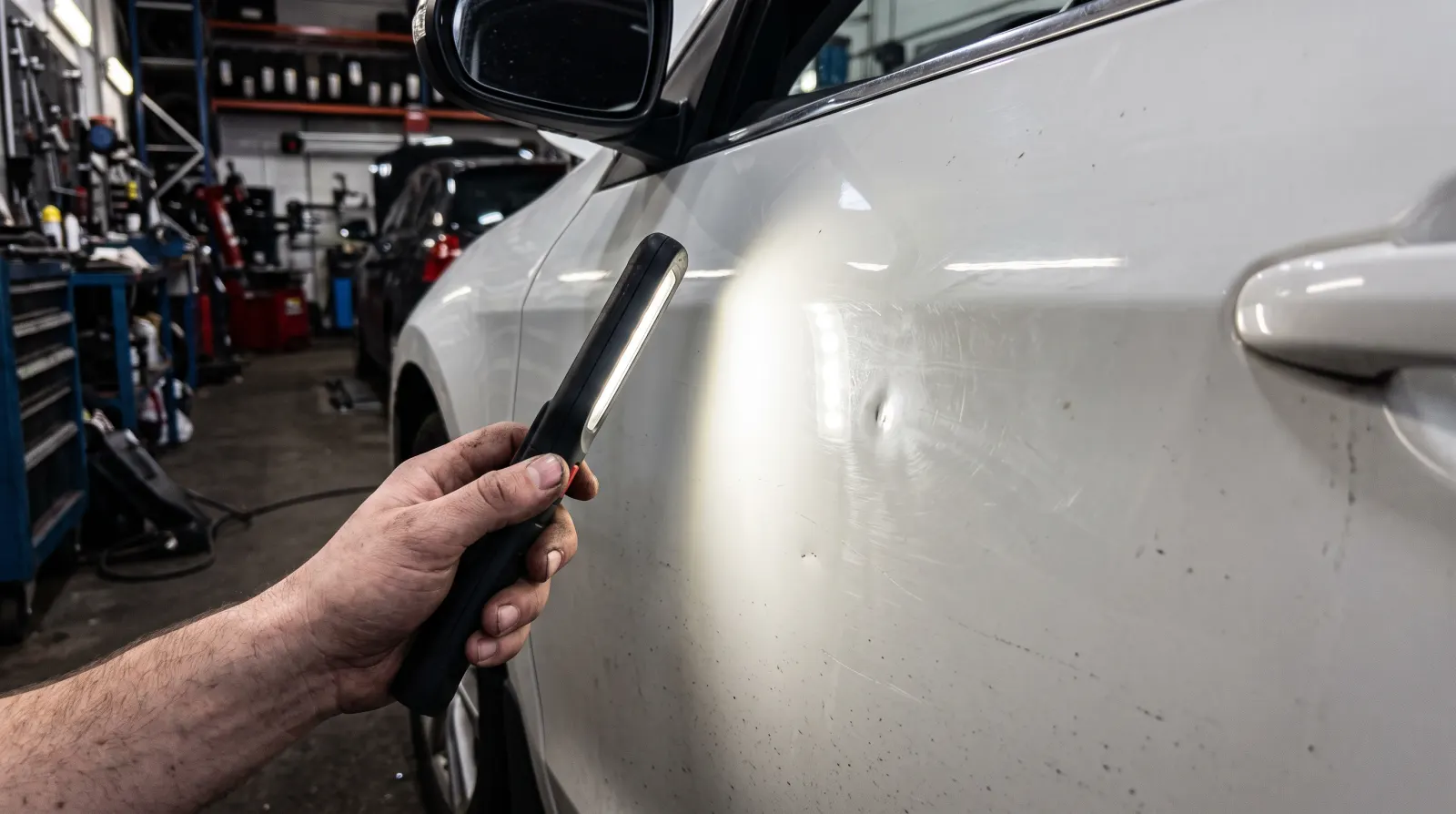
Wash it, then go over it in dry, bright conditions, as the AA's guide suggests. Look along each panel rather than straight at it, so dents show up as kinks in the reflections, and crouch down to see the bumpers, the sills and the bottoms of the doors.
Photograph every mark close up, with something beside it for scale, and note which panel it's on. That gives you your own list to hold against the guide, and something to send us for a repair quote.
When should I start?
Early. The BVRLA suggests going over the car 10 to 12 weeks before it's due back. That leaves time to get anything outside the standard put right before collection day, without rushing the paint.
What if I don't agree with the inspection?
Say so at the time. The BVRLA says you and the lease company's representative check and agree the car's condition at collection, and it recommends you're there. If you dispute the damage later, you can pay for the evidence to be examined by an independent qualified engineer, and the BVRLA says that cost is refunded if your position is upheld.
Not sure which side of the line a mark falls? Send us photos of each one, the paint code if you have it and your collection date from the quote form.