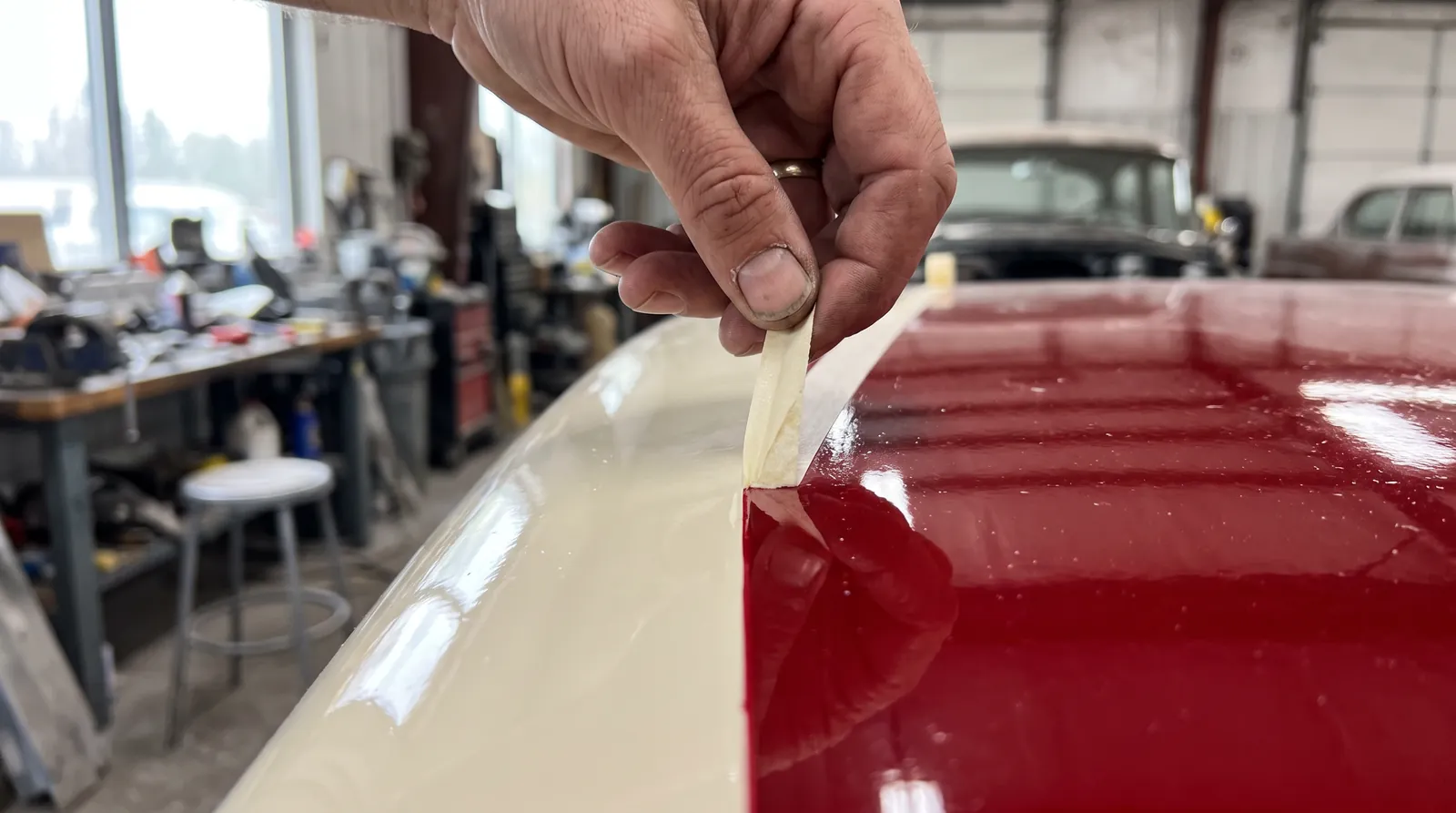
A wrap is a self-adhesive film laid over the paint. A respray is new paint. A wrap changes the look of whatever it covers and can come off again, but it fixes nothing under it: dents, rust and peeling paint are all still there, and the film needs sound paint to stick to. A respray puts the panels right first, and a colour change respray reaches the door shuts, the engine bay and the edges a wrap leaves alone.
Which is right comes down to the state of your paint and how far you want the new colour to go.
What can a wrap do?
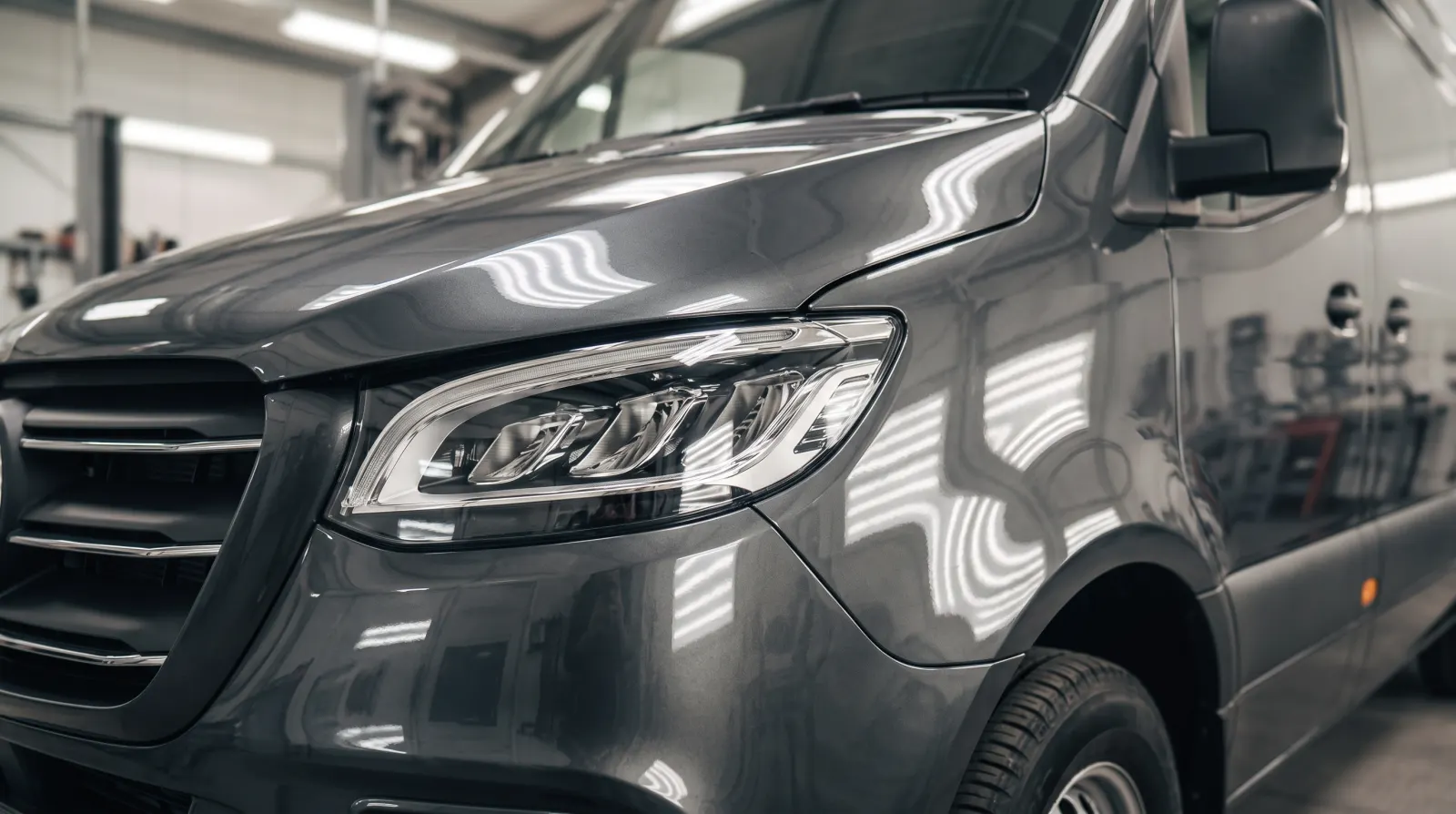
It changes the colour or the look of the outside of the car without painting it, and it can be taken off later. Avery Dennison, one of the big film makers, sells its wrapping film for full or partial wraps and colour changes, and its fitting instructions say the film is made to come off cleanly within its warranted period, though the surface under it can change that.
Can a wrap cover dents, rust or peeling paint?
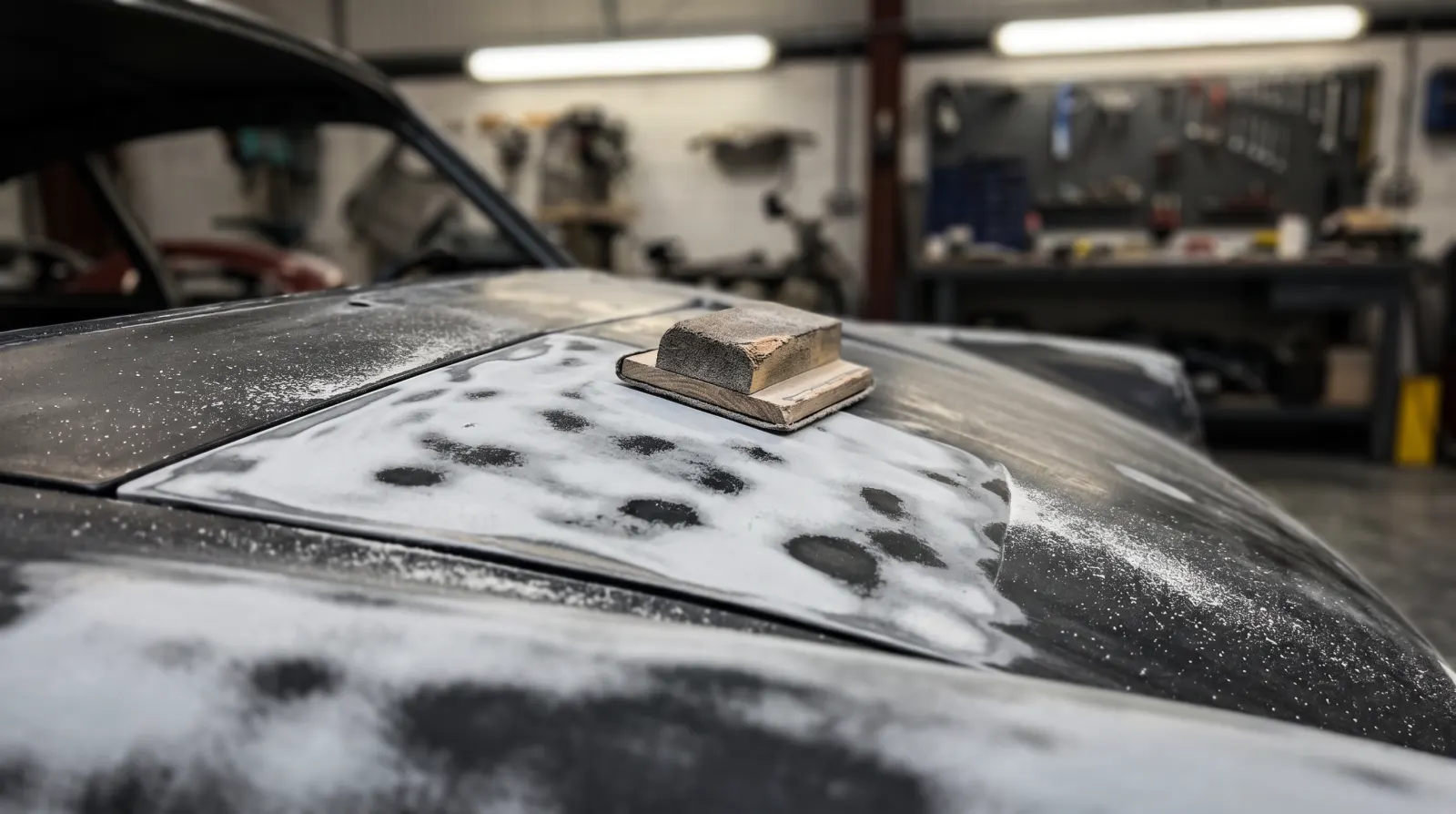
No. The film follows the shape of the panel under it, so a dent is still a dent and a ripple still shows. Rust carries on under film the same way it does under paint. Paint that is lifting or flaking has already lost its grip, so film stuck to it has nothing sound to hold on to.
The same Avery Dennison instructions say the surface must be original factory paint in good, sound condition, free of oxidisation, and cleaned thoroughly before any film goes on. So damage has to be put right before a wrap, and that's body and paint work anyway.
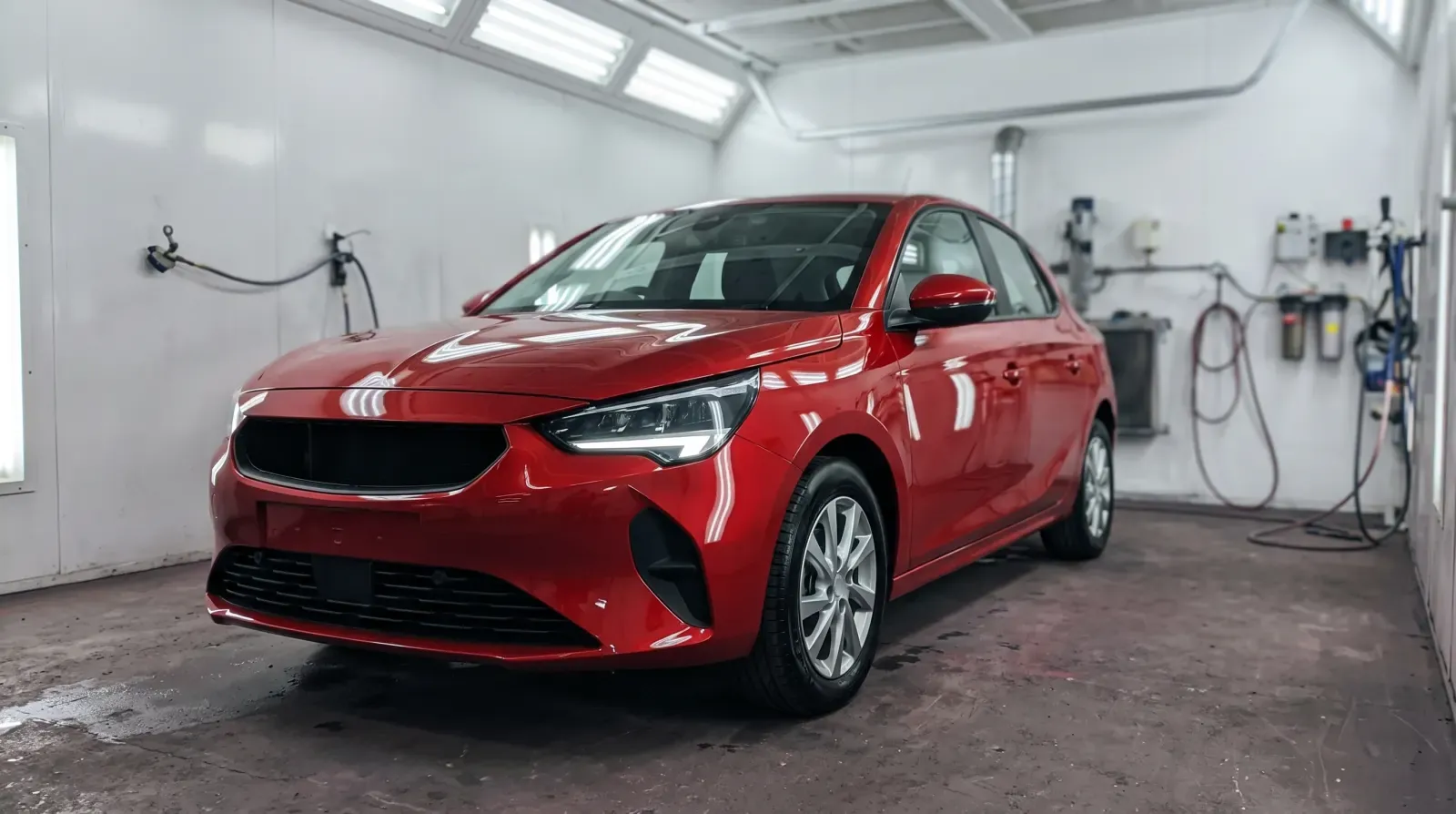
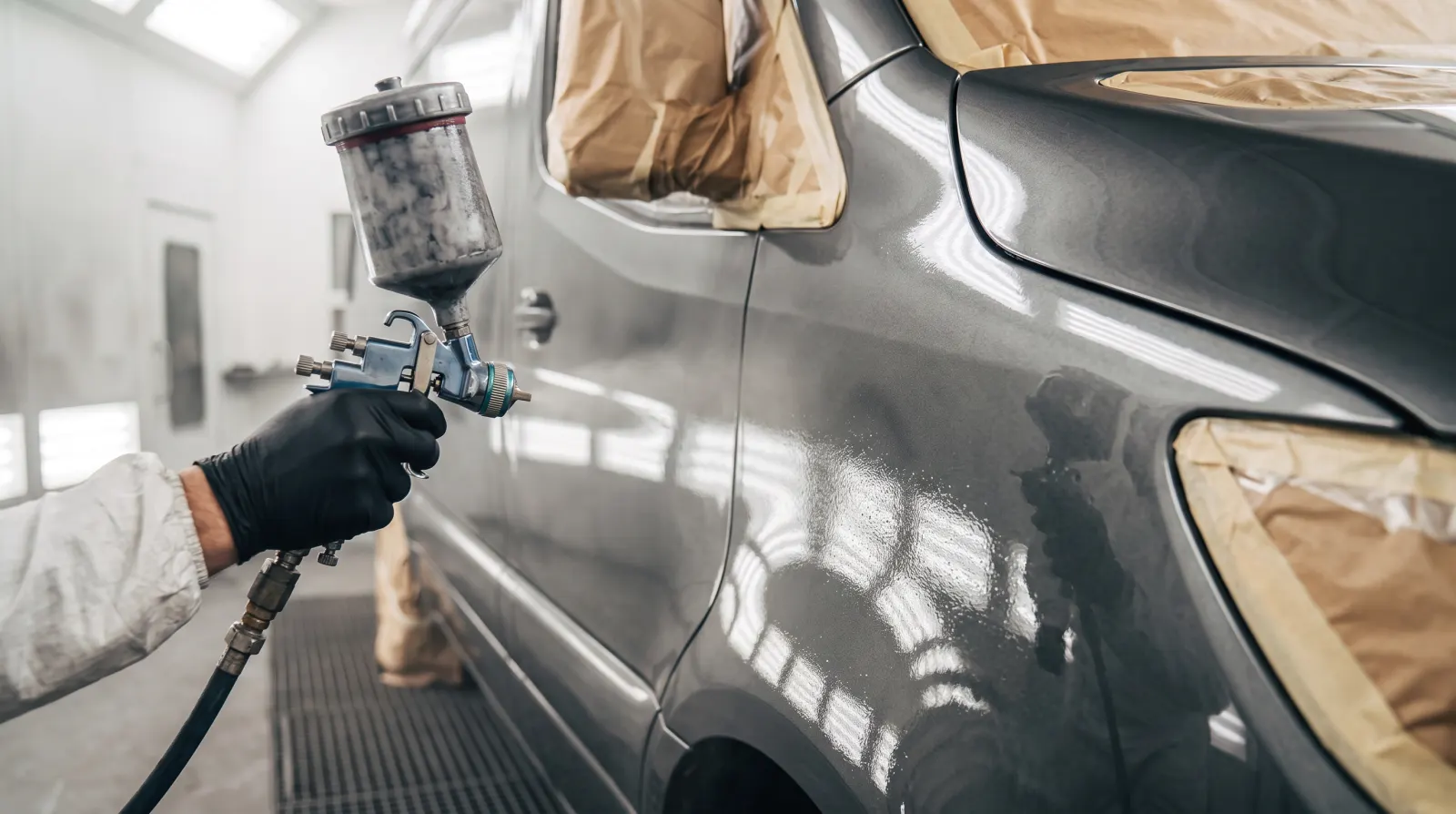
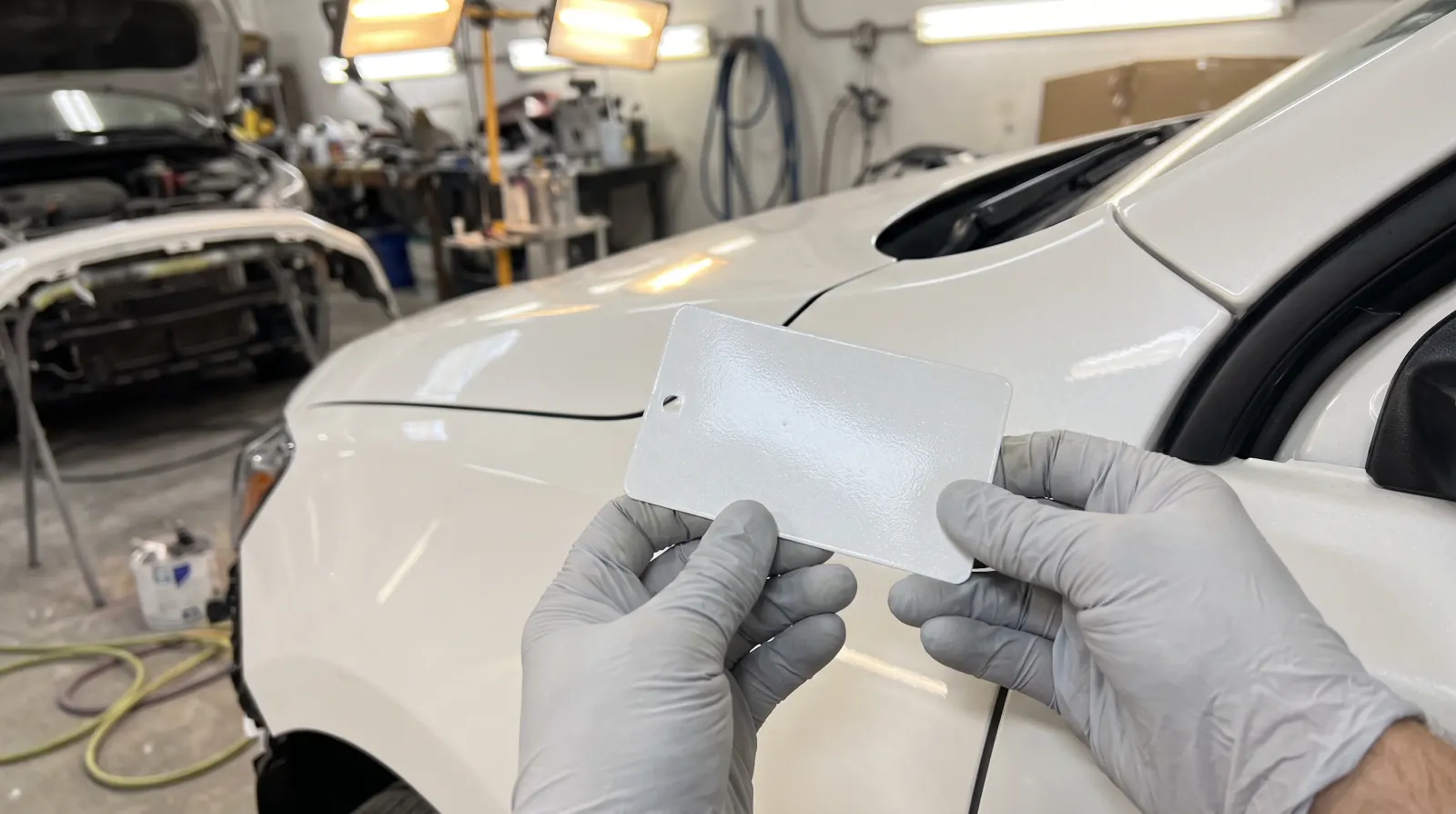
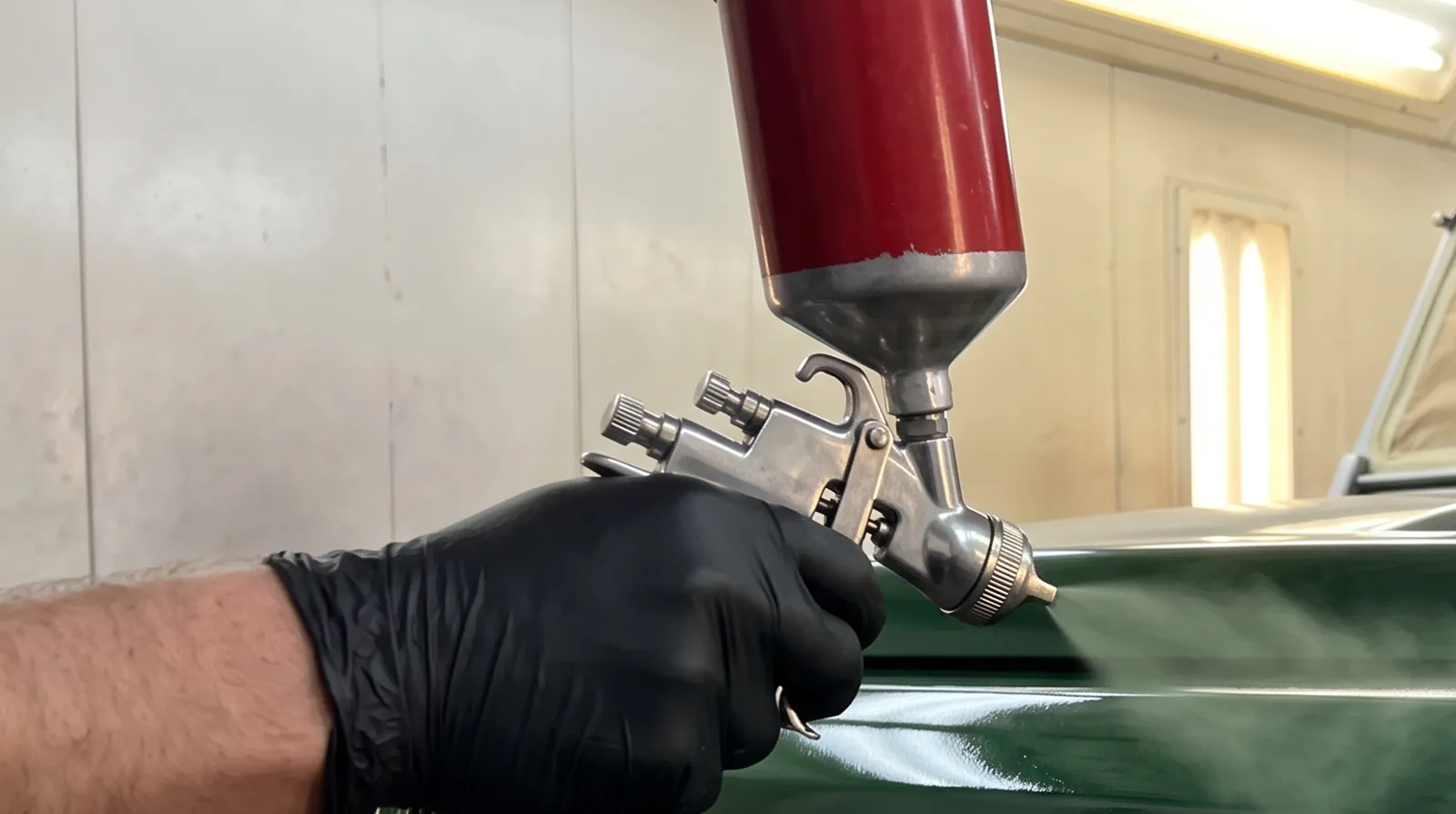
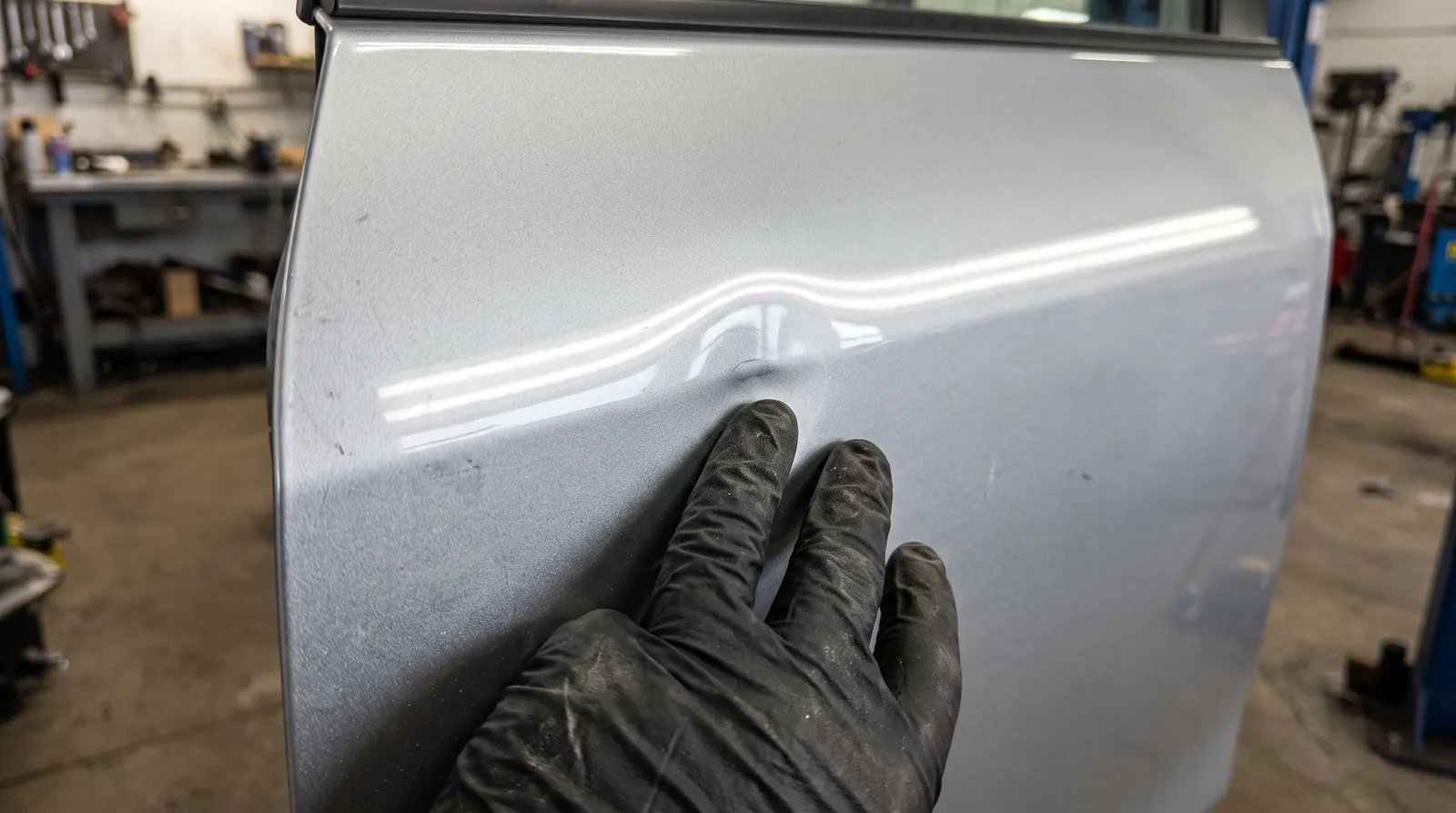
Dents
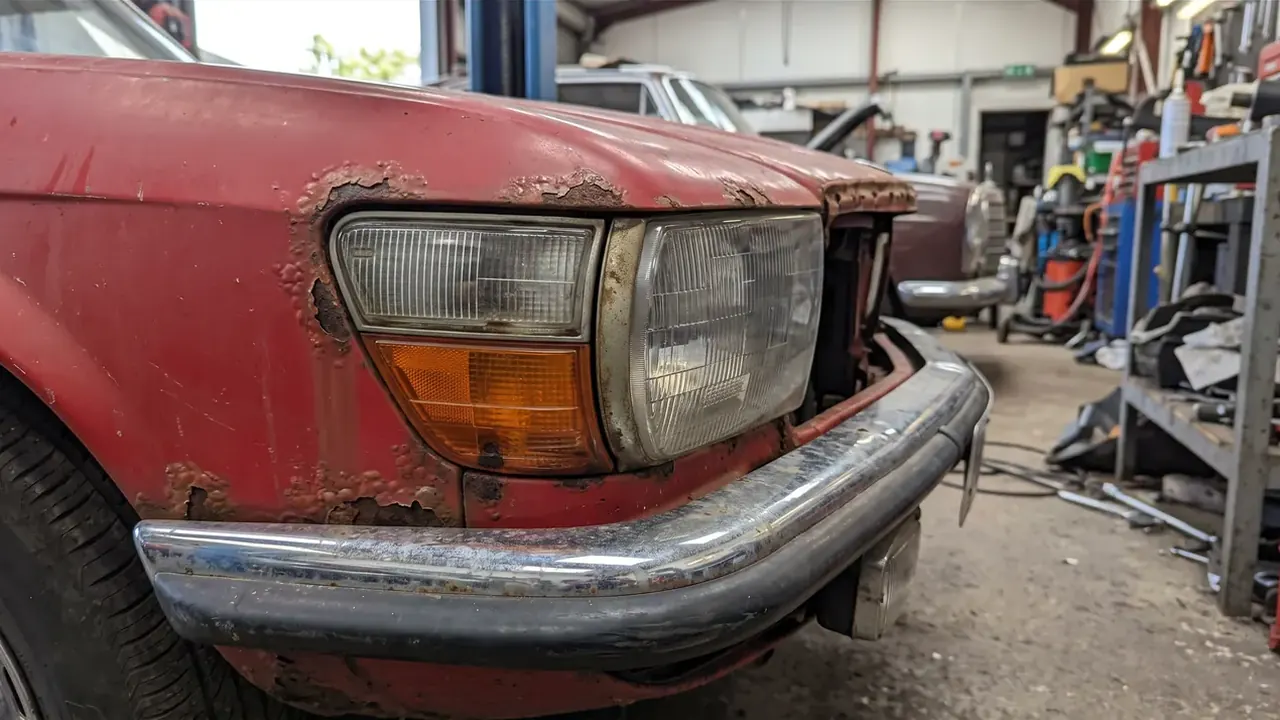
Rust
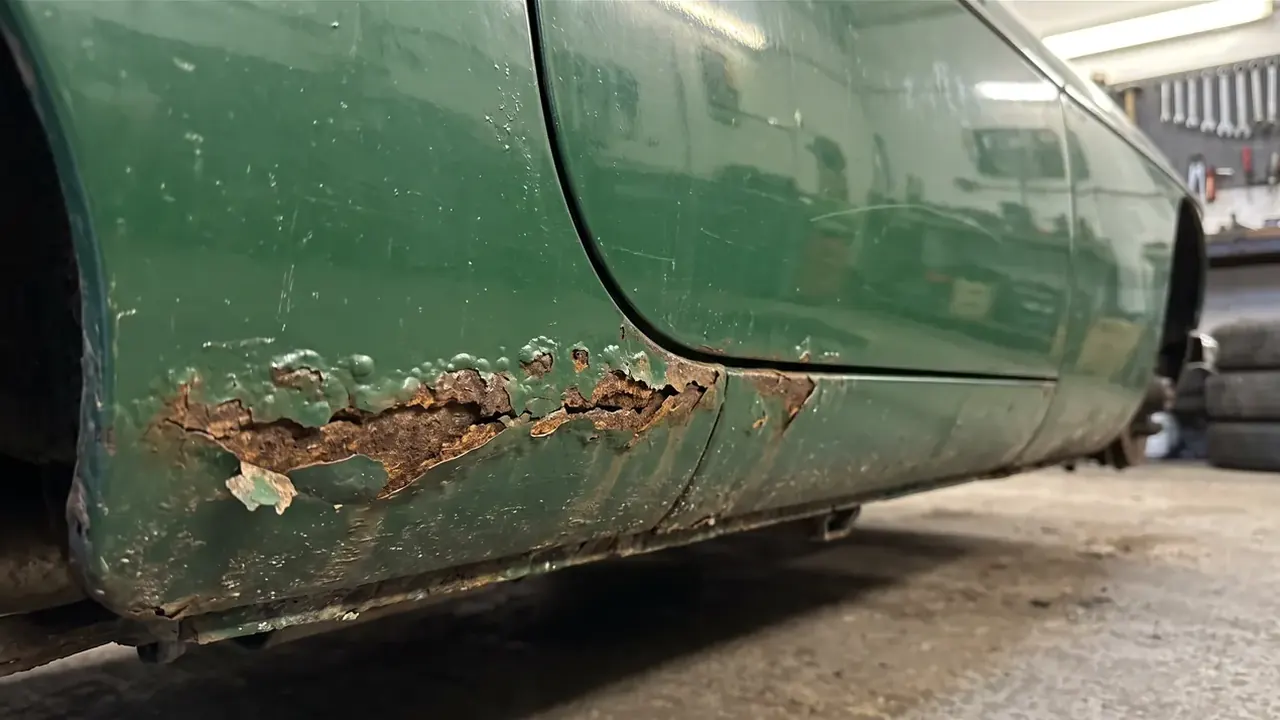
Peeling paint
Does the paint have to be in good condition for a wrap?
Yes, and it has to be properly cured if it's new. Avery Dennison says it's the fitter's job to make sure any painted surface has been processed and cured to the paint maker's requirements, and that failing to do so can lead to the film failing to stick or to problems when it's removed.
That matters if the plan is to take the wrap off one day. A wrap over a fresh respray waits until the paint is ready for it.
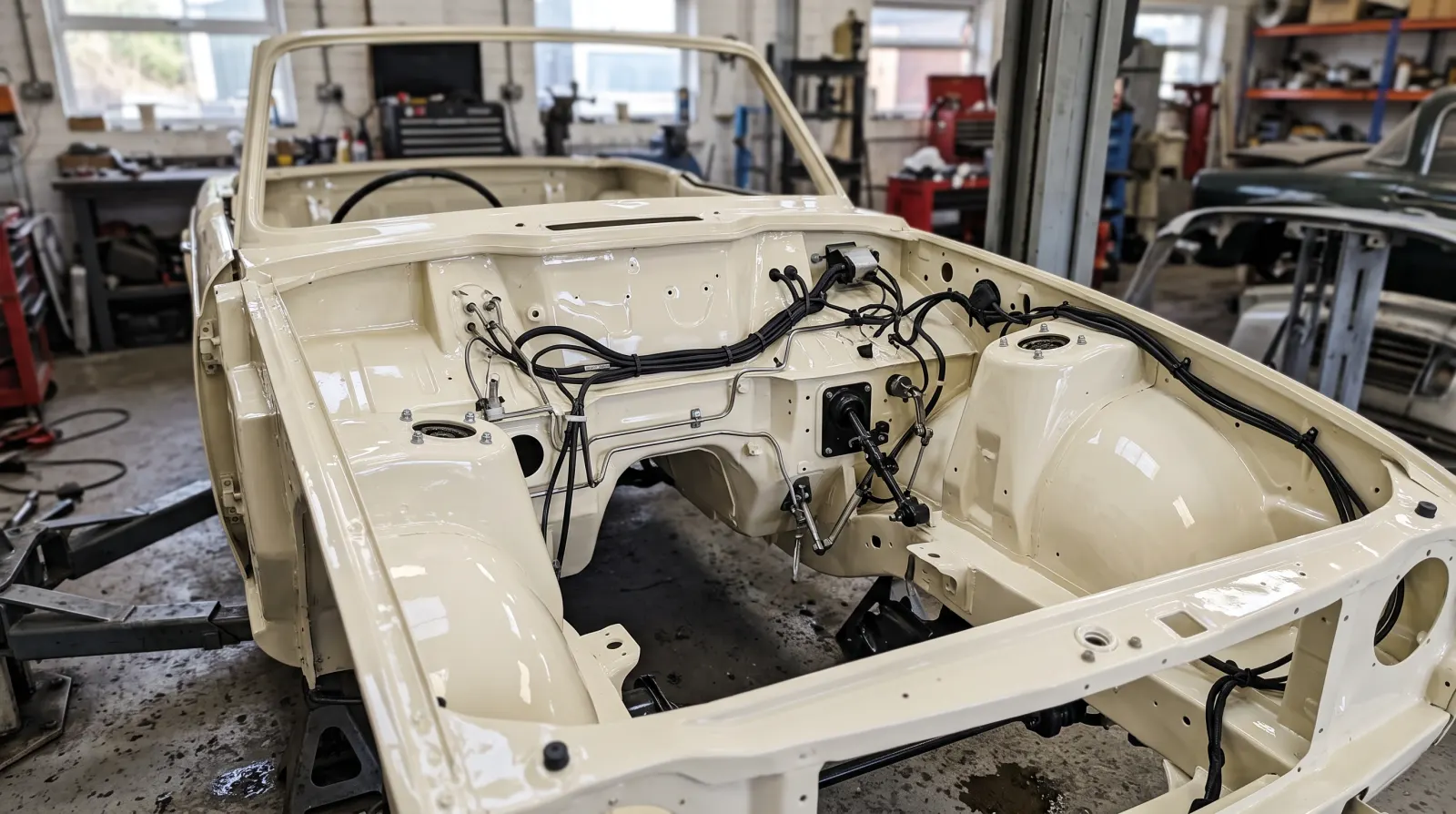
Does a wrap cover the door shuts?
Not usually. In a Q&A on Avery Dennison's site, installer Blake Madsen says the standard for a colour change wrap is full coverage from the outside, so with all the doors shut you shouldn't see any of the factory paint. Wrapping it so you see no paint when the doors open, he says, costs a lot more.
Avery Dennison's instructions add that wherever two panels meet, the film has to be cut.
A colour change respray goes into the door shuts, the inside of the bonnet and boot, the engine bay and under the seals as part of the job. See resprays for what that involves.
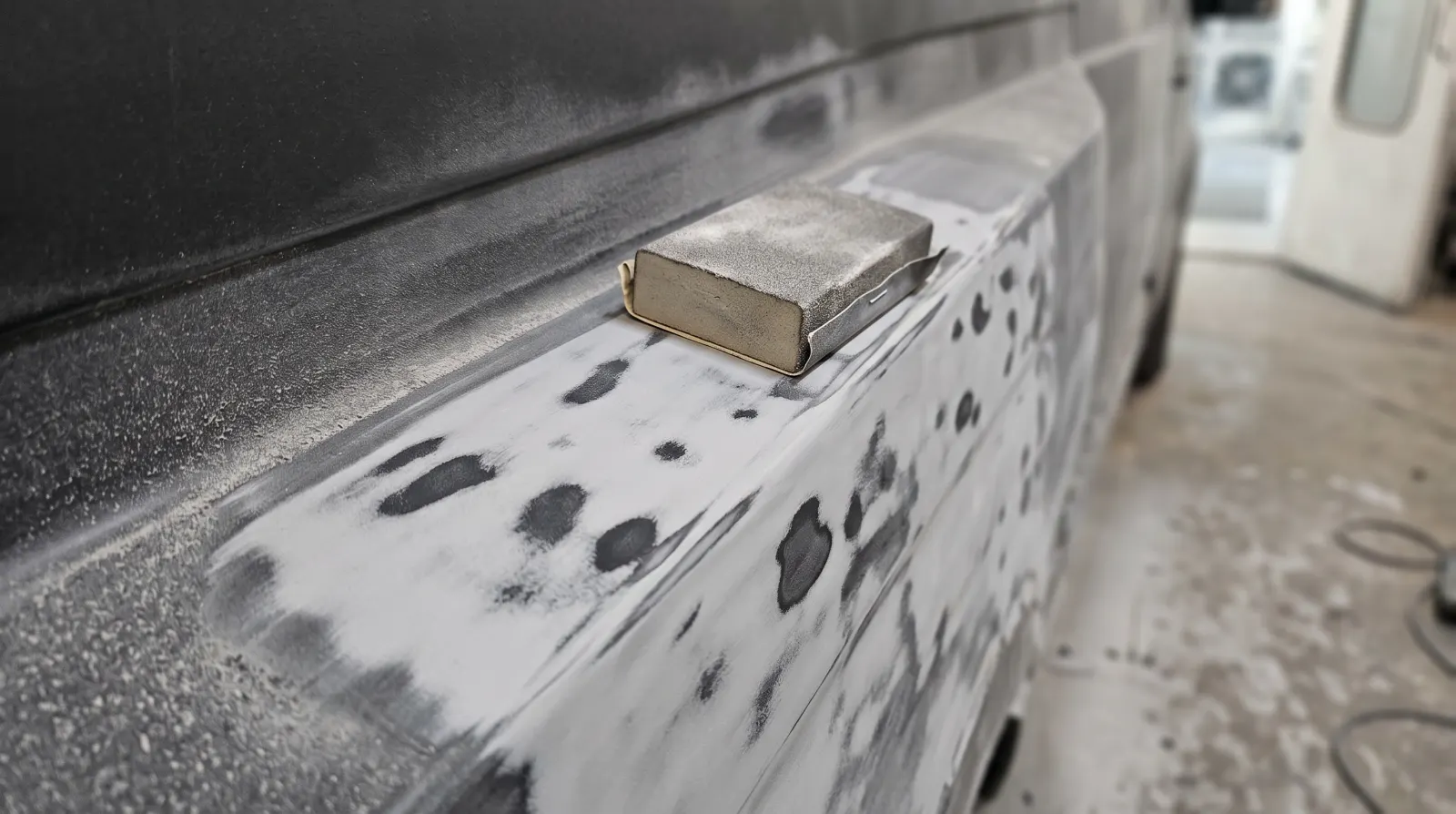
Is a wrap or a respray better on tired paint?
A respray. The prep a wrap would need on faded, chipped or rusty paint is the same prep a respray starts with: dents knocked out, rust cut back to clean steel, and the paint made sound or taken off. Once that's done, the colour can go on as paint.
A wrap makes more sense on a car whose paint is already in good shape, where the change is something you might want to undo. For a one-off colour, a two-tone or a show finish in paint, see custom paint.
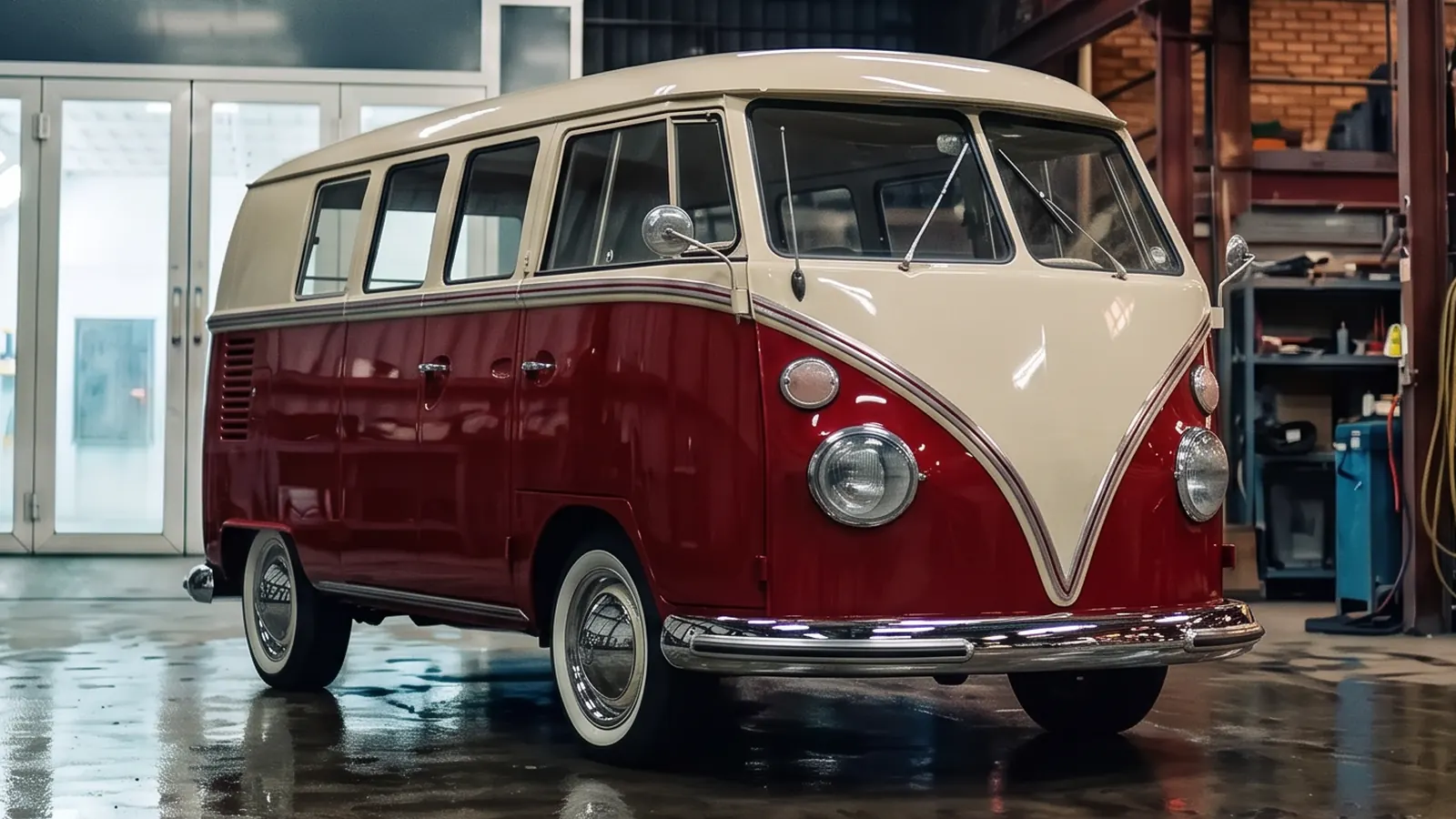
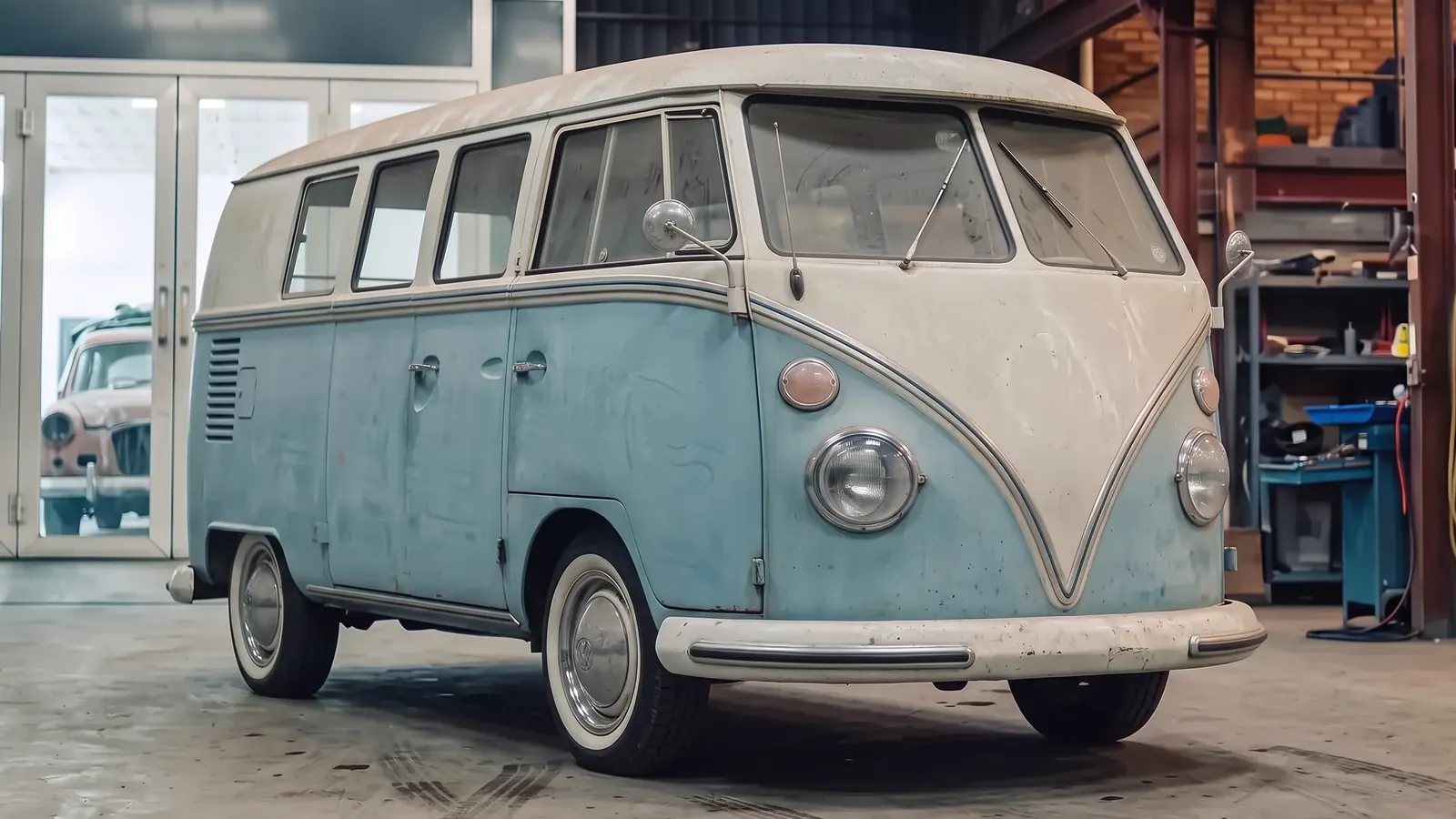
Do I need to tell the DVLA about a wrap?
Ask them. GOV.UK's page on changing vehicle details on a V5C lists colour among the changes you must put on the log book, and says nothing about how the colour was changed. If your car is wrapped in a new colour, ask the DVLA whether they want to know.
A respray in a new colour goes on the V5C. Tell your insurer about either before the car is back on the road, and if the car is leased or on finance, check with the company first.
Which costs more, a wrap or a respray?
There's no fair answer without seeing the car. A respray price moves with how much comes off, what's under the paint, the finish you want and the size of the vehicle, and a colour change into the shuts and engine bay adds hours. See prices for how we quote.
Weighing up a new colour? Send us a few photos of the car and the colour you're after from the quote form.