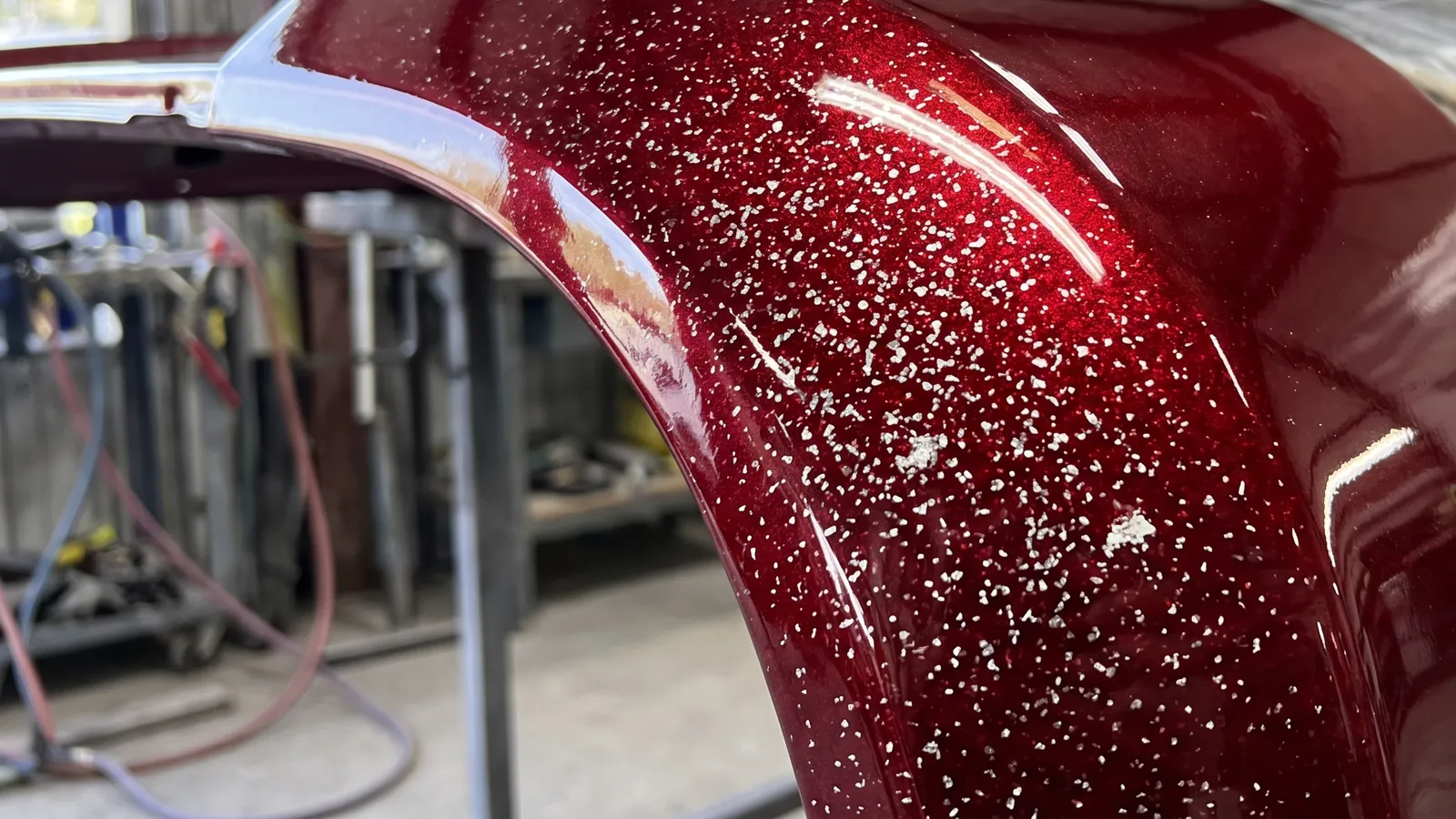
Solid paint is one even colour. Metallic paint has fine flakes of metal in it that sparkle in the light. Pearl paint has flakes of mica that change the shade of the colour as you walk round the car. Candy is a custom finish, a tinted see-through coat over a metallic base, and it's the deepest looking of the lot.
Which one suits your car comes down to its shape, how you use it and how much a future repair matters to you. Solid is the simplest to live with and to match. Metallic, pearl and candy each add something to the look, and each makes a repair a bit harder.
What is solid paint?
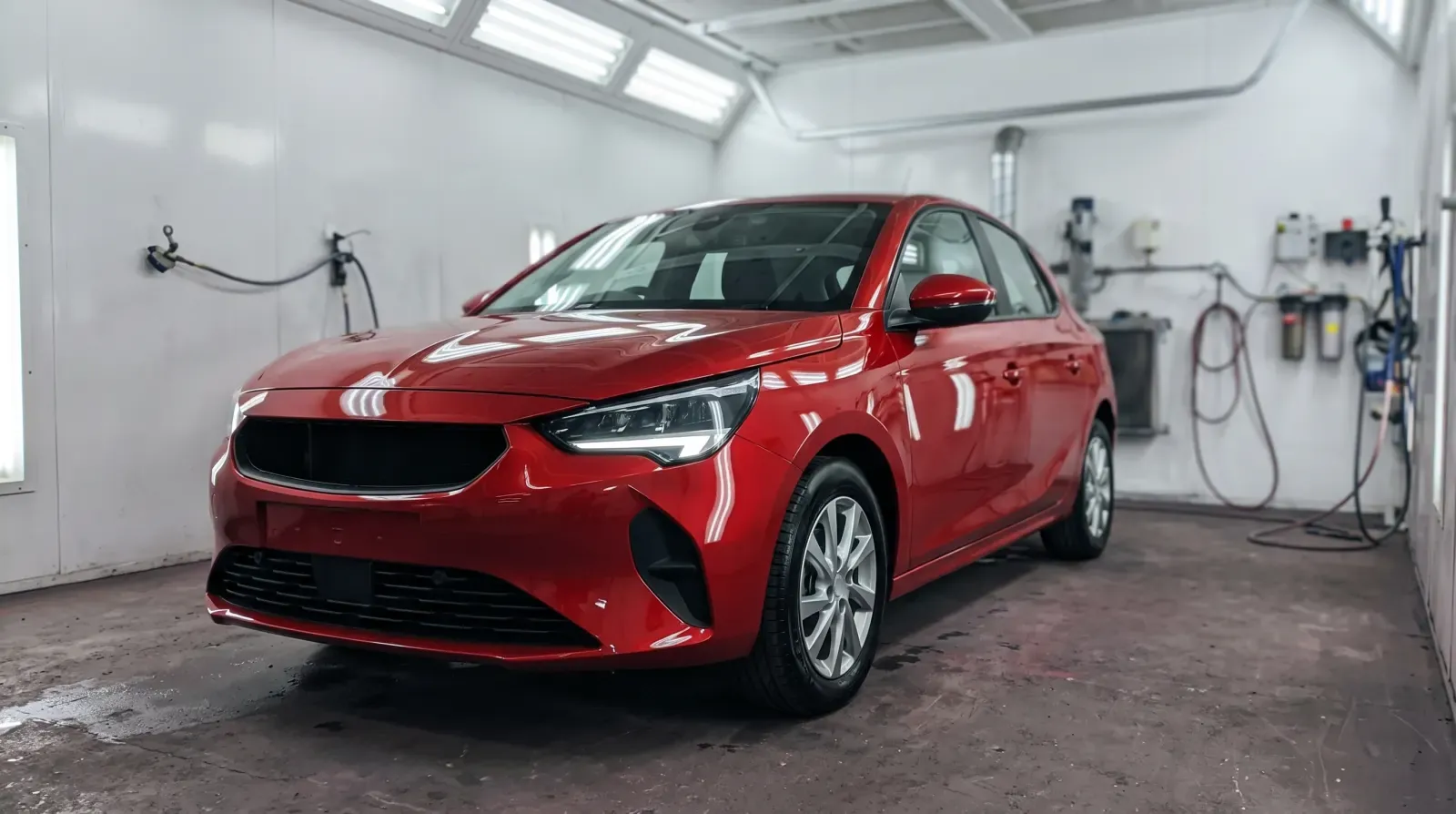
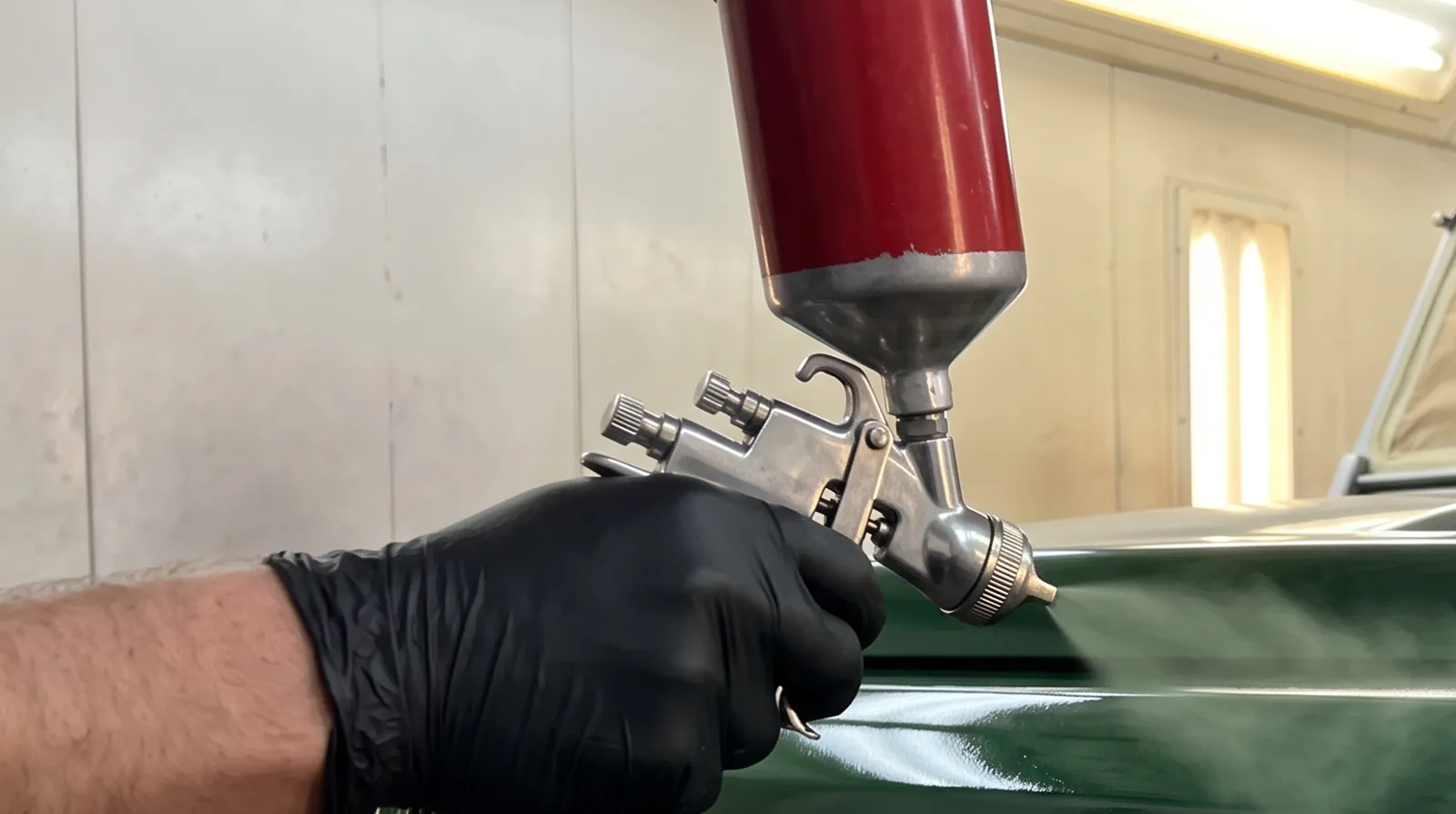
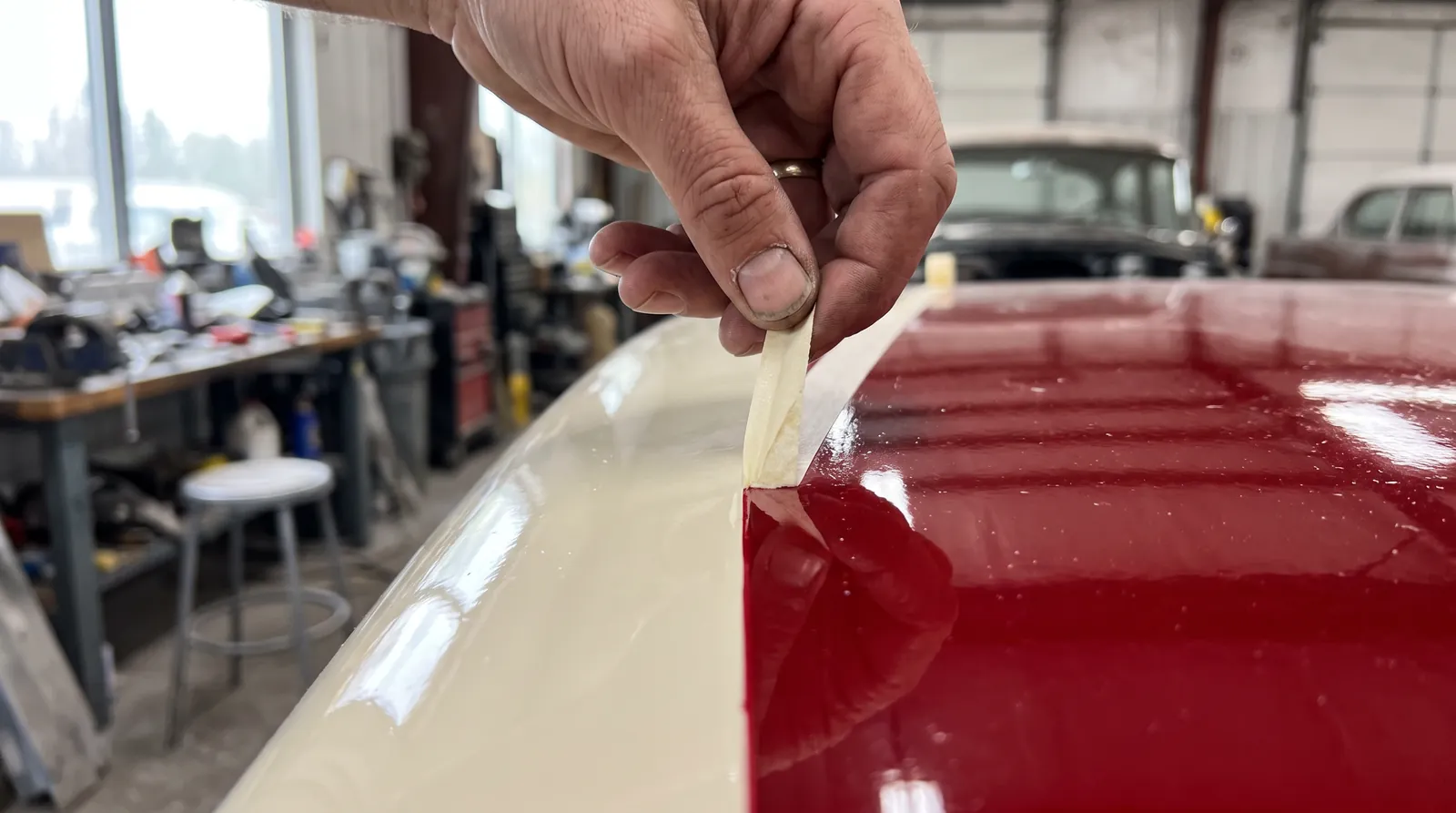
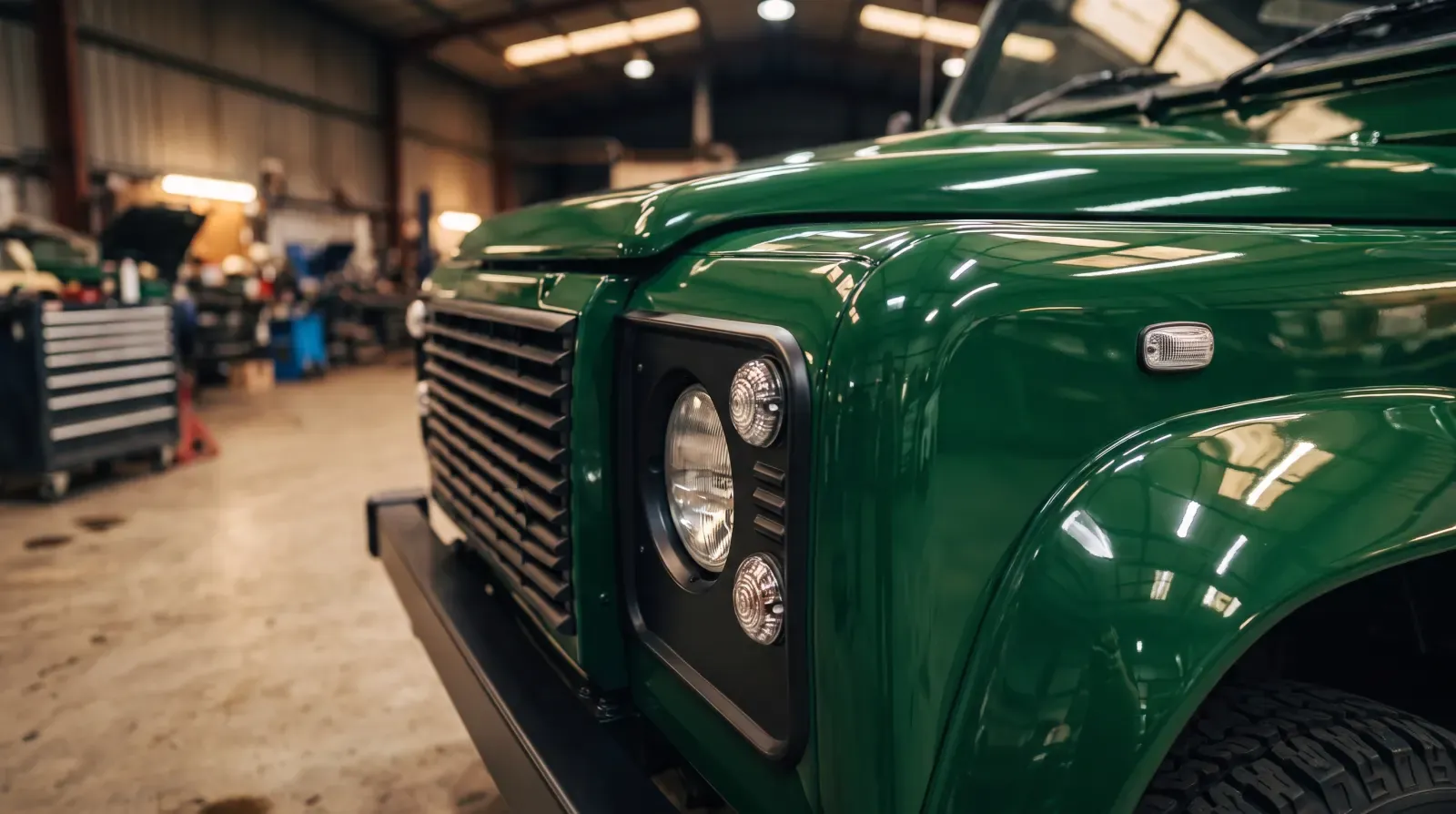
Solid paint is colour with no flakes in it, so it looks the same from every angle. Think of a classic in its factory red, white or green, or a plain white work van.
It's the easiest finish to match on a repair, because there's only the colour to get right. That makes it a sensible choice for a car that gets used hard and picks up the odd scrape.
What is metallic paint?
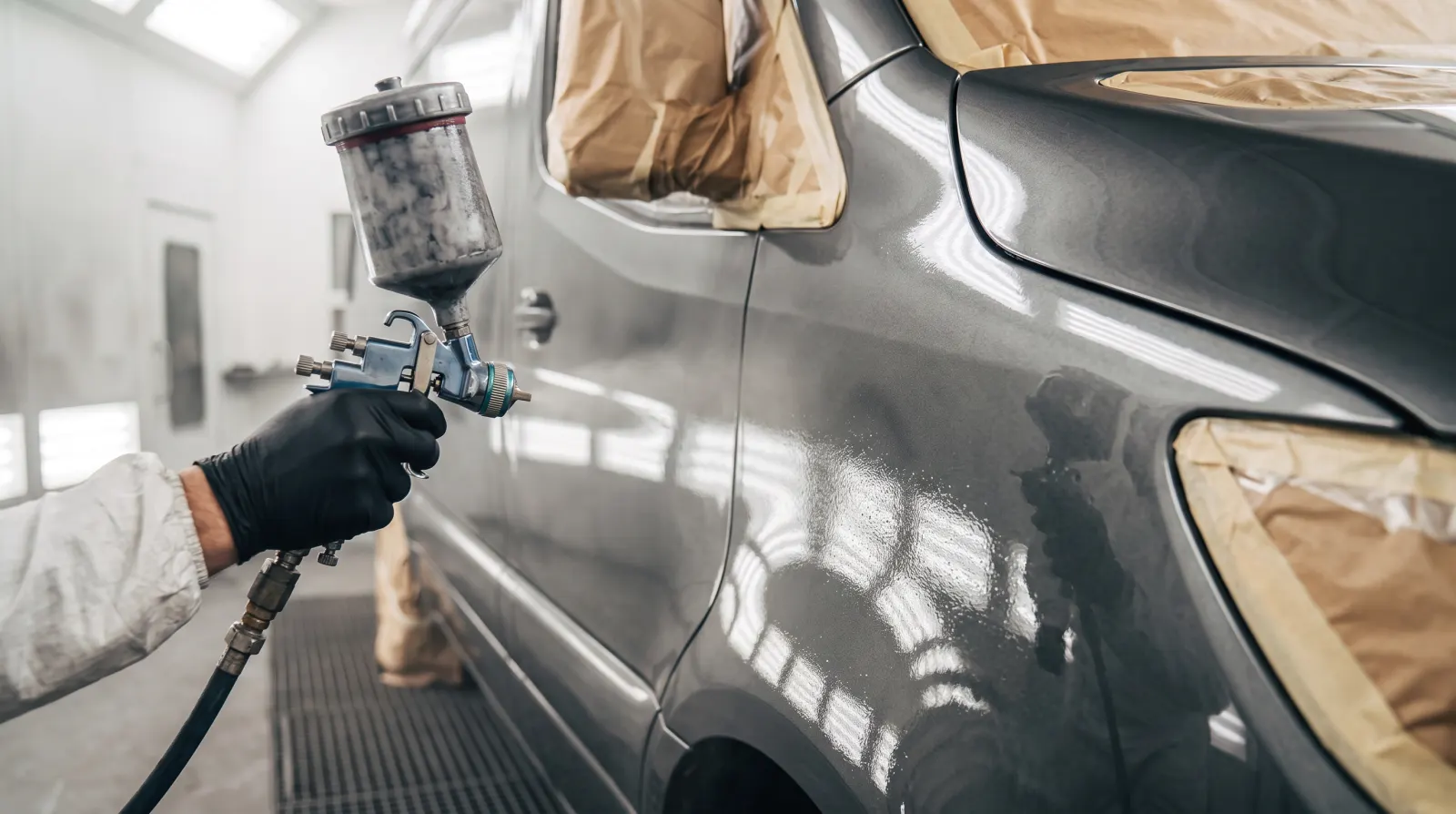
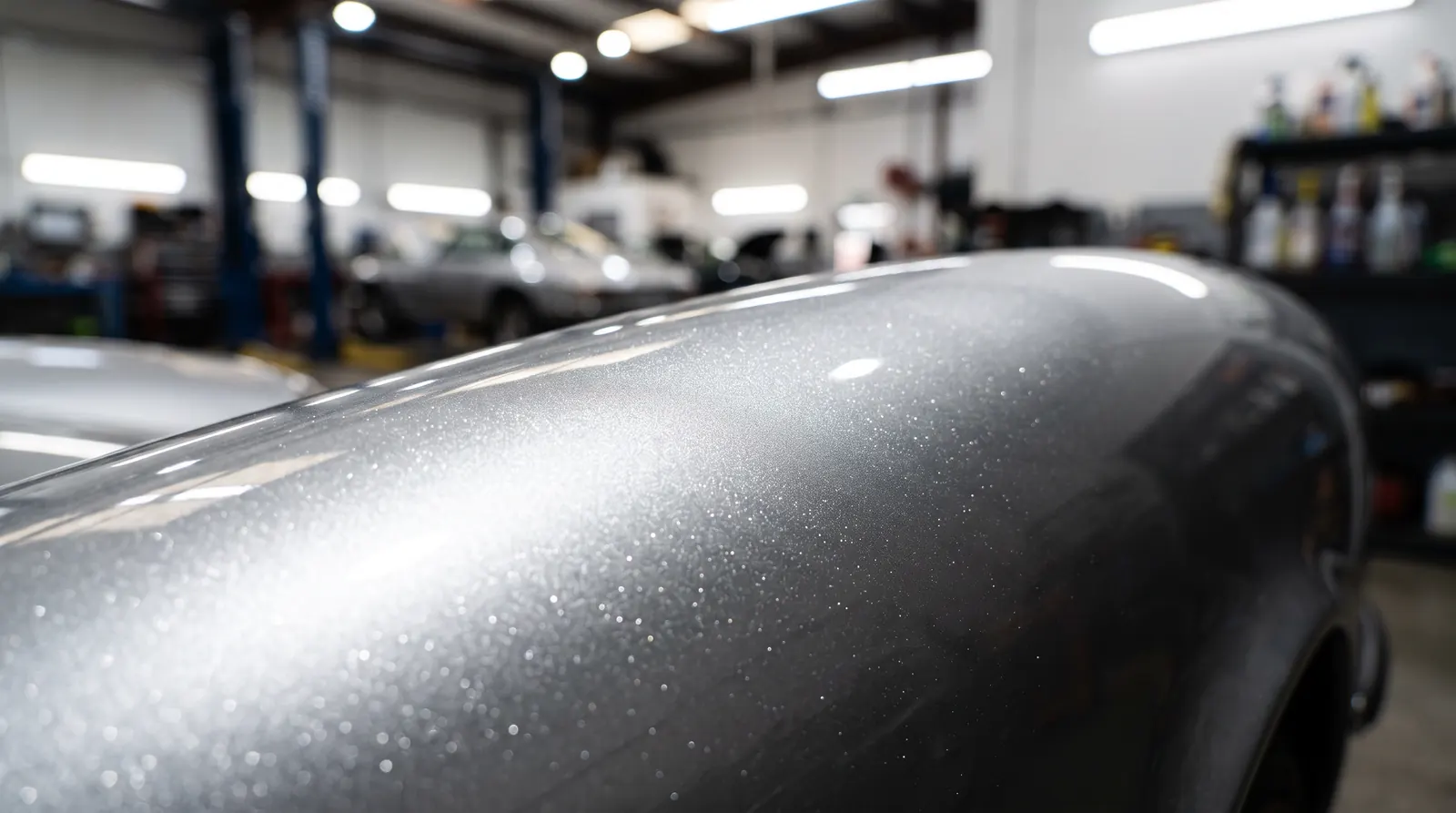
Metallic paint has small flakes of aluminium or other metals mixed into the colour, and they catch the light and give it a sparkle. Hyundai's own explanation of paint types puts it simply: the shine from a metallic doesn't change colour when you look at it from a different angle.
What you do see is the sparkle come and go as the light moves over the panels. On a car with curves and creases, that movement is a big part of the look.
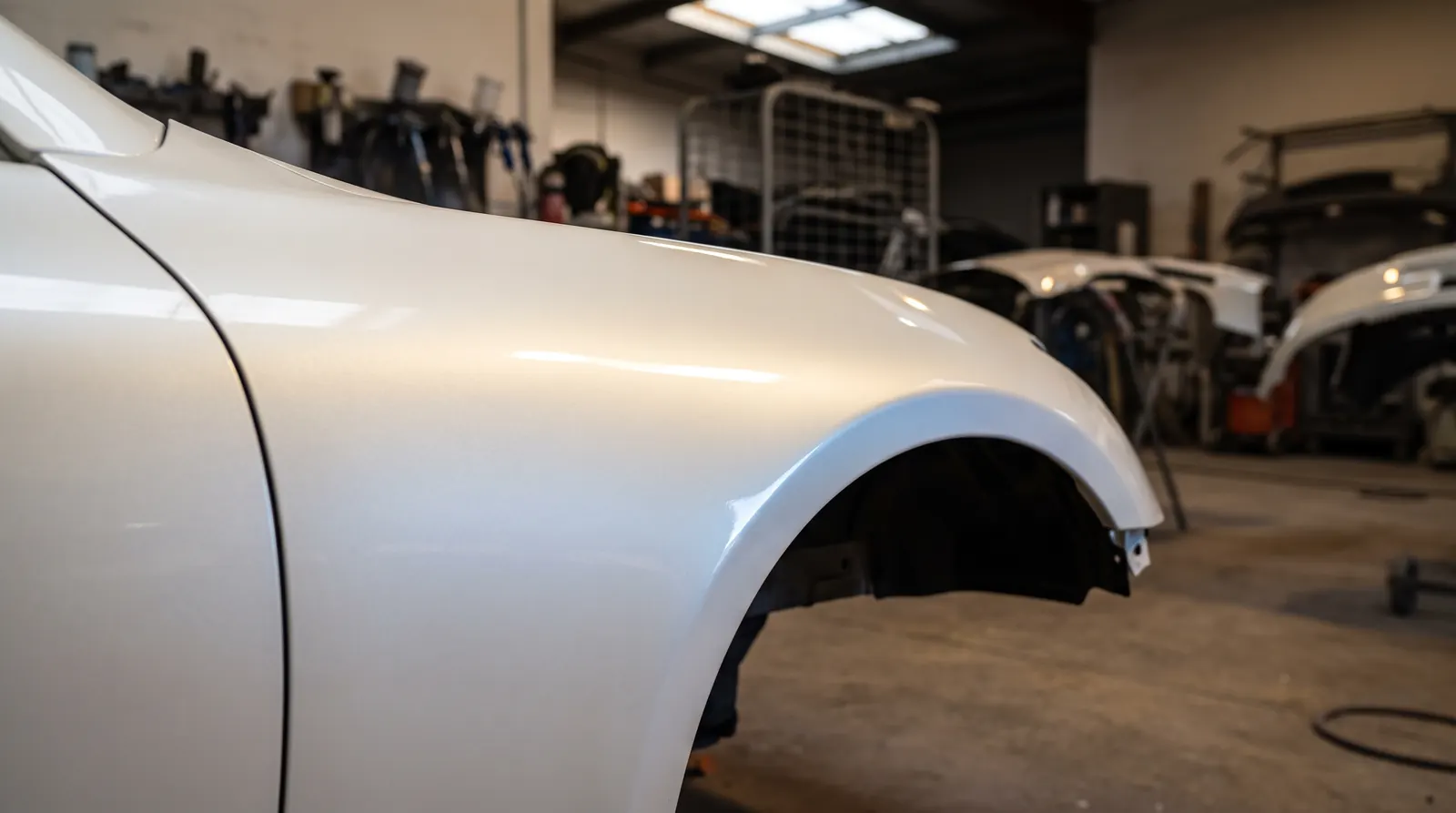
What is pearl paint?
Pearl paint uses small flakes of mica, a crystal, in place of metal. Hyundai explains that mica doesn't reflect light the way metal does. It splits white light into different shades, so the colour itself changes as you look at the car from different angles, the way a real pearl does.
Some pearls are what paint makers call three-coat colours, with an extra coat in the build. PPG's basecoat blending procedure treats them differently from ordinary colours and asks for a wider blend into the panels next to a repair.
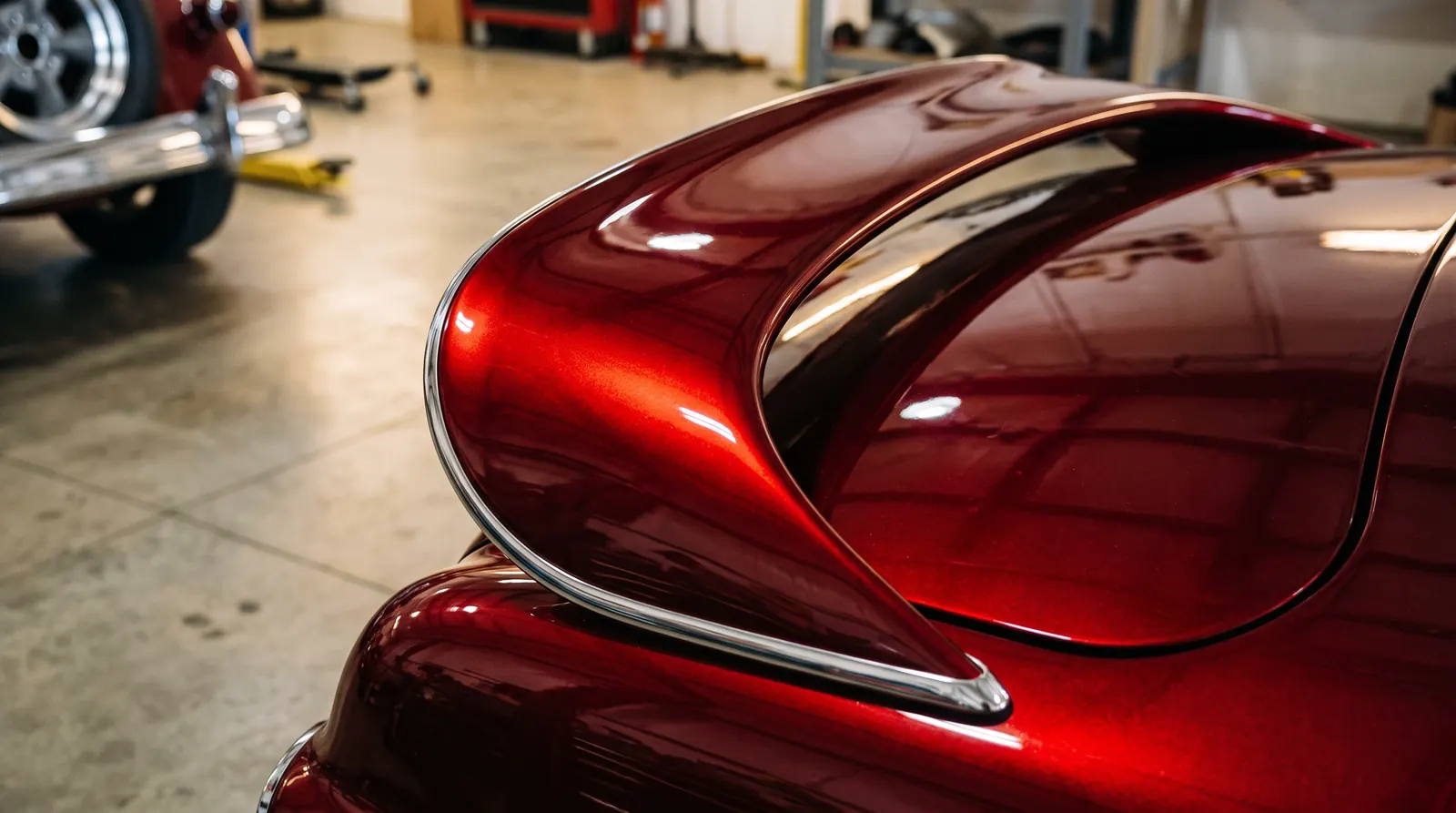
What is candy paint?
Candy is a custom finish built in layers: a metallic undercoat, a slightly tinted see-through coat over it, then clear lacquer on top. Coatings World set out exactly that build in a report on a candy effect red for bodyshops.
The same report noted how hard bodyshops had found candy colours to repair, which makes candy the hardest of the four to put right after a knock. On a show car or a custom build, that's a fair trade for the depth. On a daily driver, think about it first.
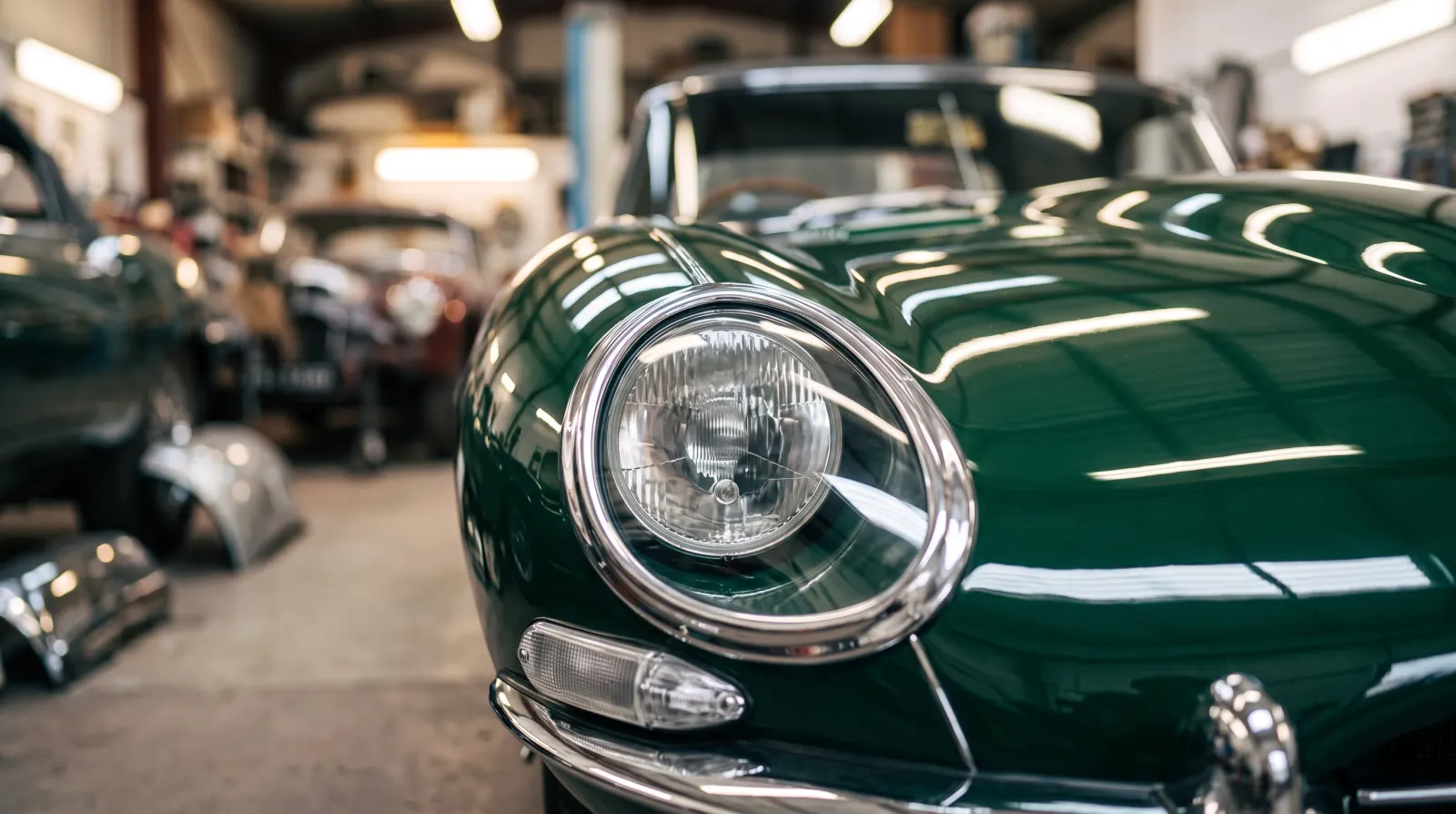
Which finish suits which shape?
That's taste more than rule. Solid paint lets the outline of the car do the work, which suits a classic with clean lines, a Land Rover or a van. Metallic and pearl move as the light moves over them, so they pick out curves and creases. Candy suits a custom build where the paint is the point.
If you're torn, look at the colour on a real car in daylight and again under street lights before you decide. Screens and cameras change colours, so a photo on your phone only gets you so far. Our custom paint page covers how a one-off colour is worked out from a photo, a paint chip or a car you saw at a show.
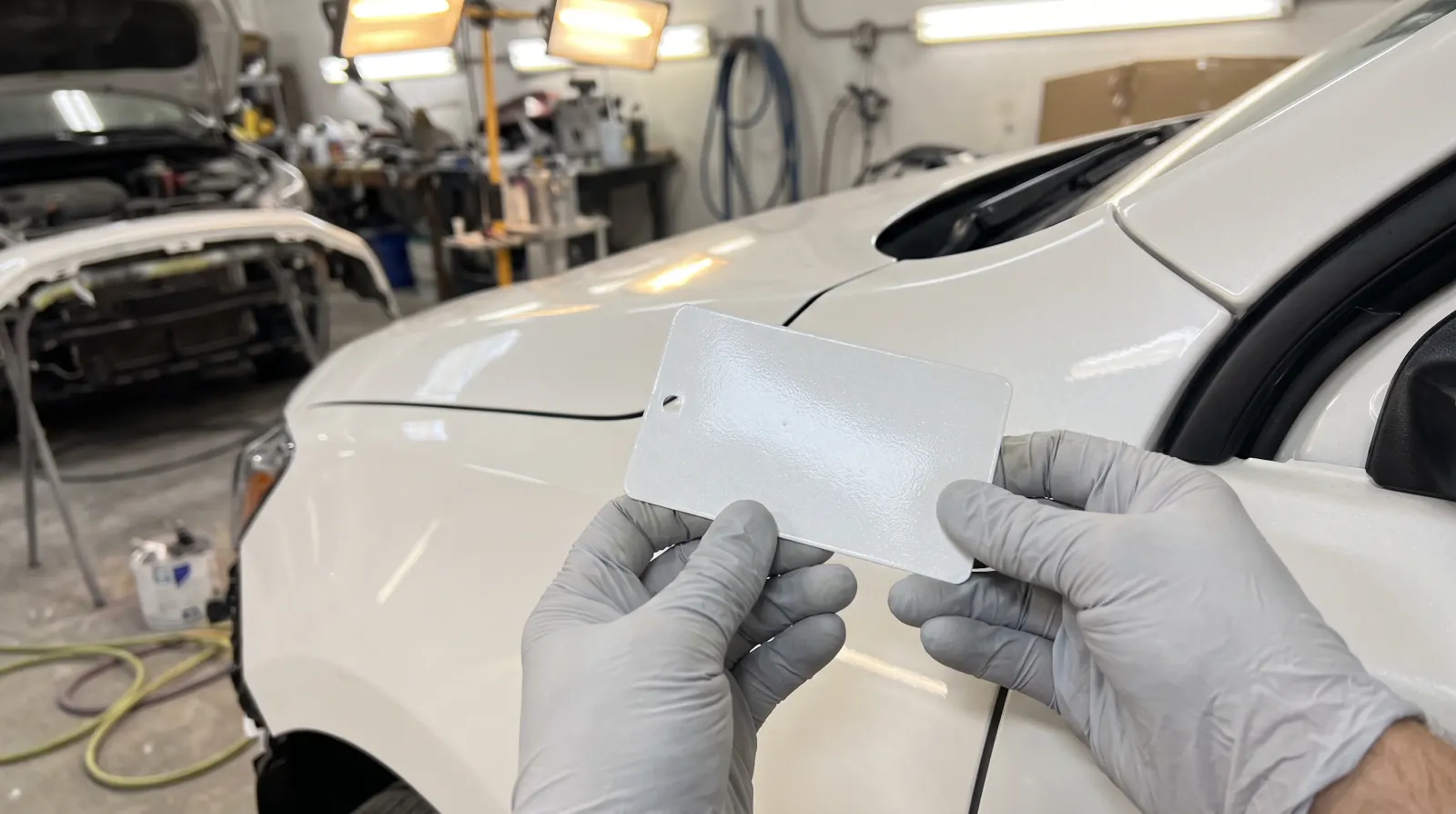
Why are metallic and pearl harder to match on a repair?
Because there's more to match than the colour. With a solid, the mix is most of the job. With a metallic there's the sparkle to match as well, and with a pearl the shade has to match from every angle you'll see it from.
PPG lists the causes of a poor colour match, and they include incorrect application, fading from weathering, the wrong variant of a colour, and metameric distortion, which is a colour that matches in one light and not in another. Even the paint code isn't the last word. Polestar's owner's manual warns that paint batches and brands can differ slightly in colour even when the code is the same.
That's why repairs on these colours are blended into the panels either side, so your eye sees a gradual change instead of an edge. PPG's own procedure starts with a spray-out card, a test piece sprayed with the mix, to set how many coats the colour needs.
What does each finish mean for the cost?
More coats and wider blends take more time. A three-coat pearl has an extra coat to spray and a wider blend. Candy is built in more layers again. Solid is the most straightforward.
The finish is one of the things that moves a price, along with how much comes off the car, what's under the paint and the size of the vehicle. See prices for how we quote, and resprays for what changes when you go to a new colour rather than the one the car left the factory in.
Send us a few photos of the car and the finish you're after from the quote form.