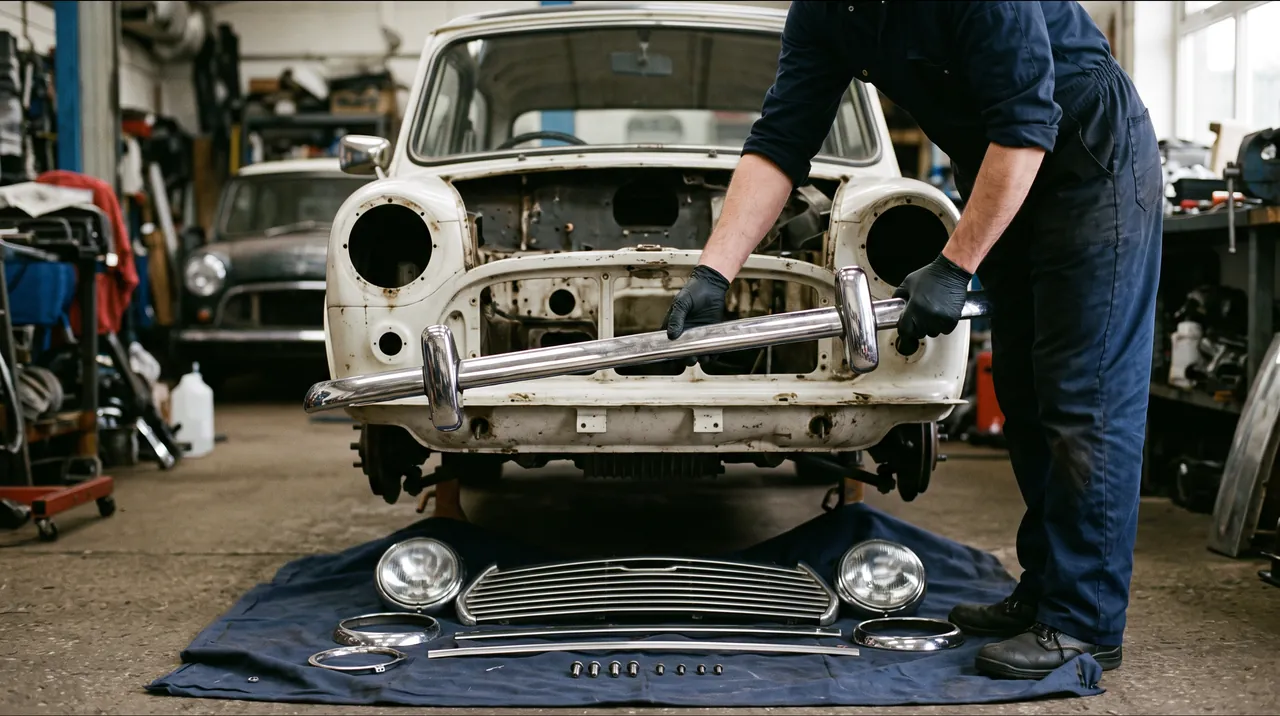
A strip-down is everything that comes off the car before the paint goes on: trim, lights, badges, seals, sometimes the glass, and on a full restoration a lot more. It's slow, careful work. It's also the difference between paint that goes right under the trim and paint that stops at a line of masking tape.
Here's what comes off, why it comes off, and how it all gets back on in the right place.
Why strip a car down before a respray?
So the paint can reach every edge. Masking round a part leaves a hard line where the tape was, and the paint stops short wherever it can't reach. Take the part off and the colour goes right under it.
Masked edges are also where a respray tends to show its age first. Paint that ends at a tape line can lift or chip along that edge, and overspray on rubbers and chrome is a giveaway that a car has been painted.
A strip-down shows what's under the paint, too, which matters as much as the paint itself. More on that below.
What comes off for a respray?
It depends on the job. On a full respray, expect most of this to come off:
- Bumpers, grilles and valances
- Headlights, tail lights and indicators
- Badges and lettering
- Mirrors and door handles
- Trim strips and mouldings
- Door, boot and window seals
- Wipers, washer jets and aerials
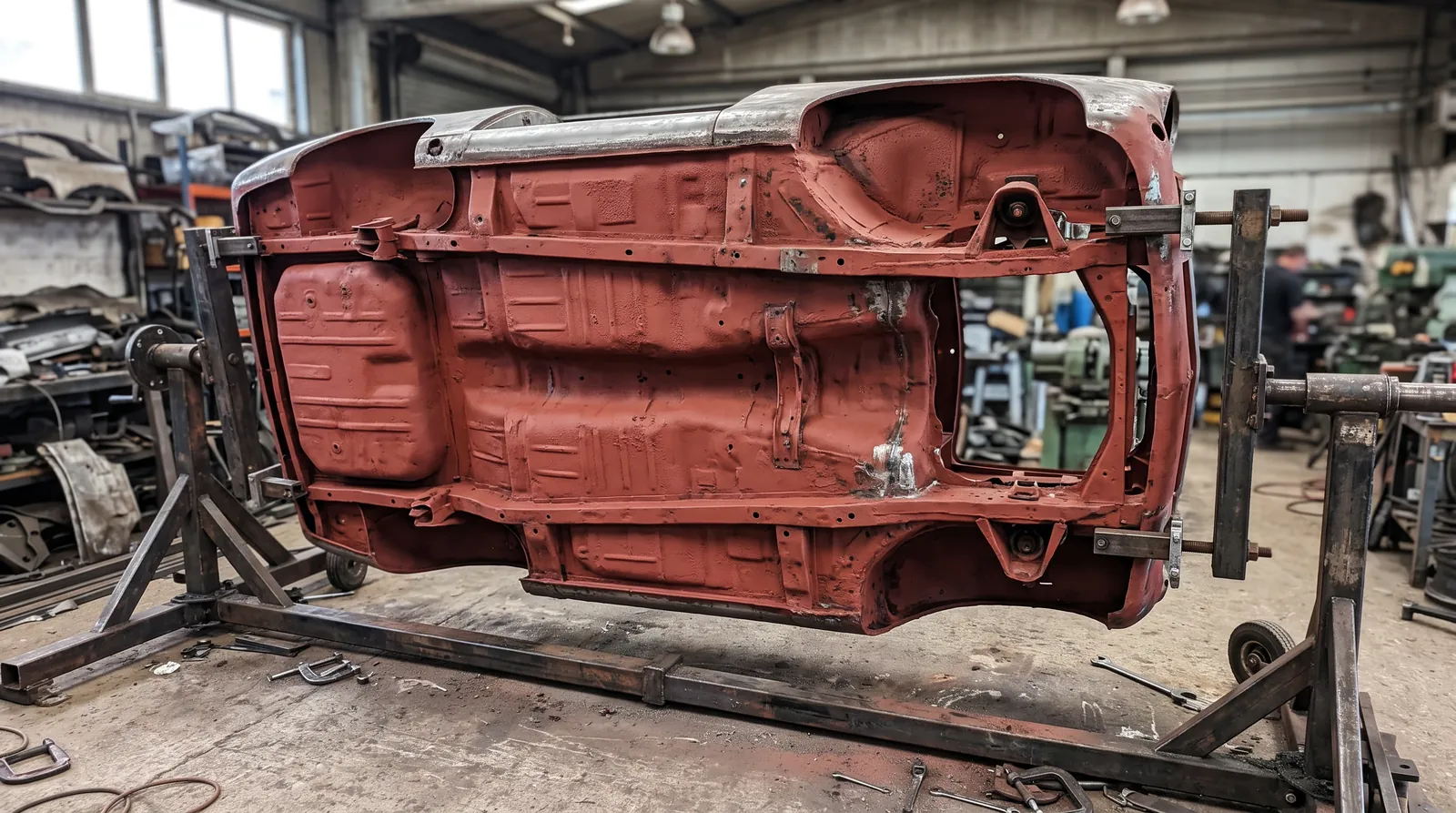
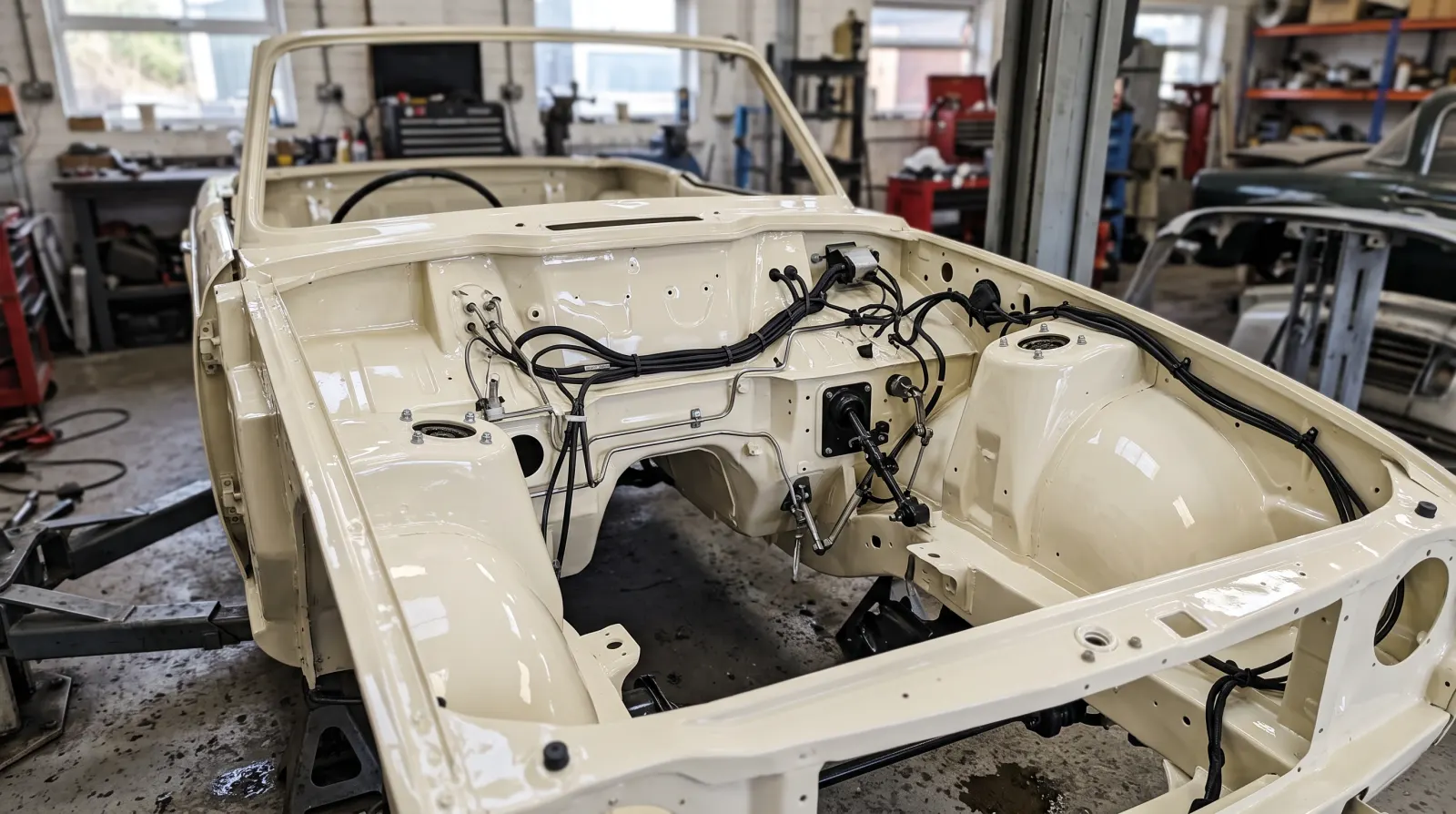
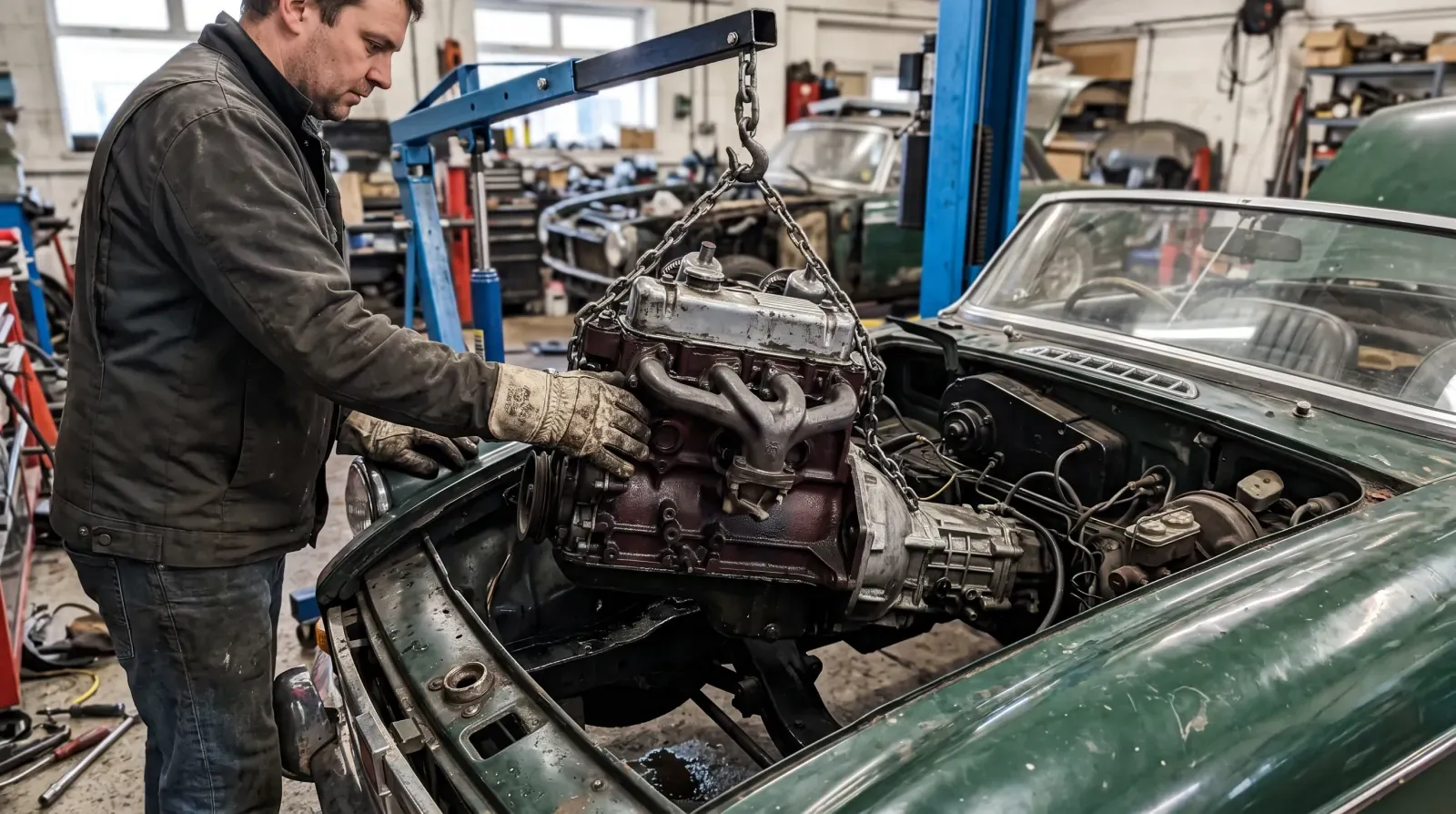
On a colour change, more goes: the fittings in the engine bay, the door cards, and anything else hiding the old colour. On a full restoration, the interior, the wiring loom, the running gear and often the engine come out as well, so the shell can be painted inside and out.
See strip-downs for how we approach it, and resprays for the rest of the job.
Does the glass have to come out?
Sometimes. On older cars the glass usually sits in a rubber seal, and taking it out is the only way to paint properly round the window frame and see what's under the rubber.
Later cars have bonded glass, glued into the frame. It comes out with specialist tools and there's a risk to the glass, so whether it comes out depends on the car and the job.
How do you keep track of every part?
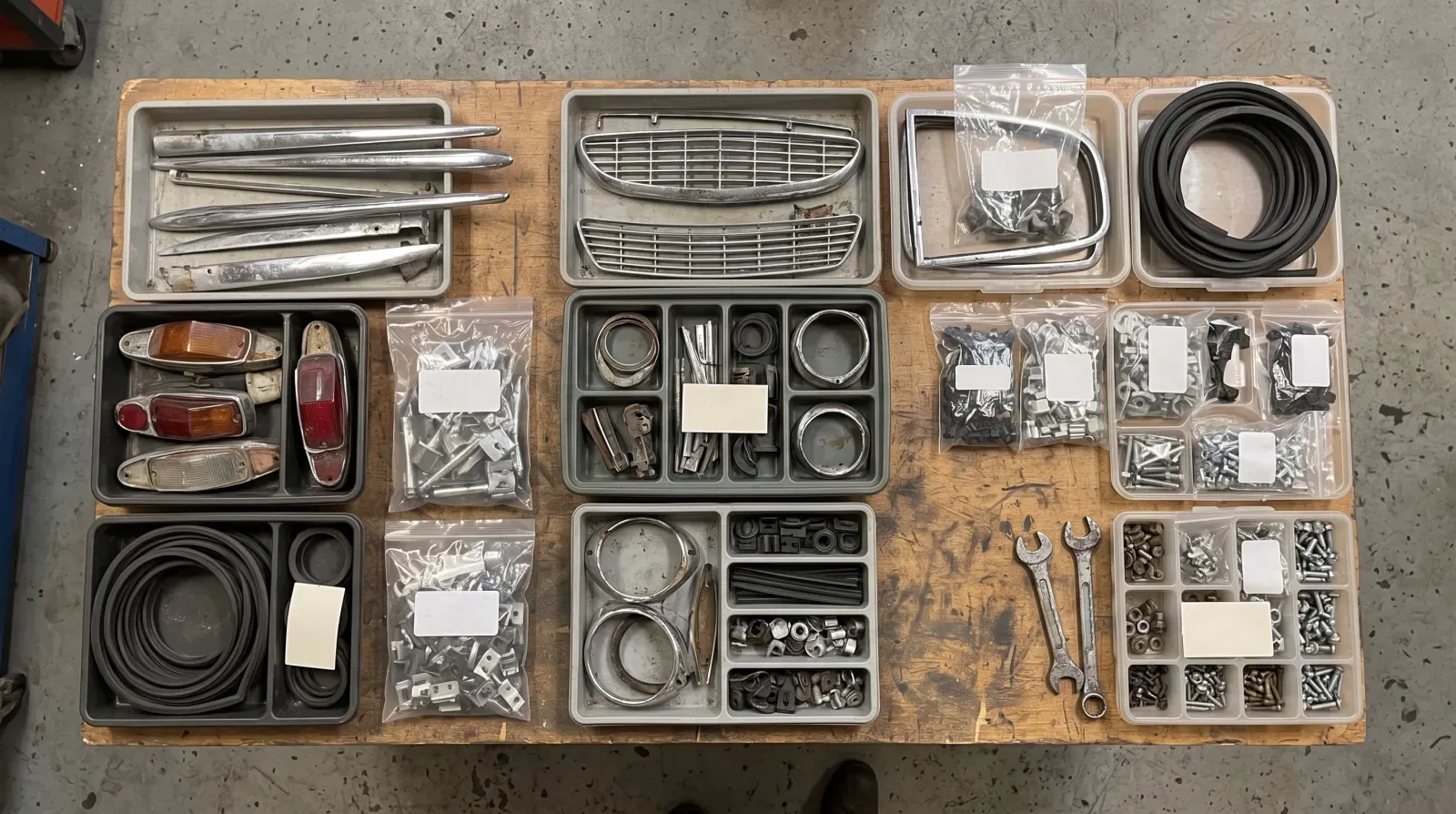
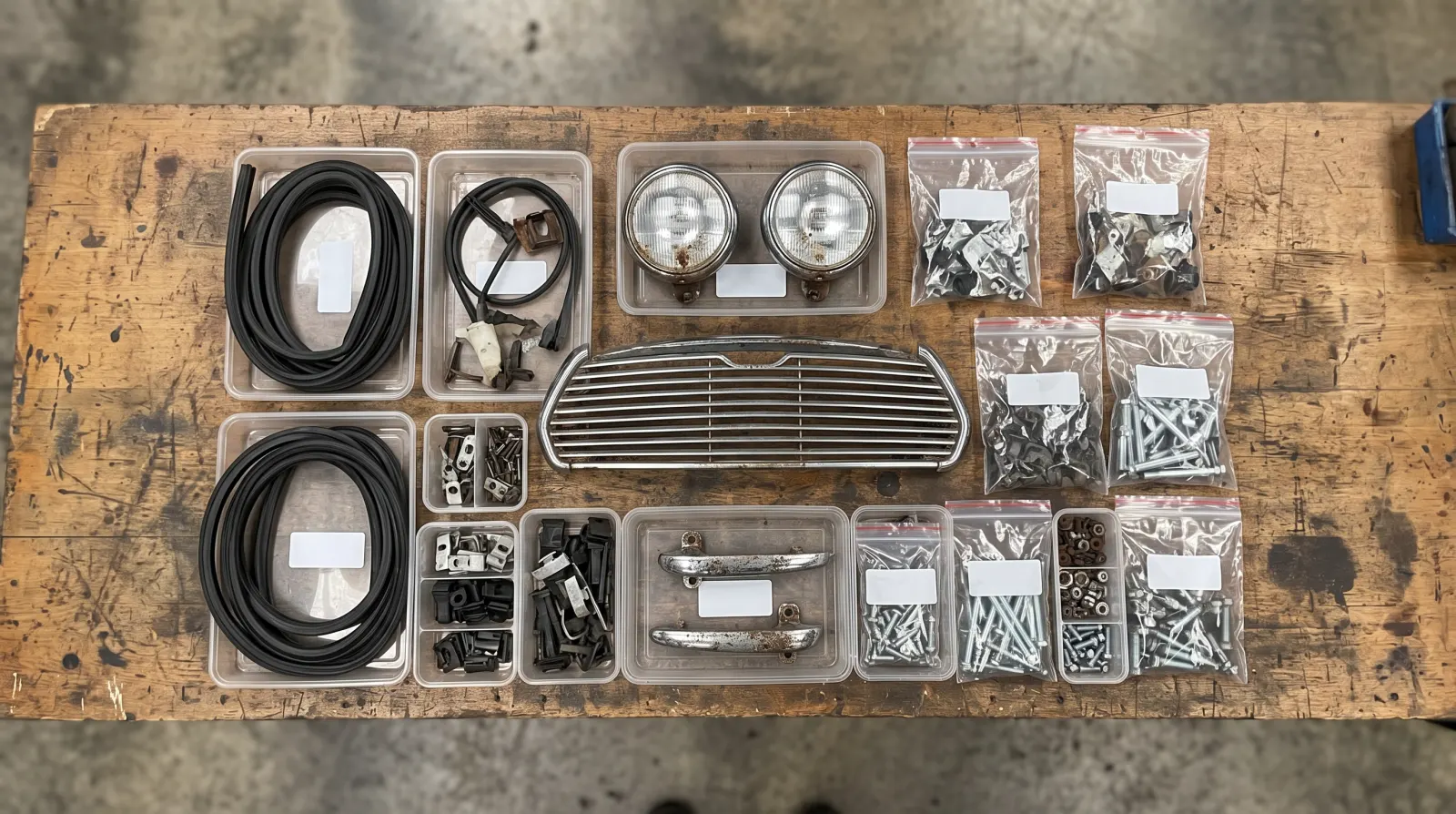
Every part is photographed in place before it comes off, then bagged with its own fixings and labelled with where it came from. When it goes back on, it goes back where it came from, with the right screws.
Labels name the panel and the side, using the trade's nearside and offside. On a UK car, nearside is the passenger side and offside is the driver's side. A bag marked "O/S front door, handle and screws" is a bag nobody has to guess about.
What happens to parts that break or are past it?
Some parts don't survive coming off. Old plastic clips go brittle and snap, rubbers perish and tear, and some trim is too far gone to refit. That's normal on an older car, and it's better to find out now than to refit a seal that lets water in.
We'll tell you what needs replacing as we find it. You can source the parts yourself, or we can.
New seals are often worth fitting even where the old ones come off whole. Fresh paint next to a cracked, faded rubber looks wrong, and a tired seal is exactly where water gets in.
What does a strip-down usually turn up?
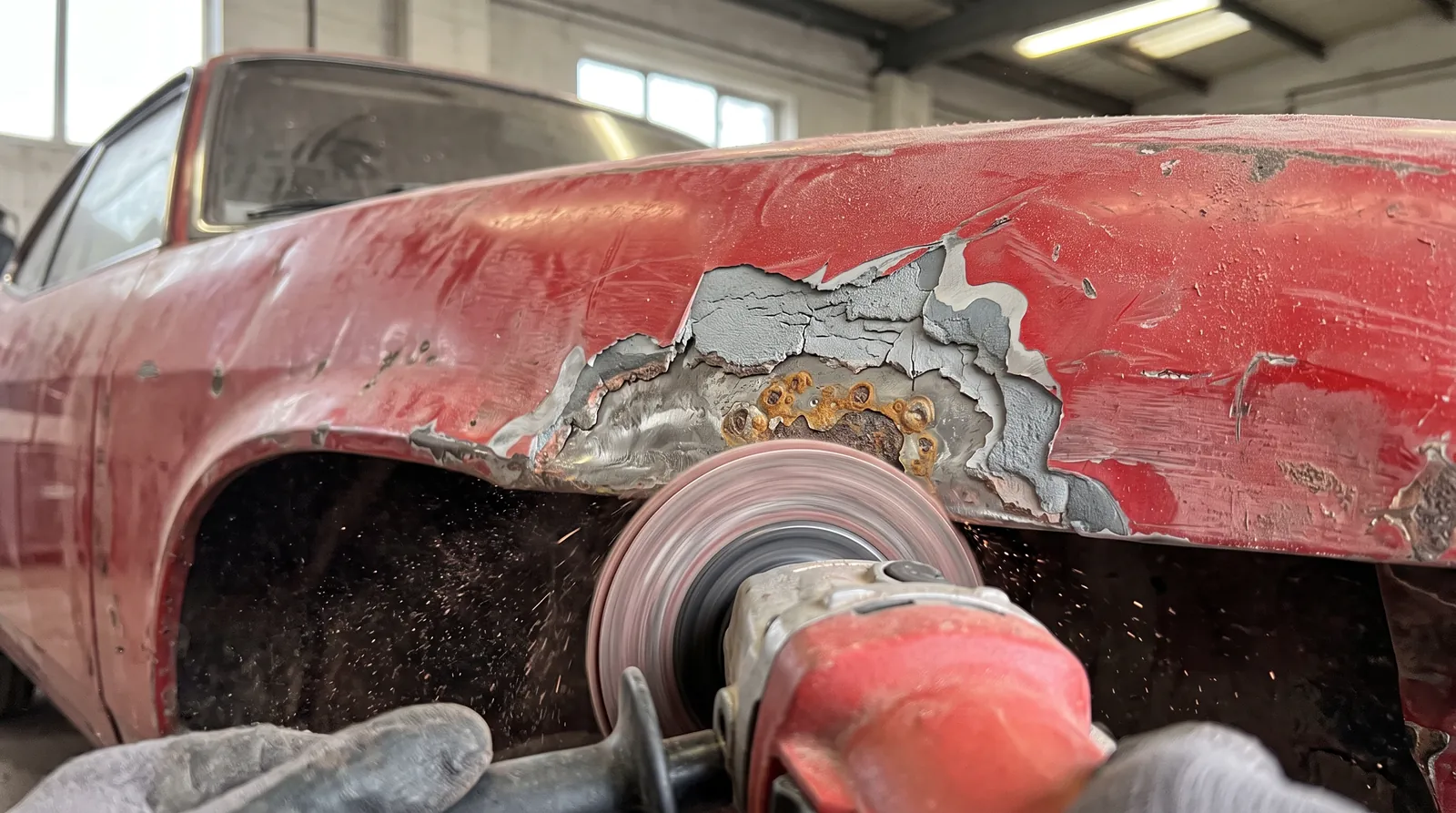
Whatever the paint was hiding. Old repairs, thick filler, rust under the seals and round the lights, and sometimes signs of a knock the car's history never mentioned.
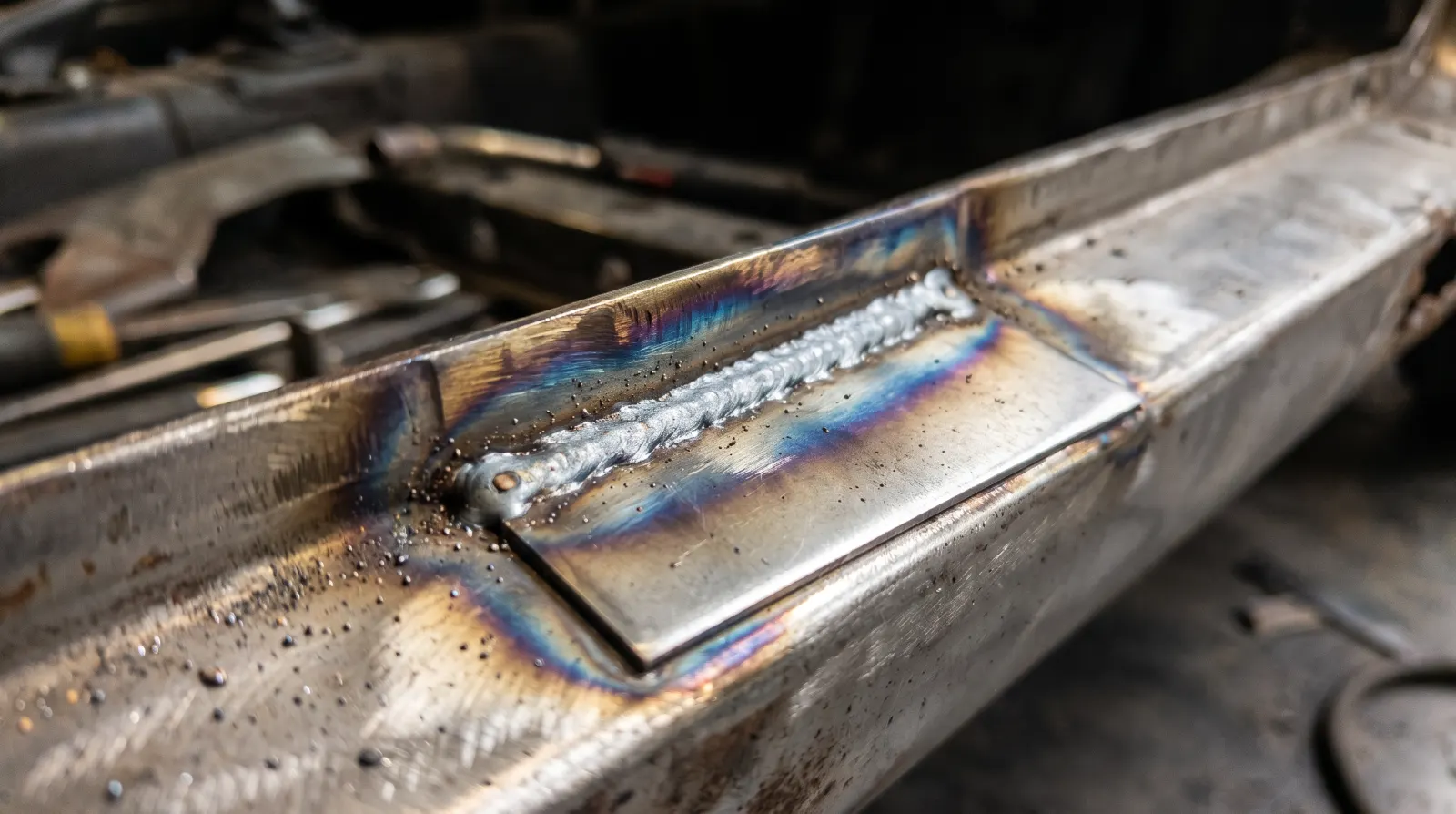
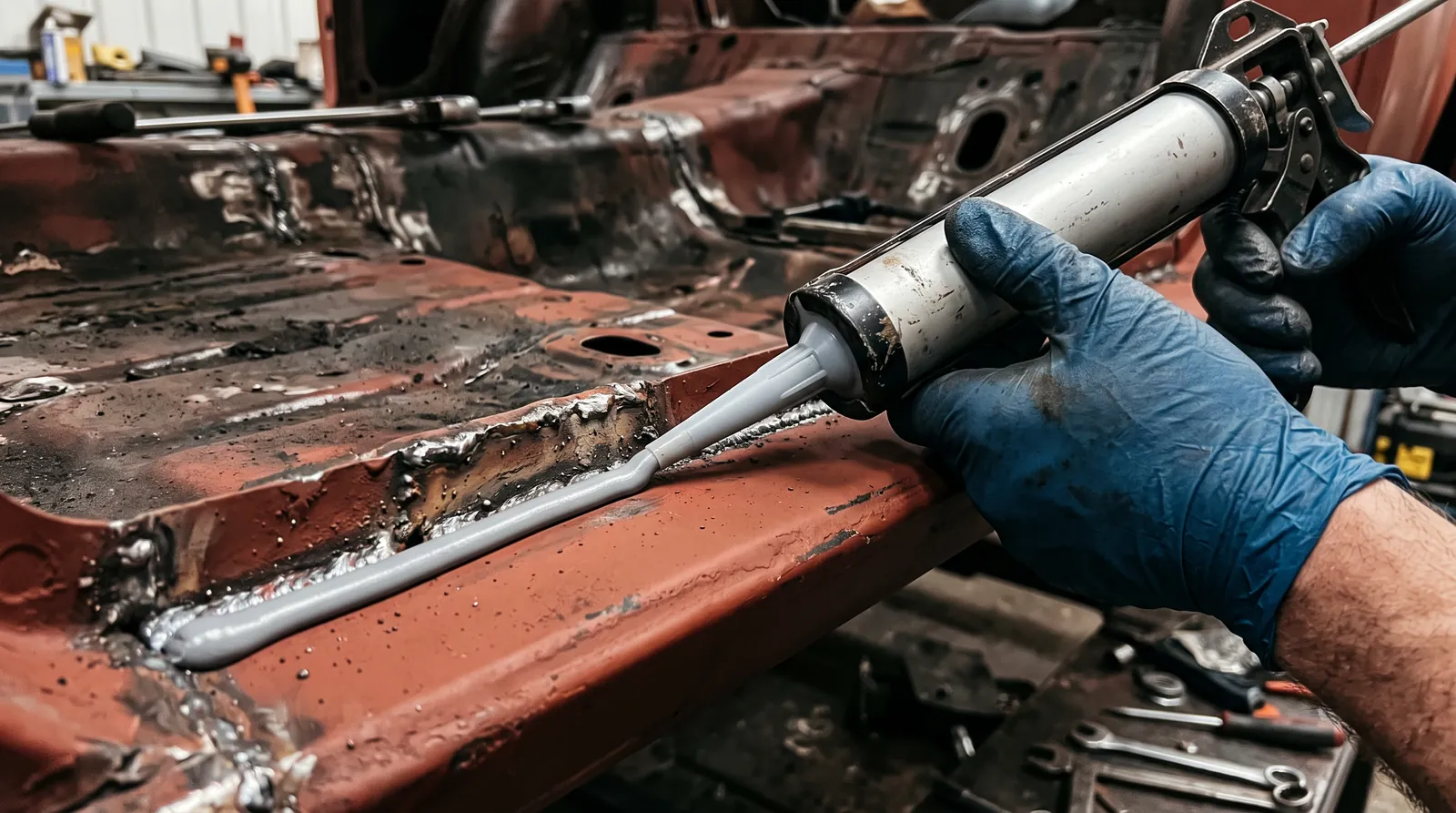
That's why a respray price only firms up once the car is stripped. We'll show you what we find before any more work is done, so there are no surprises on the bill. If it turns up rust, see welding and rust repair for what comes next.
How long does a strip-down take?
It depends on the car more than anything. Seized fixings, a lot of trim or a full interior coming out all add time. A car with a few bolt-on parts comes apart much quicker.
Can I strip the car myself to save money?
Yes. If you're handy, doing some of the strip-down yourself can save on labour. Talk to us first, so we know what will arrive and in what state. See prices for how we quote.
A few things make it work:
- Photograph everything before it comes off, from more than one angle.
- Bag each part with its fixings, and label the bag with the panel and the side.
- Don't force anything that won't move. A snapped bolt or a cracked clip can cost more to put right than the labour you saved.
- Leave anything you're not sure about for us.
Send us a few photos of the car and what you're after from the quote form.