Because the new paint is new and the paint on your car isn't. Even mixed exactly to the paint code, fresh colour can read a shade off next to paint that has been on the car for years, and an edge between the two is the easiest thing in the world to spot. Blending fades the new colour out across part of the next panel, so your eye never meets that edge. Then clear goes over the lot.
That's why a dent in one door can mean paint on the wing and the next door as well. Here's how it works.
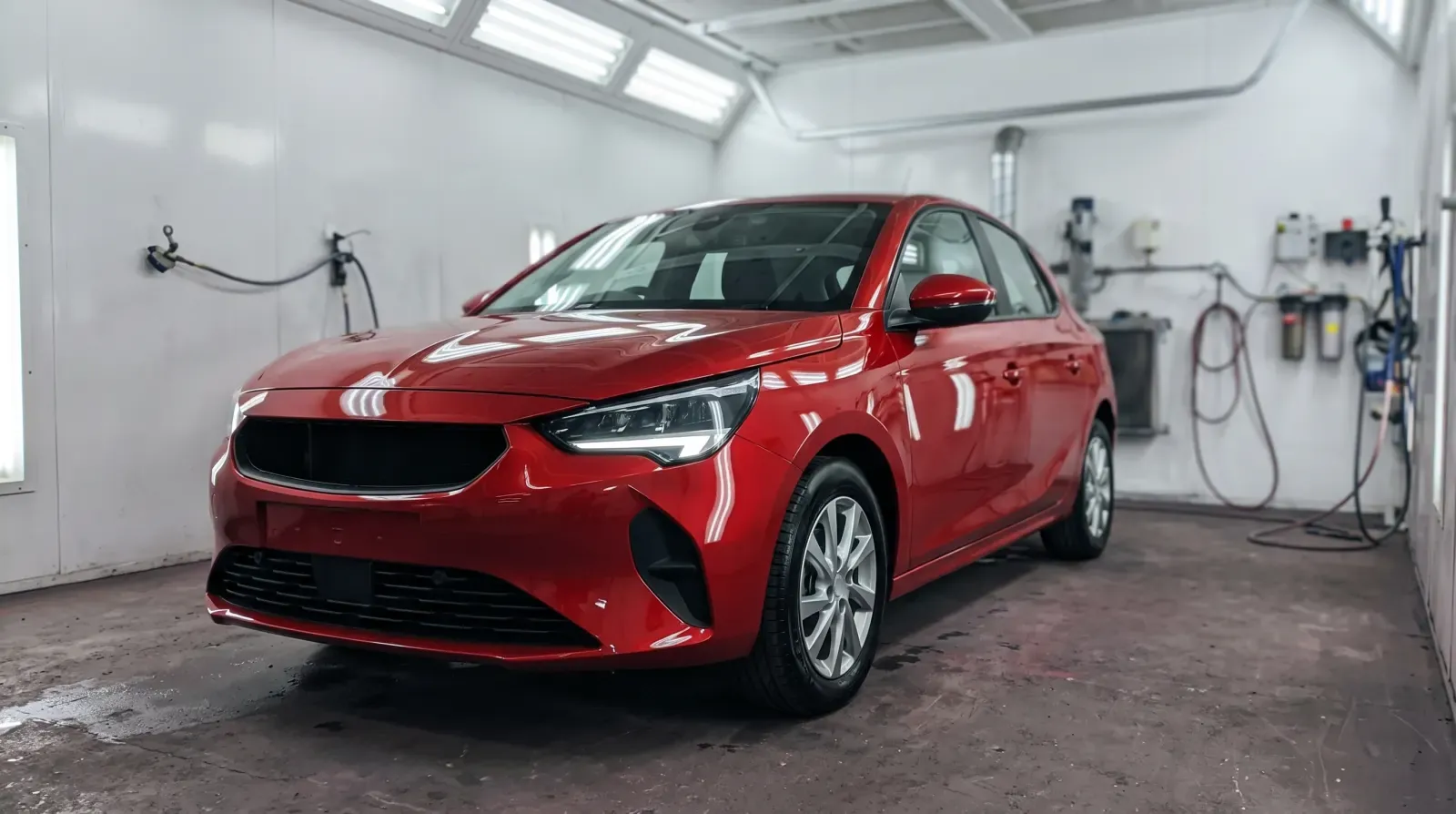
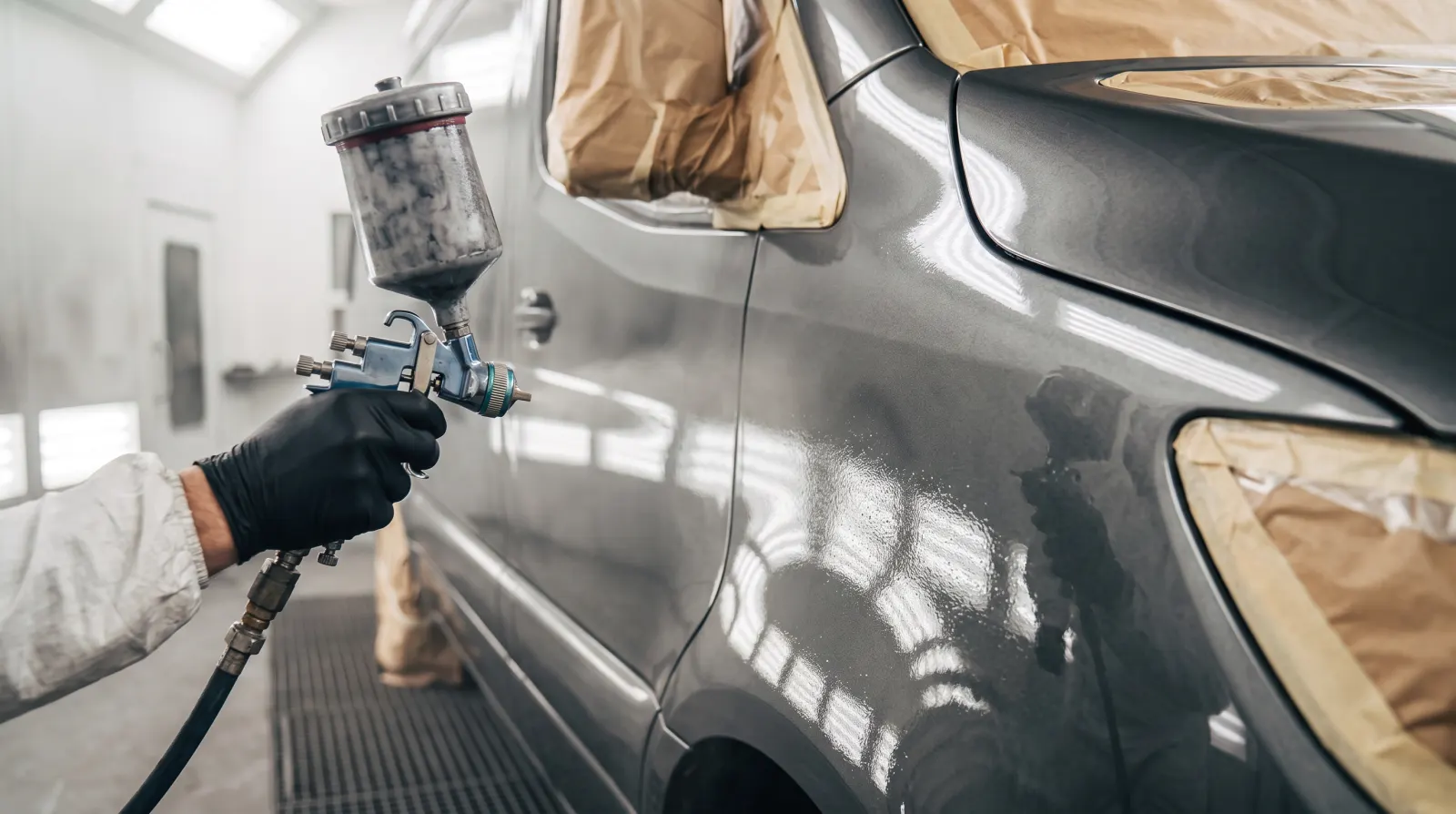
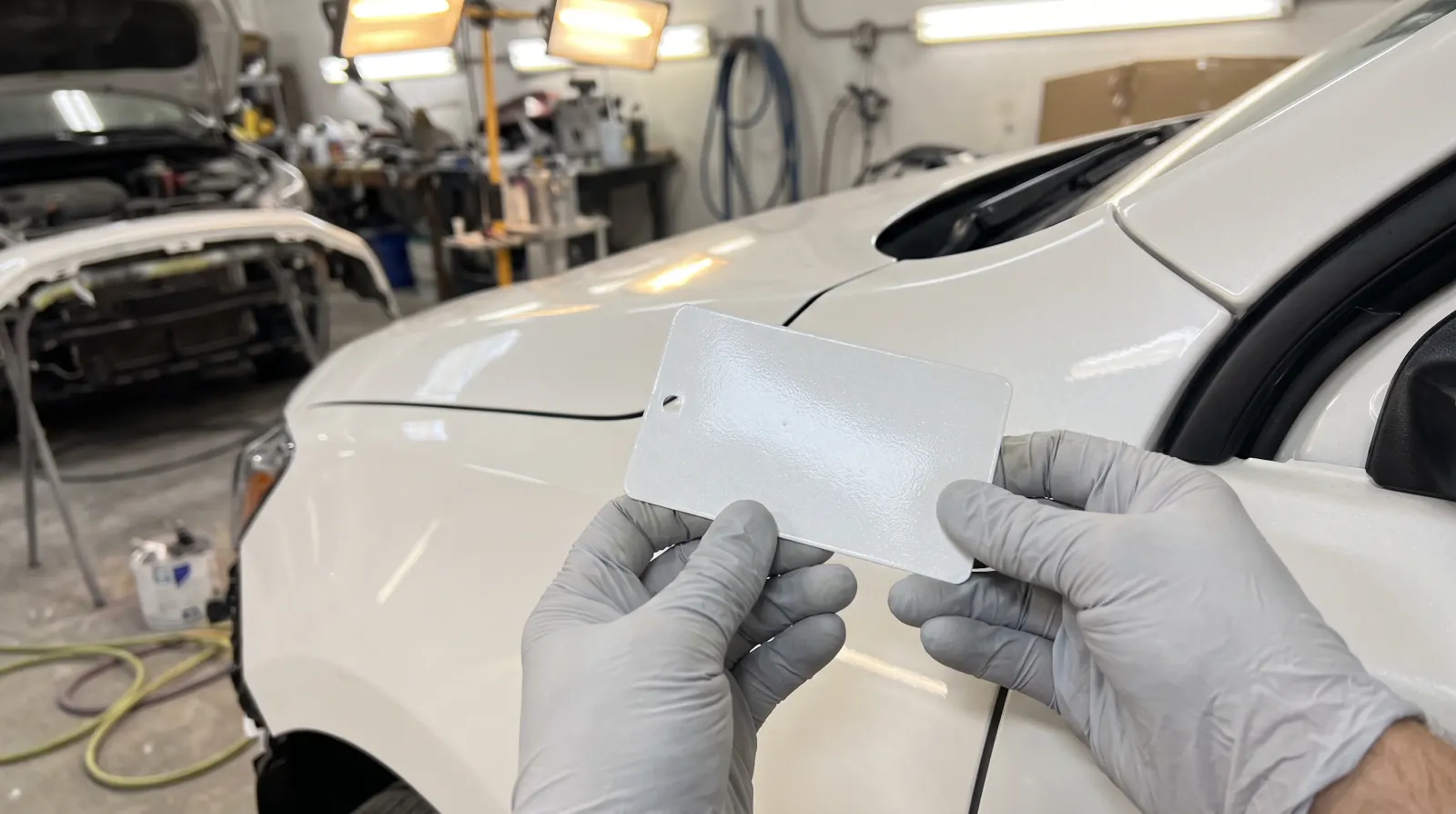
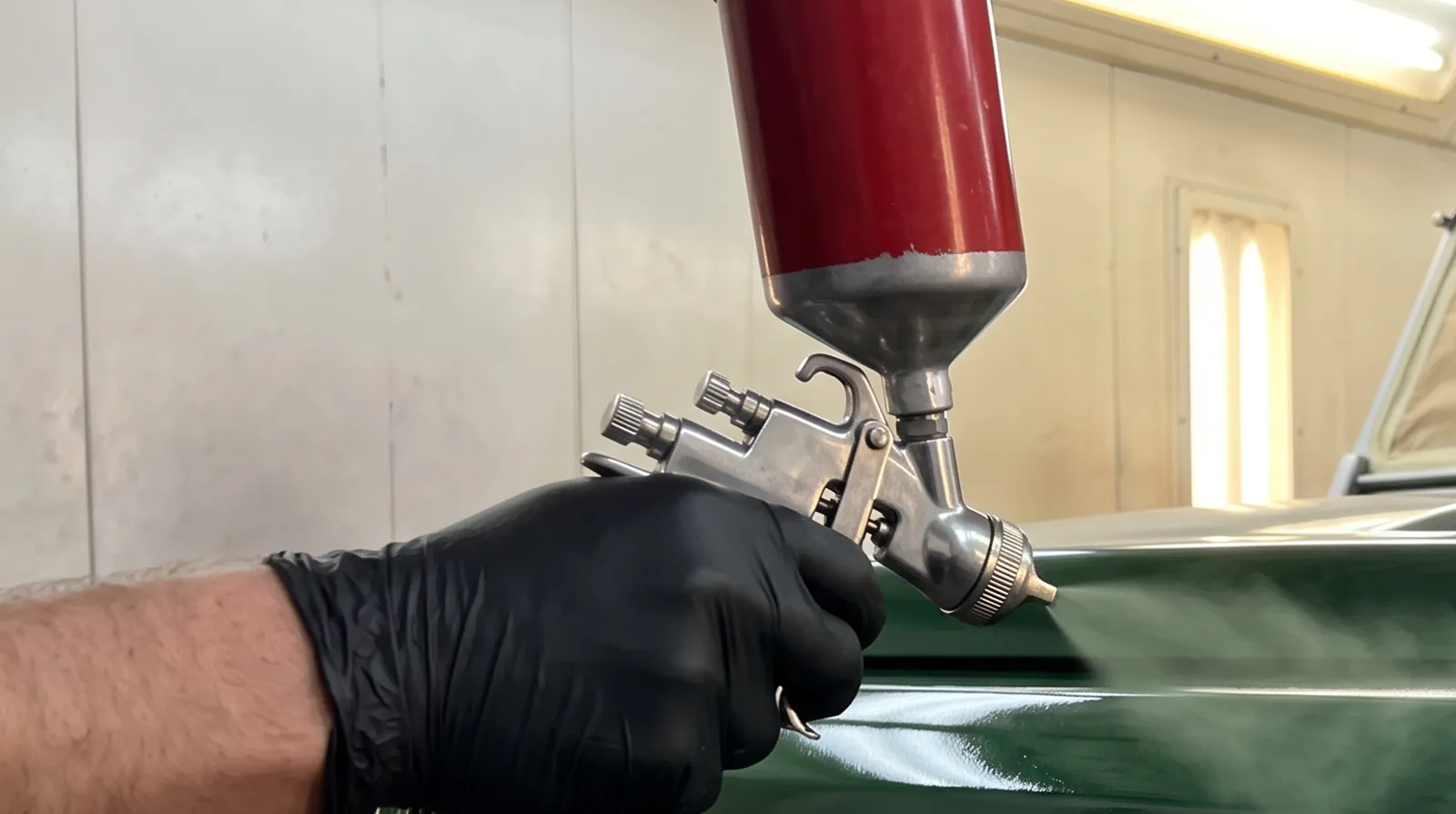
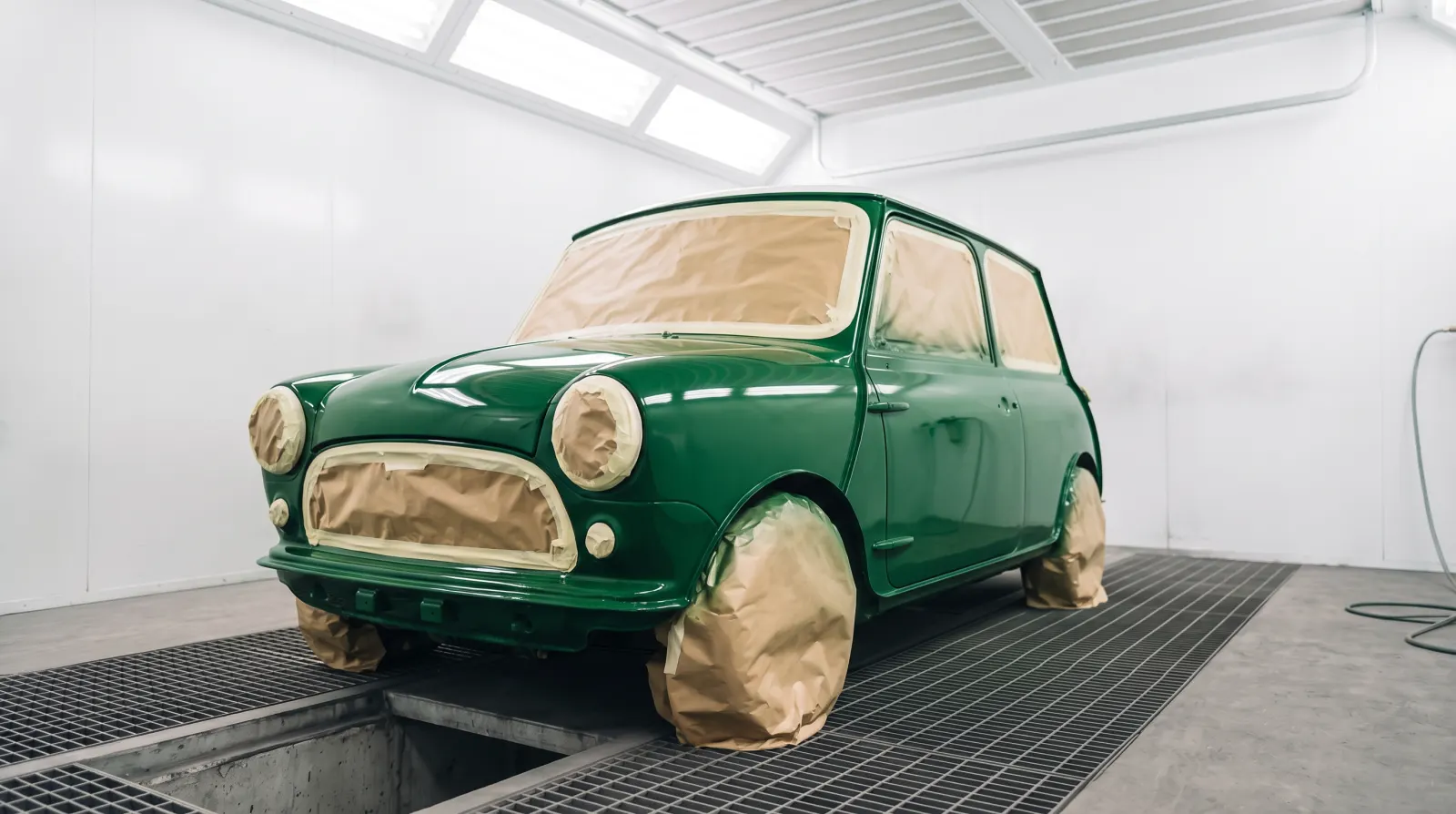
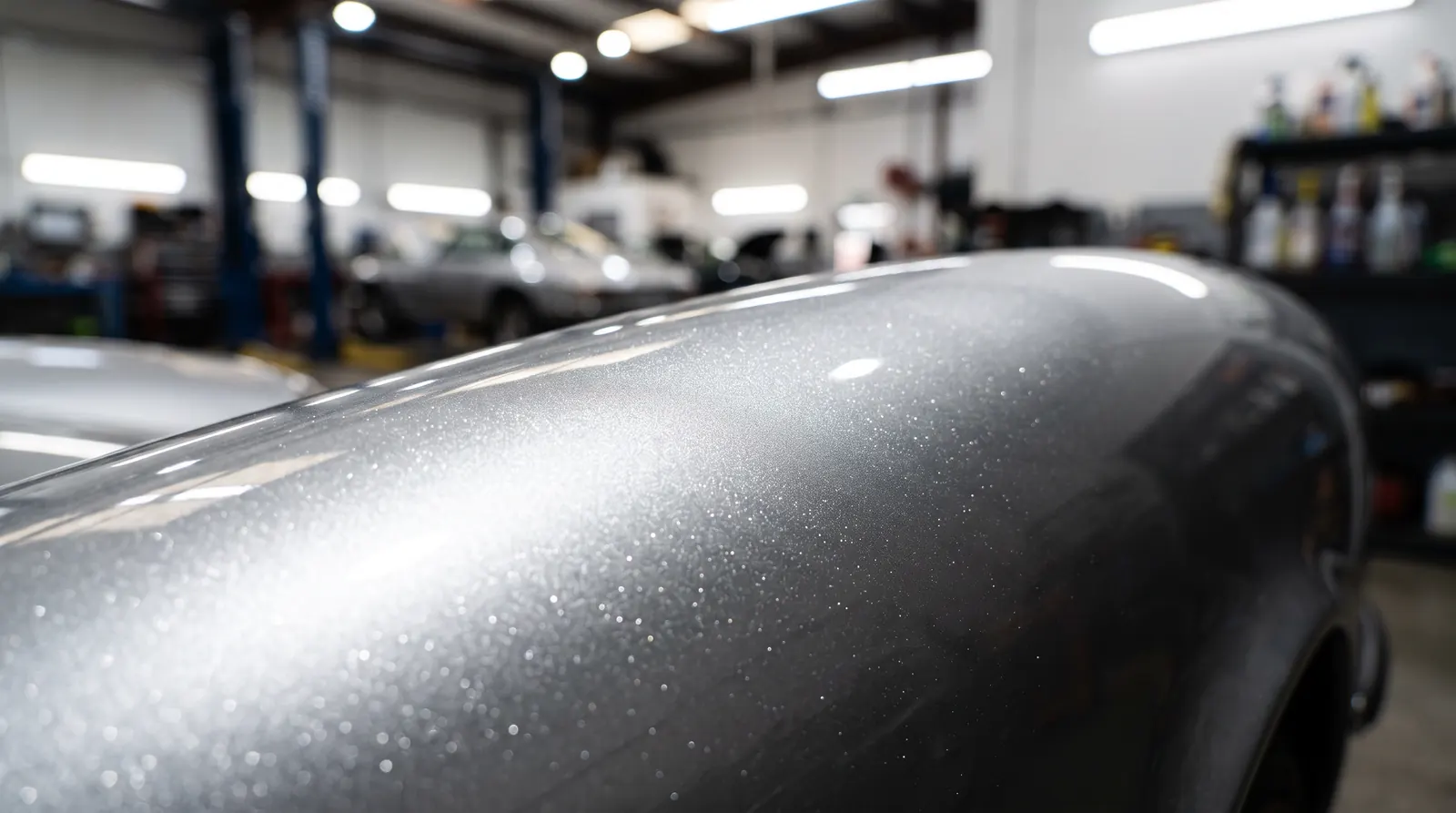
Why does a perfectly mixed colour still look different?
Because the old paint has moved on, and the way new paint goes on changes how it looks. PPG, one of the big paint makers, lists fading from weathering, the wrong variant of a colour and incorrect application among the causes of a poor colour match.
Metallics and pearls add another layer. The Institute of the Motor Industry's glossary describes flake orientation as how the metallic particles look in the paint as it dries, and ties a good colour match to the right flakes in the mix and the right application. So two panels sprayed from the same tin can still differ, most of all when you look along the car rather than straight at it.
What does blending actually do?
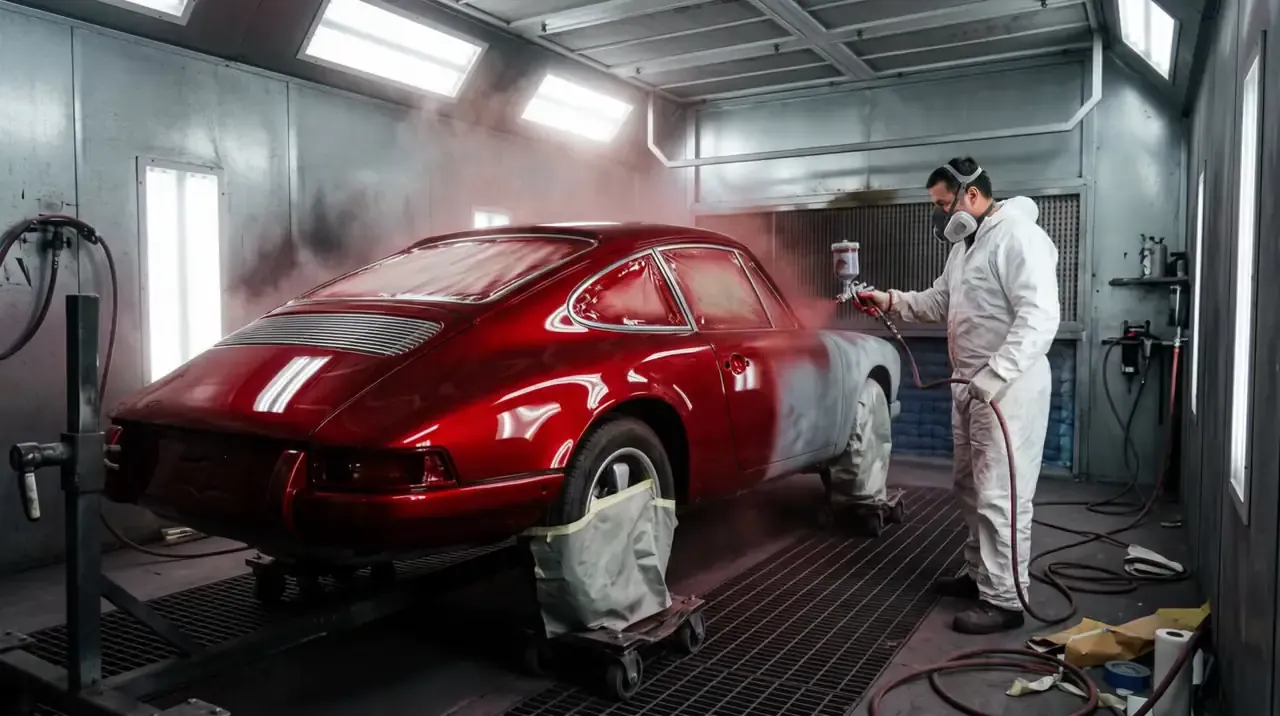
It hides the change instead of trying to make it disappear. The repaired panel gets full colour. Then the colour carries on into the panel beside it, lighter and lighter, so the new shade fades into the old instead of stopping at a line.
Your eye is good at spotting an edge and poor at spotting a gradual change. That's the whole trick.
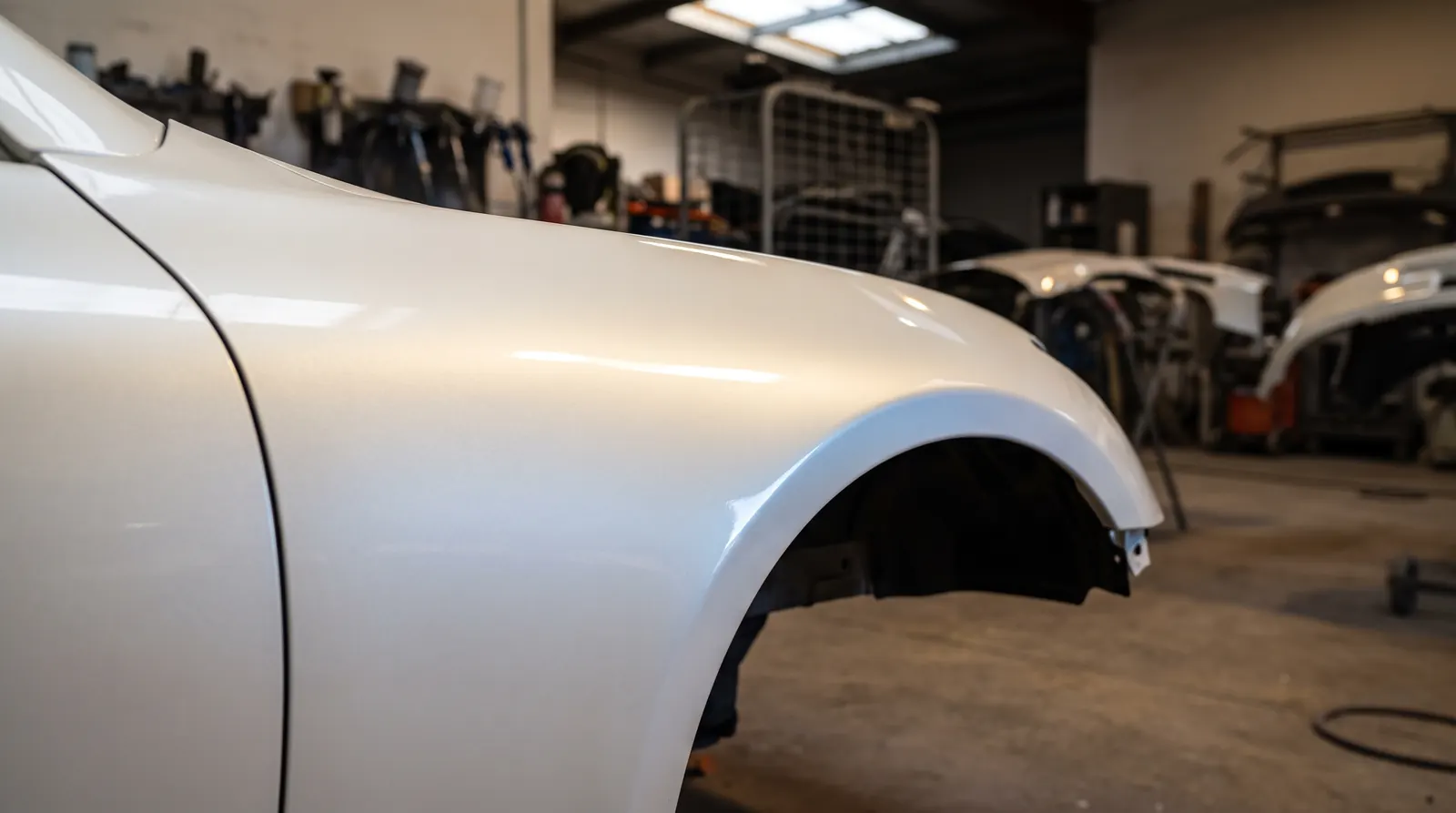
How far into the next panel does the colour go?
Far enough not to show, and further on some colours. PPG's basecoat blending procedure says to allow at least 12 inches, about 30cm, of blend into the panels next to the repair for an ordinary basecoat. For three-coat and four-coat colours it says at least 24 inches, about 60cm, because of the translucent and special effect colours carmakers use.
So a three-coat pearl takes in more of the next panel than an ordinary colour does.
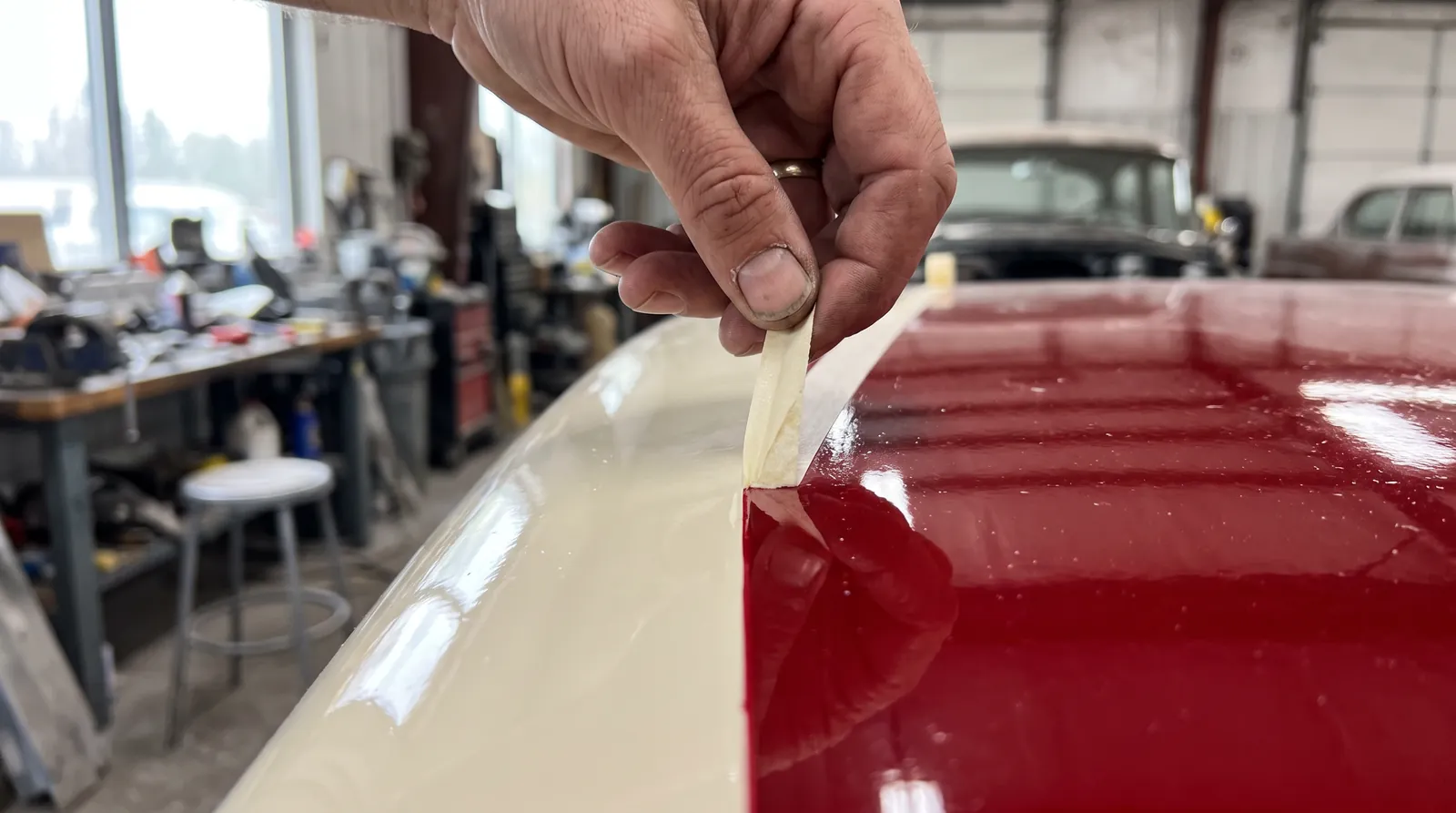
Why does the clear go right across the panel?
Because a clear edge in the middle of a panel is a weak spot. PPG's clearcoat procedure says that for its lifetime guarantee and carmaker warranty purposes, the clear has to run to the nearest panel edge or break off point. Ford goes further. As Paint & Panel reported, it does not approve clearcoat blending in any warranty or collision repair, and gives the reason: the clear thins out at a blended edge, which can lift and discolour over time.
So the colour fades out partway across the next panel, but the clear stops where that panel stops: at its edge, or at a natural break in the bodywork.
Why can a dent in one door mean painting three panels?
Because the panels either side are where your eye compares the colour. Fix a dent in a front door and the colour may be blended onto the front wing and the rear door, with clear across all three.
Those panels are prepared and masked like the damaged one, even though there's nothing wrong with them. That's why a quote can list panels that aren't damaged, and where some of the time in a small repair goes. See prices for what moves the cost, and body repair for how the damage itself is put right first.
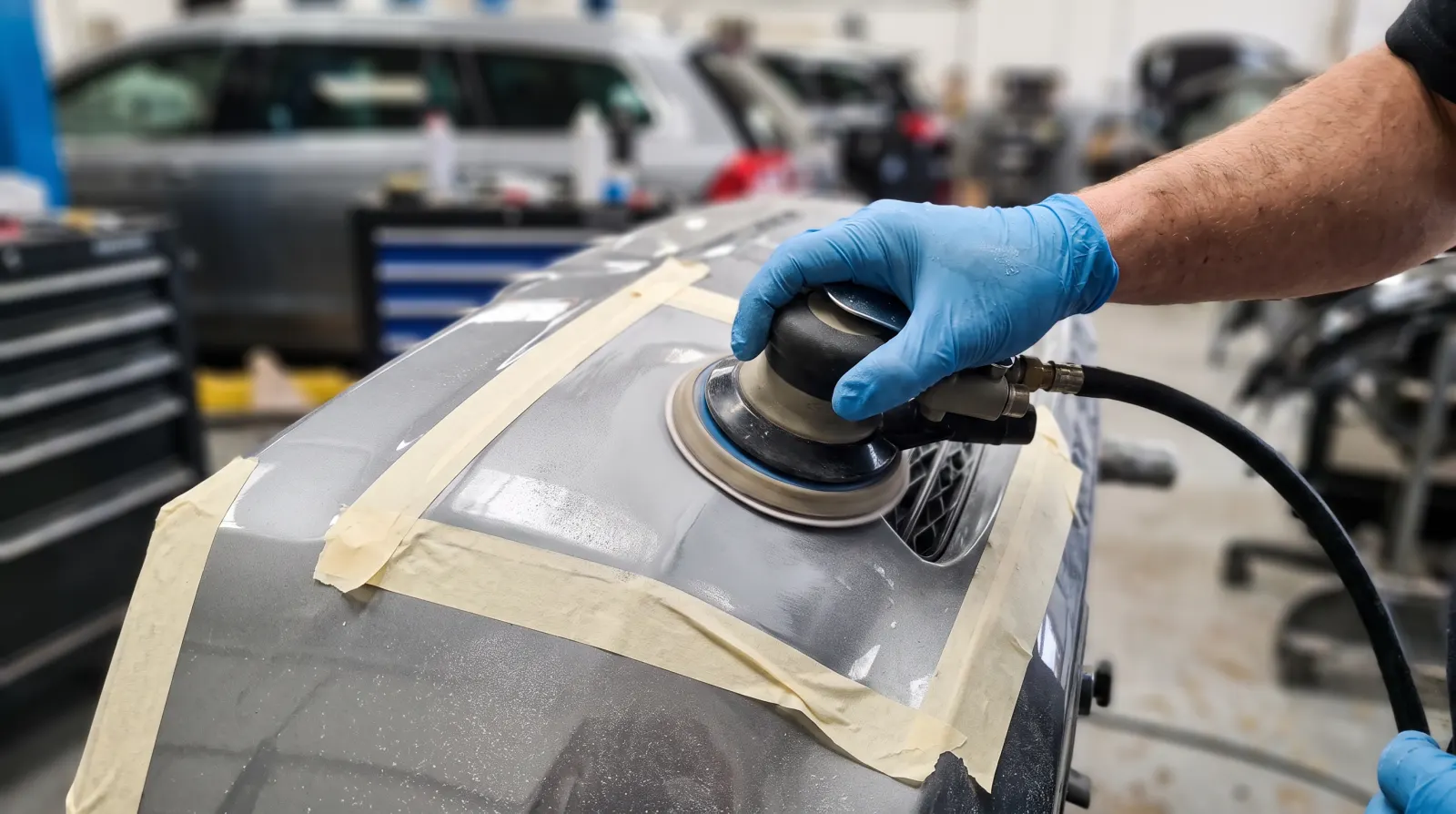
What happens to a panel that's only being blended?
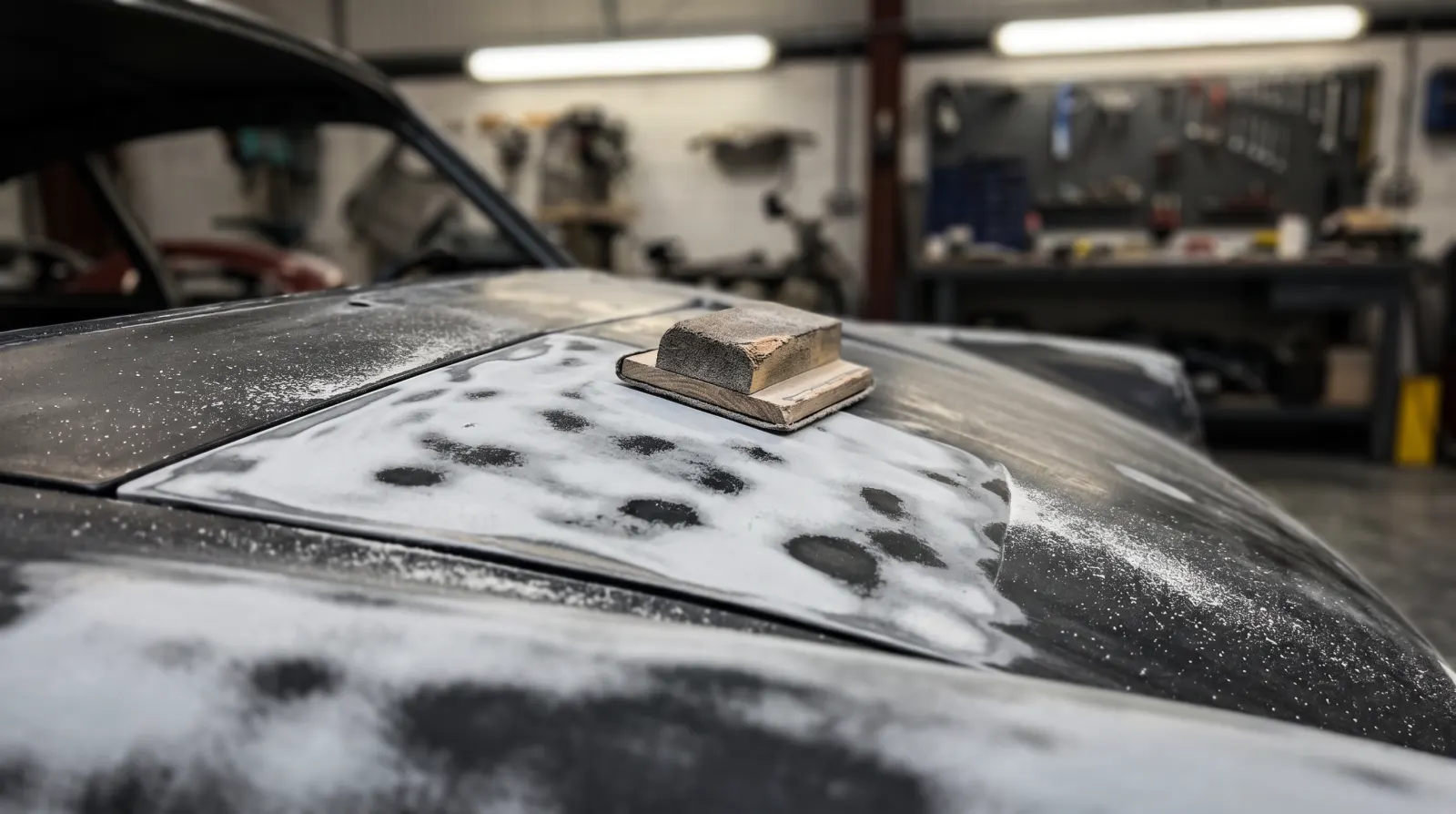
It's made ready for paint without being repaired. It's cleaned of wax and road film, then flatted, rubbed down with a fine abrasive, wherever the colour and clear will go, so the new paint has something to grip.
Handles, badges or trim on that panel may come off too, so the paint runs underneath where they sit instead of stopping in a line around them.
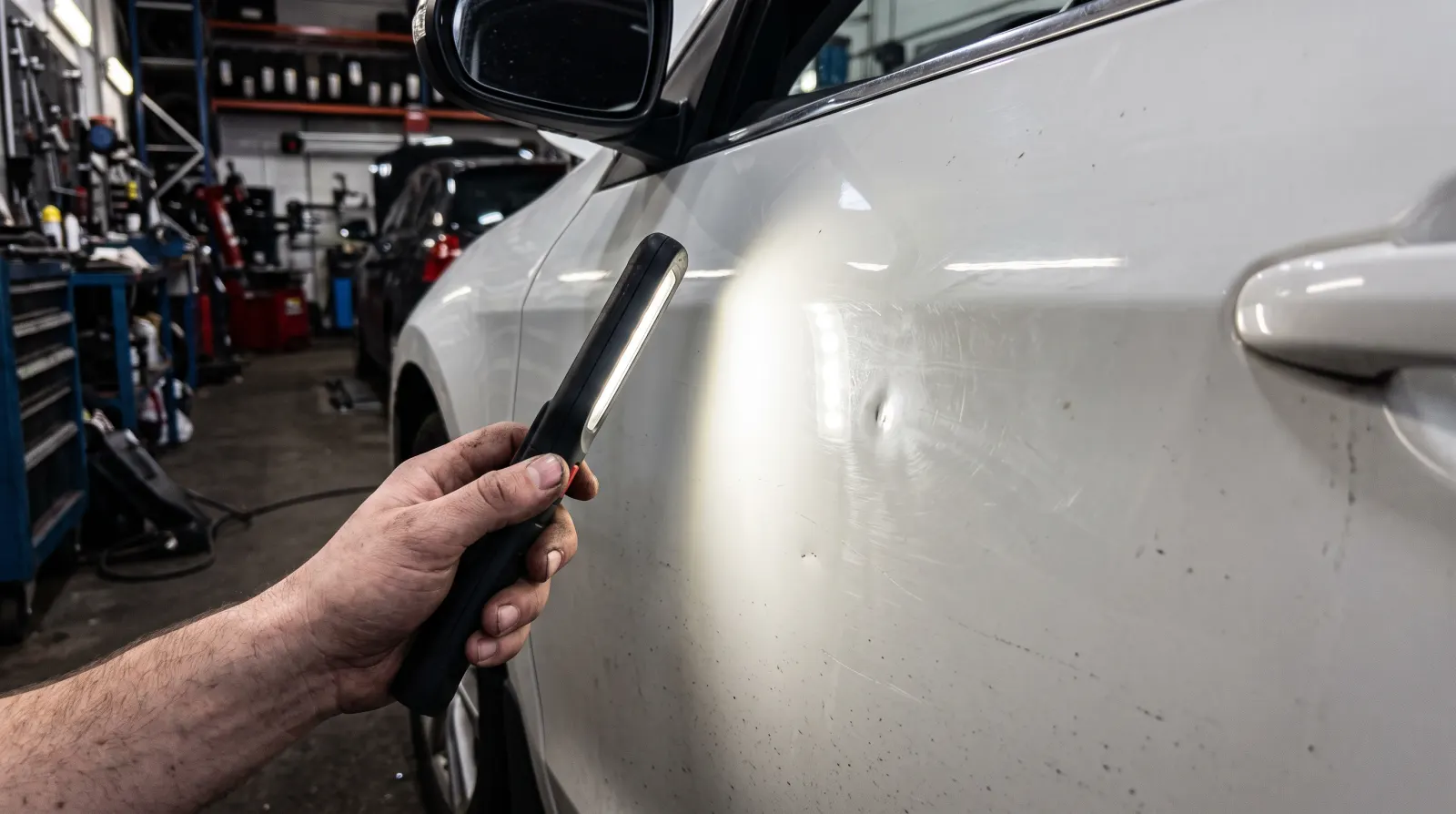
Will I be able to see where the blend is?
You shouldn't, if the colour was right and the blend was wide enough. PPG's advice for checking a colour is to compare it at different angles and in different light, and that's the way to look at a finished repair too: in daylight, straight on, then along the side of the car.
If you can see a patch or a change of shade as you walk along it, the blend hasn't done its job.
Can blending make tired paint look new?
No. Blending makes the new colour sit quietly next to the old. It can't make the old paint any better. If the rest of the car is faded, dull or patchy, a respray is the honest answer.
What makes a blend wider or the job bigger?
- Three-coat pearls and other translucent or special effect colours, which PPG gives a wider blend
- Metallics, where the flake has to sit right as well as the colour
- Faded paint, above all on the bonnet and roof, which take the most sun
- Handles, mirrors, trim and mouldings that have to come off the blend panels
- A car resprayed before in a mix that isn't the factory one
Send us a few photos of the damage, and the paint code if you have it, from the quote form.