Most resprays are one of two jobs. A same colour respray puts the car back in the colour it already wears, so the work stops at the panels you can see. A colour change has to reach every place the old colour shows. More comes off, more hours go into prep, and the DVLA needs to know when it's done.
Here's what each one involves, and how to tell which your car needs.
What is a same colour respray?
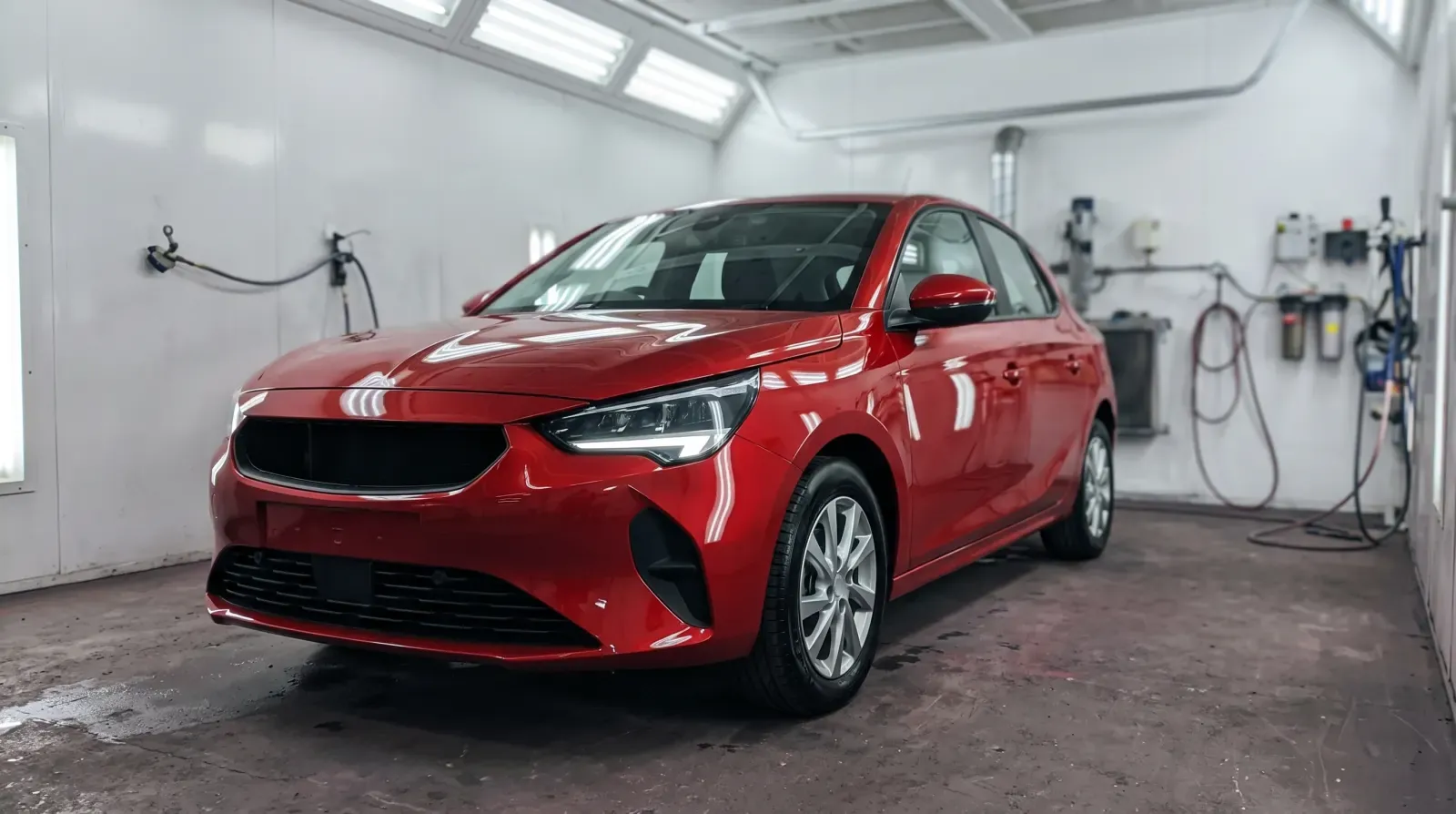
A same colour respray brings tired, faded or patched paint back to one even finish, in the car's existing colour. Because the colour isn't changing, the door shuts, engine bay and boot are usually left as they are, as long as they're sound.
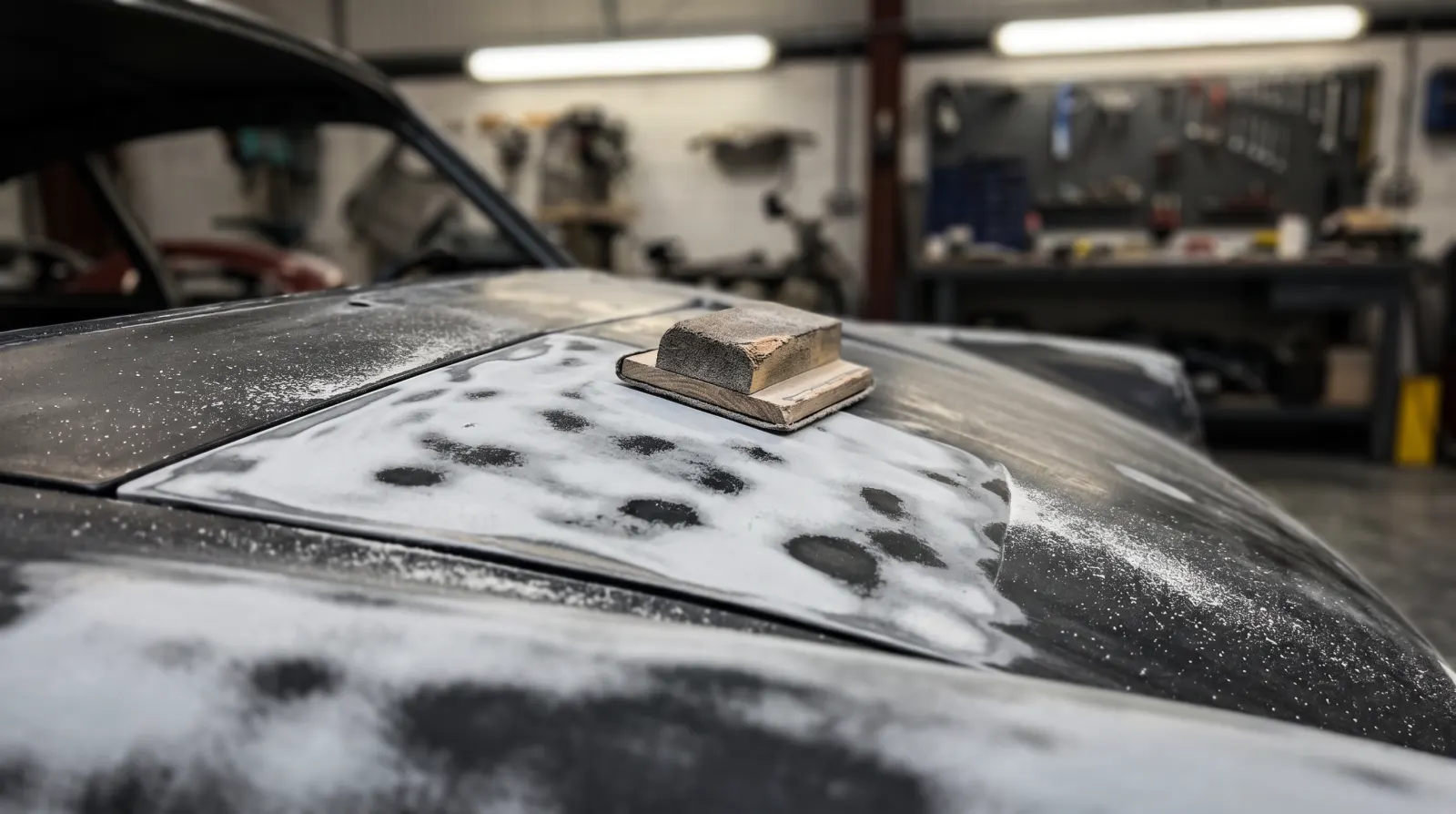
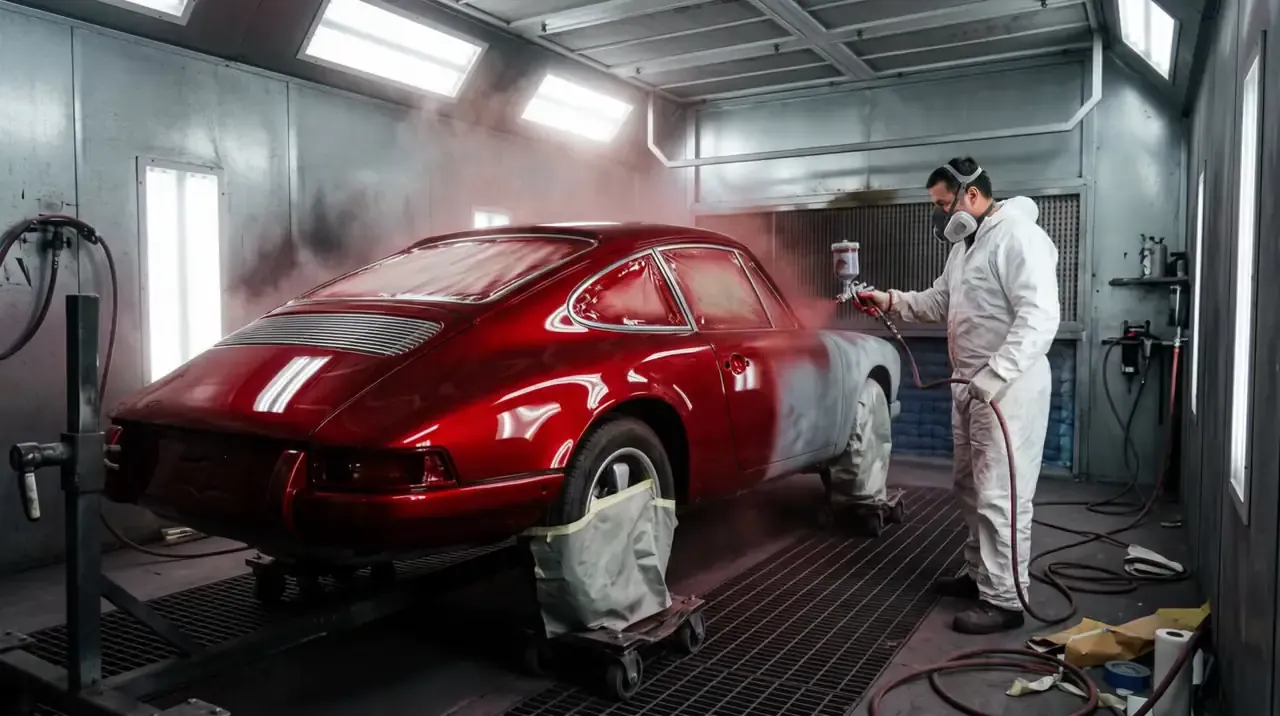
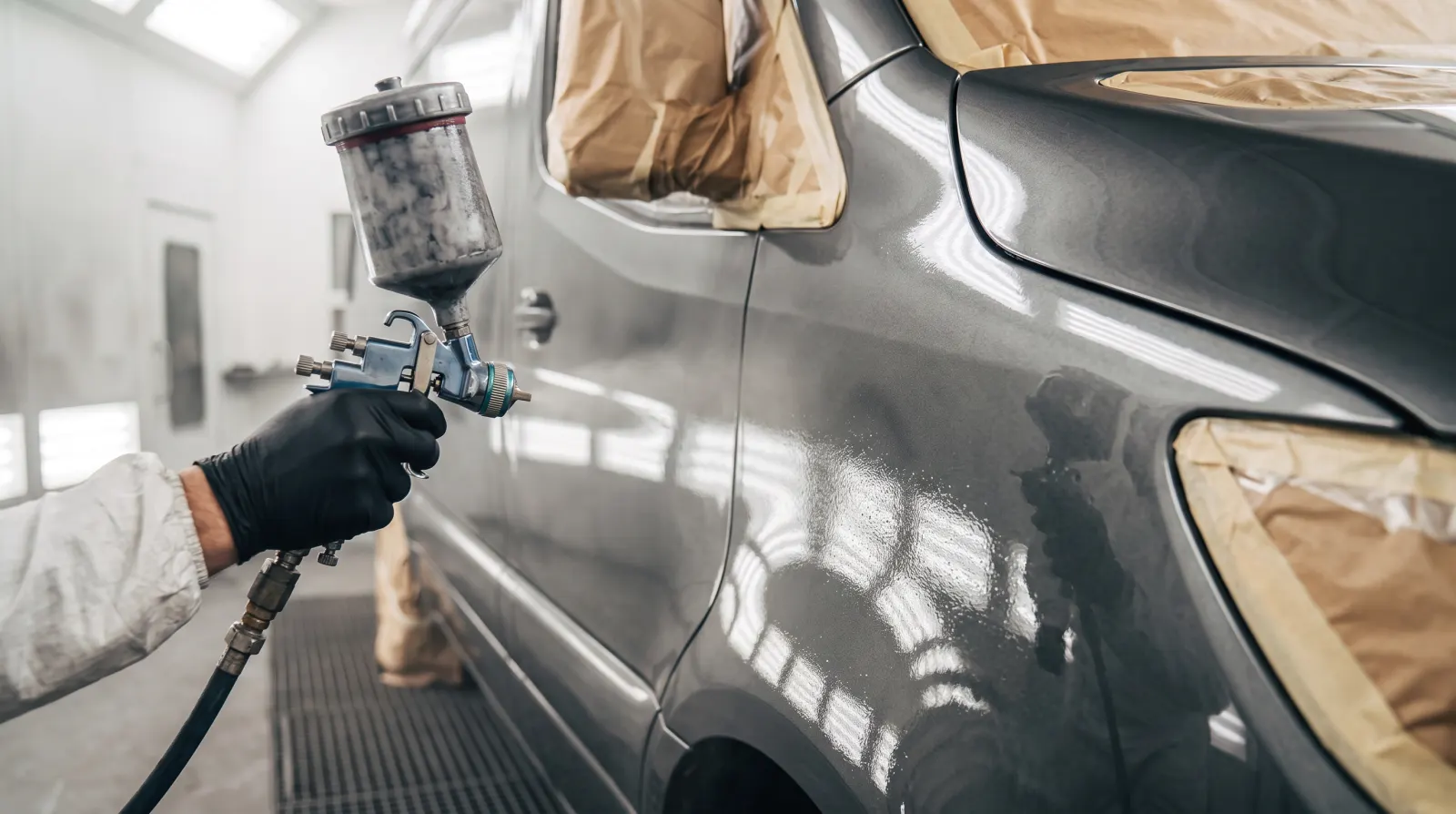
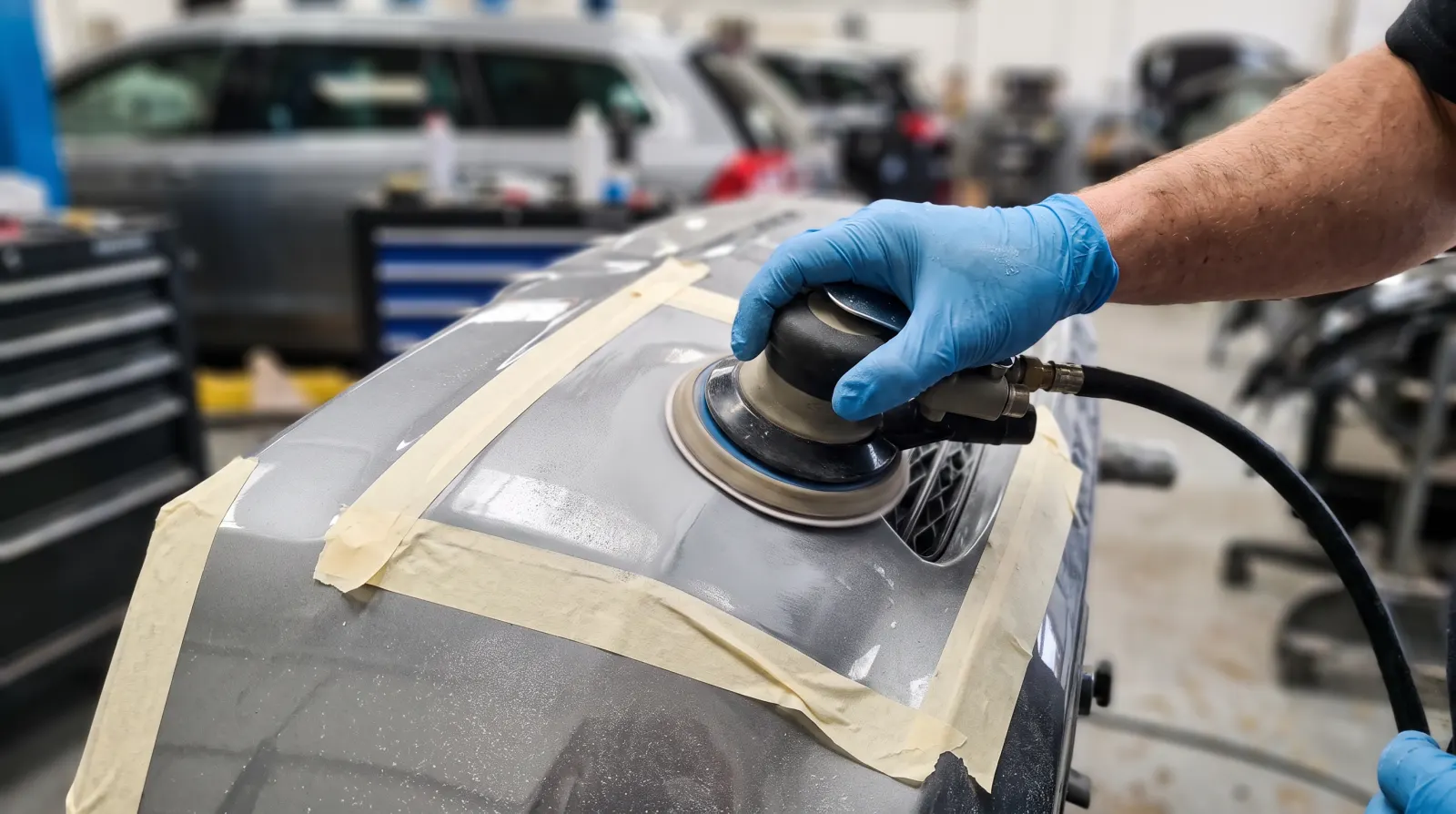
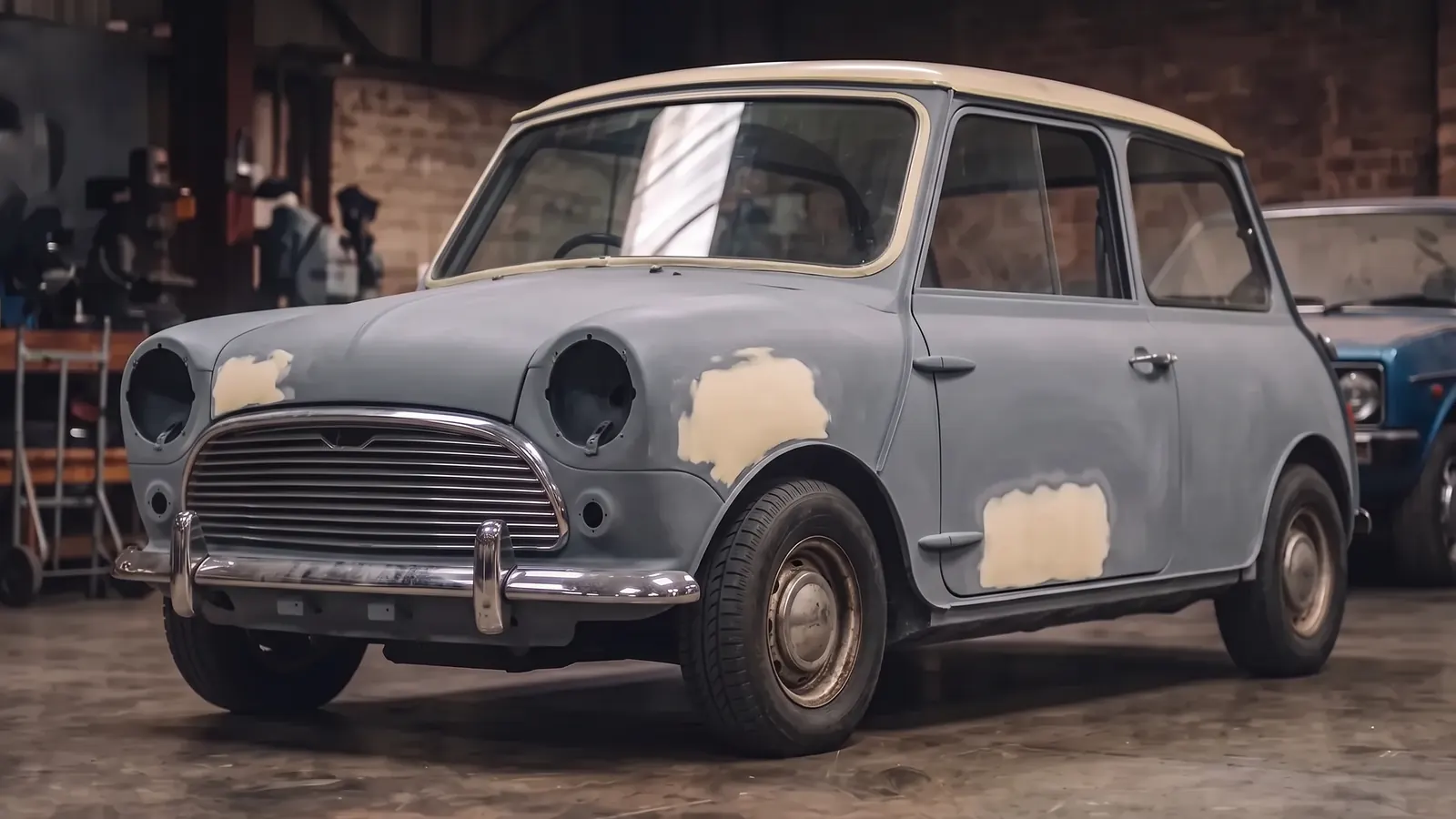
The outside panels still get the full treatment. Trim, lights and seals come off where the job needs it. The old paint is flatted, or taken back further if it's in poor shape. Dents and rust are put right, then the car is primed, blocked and painted in the booth. The only thing a same colour respray saves is the work inside the shuts and bays.
What does a colour change involve?
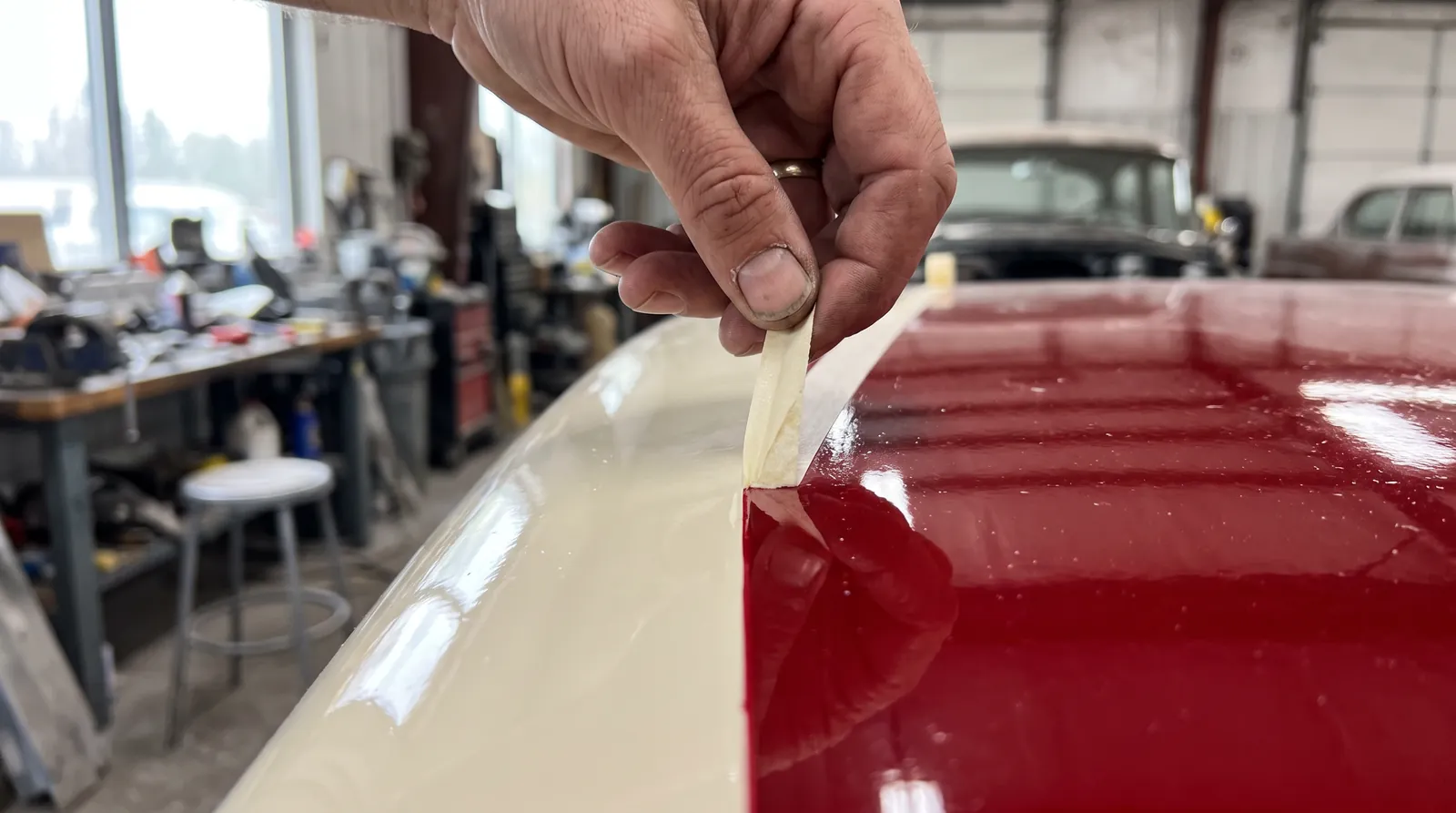
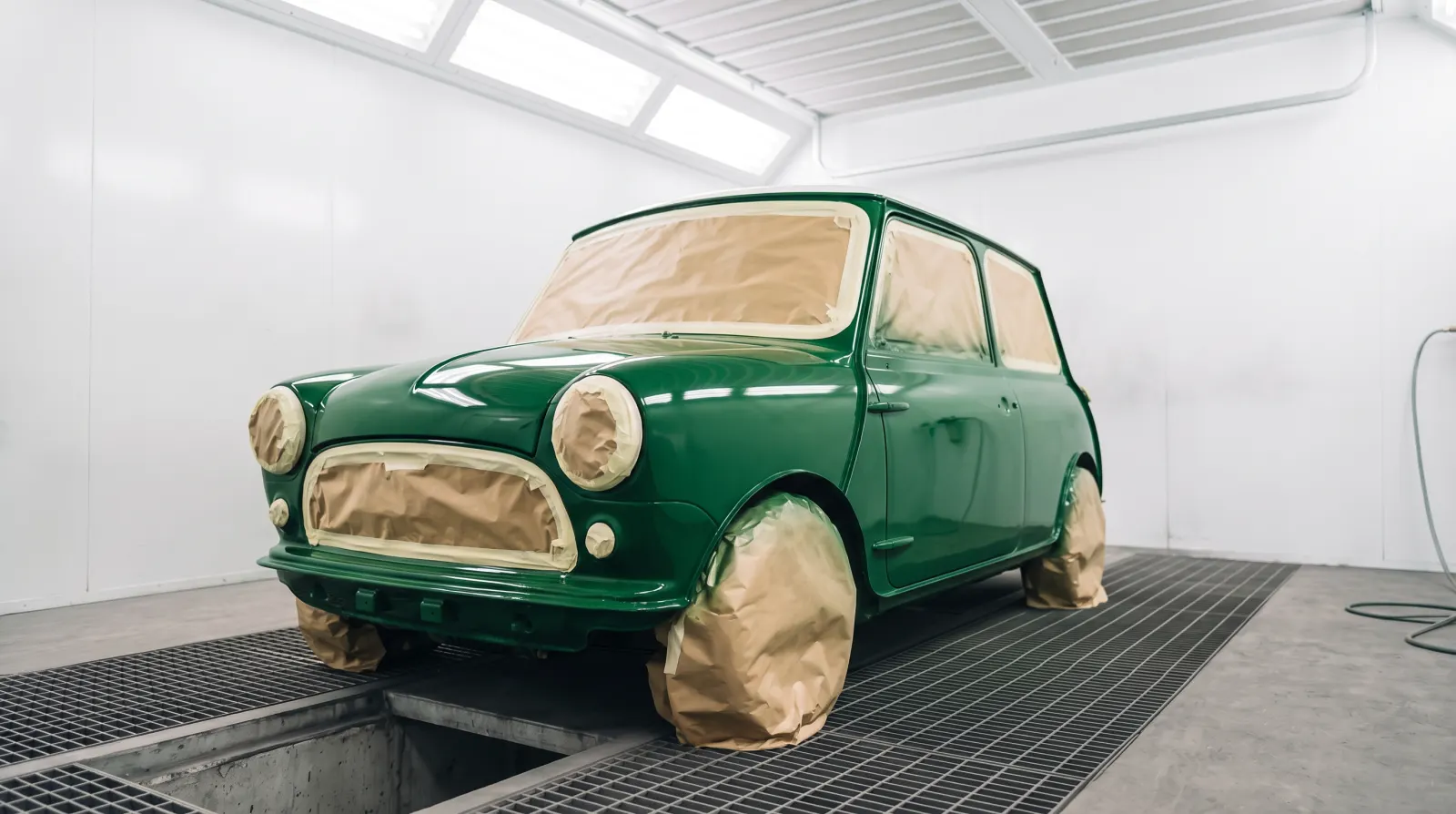
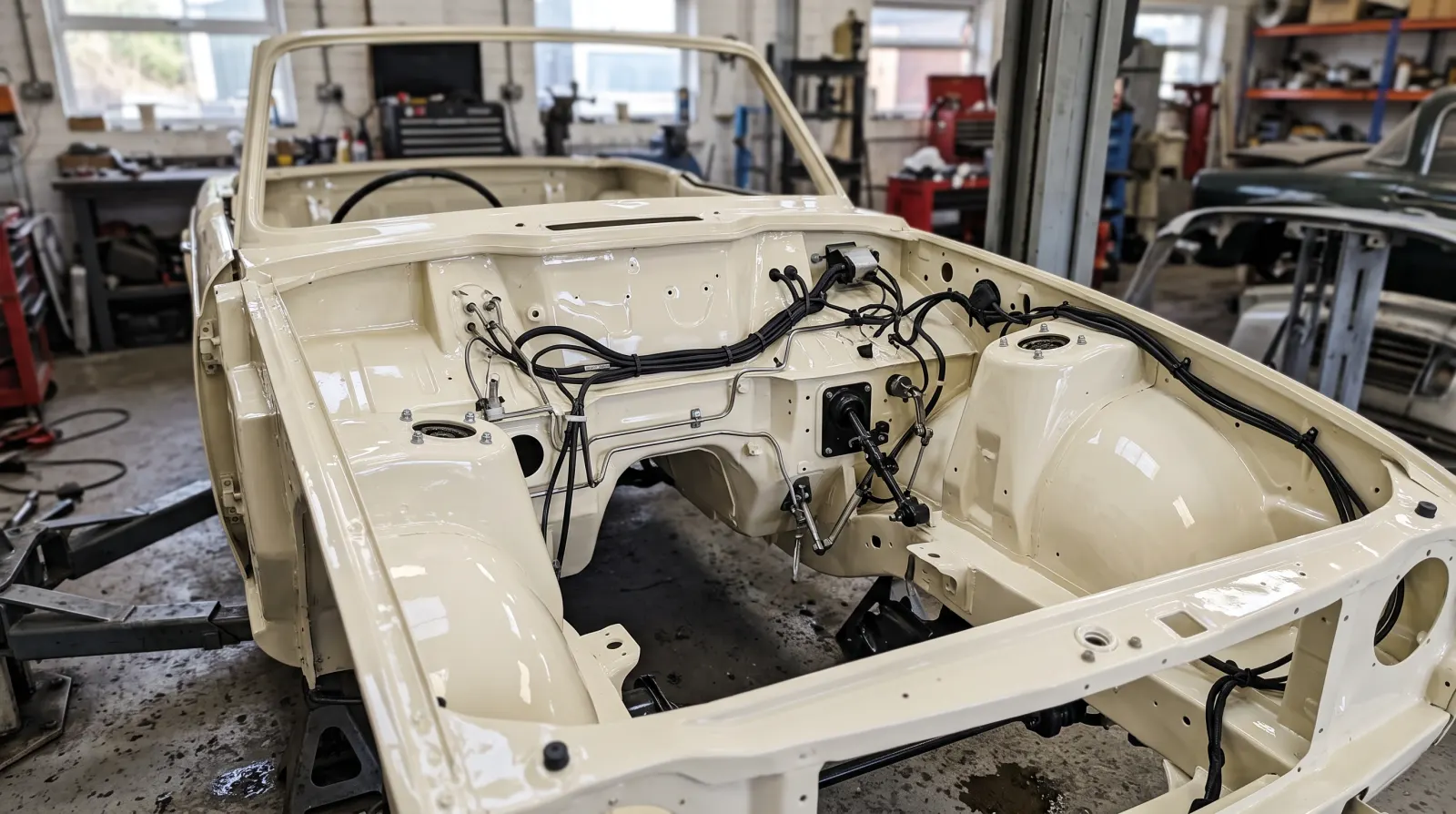
A colour change means every surface where the old colour can be seen gets the new one. Open a door, the bonnet or the boot on a badly done colour change and the old colour is staring back at you.
So a colour change reaches places a same colour respray doesn't:
- Door shuts, and the edges and insides of the doors
- The inside of the bonnet and the boot lid
- The engine bay
- Under the window and door seals
- Behind trim, badges and lights, and inside the fuel filler flap
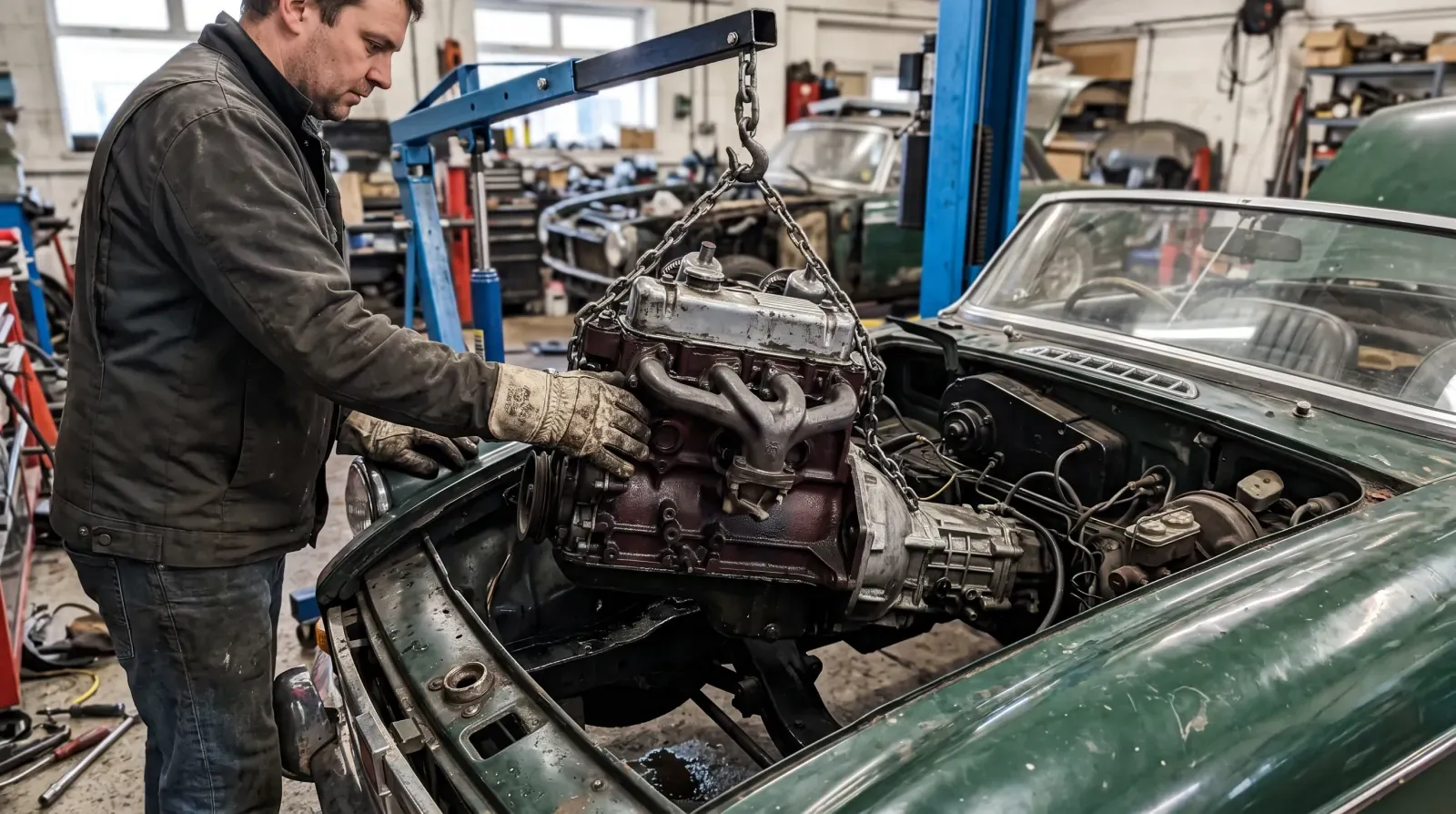
To get paint into those places, more has to come off. Seals, glass rubbers and trim come out, and sometimes the fittings in the engine bay too, so the new colour goes right under them. See strip-downs for what that involves, and resprays for the rest of the job.
Why does a colour change cost more?
Because it takes more hours. More parts come off and go back on, there are more surfaces to prep and paint, and the awkward ones, like shuts, bays and the inside of a boot lid, take longer than an open panel.
It uses more paint as well, and it tends to turn up more to fix. Taking out the seals and clearing the engine bay is how hidden rust and old repairs come to light.
Some owners go halfway: the new colour on the outside and in the door shuts, the old colour left in the engine bay. It saves money, and it shows every time the bonnet opens. We'll tell you what you'd see either way before you decide.
Can you match the original colour on a same colour respray?
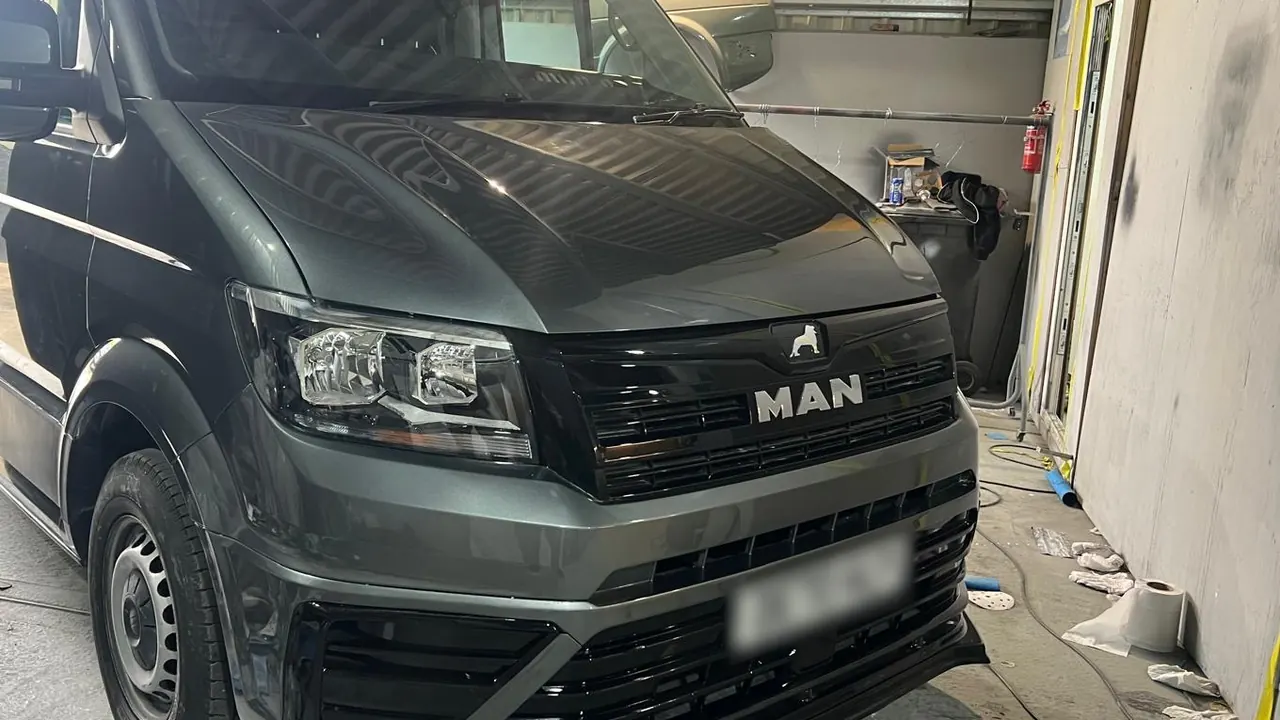
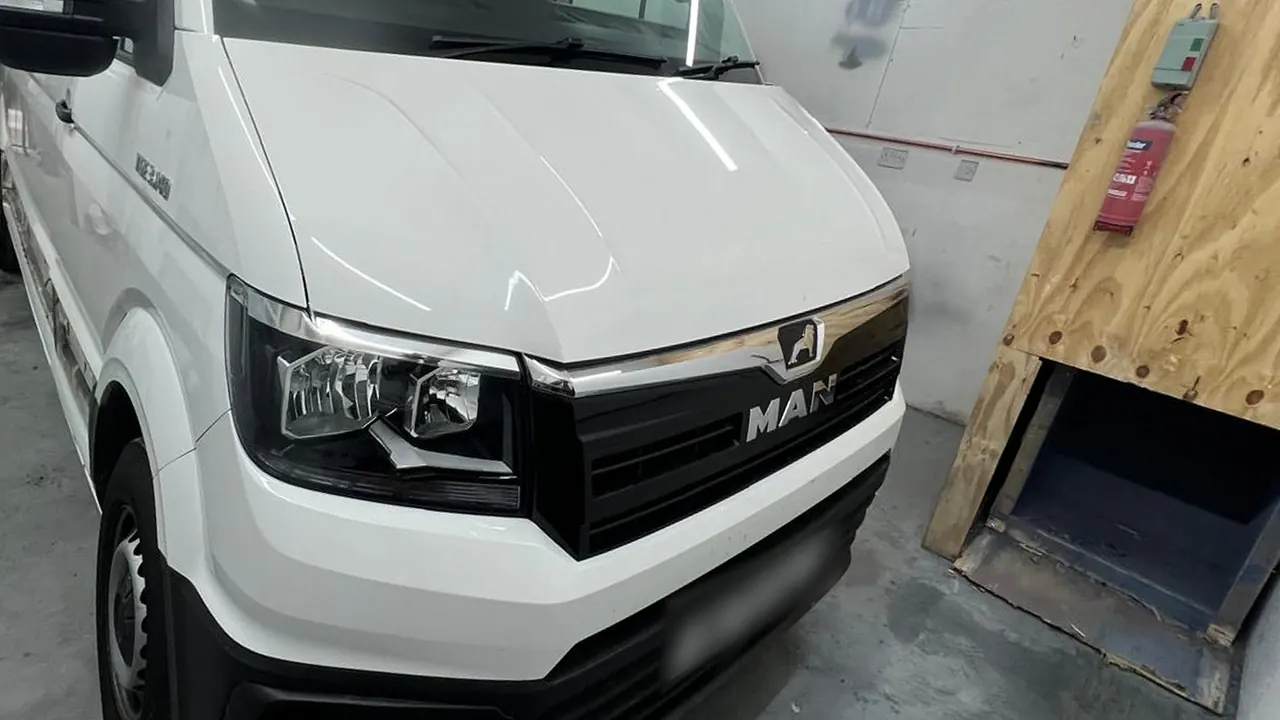
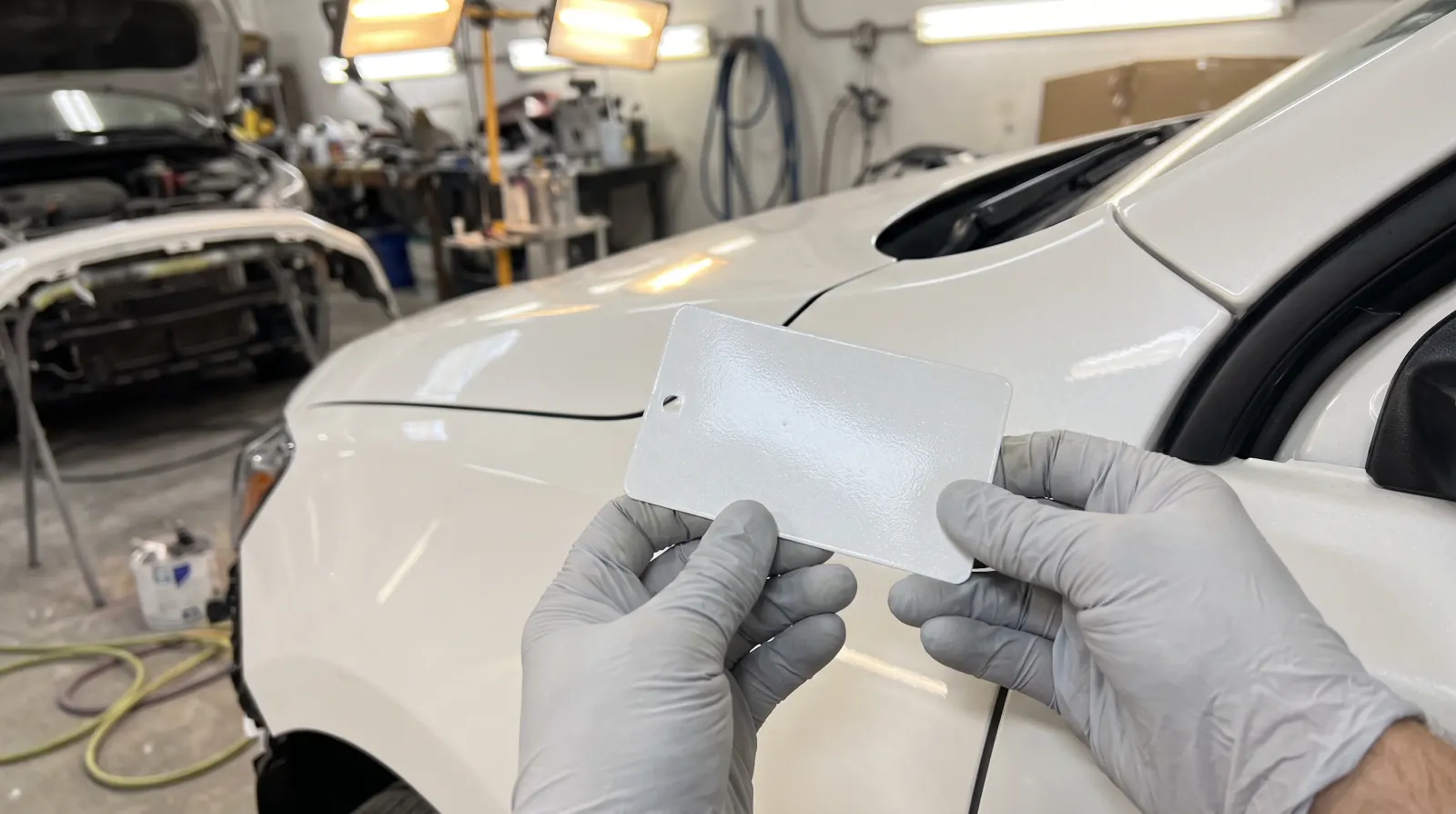
Yes. The colour is mixed to the car's paint code, then checked against the car itself, because paint that has been out in the weather is rarely the shade it left the factory.
The paint code is usually on a label in a door shut, under the bonnet or in the boot. On a full same colour respray the whole outside is new, so the match only has to sit right against the shuts and bays that keep the old paint. On a part respray, the new paint is blended into the panels next to it so the join doesn't show.
Do I need to tell the DVLA if I change the colour?
Yes. The colour is on the vehicle's registration certificate (V5C), so a colour change means the V5C has to be updated. GOV.UK explains how: change vehicle details on a V5C.
A same colour respray changes nothing on the V5C, so there's nothing to tell the DVLA.
Should I tell my insurer?
Yes, tell your insurer about a colour change at the same time. The colour is part of how the car is described on your policy, and some insurers treat a colour change as a modification. Ask yours what they need from you.
Which one is right for my car?
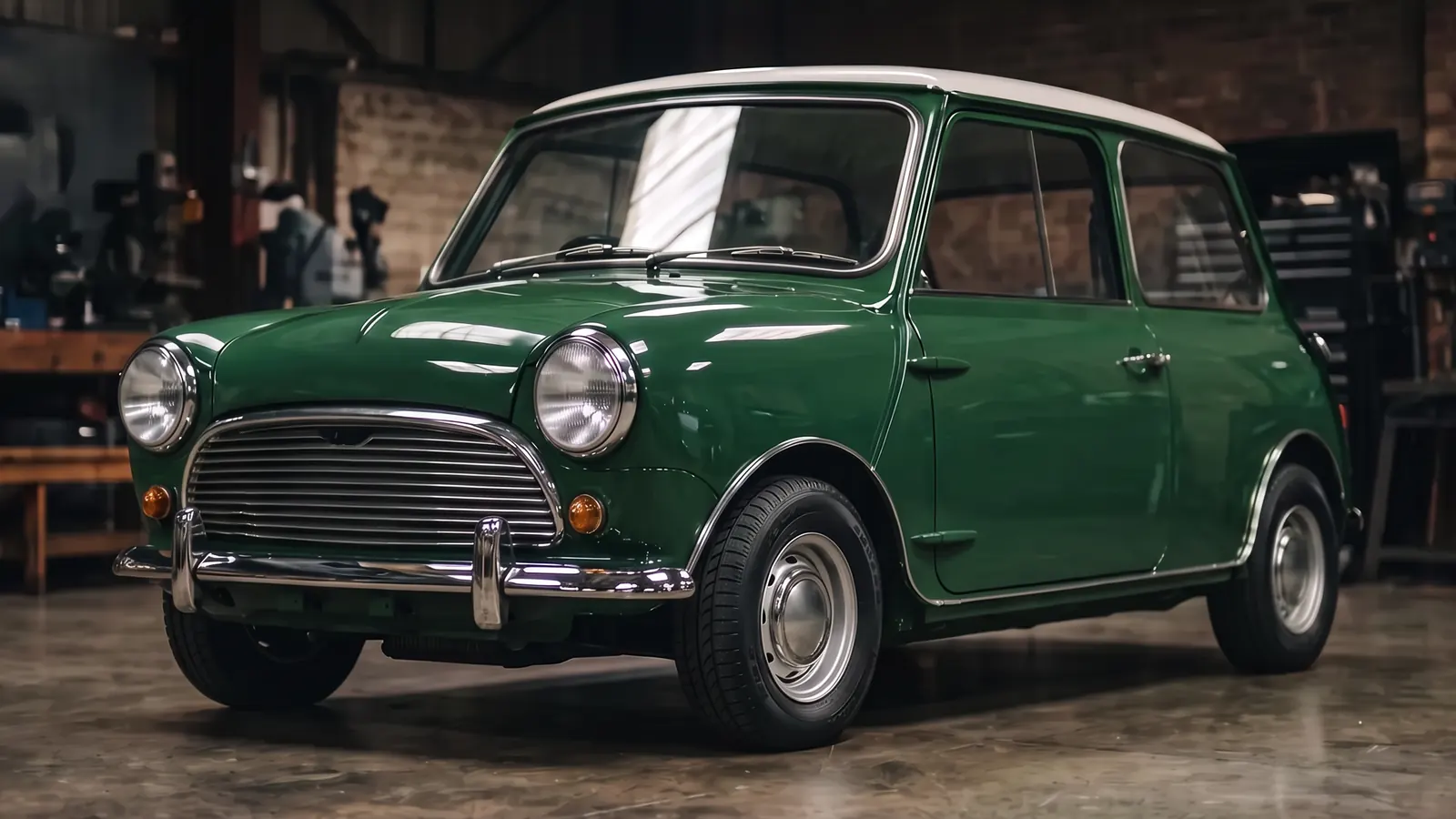
If you like the colour and the paint is just tired, a same colour respray gets you a fresh finish for less. If you want a different colour, or the car is coming apart for a restoration anyway, a colour change makes sense, because much of the strip-down is happening regardless.
Two more things are worth a thought. On some classics, the factory colour matters to buyers, so a colour change is worth weighing up if you might sell. And if the car has rust or old repairs, either job starts with putting the metal right. See welding and rust repair.
How much does each cost?
There's no honest fixed price without seeing the car, because nobody knows what's under the paint until it comes off. On the same car, a colour change costs more than a same colour respray, for the reasons above. Our prices page explains what moves the price and how we quote.
How long does each take?
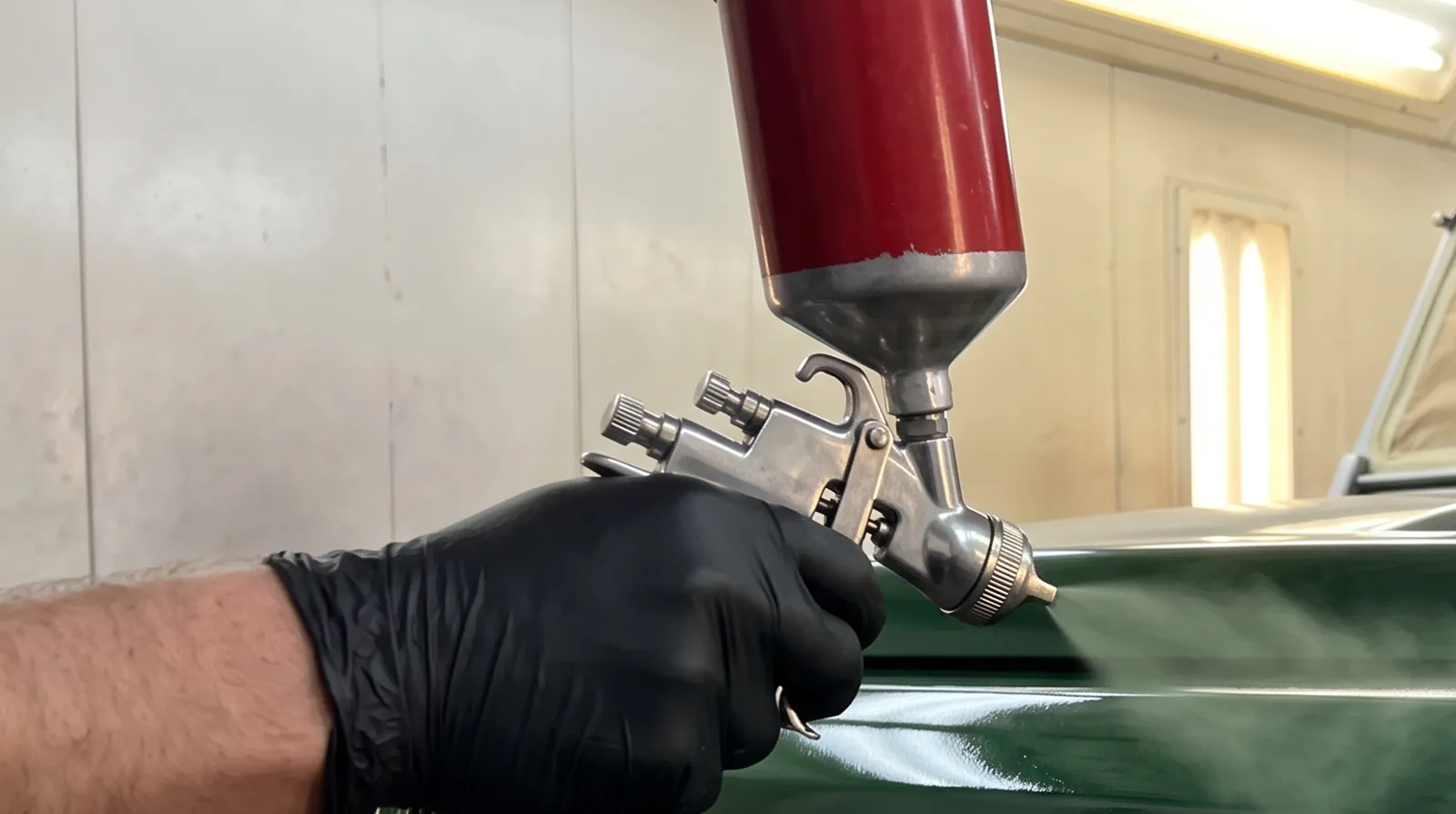
A colour change takes longer, for the same reasons it costs more. Anything the strip-down turns up adds time as well, and we'll tell you as soon as we find it.
Send us a few photos of the car, the colour it is now and the colour you're after, from the quote form.