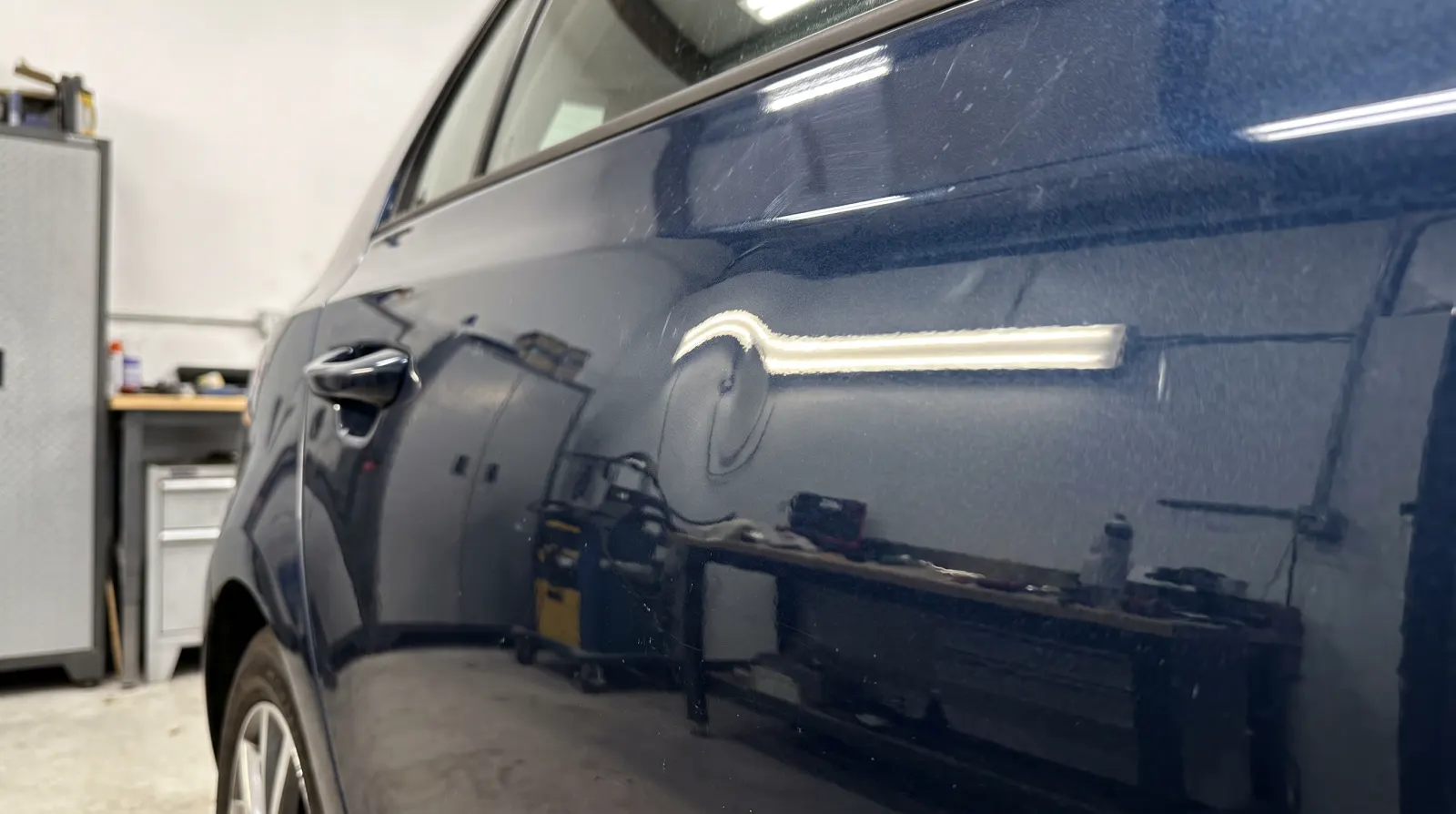
If the damage is on one panel and the paint on the rest of the car is sound, a single panel respray is usually all it needs. The panel is repaired and painted, and the colour is blended into the panels either side so the join doesn't show. If the paint is tired all over, faded, patchy or peeling, a fresh panel will sit next to old ones and show them up, and a full respray will look better.
Here's how to tell which your car needs.
When is a single panel respray enough?
When the damage stops at one panel and the rest of the paint is in good shape. A scraped wing, a dented door, a keyed boot lid or a bonnet peppered with stone chips are all single panel jobs.
The test is the rest of the car. Stand back and look at the panels next to the damaged one in daylight. If they're still glossy, an even colour and free of chips, cracks and bubbles, one panel will do.
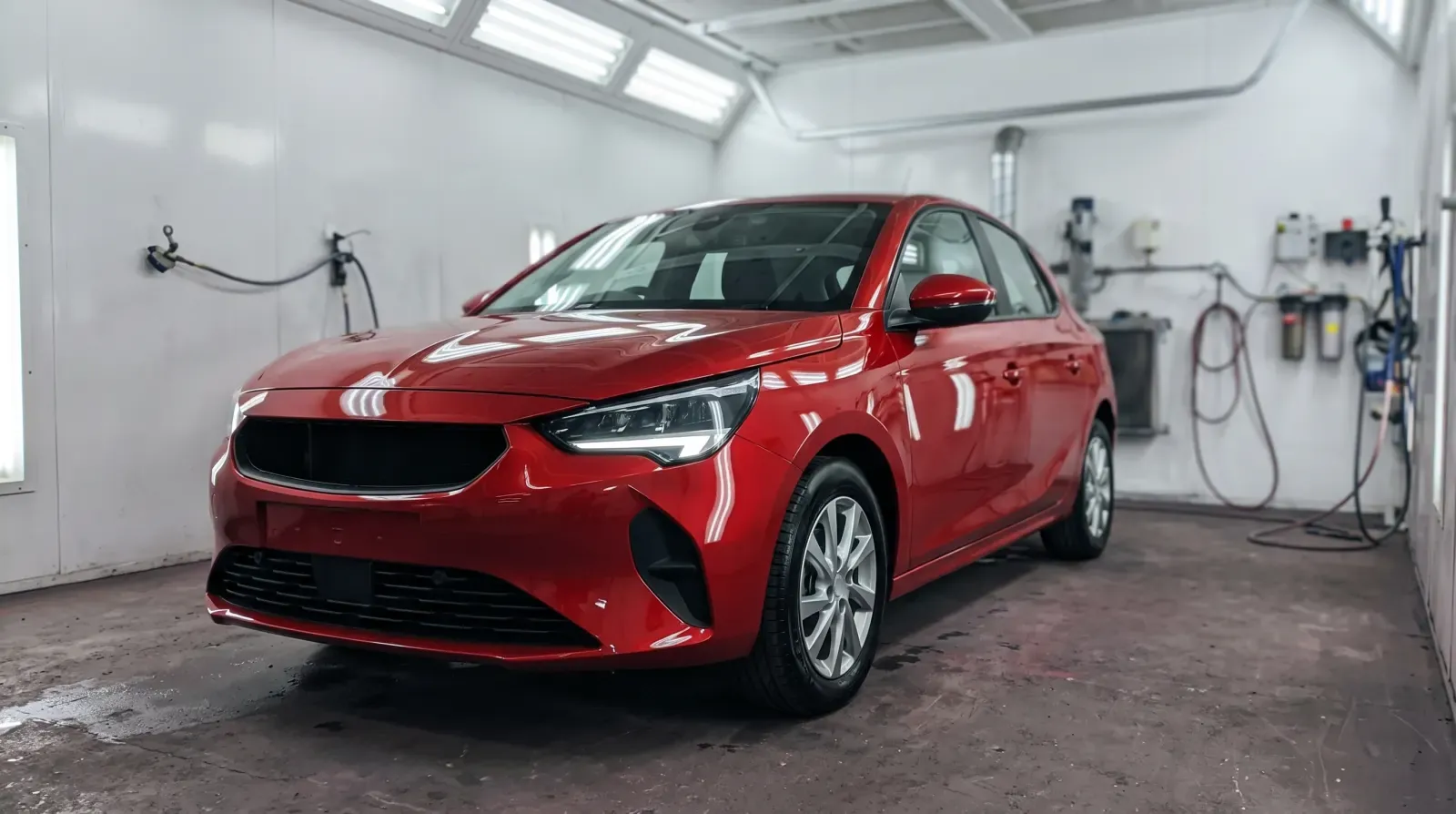
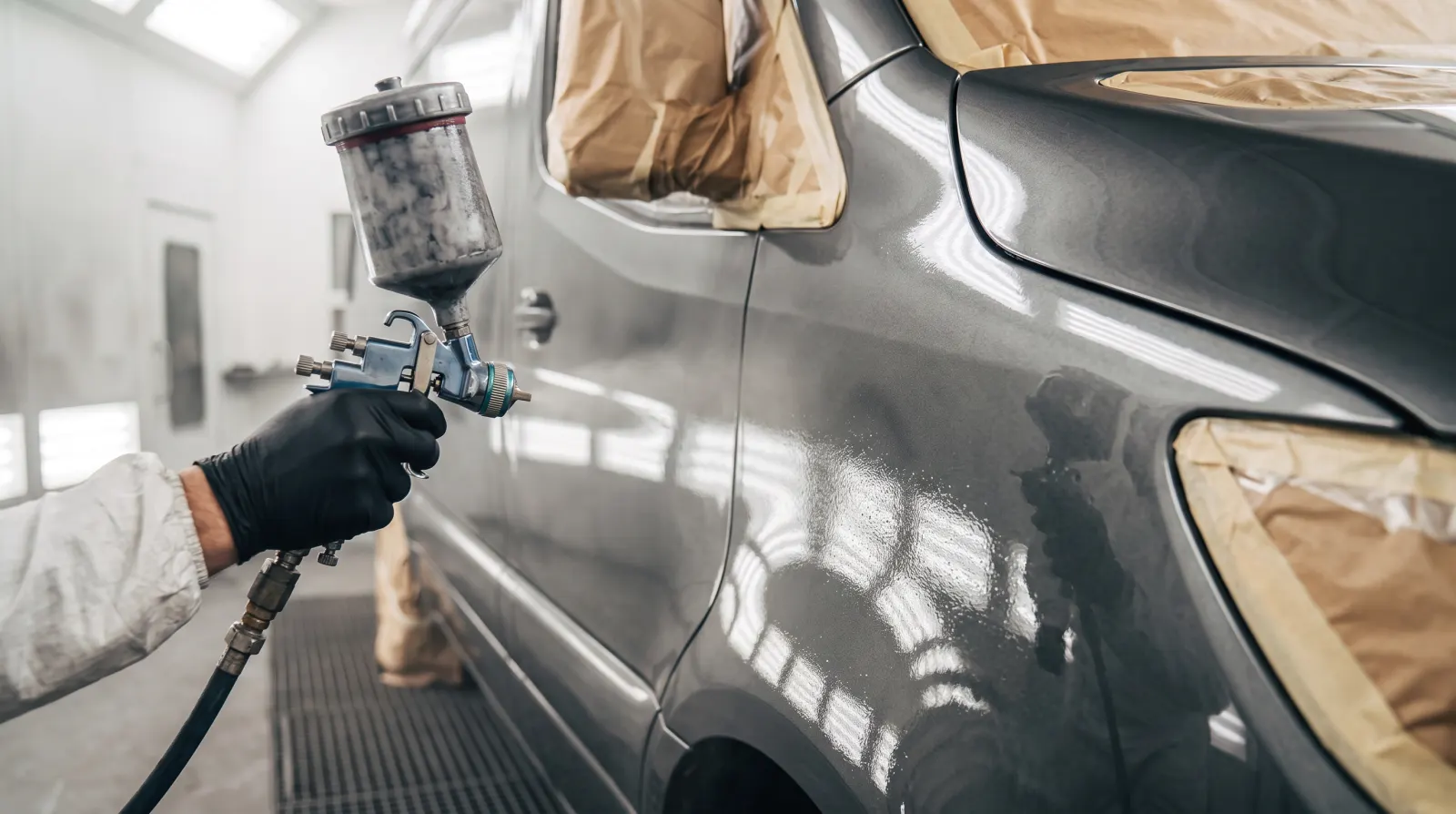
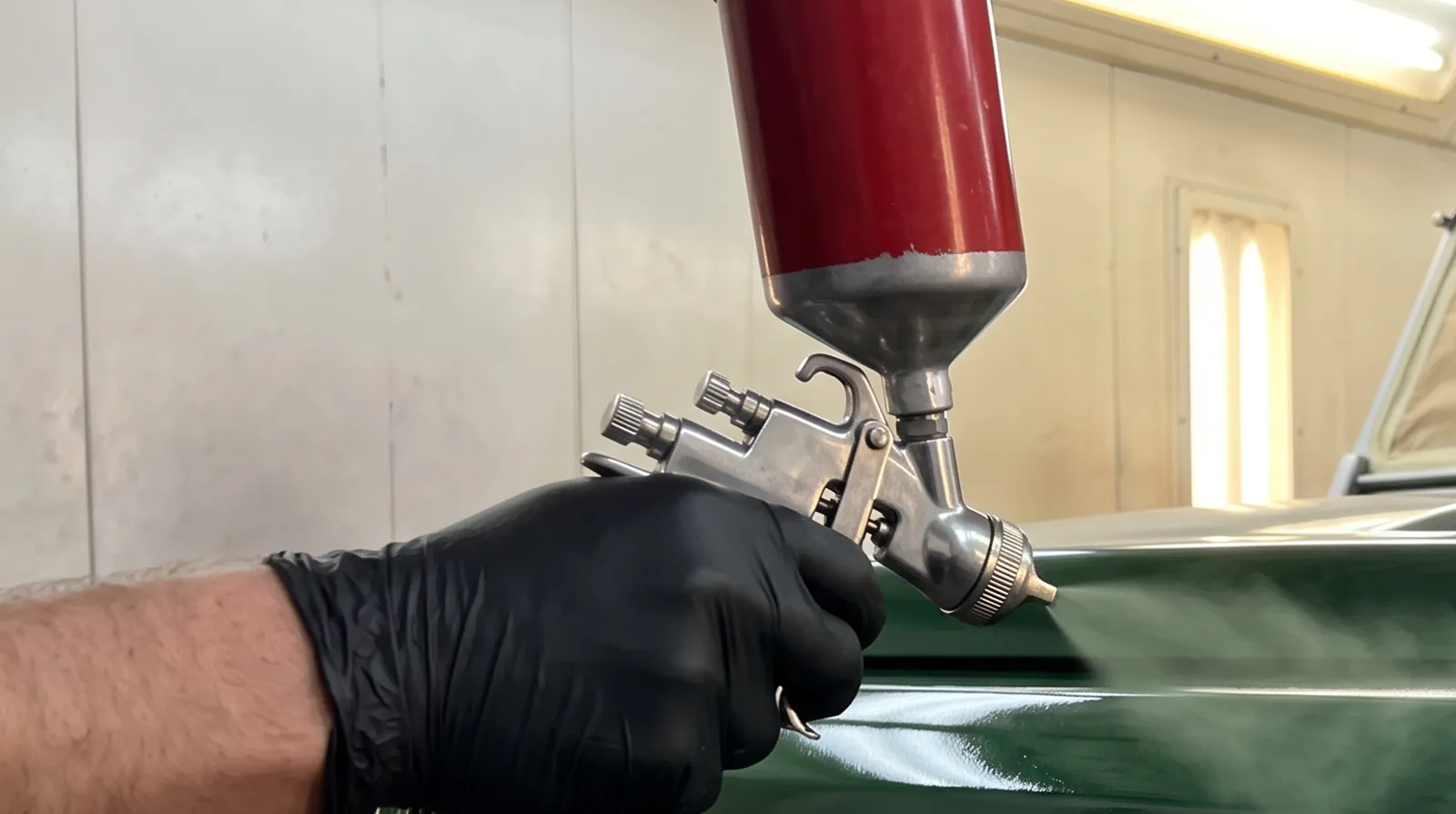
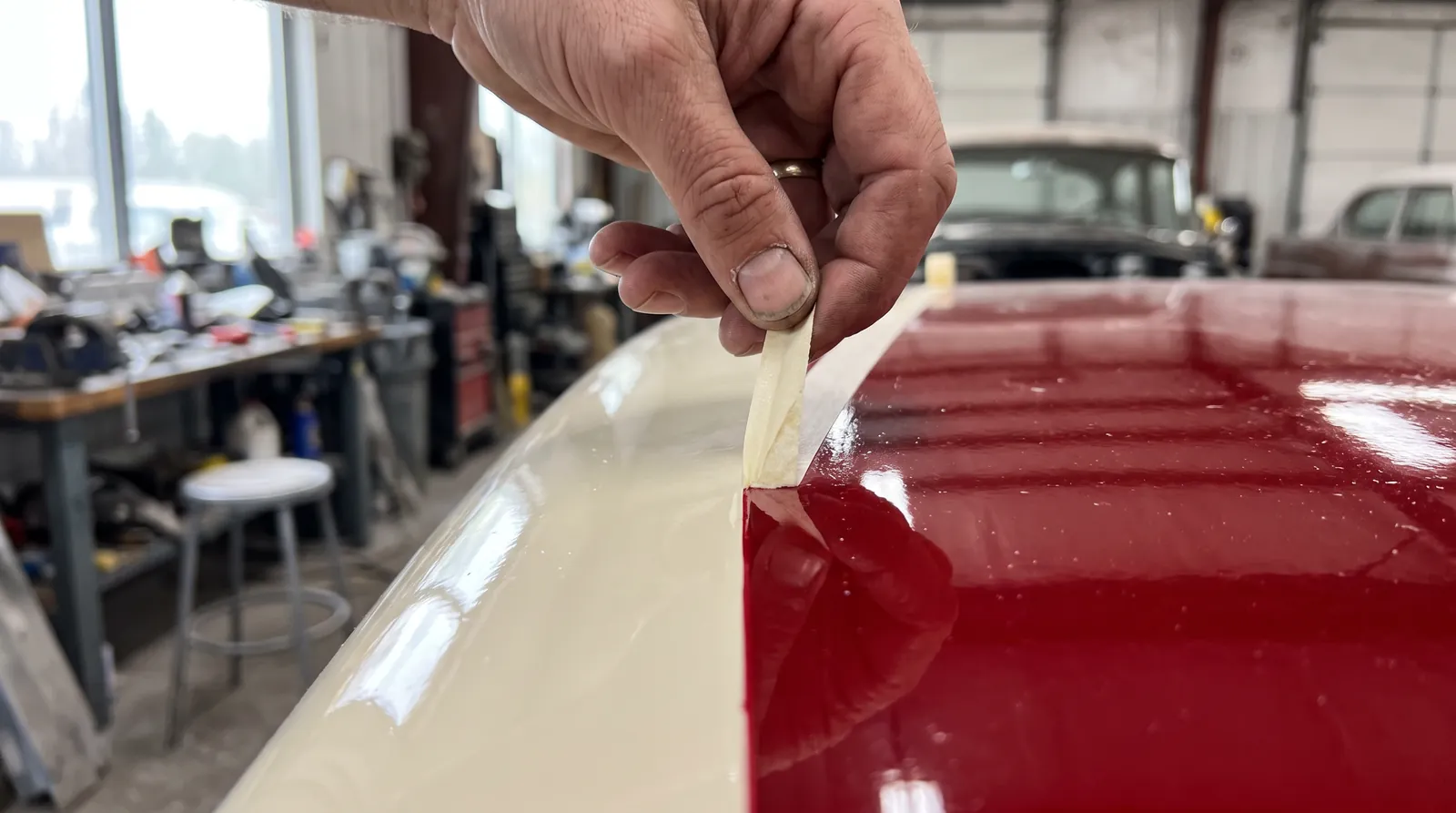
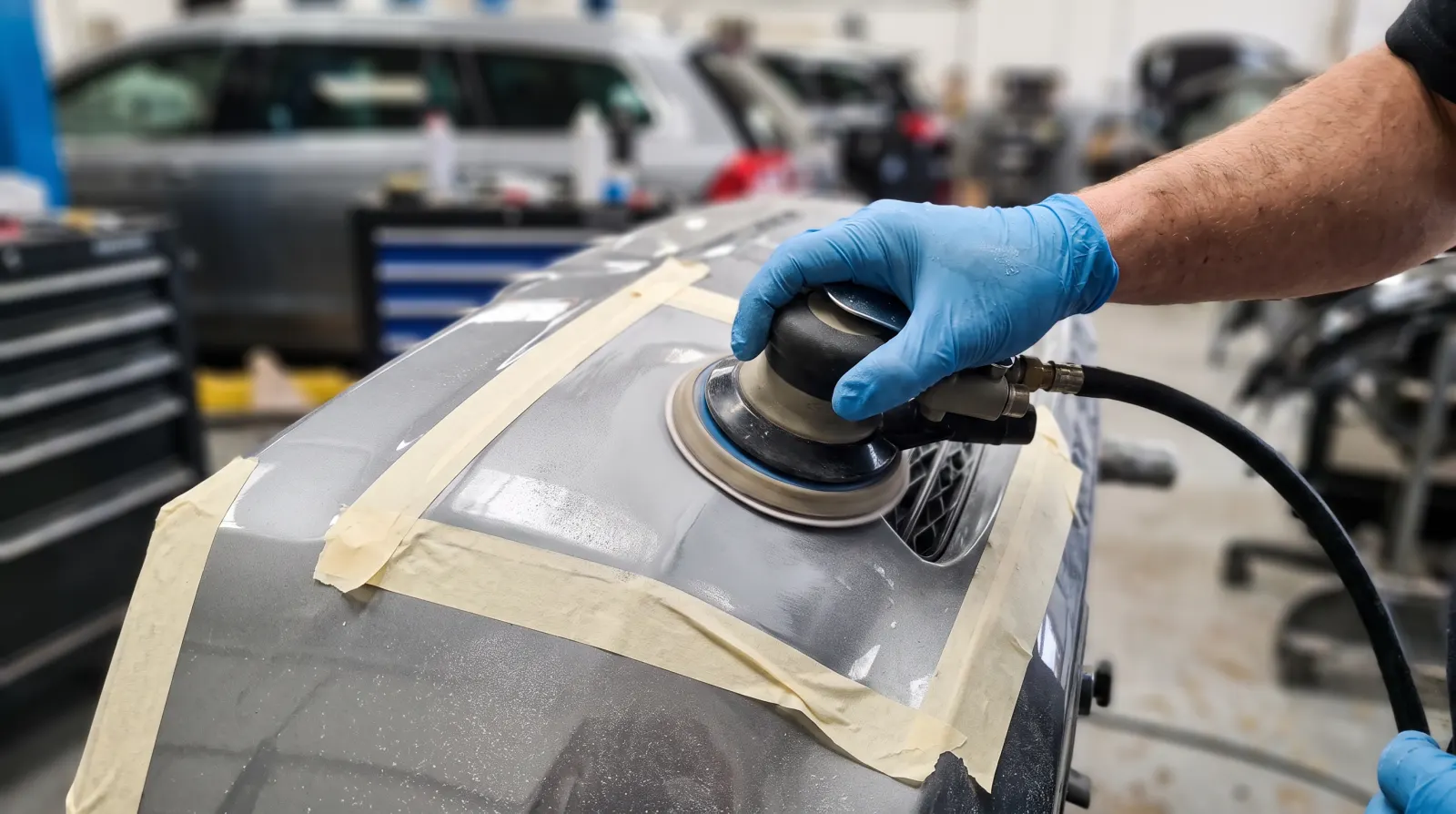
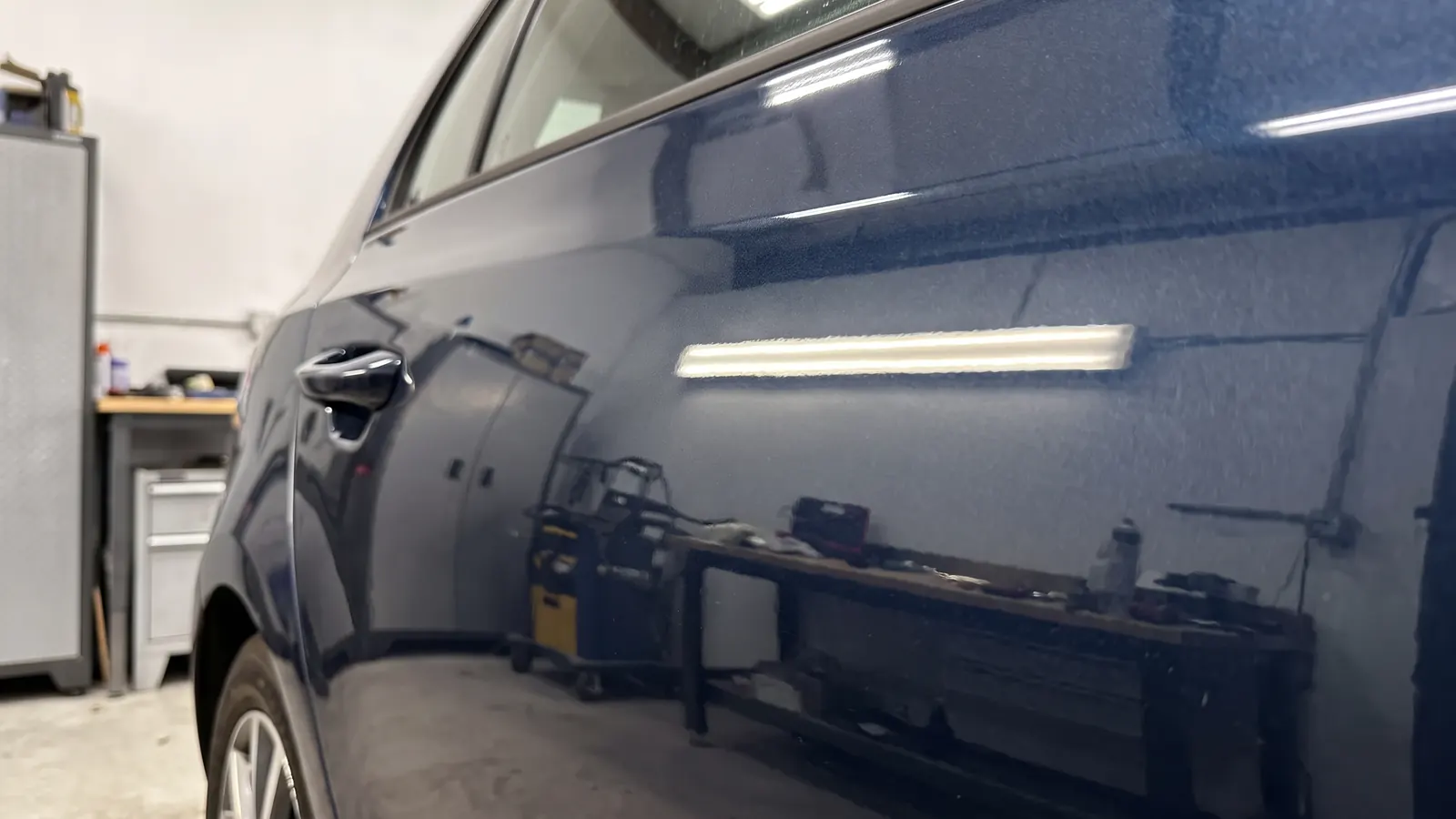
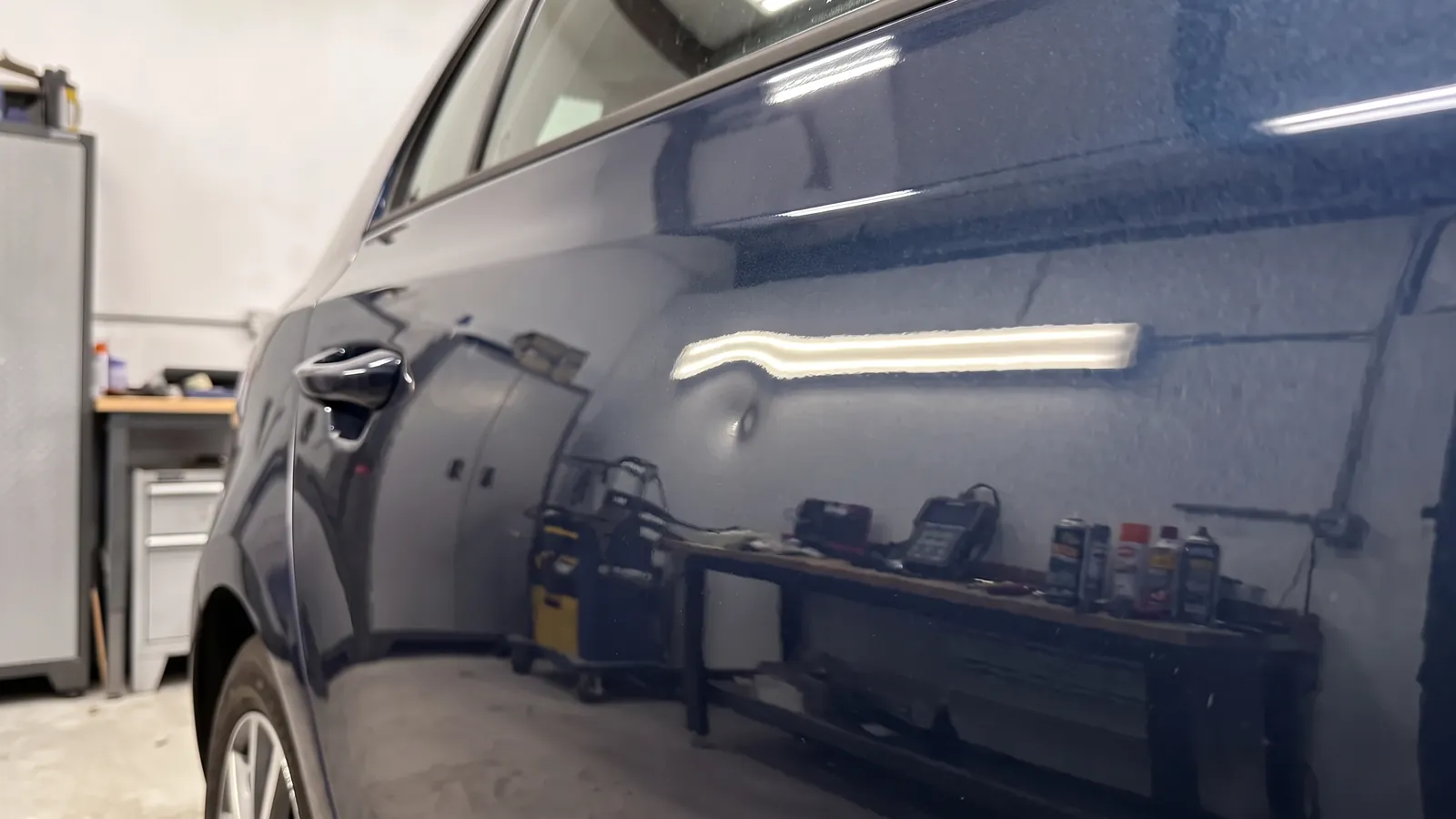
Why is a single panel blended into the next panel?
Because a colour mixed exactly to the paint code can still look different beside paint that has been on the car for years. PPG, one of the big paint makers, lists fading from weathering and the wrong variant of a colour among the causes of a poor colour match, and says it shows most on panels that sit next to each other.
Blending is the answer. The new colour is faded out across part of the neighbouring panel, so your eye sees a gradual change instead of an edge. Then lacquer goes over the top. PPG's own basecoat blending procedure allows a blend area on the adjacent panels, and a wider one for three-coat colours, which have a pearl or tinted coat between the colour and the lacquer.
So a single panel respray often means paint on part of two or three panels. That's worth knowing when the quote comes in.
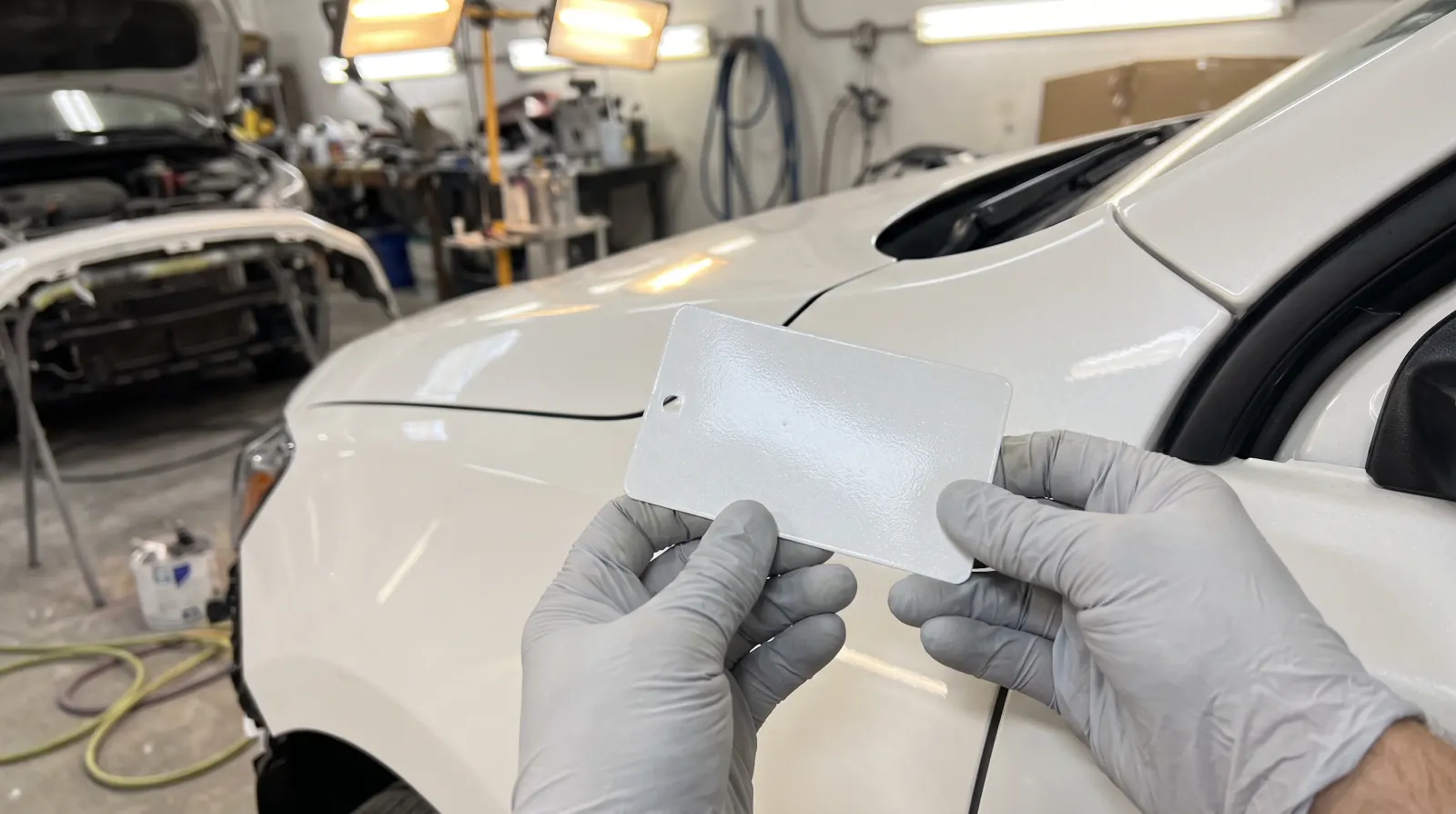
Will a single panel respray match the rest of the car?
It should, when it's matched and blended properly. The colour is mixed to the car's paint code, which is usually on a label in a door shut, under the bonnet or in the boot. Then it's checked against the car itself before it goes on.
What blending can't do is make faded paint look new. If the rest of the car has gone dull, the repaired panel will be the best looking one on it.
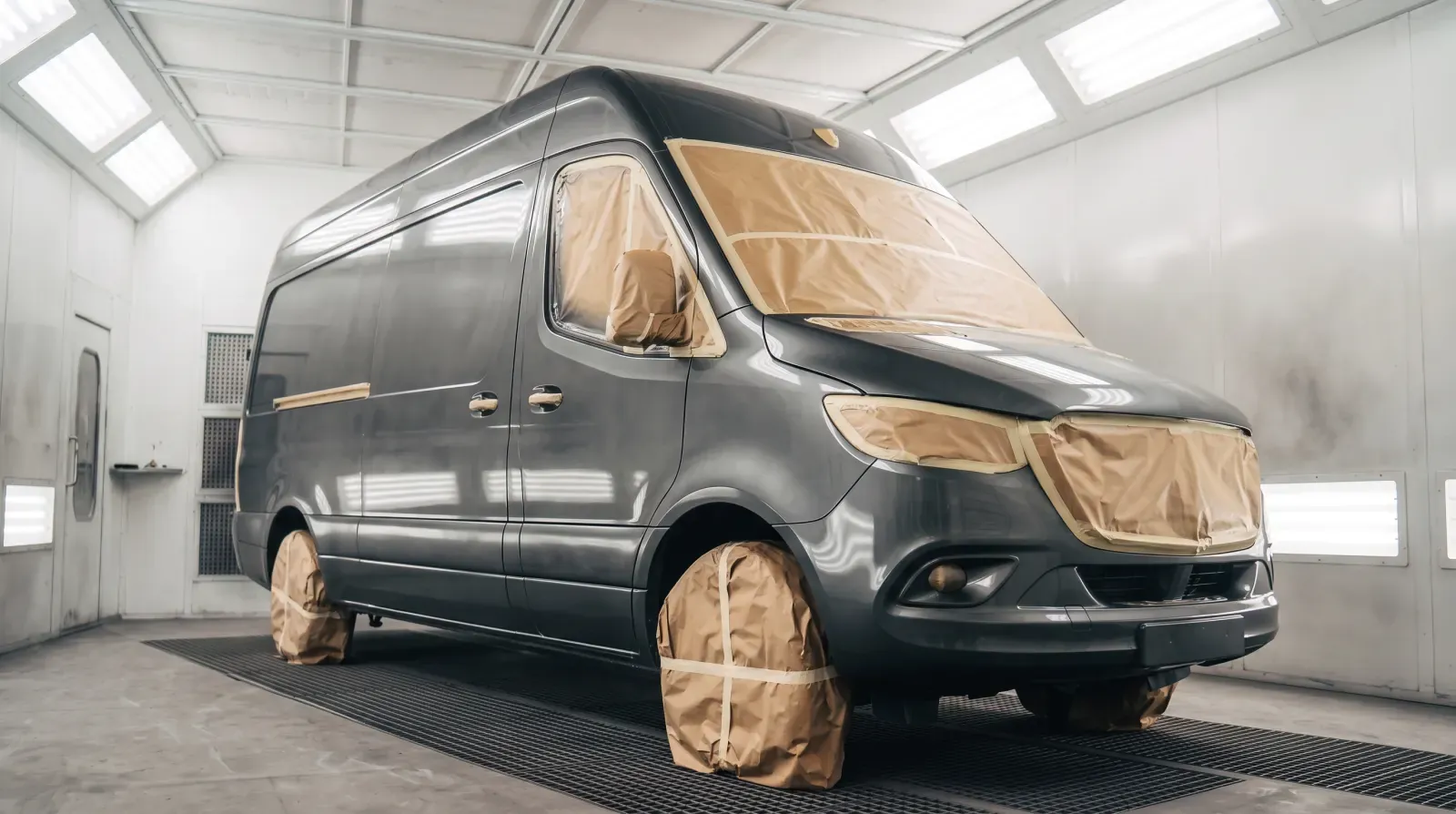
When is a full respray the better choice?
When the paint is tired across the whole car. The signs:
- The colour has faded, so a fresh panel would stand out against the rest
- Lacquer is peeling or going cloudy on more than one panel
- Several panels have old repairs in slightly different shades
- Stone chips, scratches and dents are spread round the car
- You want a different colour
Check the roof and bonnet in particular, because they take the most sun.
Changing the colour of the whole car is a full respray, and a bigger job than painting it back in its own colour. See resprays for what each involves.
How many panels before a full respray makes more sense?
There's no set number. It depends on the state of the paint round the damage as much as on how many panels are marked.
Three damaged panels on a car with good paint can still be three repairs. Two panels on a car with faded paint can look patchy however well they're done. And once several panels each need blending into the next, a lot of the car is getting paint anyway.
What moves the cost of a single panel respray?
The size of the panel, what's wrong with it, and how much blending the colour needs. A small dent on a wing is a smaller job than a creased door with rust starting at the bottom edge.
Other things that add time:
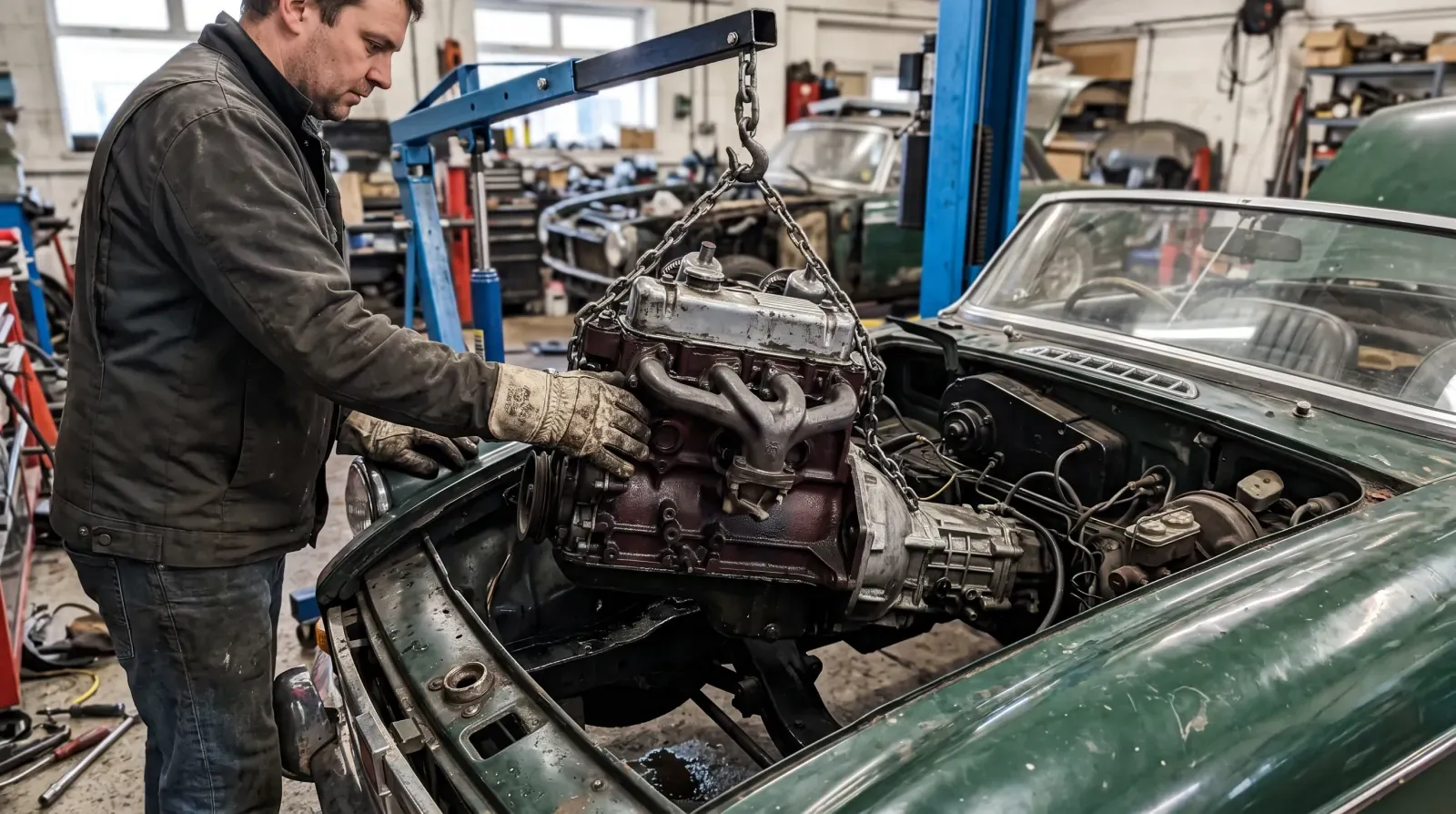
- Trim, handles, lights or mirrors that have to come off the panel
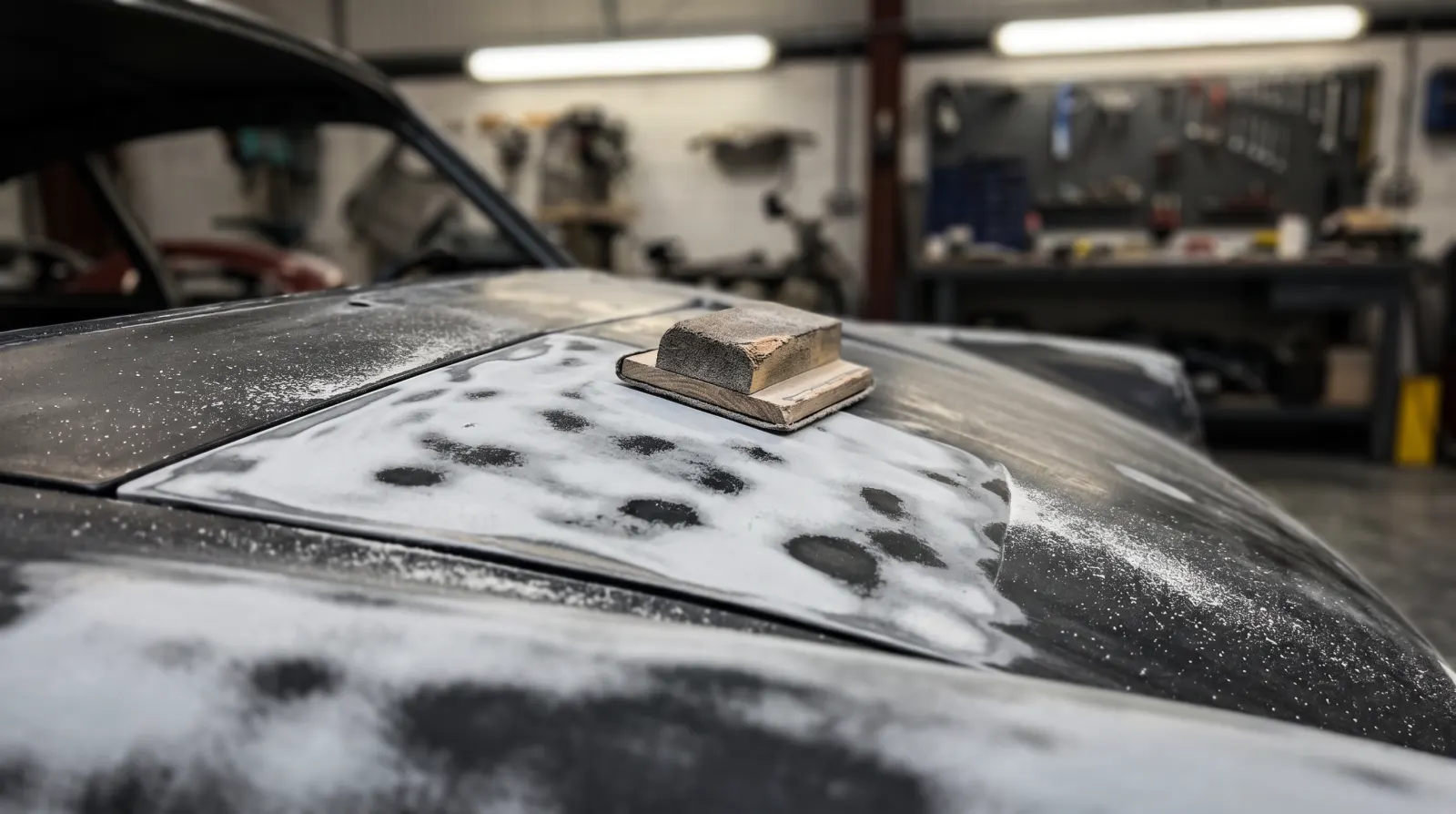
- Dents to knock out and filler to shape before primer
- Rust that has to be cut out and new metal let in
- A three-coat colour, which needs a wider blend
A plastic bumper is a panel too, and it needs its own primer so the paint grips and flexes with it. See prices for how we quote.
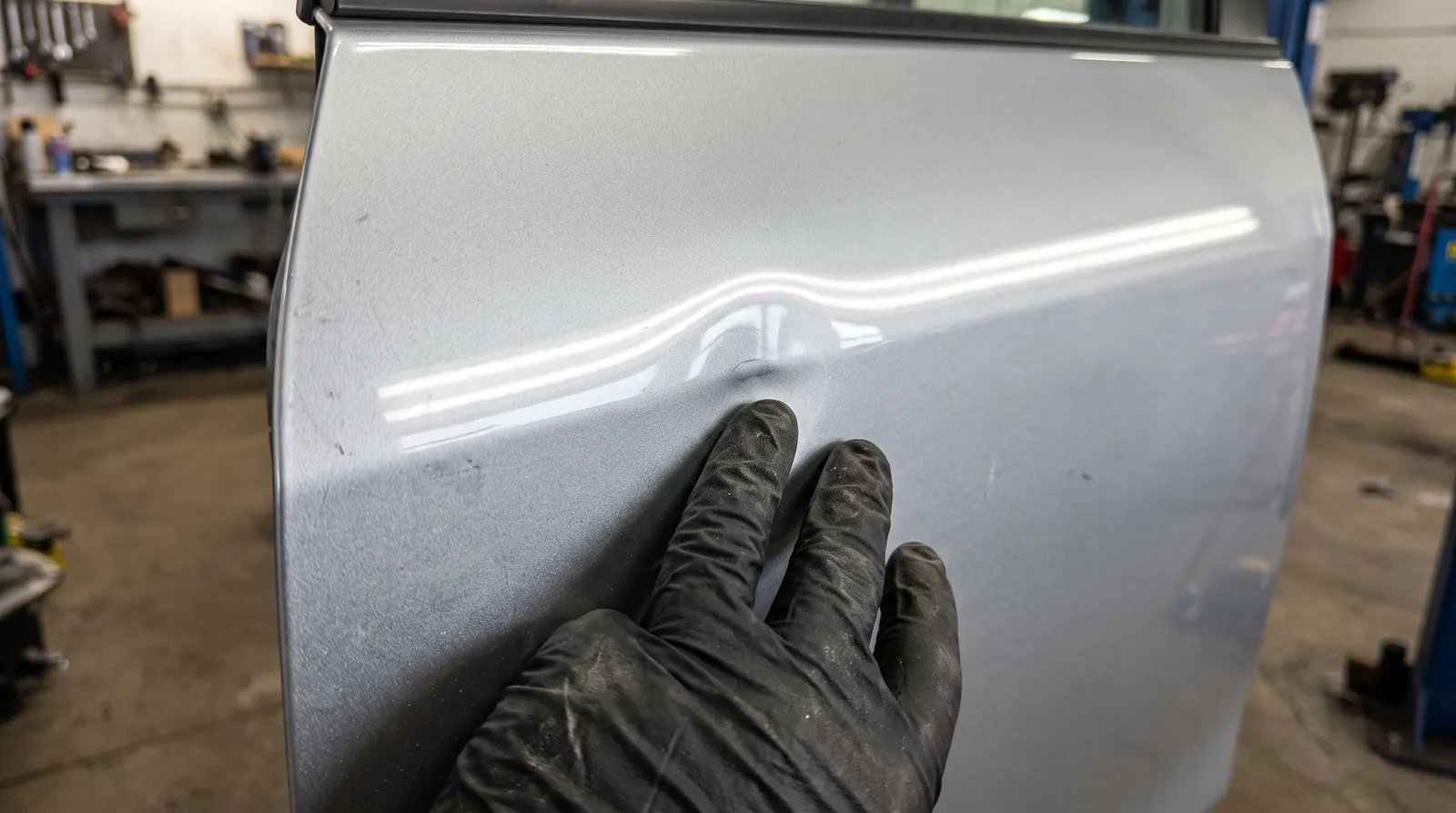
Dents to knock out
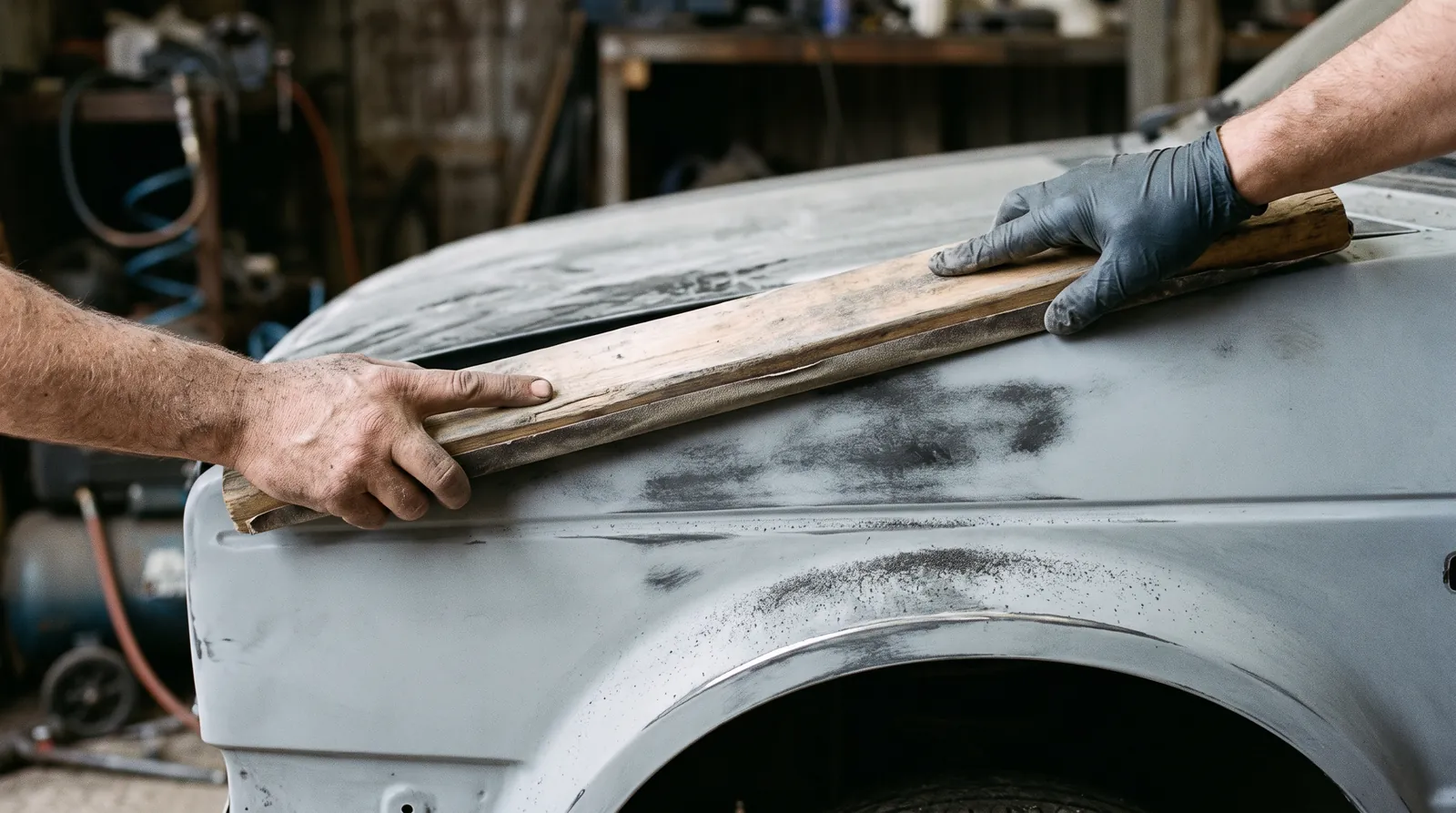
Filler to shape
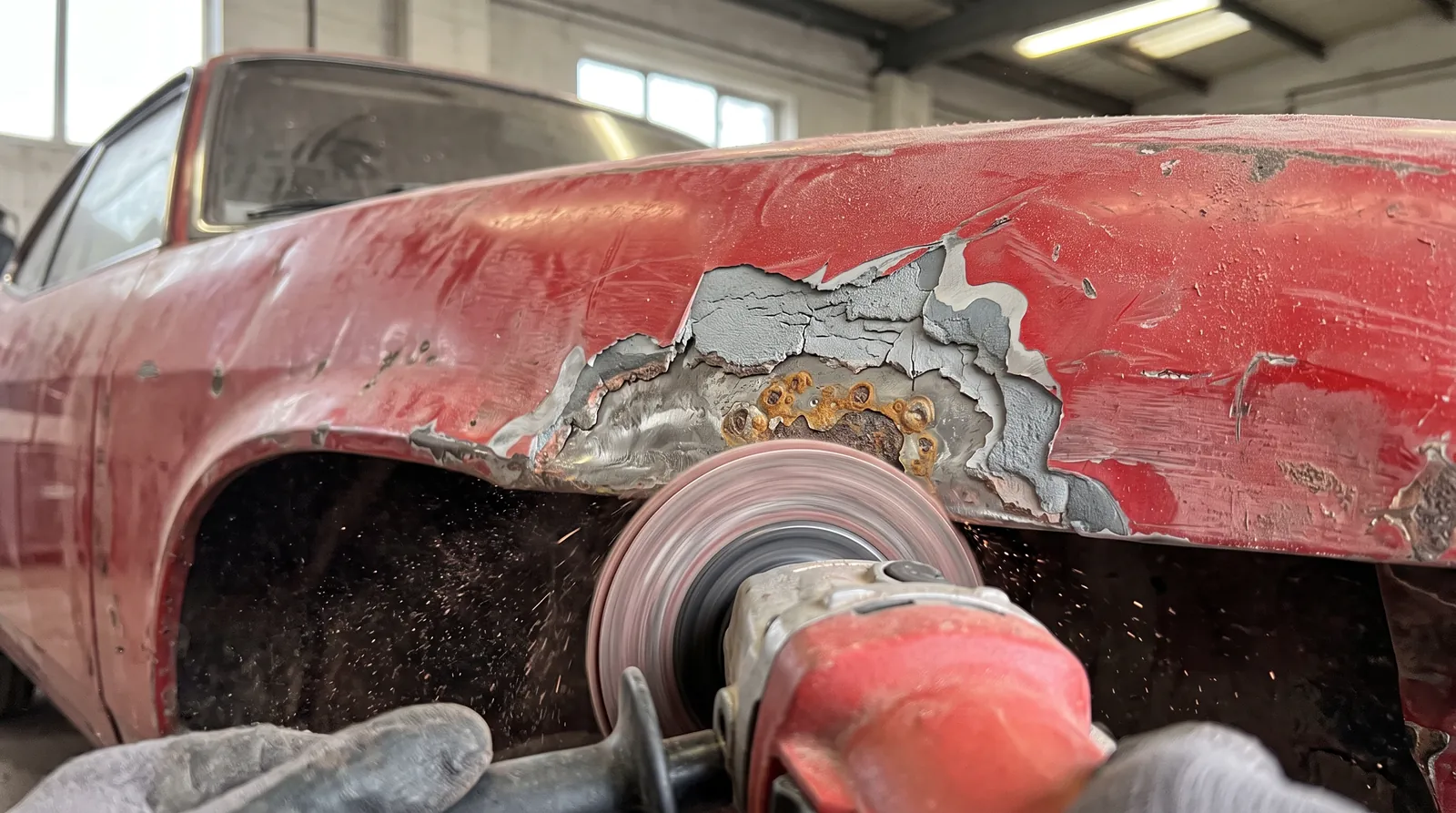
Rust cut out
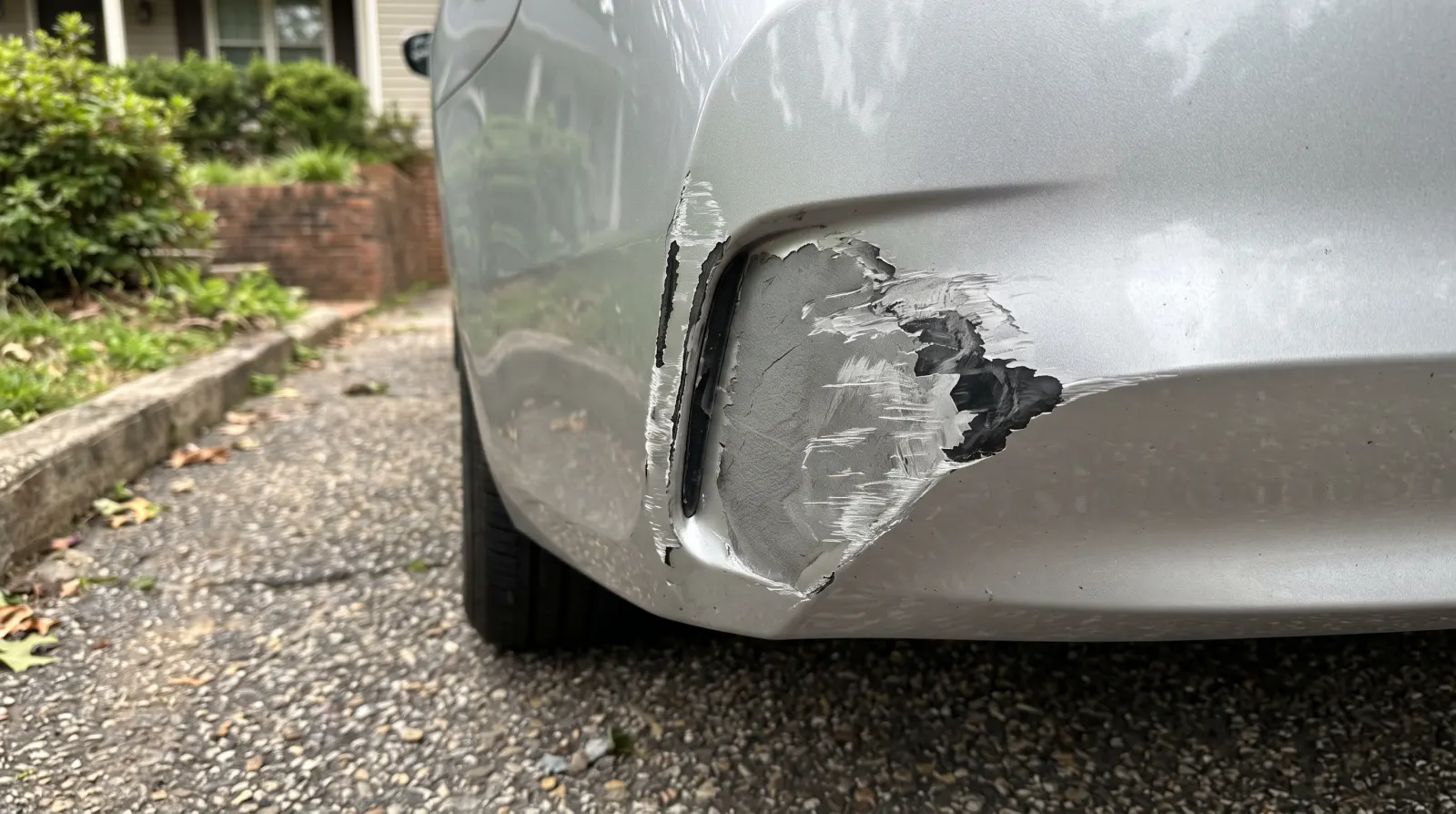
A plastic bumper
What moves the cost of a full respray?
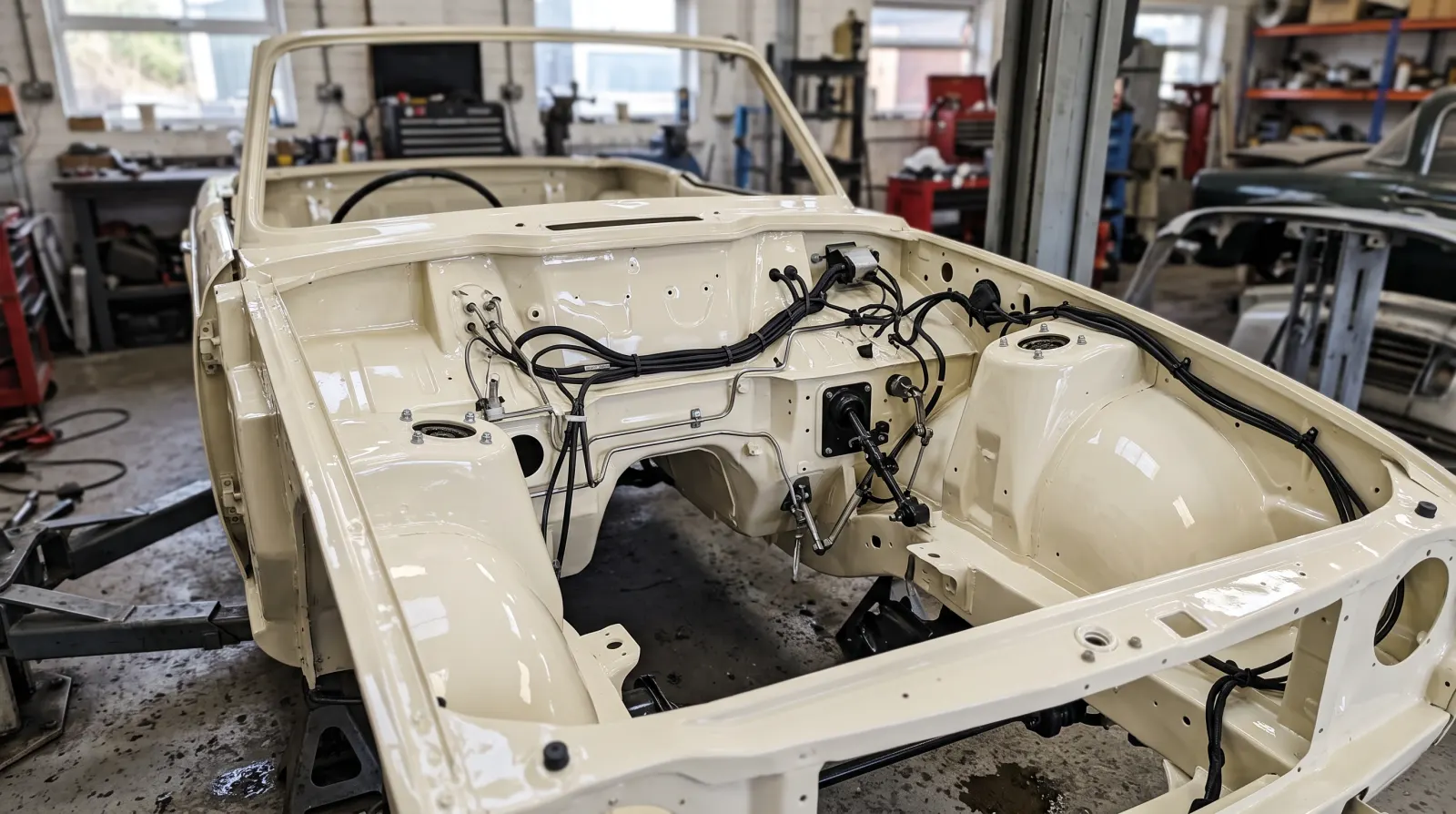
How much comes off the car, what's under the paint, the finish you want and the size of the vehicle. A full respray is the outside of the car at least, and on a colour change the door shuts, the engine bay and the inside of the bonnet and boot as well.
What's under the paint is the part nobody can price from a photo. Old filler and rust only show once the paint comes off, which is why we give a rough price from photos and confirm it once the car is here.
How long does each take?
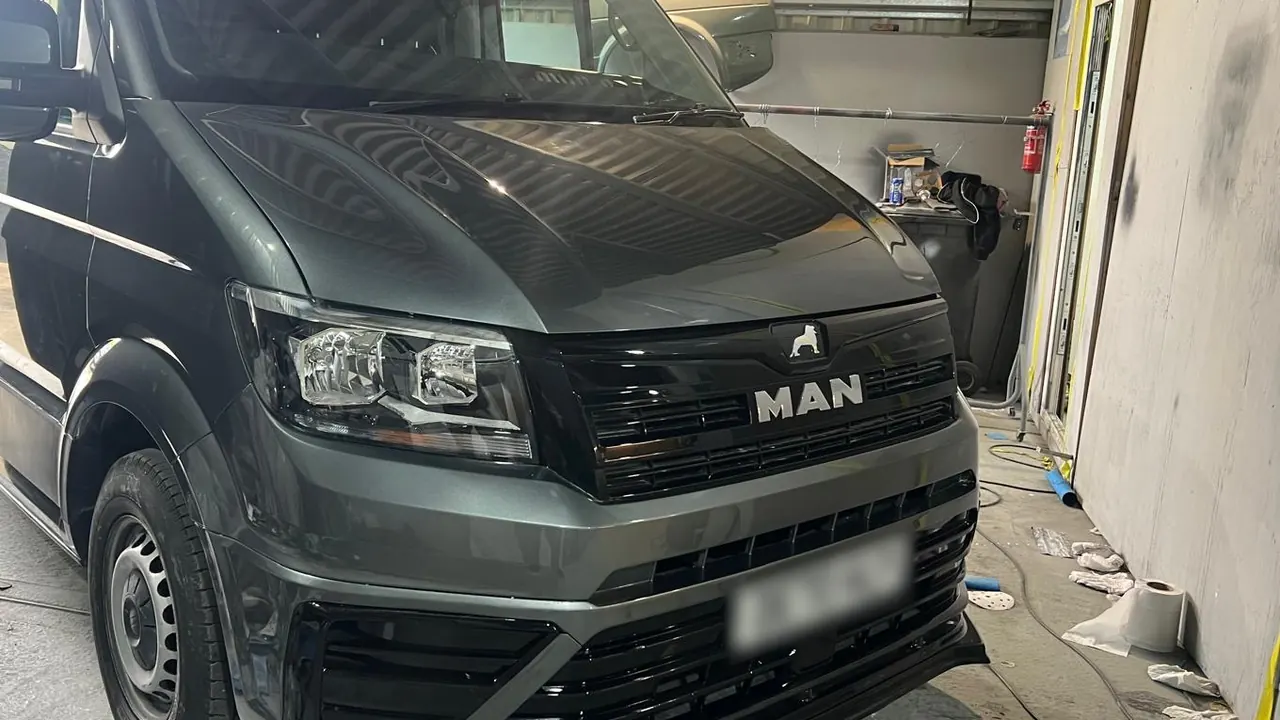
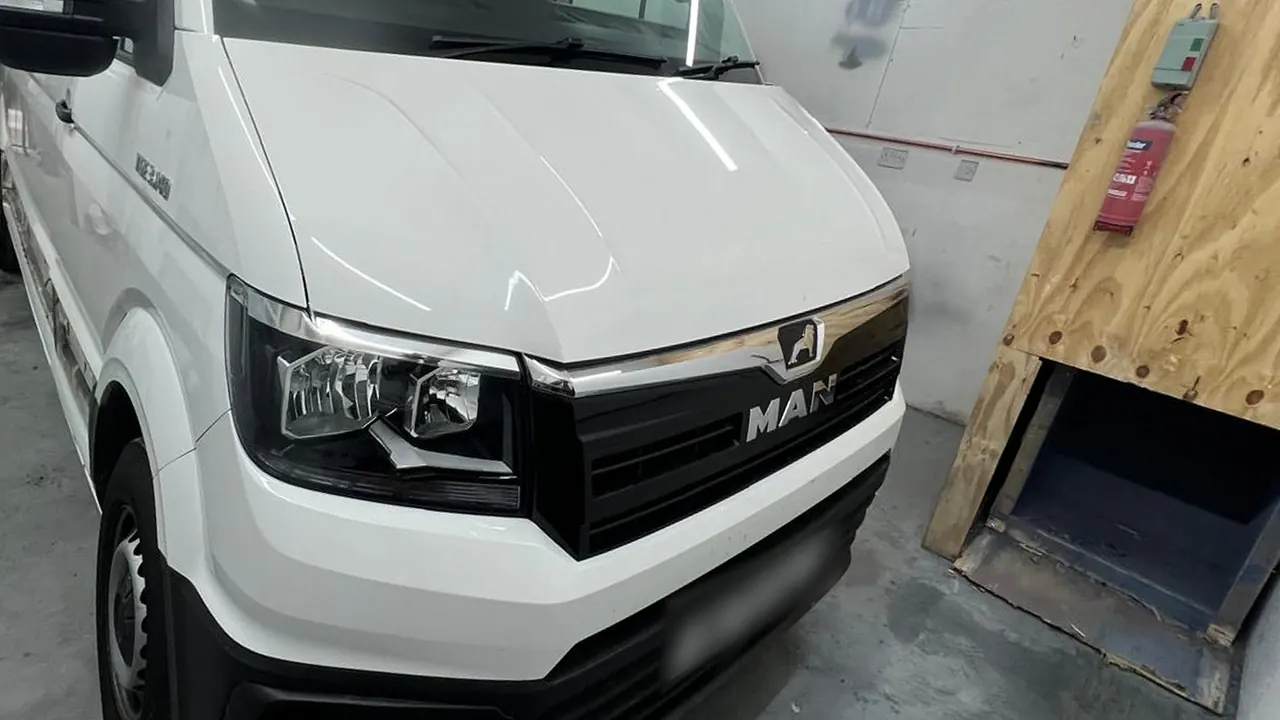
A single panel is quicker, but paint still has to cure between stages, so it isn't a while-you-wait job. A full respray takes longer, and anything found under the old paint adds time. We'll show you anything we find.
Not sure which your car needs? Send us a few photos of the damage and the whole car from the quote form.