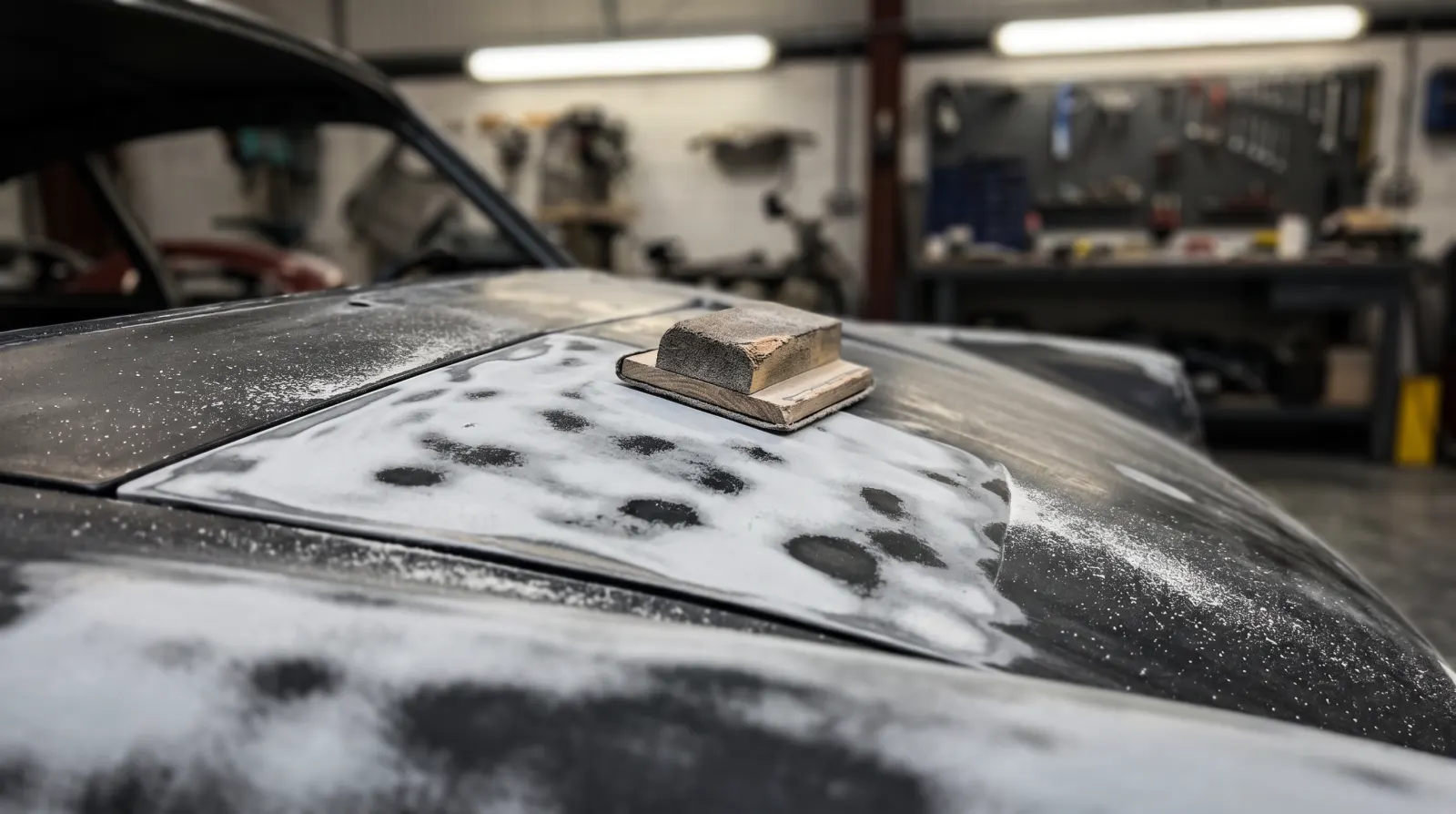
It depends on the car, and nobody can tell you properly until they've seen it. Two cars of the same model in the same colour can be very different jobs once you look past the shine. What sets the price of a respray is how much comes off the car, what's under the old paint, the finish you want and the size of the vehicle.
Here's how each one moves it, and how a quote gets built.
Why can't you give me a fixed price over the phone?
Because nobody knows what's under the paint until it comes off. A car can look sound in photos and turn out to have old filler in a wing, rust starting under a seal or several layers of paint from past resprays. Any of those adds hours before the colour can go on.
A price over the phone has to guess at all of that. Either it's padded to cover the worst, or it's low and goes up later. We'd rather give you a rough price from photos and confirm it once the car is here and stripped.
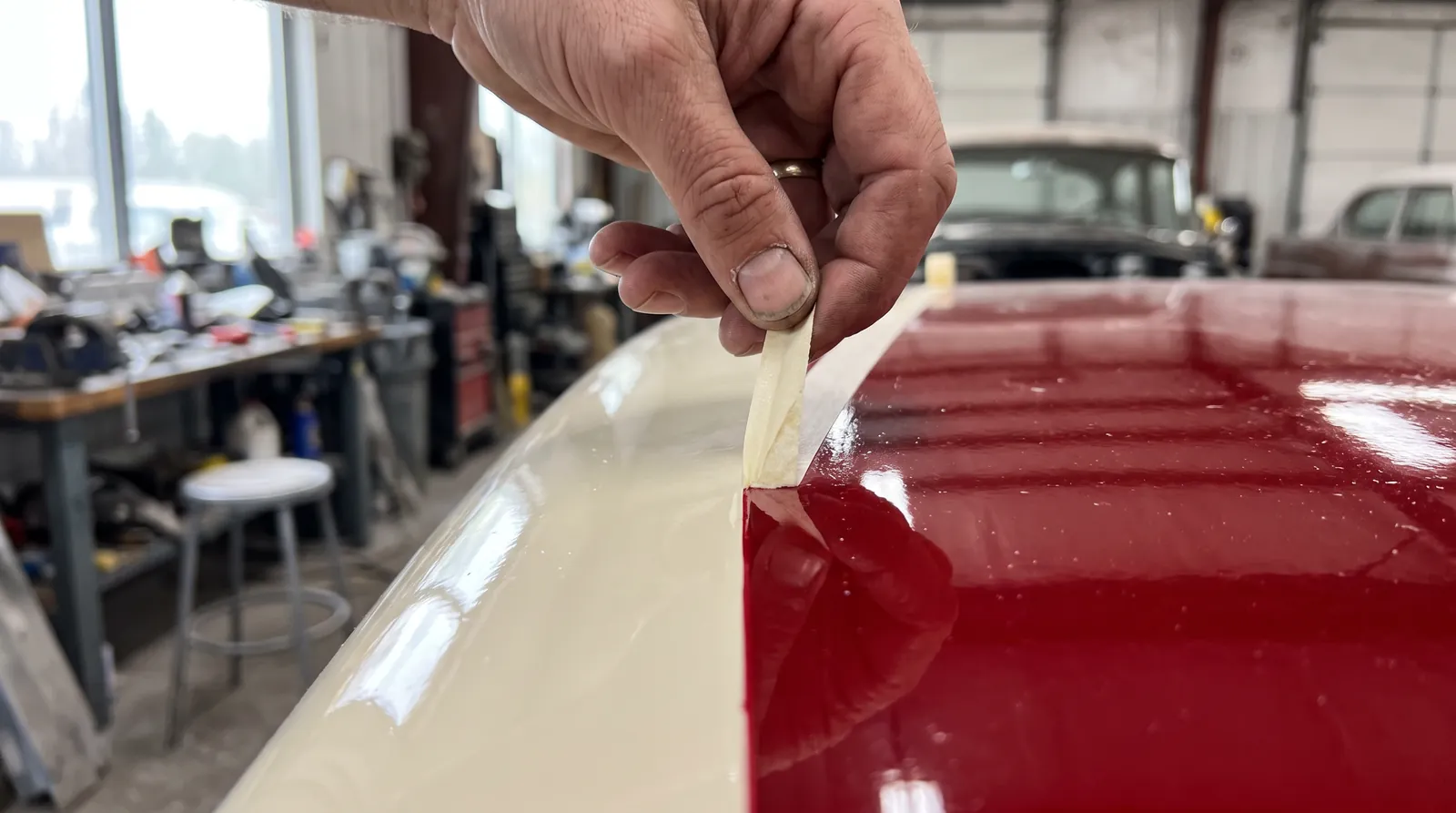
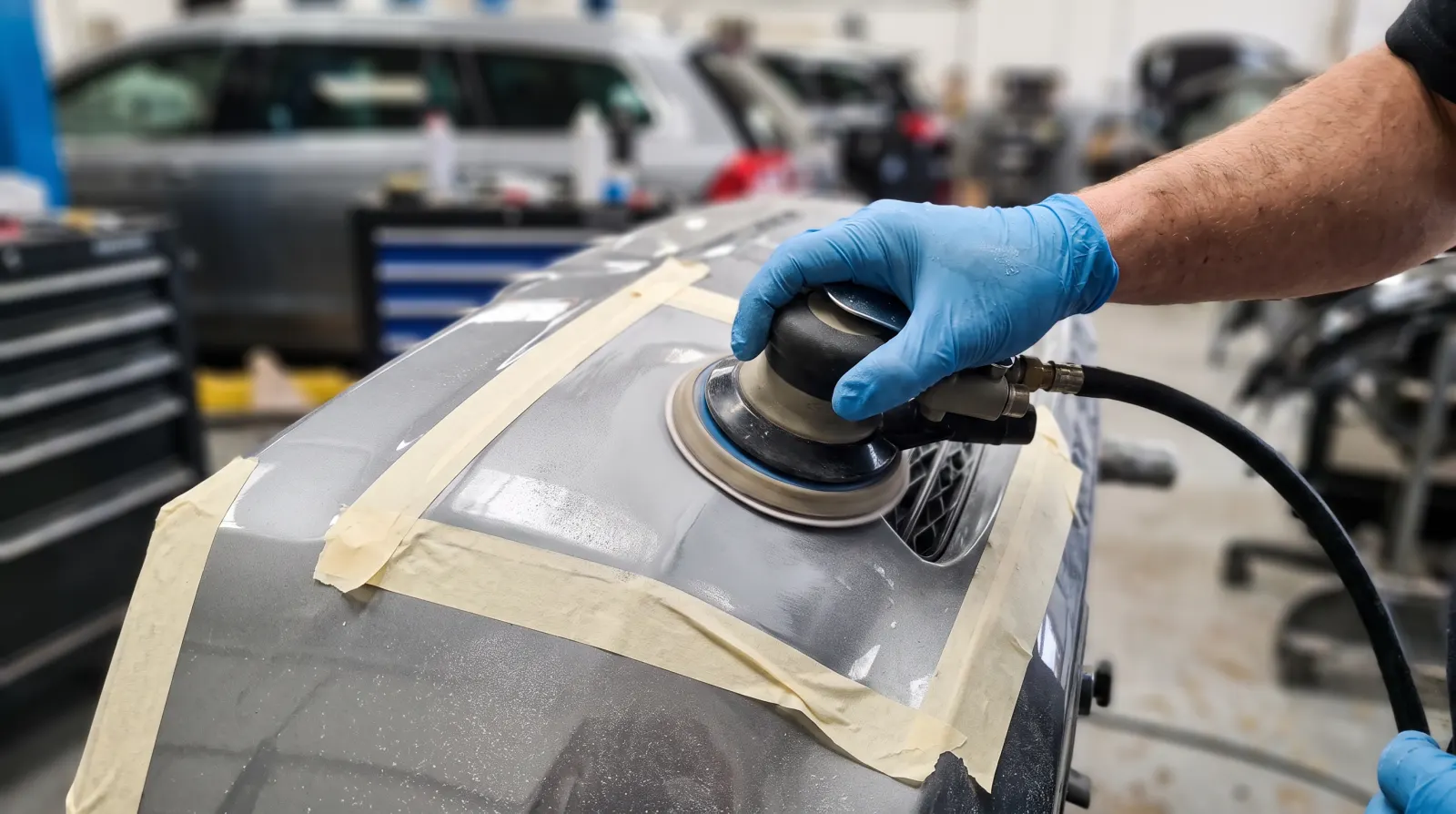
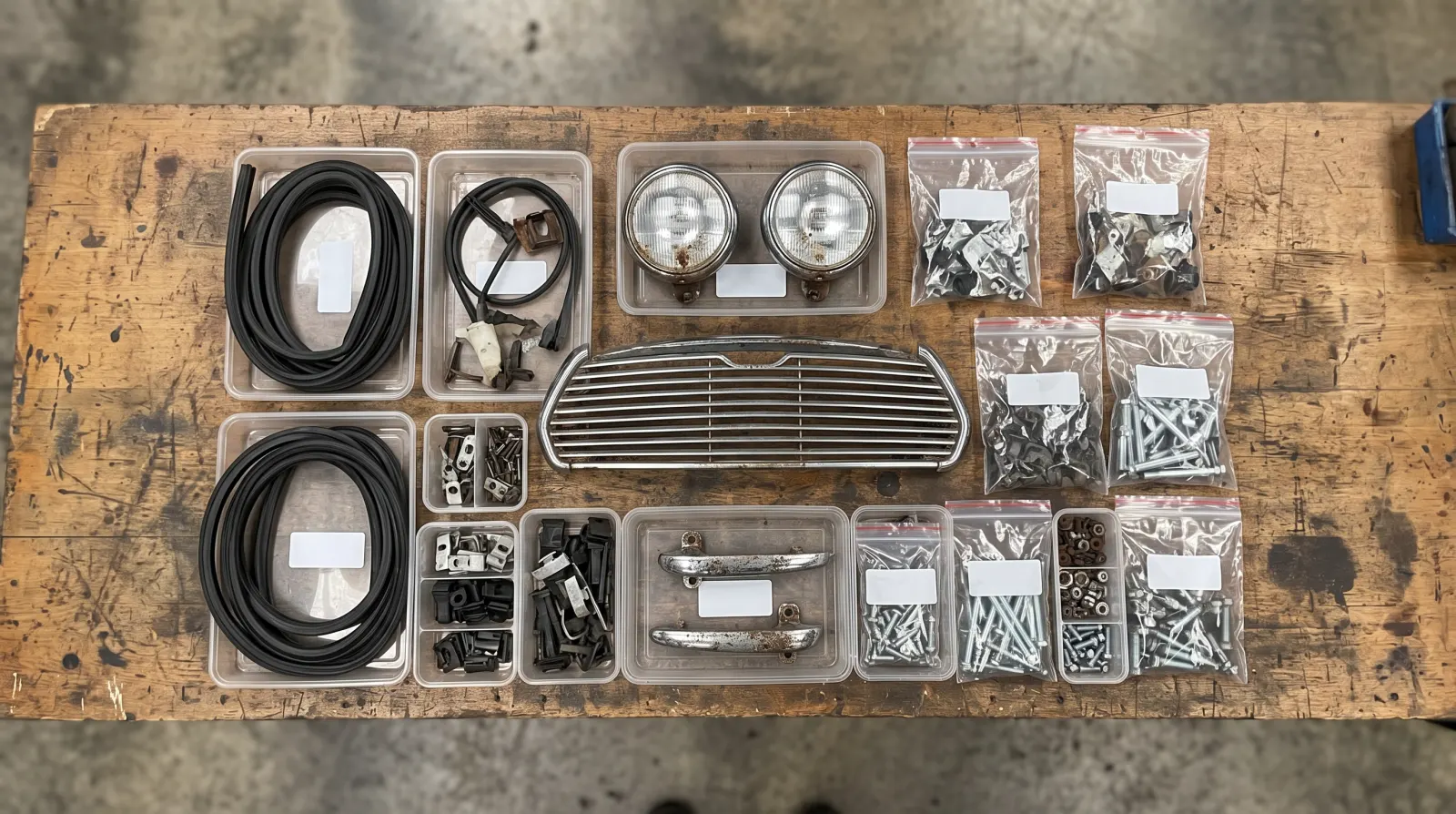
How much does it matter what comes off the car?
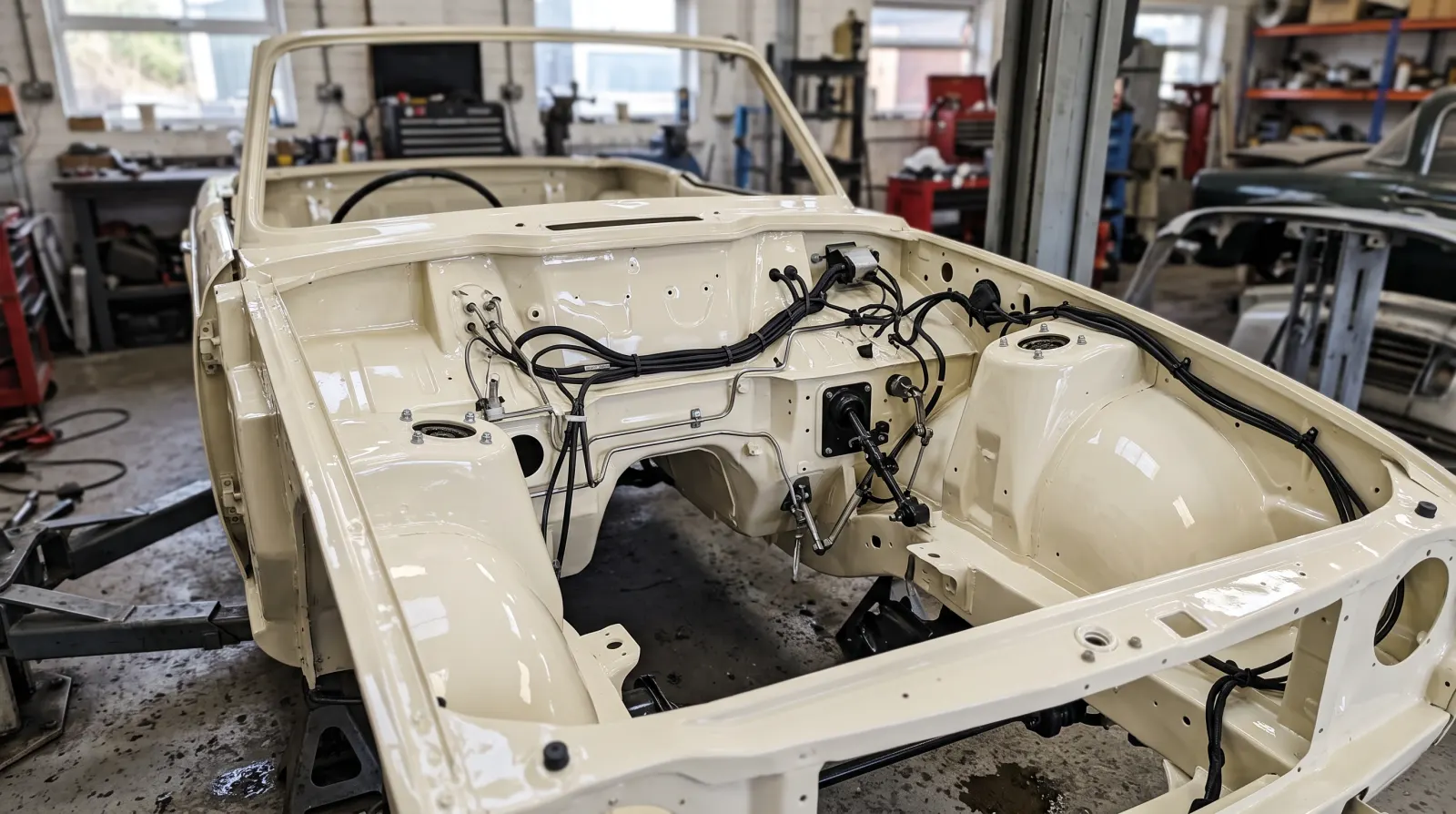
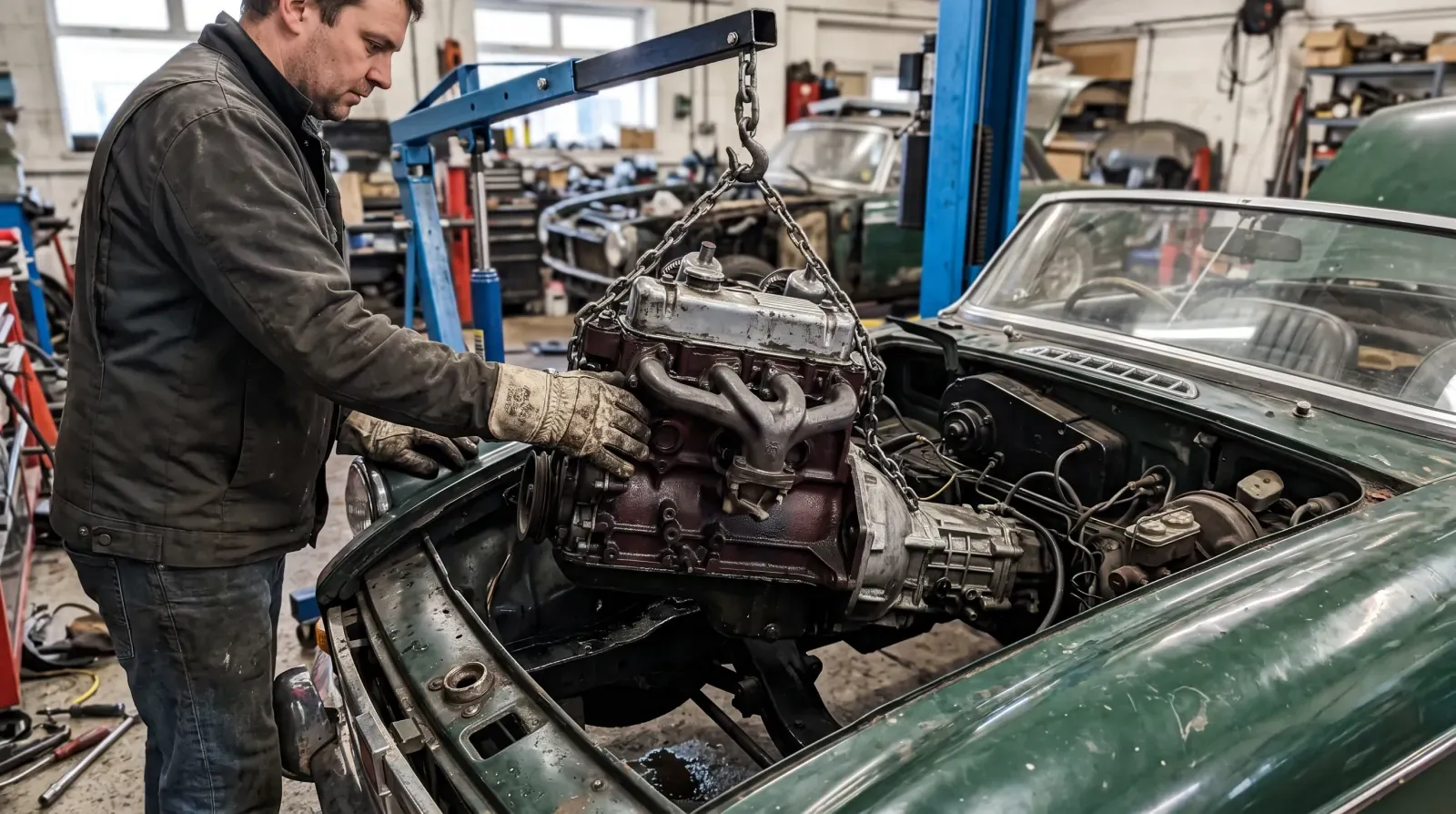
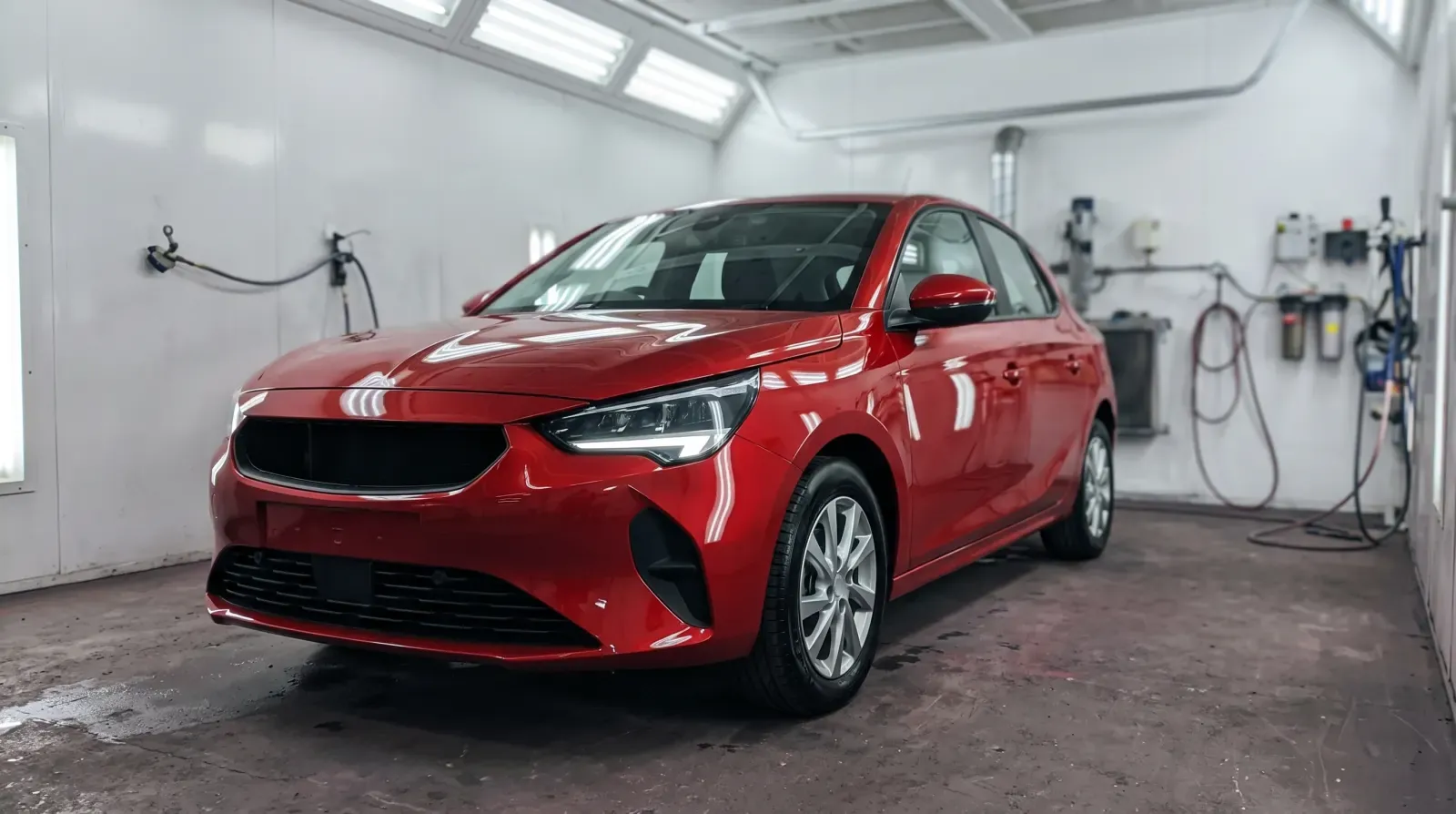
A lot. Masking a part is quicker than taking it off, but the paint stops at the edge of the tape, and that edge can show. Taking off the lights, badges, handles, trim and seals lets the paint go right round every edge and under where the seals sit. Each part is then bagged, labelled and refitted, and that all takes time.
A colour change takes the most off. The door shuts, the engine bay and the inside of the bonnet and boot change colour too, so far more of the car is prepped and painted than on a same colour respray. See resprays for what each involves.
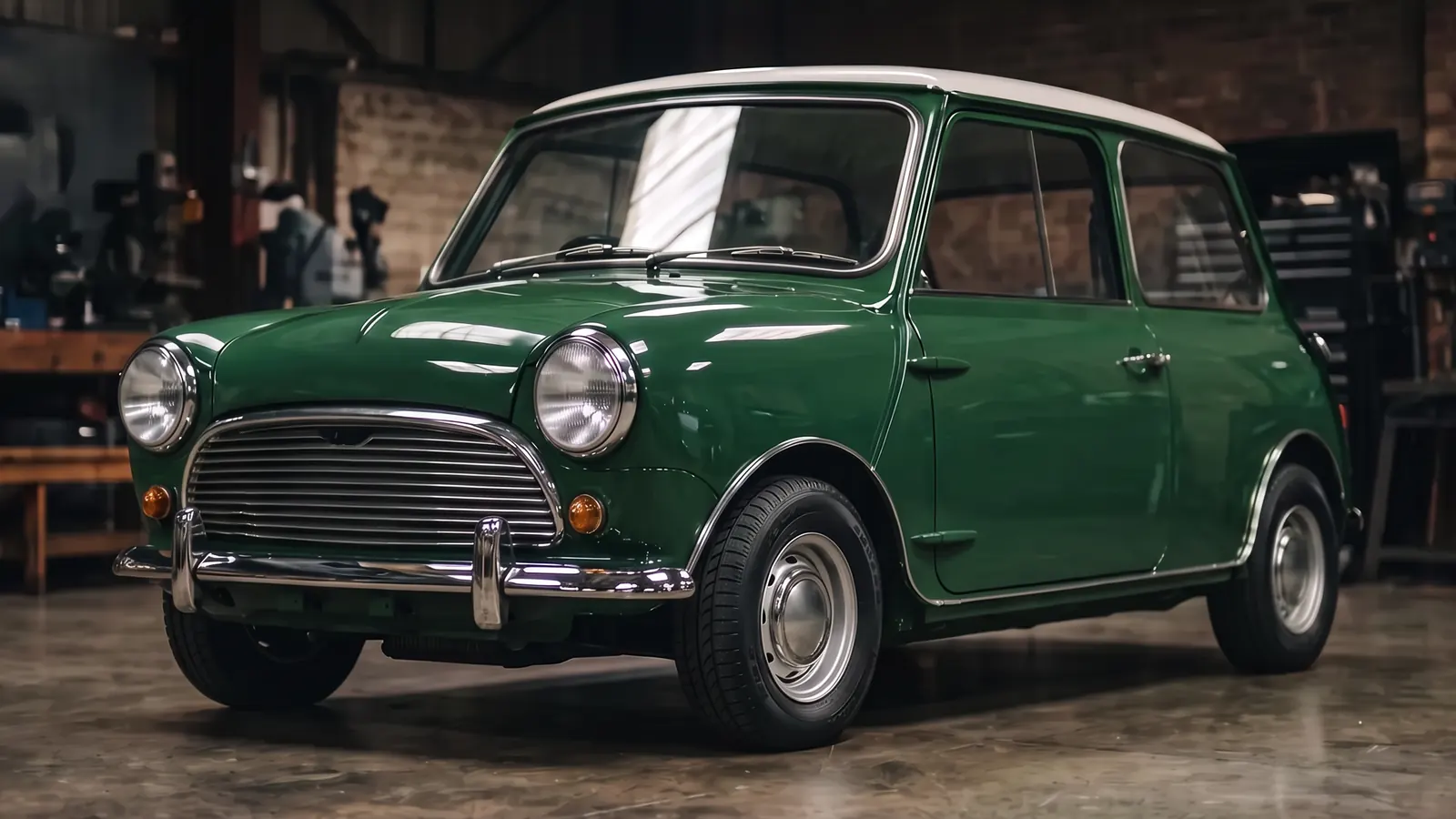
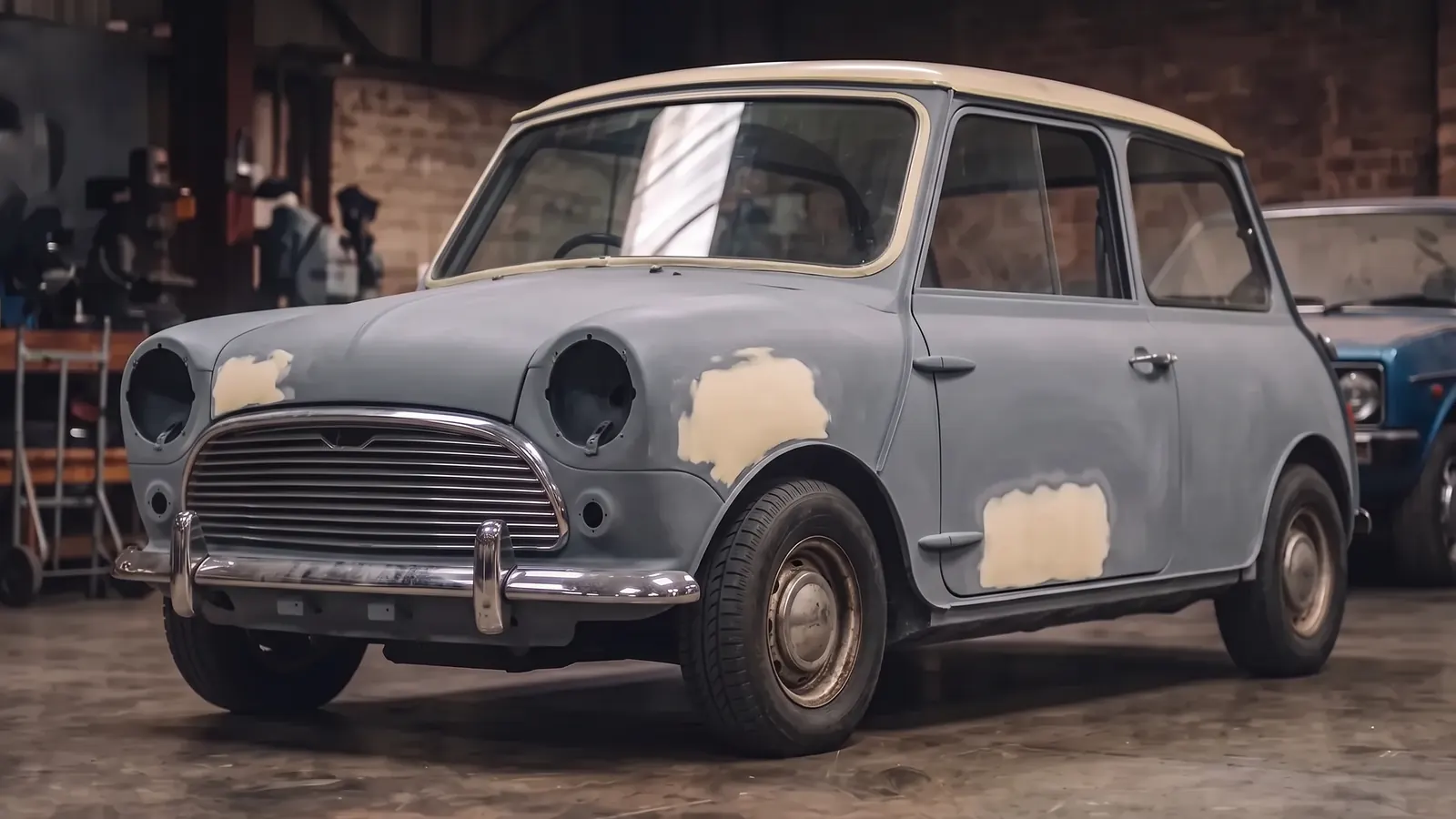
Why does what's under the paint change the price?
Because rust, dents and old repairs have to be put right before the colour goes on. Paint over them won't hide them for long.
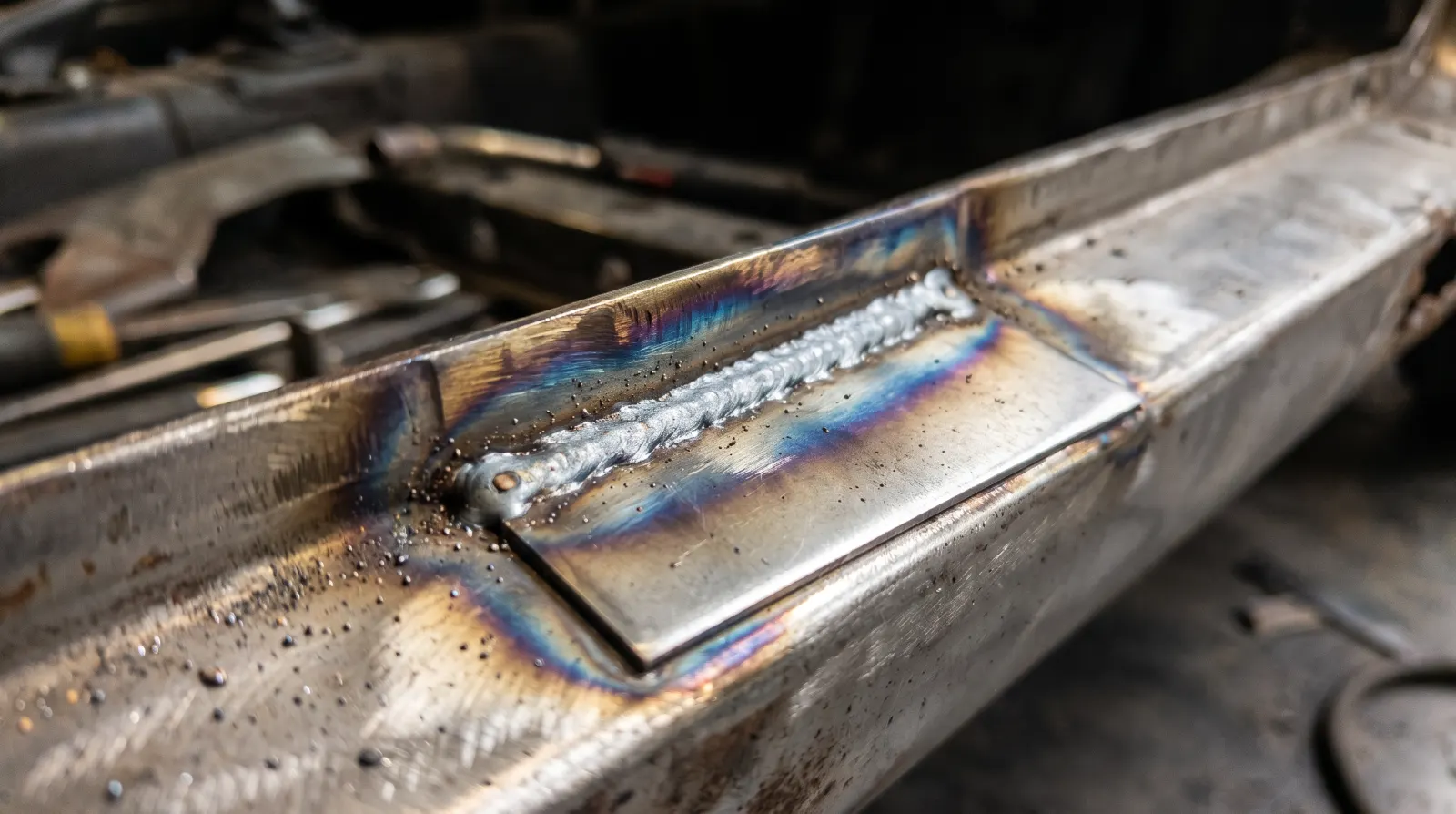
- Rust is cut back to clean metal, and new steel is welded in where it has gone through.
- Old filler that has cracked or been laid on too thick comes out, and the panel is shaped again.
- Paint that is cracking, crazing or lifting can't be painted over, so it goes back to bare metal.
- Dents are knocked out before any filler goes on.
This is the part no photo shows.
Does the finish change the price?
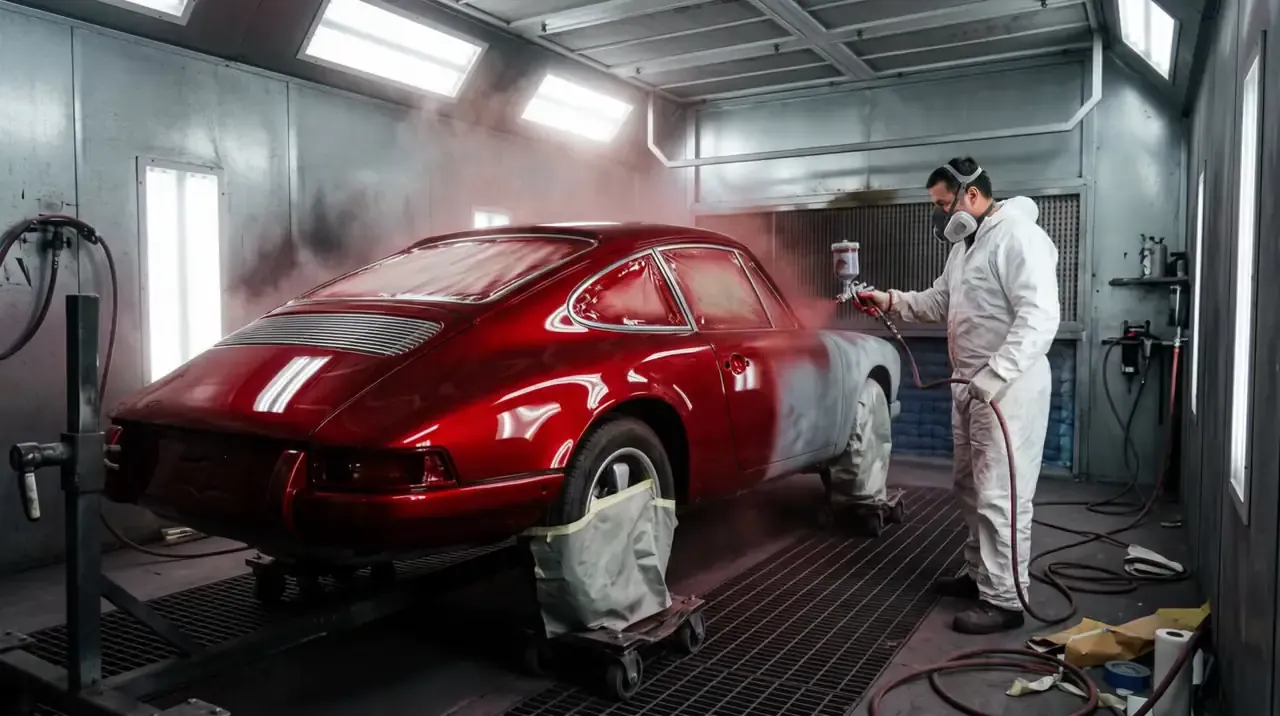
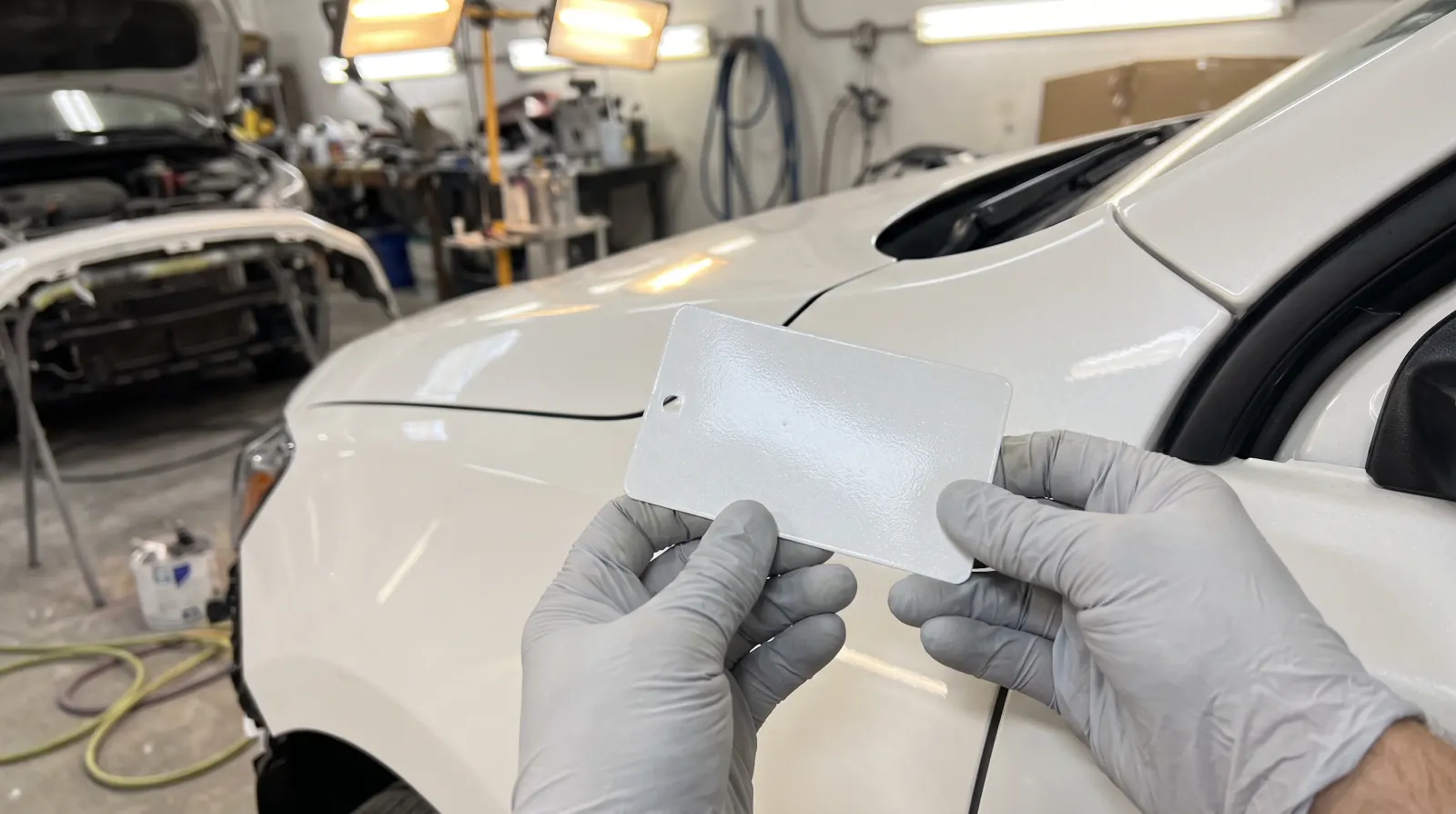
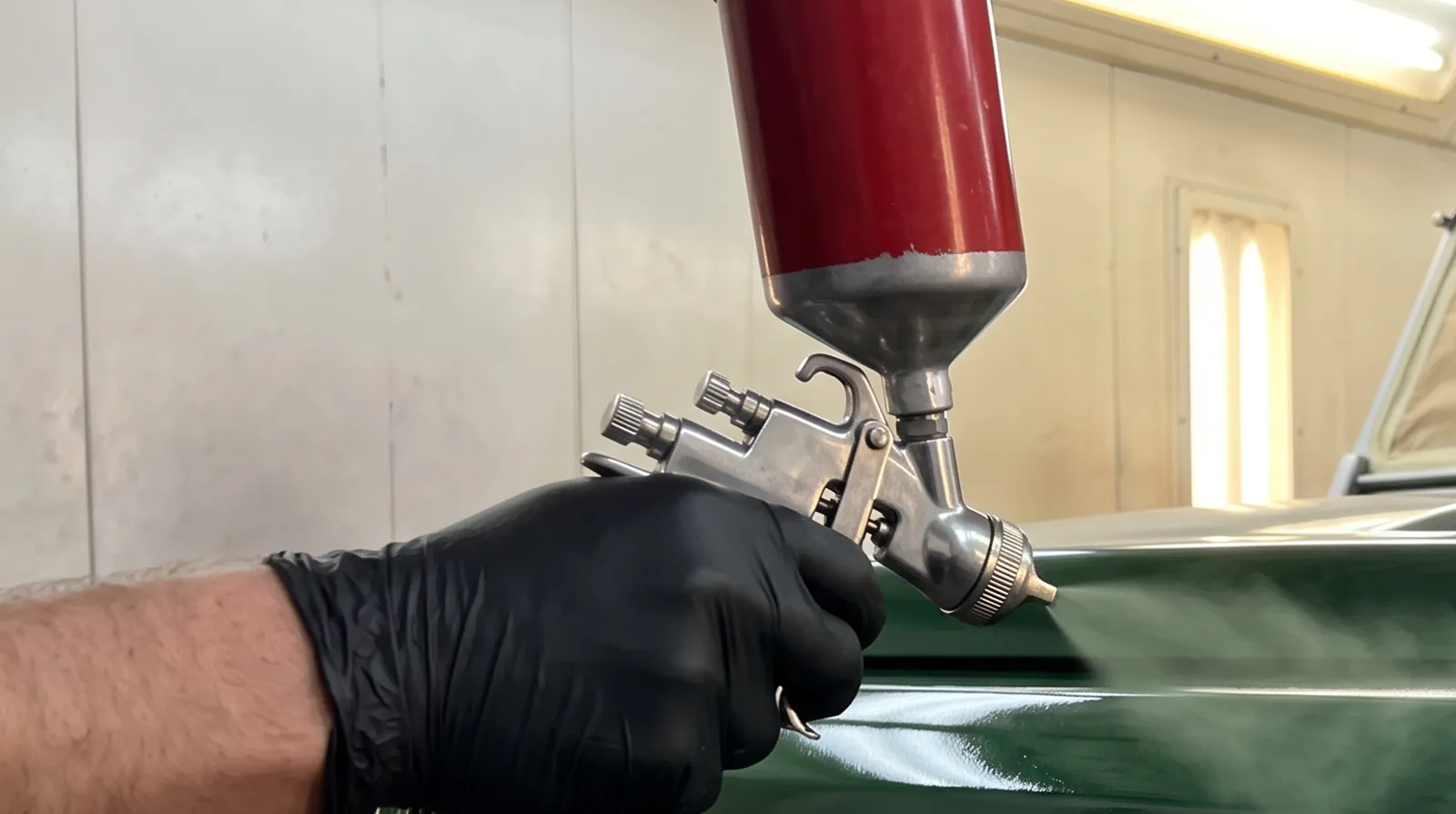
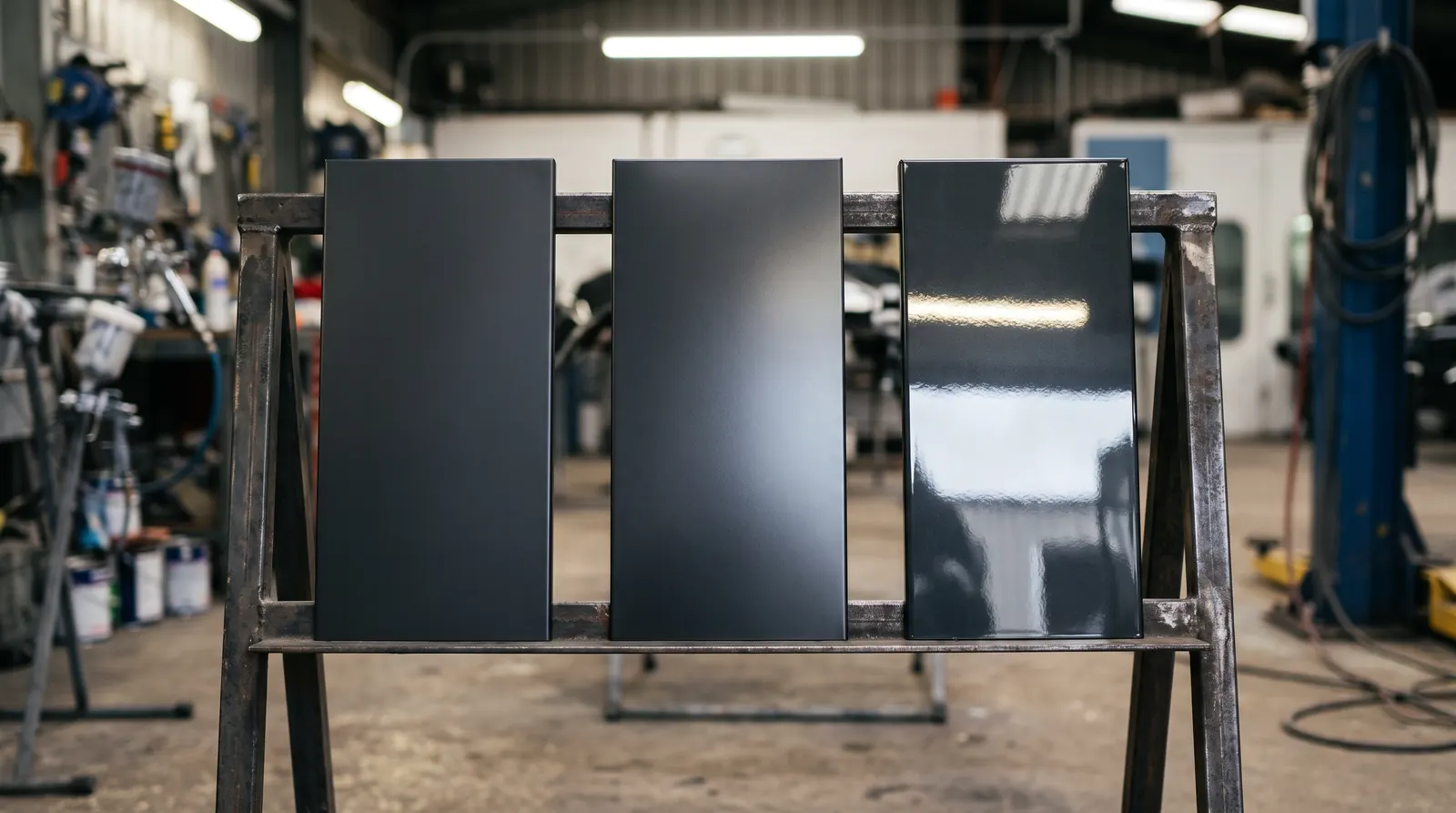
Yes. A solid colour in gloss is the simplest. Metallics and pearls take more care to lay the flake evenly, and a three-coat pearl or a candy has an extra coat to go on. Matt and satin can't be polished afterwards, so they have to come off the gun right.
Then there's the level of finish. A show finish means extra flatting and polishing on top of the paint, to take out every ripple you'd otherwise see in the reflections.
Does the size of the vehicle matter?
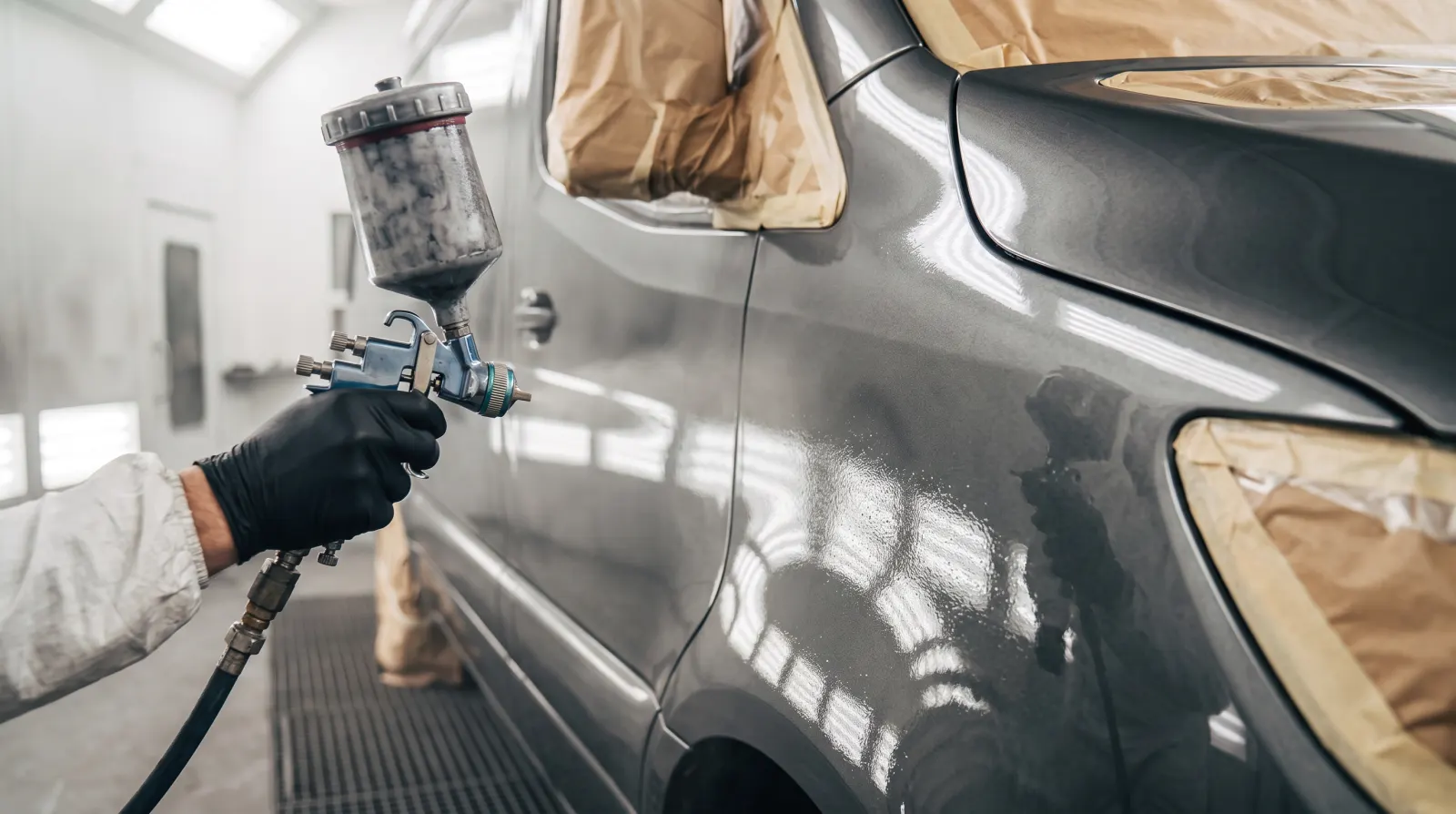
Yes. A camper or a long wheelbase van has far more panel than a Mini, so there's more to prep, more to mask and more paint to put on. Big flat sides also show every ripple, so they take more blocking to get straight.
How is a respray quote put together?
From photos first, then a proper look at the car.
- You send photos, the make and model, and what you're after.
- We come back with a rough price.
- Once the car is here and stripped, we confirm the price and show you anything we've found.
- Bigger jobs are priced and paid in stages.
See prices for more on how we quote.
What photos help with a quote?
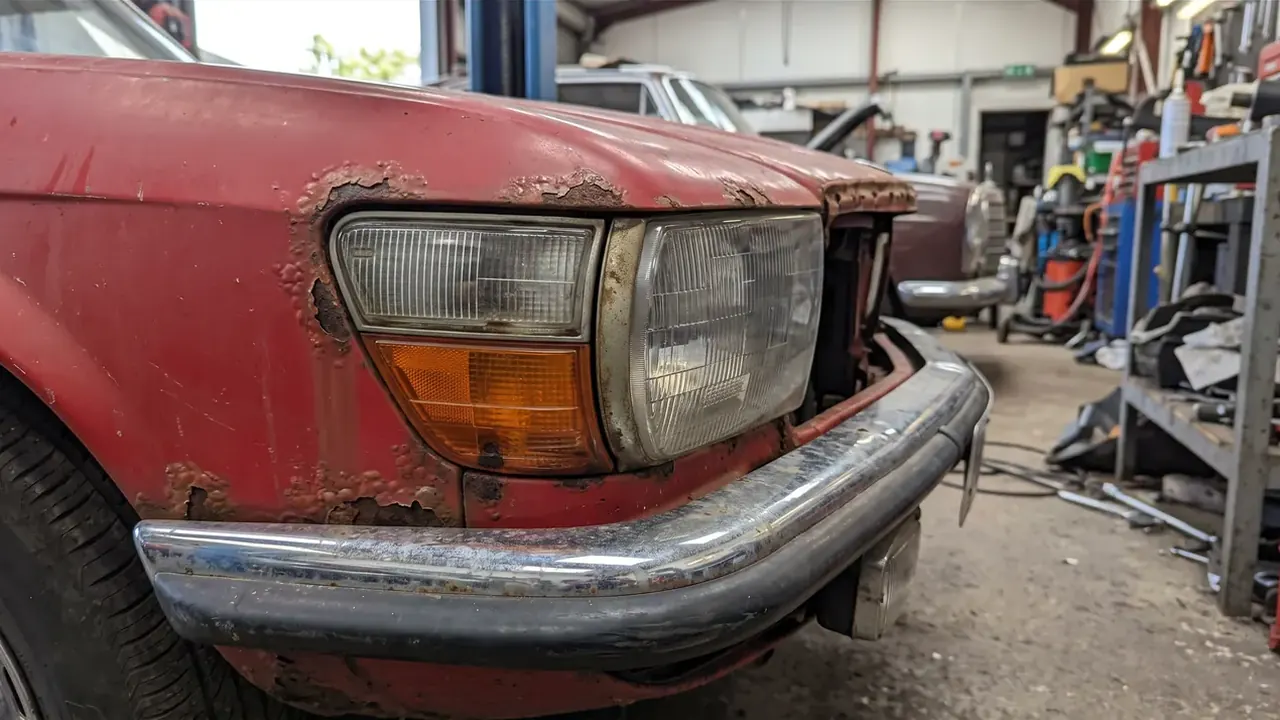
The whole car first, then the problems. In daylight, take each side, the front and the back, and the roof and bonnet if you can get above them. Then take close-ups of anything you know about: dents, chips, scratches, bubbling paint, rust on the sills and arches, and any old repair you can see.
Tell us the colour you want, or that you want it back in its own colour. A photo of the paint code label helps too.
Why are two quotes for the same car so far apart?
Usually because they're quoting for different jobs. One might mask the trim, paint the outside panels and leave the shuts alone. Another might strip the car, take it back to bare metal and paint inside the doors.
Ask each shop what comes off, what happens to the old paint, whether the shuts are painted and what happens if they find rust. Then you're comparing like with like.
Send us a few photos and what you're after from the quote form.