Yes, if the engine, its size or the fuel it runs on has changed. GOV.UK lists the engine, the cylinder capacity and the fuel type, converting to electric included, among the changes you must put on your V5C. The change goes to the DVLA with evidence of the work, or the update is rejected.
Tell your insurer as well. The log book and the insurance are separate, and both need to know.
Which engine changes have to go on the V5C?
Three of them: the engine, its cylinder capacity and its fuel type. They sit on GOV.UK's list of changes you must put in your V5C, beside colour, seating capacity and the chassis. Its example for fuel type is converting a vehicle to run on electricity.
The V5C, or log book, is the DVLA's record of the car. It should describe the car as it is now, and that includes what's under the bonnet.
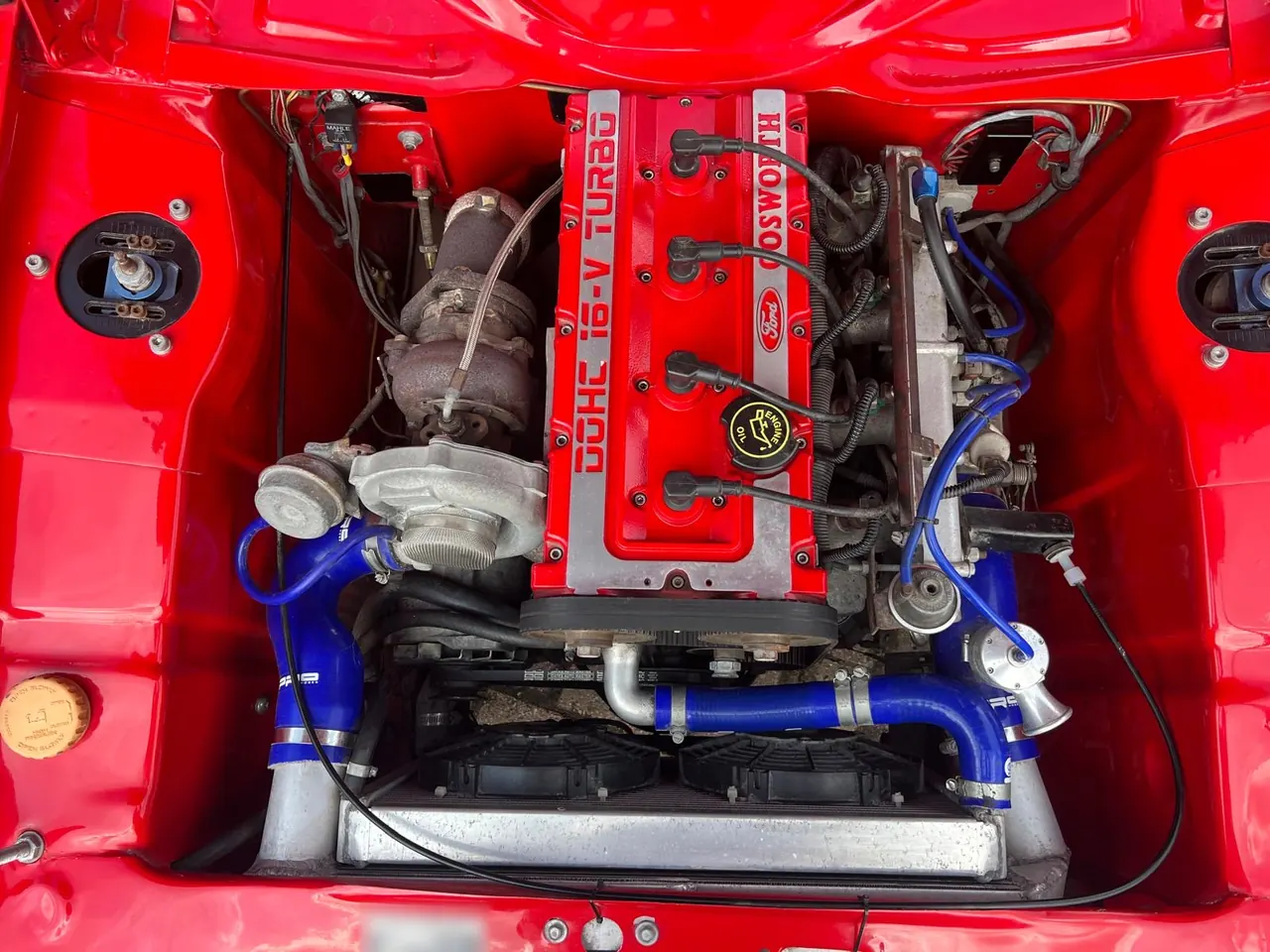
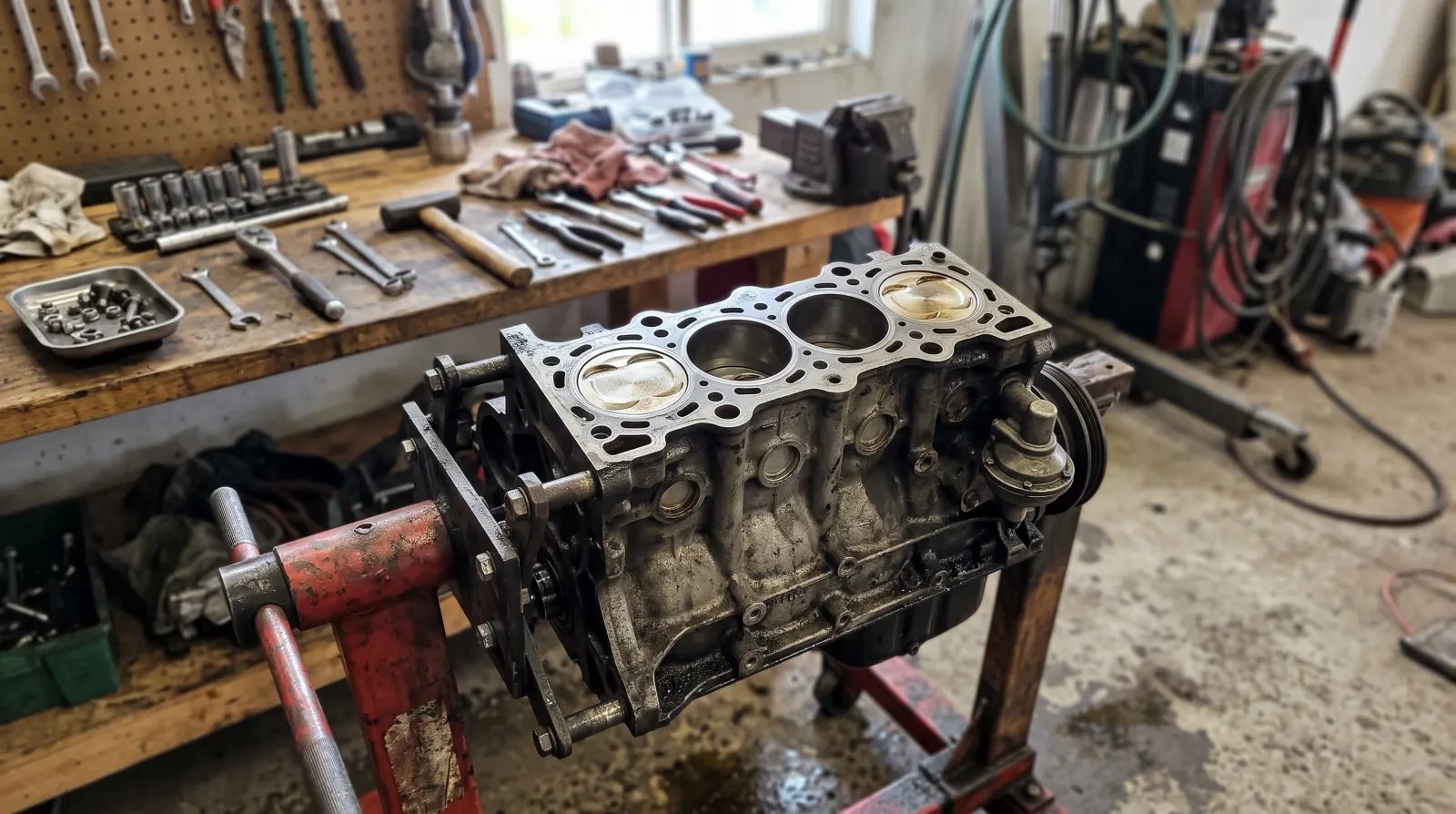
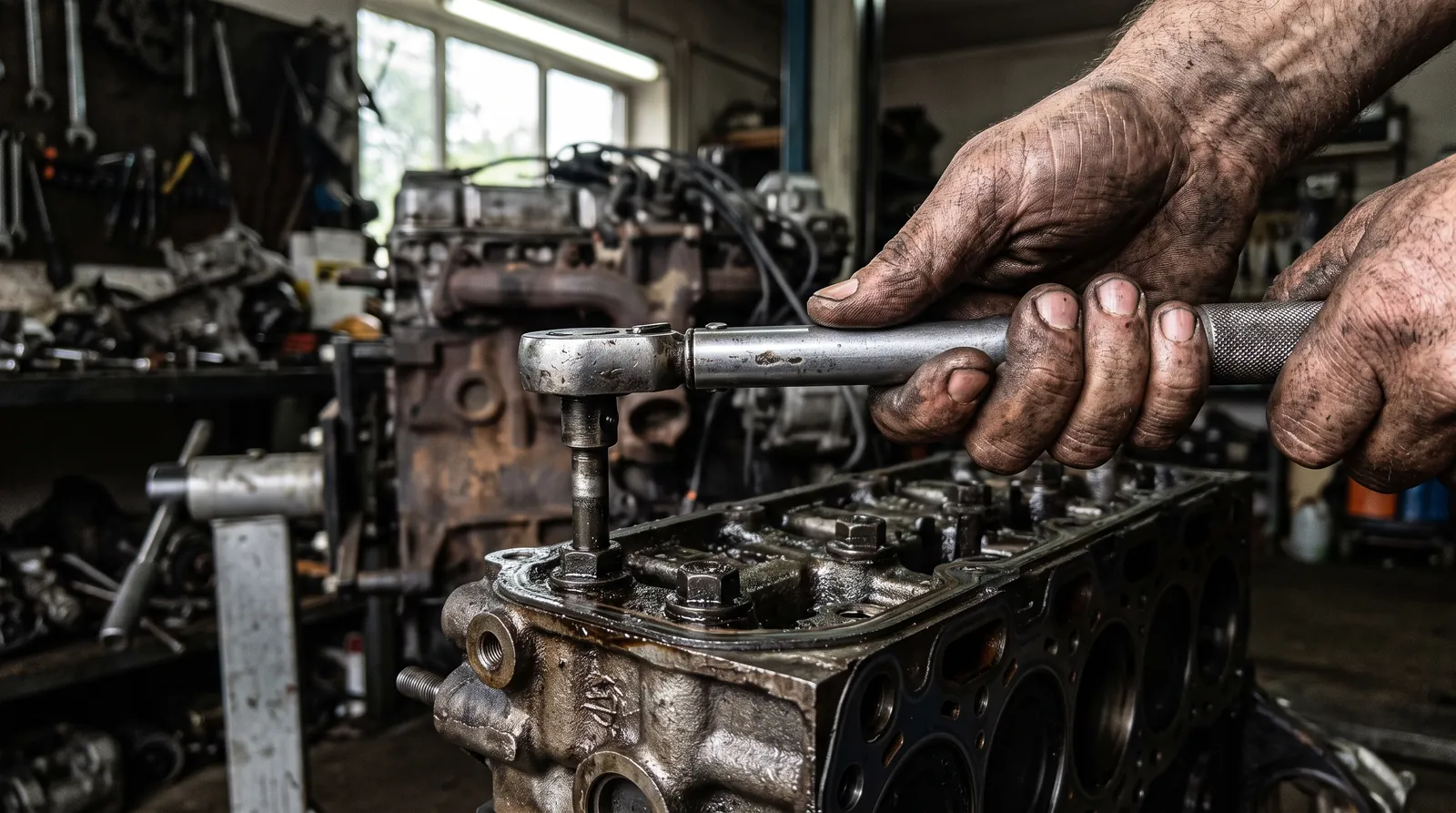
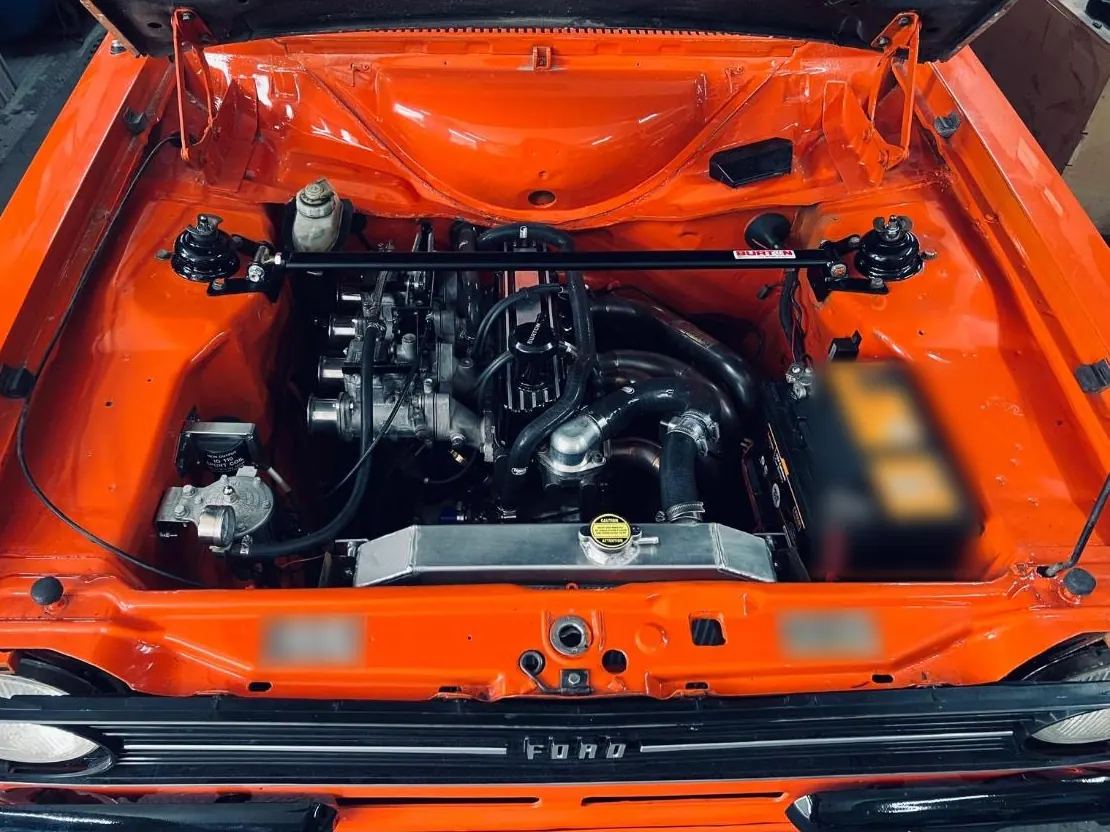
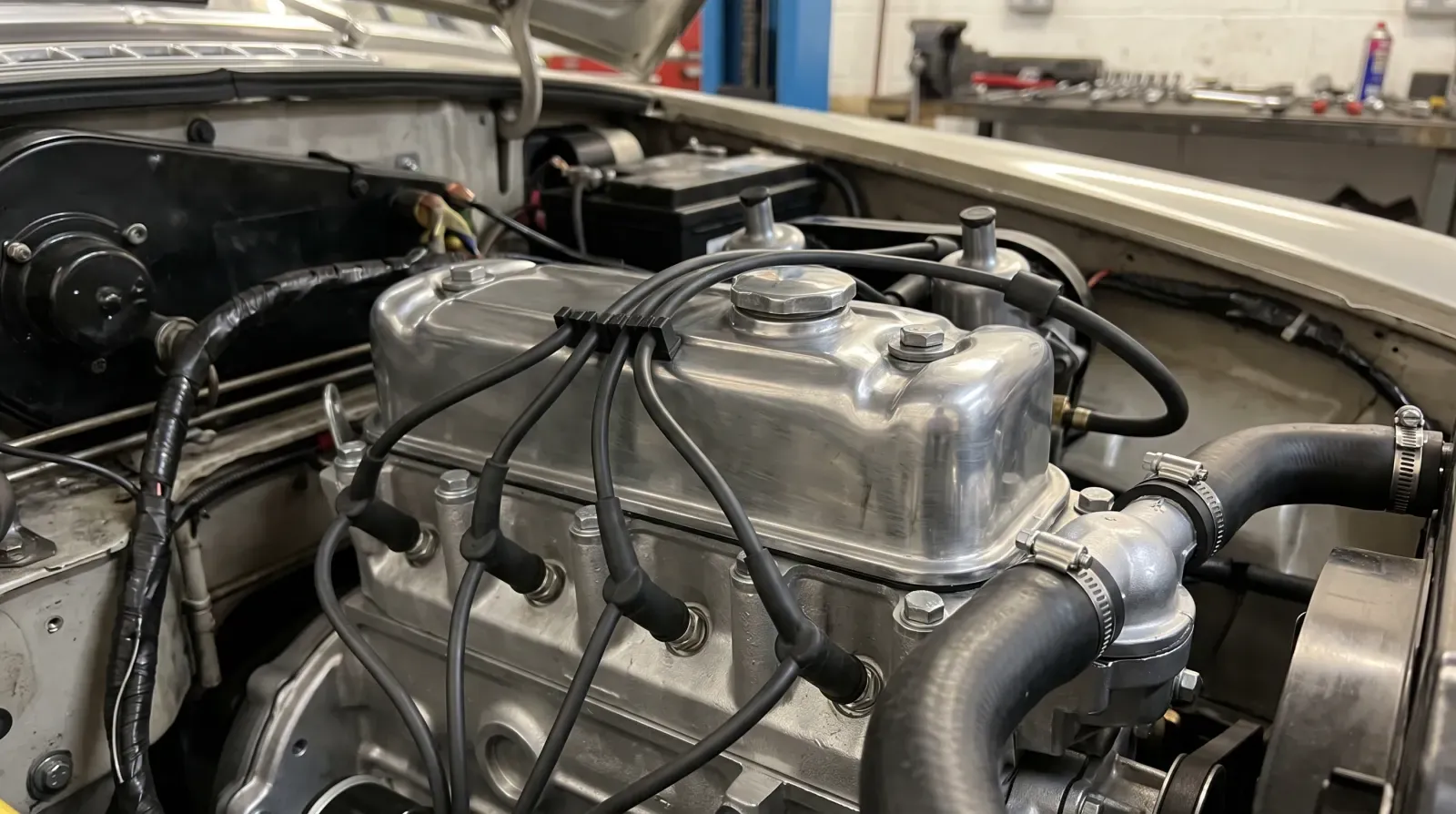
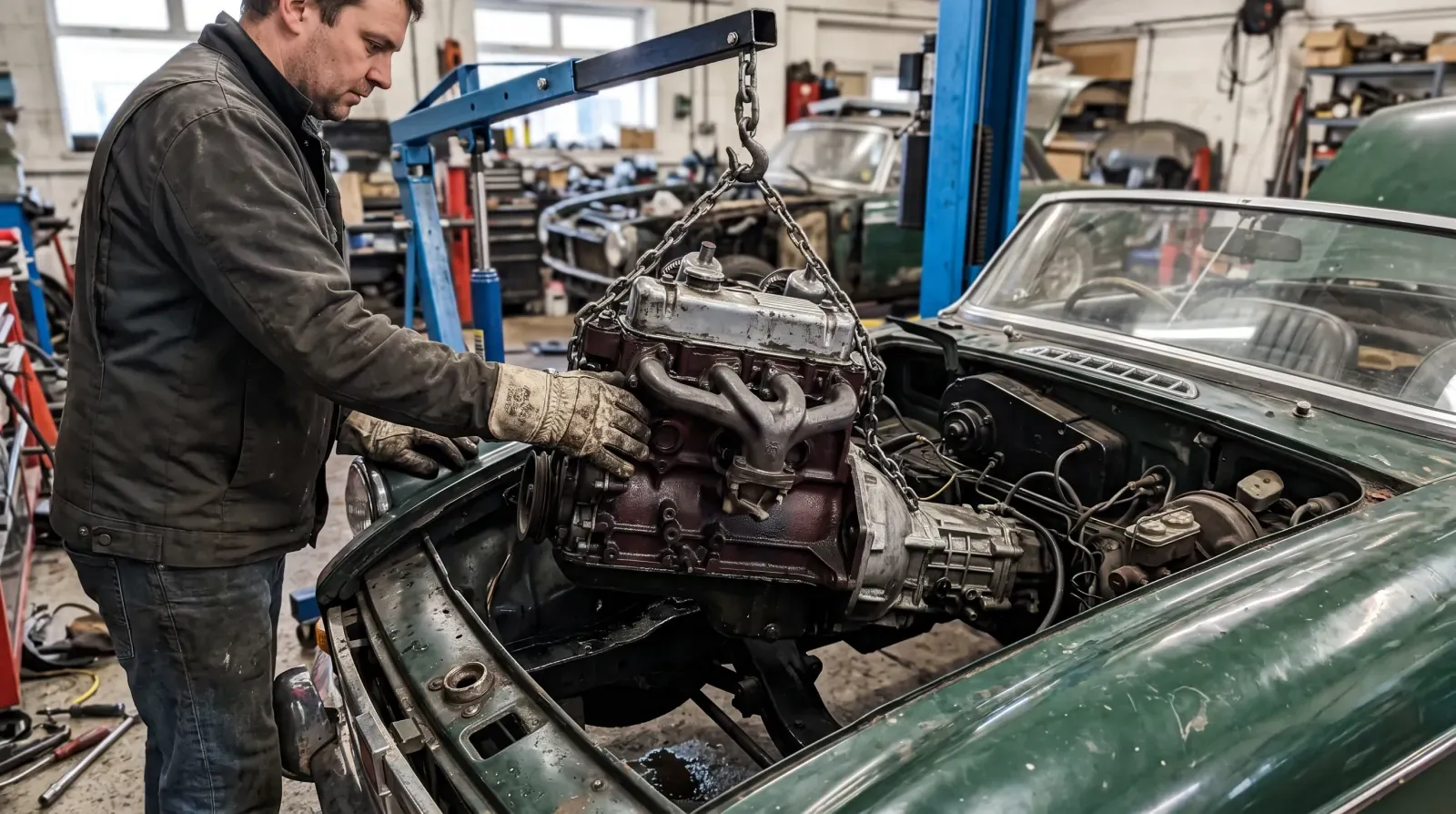
Does a replacement engine of the same size count?
It can. GOV.UK lists the engine itself as a change, not only its size, and the first thing on its evidence list is a change of engine number. A replacement engine carries its own number, even when it's the same type and size as the one that came out.
If you're not sure whether yours needs the log book updating, ask the DVLA before you post anything.
What evidence does the DVLA want for a new engine?
One of four things, on GOV.UK's evidence page:
- a receipt for the replacement engine showing its engine number and cylinder capacity
- written evidence from the manufacturer
- an inspection report done for insurance purposes
- written confirmation on headed paper from a garage, if the change was made before you bought the car
So keep the receipt for the engine with the car's papers from the day you buy it.
What if the fuel type has changed?
Then the evidence depends on how it changed. If the existing engine was converted, GOV.UK wants confirmation on headed paper from the garage that did the work. If a new engine was fitted, it wants the receipt.
What about converting a car to electric?
It goes on the V5C, and GOV.UK counts it as a modification. That means more evidence than a straight engine swap: a V627/3 modified vehicle statement, which gives the registration number and the details of the conversion, and evidence of a current MOT if the vehicle needs one.
GOV.UK puts electric conversions in the same section as a modified chassis or bodyshell. Read that section of the evidence page before the conversion starts, so you know what paperwork to keep as it goes.
How do I update the V5C?
You write the change on the log book and post it to the DVLA with the evidence. GOV.UK's how to update your V5C page says to fill in section 1 on the newer log book, the one with multi-coloured numbered blocks on the front cover, or section 7 on the older style. If the change isn't listed there, add notes to the vehicle details section and send a letter explaining it.
A change of engine size or fuel type goes to a different DVLA address from most other changes. Take the address from that page, and pay the right postage.
Will the DVLA want to see the car?
It might. Once it has your V5C, the DVLA will contact you to confirm the change or to tell you it needs an inspection. It will also tell you if the change means you have to pay more vehicle tax.
How long does the new log book take?
GOV.UK says it can take 2 to 4 weeks to get a replacement certificate by post. If 4 weeks have gone by and nothing has come, contact the DVLA. Leave it past 6 weeks without telling them and a replacement costs £25.
What if the engine was changed before I bought the car?
GOV.UK's evidence list allows for that: written confirmation on headed paper from a garage. If you're buying a car that's had an engine swap, ask the seller for the paperwork, and check the V5C matches what's under the bonnet before you pay.
Who updates the V5C, me or the garage?
You do. It's your log book, and the DVLA deals with the keeper named on it, not with whoever fitted the engine. What you need from the garage is the paperwork to send with it.
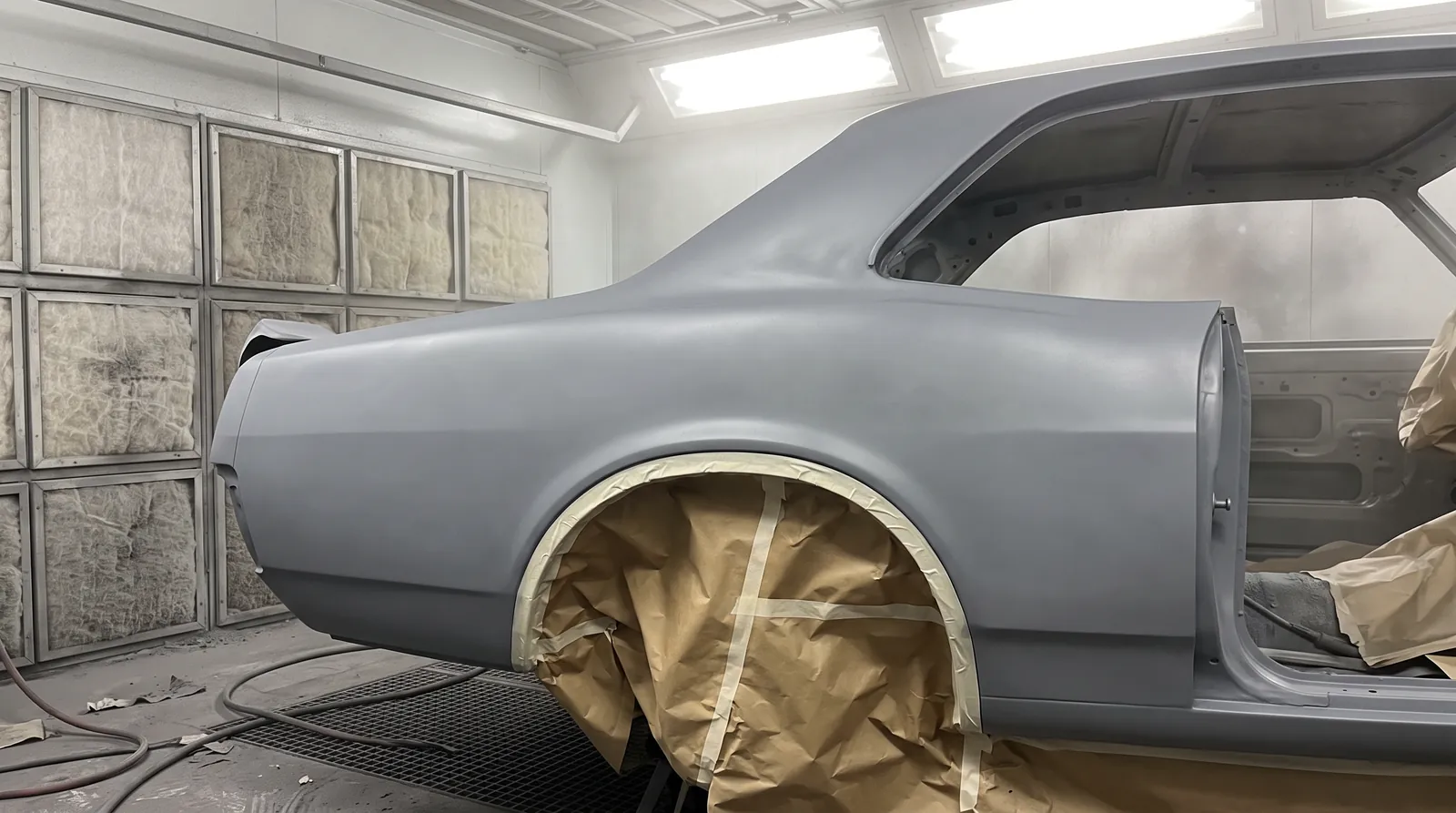
Can the engine bay be painted while the engine is out?
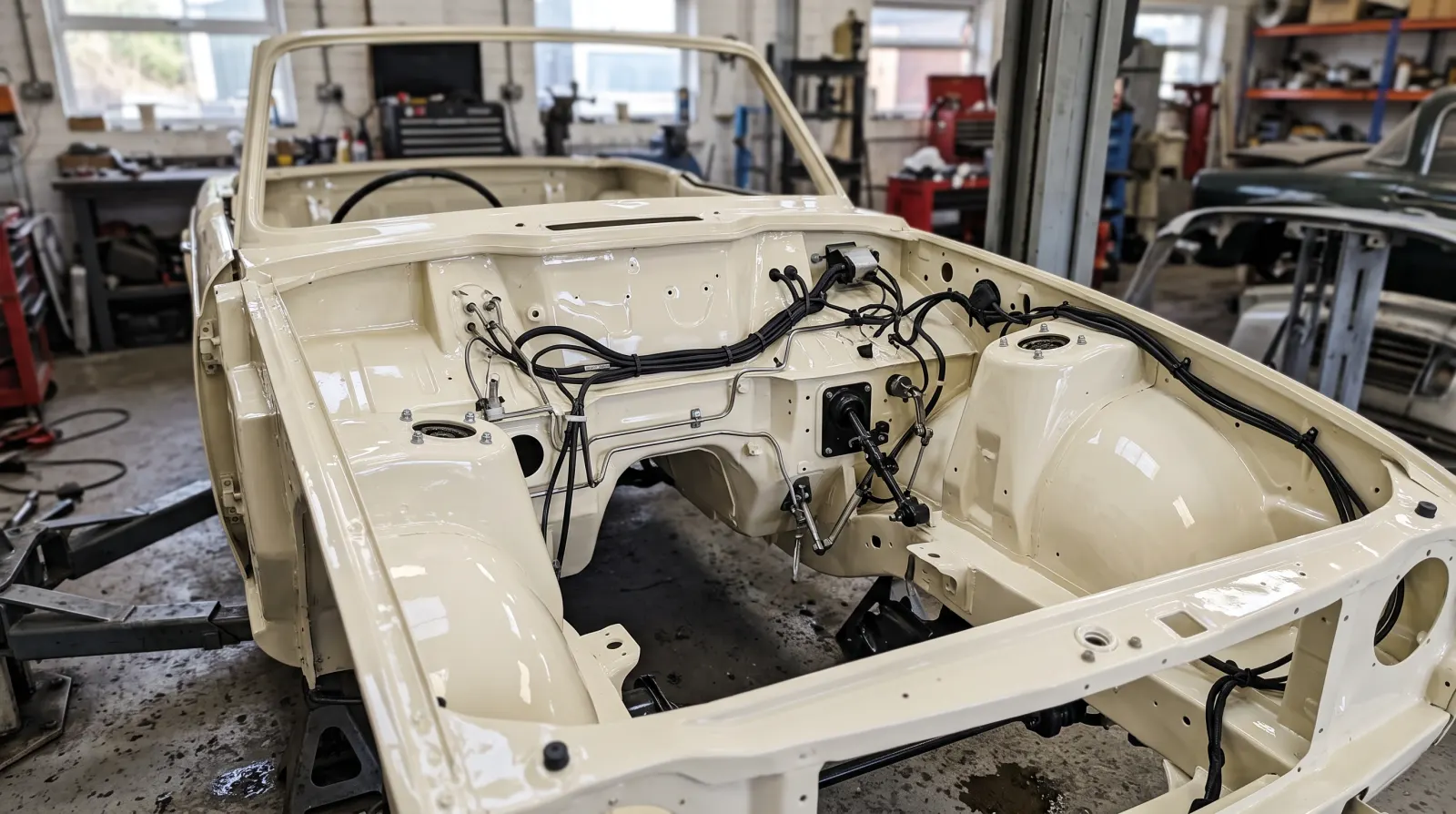
Yes. With the engine out, the bay gets the same prep as the rest of the body: cleaned, flatted, primed and painted. It's the easiest the bay will ever be to reach. See engine modifications.
Do I need to tell my insurer too?
Yes, before the car goes back on the road. If a modification isn't declared, your insurer can refuse to pay out on a claim. Ask yours what they need from you.
Tell us the car, what's going in and what you're after from the quote form.