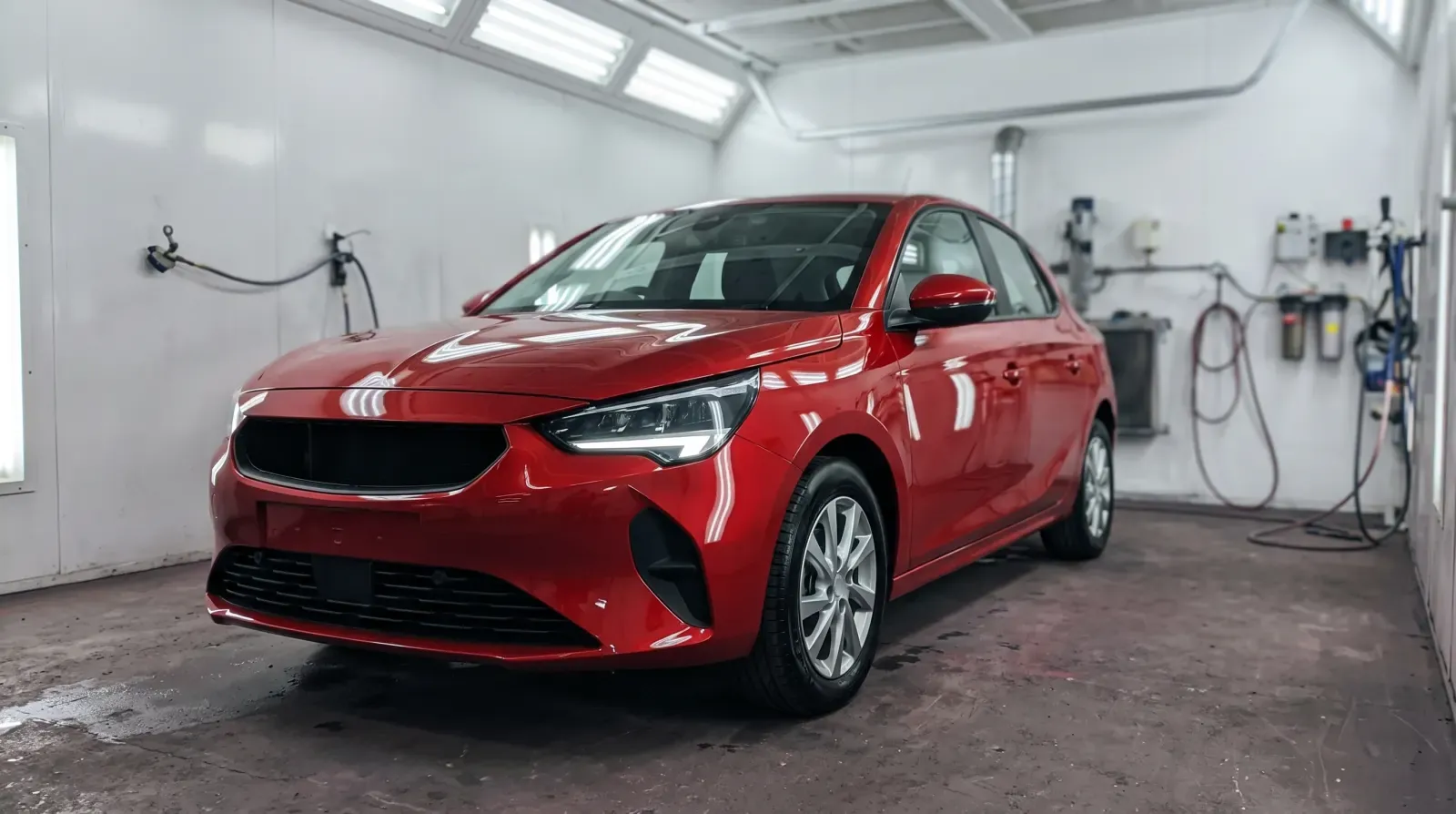
New paint passes three points on its way to hard: touch dry, hard enough to handle, and fully cured. Touch dry comes first and fully cured comes last, and the gap between the two is where fresh paint gets marked. How long each takes depends on the paint system and how it was dried, so the only times worth going by are the ones for the paint on your car.
Here's what each stage means, and what it means for you once the car is home.
What's the difference between dry and cured?
Dry is about the surface. Cured is about the whole layer of paint, all the way down.
- Touch dry means the surface has stopped being tacky. A fingertip won't stick to it, and that's all it tells you.
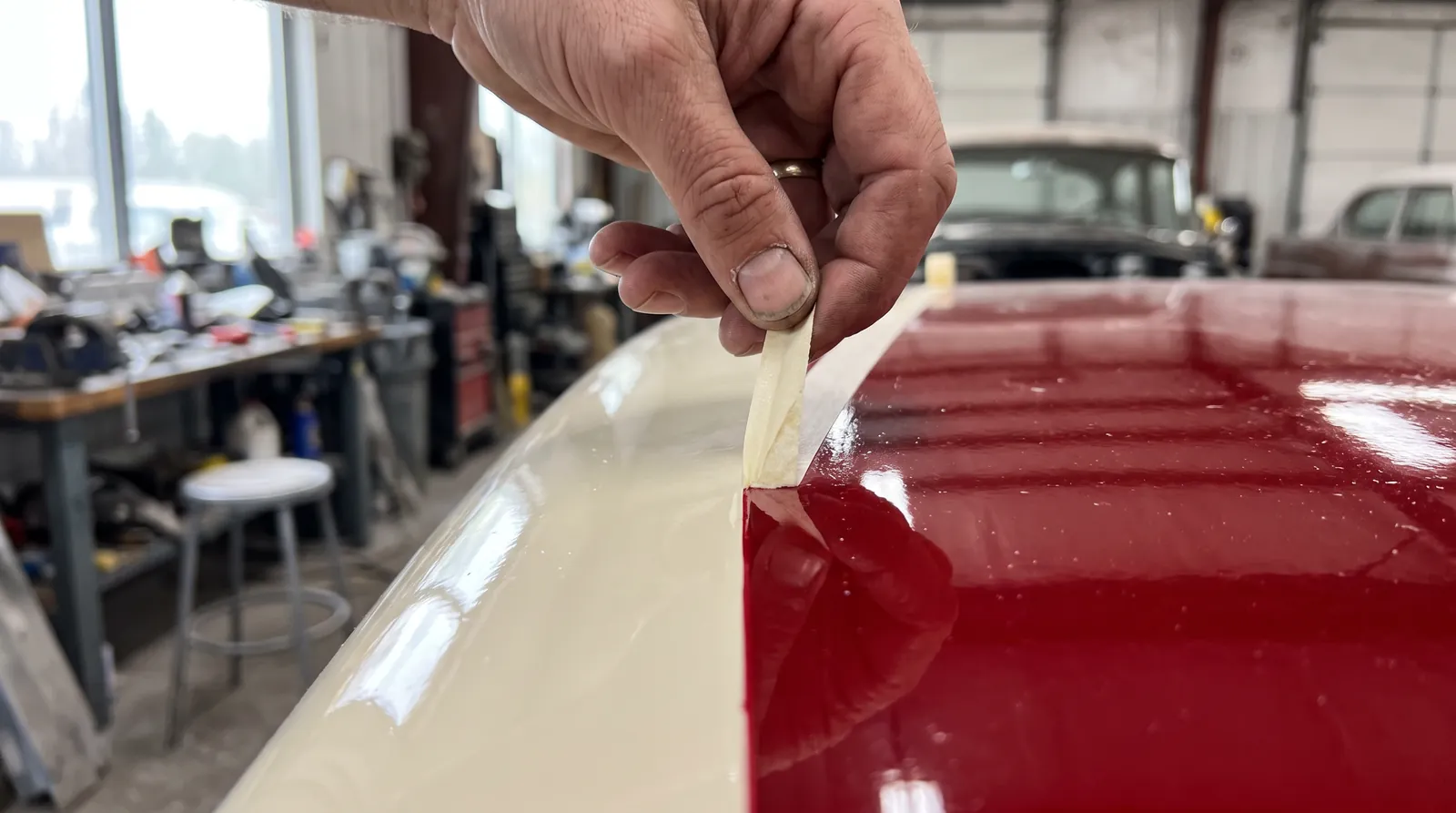
- Hard enough to handle means the paint can take trim going back on, masking for the next colour or a careful hand without marking.
- Fully cured means the paint has reached its final hardness. Only then is it as tough as it's going to get.
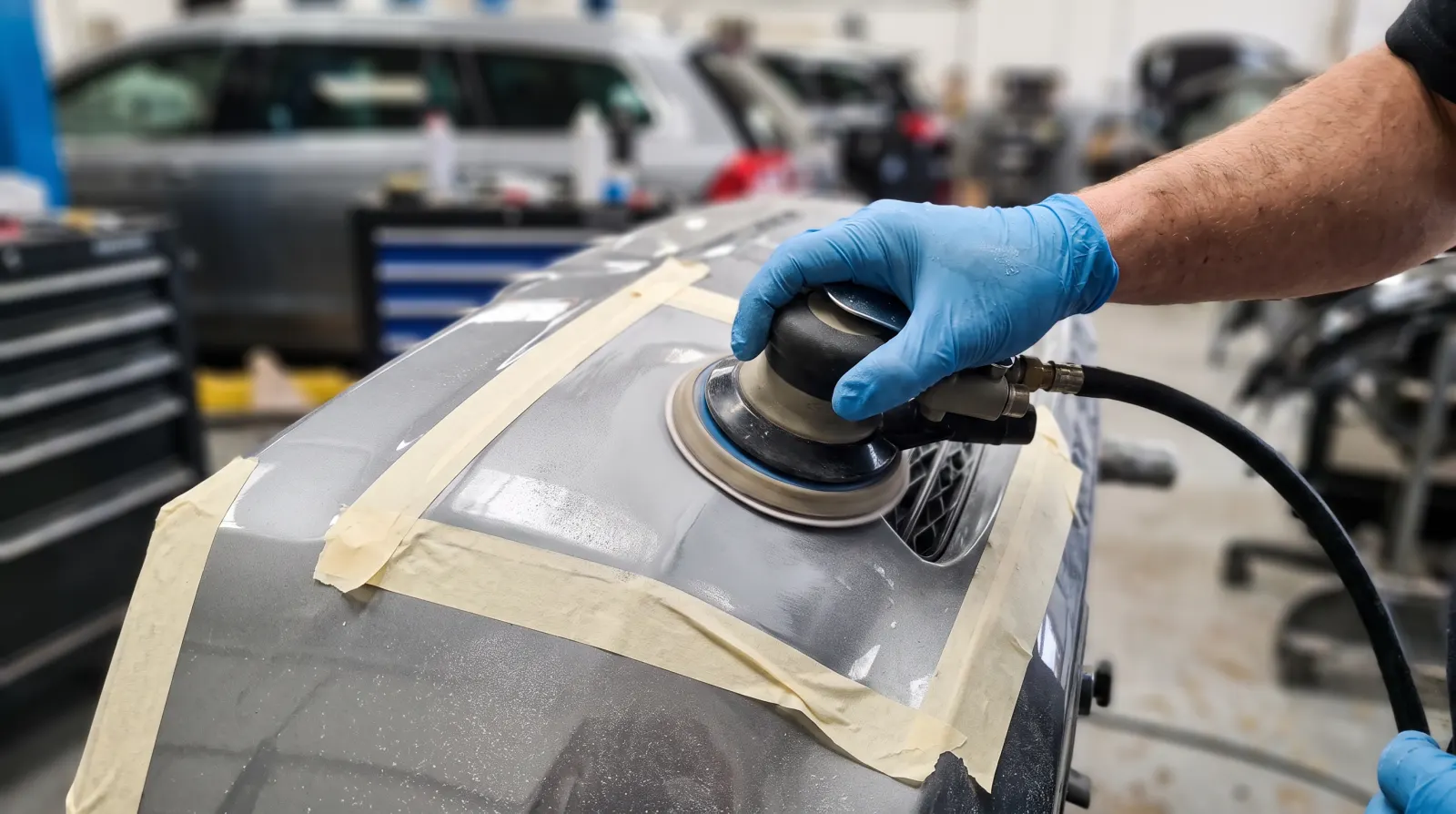
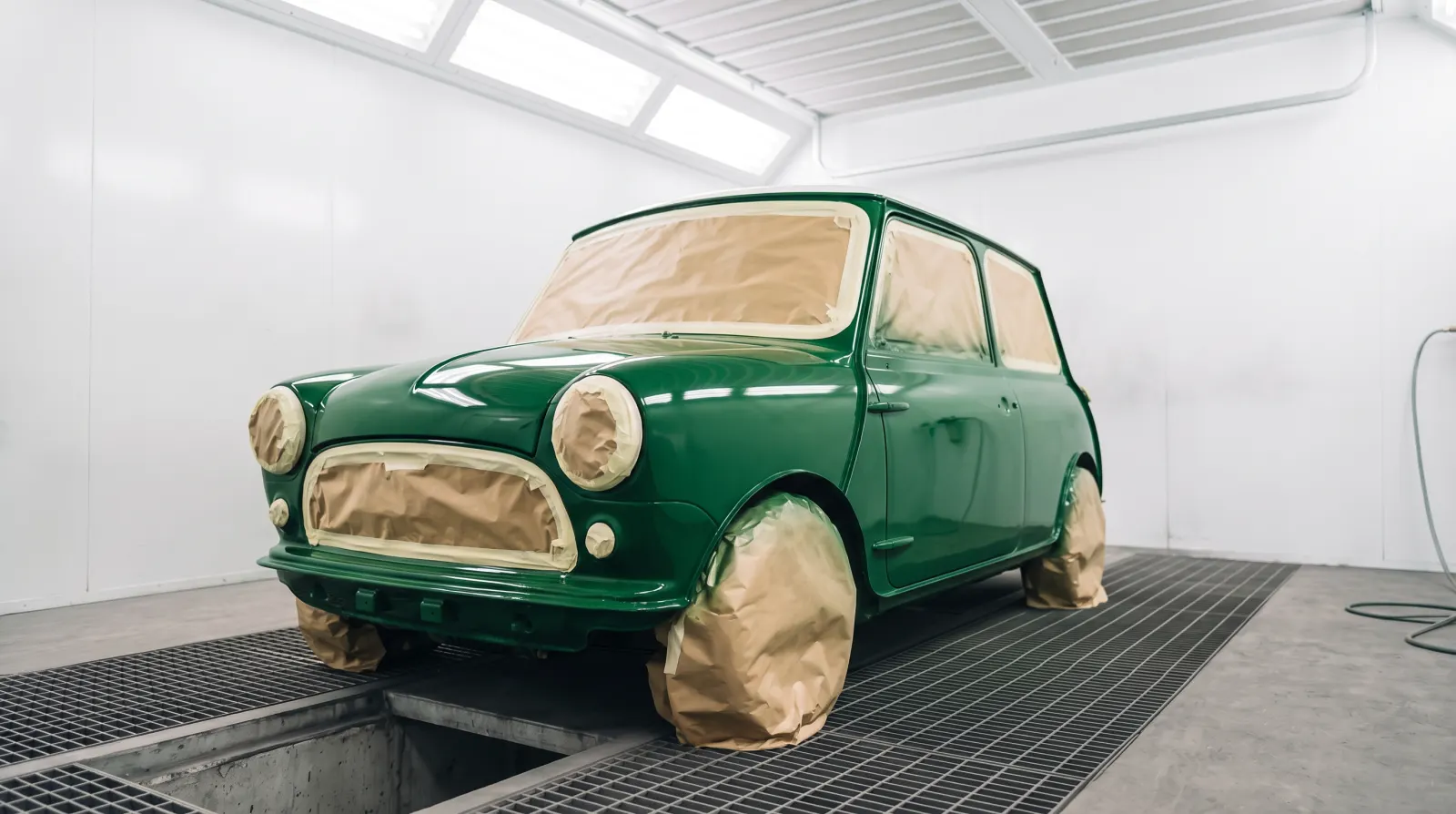
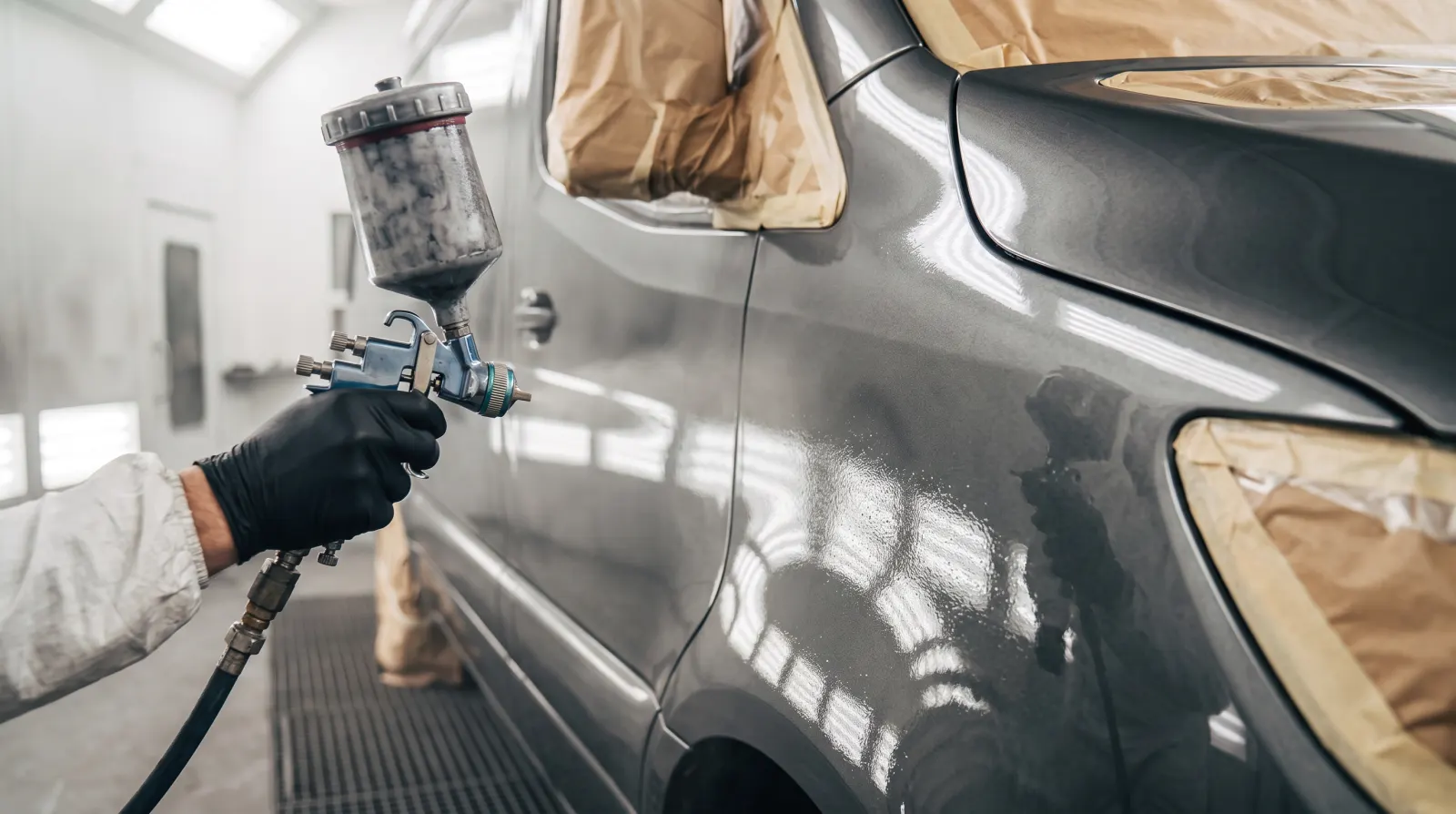
Why does car paint take so long to cure?
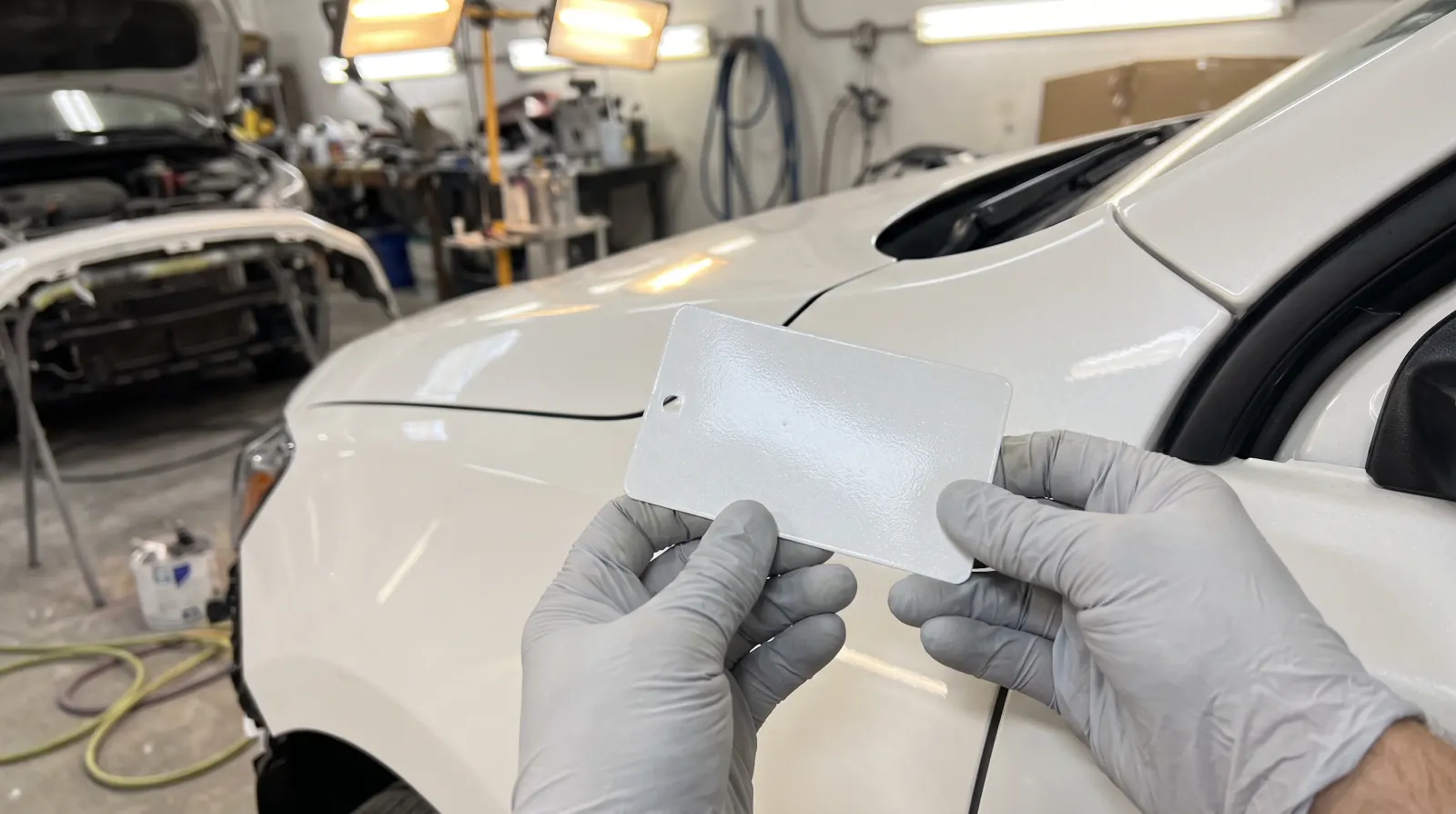
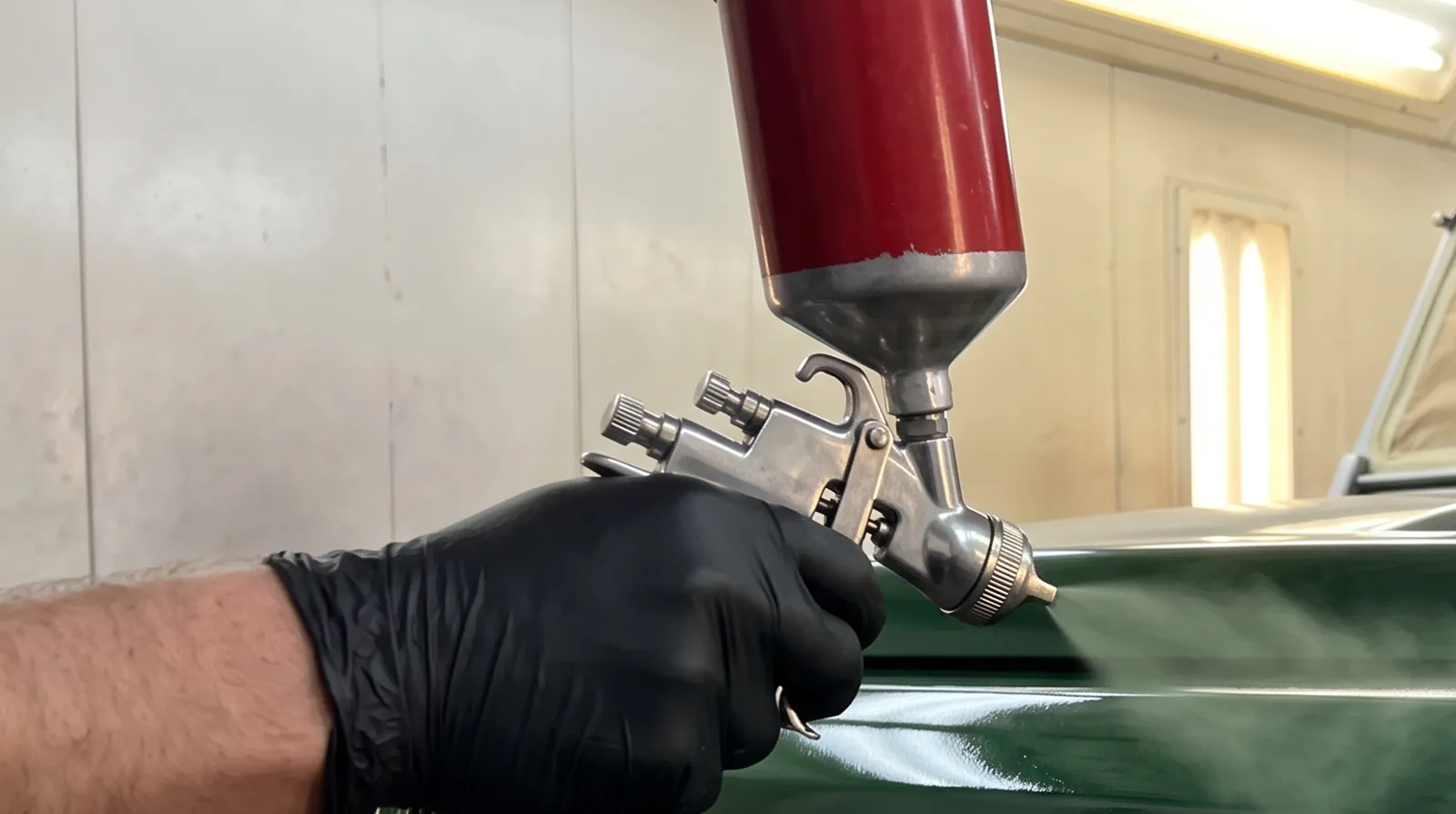
Because two-pack paint hardens by a chemical reaction, and a reaction takes time. Two-pack, or 2K, paint is mixed with a hardener just before it's sprayed. HSE's guidance for bodyshops describes it as isocyanate-based two-pack, and isocyanate reacts with the resin in the paint to form a polyurethane, a hard, set film.
That reaction carries on after the surface feels dry. Touch dry tells you the top has set. Underneath, the paint is still hardening.
Each paint maker publishes the times for its own products, and they differ from one system to the next.
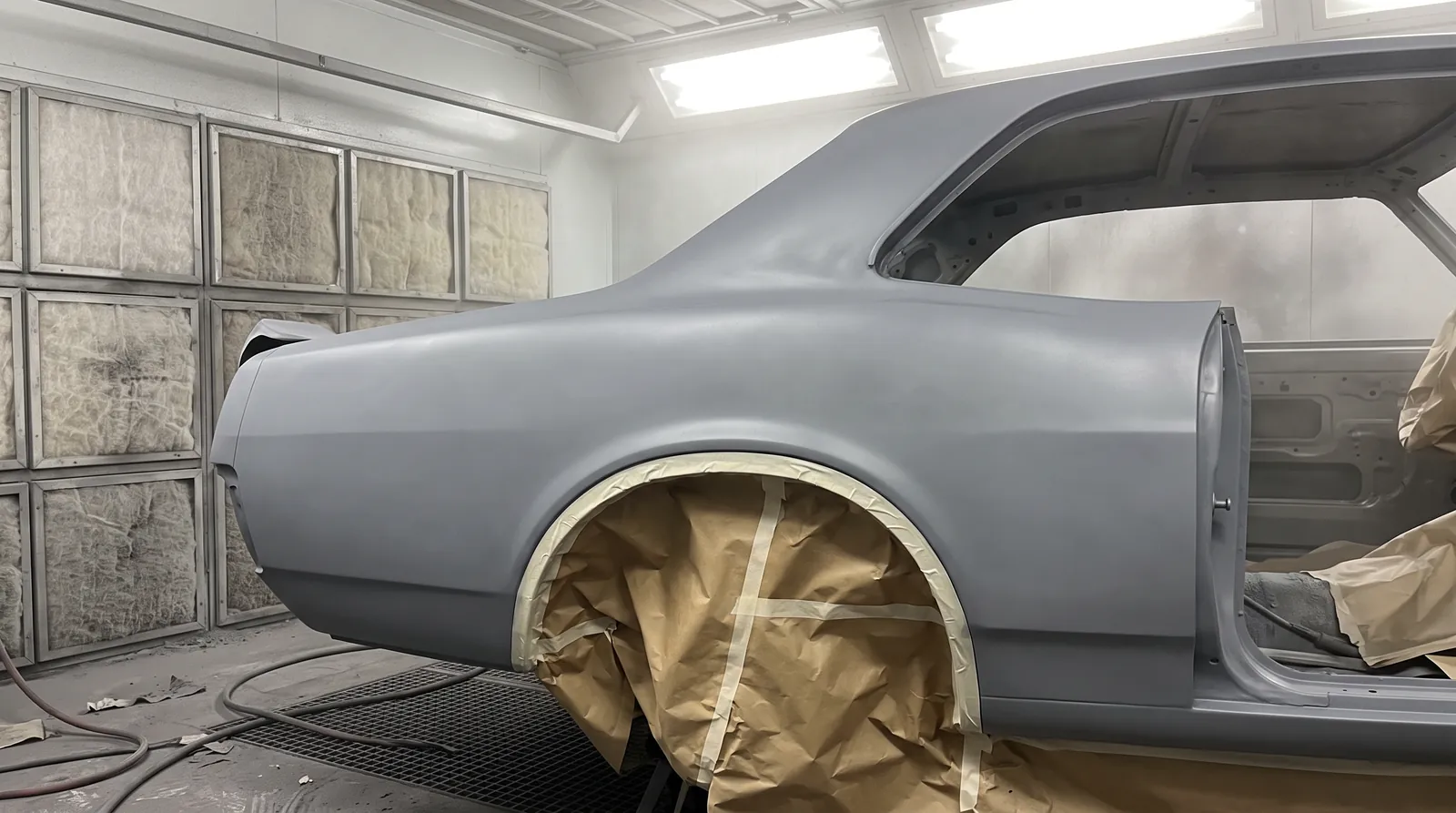
Does the spray booth speed up curing?
Yes, if the booth can bake. A booth that bakes, which HSE's guidance calls a spray/bake booth, heats the car once the spraying is finished, so the paint sets faster than it would at room temperature. How far a bake takes it depends on the paint system.
What slows curing down?
Cold. A chemical reaction runs slower in the cold, so paint takes longer to reach every stage in a cold shop or a cold yard. The times a paint maker gives are for a stated temperature, and below it everything stretches.
When can I drive my car home after a respray?
When we hand it back.
What waits longer is washing, polishing and waxing, below. See resprays for how the rest of the job runs.
When can I wash a freshly painted car?
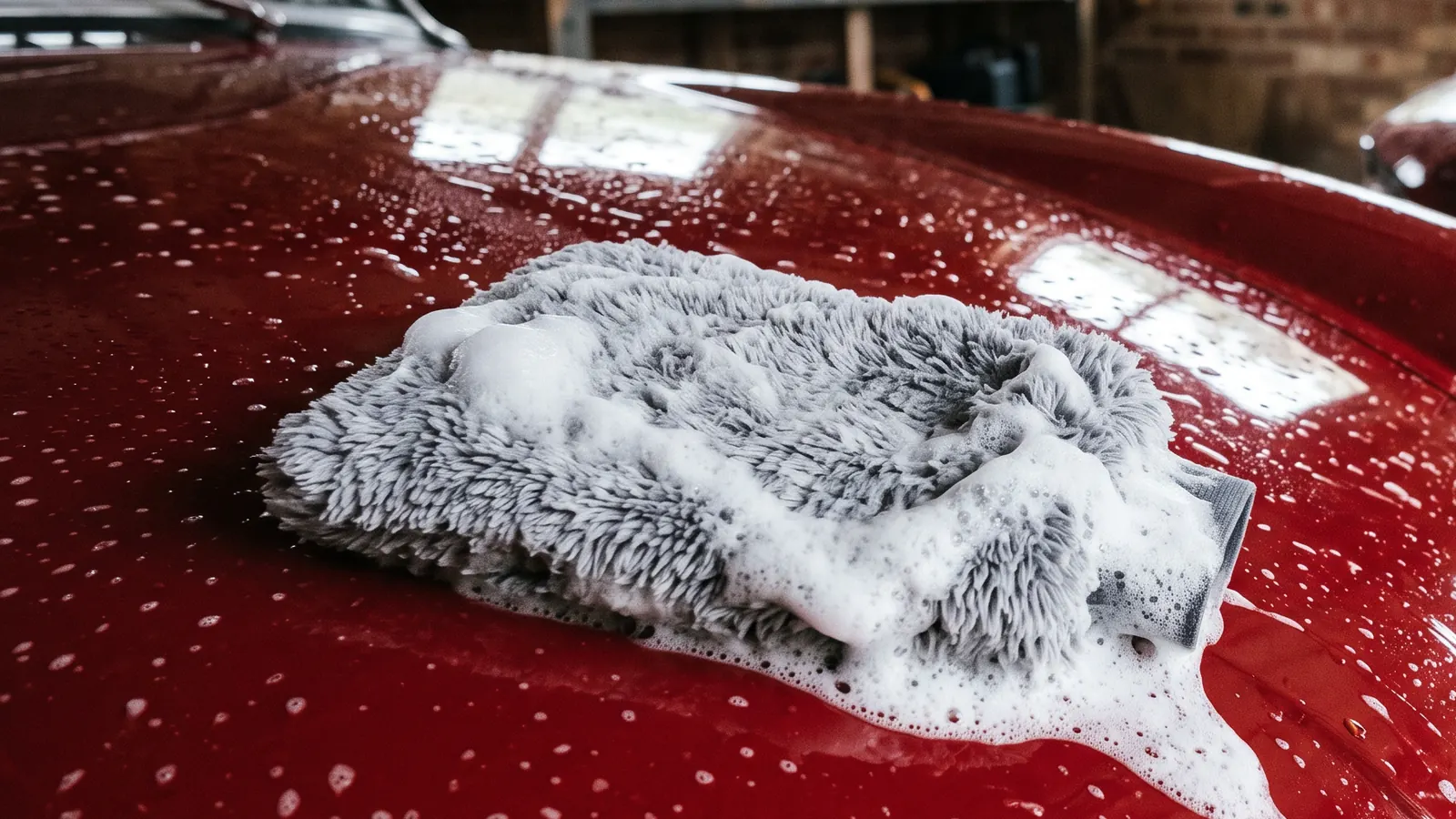
By hand, gently, when we say so.
Until the paint has fully cured, keep it out of automatic car washes and keep a pressure washer well back. Brushes and a strong jet are hard on soft paint.
Bird mess and tree sap are worth dealing with promptly. Soften them with plenty of water and lift them off, rather than scrubbing.
When can new paint be polished or waxed?
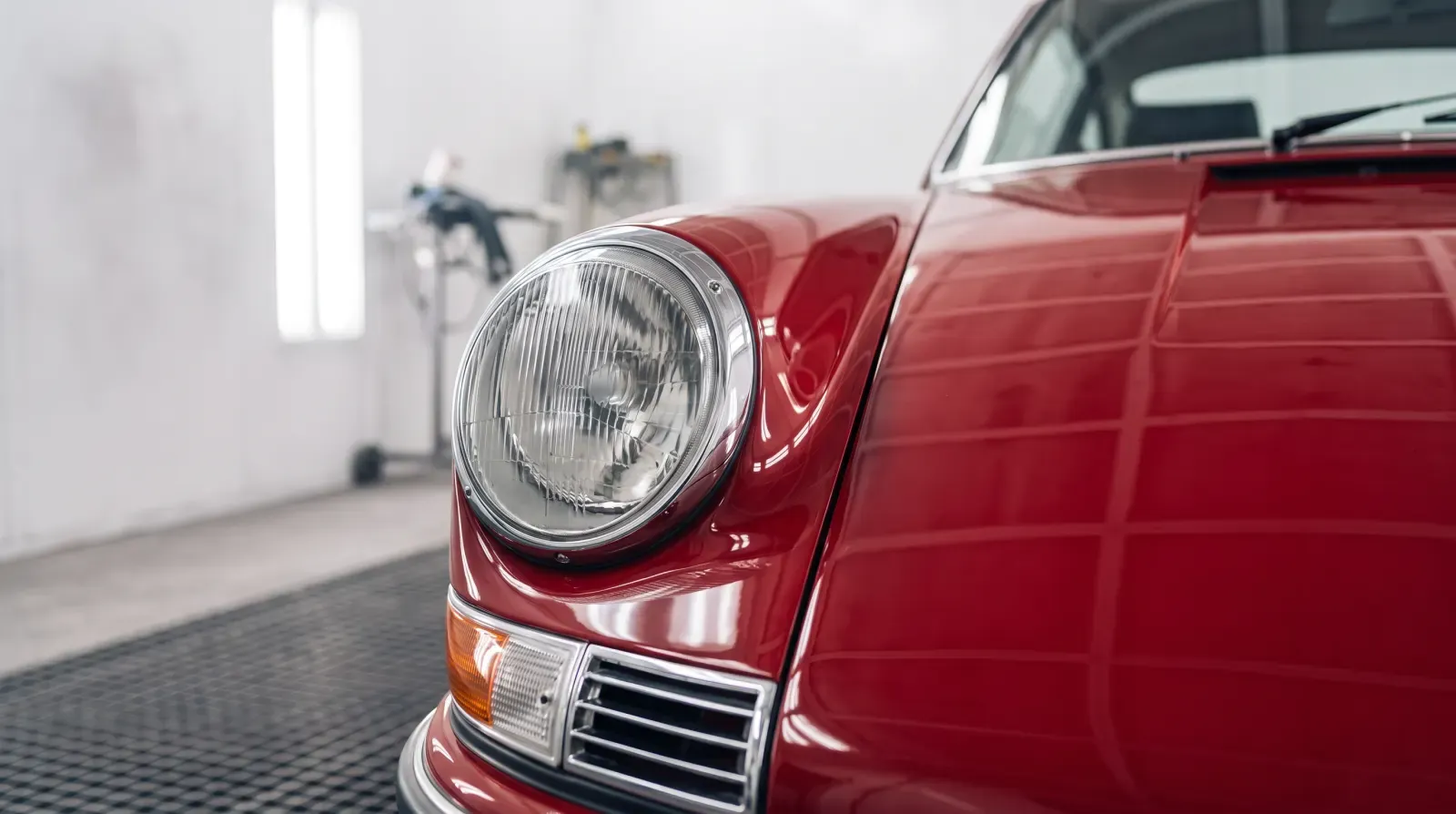
Polishing that's part of the job happens in the shop, when the paint is ready for it. On a show finish, the clear coat is flatted and polished before the car goes home. See custom paint for what a show finish involves.
Wax and sealant wait until the paint has fully cured.
Why does fresh paint mark so easily?
Because it hasn't reached its final hardness yet. Leaning on a panel, a car cover rubbing in the wind or a fingernail along an edge can leave a mark that cured paint would shrug off.
If you're planning to put a cover on the car while the paint is new, ask us first.
Can a mark in fresh paint be put right?
Usually, if it's caught early and it's only in the clear coat. Once the paint is hard enough, a light mark can be polished out. A mark that has gone through the clear needs flatting and painting again, which is a bigger job.
Don't try polishing it out yourself while the paint is soft. A polish and a cloth on uncured paint can turn one small mark into a dull patch. Send us a photo instead, and we'll say what it needs and when.
Can I park it outside straight away?
The answer depends on the paint, the time of year and how it was dried, so ask us when you collect rather than after the first downpour.
Booking a respray? Send us a few photos and what you're after from the quote form.