Lacquer peels when the clear coat, the see-through top layer over the colour, loses its grip on the paint under it. It can be fixed, but not by polishing it or dabbing new lacquer on. The panel is flatted back past the failure to sound paint, then the clear goes on again. Where the colour goes back on too, it's blended into the panels beside it.
Here's how to tell, and what the fix involves.
What does peeling lacquer look like?
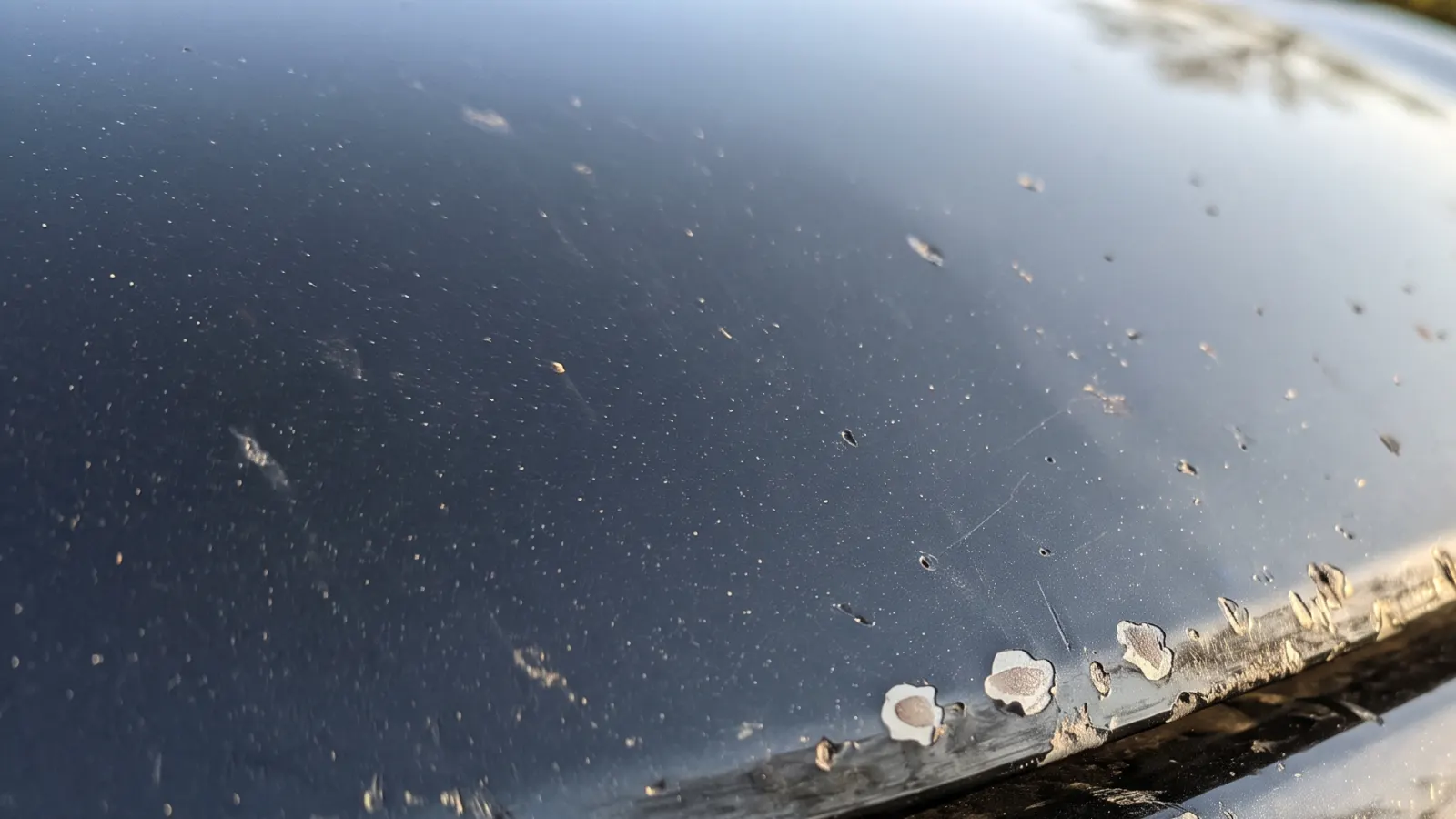
It usually starts as a dull, cloudy or milky patch, as if the gloss has gone white. Then the edges of the patch lift, and the clear comes away in flakes or sheets, leaving the colour underneath flat and dull.
Check the roof, the bonnet and the top of the boot lid first. They face the sky and take the most sun and weather.

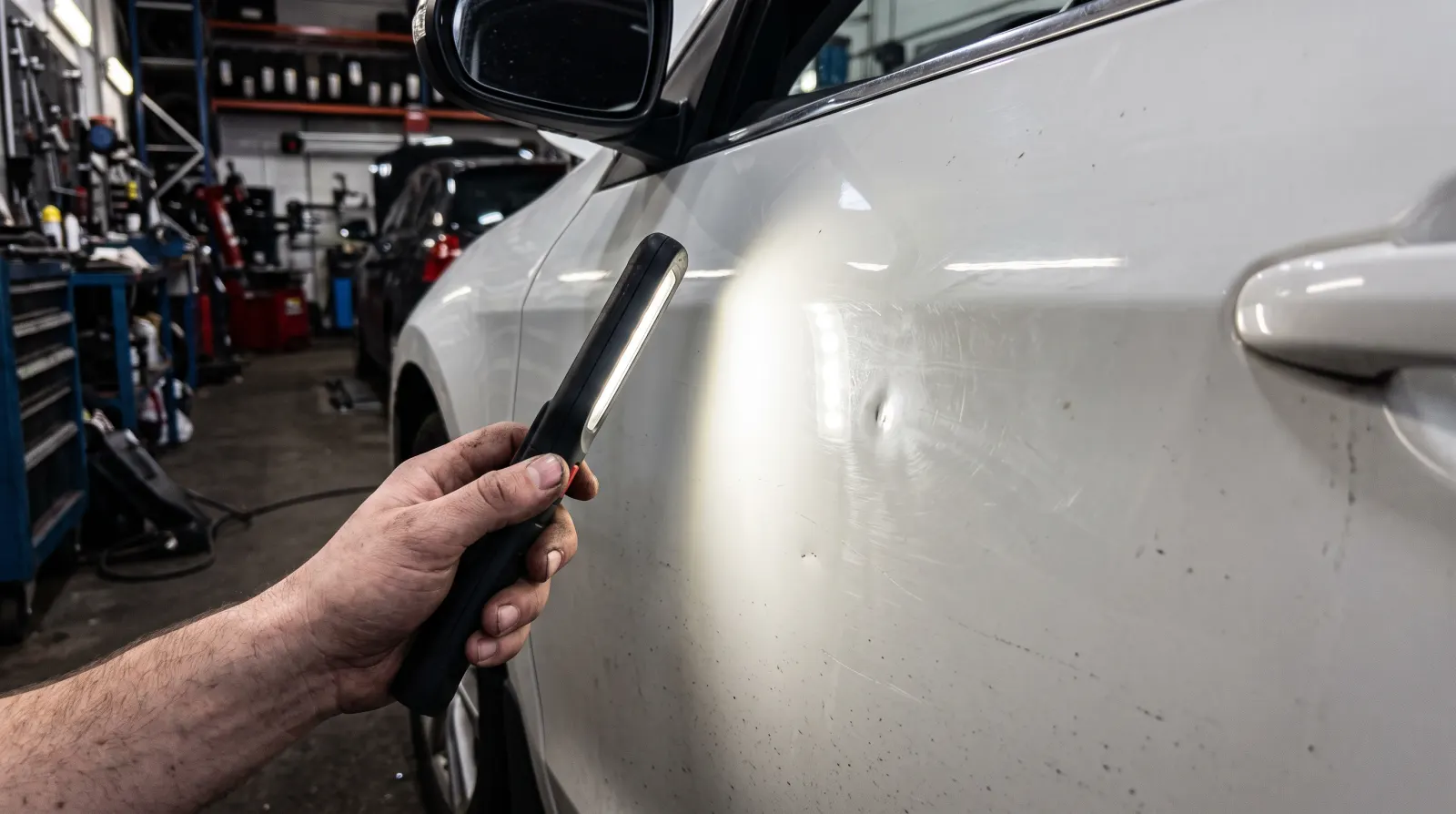
How can I tell how far it has spread?
Look along the panel rather than straight at it, in daylight or with a torch held low. Failing lacquer shows as a patch where the reflection goes hazy or breaks up. The hazy area is part of the problem too, not only the flakes you can see, and the repair has to reach past all of it.
Why does lacquer peel?
Because the clear has stopped sticking to the layer under it. PPG, one of the big paint makers, describes delamination of clearcoat as clear losing adhesion to the basecoat system. On a repair, the causes it lists are basecoat put on too thick, the basecoat not given long enough to flash off before the clear goes on, and clear not mixed properly. Flashing off is the short wait for a coat's solvent to evaporate.
PPG's page on flaking adds more: a surface contaminated with wax, grease, silicone or soap, a surface not keyed properly, paint put on too thickly, and stress building up between two layers. Keying means sanding a surface so the next coat has something to grip.
The clear also does a job for the colour. Axalta, another of the big paint makers, says its clearcoats help protect finishes against UV exposure and environmental weathering. Once the clear has gone, the colour under it has lost that cover.
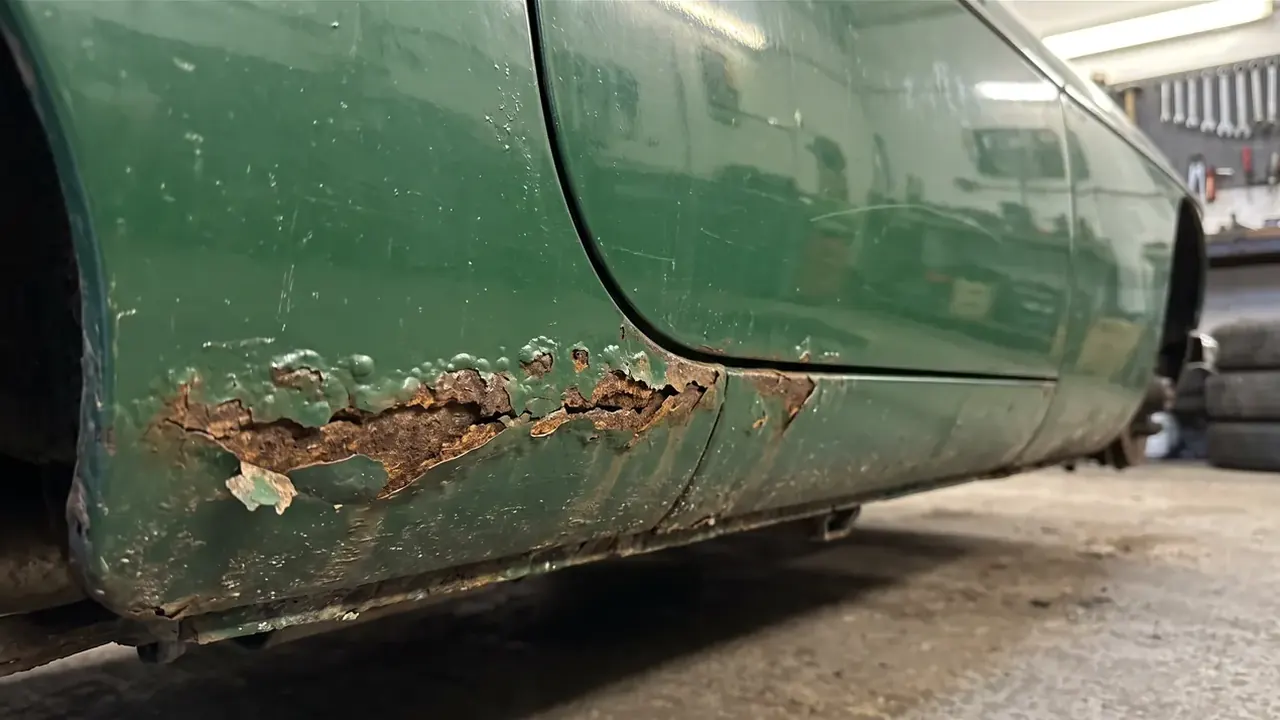
Is it peeling lacquer or rust lifting the paint?
Look at where it is and what's underneath. Peeling lacquer is usually out on the open panel, and under the flakes you'll see the colour. Rust pushes up from the metal instead. PPG describes corrosion under paint as loose paint, bubbling and discolouration, especially round body fittings, panel edges and seams.
Bubbles, brown staining or flaking low down on the sills, the arches or the bottoms of the doors point to rust. That's a metal repair before it's a paint one.
Can peeling lacquer be polished out?
No. Polishing works within a sound clear coat, taking a fine layer off the top to bring the gloss back. Clear that has lifted isn't stuck to anything, so there's nothing for a polish to work on, and polishing round the edges only thins the clear that's still holding.
Can it be touched in, or lacquered over the top?
No. New clear over failing clear can only grip as well as the old clear does, and the old clear has already let go. PPG's remedy for delamination is to sand the affected areas and refinish. For flaking, it's to remove the detached paint, prepare the surface underneath and repaint.
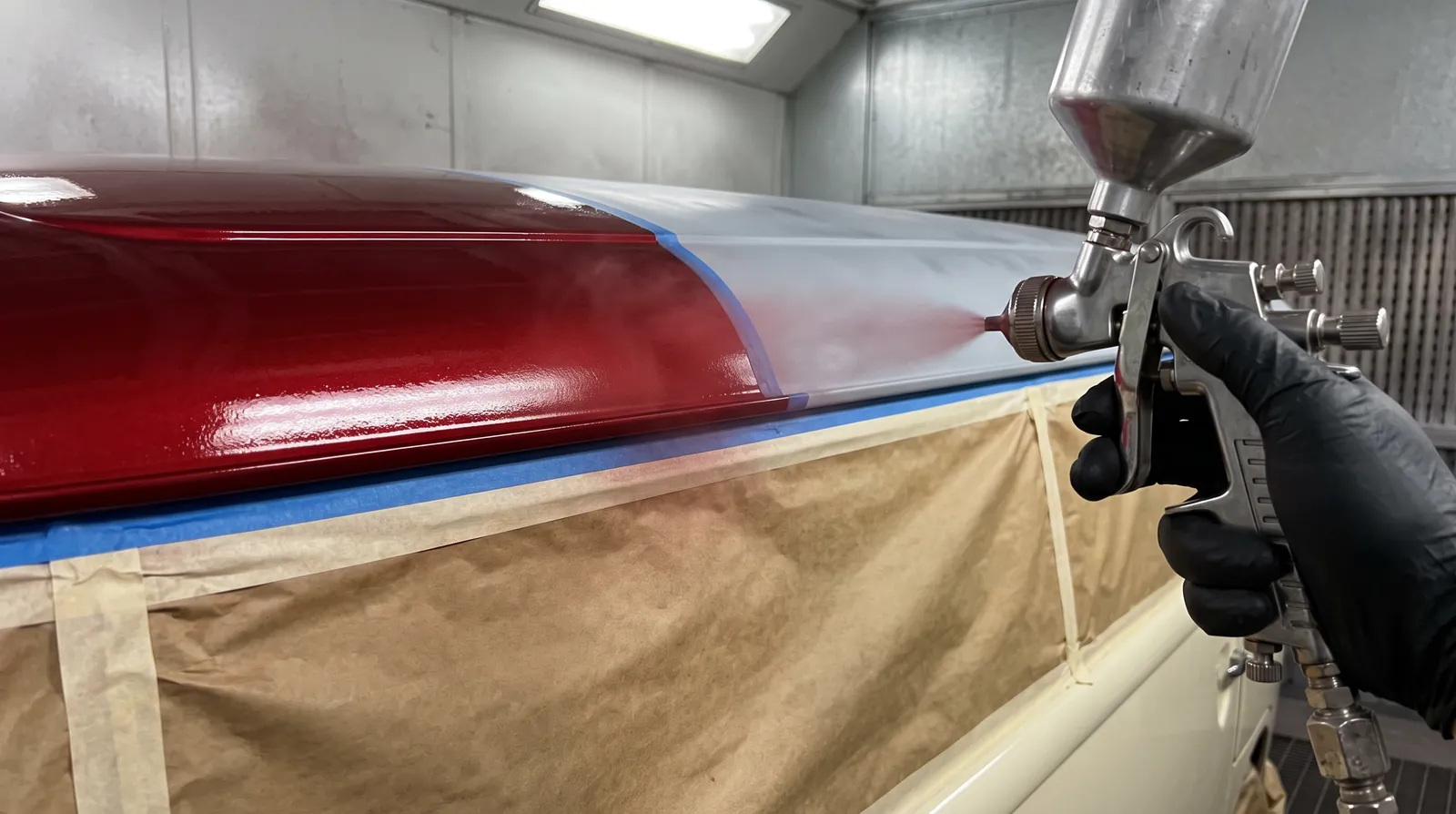
How is peeling lacquer fixed?
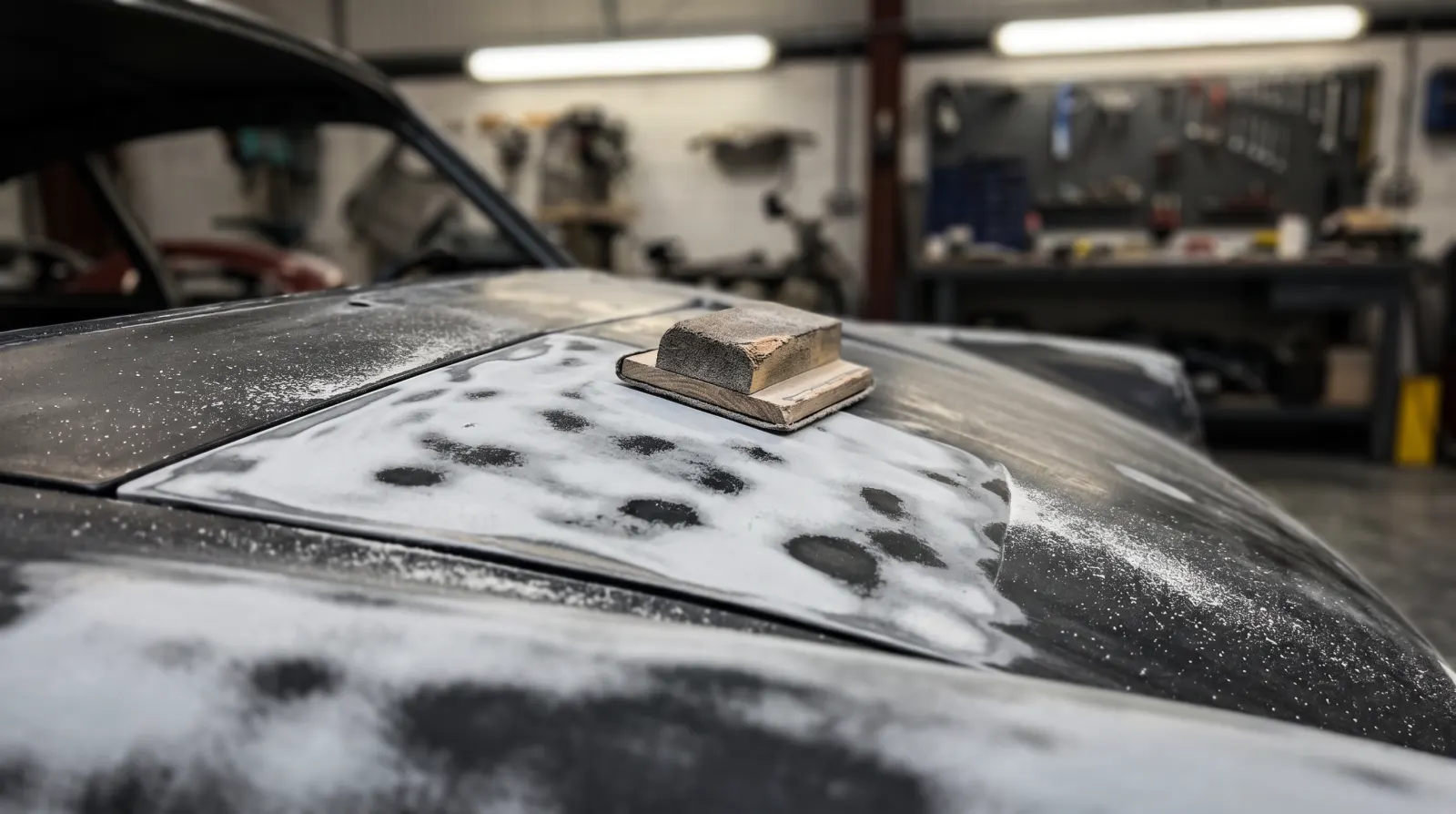
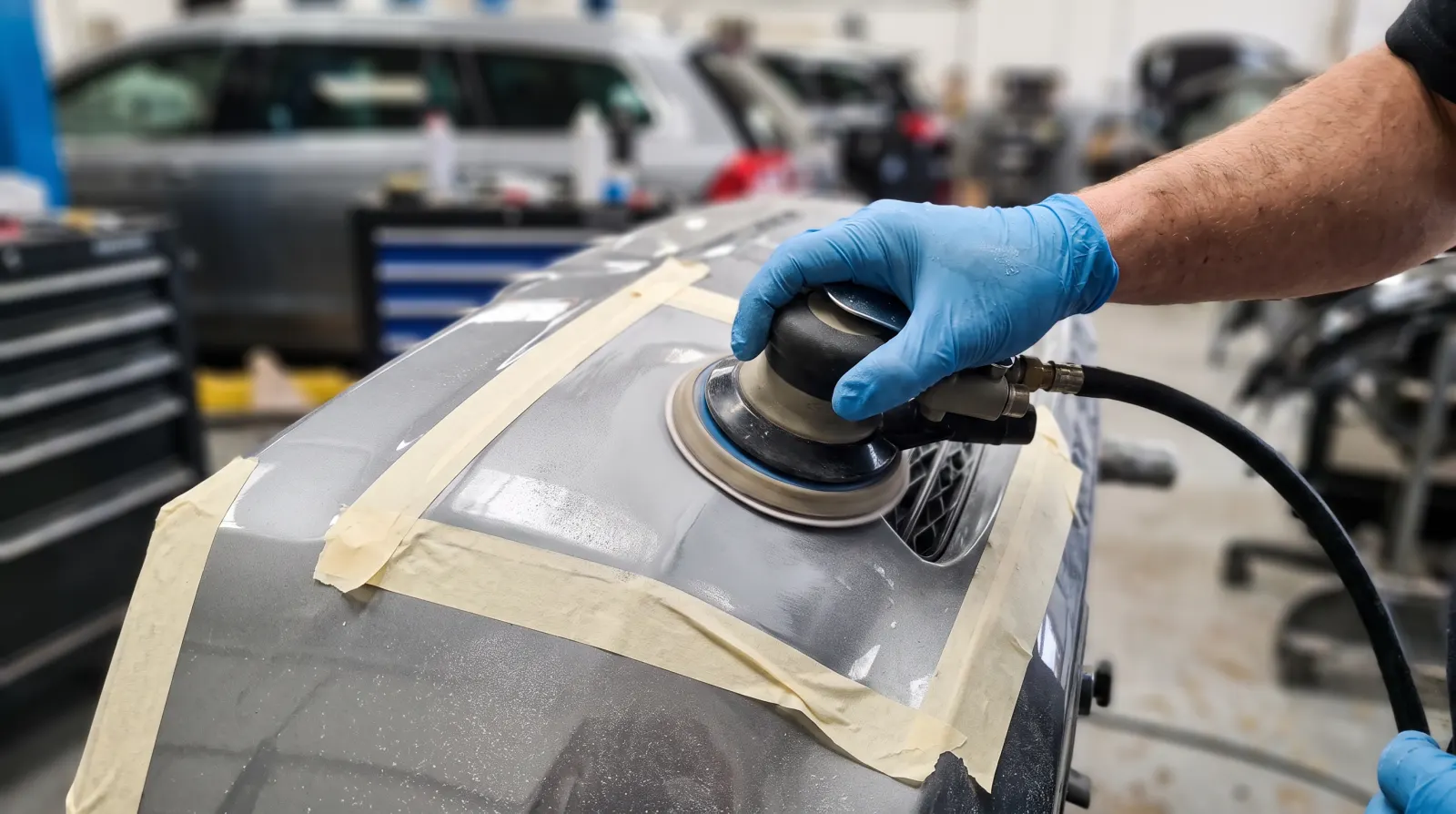
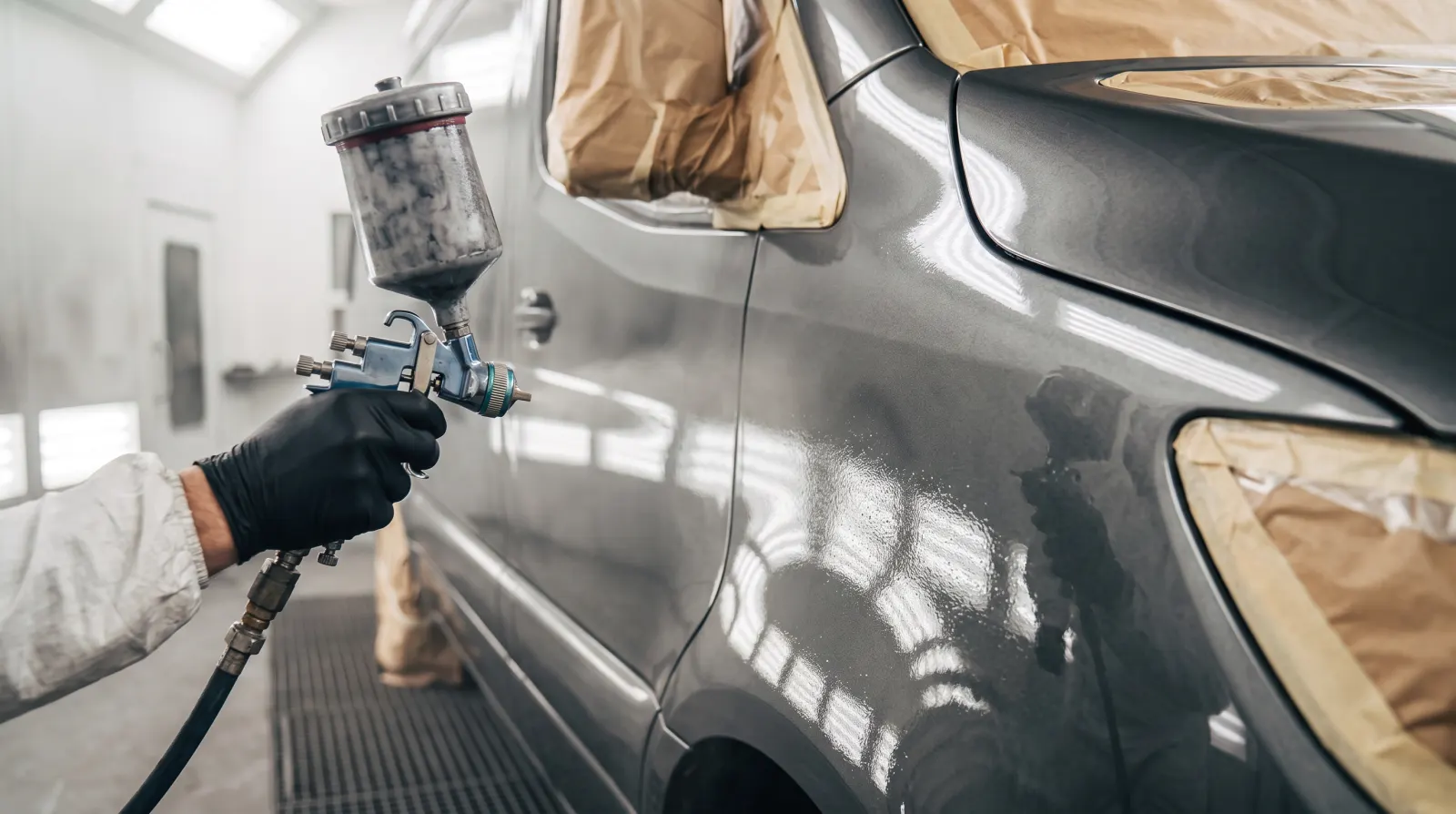
The panel is flatted back past the failure. Flatting means sanding the surface down with a fine abrasive. All the lifting and hazy clear comes off, and the edge of the sound paint round it is feathered into a gentle slope, so no step shows through.
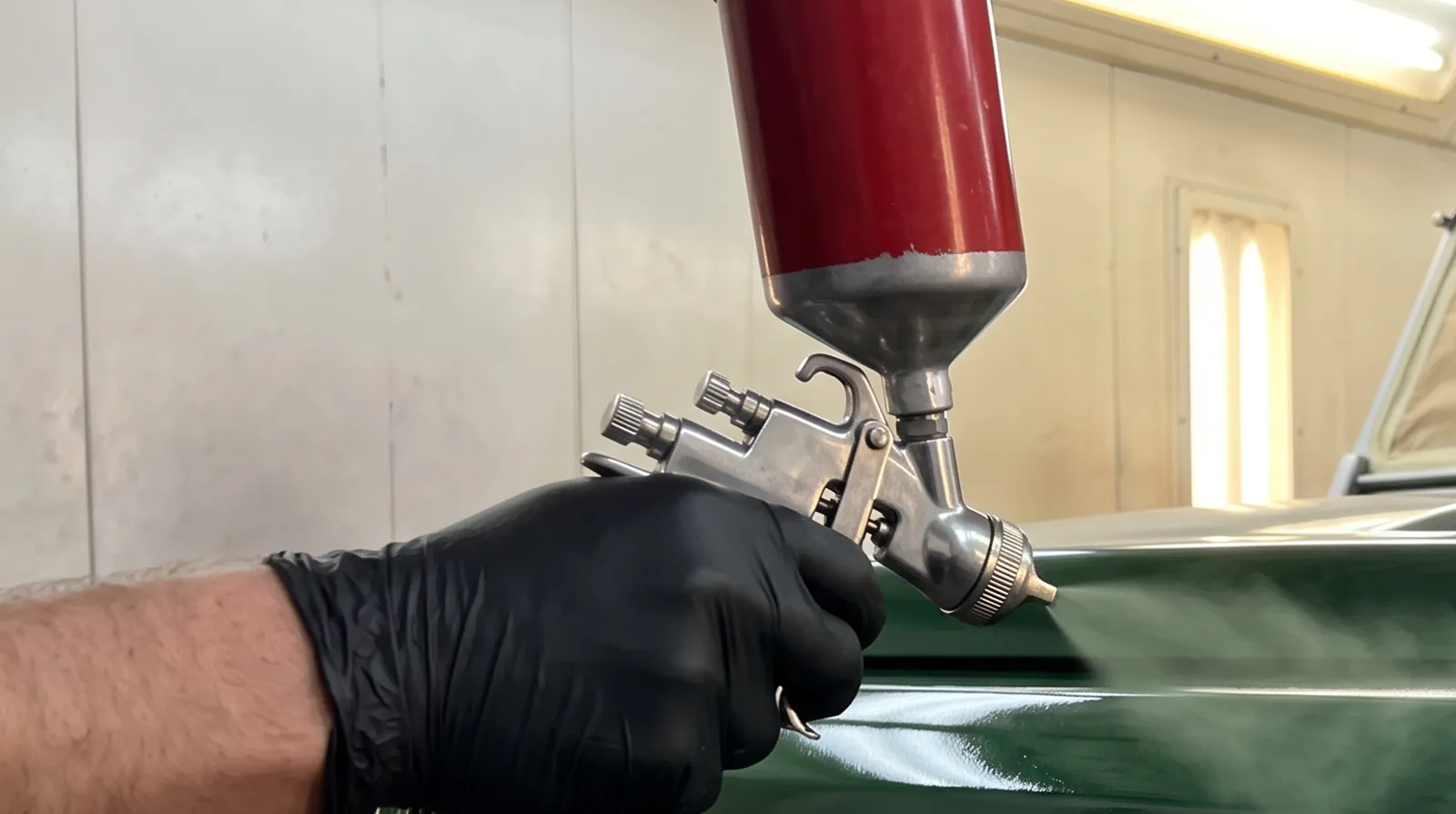
Where the colour underneath has gone dull or been sanded through, it goes back on as well. Then clear goes over the panel. PPG's clearcoat procedure runs the clear to the nearest panel edge or break off point, so the fix covers the whole panel, not a patch in the middle of it.
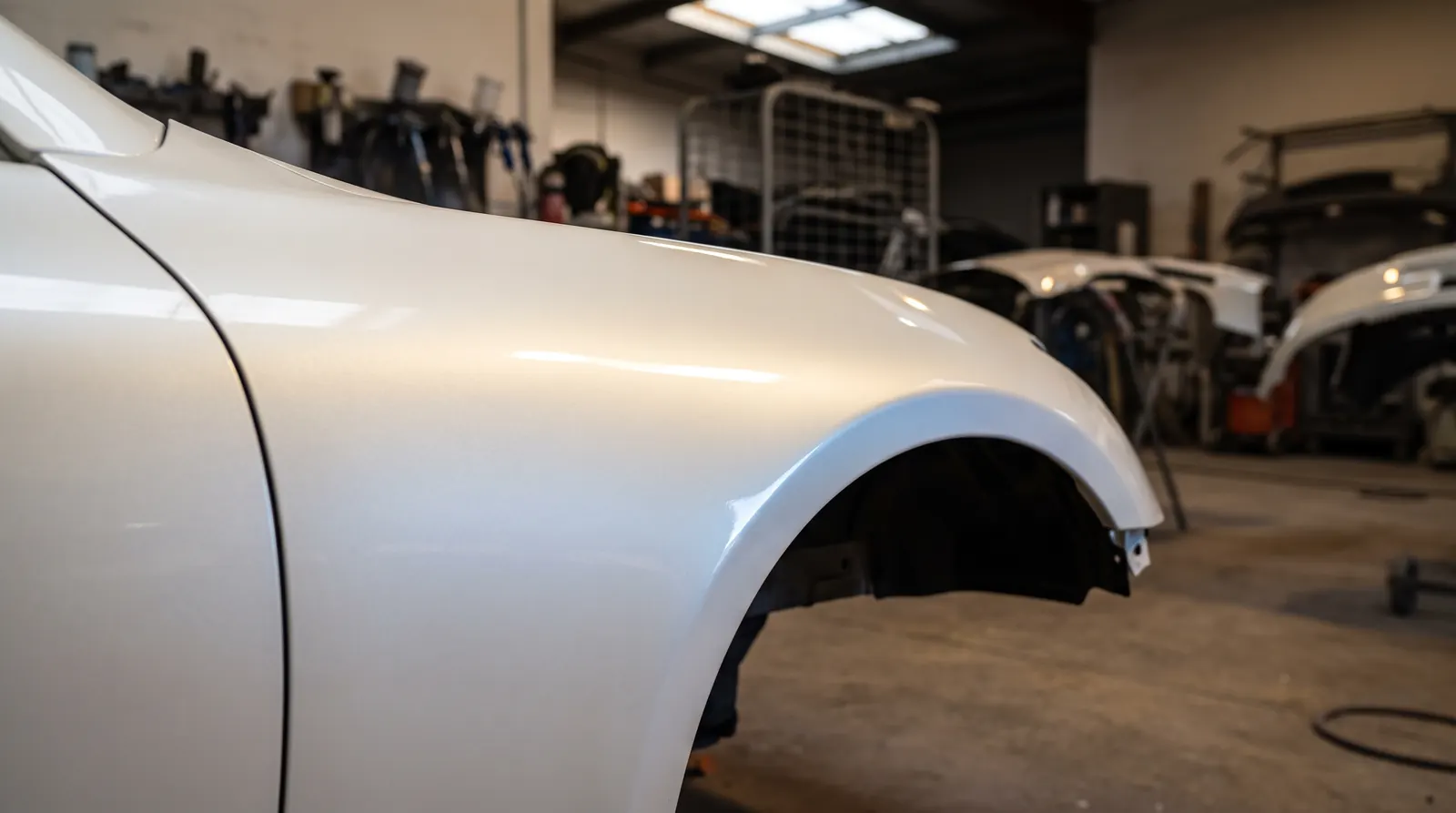
Why do the panels next to it need paint too?
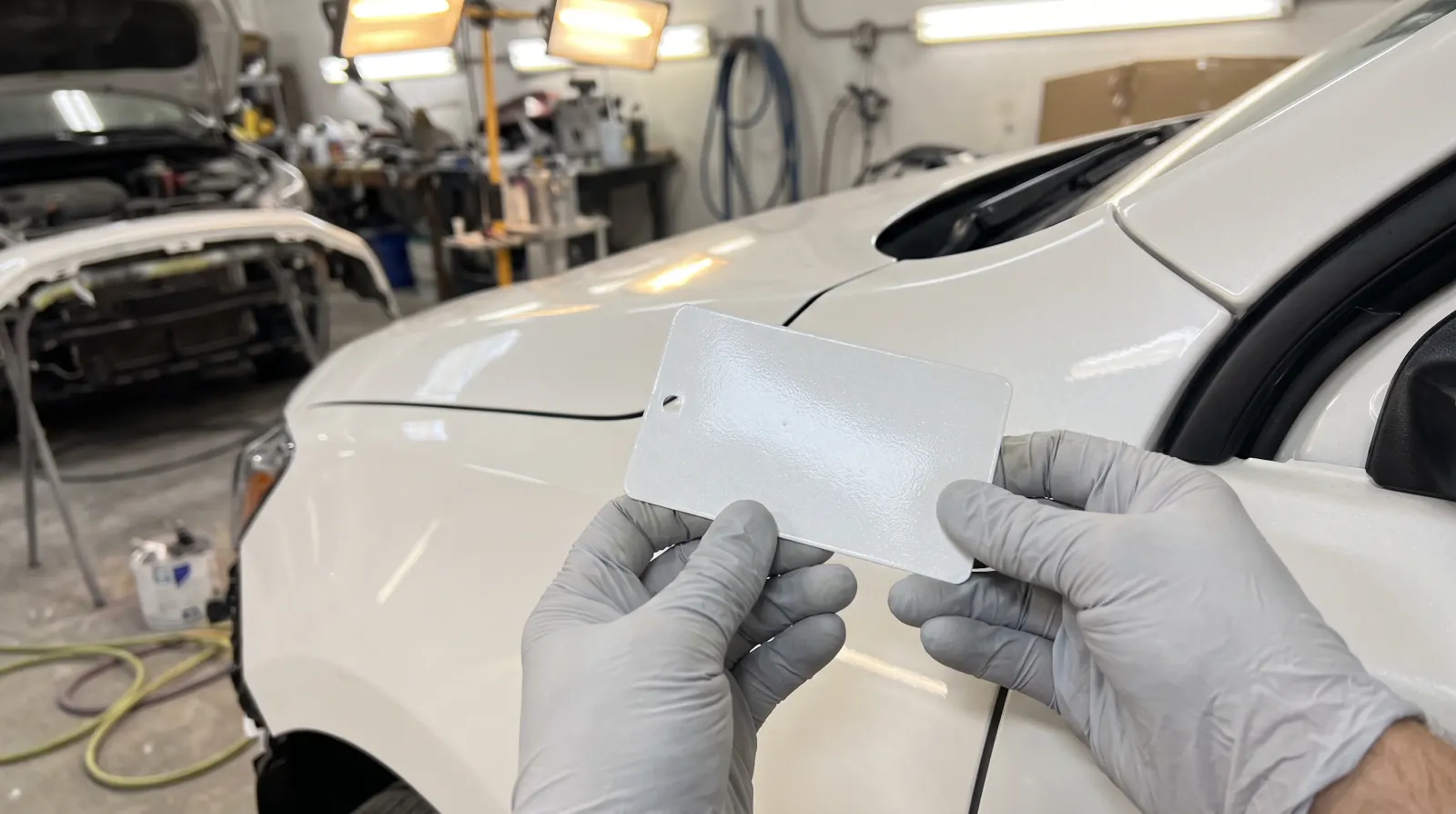
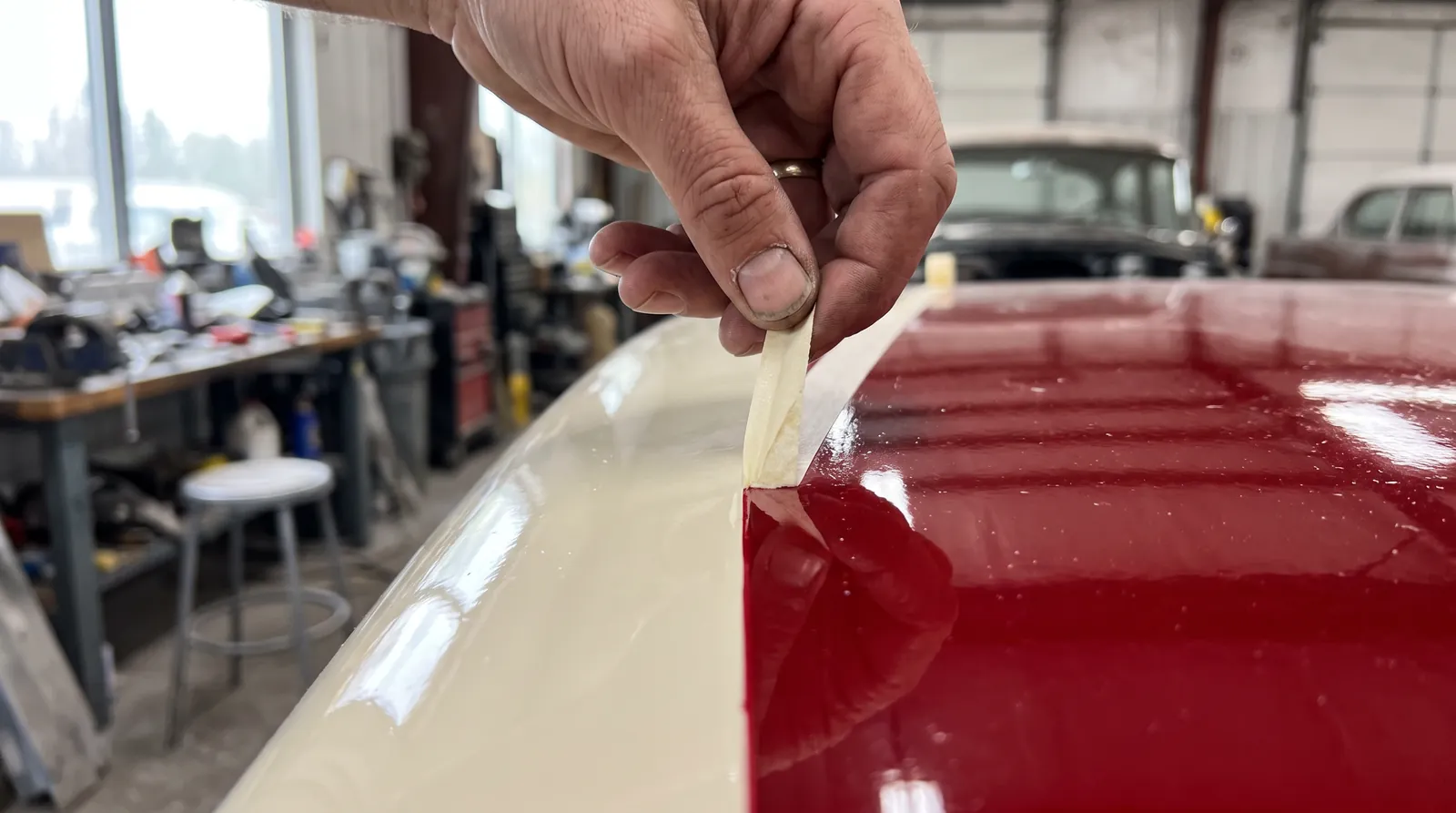
Because new colour has to sit beside old paint. If the colour goes back on, it's mixed to the paint code and blended into the panels either side, so your eye sees a gradual change rather than an edge. PPG's basecoat blending procedure allows at least 12 inches, about 30cm, of blend for an ordinary basecoat, and at least 24 inches, about 60cm, for three-coat and four-coat colours.
So peeling on one panel can mean paint on part of the panels beside it, and a quote can list panels that aren't peeling.
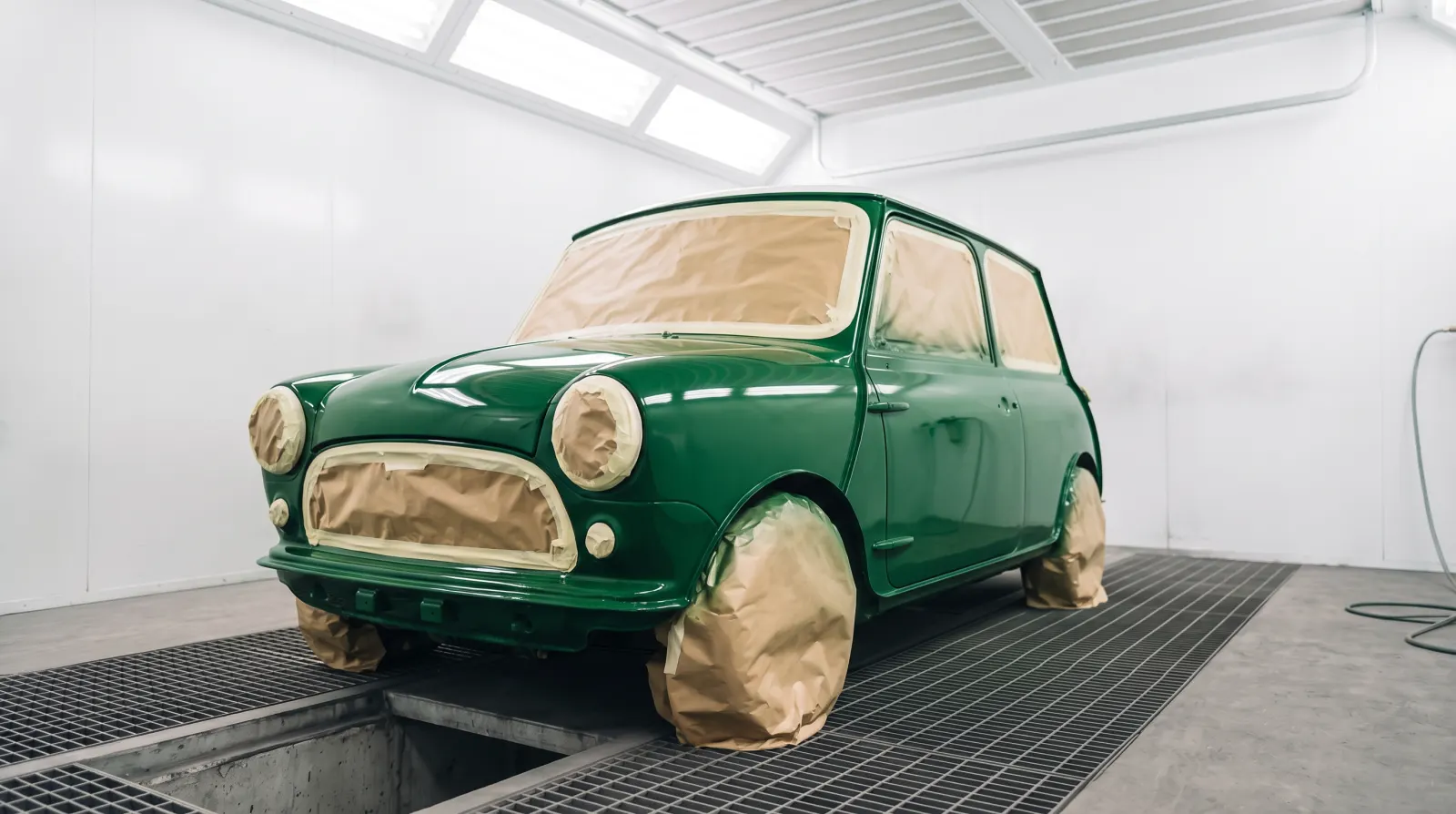
When does peeling lacquer mean a full respray?
When it's on more than a panel or two. If the roof, the bonnet and the boot lid are all going and the rest of the paint has faded, fixing them one at a time will leave the car patchy. A respray puts it all back to one finish.
Will it come back after the repair?
It shouldn't, if all the failed clear comes off and the new paint goes onto a clean, properly keyed surface, at the film build and flash off times the paint maker gives. That's what PPG's prevention advice comes down to.
What moves the cost?
How many panels are peeling, how far each has to be taken back, whether the colour has to go on as well as the clear, and how far the blend has to reach. A three-coat pearl needs a wider blend than a solid colour. See body repair for single panel work and prices for how we quote.
Peeling lacquer? Send us a close-up of the worst panel, a photo of the whole car and the paint code if you have it, from the quote form.