A touch-up seals a stone chip and stops it getting worse. It doesn't make it disappear. A proper chip repair is sanded, filled level and painted. When the front of the bonnet is peppered with chips, painting the whole bonnet and blending the colour into the wings is usually the better job.
Here's how to tell which yours needs.
What does a touch-up actually do?
It covers the hole. Paint goes into the chip, usually with a fine brush, so the metal or primer underneath isn't left bare.
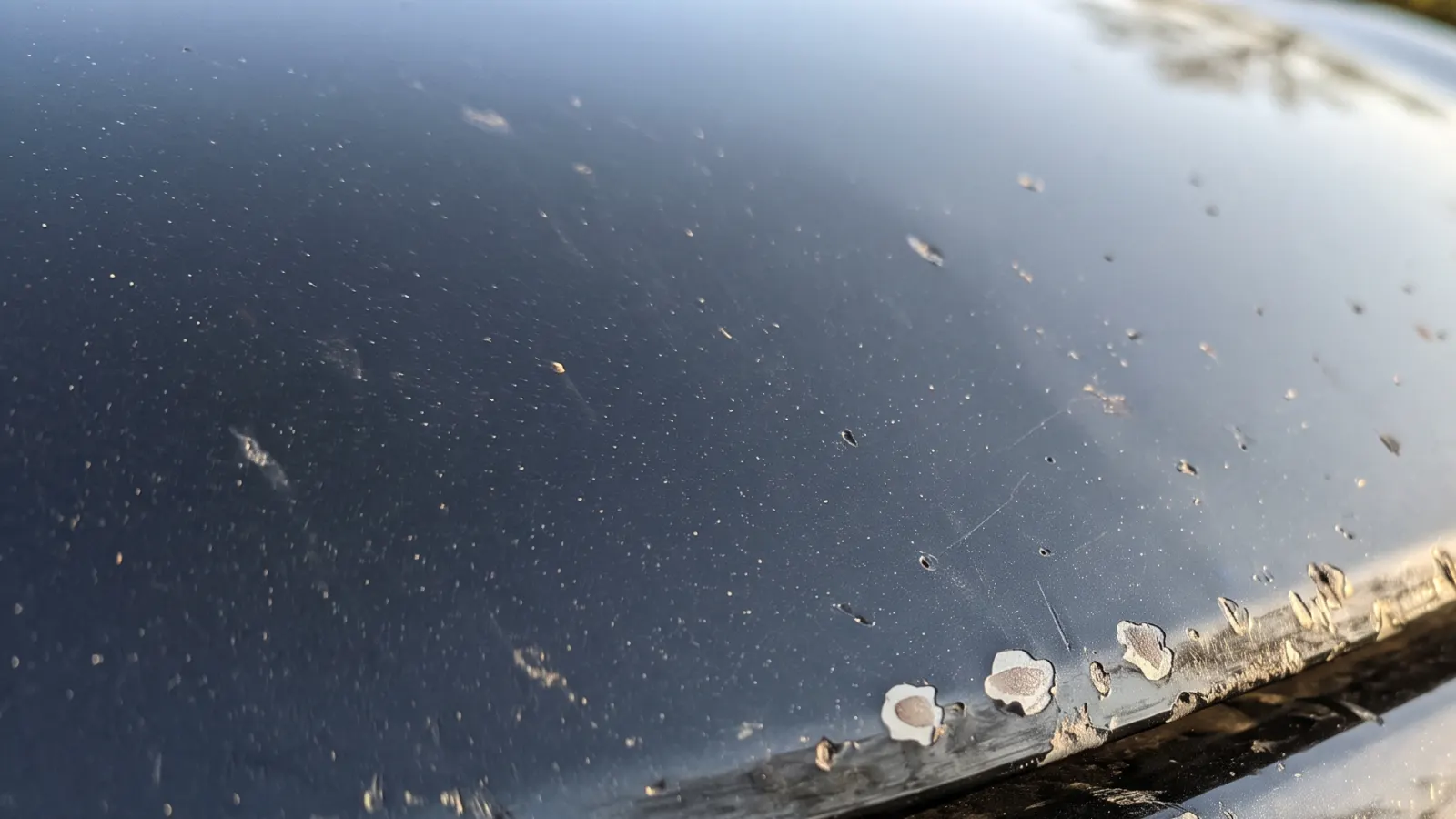
What it can't do is make the chip level with the paint round it. A touch-up tends to sit as a small blob or a shallow dip, and the edge of the chip stays sharp under it. On glossy paint in good light, you'll see it. On a car whose paint has faded, the touch-up can be a shade out as well.
So a touch-up is a holding repair. It's worth doing quickly on a chip through to the metal, and it's fine on a few small chips you can live with.

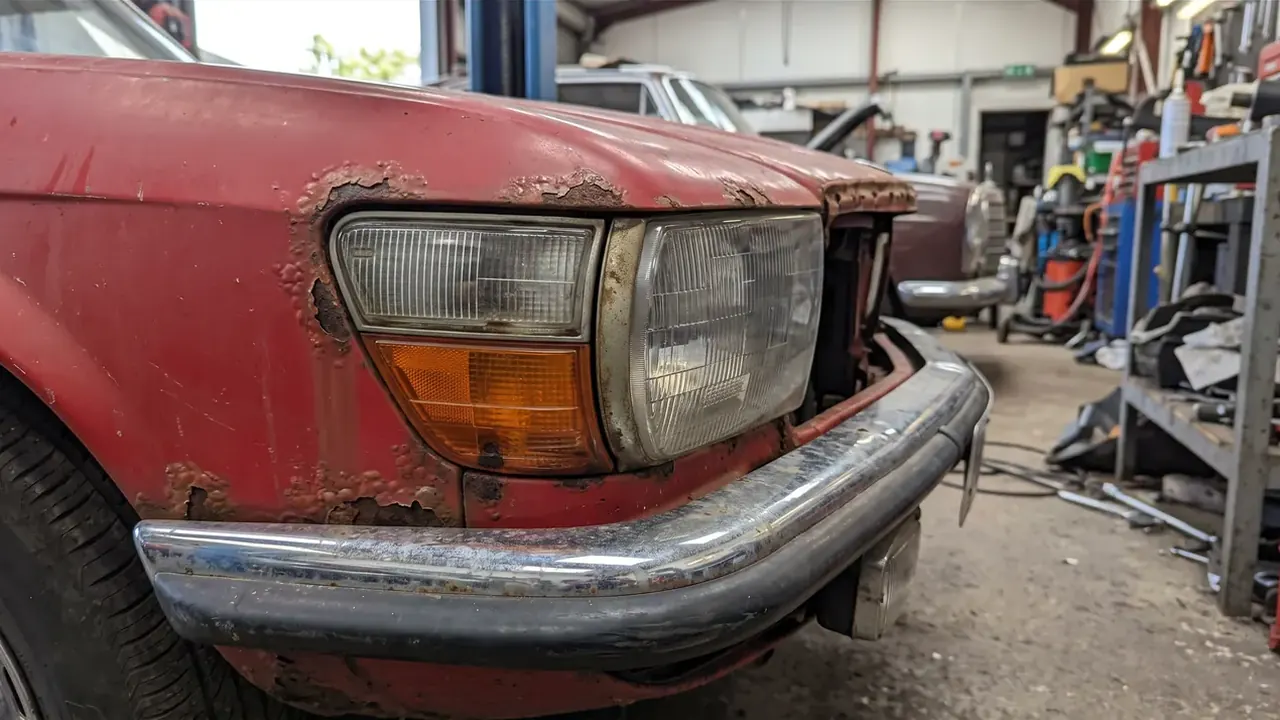
Why do stone chips start to rust?
Because a chip through to bare steel leaves the metal open to water and road salt. PPG, one of the big paint makers, lists bare metal exposed by accidental damage among the causes of corrosion under paint, and describes what follows: loose paint, bubbling and discolouration of the paint film.
Its advice is to repair damage to the paint as soon as possible and to treat newly exposed metal straight away. Left long enough, rust creeps under the paint round the chip, and the repair grows from a dot to a patch.
How can I tell if a chip has gone through to the metal?
Look into it in good light. If the bottom of the chip is grey, white or another colour of paint, it has stopped at a layer of paint or primer. If it's bright metal, or a brown or orange spot, it's through to the steel.
Send us a close-up photo if you're not sure.
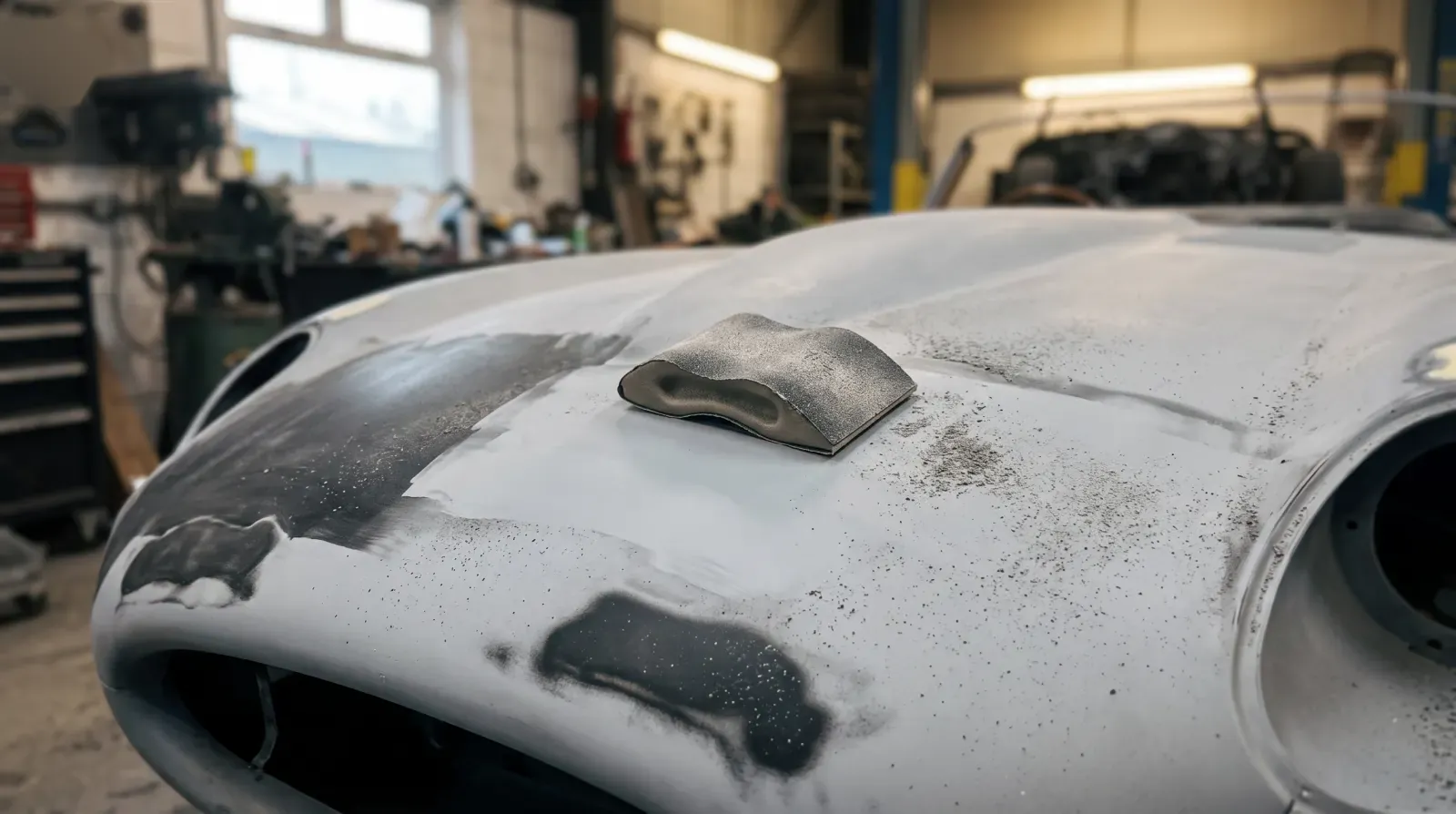
How is a stone chip repaired properly?
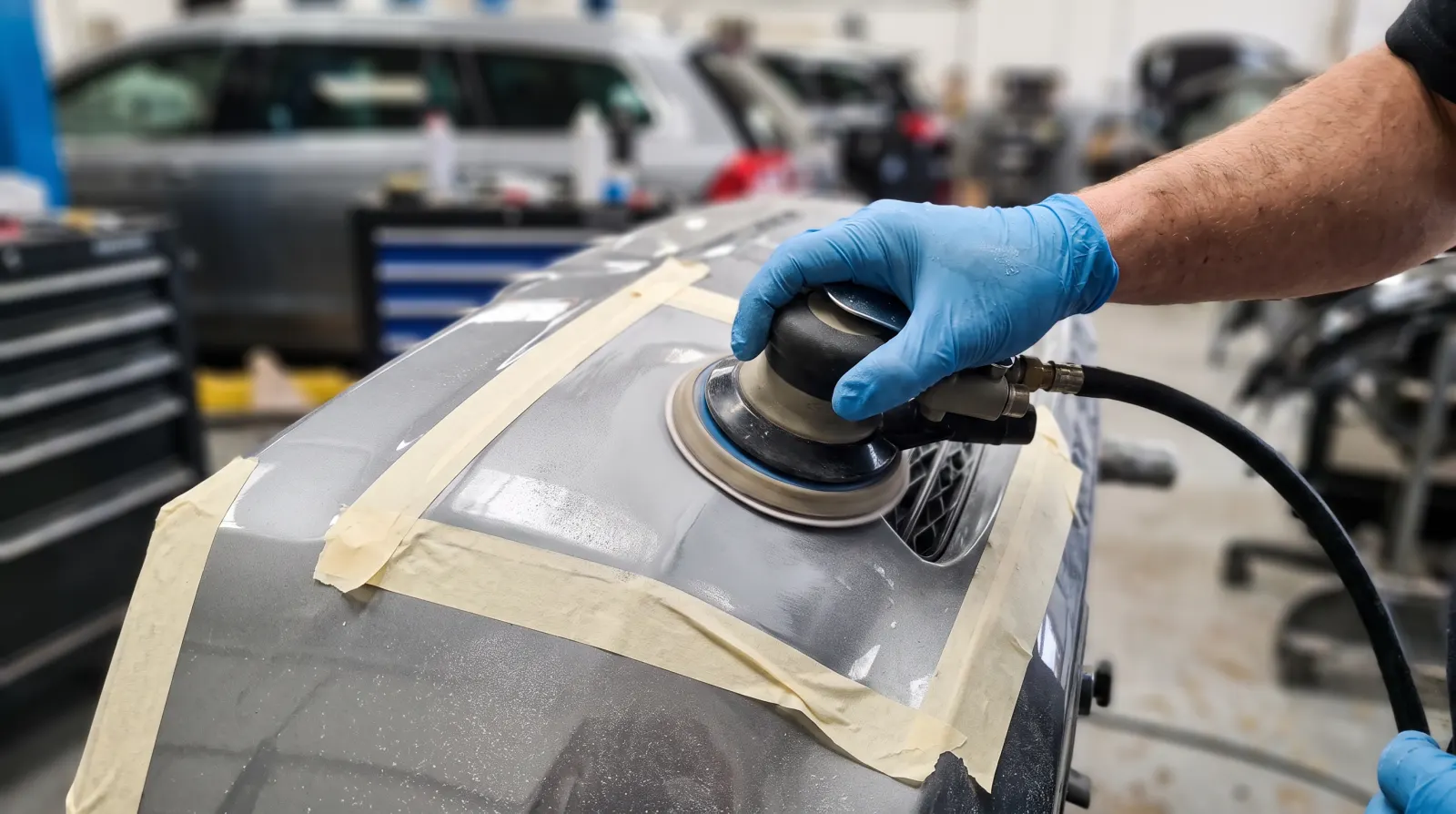
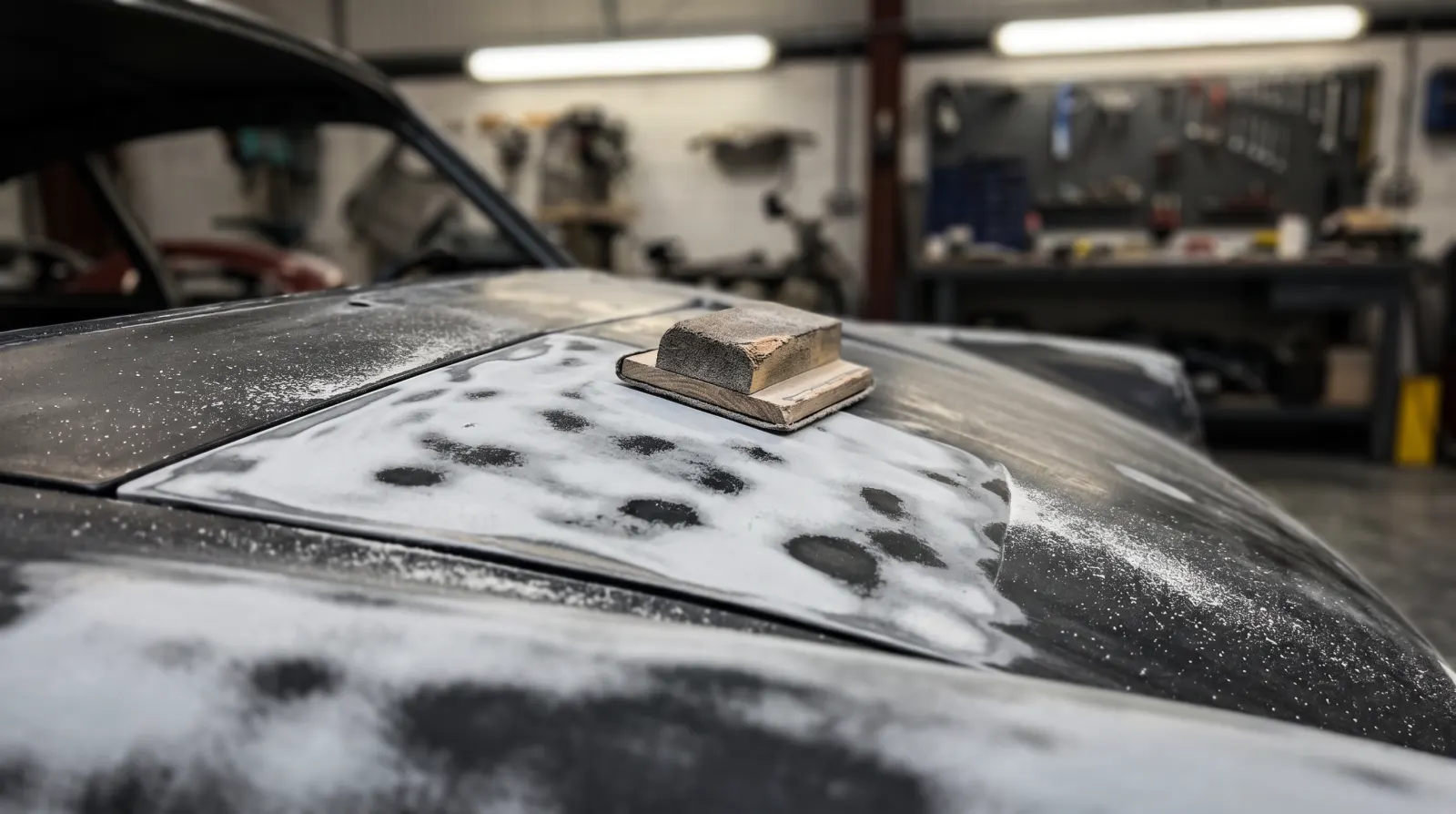
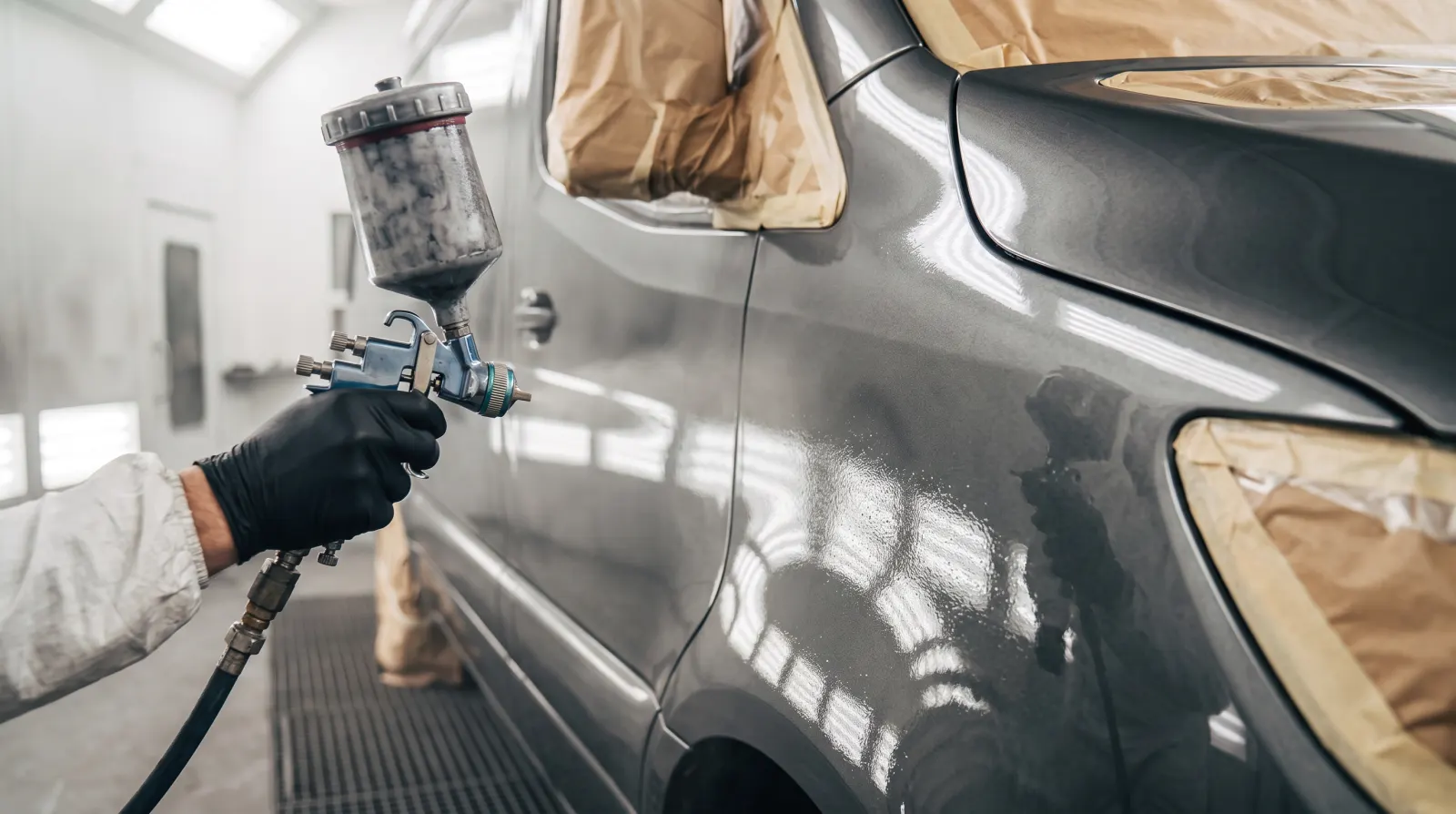
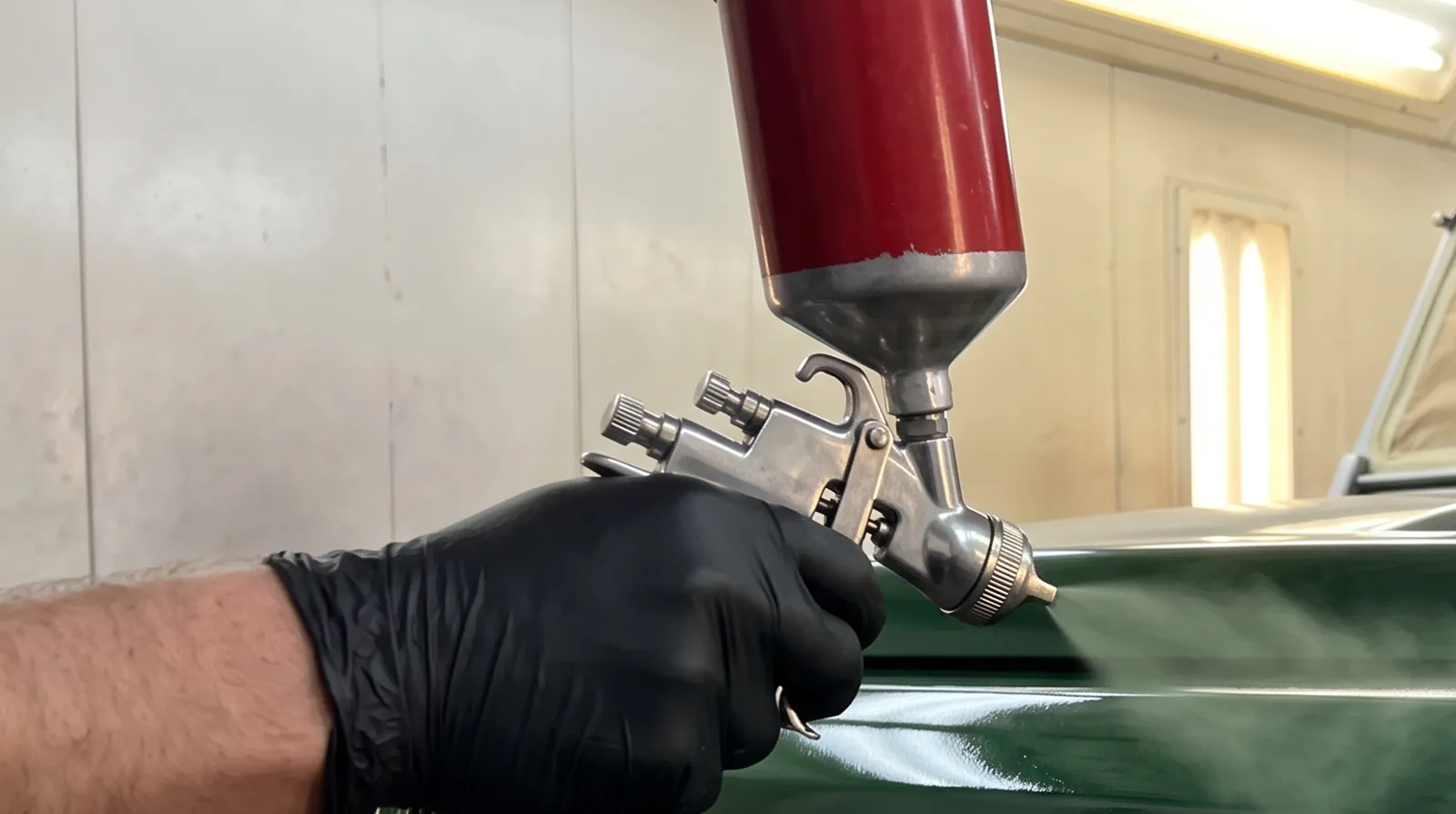
It's sanded, filled level and painted. PPG's repair for stone chips is to rub down the affected area, feather the edges of the chips, restore the level with stopper and repaint. Feathering means sanding the edge of the old paint into a gentle slope, so no step shows through the new colour. Stopper is a fine filler for shallow marks.
Any rust in a chip comes out first, back to clean metal, and the bare metal is treated and primed, as PPG's corrosion advice says. Then it's blocked flat over guide coat, a dark dusting that shows up any low spots, and painted to the car's paint code. See body repair for how we put chips and scratches right.
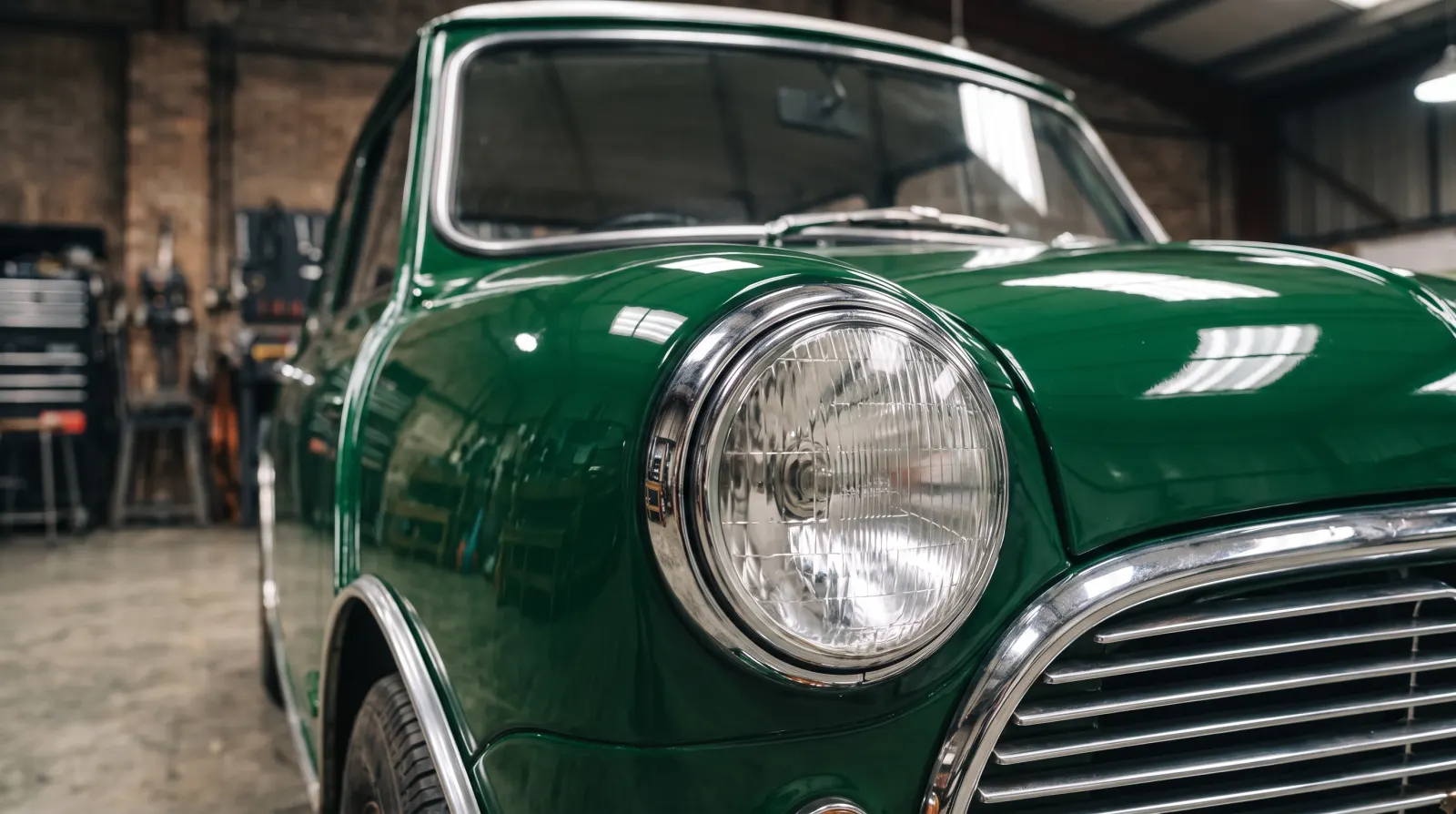
When is it better to paint the whole bonnet?
When there are more chips than touch-ups can sensibly cover. The front edge of a bonnet takes most of what the road throws up, and after a few years it can be peppered. Dozens of small repairs side by side would still leave the bonnet looking patched.
Painting the bonnet puts the whole panel back to one even finish. It's also the honest answer when chips have started to rust in several places, or when old touch-ups have built up into a lumpy front edge.
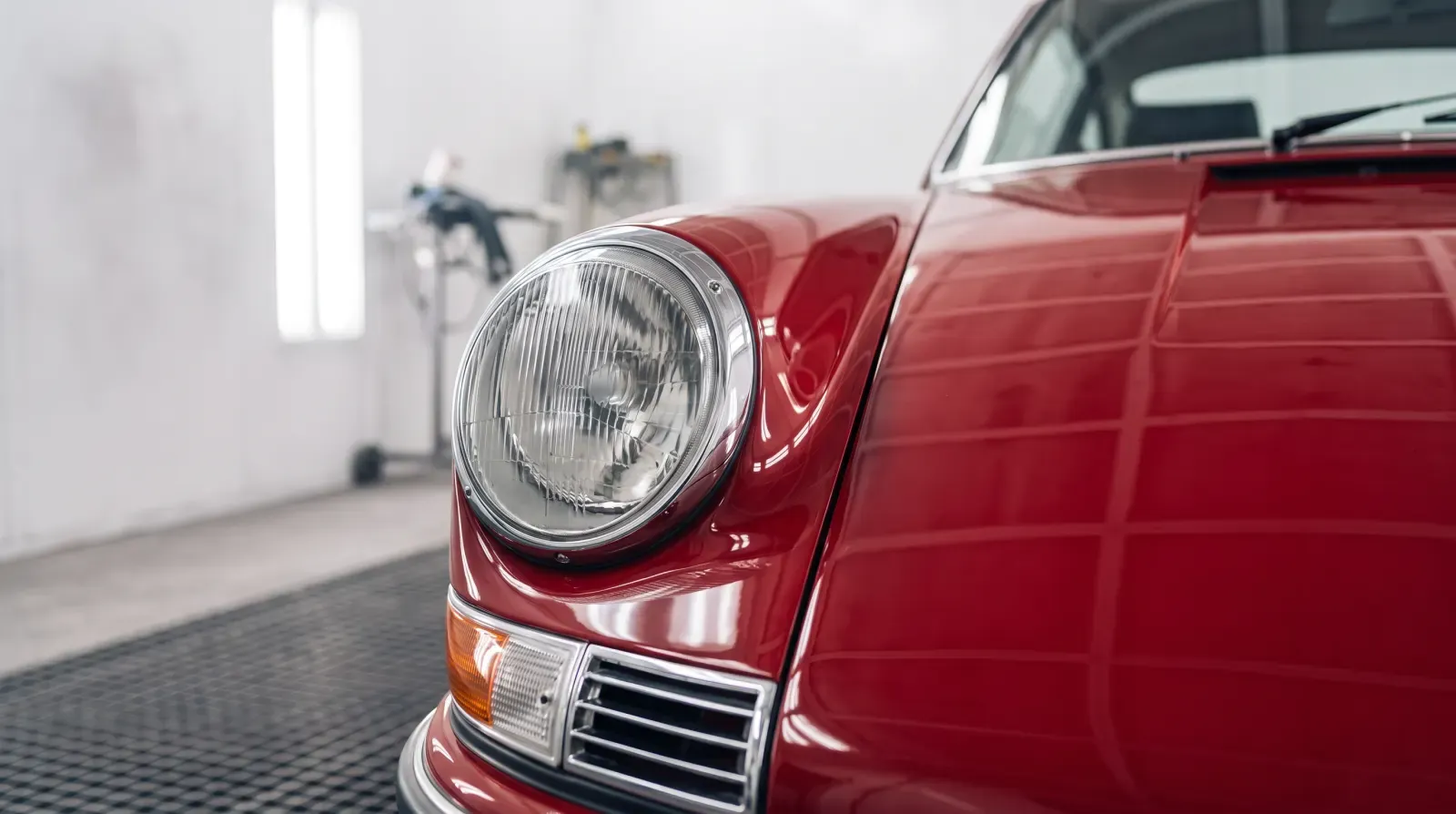
Why would the wings need paint as well?
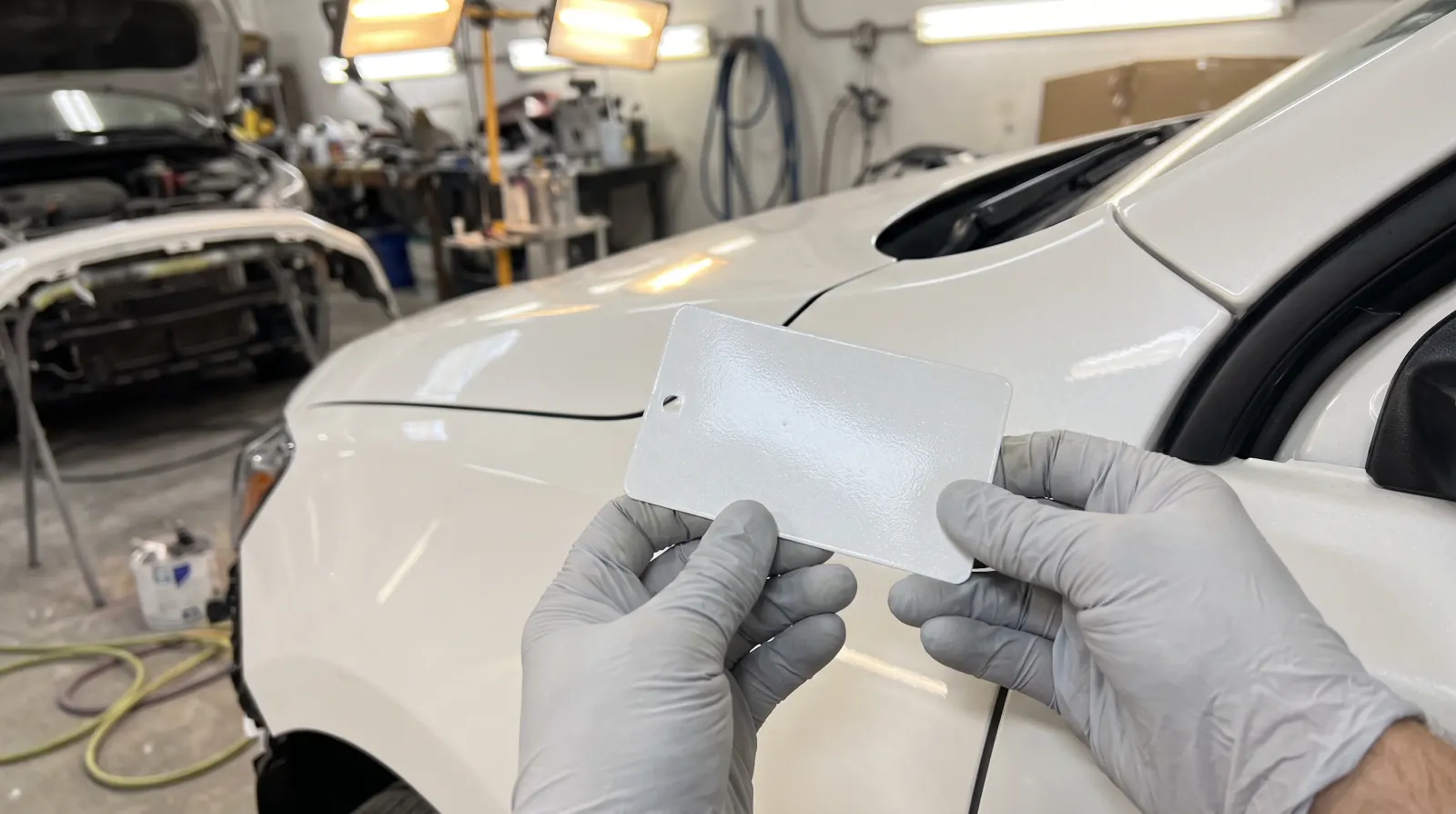
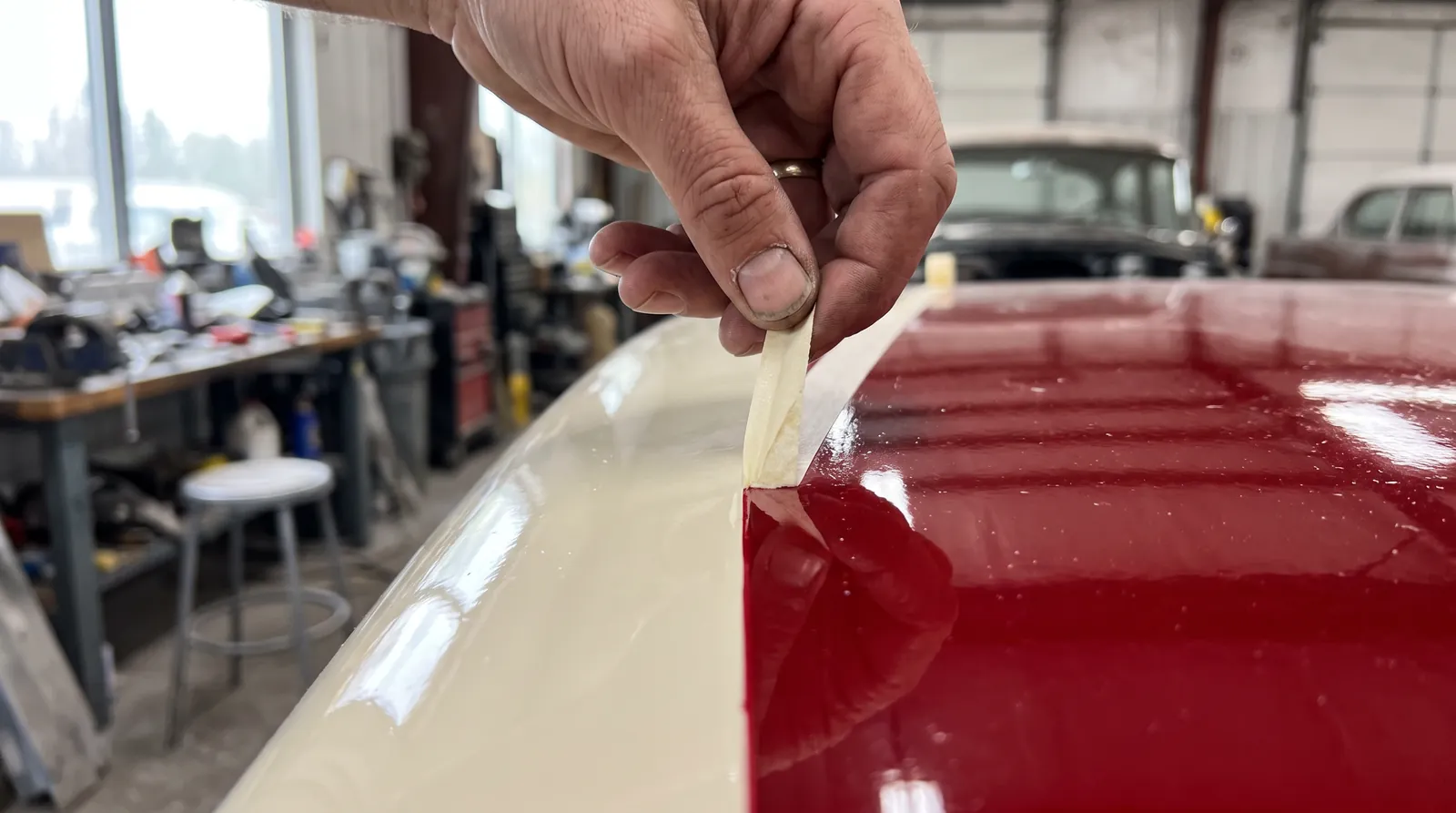
Because the new colour has to sit right beside the old paint. Fresh paint mixed to the code can read a shade off beside paint that has been on the car for years, so it's blended, faded out across part of each wing, and your eye never meets an edge.
PPG's basecoat blending procedure allows at least 12 inches, about 30cm, of blend into the panels next to the repair for an ordinary basecoat, and at least 24 inches, about 60cm, for three-coat and four-coat colours. Its clearcoat procedure then runs the clear to the nearest panel edge or break off point. So a bonnet can mean colour on the front of both wings, and clear across them.
Do stone chips matter on a lease return?
They can, past a limit. The AA's summary of the BVRLA standard accepts chips under 3mm, with no more than four on any panel, six on each door edge and eight on any forward-facing panel. The BVRLA is the UK leasing trade body. Chips inside a dent count as damage, and so does rust on any painted area.
The same summary accepts repaired chips if the work is done to a professional standard, and lists evidence of poor repair as unacceptable. So a bonnet covered in touch-ups that show is worth thinking about before the inspection, not after. Check your own lease company's guide, because it's the one they'll inspect against.
Is a full respray ever the answer for stone chips?
When the chips aren't only on the bonnet. If the front bumper, the wings, the front edge of the roof and the mirrors are all chipped and the rest of the paint is tired, painting one panel will show the others up. See resprays for what a full respray involves.
What moves the cost of a stone chip repair?
How many chips there are, how deep they go and how many panels the colour has to reach. A bonnet painted and blended into both wings takes more prep and more paint, and rust in the chips adds the time to cut it back. A three-coat pearl needs a wider blend.
We give a rough price from photos and confirm it once the car is here. See prices for how we quote.
Chipped bonnet? Send us a close-up of the chips and a photo of the whole front from a few steps back, with the paint code if you have it, from the quote form.