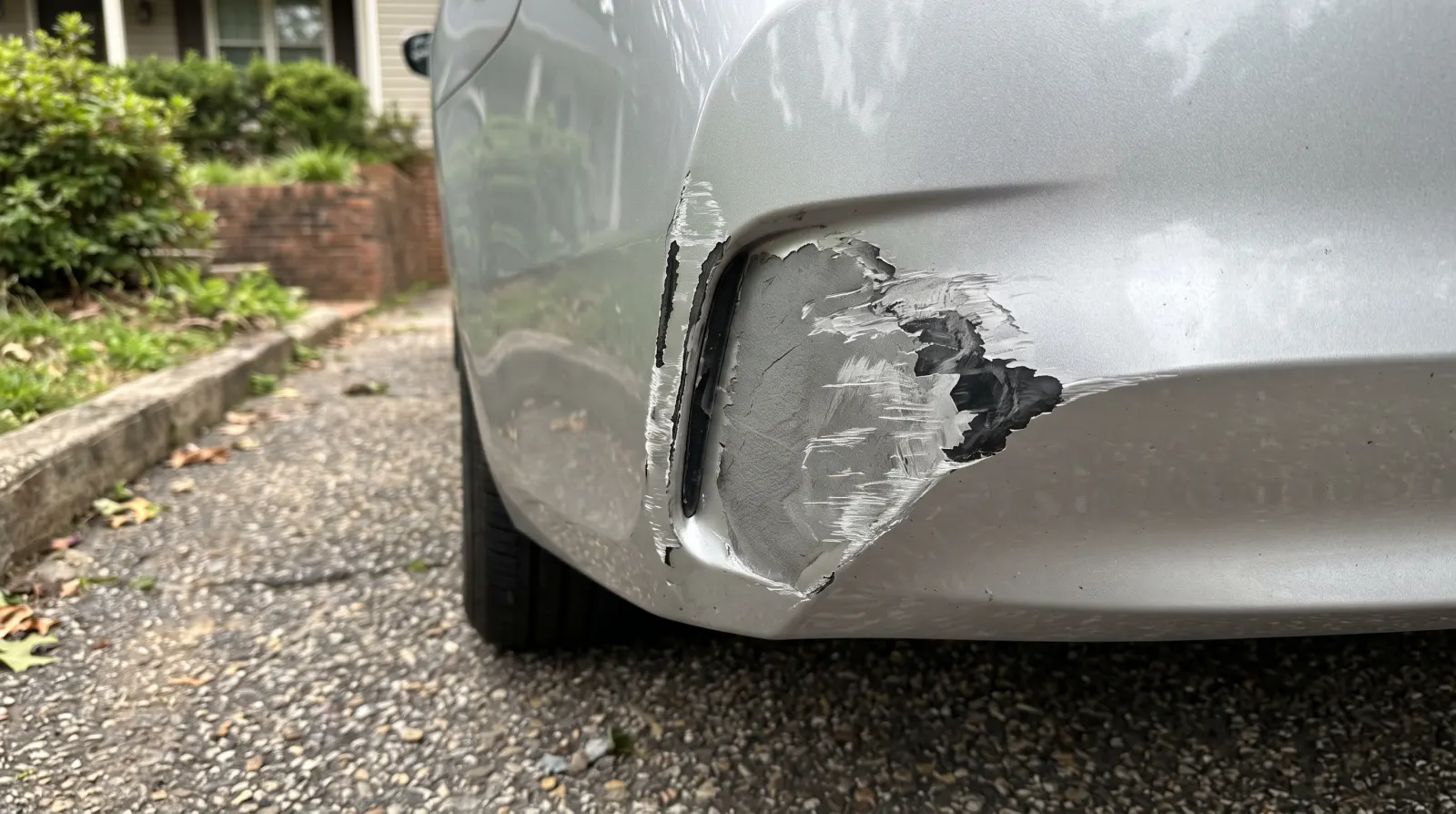
It depends how deep the scratch goes. One that stays in the clear coat, the see-through top layer, can usually be polished out. One that has cut into the colour, the primer or the panel underneath has to be filled, primed and painted, then blended into the paint round it. A key line down one side can mean several panels painted, however thin the line is.
Here's how to tell what yours needs.
What layers can a scratch go through?
Paint on a modern car is built up in layers. From the top down:
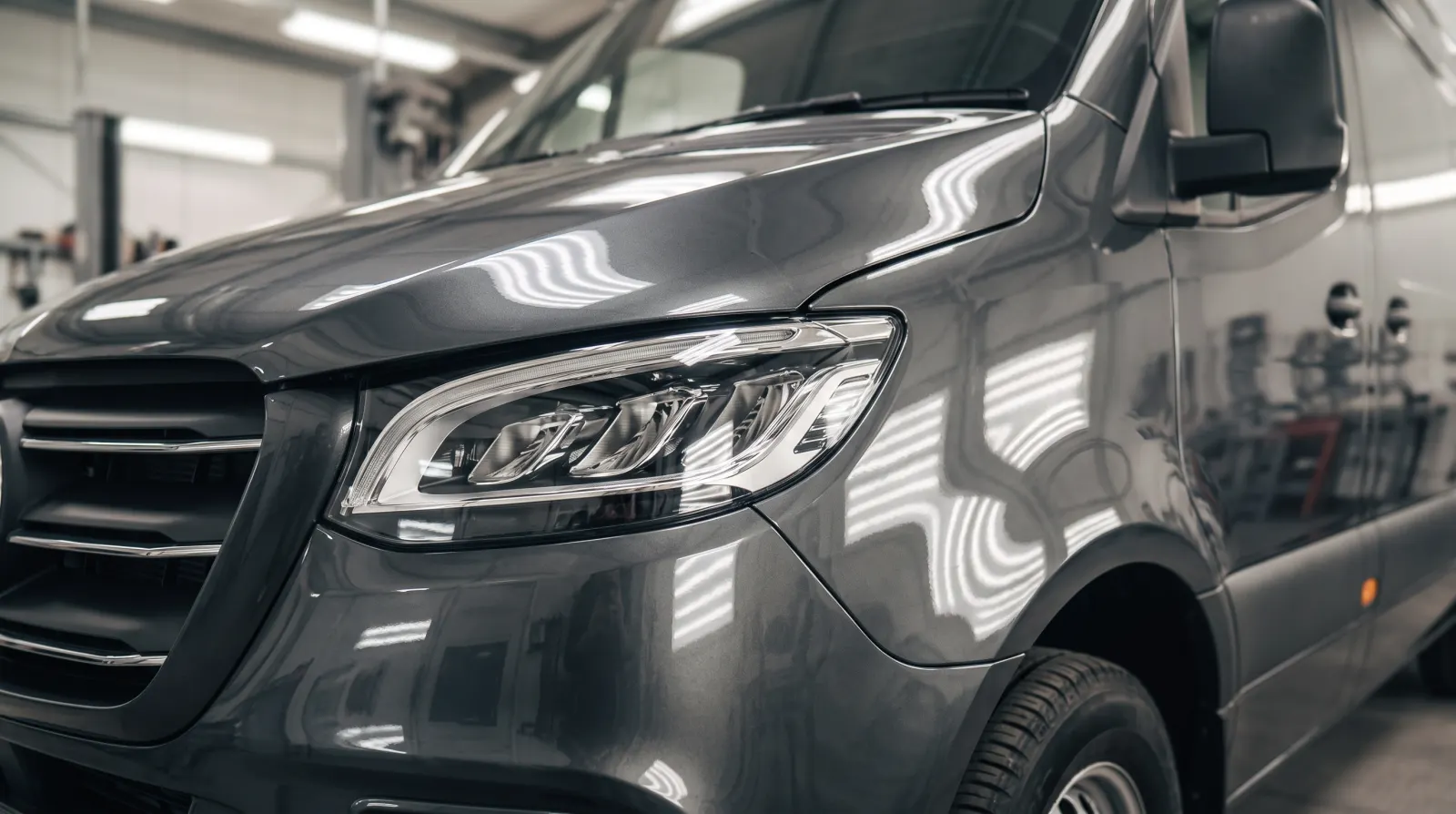
- Clear coat, the lacquer that gives the gloss.
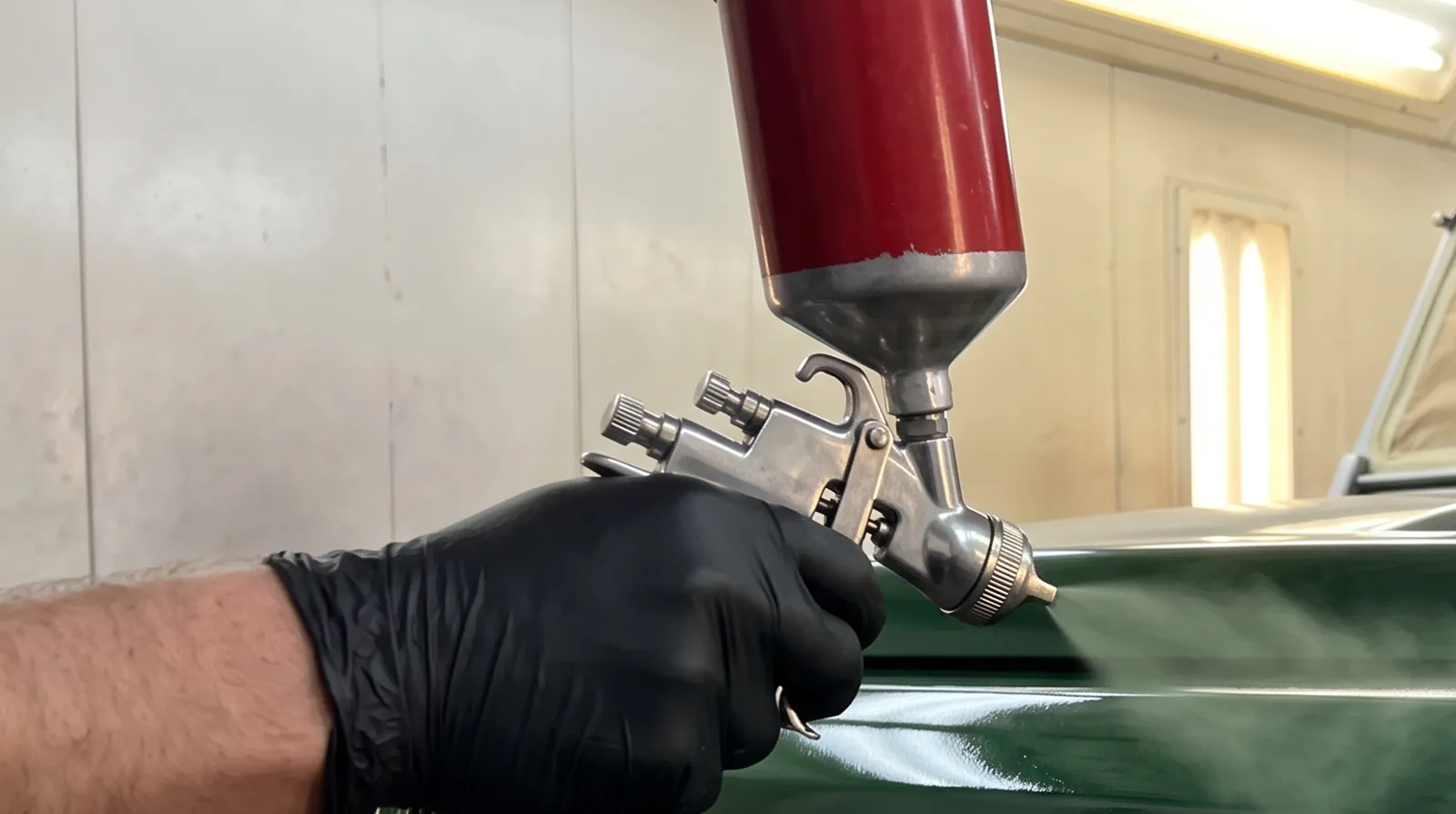
- Colour, the basecoat.
- Primer, which helps the paint grip what's underneath.
- The panel, steel, aluminium or plastic.
Clear coat
Colour
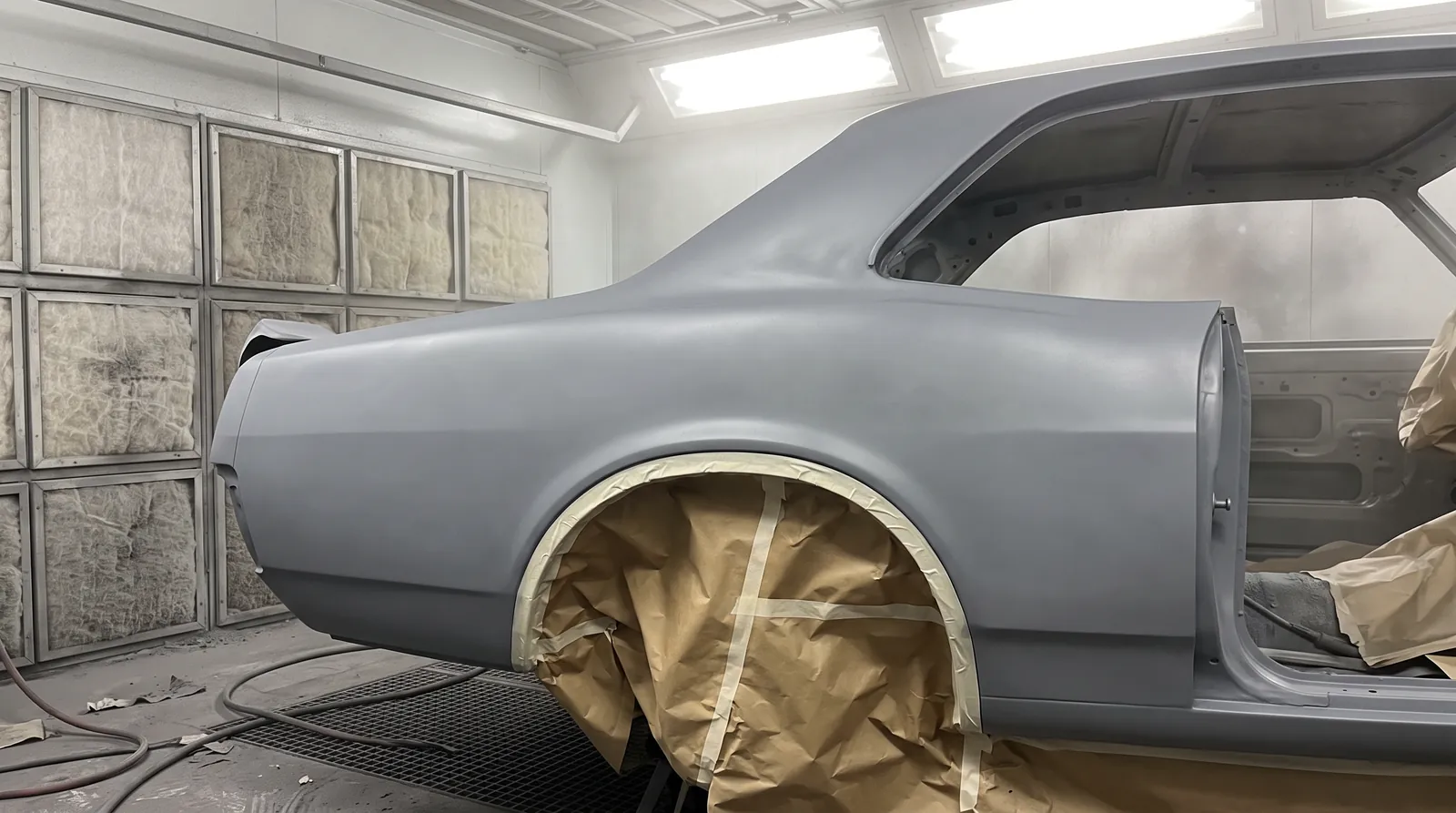
Primer
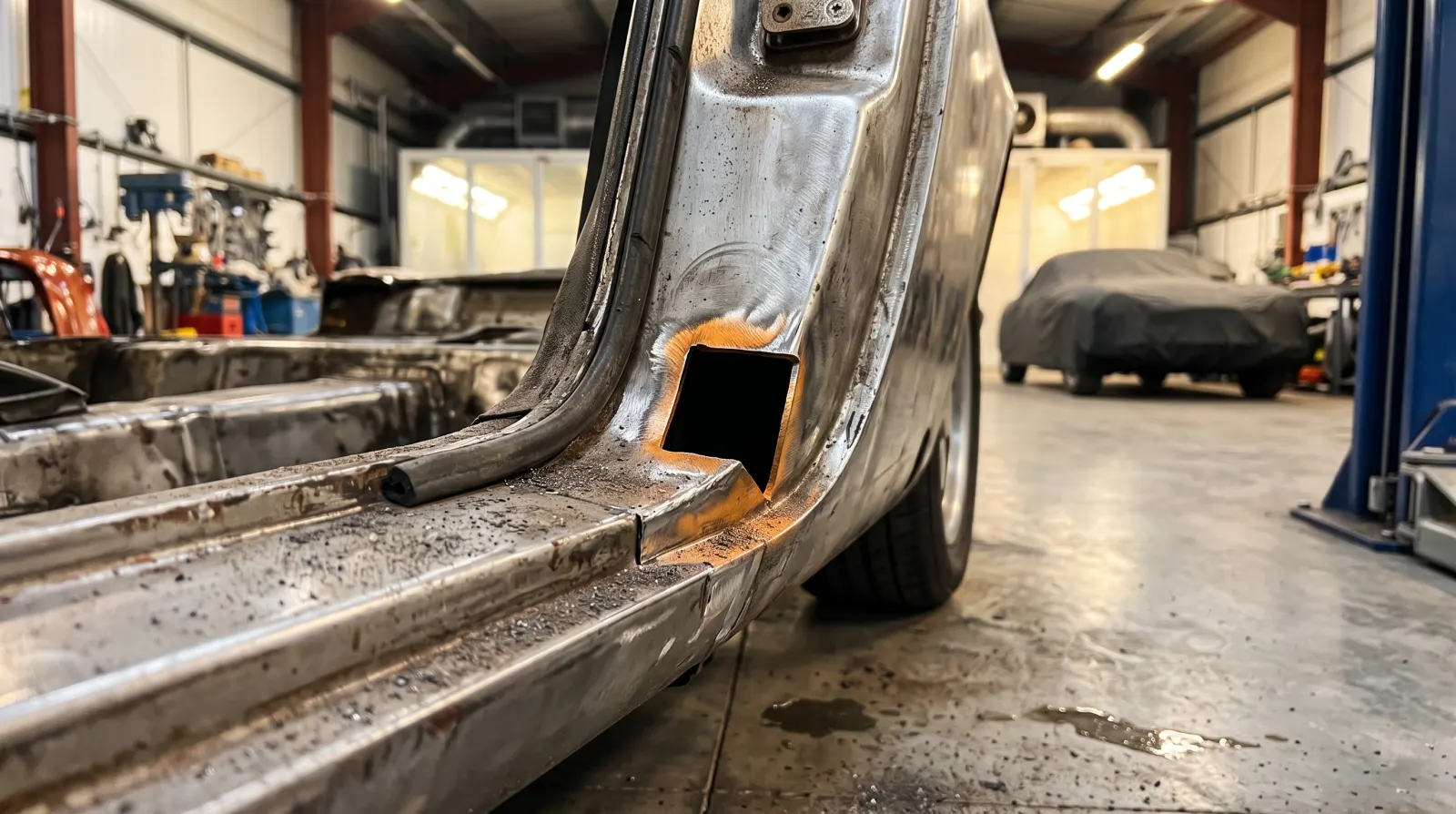
The panel
Single stage paint, found on some classics, carries the colour and the gloss in one layer, so there's one fewer.
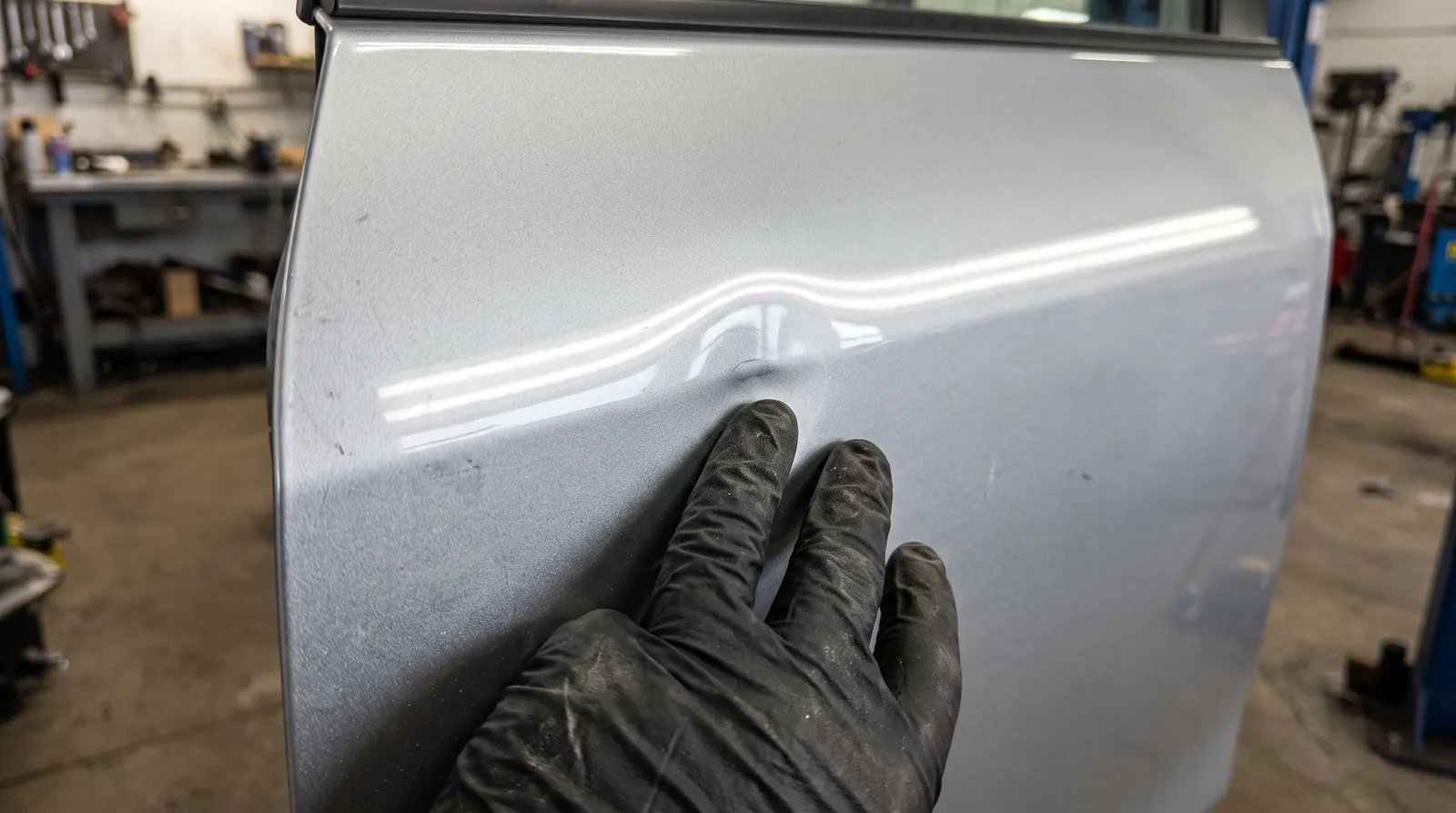
How can I tell how deep a scratch is?
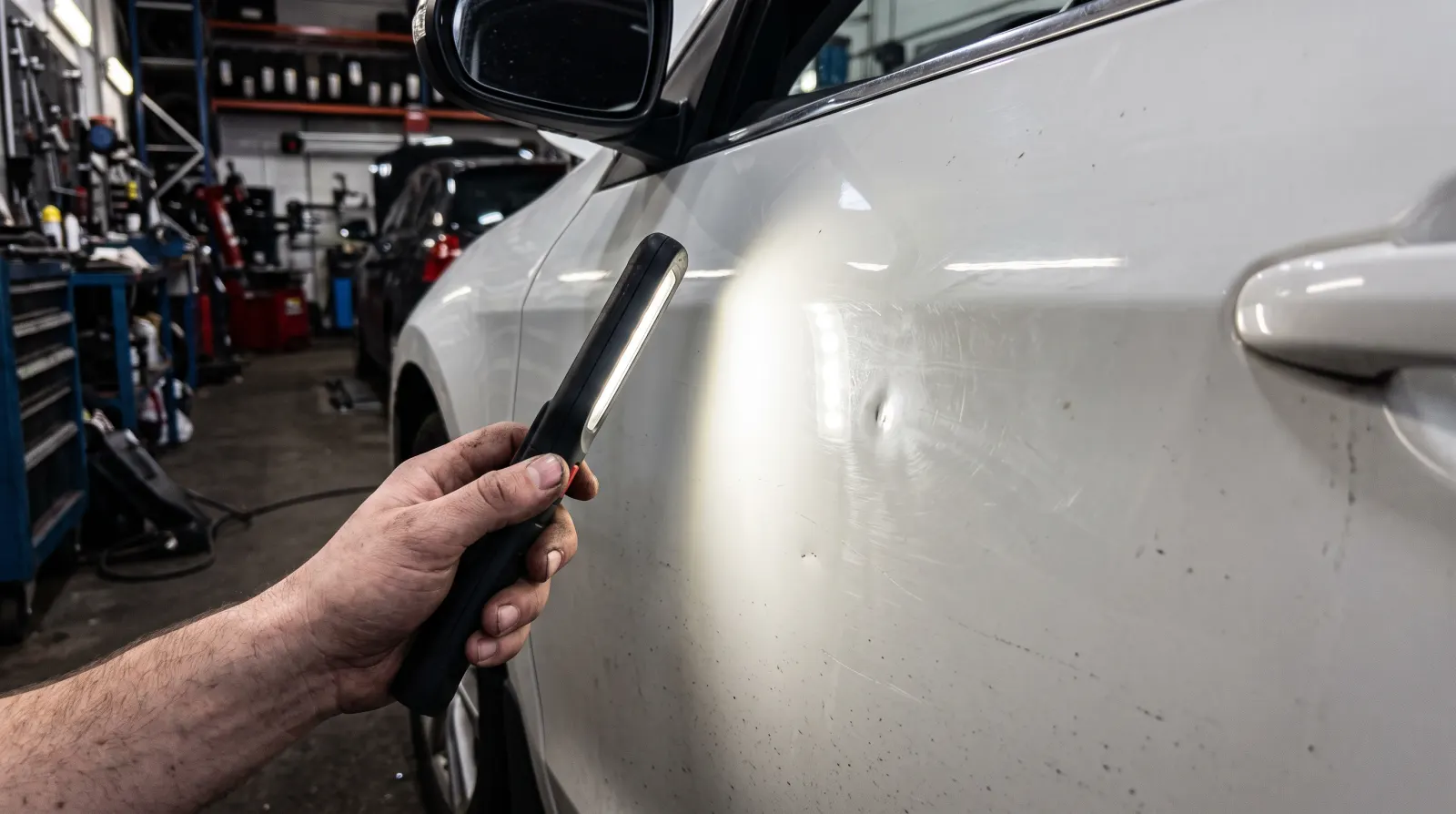
Run a fingernail across it. If your nail glides over, it's likely only in the clear. If your nail catches, it usually needs filling and paint rather than a polish.
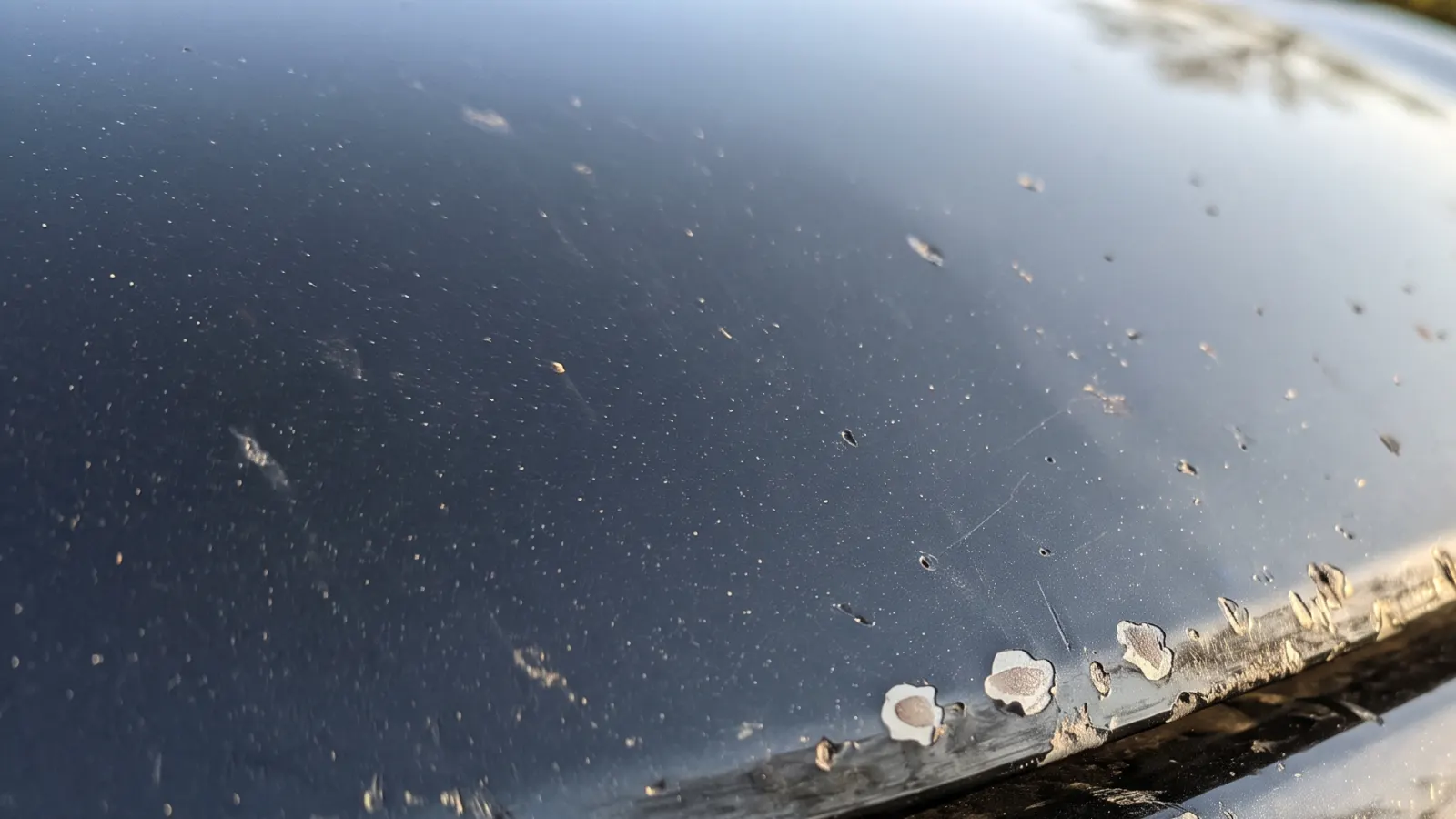
Then look into it in good light. Grey or white at the bottom is usually primer. Bright metal, or a brown or orange line, means it's through to the steel. On a plastic bumper, black or dark grey at the bottom is often the plastic itself.
Can a deep scratch be polished out?
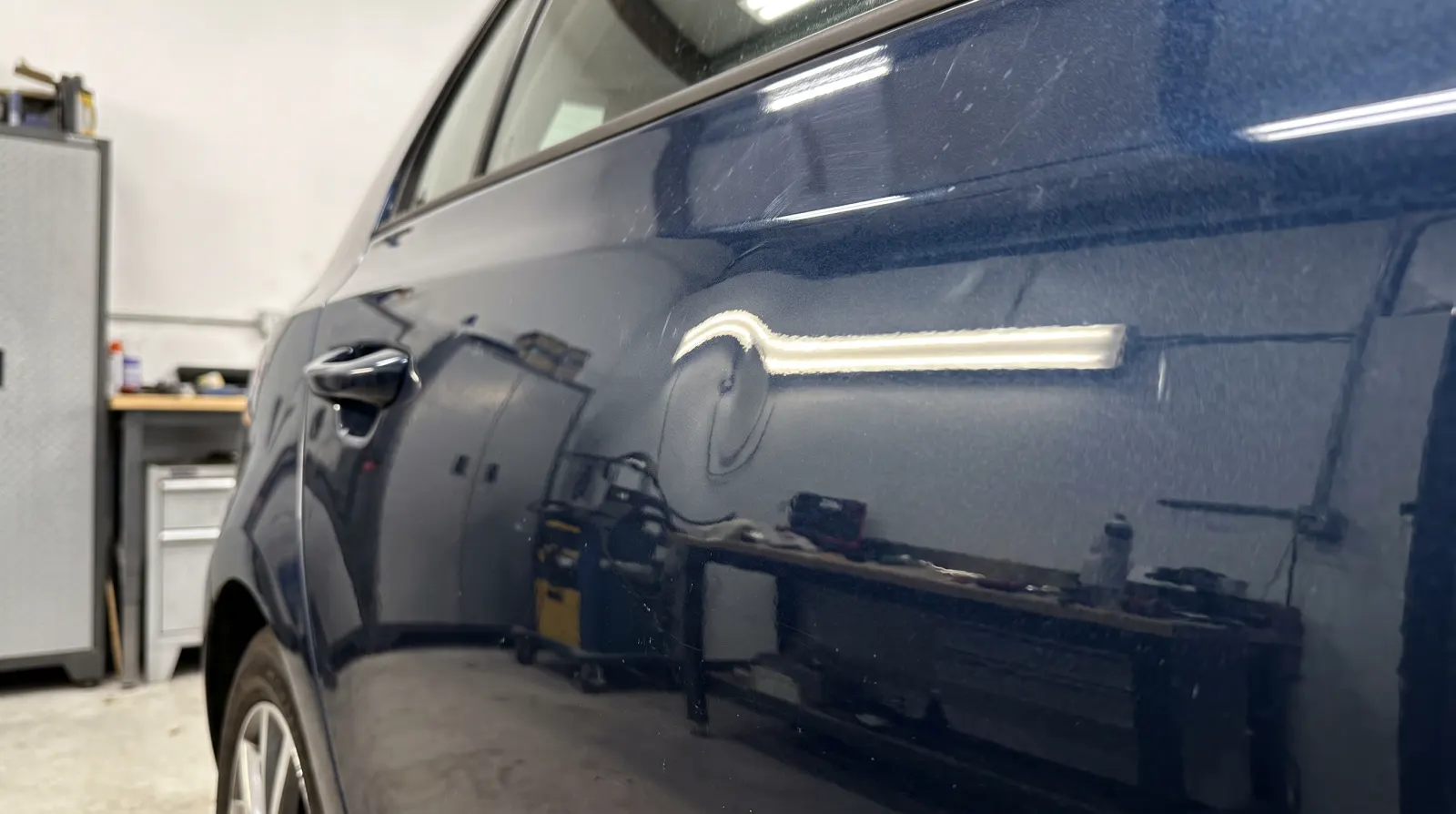
No, not once it's through the clear. Polishing levels the clear coat by taking a fine layer off the top, which can make a light scratch disappear. It can't put back colour that isn't there, and polishing hard round a deep scratch only thins the clear beside it.
The RAC's advice on a keyed car is that scratches to the primer coat should always be repaired by a garage or body shop.
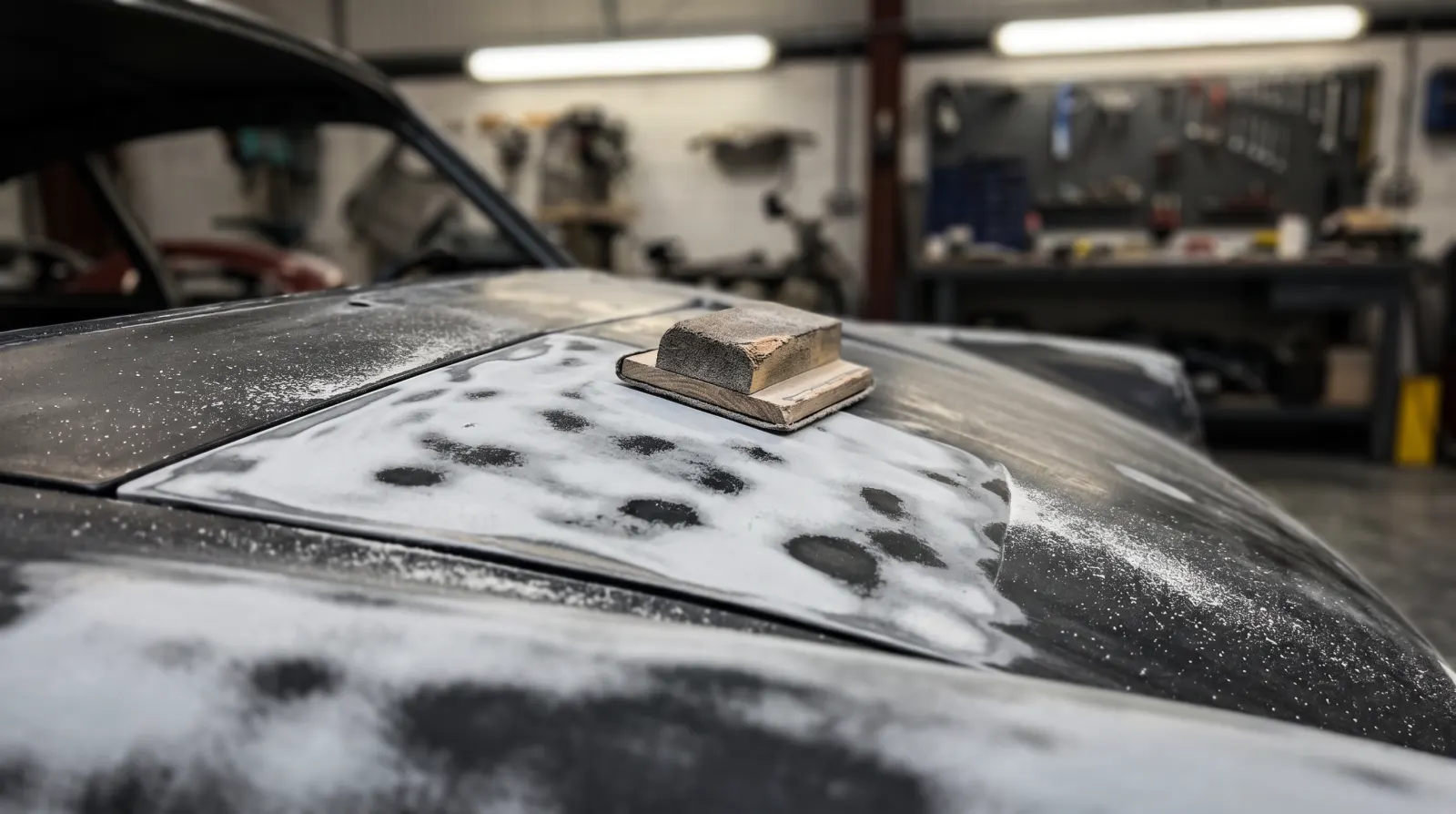
How is a deep scratch repaired?
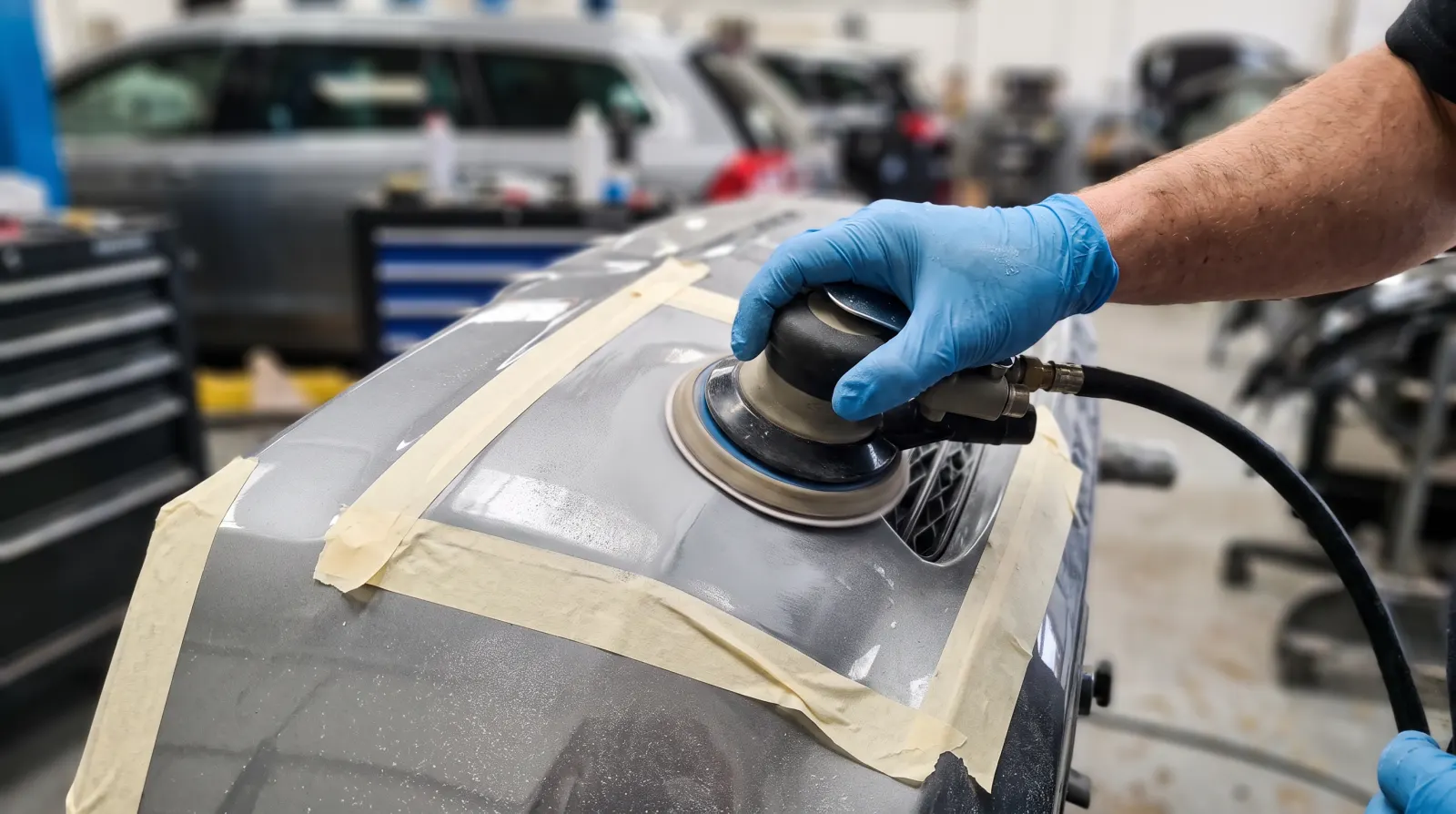
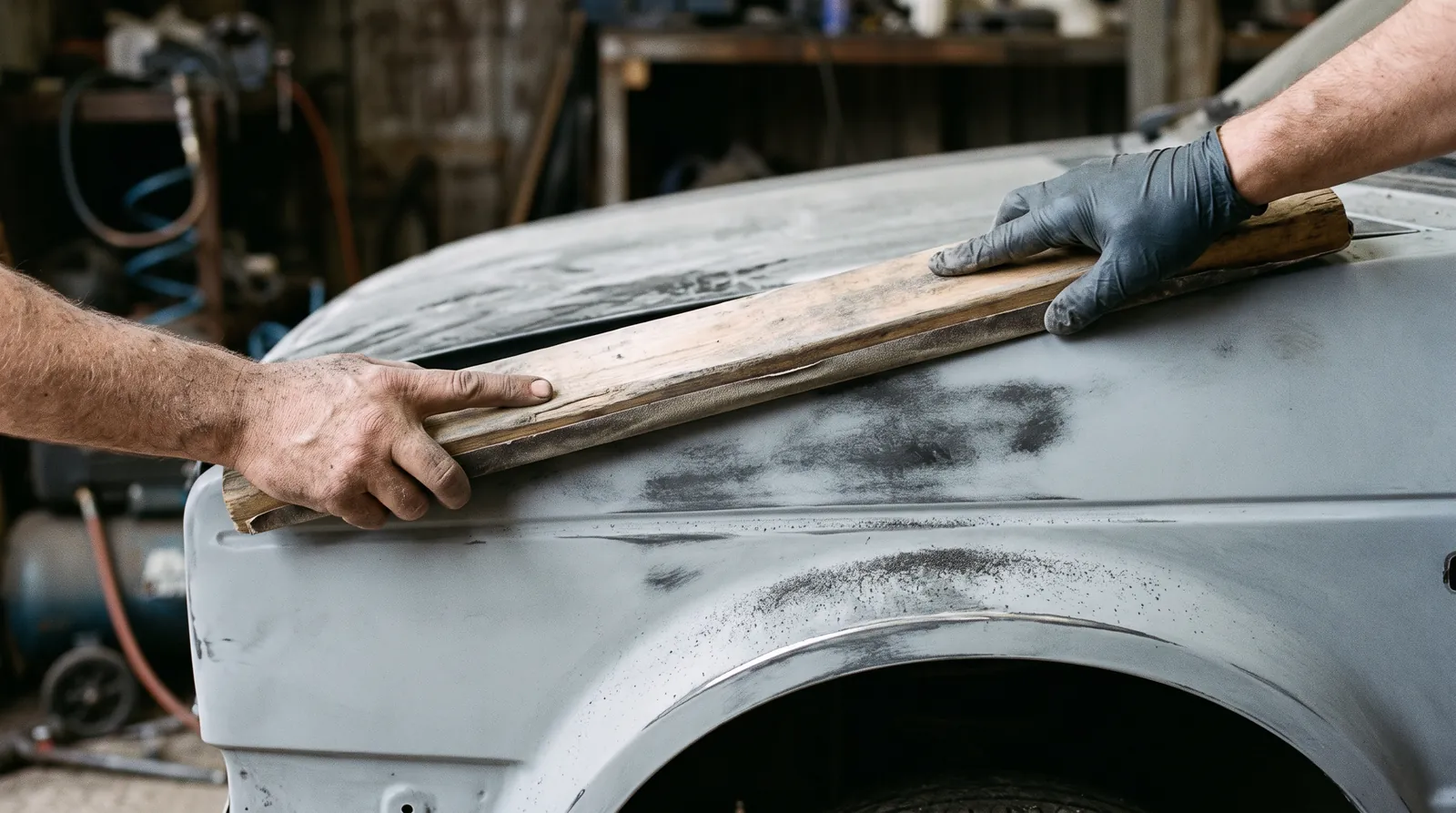
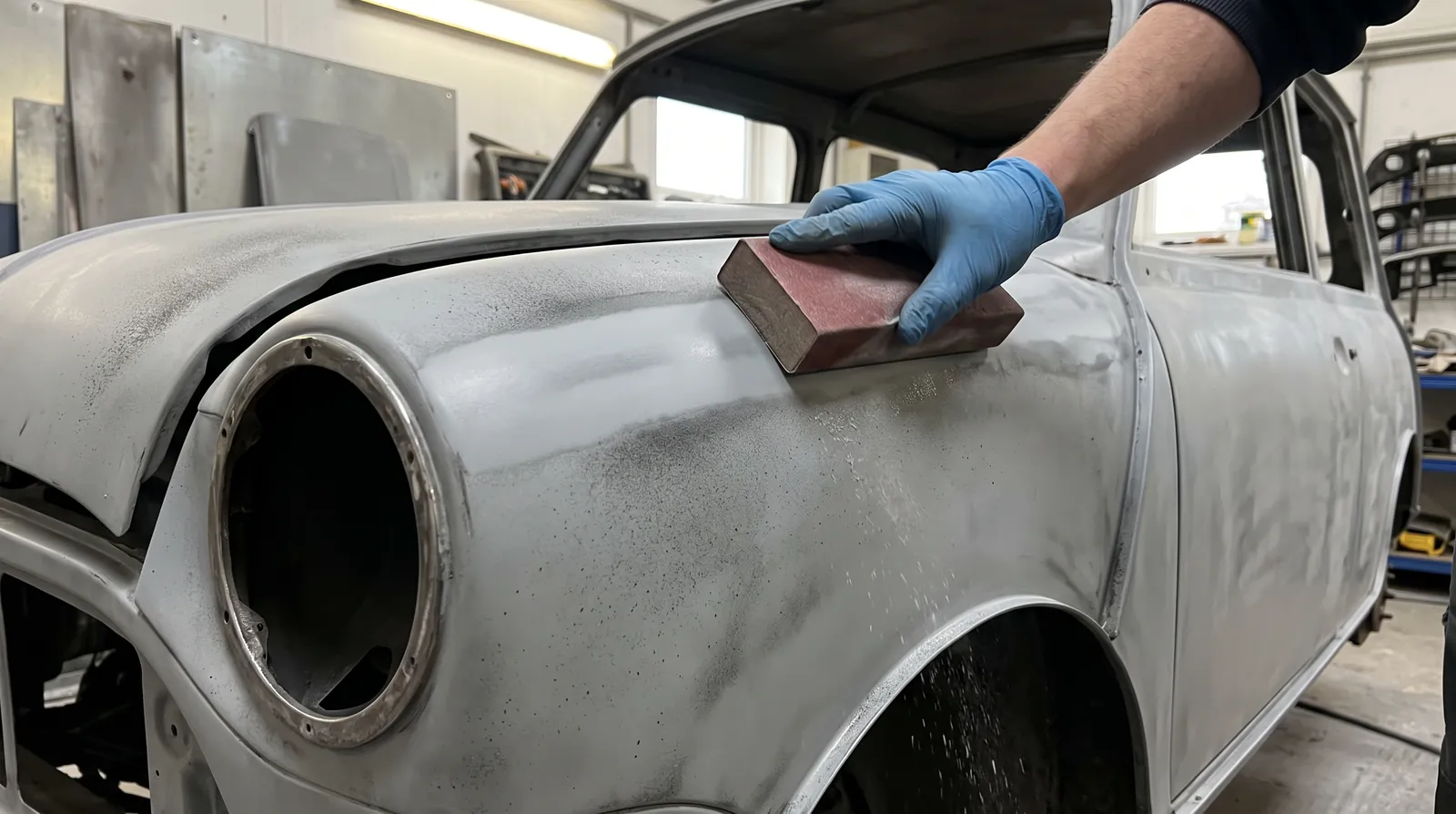
It's sanded, filled level, primed and painted. The edge of the old paint either side of the scratch is feathered, sanded into a gentle slope, so no step shows through the new colour. The groove is filled with stopper, a fine filler for shallow marks.
Bare steel in the scratch is treated and primed. PPG, one of the big paint makers, lists bare metal exposed by accidental damage among the causes of corrosion under paint, and advises treating newly exposed metal straight away. Left long enough, a scratch through to the steel starts to rust.
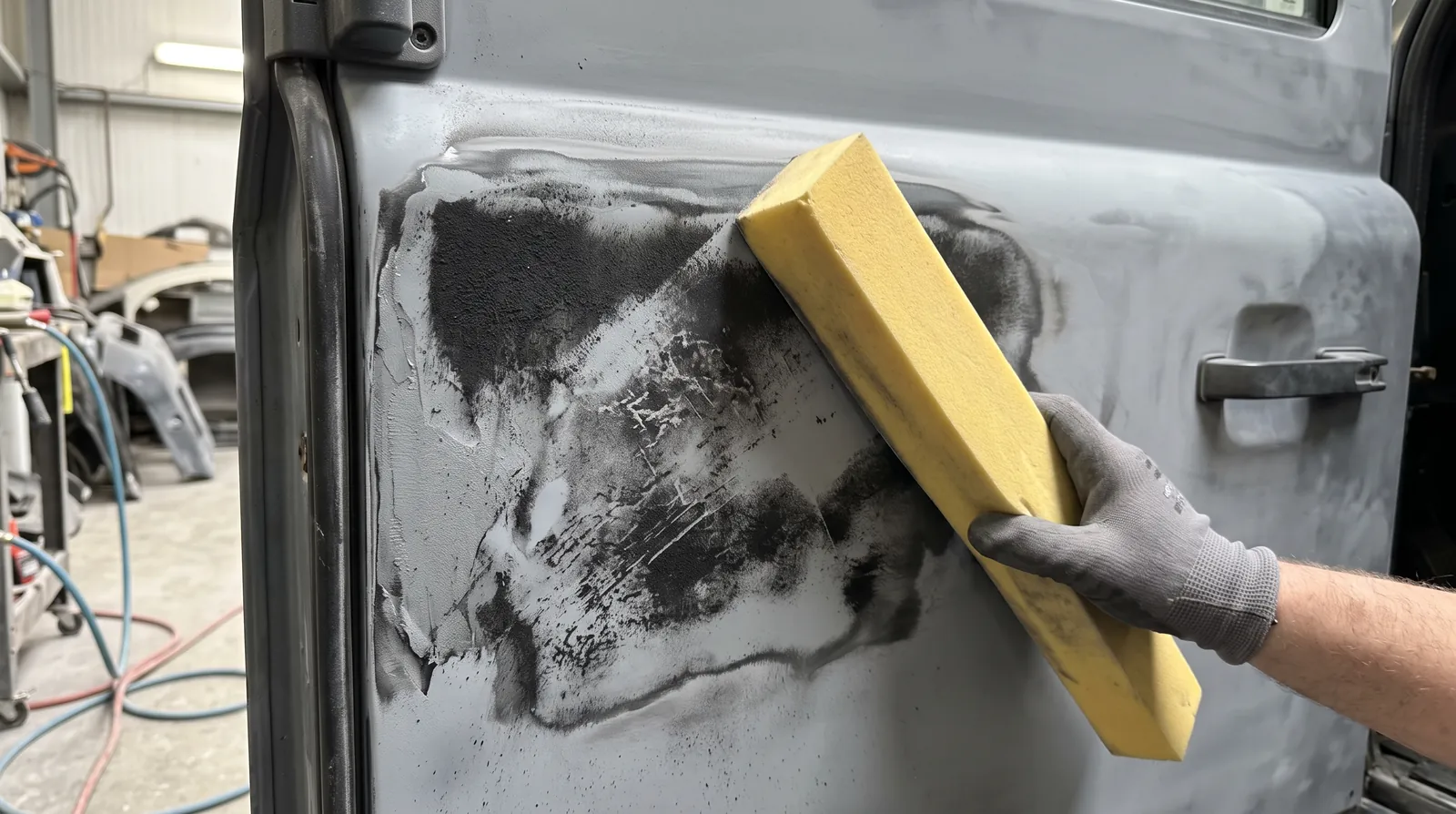
Then the primer is blocked flat over guide coat, a dark dusting that shows up any low spots, and the colour goes on, mixed to the car's paint code. See body repair for how we put scratches right.

Why does a key line mean painting several panels?
Because every panel it crosses needs the repair, and the new colour then has to fade into the paint beside it. Fresh paint mixed to the code can read a shade off next to paint that has been on the car for years, so it's blended, faded out across part of the next panel.
PPG's basecoat blending procedure allows at least 12 inches, about 30cm, of blend into the panels next to the repair for an ordinary basecoat, and at least 24 inches, about 60cm, for three-coat and four-coat colours. Its clearcoat procedure then runs the clear to the nearest panel edge or break off point.
So a line from the front wing to the back of the rear door crosses three panels, and the blend can reach the panels at each end. That's why a quote for one scratch can list five panels.
What about a scratch on a plastic bumper?
The repair runs the same way, with one difference underneath. Plastic flexes, so a plastic bumper gets its own primer, and the paint flexes with it.
Should I claim on my insurance for a keyed car?
It depends on the damage, your policy and your excess. The RAC says to report a keyed car to the police on 101, the non-emergency number. You'll be given a crime reference number, which you'll need to make an insurance claim.
It also says some policies cover scratches and others don't, and third party only cover won't. Some insurers protect your no claims discount when you claim for a keyed car, and you may decide against claiming if your excess is more than the repair. So get the repair priced first, then ask your insurer what a claim would cost you.
Does a scratch matter on a lease return?
A deep one does. The AA's summary of the BVRLA standard accepts surface scratches of 25mm or less where the primer or bare metal is not showing, with no more than four on one panel. The BVRLA is the UK leasing trade body.
The same summary accepts repaired scratches if the work is done to a professional standard and the repairer can provide evidence of a full warranty. Check your own lease company's guide, because it's the one they'll inspect against.
What moves the cost?
How deep the scratch goes, how long it is, how many panels it crosses and how far the blend has to reach. Rust in the scratch adds the time to cut it back, and a three-coat pearl needs a wider blend than a solid colour. See prices for how we quote.
Scratched or keyed? Send us a close-up of the deepest part, a photo of the whole side from a few steps back and the paint code if you have it, from the quote form.