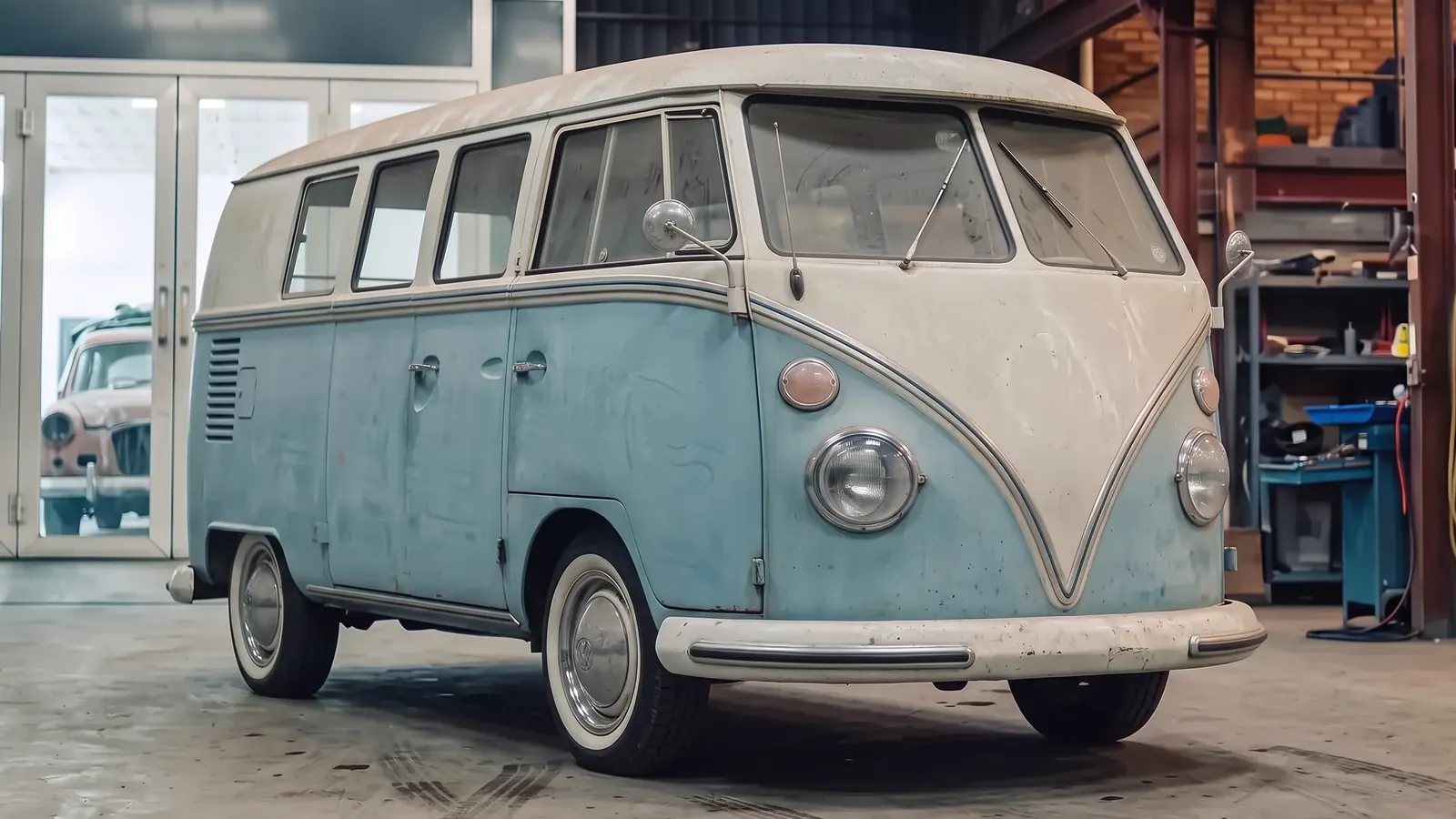
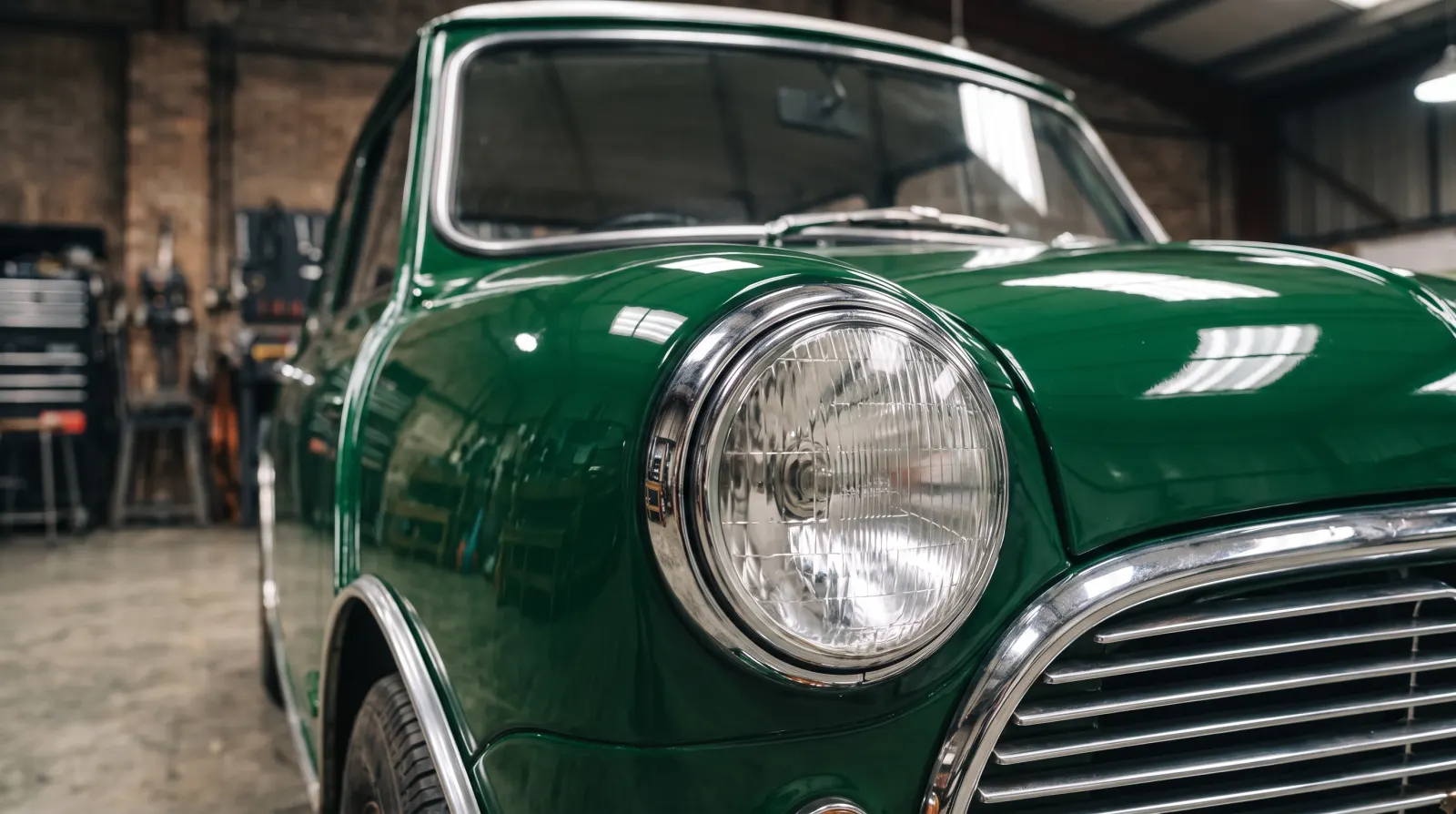
Yes, but it's hard to get now, and the route for old cars is on its way out. Cellulose is the fast-drying lacquer that took car painting off the brush in the 1920s. Since 2007, UK rules have limited the solvent in paint sold for refinishing cars, and the government counts cellulose among the paints that don't meet them. A code of practice let sellers supply it for vintage vehicles, but the government's latest review says that hasn't worked, and Defra plans to consult on withdrawing it.
Here's what that means for your car.
What is cellulose paint?
Cellulose is what the trade calls nitrocellulose lacquer, and it has no hardener in it. In a short history of car coatings, a technical manager at BASF, one of the big paint makers, describes a lacquer as a coating that forms its film as its solvent evaporates. The piece says nitrocellulose lacquers dry very fast, and that a lacquer can be redissolved by solvent.
That last point matters later. Dry cellulose can still be softened by solvent.
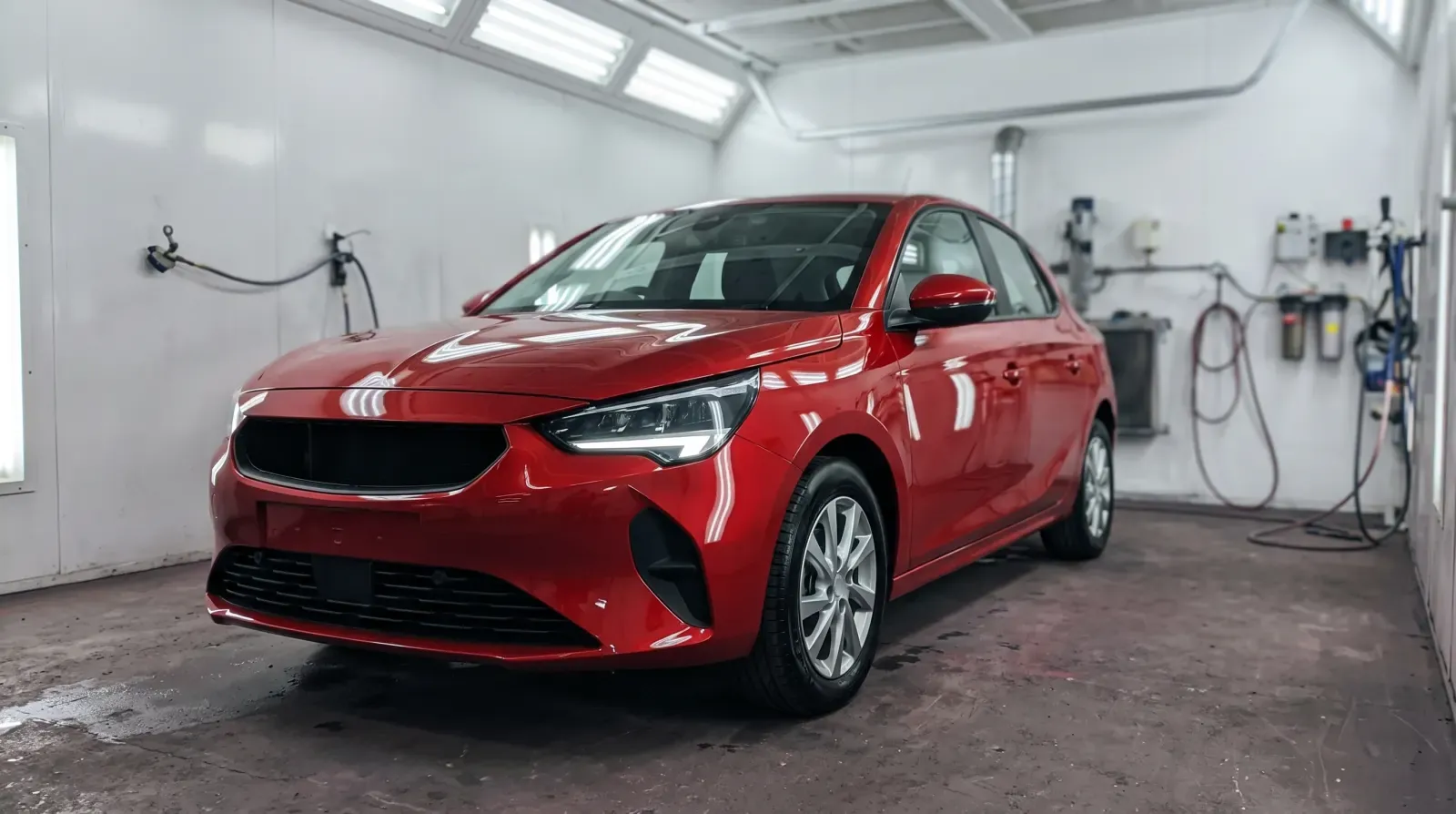
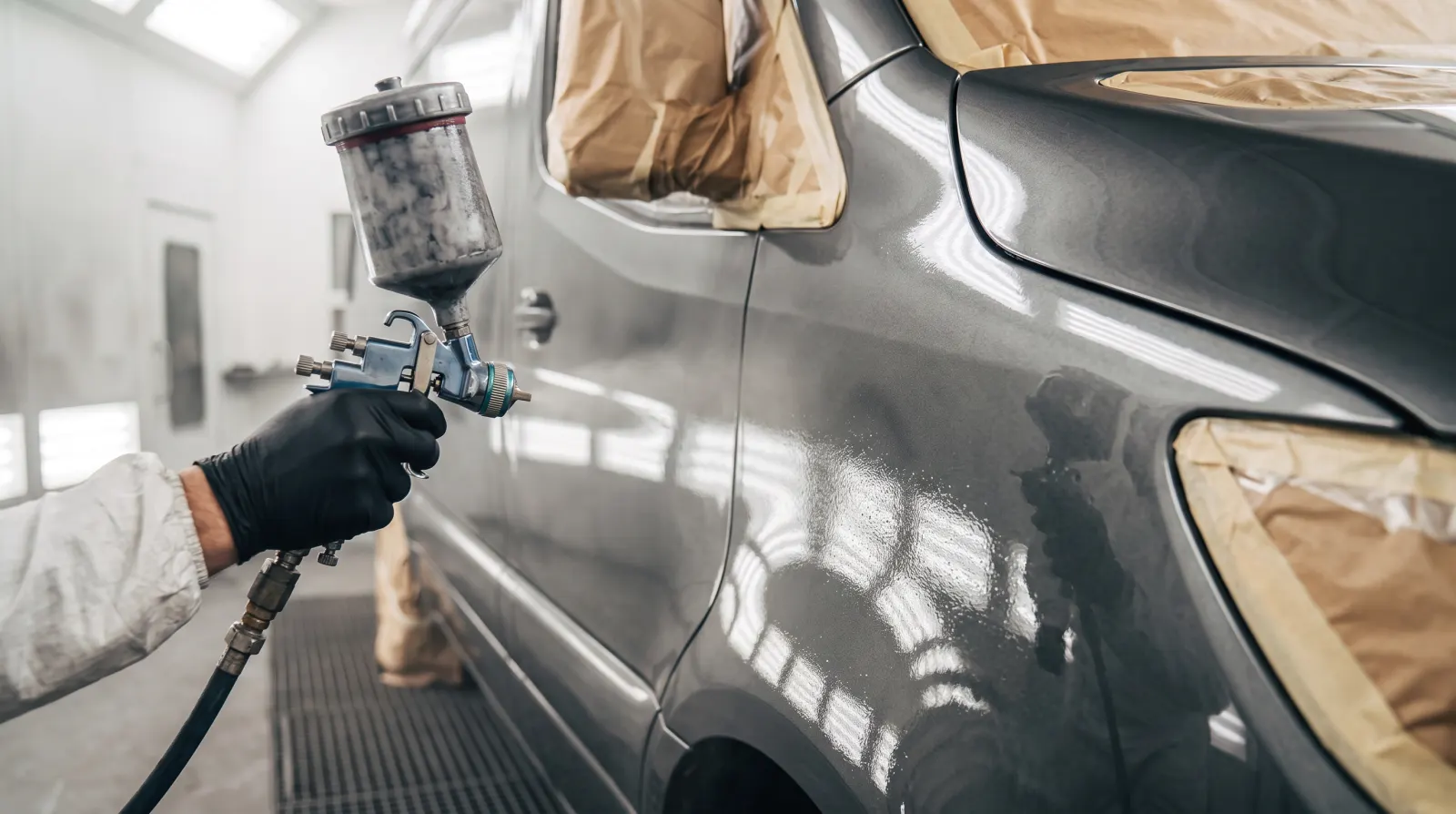
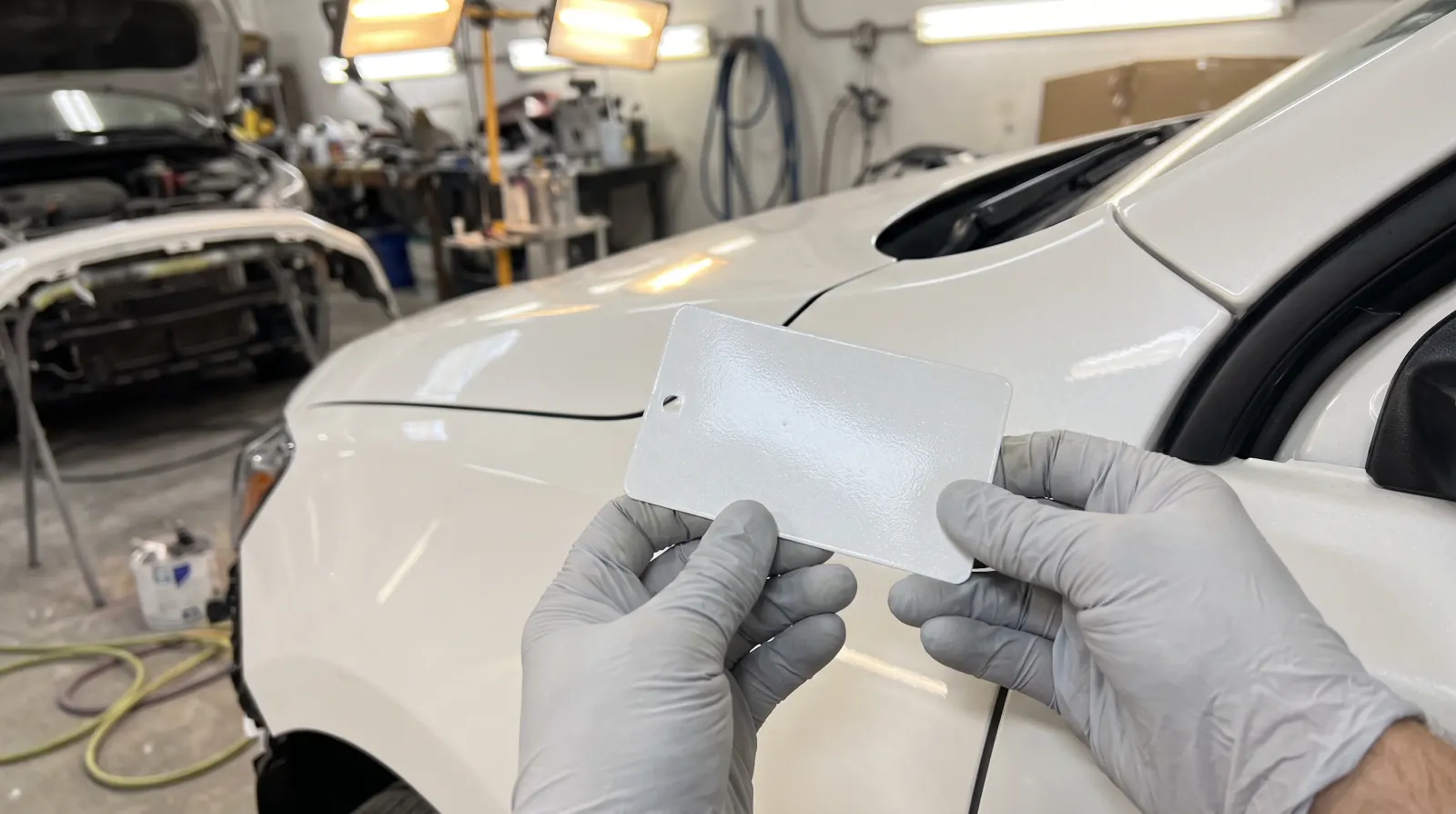
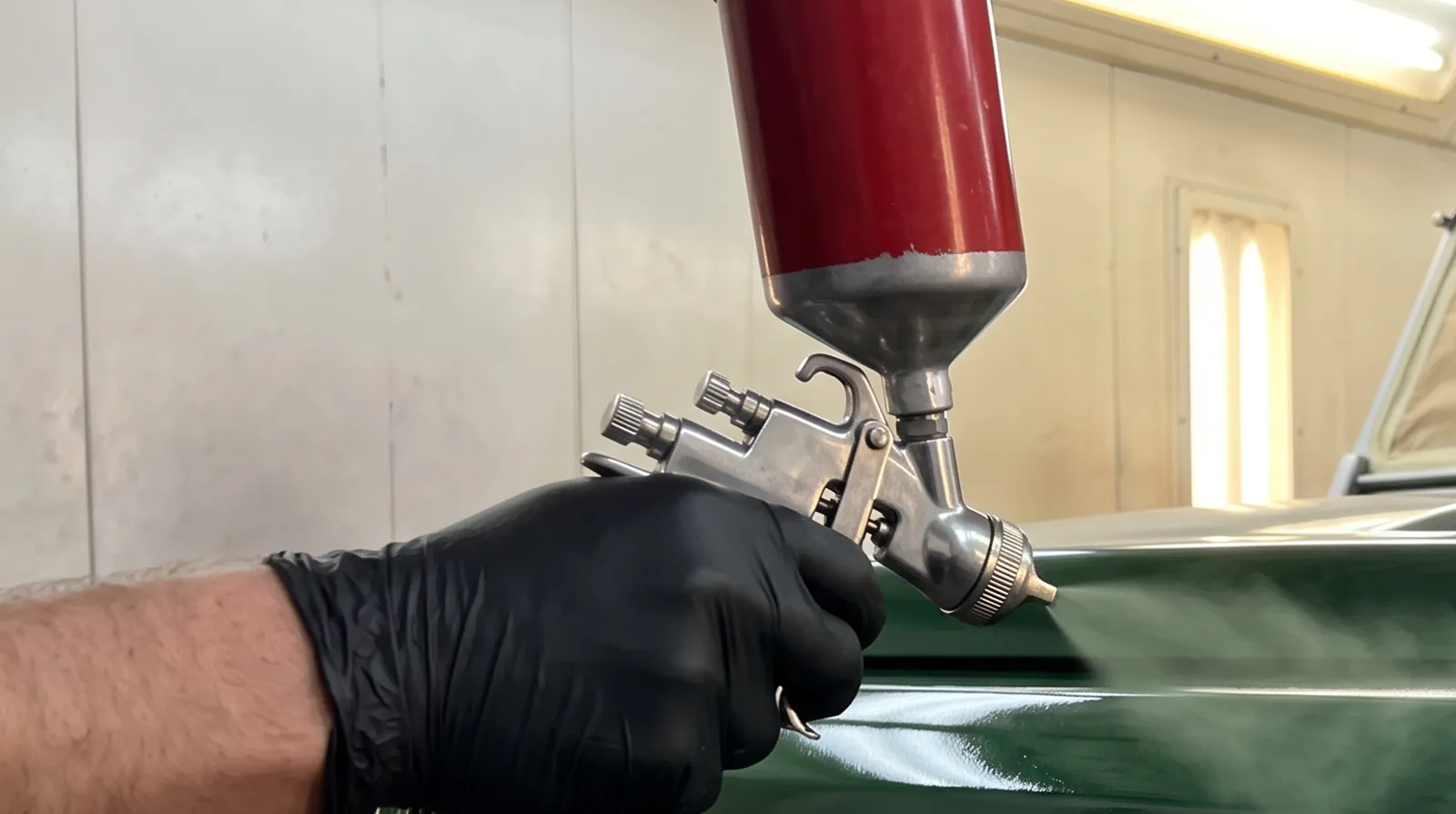
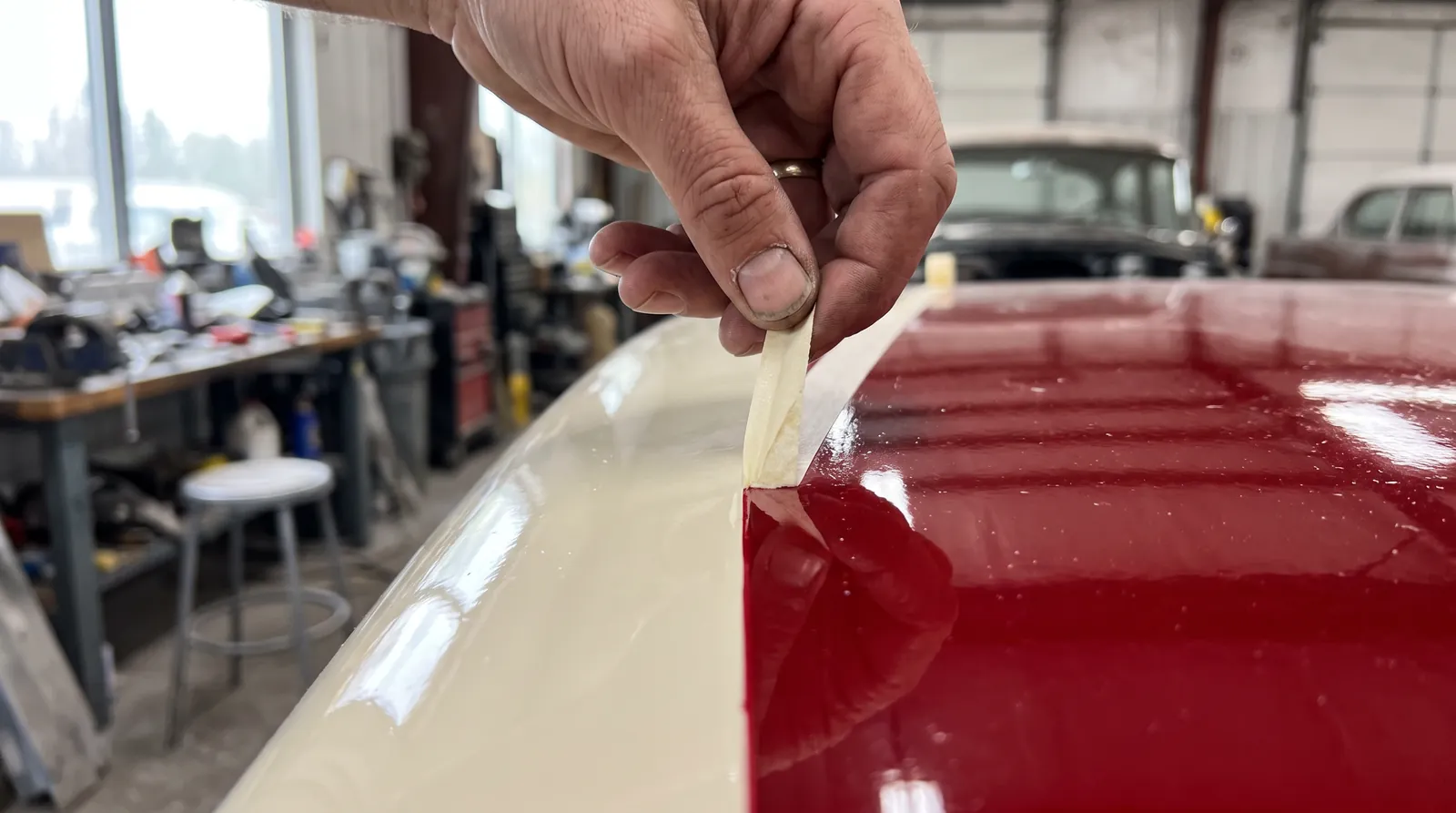
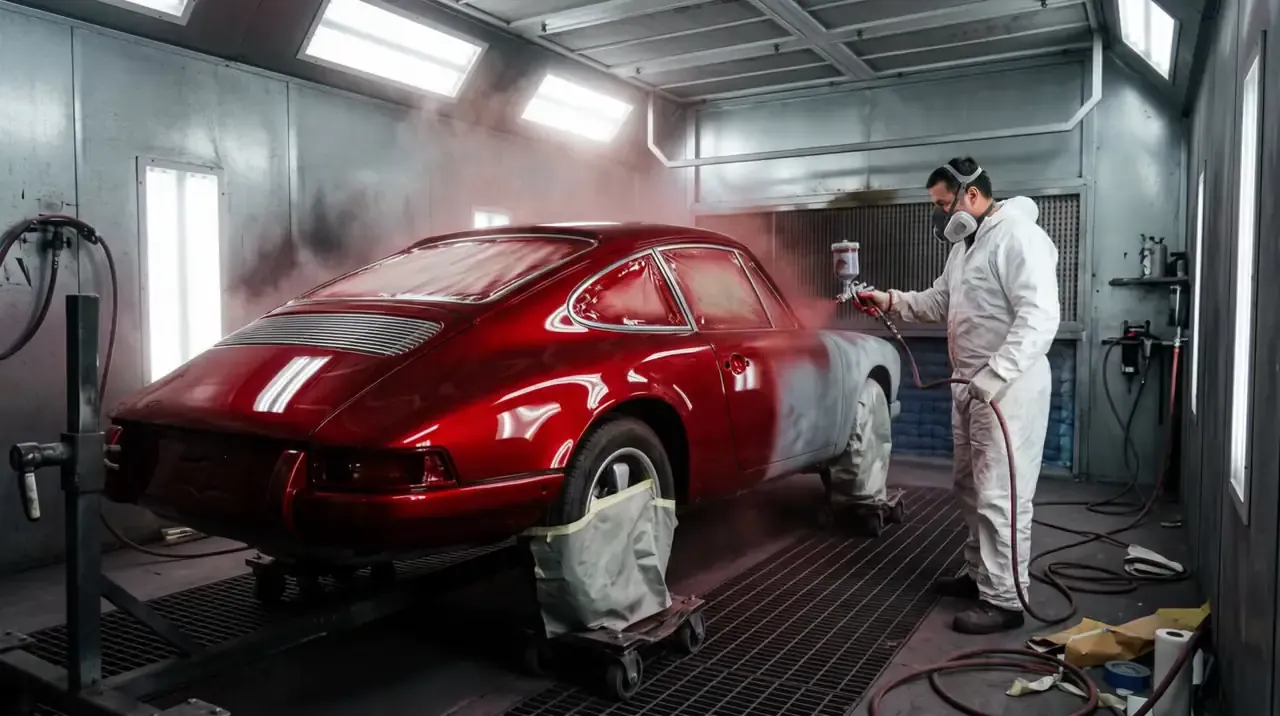
Why were older cars painted in cellulose?
Because it was quick. The Science History Institute's account of DuPont's Duco lacquer says the older varnishes were brushed on in more than a dozen steps, with long drying between coats. Spray-on Duco cut the stages, the drying time and the labour. It went on Oakland's 1924 touring cars, and by mid-1925 General Motors' divisions from Chevrolet to Cadillac were moving over to it.
The paint your own car left the factory in depends on the maker and the year, so check its history before you decide what original means for it.
Is cellulose paint still legal in the UK?
Selling it for refinishing cars is restricted. The Volatile Organic Compounds in Paints, Varnishes and Vehicle Refinishing Products Regulations 2012 say a product they cover can't be put on the market unless its solvent content, which the rules call VOC, is under the limit for its type. For a topcoat, the limit in Schedule 2 is 420 grams per litre, ready to use.
Defra's UK plan for checking the rules says the limits for vehicle refinishing products applied from 1 January 2007. It names cellulose among the non-compliant paints it checks online sellers for.
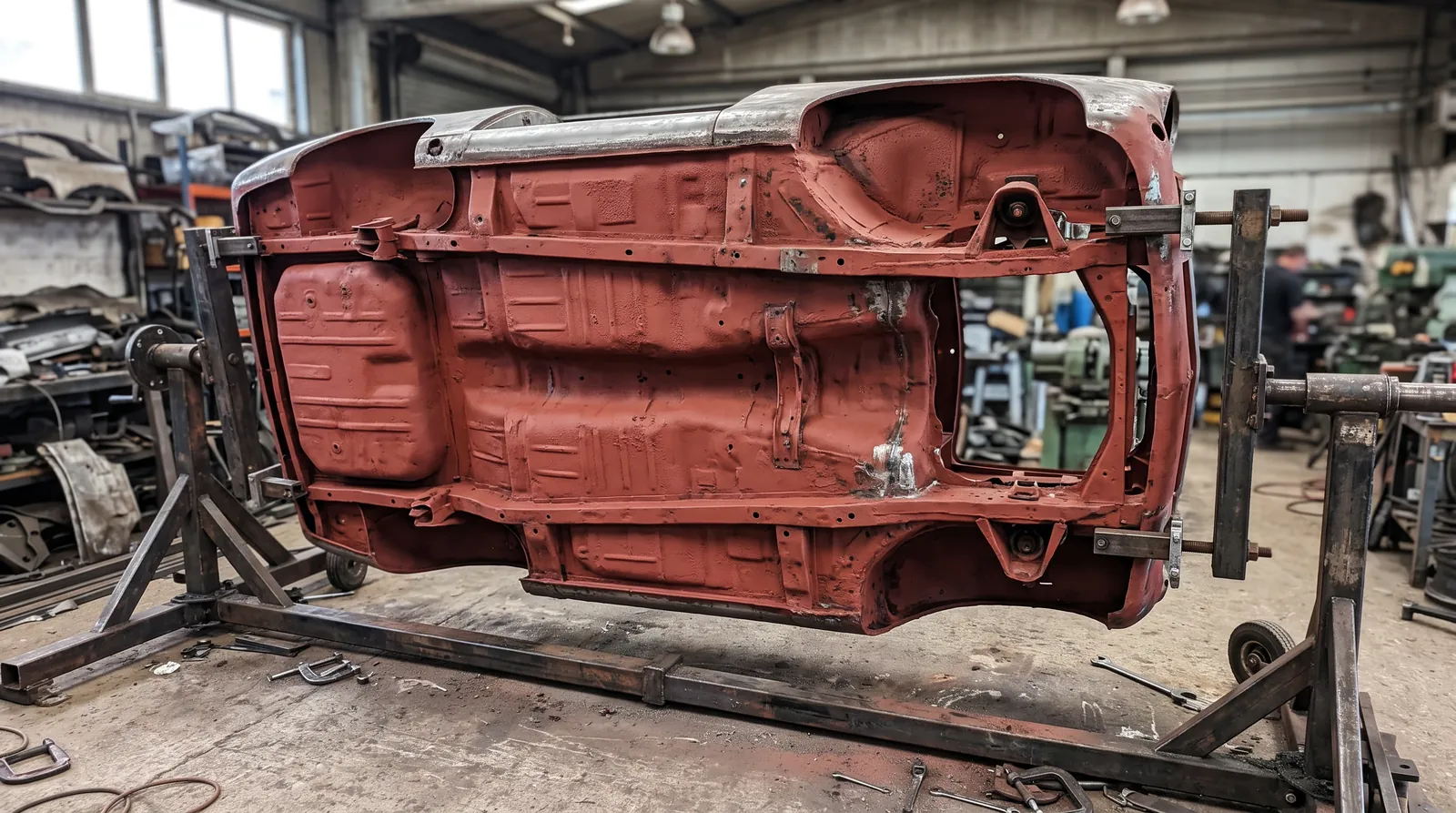
Is there an exemption for classic cars?
There was meant to be, and it's on its way out. Defra's plan describes an industry code of practice, in place since June 2009, for selling non-compliant paint to people restoring or maintaining vintage vehicles or historic buildings. The quantity had to be strictly limited, the buyer had to give their name and address with proof, and show the paint was for that use. The seller kept a record of each sale for at least two years.
The Regulatory Policy Committee's opinion on Defra's 2025 review says the department recognises the exemption isn't effective, because paint sellers didn't adopt the code. Defra plans to consult on withdrawing the code and making it clear the exemption is no longer valid.
So before you plan a respray around cellulose, check where things stand with the supplier.
How does cellulose compare with 2K?
They set in different ways. 2K, short for two-pack, is mixed with a hardener just before it's sprayed, and the two react and set. HSE's guidance for bodyshops covers spraying isocyanate-based two-pack top coats. Cellulose has no hardener. It dries as the solvent leaves.
So once cured, 2K doesn't soften back in thinners the way a lacquer does. A splash of thinners that 2K shrugs off can soften and mark cellulose.
In a basecoat and clear finish, the colour sits under a clear lacquer. The BASF history describes the clear in those systems as a two-component urethane, a 2K.
Can cellulose be polished?
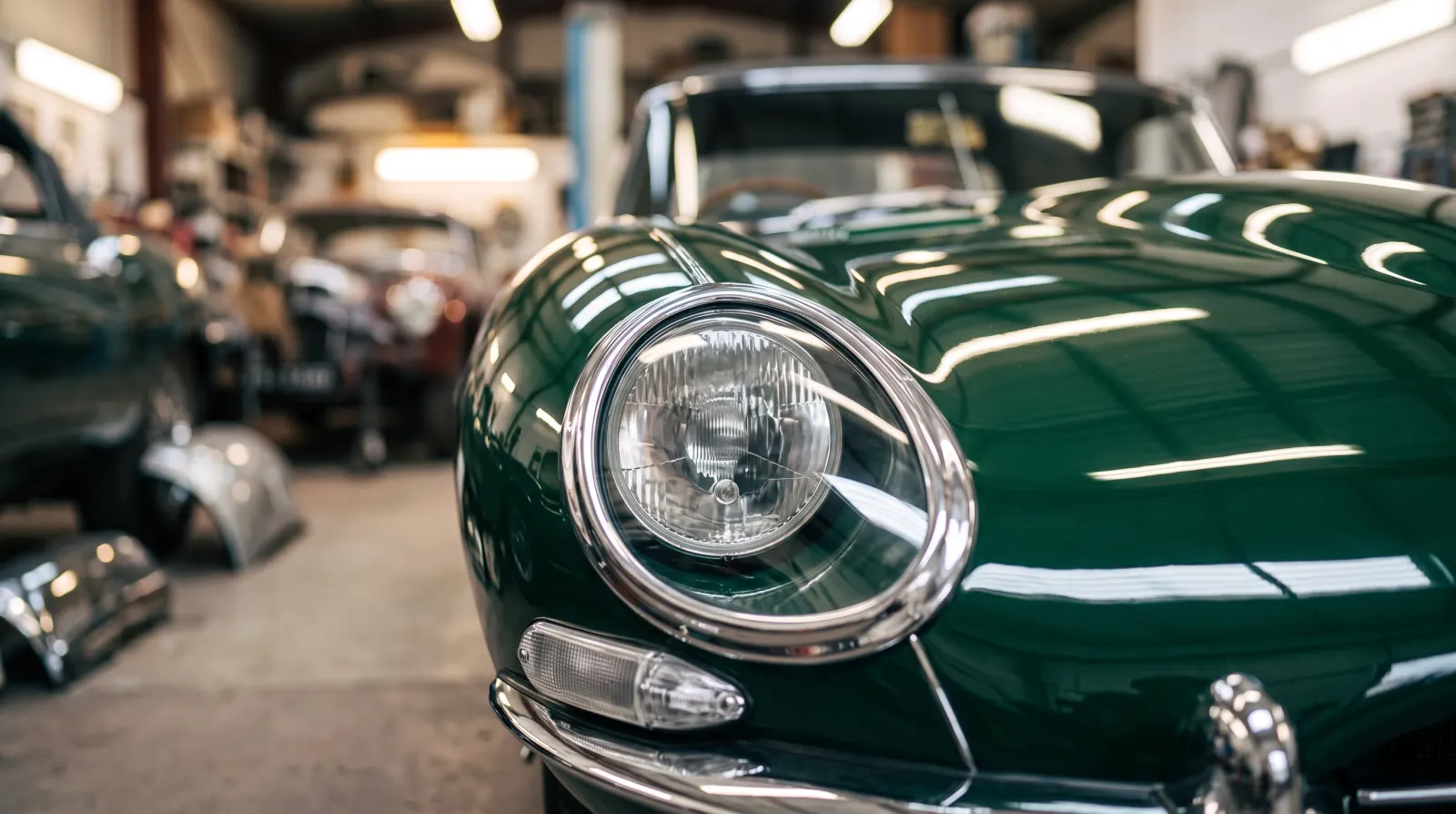
Yes, and it needs it. The same BASF history says nitrocellulose topcoats had to be hand buffed to bring up the gloss. On a solid colour, the colour is the top layer, so every polish takes a little of it, and an old finish may not have much left to give.
2K is flatted and polished too. On basecoat and clear that happens in the clear, which leaves the colour underneath alone.
How can I tell if my car has cellulose on it now?
A painter can test a hidden spot with a little thinners on a cloth. Cellulose softens and the colour comes off on the cloth. Cured 2K doesn't. An older car may have been resprayed since it left the factory, sometimes in different paints on different panels, so one spot doesn't speak for the whole car. Send us photos and we'll tell you what we think.
Which should I choose for my classic?
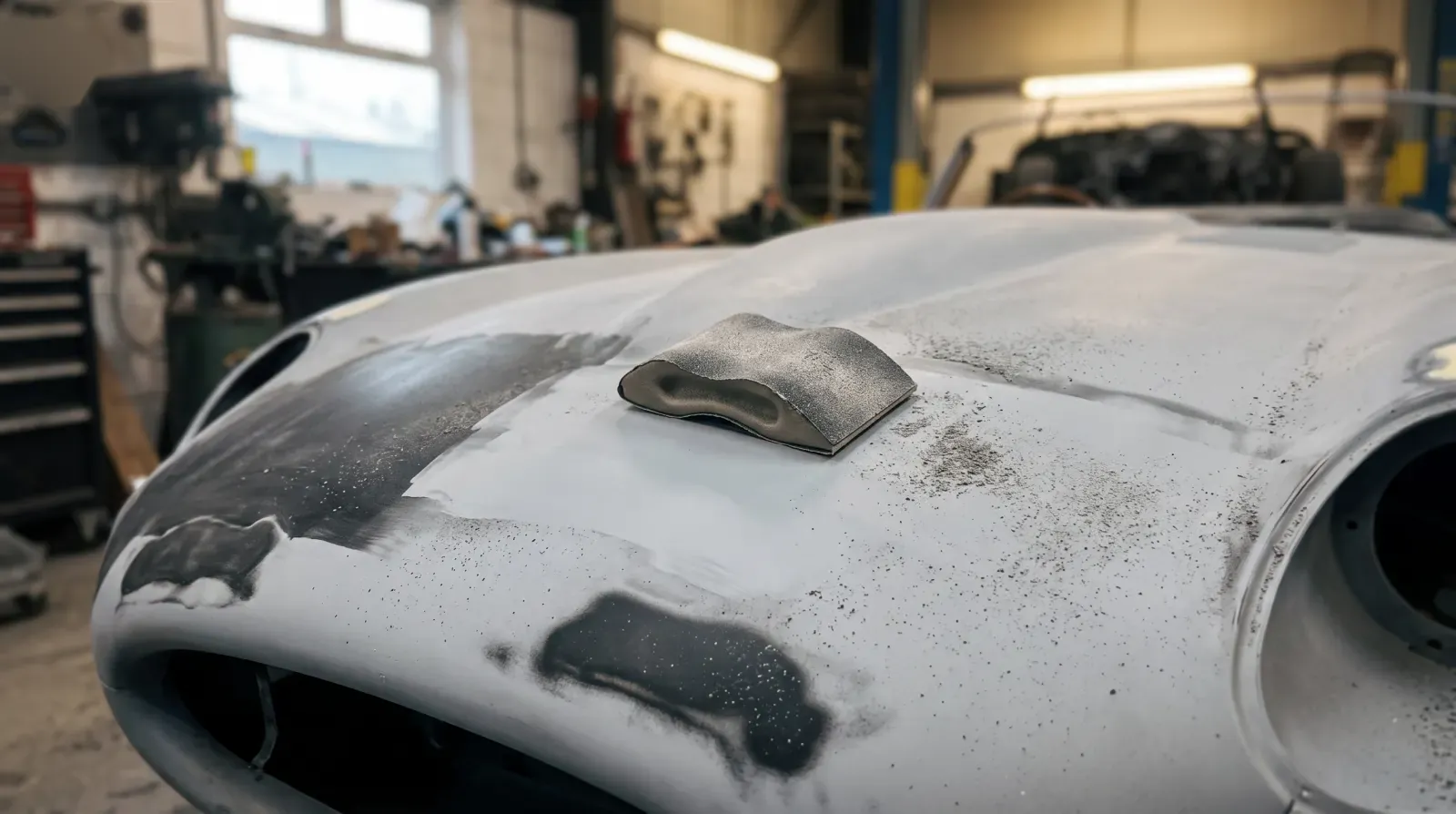
That depends what the car is for. If it's judged on originality and it left the factory in cellulose, ask about cellulose first, and expect getting hold of it to be the hard part. Otherwise a 2K finish is the straightforward route, in single stage or basecoat and clear.
See resprays for how a full respray runs, and custom paint for getting a factory colour back.
Thinking about a respray on a classic? Send us a few photos and what you're after from the quote form.