Get the repair priced first, then decide. A claim costs you the excess, and usually part of your no claims bonus as well. If the repair comes to little more than the excess, paying for it yourself is often the cheaper way out. Whichever way you go, read what your policy says about reporting an accident, because you may still have to tell your insurer even if you never claim.
Here's how to weigh it up.
What does a claim really cost me?
The excess, plus whatever the claim does to your premium in the years after. MoneyHelper, the government-backed money guidance service, says that before you claim you should weigh up whether it's worth it after you pay your excess.
How do I work it out?
Put three things side by side:
- The repair price, in writing.
- Your excess, from your policy documents.
- What a claim would do to your no claims bonus, which your policy documents or your insurer can tell you.
If the insurer would pay out little once the excess is taken off, and the claim would cost you part of your bonus, the claim can cost you more than the repair.
What is the excess?
The fixed amount you pay towards any claim. MoneyHelper says the compulsory excess is set by the insurer, you can add a voluntary excess on top to lower your premium, and both come off what you get back. It also says insurers often ask you to pay the excess up front when you make a fault claim.
So a repair that costs about the same as your excess gets you next to nothing from the insurer.
How does a claim affect my no claims bonus?
It usually cuts it. The bonus, also called a no claims discount, is money off your premium that grows with each year you don't claim. MoneyHelper says that if you have an accident and claim for it, you generally lose part of your bonus, and more than one accident in a year might cost you all of it.
Not every claim counts. MoneyHelper's guide to protecting your bonus says your bonus might not be affected if the accident wasn't your fault, and with windscreen cover on your policy, a claim to repair a chip might not affect it either. Check your own policy, because insurers differ.
Does a protected no claims bonus make claiming free?
No. Protection is an add-on that lets you claim without losing the bonus, but MoneyHelper says it doesn't guarantee your premium won't go up after a claim. The excess is still yours to pay.
When is paying for the repair myself usually cheaper?
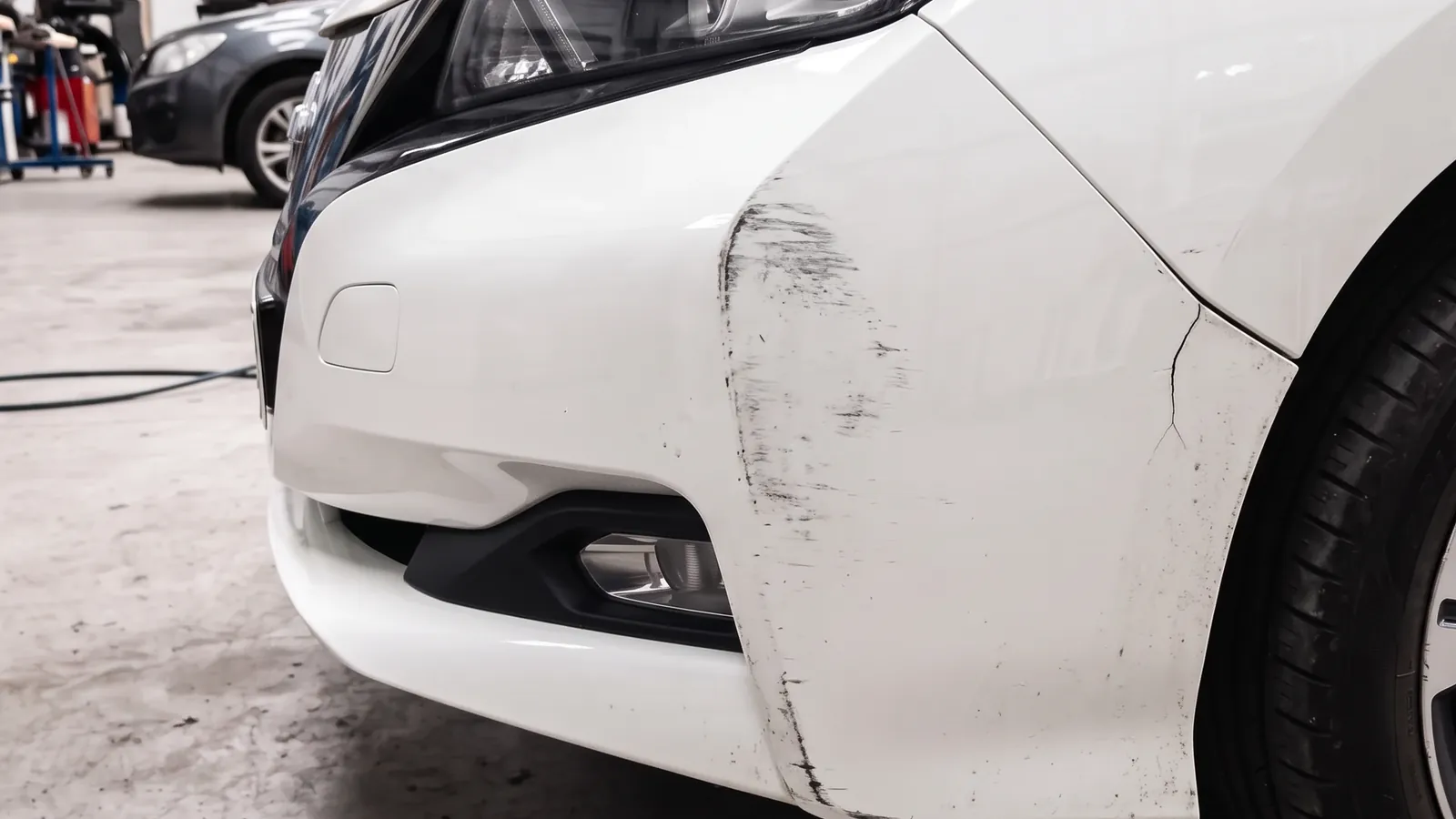
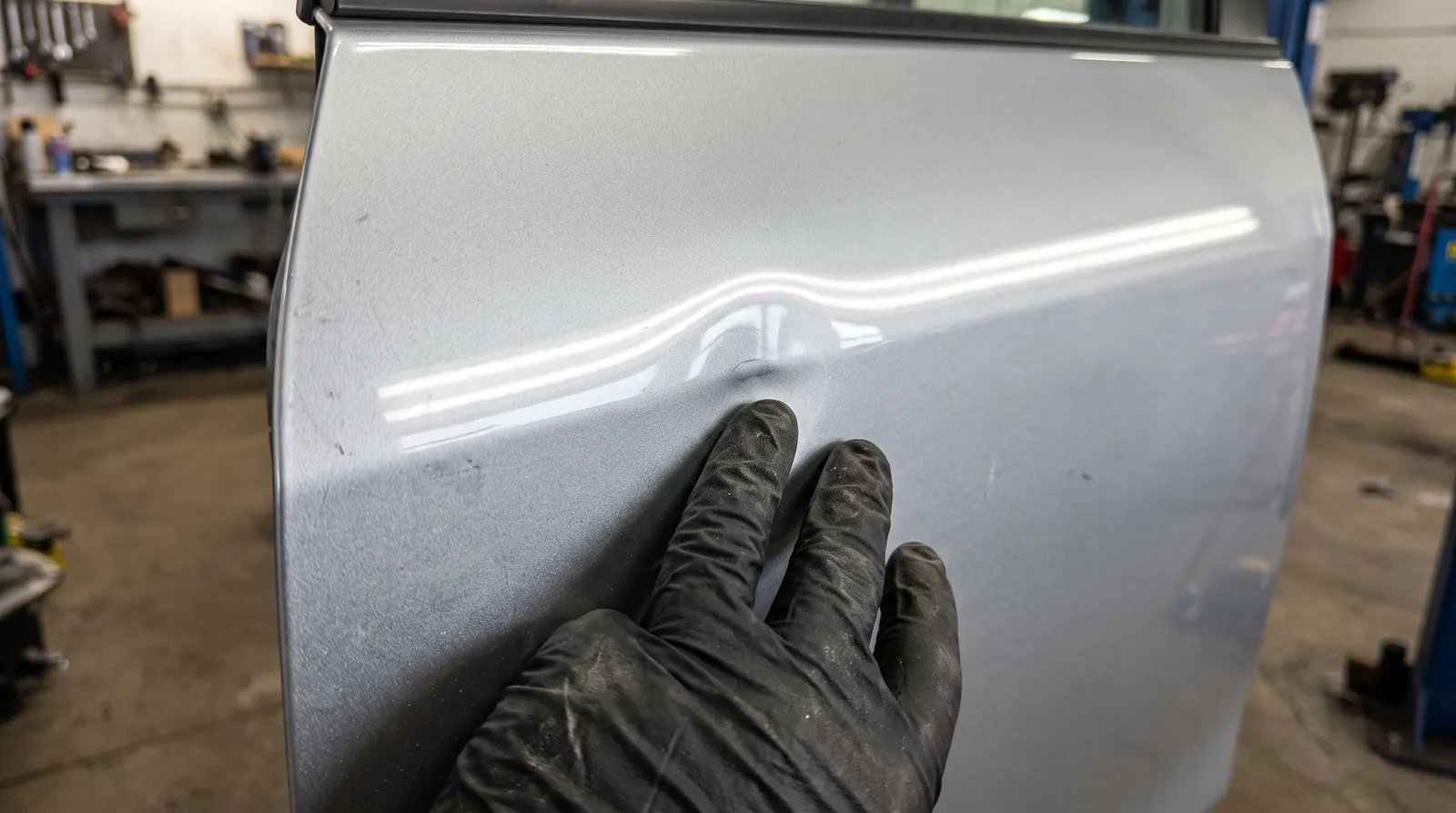
When the damage is small and the repair price sits close to your excess. Small damage is where it's worth comparing the two most closely:
- a dent in one door or wing
- a scuffed bumper corner
- a scratch on one panel
- stone chips along the front of the bonnet
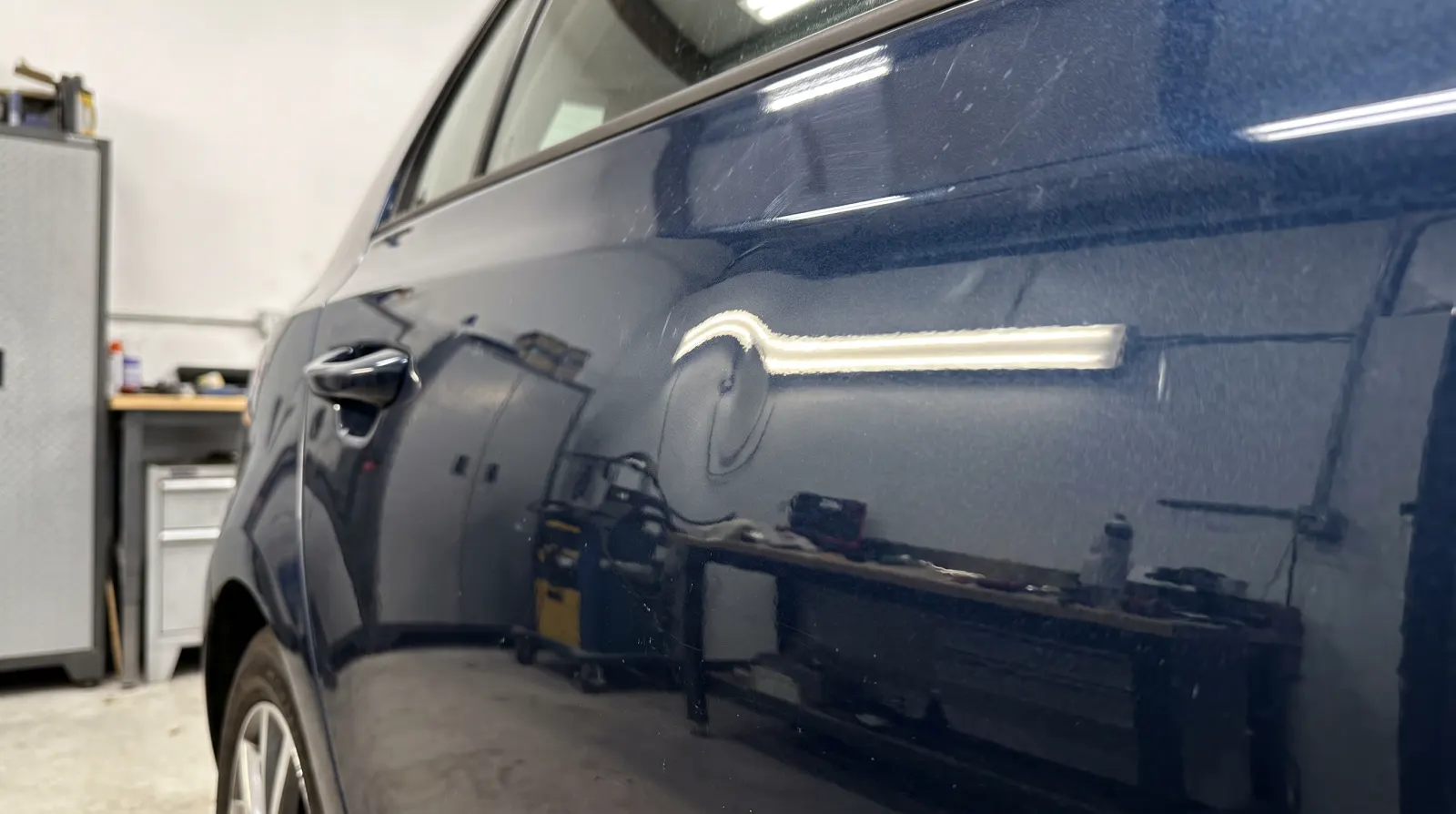
A dent
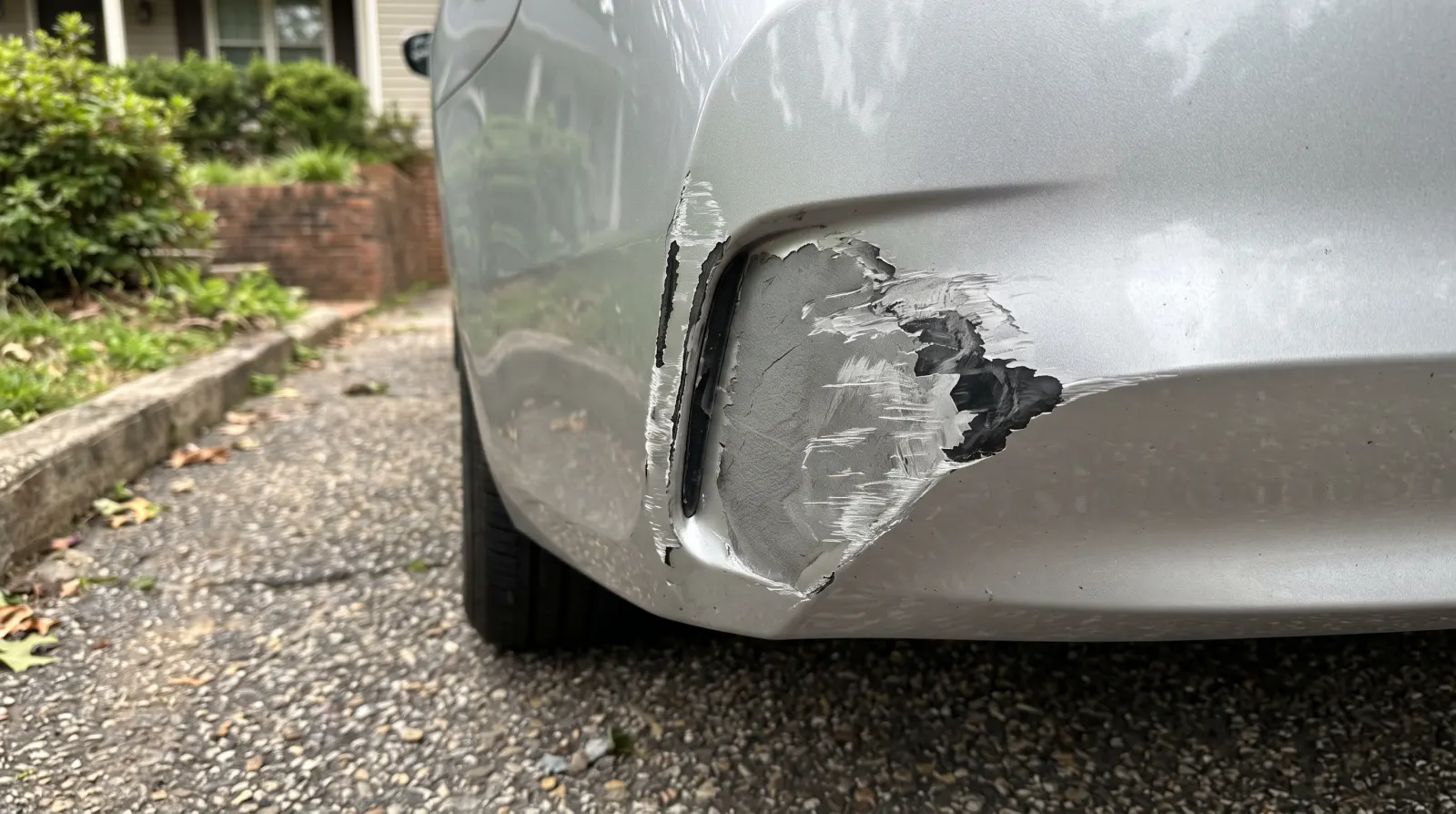
Bumper corner
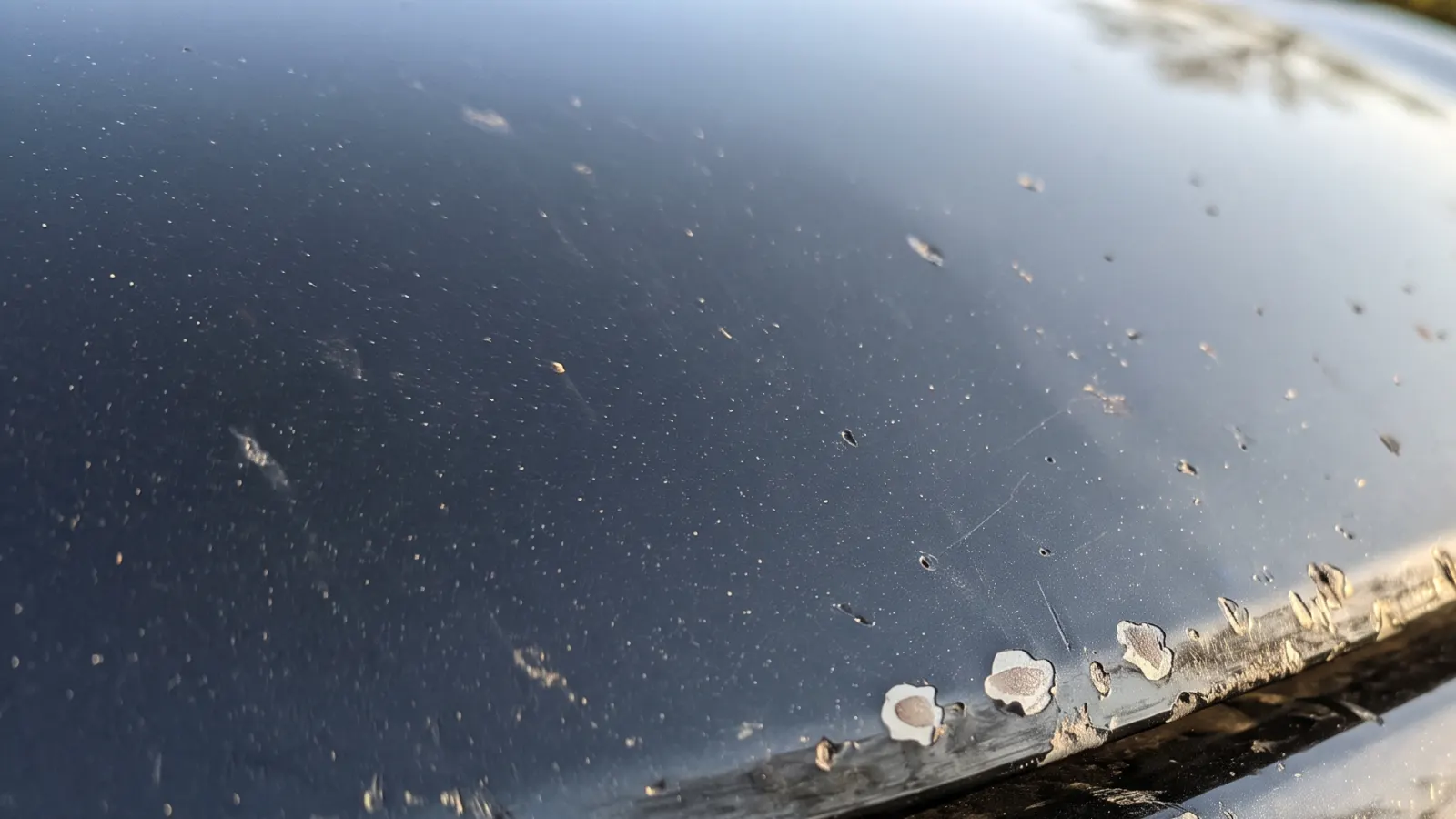
Stone chips
MoneyHelper also says that for vandalism where it's not clear who damaged your car, it might cost less to pay for the repairs yourself.
Do I still have to tell my insurer if I don't claim?
Often, yes. MoneyHelper says that even if you don't claim, you will need to declare any accidents or damage when you renew your policy. If you don't, the payout on a future claim could be reduced or rejected altogether. It lists having an accident among the things to tell your insurer.
Your own policy will say when it wants to hear about an accident. Read that part before you decide. Paying for the repair yourself is a decision about the claim, not about telling them.
Can I choose my own repairer?
It depends on your policy. MoneyHelper suggests asking whether you have to use a specific repairer, because your cover might be affected if you don't use the insurer's approved repairer. It also says you might only get a courtesy car if you use an approved repairer.
Check the policy wording before you book the work anywhere. If you're paying for the repair yourself, the choice is yours.
What should I get priced before I decide?
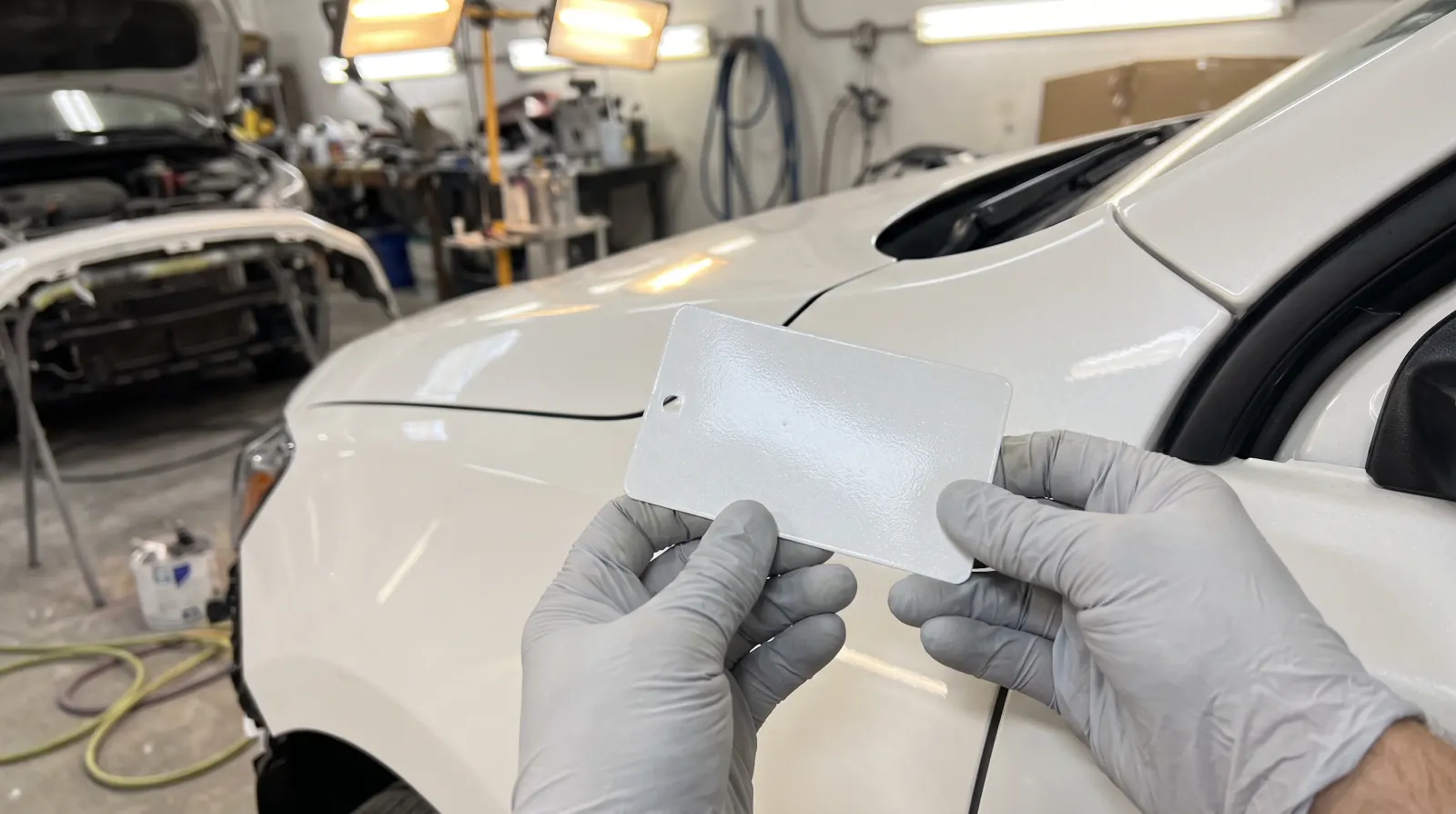
A written repair price, from photos or a look at the car. Send a few photos of the whole side, a close-up of the damage, the make, model and colour, and the paint code if you have it, usually on a label in a door shut or under the bonnet.
What moves the price is how many panels the damage crosses, whether the new paint is blended into the panels beside the repair, and the colour. See body repair for how we put dents, scratches and scuffs right, and prices for how we quote.
Damaged and not sure which way to go? Send us photos from the quote form, and you'll have a repair price to set against your excess.