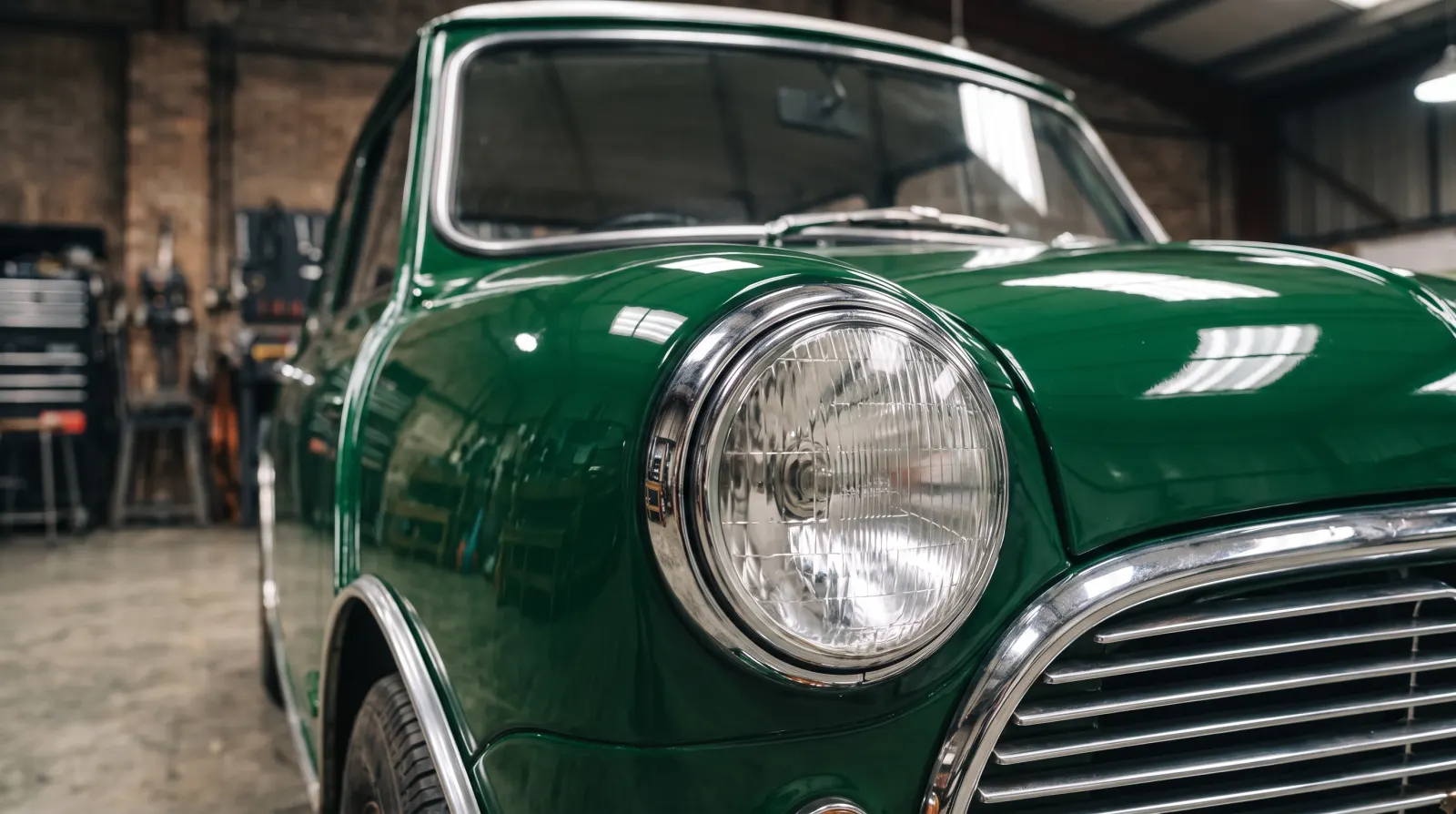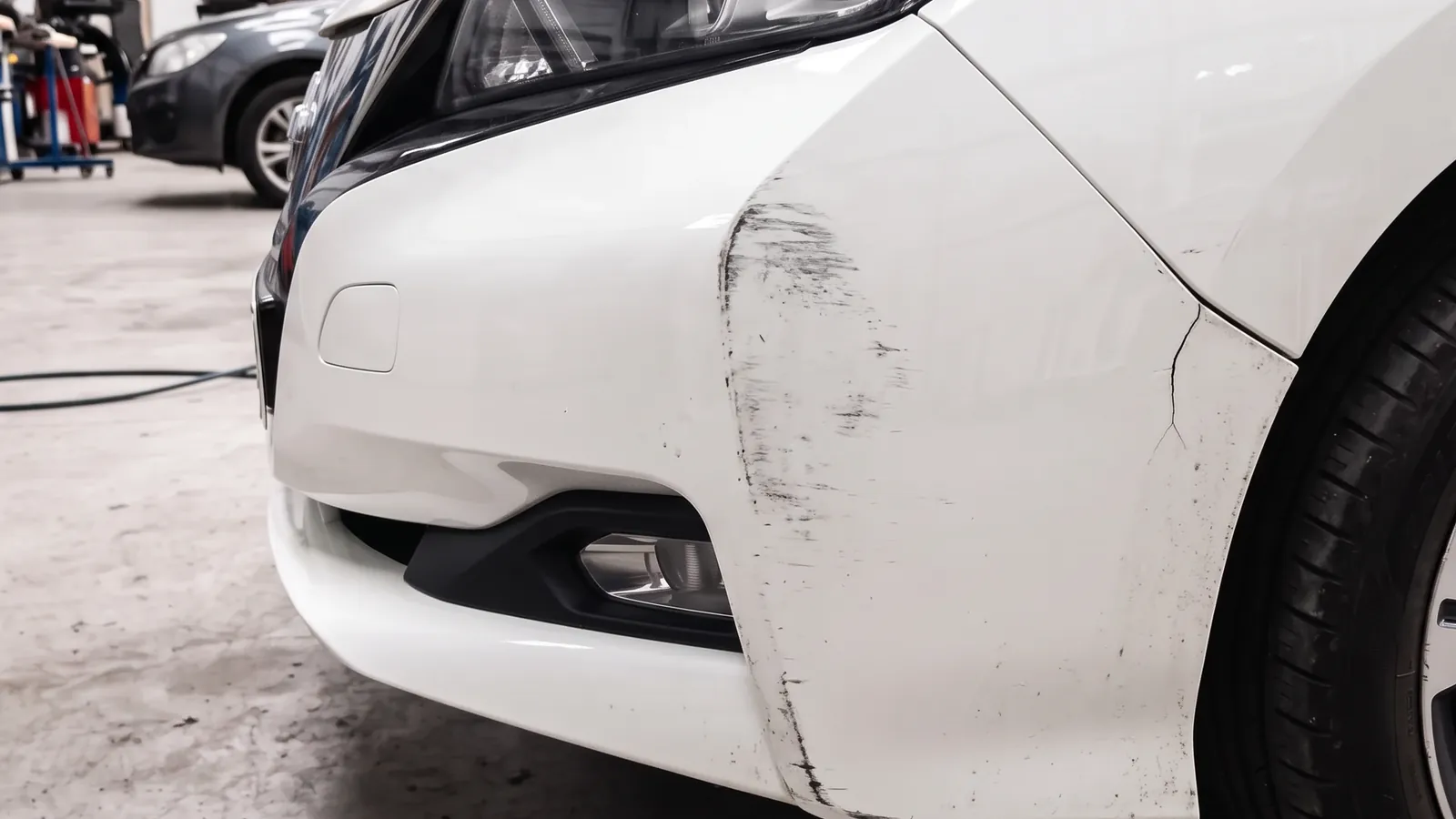
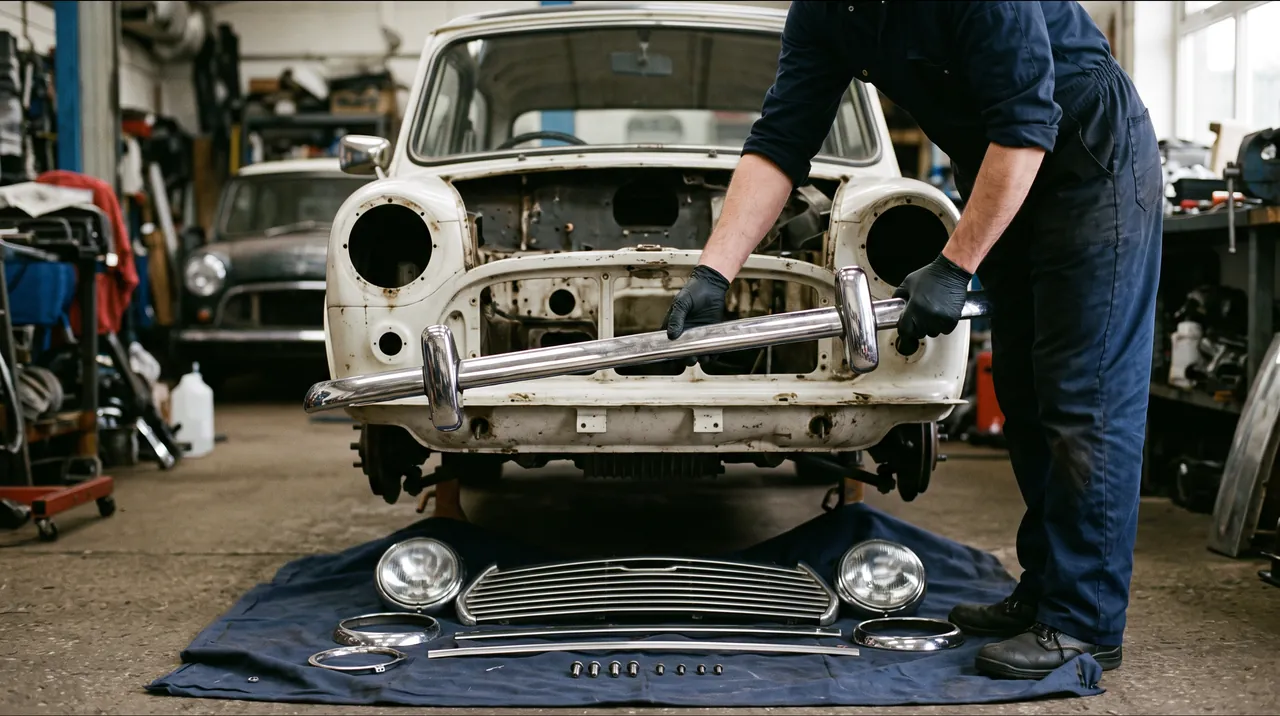
Start with the car. Look for the paint code, then ask the maker's archive or a heritage trust what the factory wrote down, then find the first paint where later resprays and the sun never reached. Before any colour goes on, a test card is sprayed and held against the car.
Here's how each step works.
Where is the paint code on a classic car?
On a plate or label, if the car has one, often under the bonnet, in a door shut or in the boot. Exactly where depends on the maker and the year. PPG, one of the big paint makers, keeps a guide to where each carmaker puts it, and its procedure for picking a colour formula starts by taking the code off the car.
On an old car the plate can be missing, painted over or too worn to read. And a code gives the colour the car was built in, which may not be the colour it wears now.
What if there's no paint code on the car?
Ask the maker's records. The Jaguar Daimler Heritage Trust runs a paint code service that supplies the original paint name and code from the car's chassis number or VIN.
For many British classics, the factory's own build records survive, and a heritage certificate is the way to see them.

What is a heritage certificate?
A copy of what the factory wrote down about your car when it was built. The British Motor Museum describes its Heritage Certificate as a certified copy of the car's entry in the original factory ledger. It lists build and despatch dates, engine and body numbers, the colour scheme and factory fitted equipment. The archive covers marques including Austin, Land Rover, MG, Mini, Morris, Rover, Triumph and Wolseley, each for its own span of years, listed on the museum's site.
The Jaguar Daimler Heritage Trust issues certificates for SS and Jaguar cars, and some Daimler and Swallow-bodied models, more than ten years old. They show the original colour and trim as recorded at production.
Both are clear about the limits. The museum says the detail in the ledgers varies, and the Trust won't add anything its production records don't hold. For other makes, ask the maker or the owners' club for your car what records survive.
Where does the original paint hide on the car?
Wherever a later respray didn't reach and the sun didn't get to. If a past colour change stopped at the outside panels, the old colour can still be in the door shuts, the engine bay and the boot. Even on a car that has never been resprayed, paint behind trim, badges and rubber seals, under the boot mat and behind the dash hasn't been out in the sun like the roof and bonnet.
There may be more than one colour on the car. Where paint has chipped or been sanded back at an edge, you can sometimes see the layers, the oldest at the bottom over the primer.
When is the best time to look?
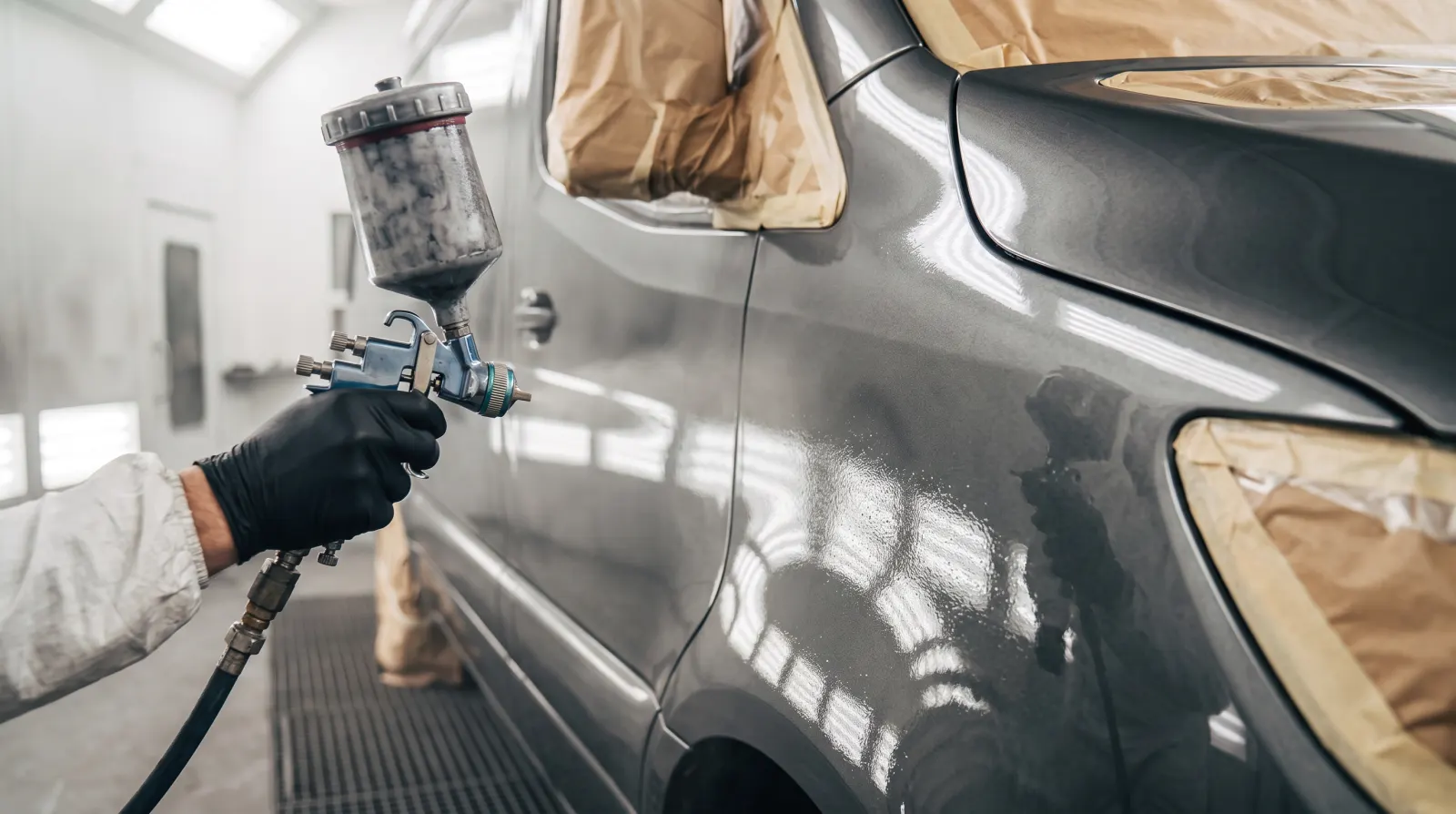
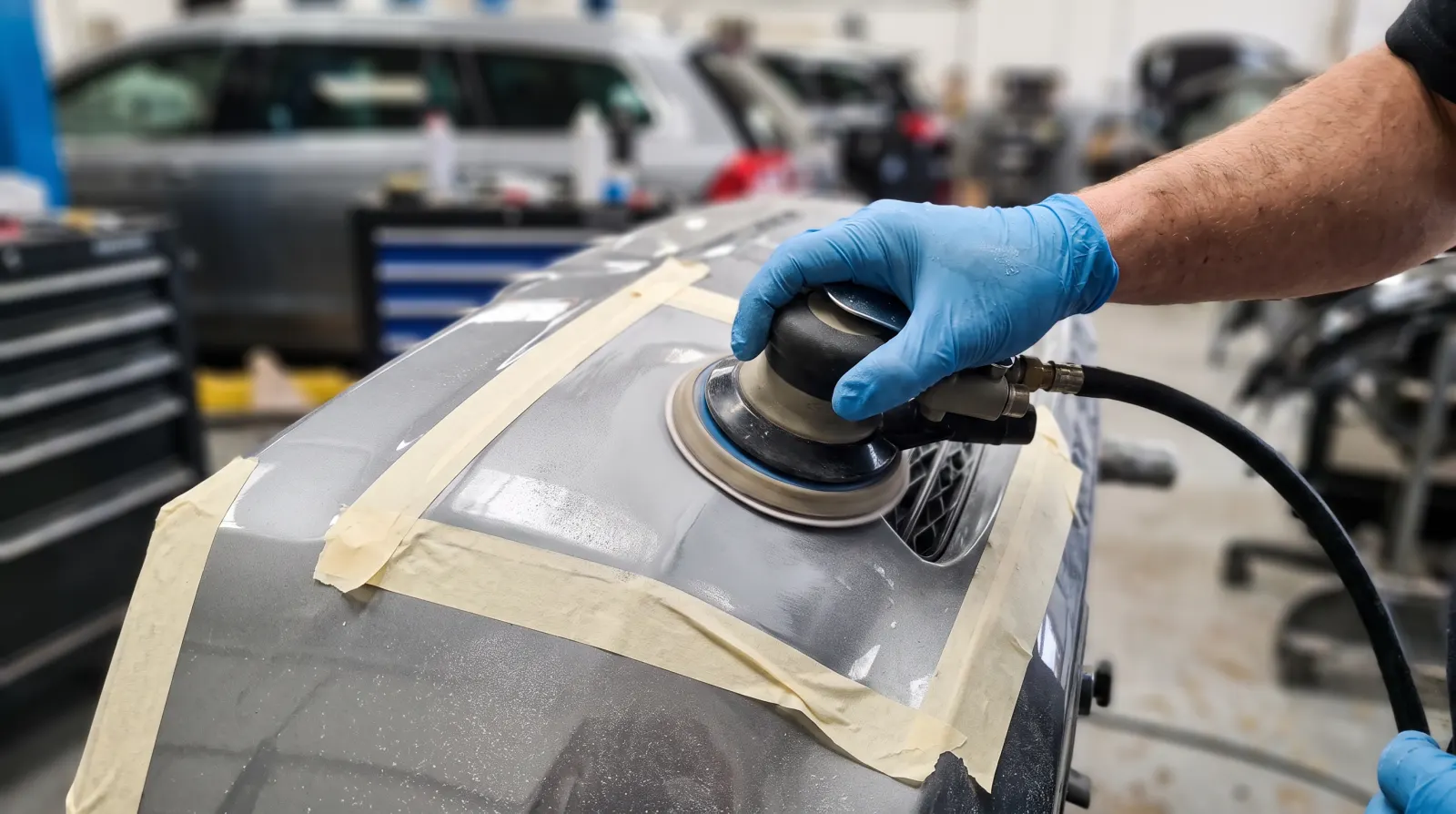
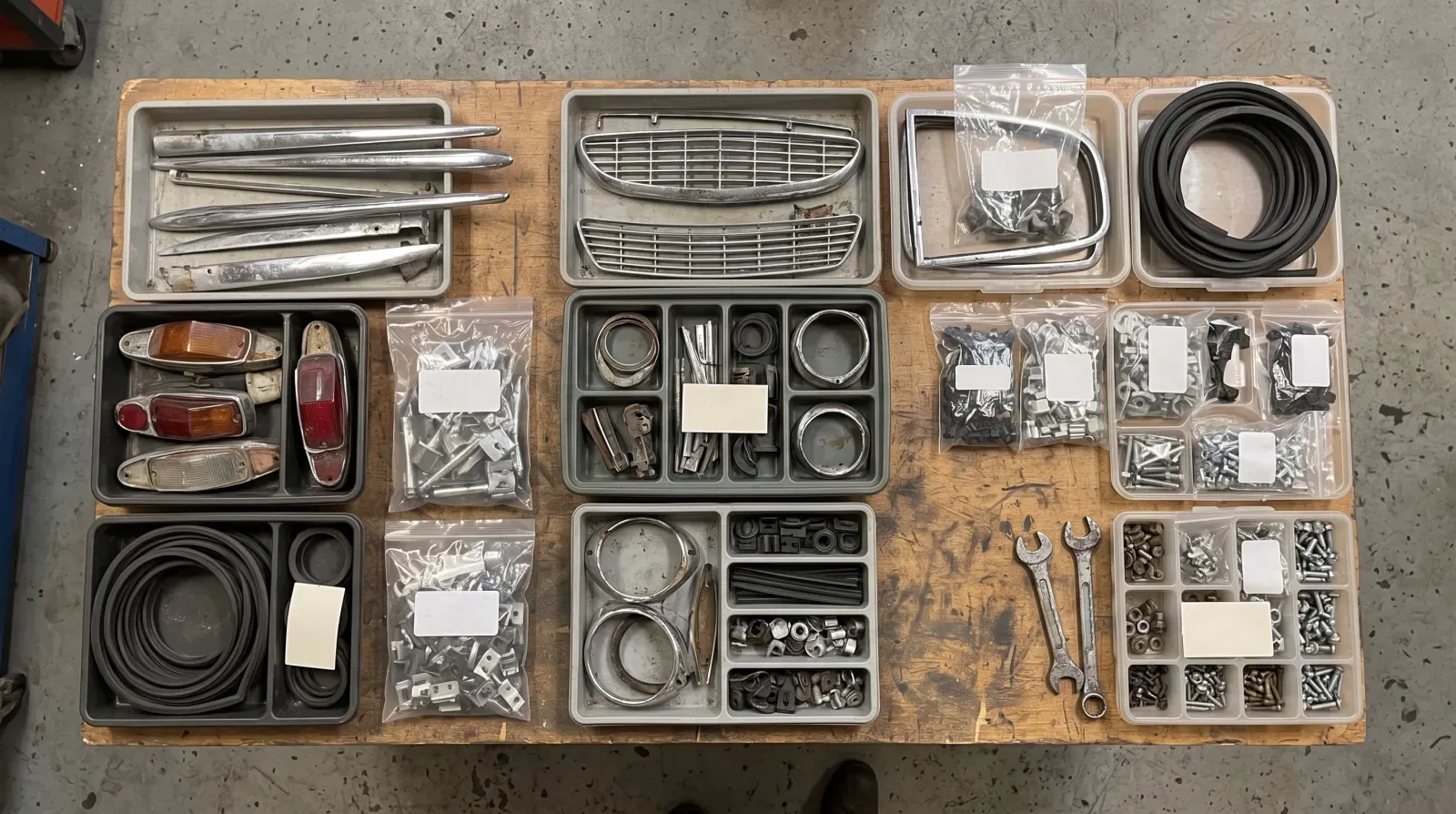
When the trim comes off. On a restoration, everything that isn't body comes off, bagged and labelled, so the paint that was hidden behind the lights, the badges and the seals is out in the open before anything is flatted.
Take photos of it then, in daylight. Once the old paint goes, so does the evidence.
Why does an old colour still need a test card?
Because a code and a formula aren't the same as the paint on your car. Axalta, another of the big paint makers, puts the difficulty of finding the right formula down to weather damage, vehicle age and manufacturing differences. For many codes, a paint maker holds more than one version of the formula.
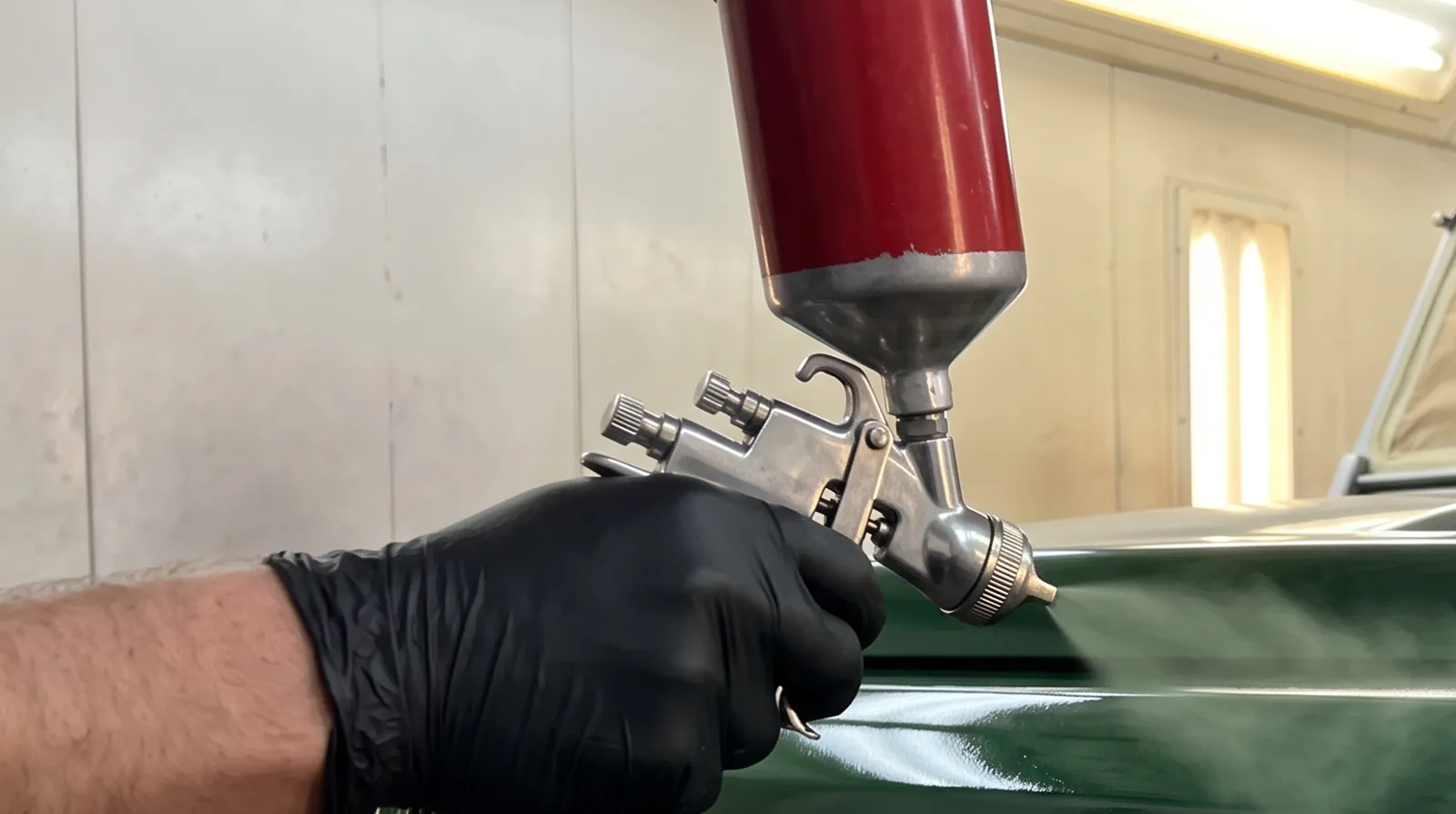
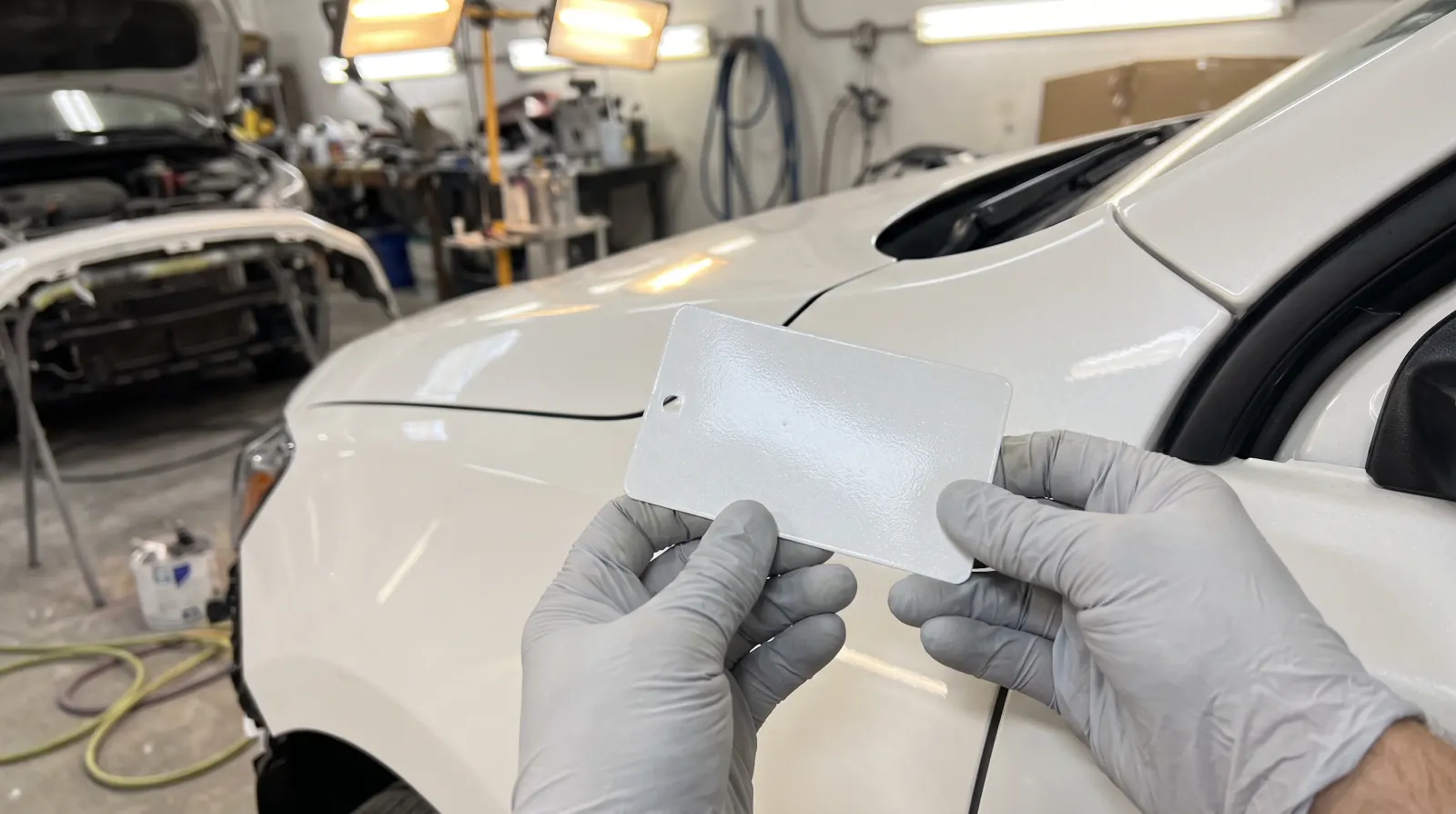
So PPG's procedure has the painter check the versions against the car, with sprayed colour chips or a spray out card, a test card sprayed with the mixed colour. It says to judge the match in natural sunlight, under colour-corrected lights or with a handheld colour matching light.
Which colour should the card match?
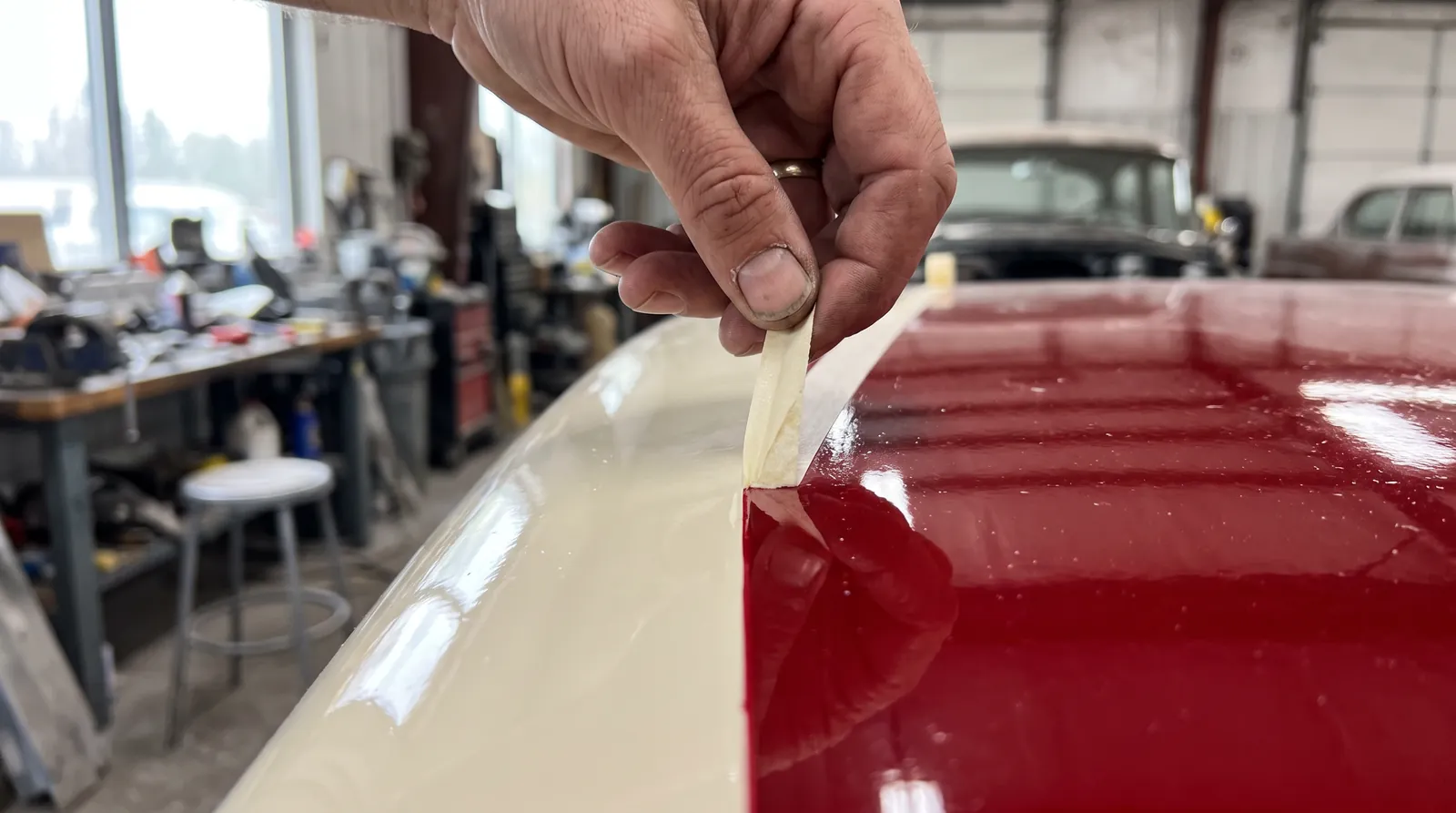
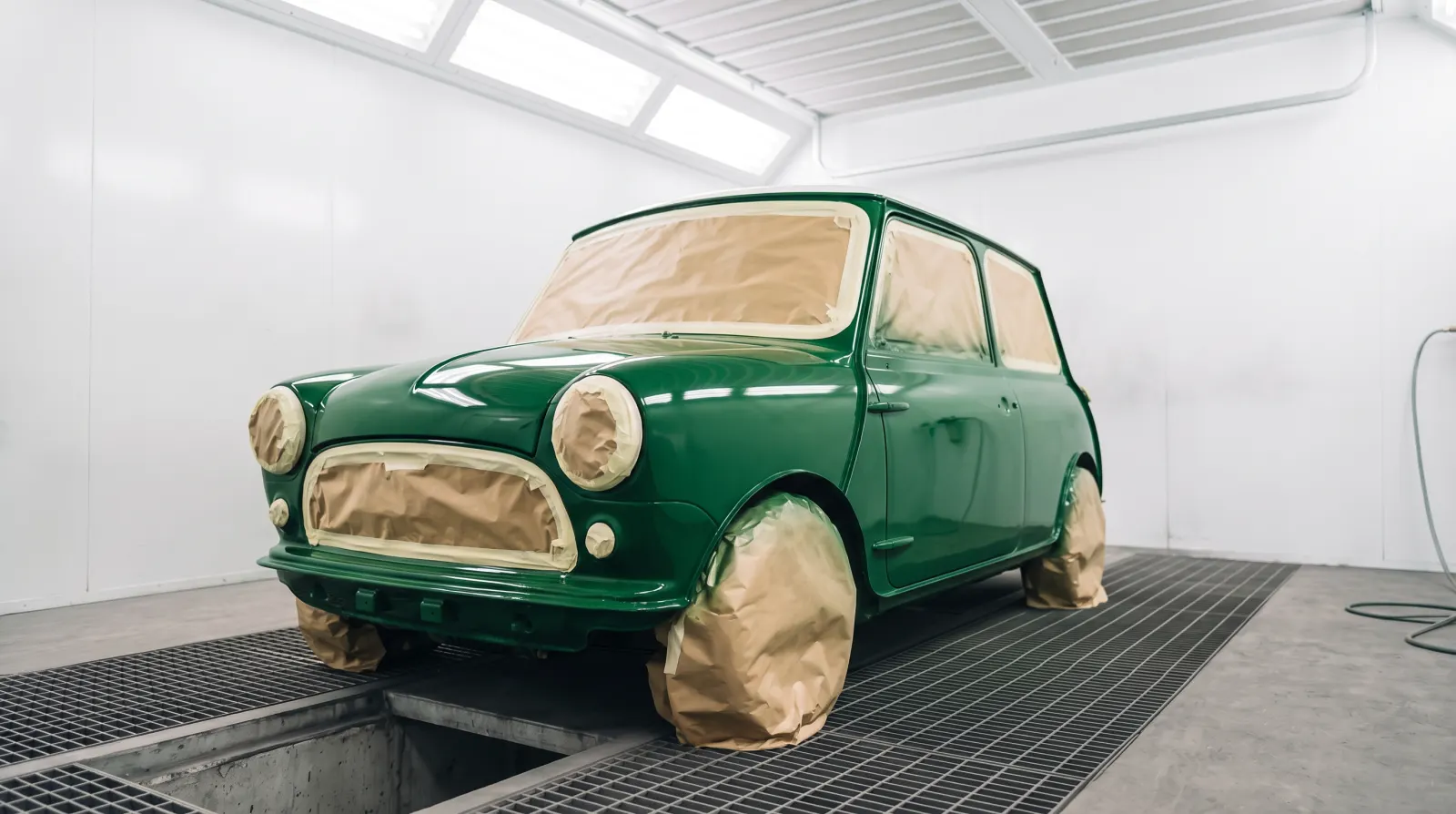
Decide that first. A repair that has to sit beside the paint the car wears now is matched to that paint, faded or not. A full respray back to the factory colour is matched to the paint that kept its colour, the bits the sun never reached.
Either way, the card goes against the car before any colour goes on it. A card costs a little paint. Getting the colour wrong costs a respray. See resprays for how the job runs from there.
Do I need to tell the DVLA if I go back to the original colour?
Yes, if the colour on your V5C changes. GOV.UK lists colour among the changes you must update on your V5C.
Check what the log book says now. If it shows a different colour from the one the car is going back to, it has to be updated. Tell your insurer at the same time.
Bringing a classic back to its first colour? Send us a few photos, the paint code if you've found it, and what you're after from the quote form.