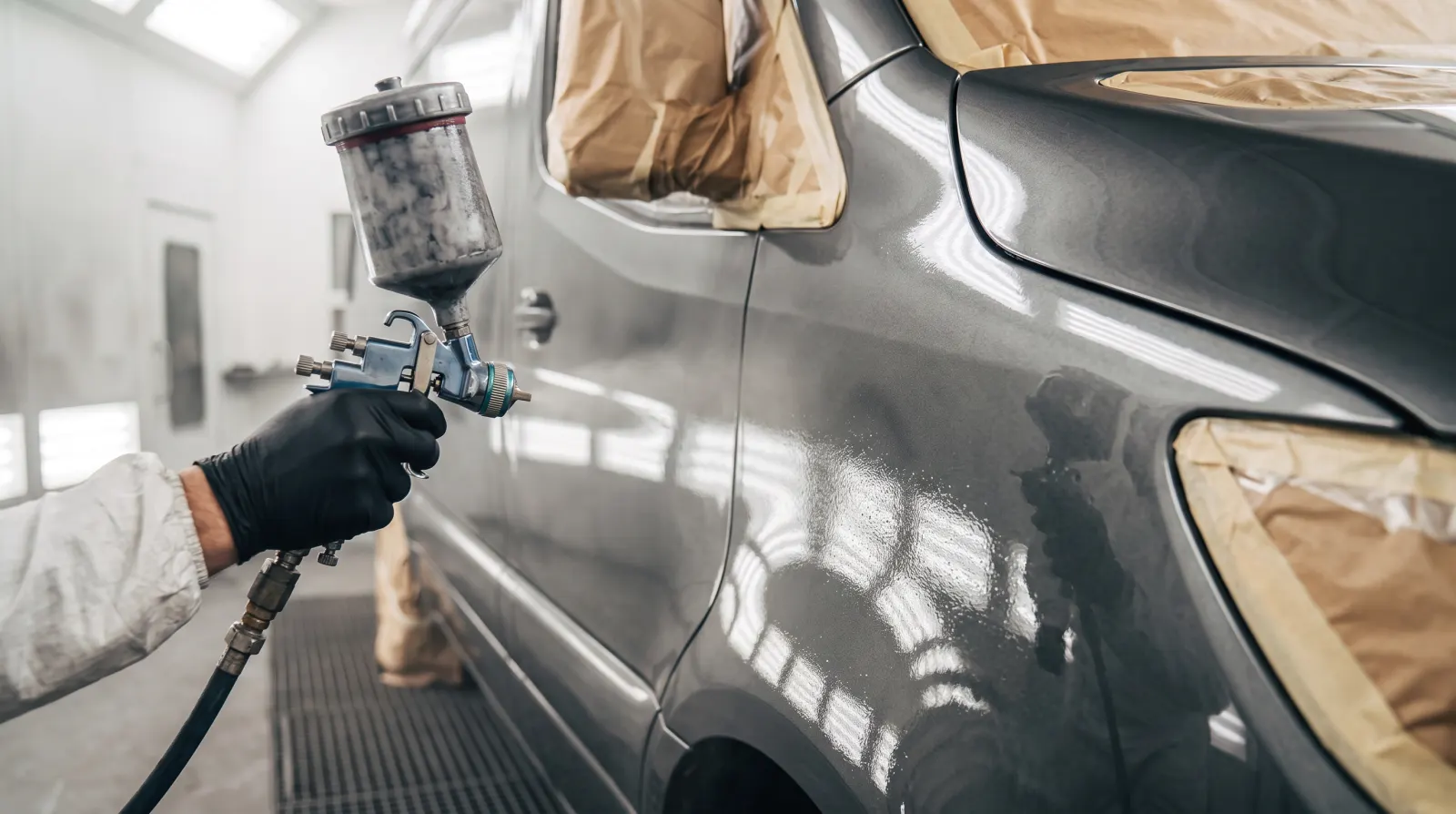
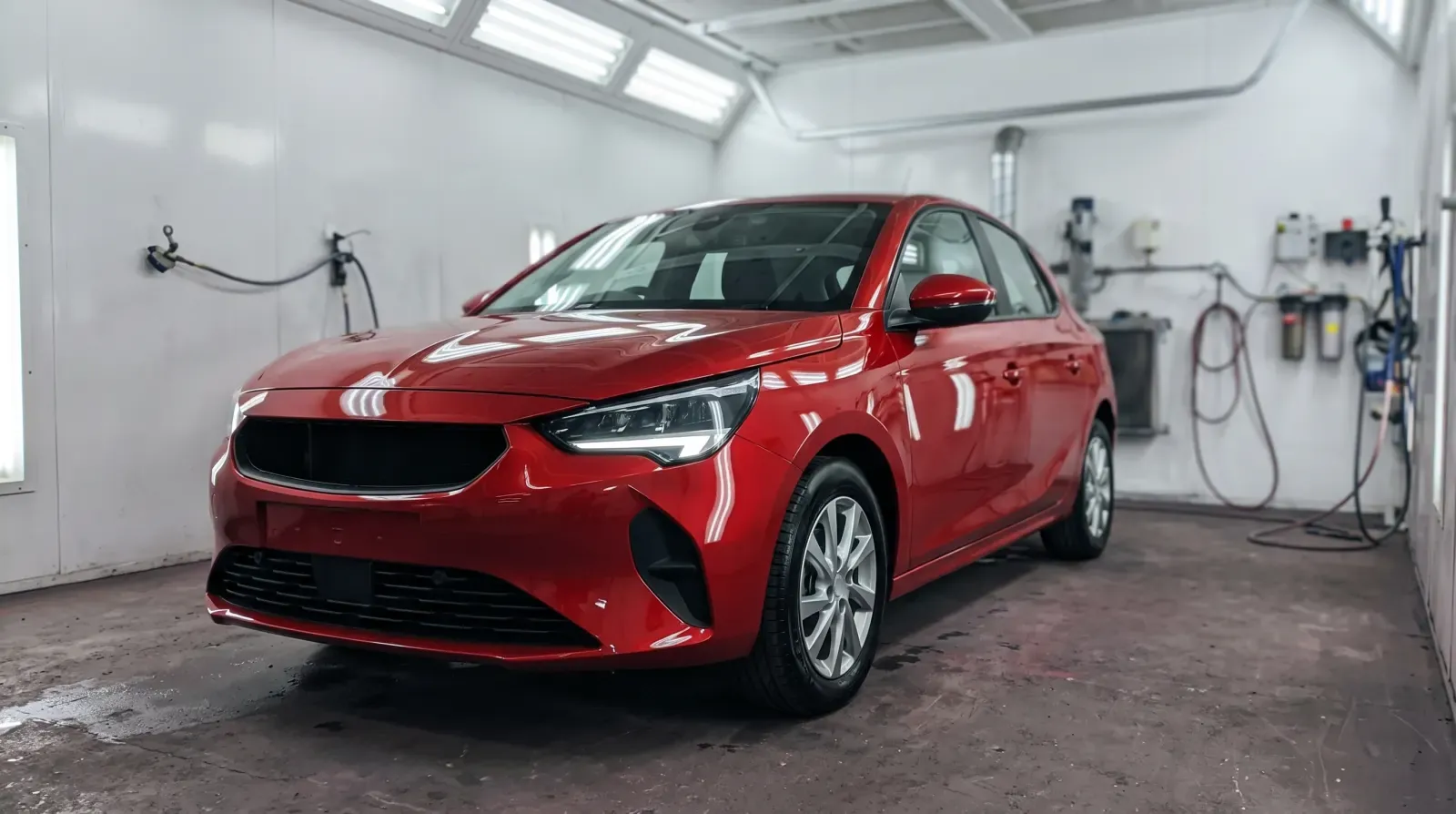
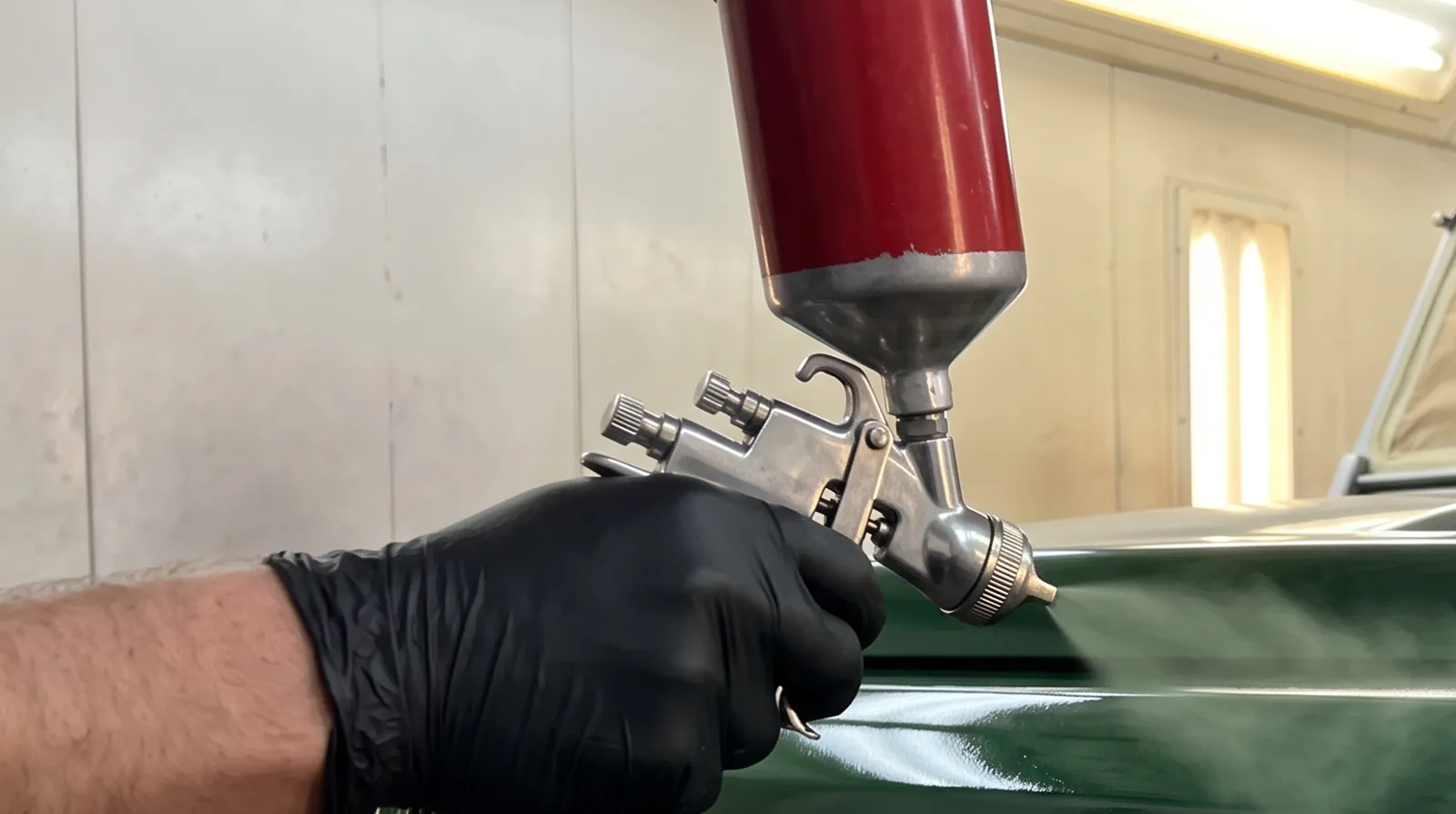
Water-based car paint carries its colour in water instead of mostly in solvent. In a respray it's the colour coat, called the basecoat, and a clear lacquer goes over it for the gloss and the protection. Is it any good? Paint makers build it for car factories as well as body shops, so yes. The colour coat was never the layer meant to take the weather on its own.
Here's what changes, and what doesn't.
What is water-based car paint?
Paint where water does most of the work solvent used to do. PPG, one of the big paint makers, says its waterborne technology replaces the solvents found in traditional basecoats with distilled water.
It isn't solvent free. A water-based basecoat still carries a VOC figure on its data sheet. VOC is short for volatile organic compounds, the solvent that goes into the air as paint dries.
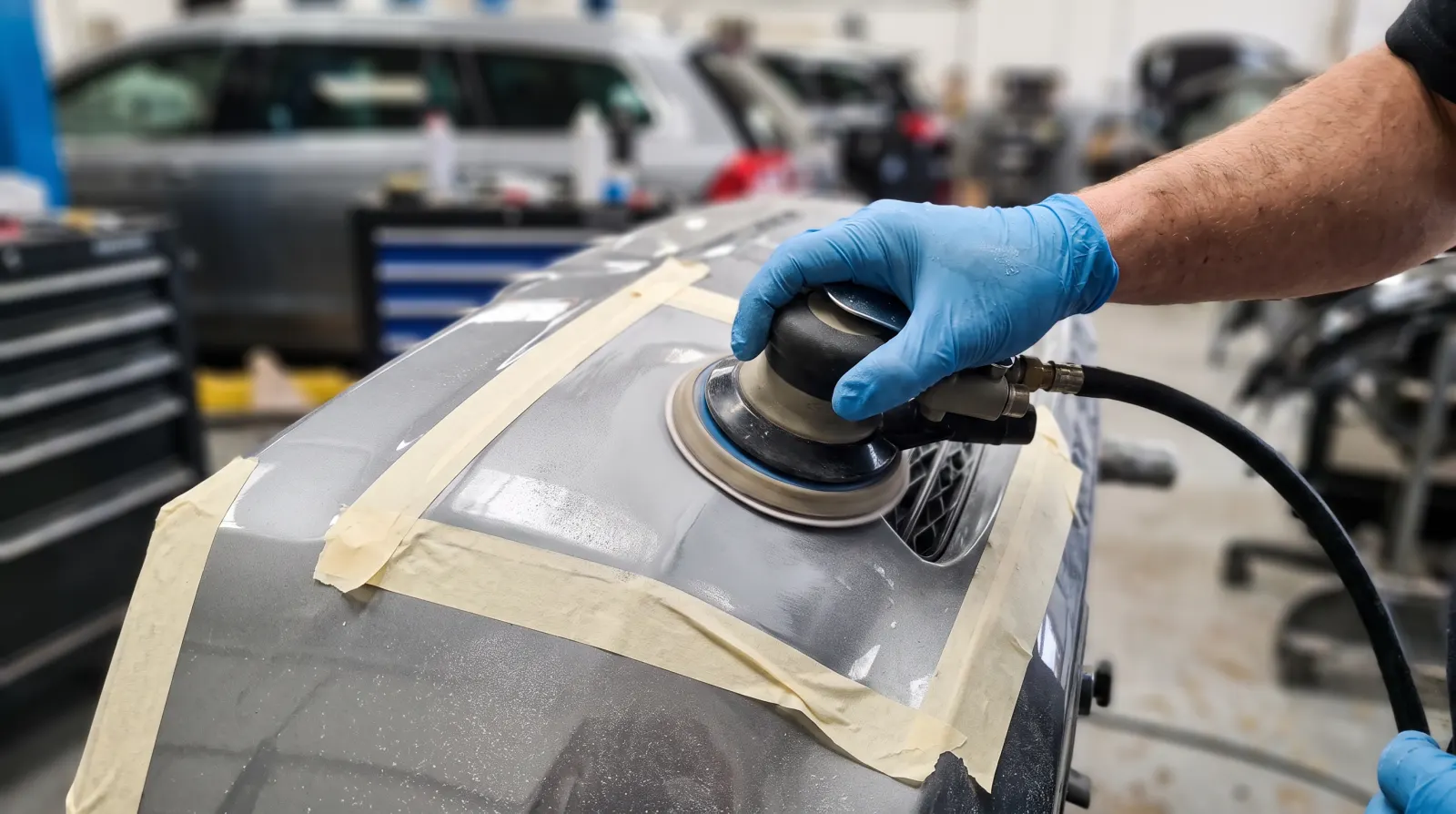
Even the cleaning changes. Defra's guidance for paint shops says water-borne materials are cleaned with water or water-alcohol mixtures, kept apart from the solvent cleaners.
Why do body shops spray water-based paint now?
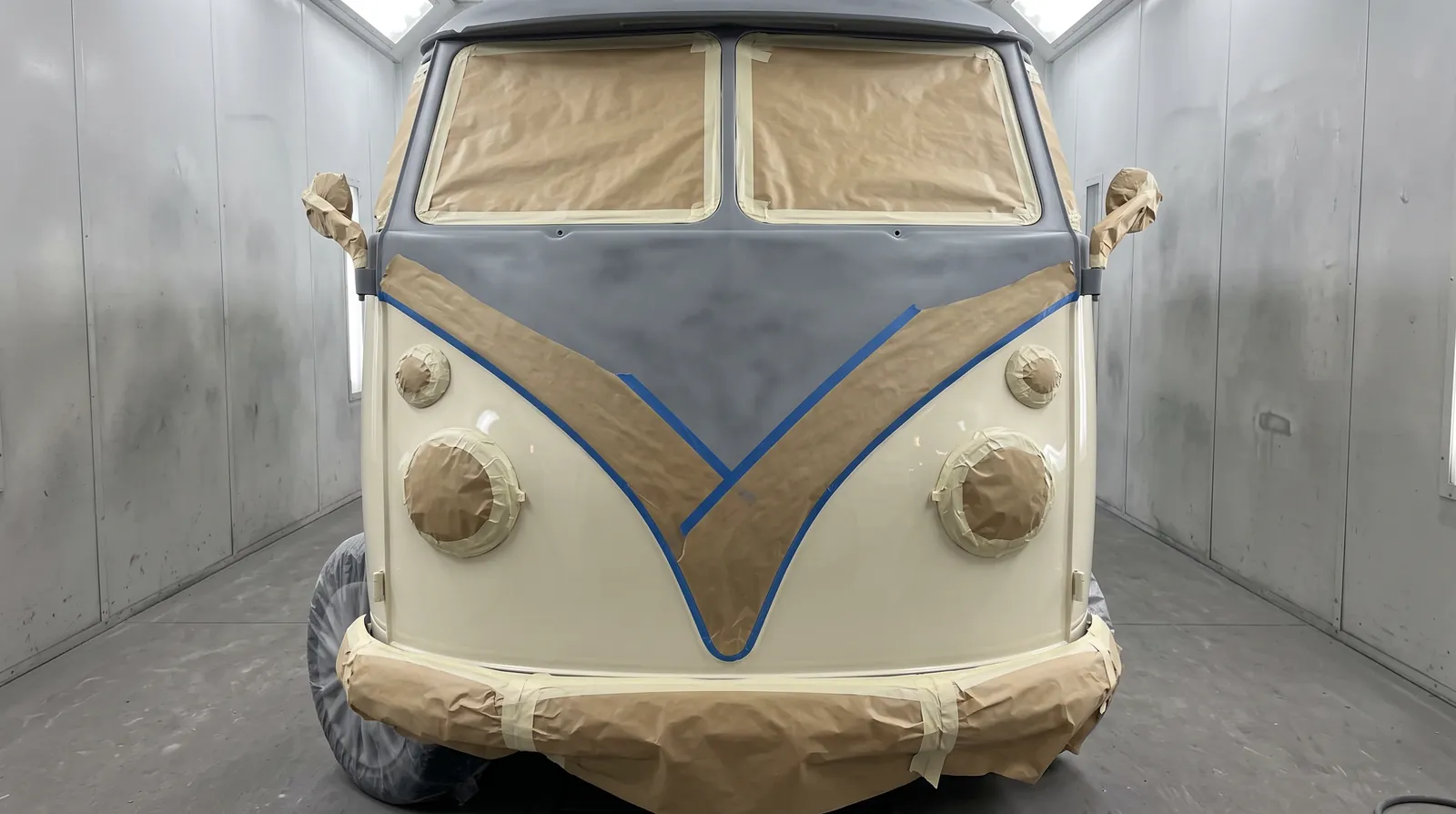
Because the law caps the solvent in refinish paint. The VOC Regulations 2012 set a limit of 420 grams of VOC per litre, ready to use, for topcoats. Defra's process guidance for respraying road vehicles says a topcoat includes both base coatings and clear coatings, and that any water in the product is left out of the sum.
So the colour coat counts. Swapping solvent for water cuts what goes into the air: PPG's refinish page for its waterborne system says its waterborne products give off lower levels of VOCs than solvent-based coatings.
Is the clear coat water-based too?
It's a separate paint, and it has to meet the same limit. AkzoNobel's UK data sheet for one of its waterborne basecoats says it should be finished with a VOC compliant clearcoat, and labels the basecoat against the same 420 limit. The data sheet for its main waterborne range lists 2K clears to go over it.
2K is short for two-pack. It's mixed with a hardener just before it's sprayed, and the two react and set.
Does water-based paint dry differently?
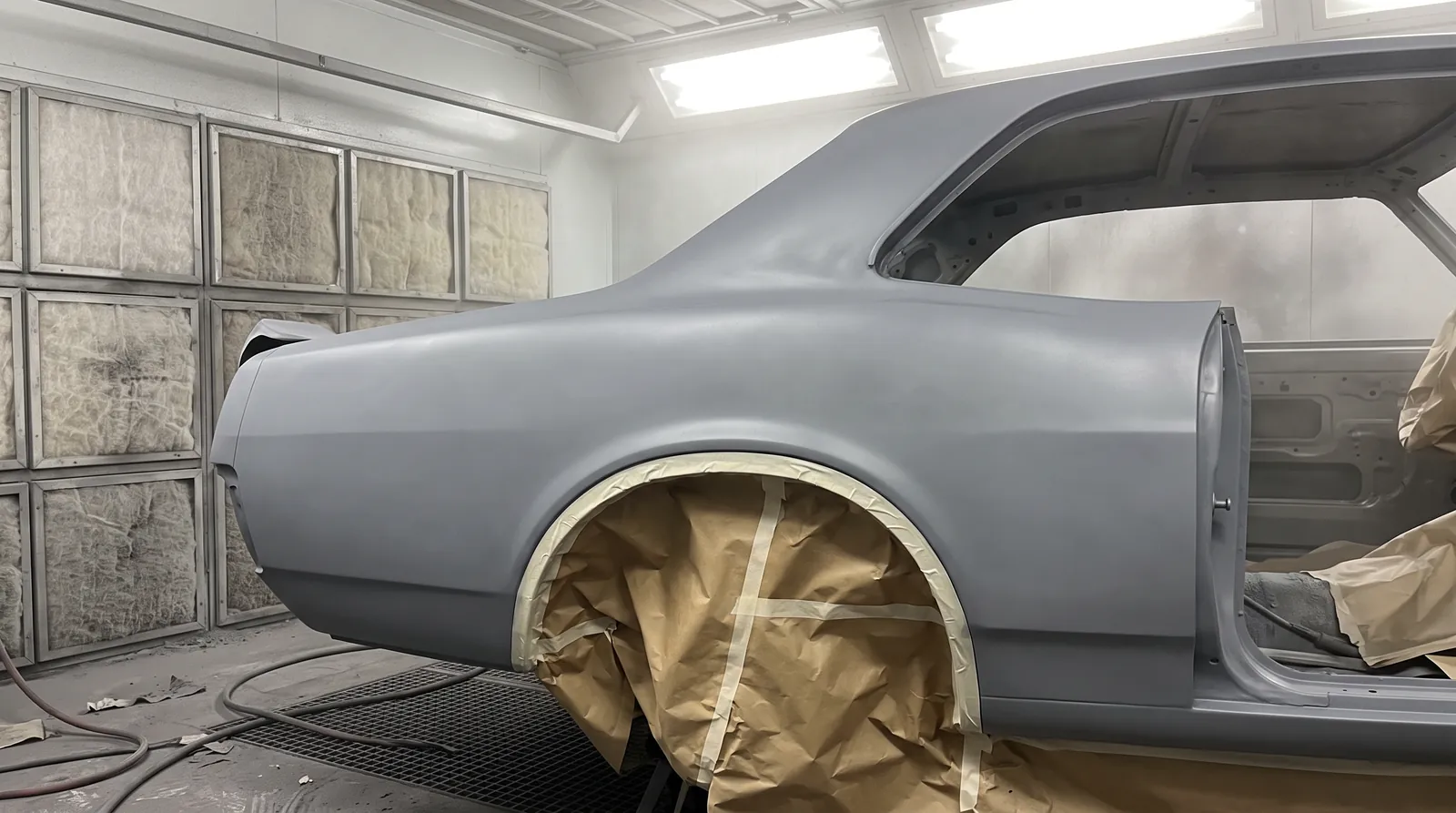
Yes. Each coat is left until it goes completely matt before the next one goes on. Both AkzoNobel data sheets say so.
It dries as the water leaves, and the air round it decides how fast. The main data sheet says the time can be cut by speeding up the air with dry-jets, blowers aimed at the panel. It also lets the painter add an activator in high temperatures or low humidity. So the booth's air, its warmth and the weather that day all count. Once the colour has flashed off, the clear goes on and is dried the way its own data sheet says.
The tins have to be kept from frost as well. AkzoNobel's UK sheet says frost makes its toners gel and go lumpy, after which they can't be used.
Will water-based paint match my car's factory colour?
It's the same kind of paint car factories spray. PPG makes waterborne basecoat for car makers at its plant in Weingarten, Germany, which it says is close to several of its key German customers. For repairs, PPG says its waterborne refinish system matches the finishes cars leave the factory in.
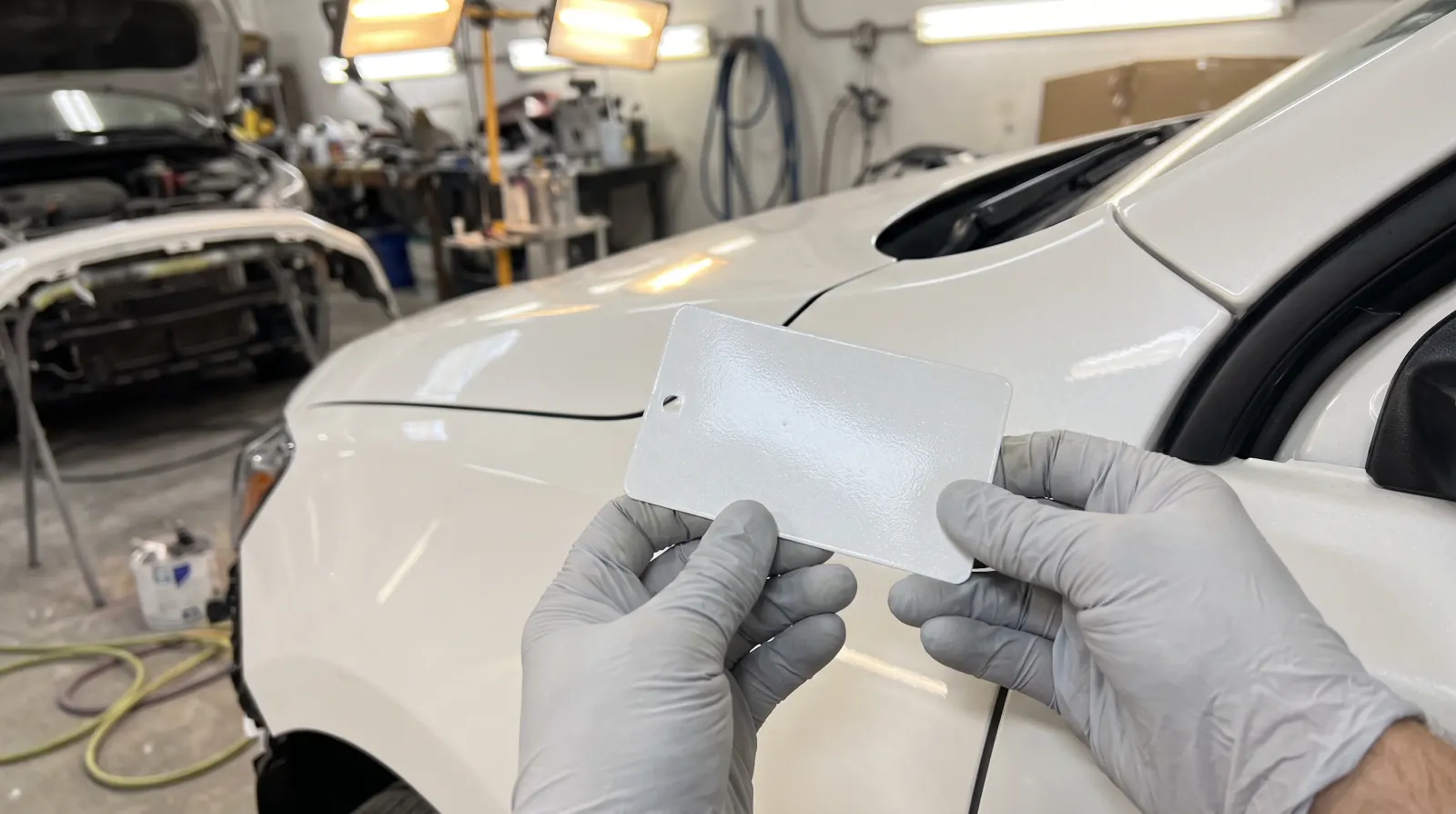
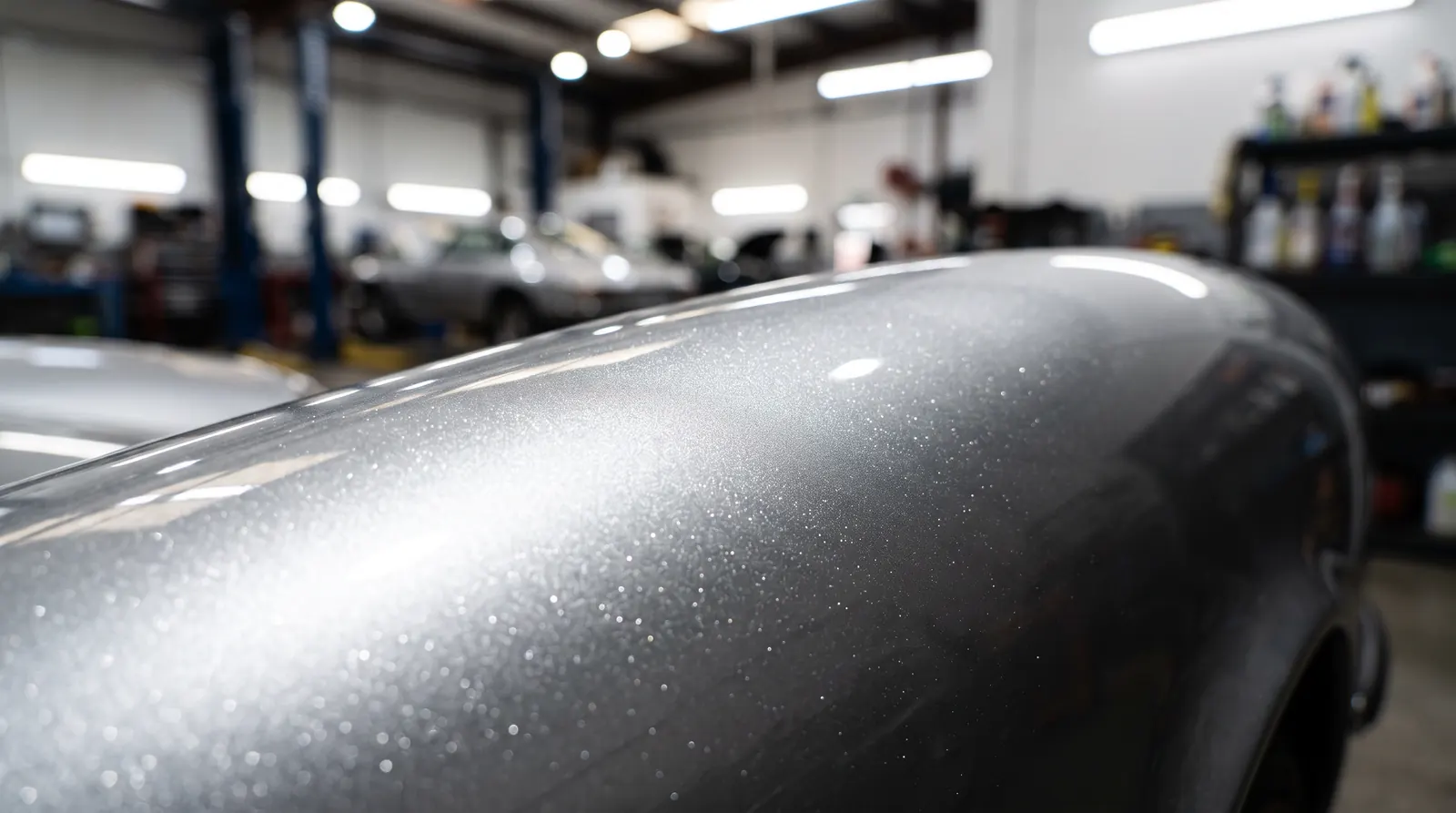
The mix is still checked against your car. A paint code can come in more than one shade, and paint that has been out in the weather has moved on from the shade it was sprayed. PPG's procedure for picking a colour formula has the painter check the variants of a colour against the car, with sprayed colour chips or a spray out card, close to the area being painted.
On a metallic, the flake has to lie the same way too. AkzoNobel's data sheet finishes metallic colours with a mist coat, a lighter last pass that sets how the flake sits.
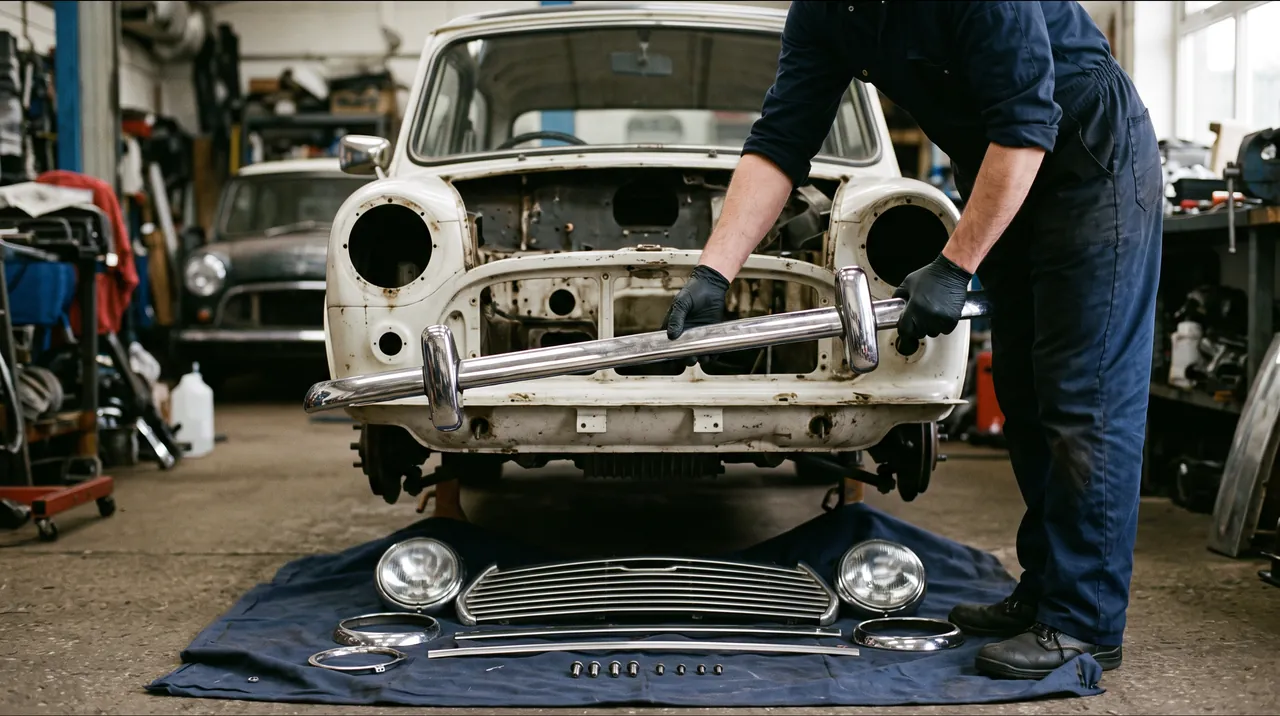
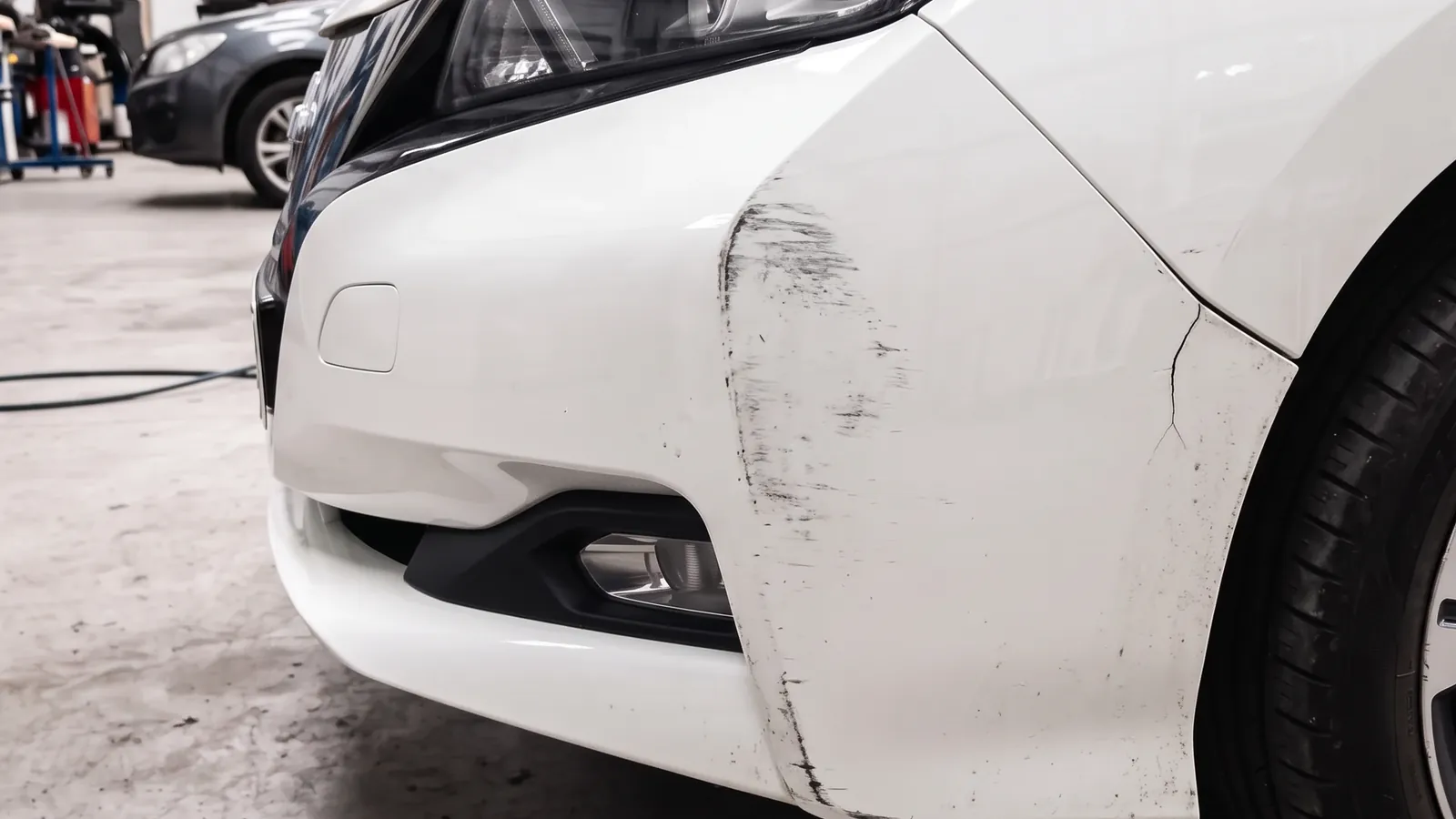
See body repair for how the new colour is blended into the panels beside a repair.
Is water-based paint as hard-wearing as solvent paint?
The wear is the clear's job, whichever basecoat is under it. Defra's guidance defines base coatings as giving the colour and any effects, but not the gloss or surface resistance. The clear coating gives the final gloss and the resistance.
So how a finish stands up comes down to the clear on top and the prep underneath. See resprays for what happens before any colour goes on.
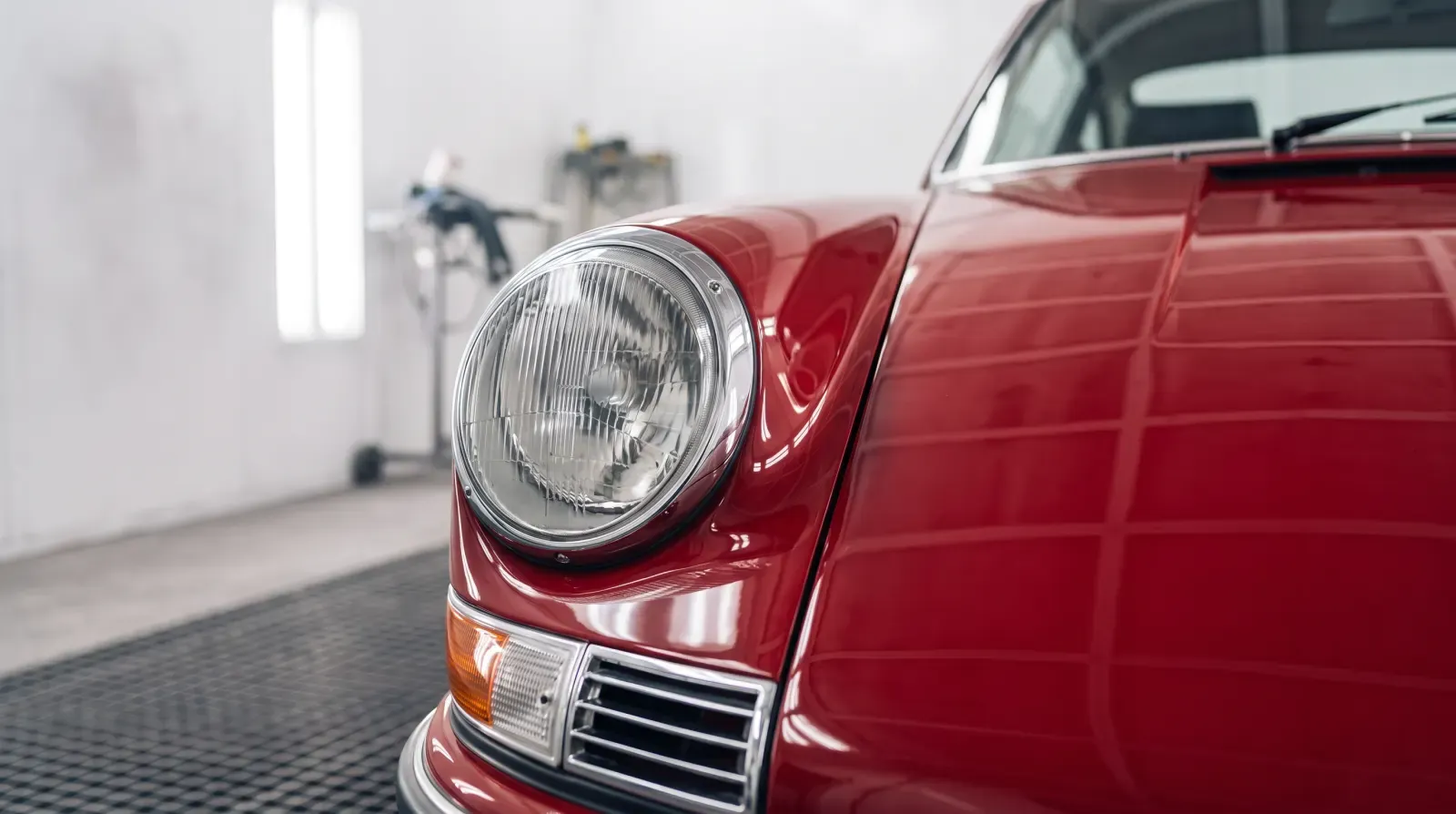
Can water-based paint go on a classic car?
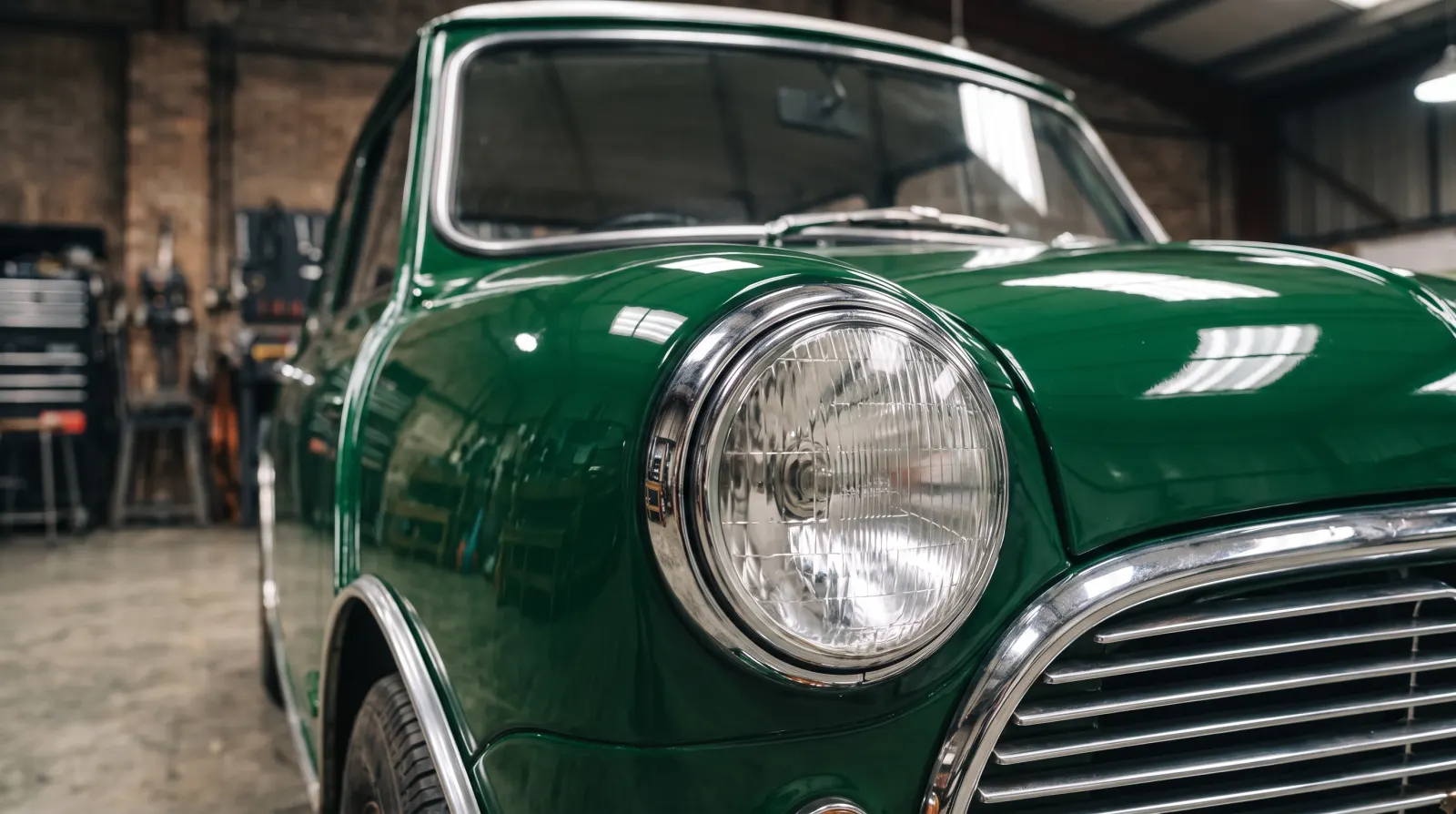
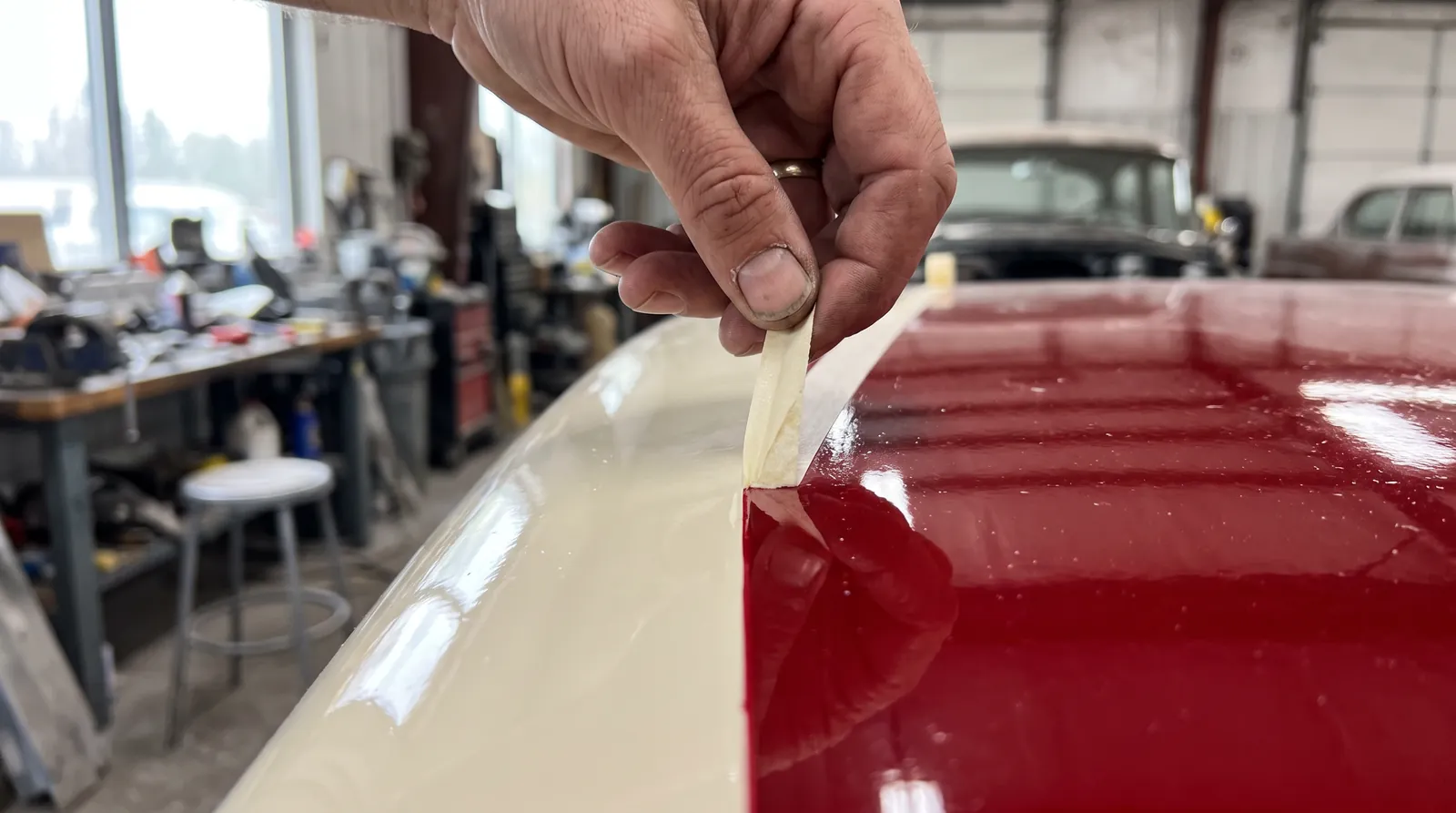
Yes, as a basecoat and clear finish. Some classics left the factory in single stage paint, where one paint gives both the colour and the gloss. Defra's guidance notes that metallic and pearl effects aren't available from a single coat topcoat.
If the car is judged on how original it is, find out what it left the factory in, and ask about single stage before the job is booked.
Thinking about a respray, or a repair in the colour your car already wears? Send us a few photos and what you're after from the quote form.