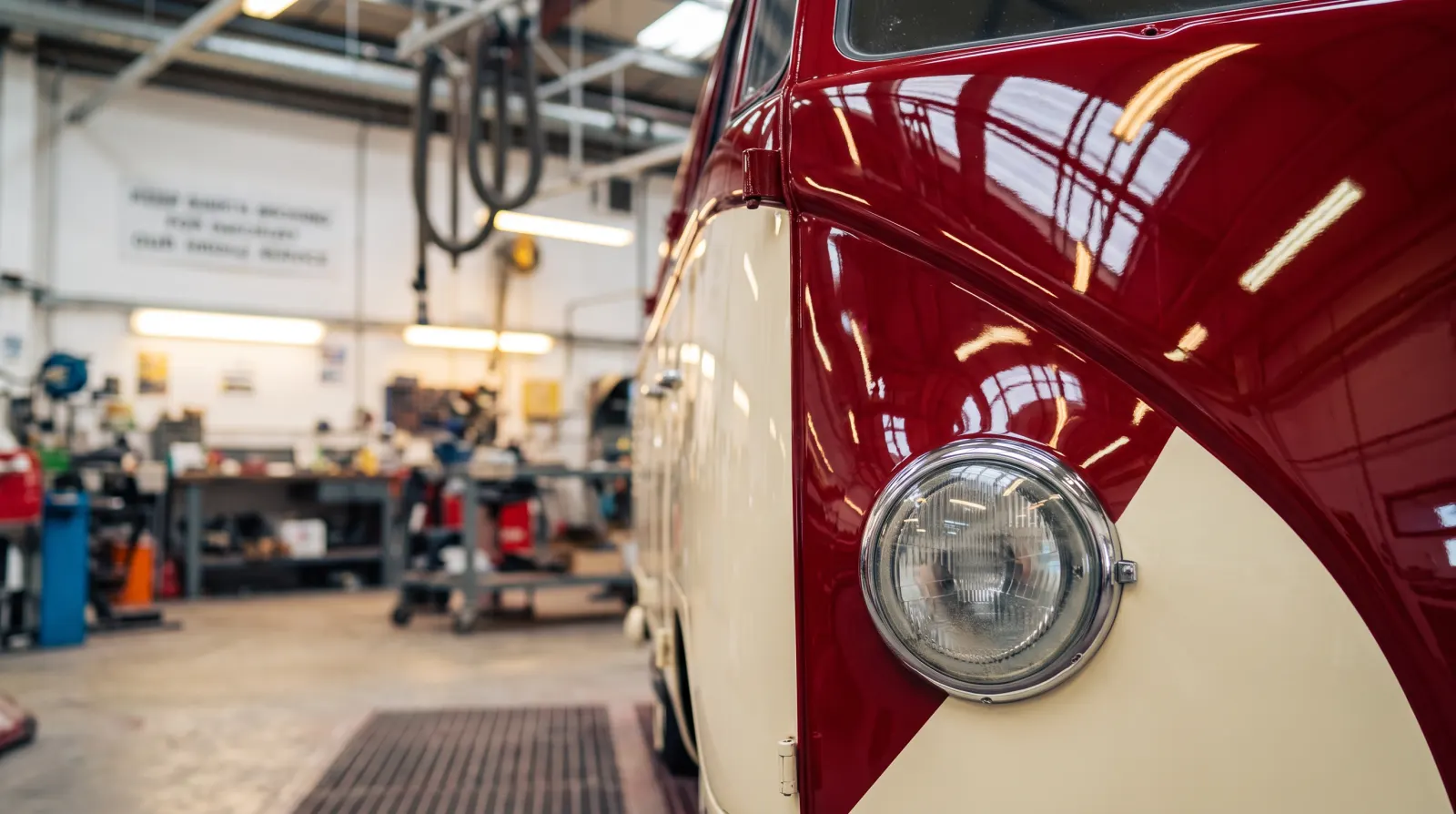
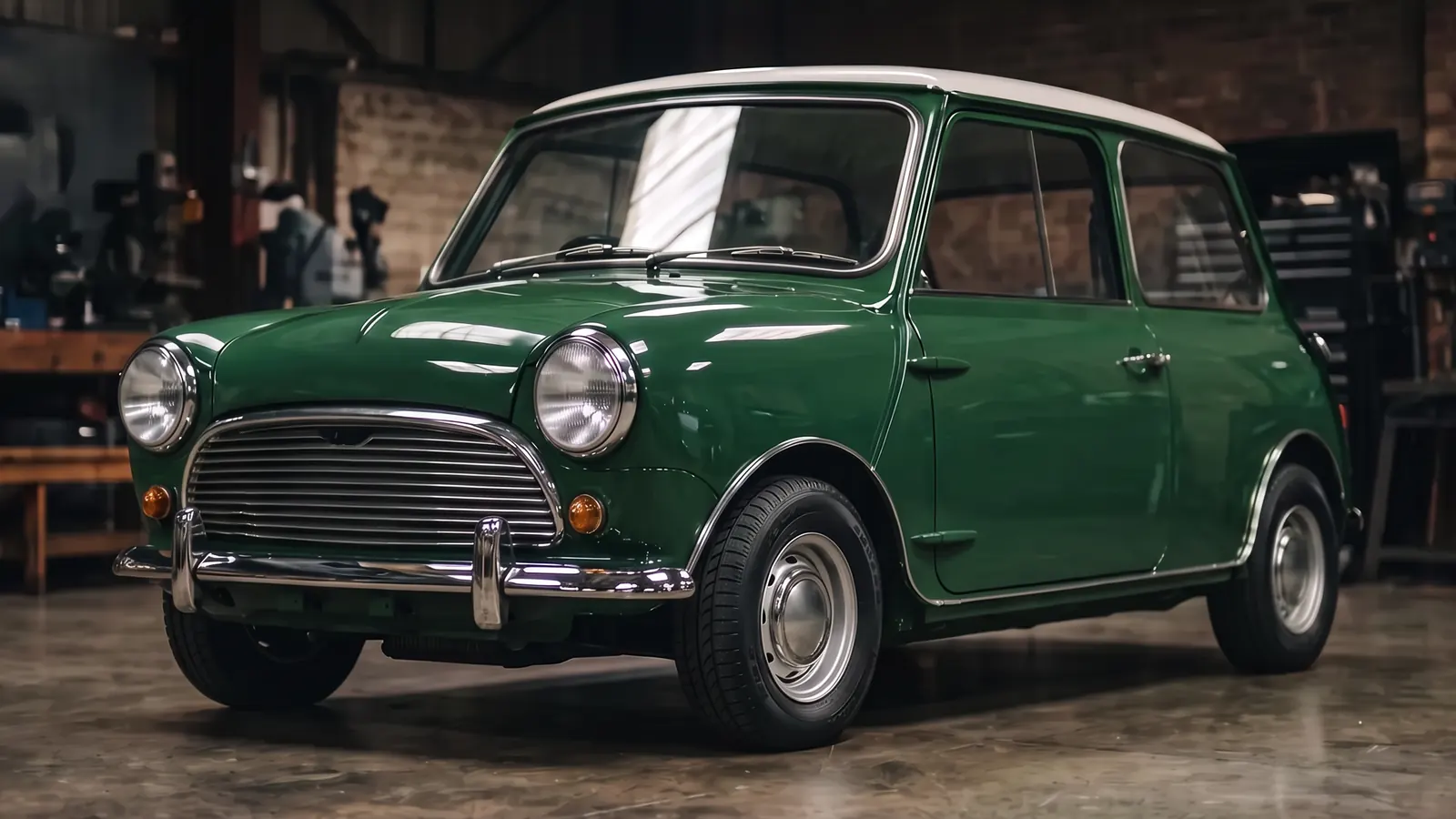
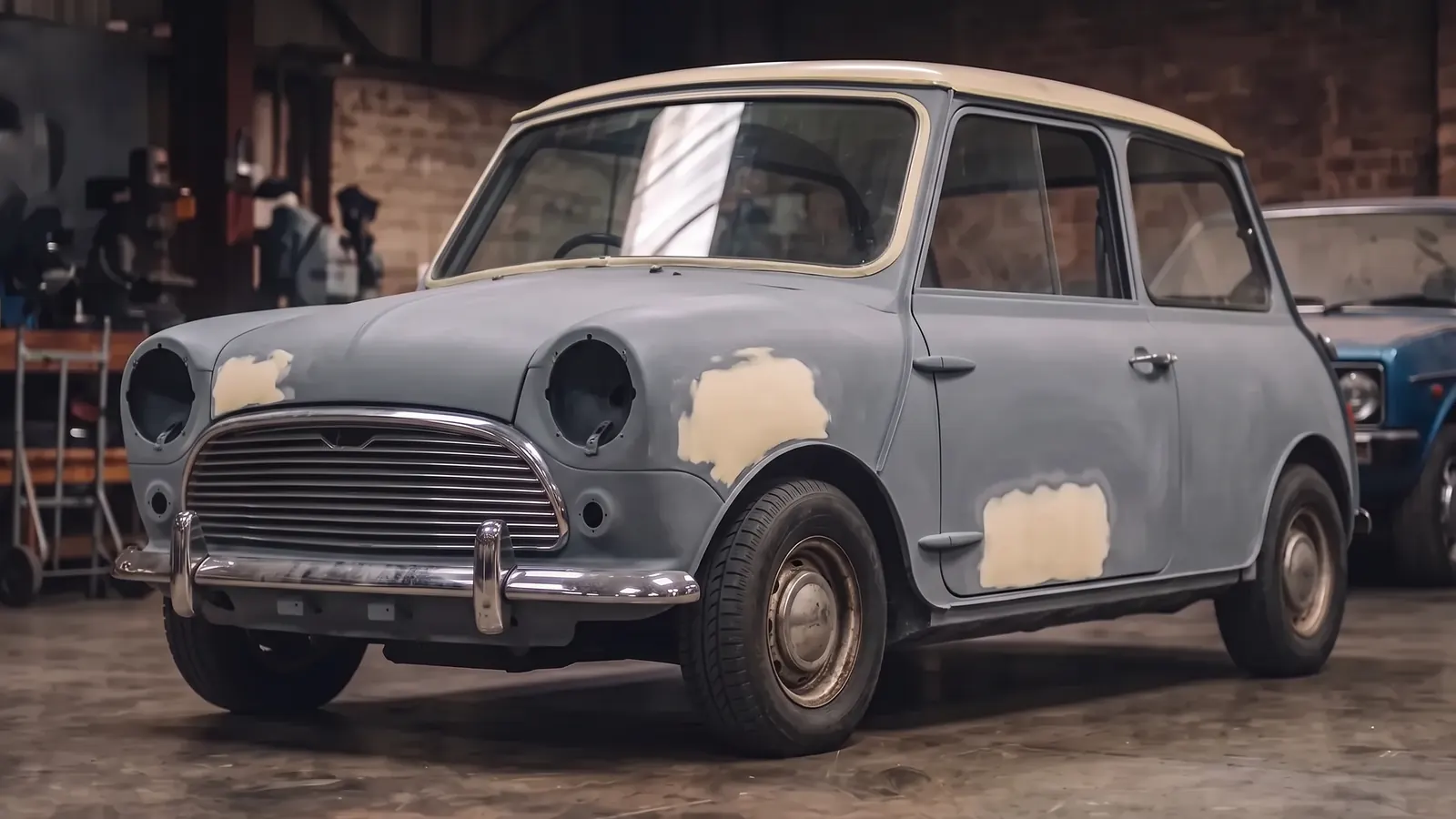
A good respray on a sound classic shows. Paint is the first thing a buyer sees, and tired, patchy paint puts them off before they've looked any further.
But paint doesn't make a car sound. A respray over rust can cost more than it adds, and on some cars the original paint is worth more than any new coat. Whether a respray adds value depends on the car under it, and on who's buying.
When does a respray add value to a classic?
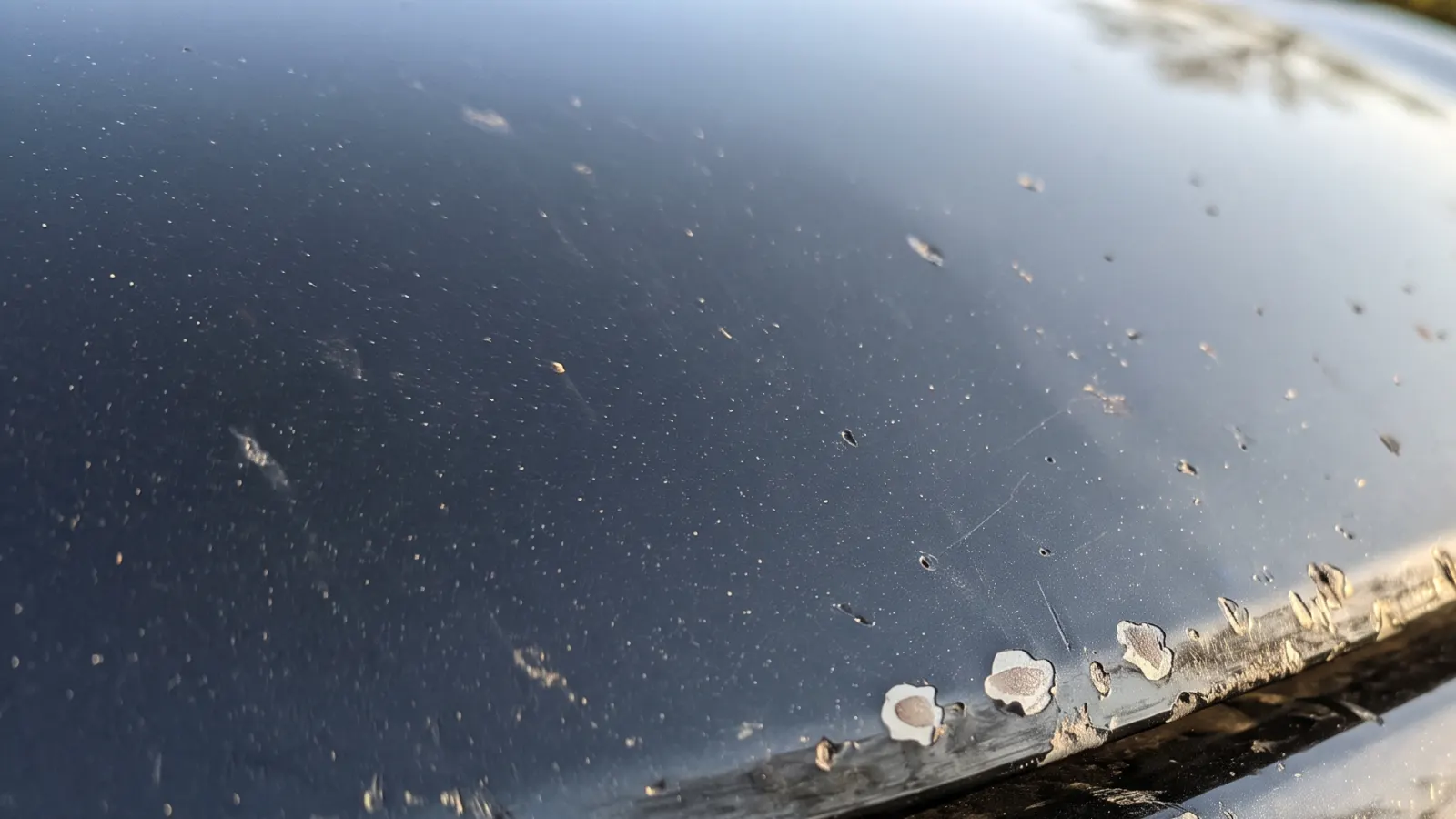
When the car under it is sound and the paint is what's letting it down. Faded, patched or mismatched paint makes a buyer wonder what else has been let go. On a sound car, good paint can be the difference between a buyer walking past and a buyer stopping.
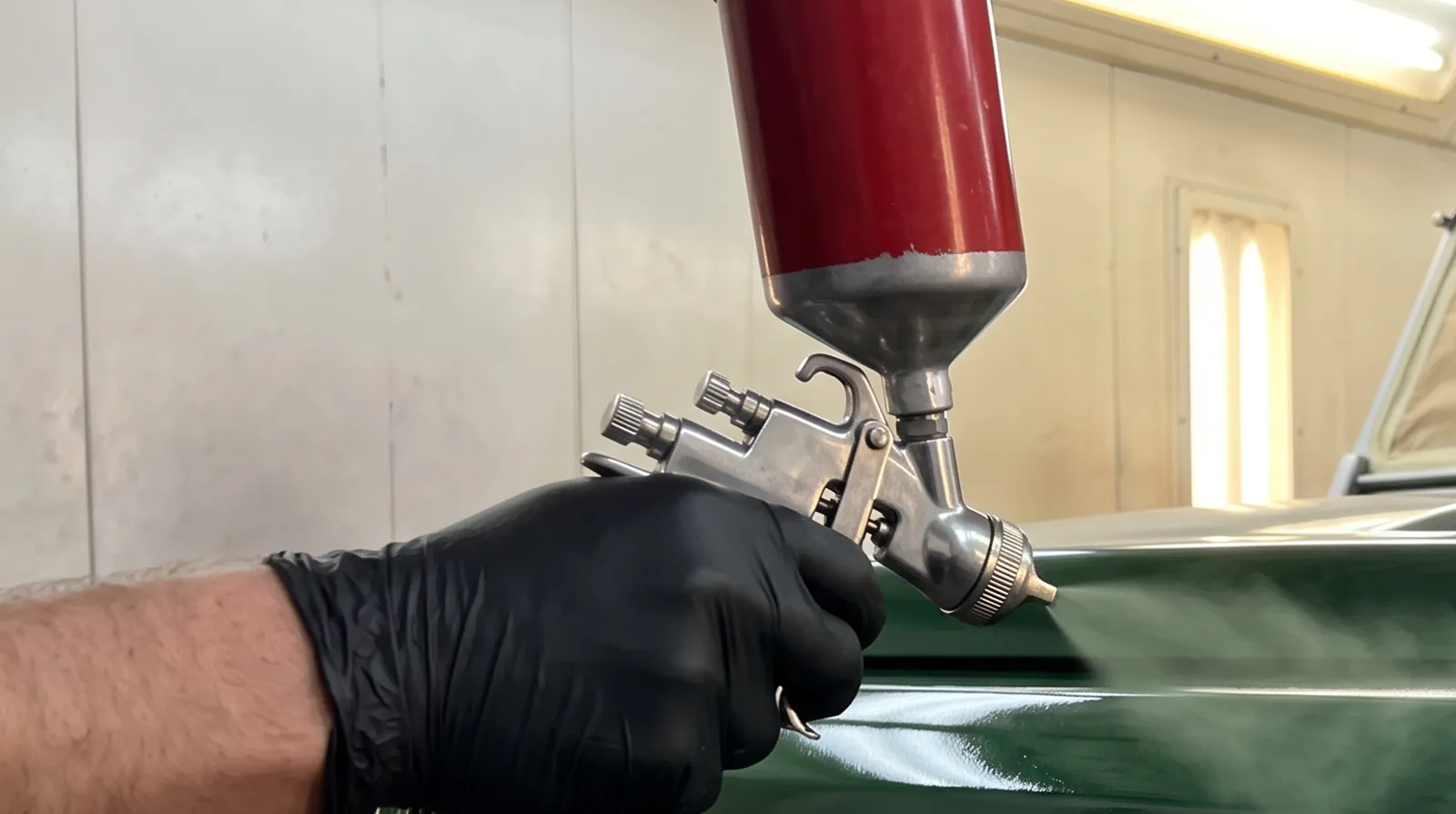
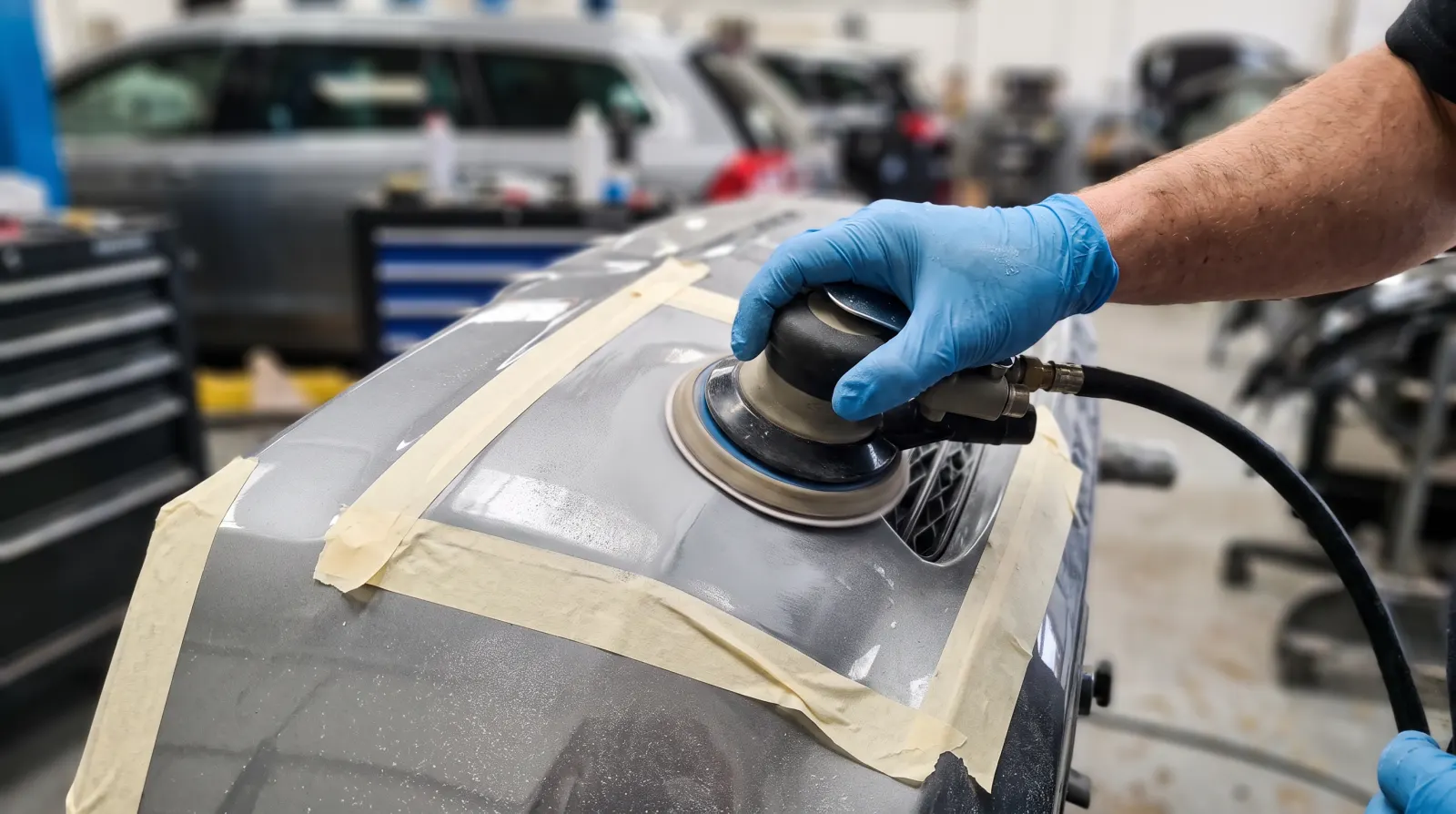
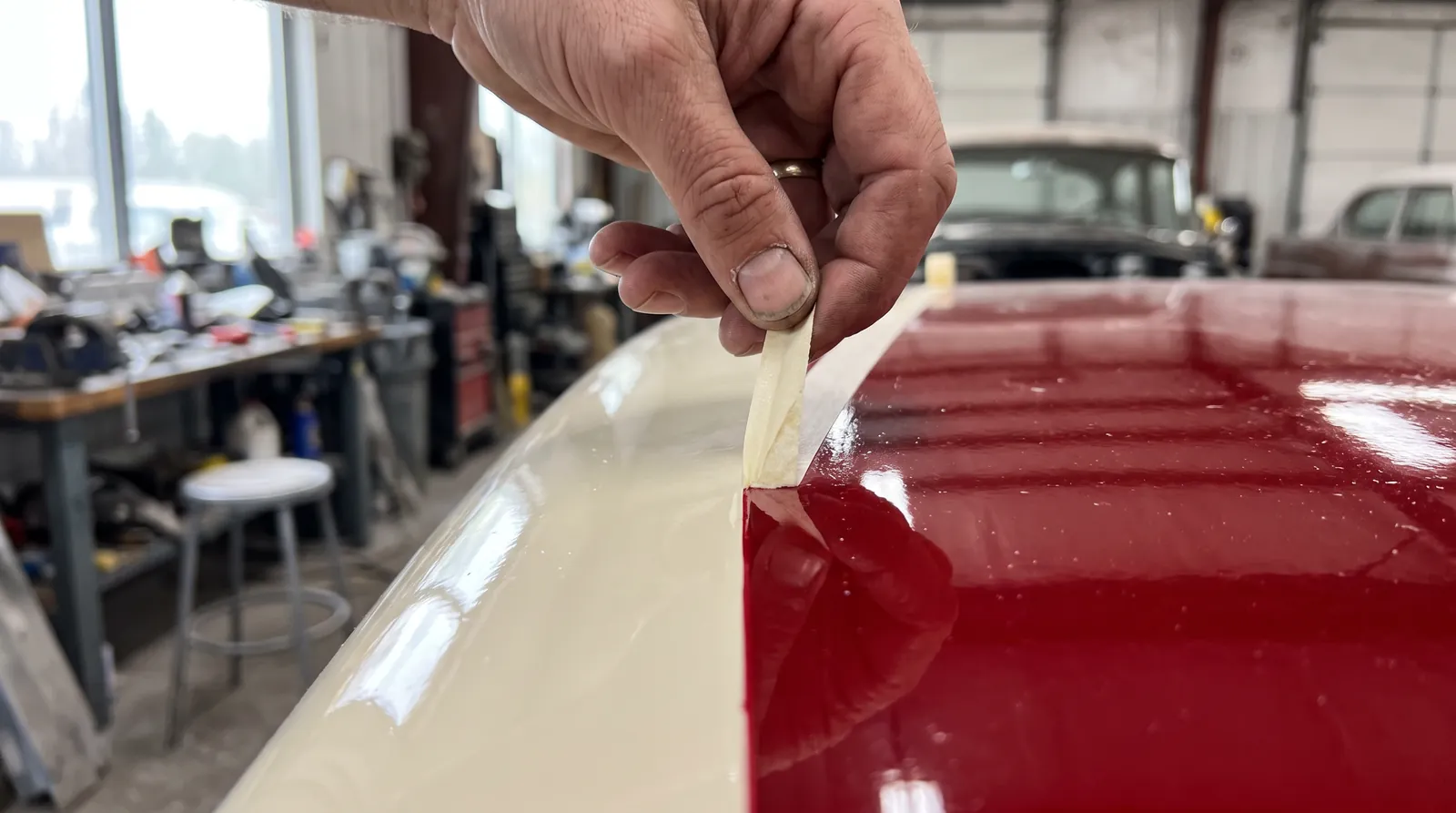
What makes a respray show well?
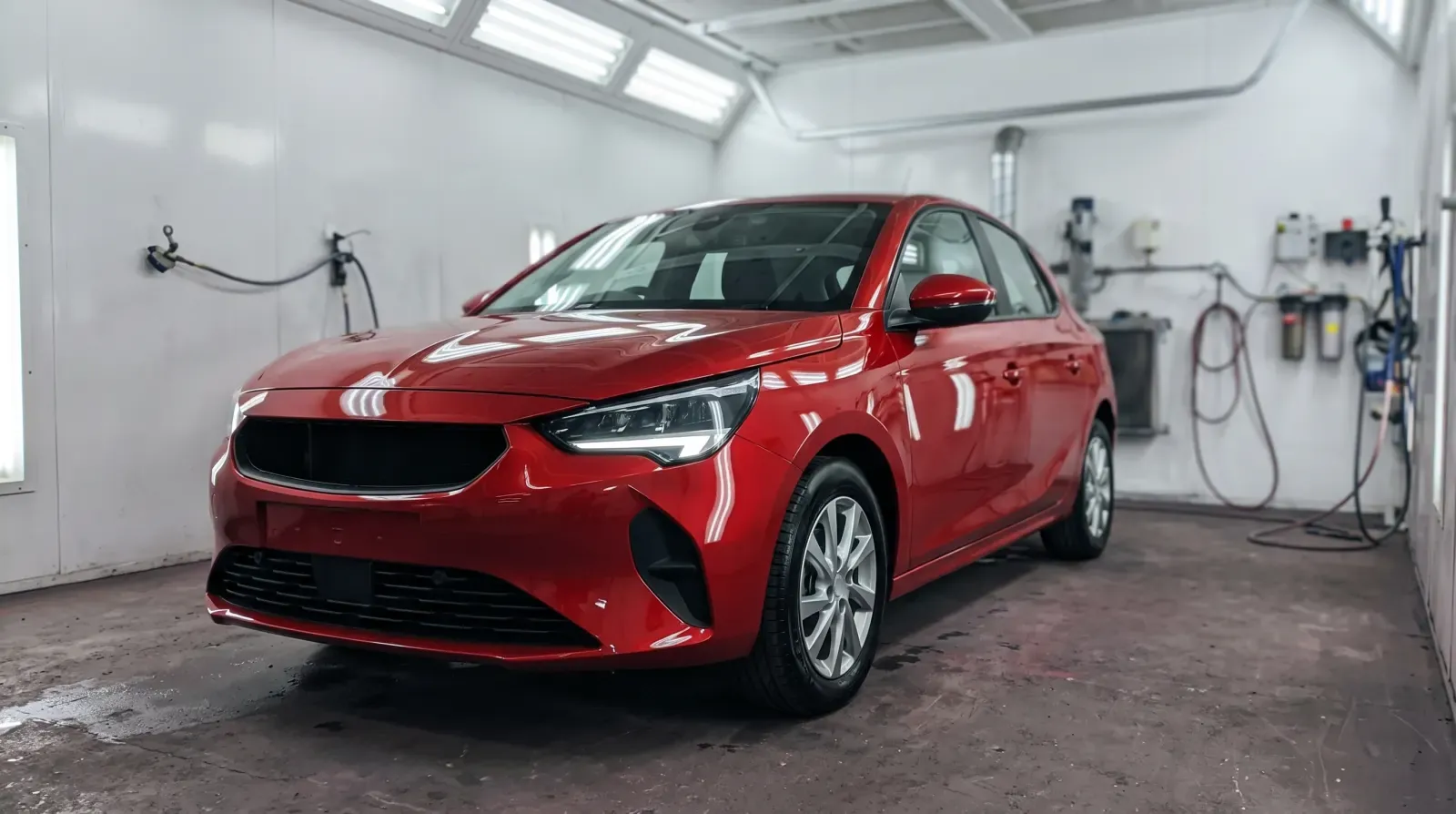
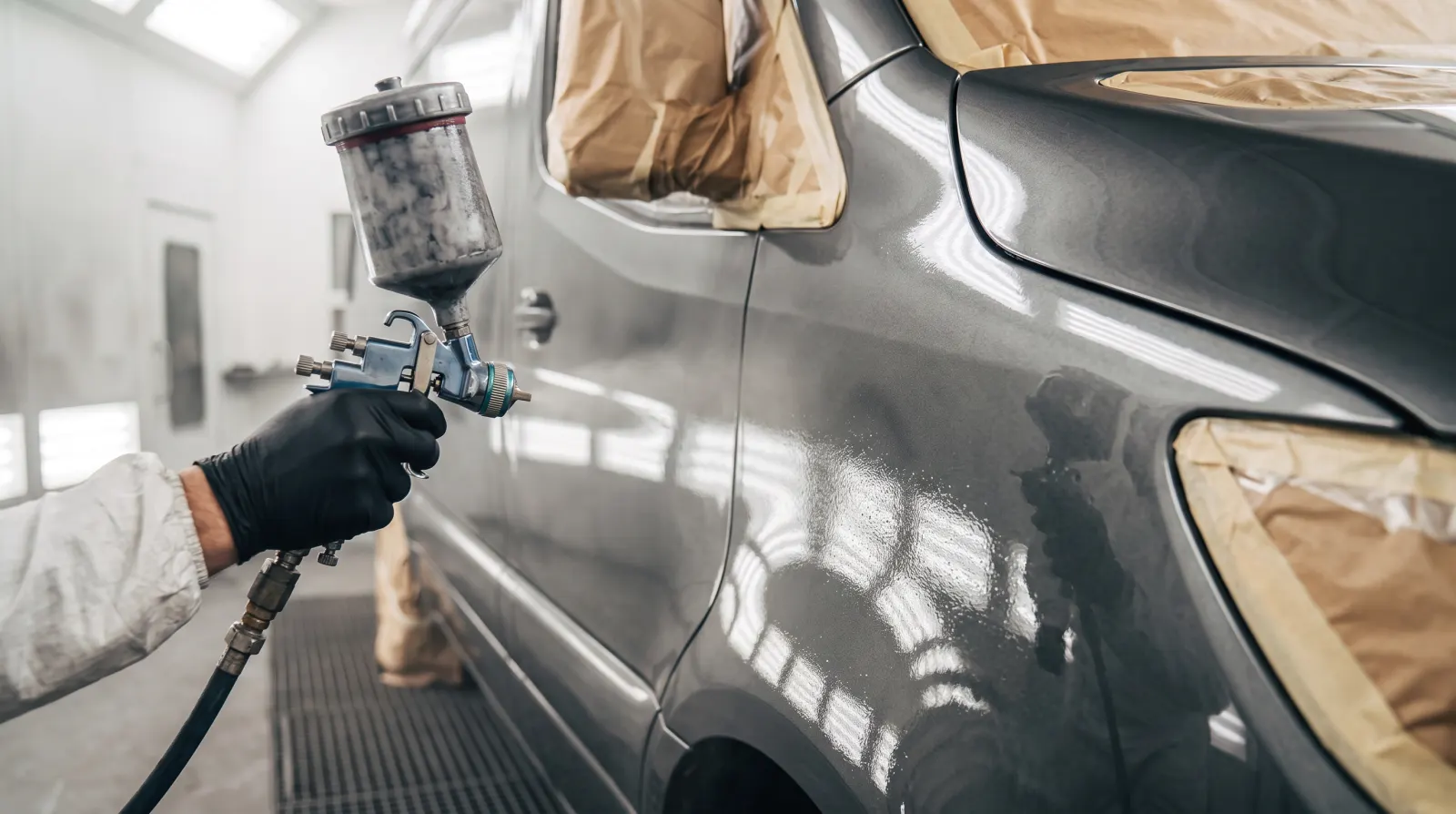
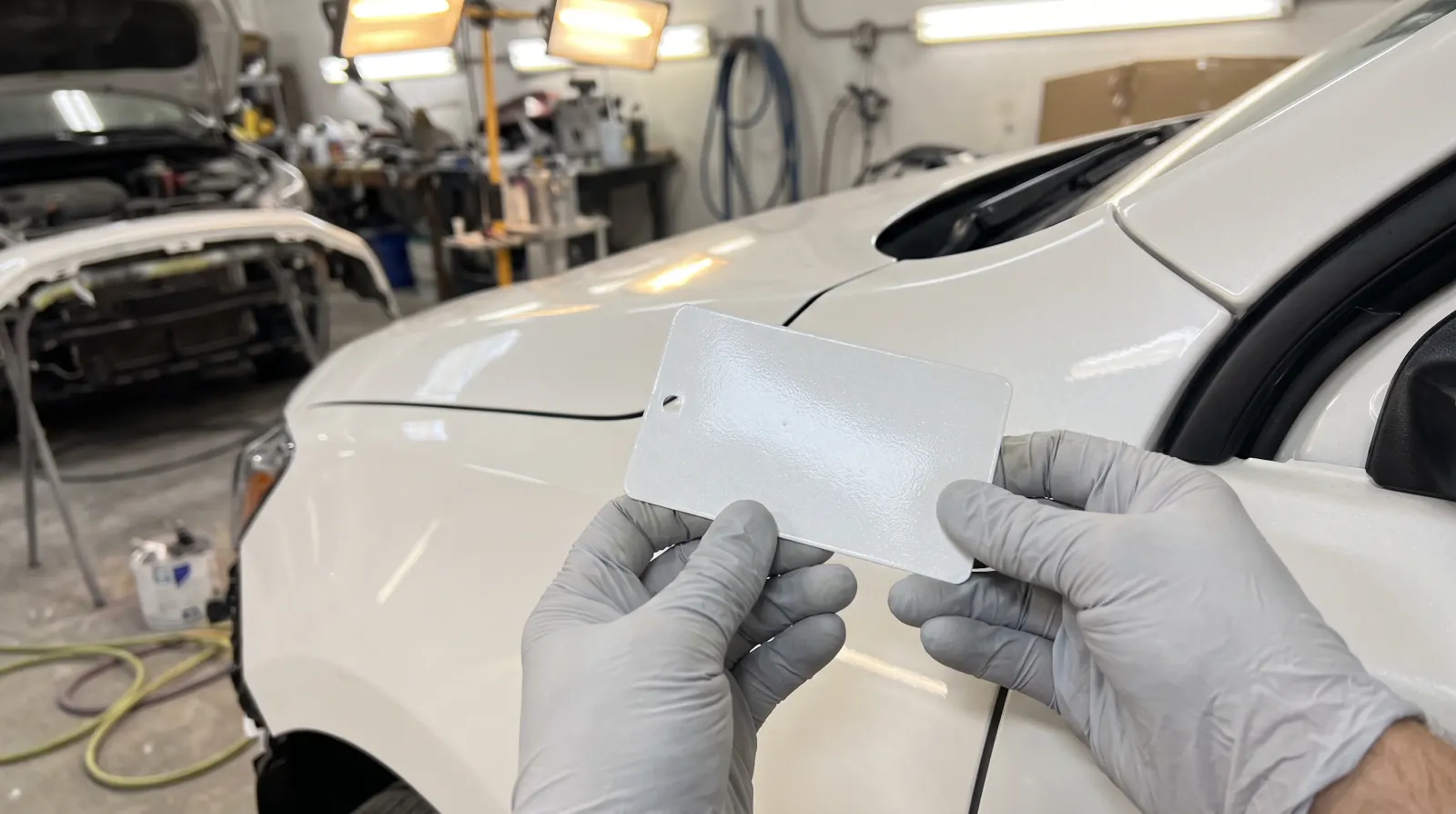
The work you can't see in a photo. Panels that are straight under the gloss, an even colour all over, and edges that run right under the trim instead of stopping at a line of masking tape. Door shuts and the edges round the seals are where a cheap respray gives itself away.
It shows most on a car that's right everywhere else: good metal, straight panels and a tidy interior.
Does a respray over rust add value?
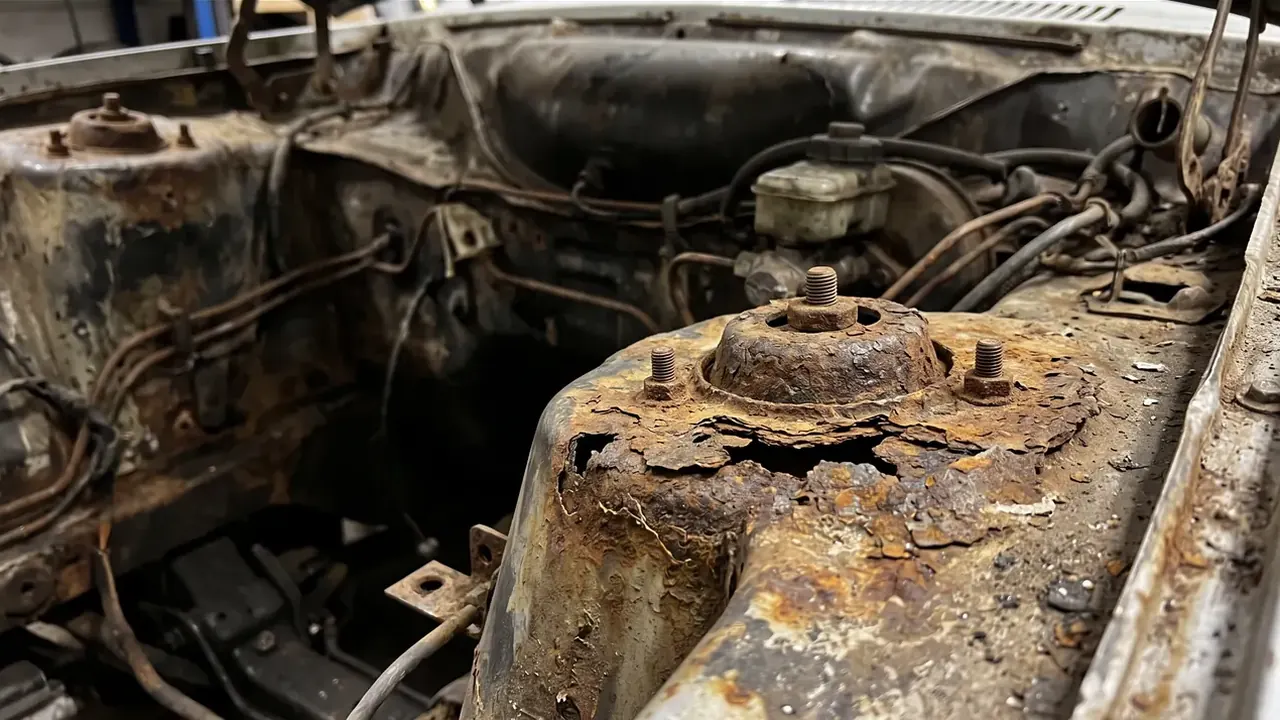
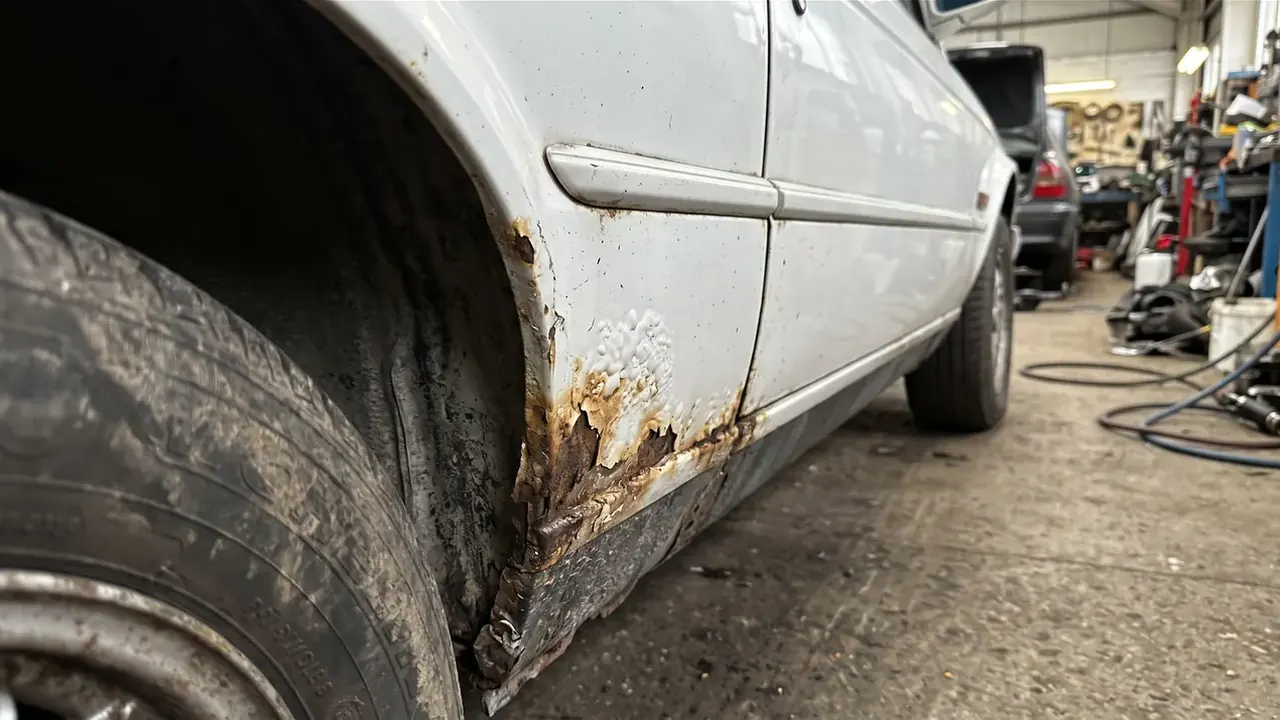
No. Rust carries on under the paint and comes back through it, and bubbles in fresh paint tell a buyer the job was a cover-up.
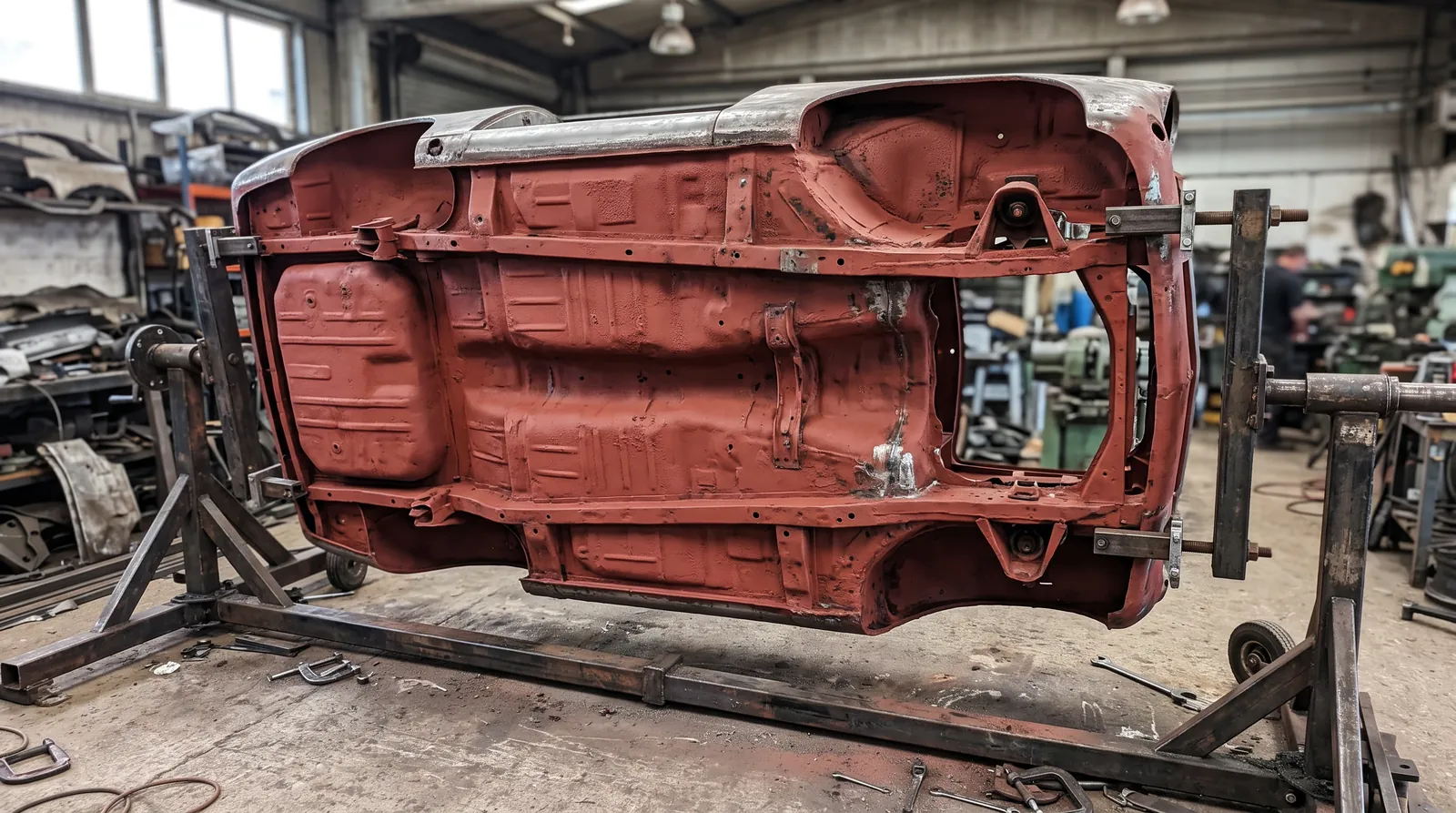
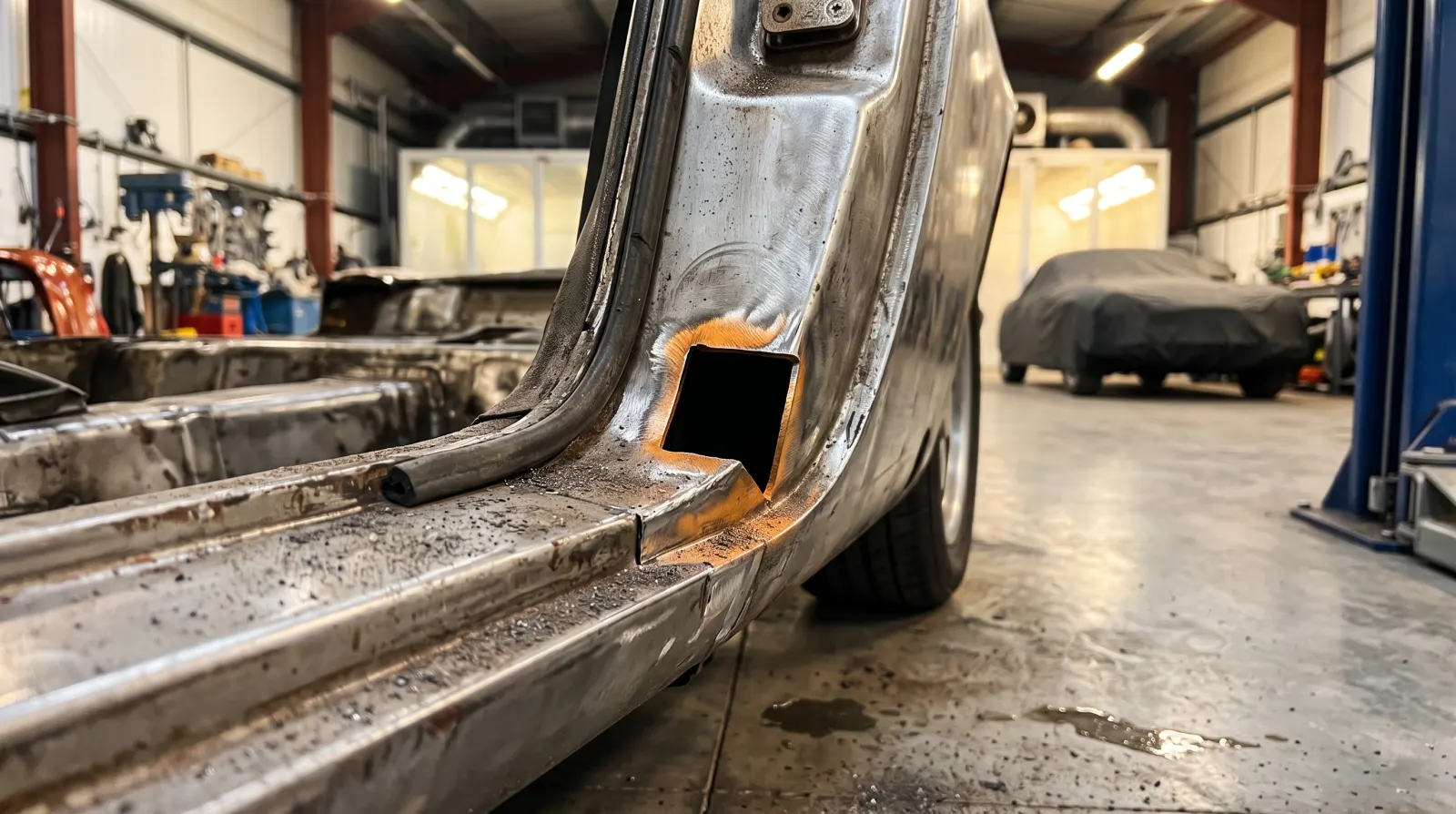
Money spent on paint over rot is spent twice: once on the paint, and again when the rot is cut out, new metal is let in and the car is painted again. The metal comes first. See restoration.
Why does original paint matter to some buyers?
Because a car can only be original once. For some cars and some buyers, factory paint that has survived is part of what they're paying for, marks and all. Hagerty's working definition of a preservation class car expects virtually all of the original factory paint to be intact.
So if your car still wears most of its original paint in decent order, think hard before painting over it. Polishing what's there, or putting right one damaged panel, keeps more of what that kind of buyer wants.
Does changing the colour affect the value?
It can. To a buyer who wants the car as it left the factory, a new colour is a change from original like any other. Plenty of buyers don't mind, and some want a colour they like better.
If the factory colour matters to you, find out what it was. Hagerty's guide to researching a classic notes that some makers' historic records can give a car's original colours. A new colour also means updating your V5C, and GOV.UK lists colour as a change you must make.
What do buyers trust about a respray?
Proof of what's under it. Photos of the car at each stage, and invoices that say what was done, show the metal taken back, the rust cut out and the new steel let in. Without them a buyer only has your word, and fresh paint can hide anything.
Hagerty's guide says a good history file helps show a car has been cherished. Keep every bill and every photo, in order. On a restoration we photograph each stage, so you see what was under the paint and what we did.
Will a respray change my insurance value?
It can, so tell your insurer. Some classic policies are on an agreed value, a figure you and the insurer settle before the policy starts. Hagerty says insurers may ask for documentation, photographs or an independent valuation to set it, and look at what's been spent on the car and its condition. It also suggests reviewing the value when you renew.
After a respray, send your insurer the photos and the invoice, and ask whether the agreed value should change.
Is a respray worth it if I'm selling?
Only if the money shows in the price. Get the respray priced first, then look at what cars like yours sell for in tired paint and in good paint. If the gap between them is smaller than the respray, the paint won't pay for itself on the sale, though you'll still have the car looking right while it's yours.
What moves the cost of a respray?
How much comes off the car, what's under the paint, the finish you want and the size of the vehicle. See resprays and prices for how we quote.
Not sure which yours is? Send us a few photos and what you're thinking from the quote form.