Put it away clean, dry and with air moving round it, under a cover that breathes. A classic doesn't rust because it's parked. It rusts because water sits on it, and in a closed garage over the winter that water comes from the car, the air and the floor.
Sort any rust before it goes away, and the car comes out in spring the way it went in.
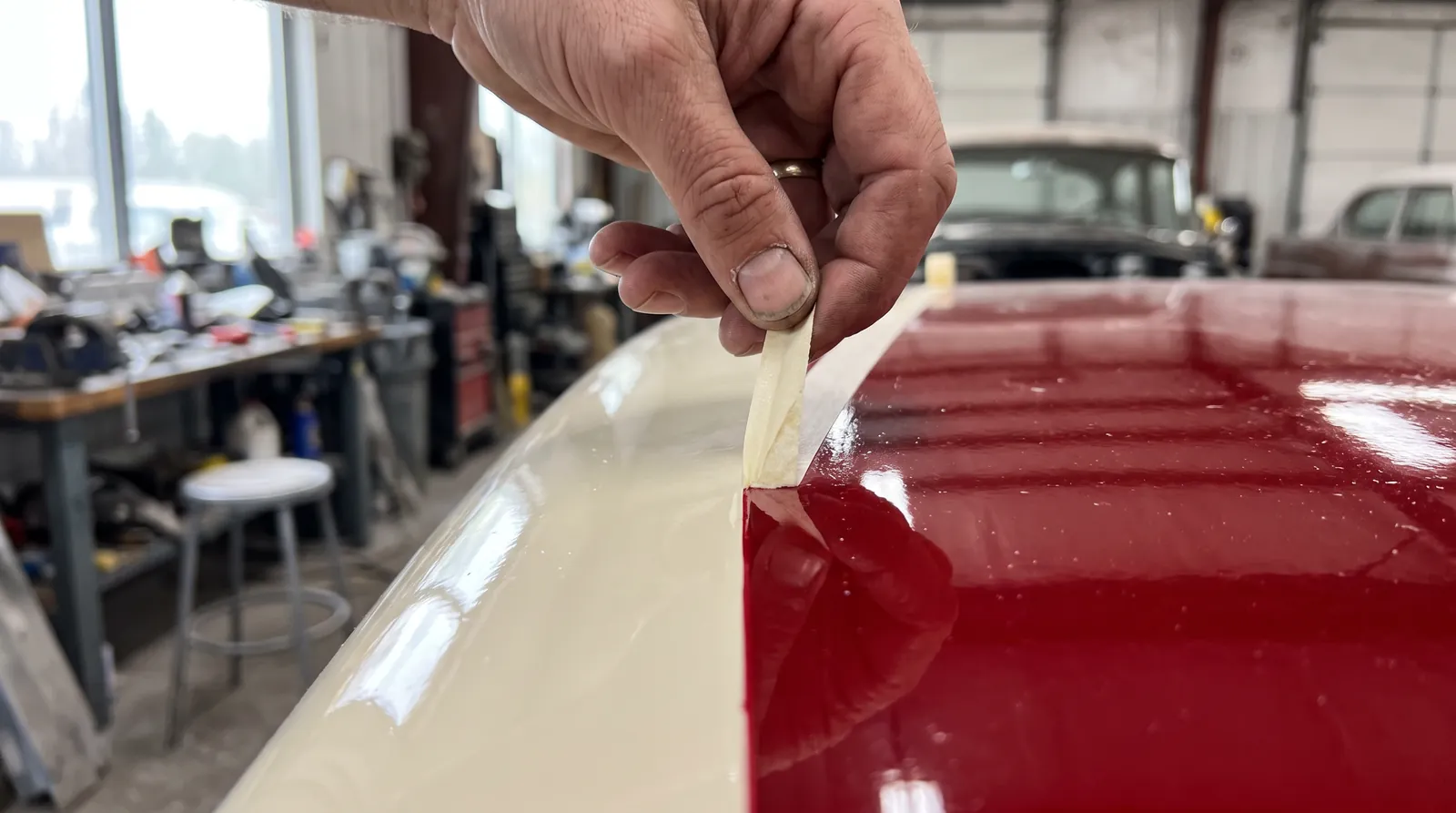
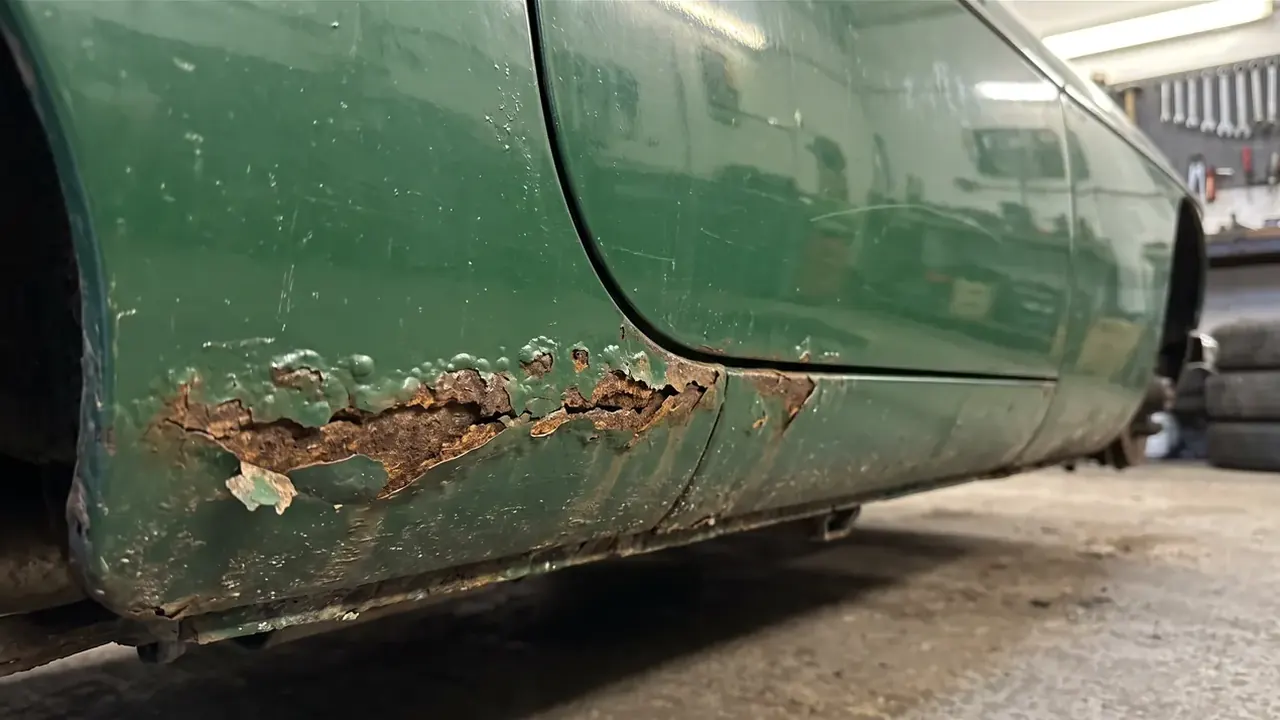
Why does a classic rust when it isn't being driven?
Because rust only needs water and air, and a parked car can have both all winter. The Royal Society of Chemistry's experiment on rusting shows that iron needs water and air to rust, and that salt makes it rust faster.
A car on the road gets wet and dries out again. A car shut in a damp garage can stay damp for months, in the seams, under the mats and inside the sills, where nobody looks.
Where does the water come from in a dry garage?
Mostly from condensation. The Met Office explains that dew forms when a surface cools to the dew point, the temperature at which water vapour in the air turns into droplets on it. Metal cools quickly on a cold night, so the panels of a stored car can be wet while the garage feels dry.
The rest comes in with the car: road water in the arches and sills, wet carpets, and a damp floor or walls round it.
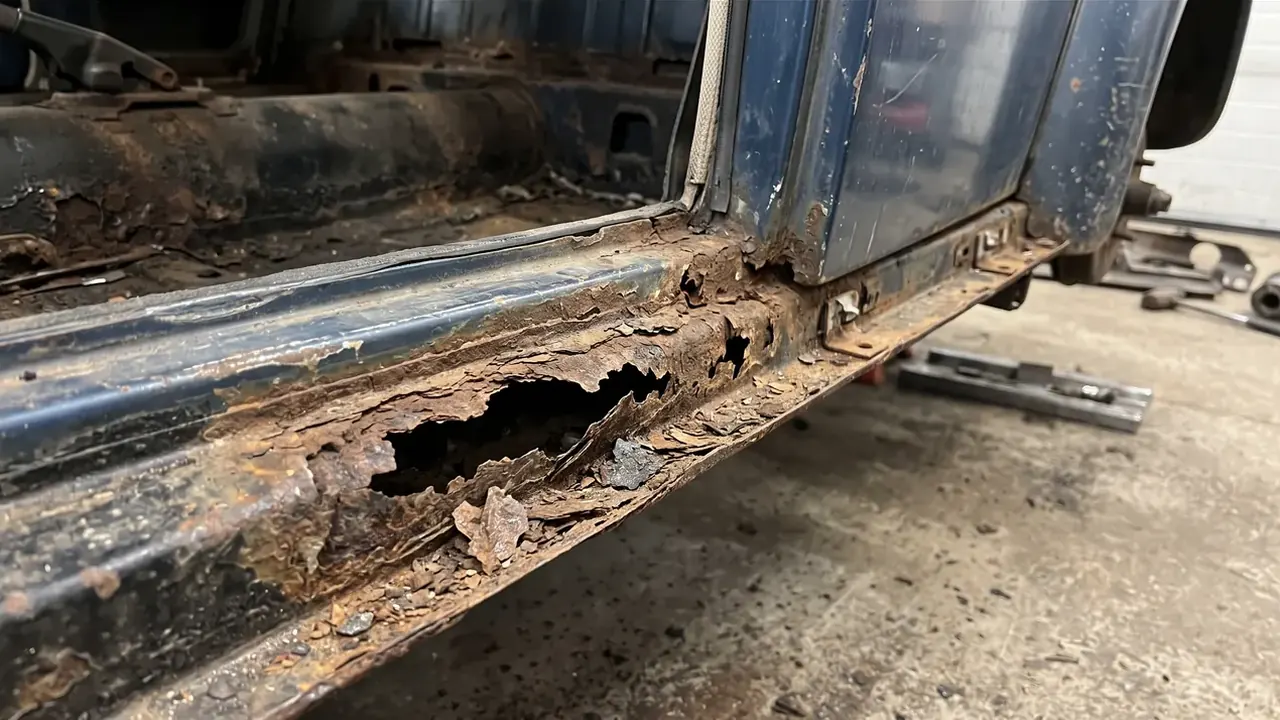
Why does a car stored wet come out rustier?
Because the water has nowhere to go. Shut a wet car in a closed garage and the water in its seams, sills and floor stays put, with air all round it, all winter. That's everything rust needs.
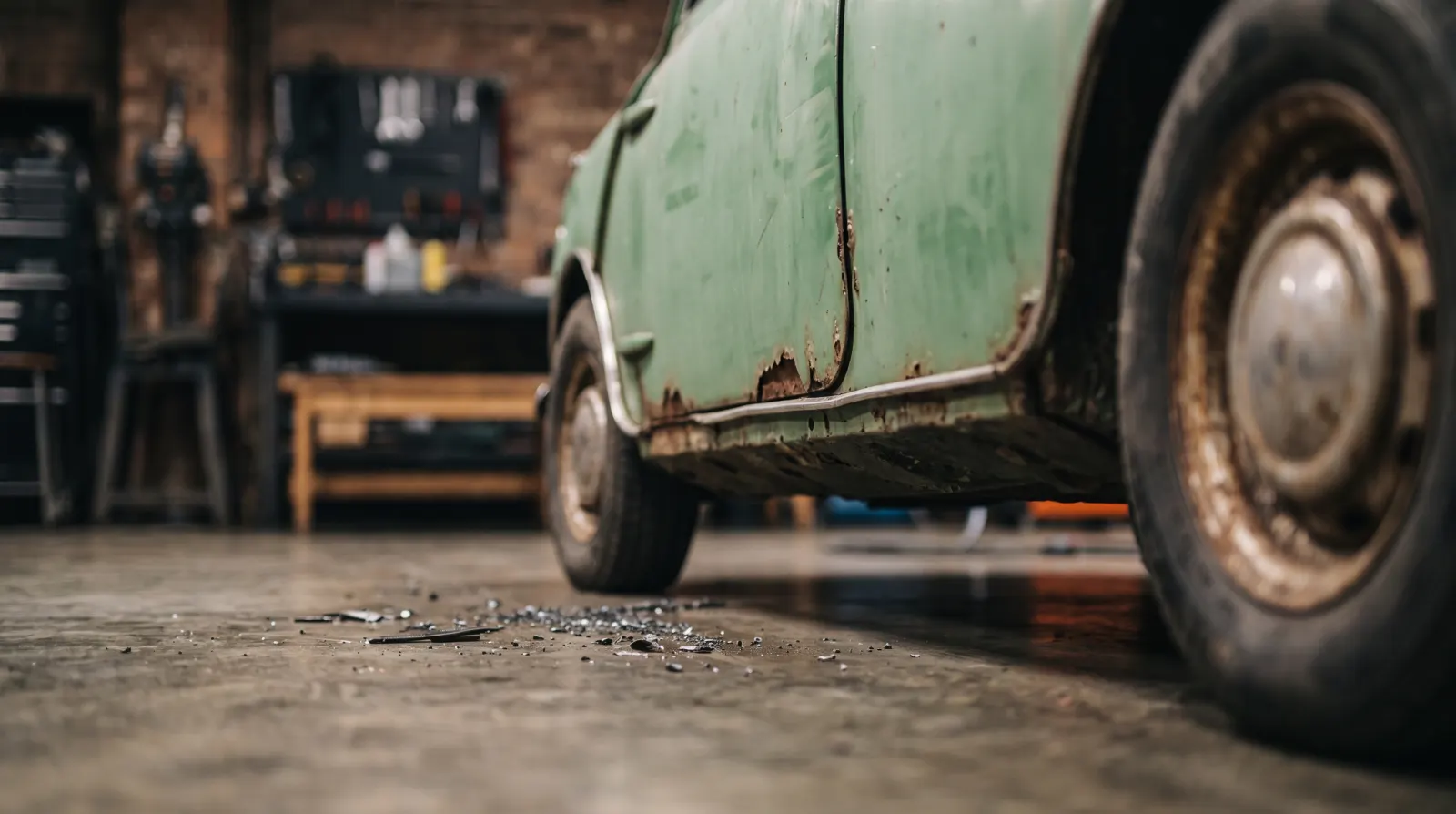
Mud is the worst of it. Packed into the lip of a wheel arch or along a sill, it holds water against the metal long after the panel looks dry. A wet carpet does the same to the floor under it.
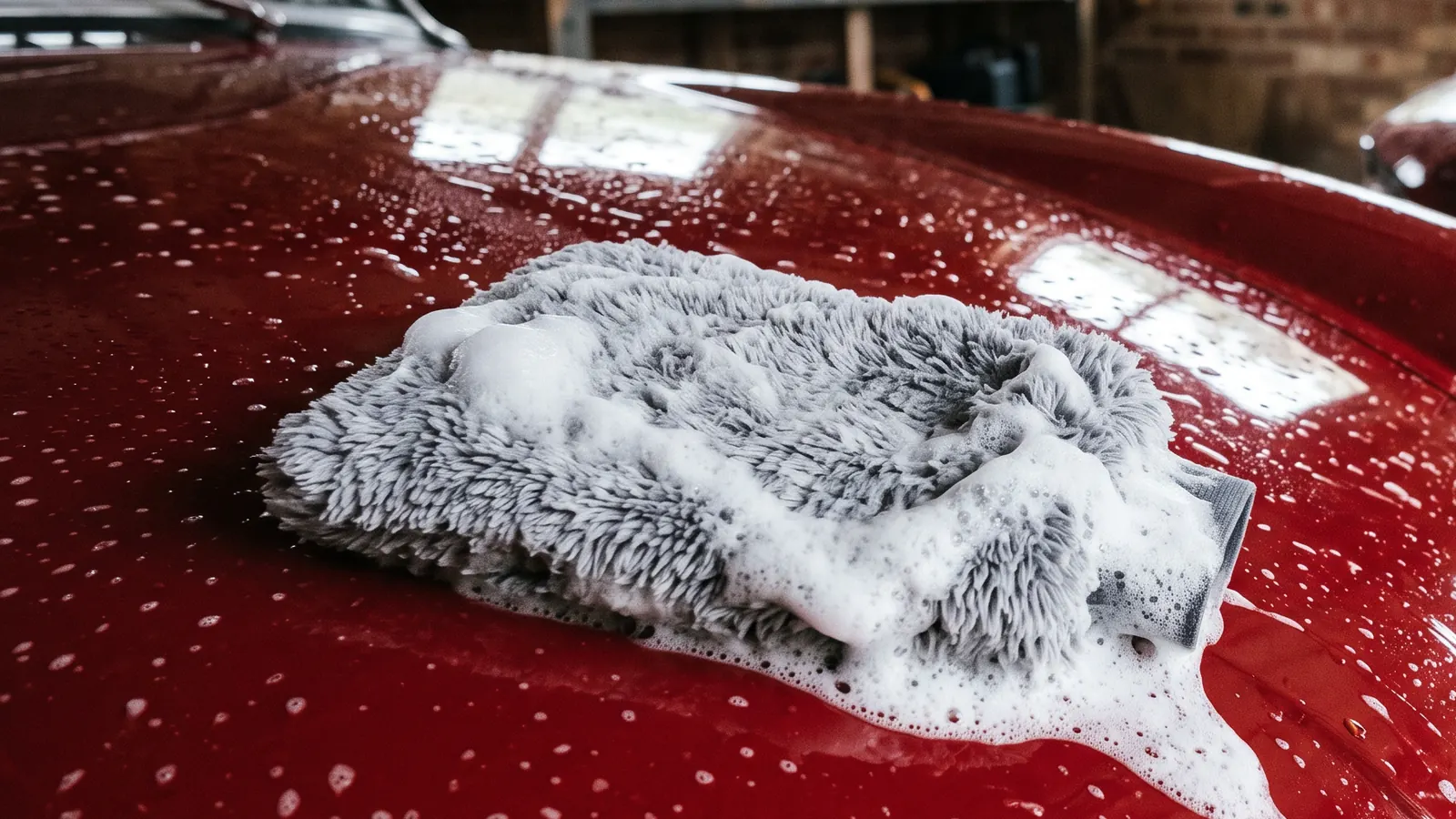
How should I clean the car before it goes away?
Wash it, rinse the underneath, then dry it properly. If it has been out on salted roads, hose the underside, the inner wheel arches and the sills with plenty of clean water, and knock out any mud packed into the arch lips.
Then dry all of it. Leather off the panels, open the doors, bonnet and boot to dry the shuts, and check the drain holes along the bottoms of the doors and sills are clear, so water can run out. Take out any wet mats or carpet and dry them out of the car.
A coat of wax on the clean, dry paint helps water run off it rather than sit.
Is a car cover a good idea?
Yes, if it breathes. A cover keeps dust and knocks off the paint, but a plastic sheet or a waterproof tarpaulin holds damp in. Water vapour can't get out through it, so it settles as condensation on the cold metal underneath and stays there.
Go for a cover sold as breathable, for indoor use, and only put it on a clean, dry car. Grit trapped under a cover rubs at the paint. Lift it now and then over the winter to check nothing underneath is wet.
How much air does a stored car need?
Enough that damp air keeps moving out rather than settling on the car. Keep any air bricks and vents in the garage clear, and don't pack boxes so tight round the car that air can't get past.
Inside the car, damp goes for the floor. In a locked garage, leave a window open a crack so condensation doesn't build up in the cabin. A dehumidifier in a closed garage takes water out of the air, as long as someone empties it.
Should rust be dealt with before the car is laid up?
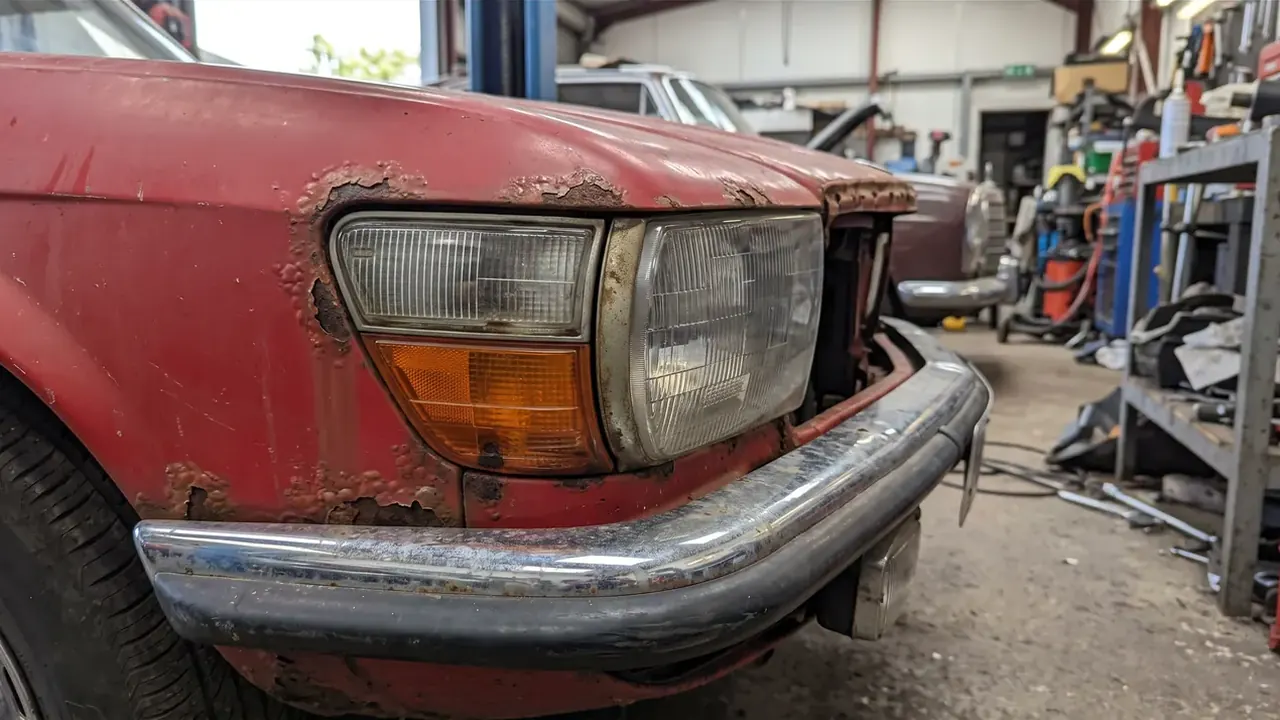
Yes. Rust doesn't stop for the winter. Bubbling paint means rust has started on the metal underneath, and months in damp air give it time to spread.
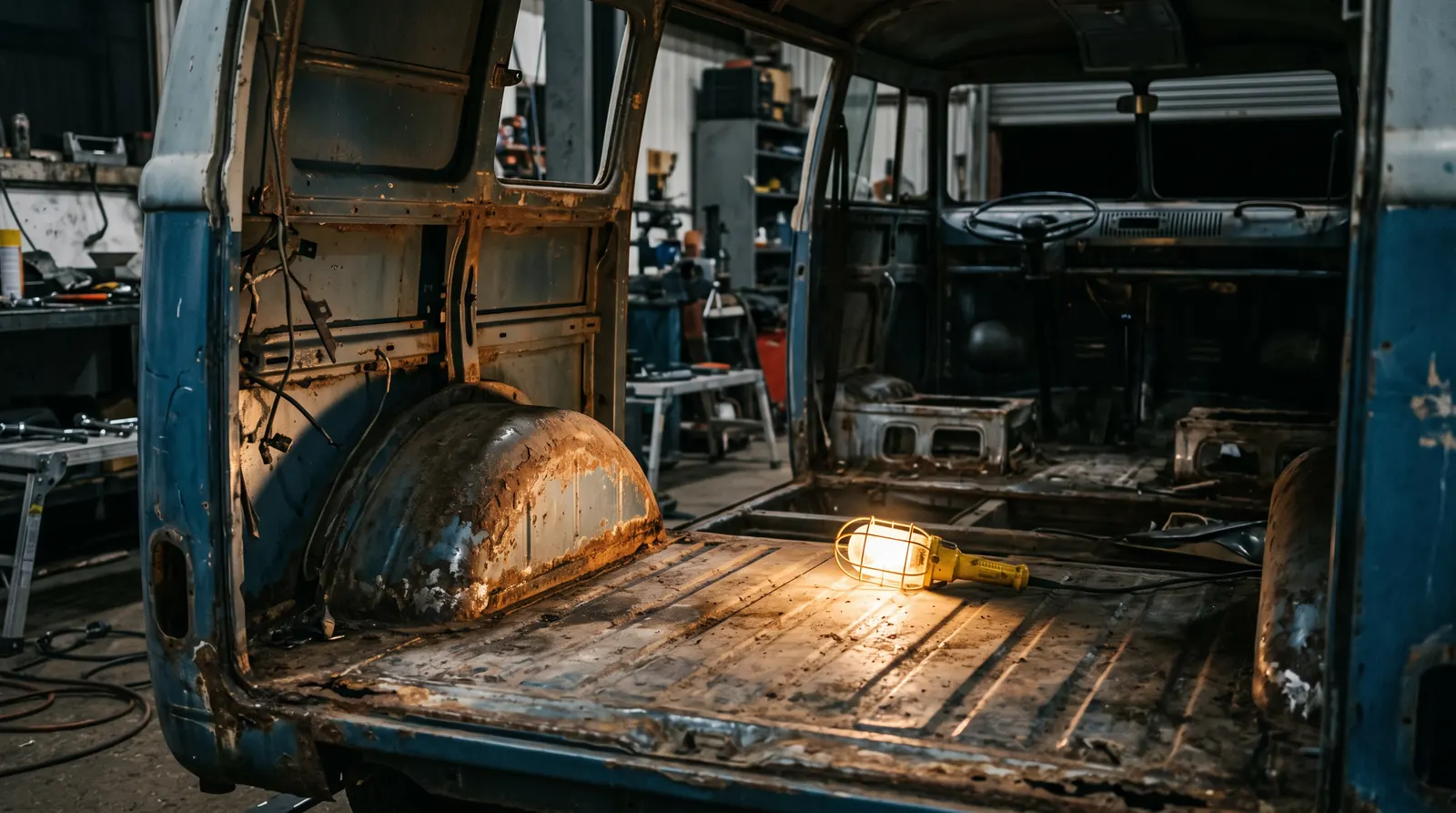
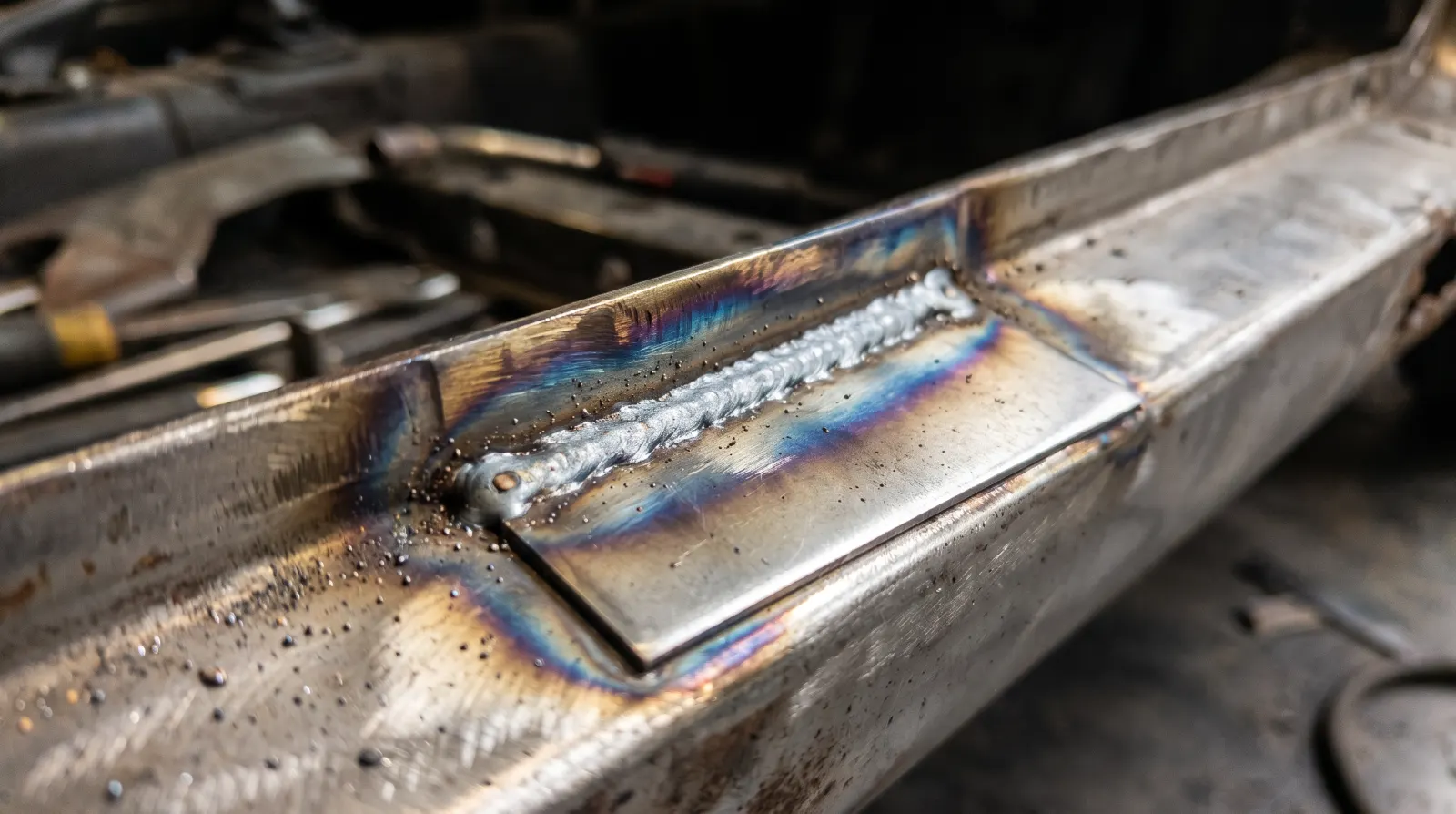
Light rust on sound metal is ground back to clean steel and primed. Where it has eaten through, the rot is cut out, new metal is welded in and the joints are sealed. See welding and rust repair, and restoration if it turns into a bigger job. Cavity wax inside the sills and box sections, once any repair is painted and cured, keeps moisture off the metal from the inside.
The months a classic would sit in the garage are months it can be off the road without anyone missing it.
Do I need a SORN for a car in the garage?
Only if you want to stop taxing and insuring it. GOV.UK says you need a SORN when you take a vehicle off the road and want to stop taxing and insuring it, and that a vehicle is off the road if it's kept in a garage, on a drive or on private land. Without a SORN, you must tax and insure it.
With a SORN, you can only drive it on a public road to or from a pre-booked MOT or other testing appointment. It doesn't need renewing: GOV.UK says it's cancelled when you tax the car again, or sell, export or scrap it.
What should I check when it comes out in spring?
The places rust starts: the sills, the bottoms of the doors, the wheel arches and the floor under the mats. Look for new bubbles in the paint, brown stains at the seams and damp carpet. Press anything suspect with a thumb. Metal that gives isn't sound.
If the cover or the carpets came out damp, the garage was wetter than it looked, and that's worth sorting before next winter.
Found rust while putting it away? Send us a few photos from the quote form.