Tell the DVLA. GOV.UK lists a change of body type, for example converting a van to a campervan or motor caravan, among the changes that go on your V5C. The DVLA then decides the body type from what the van looks like from the outside, and it may want to inspect it.
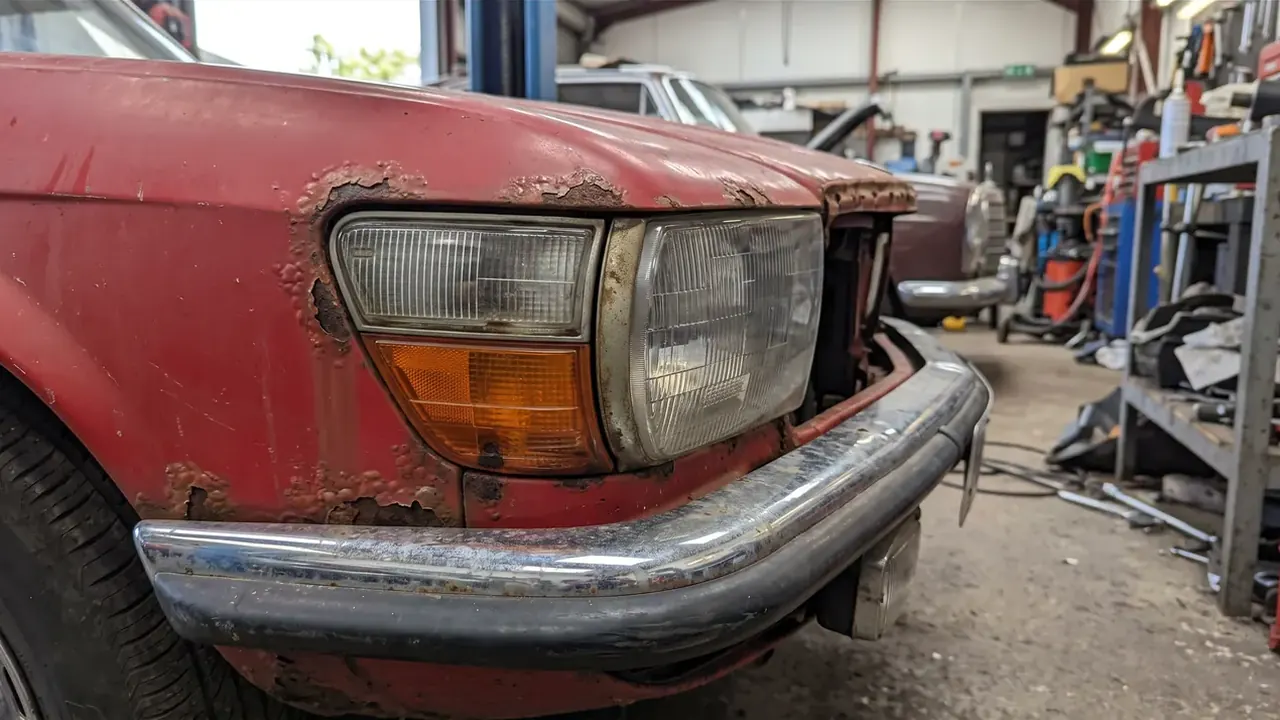
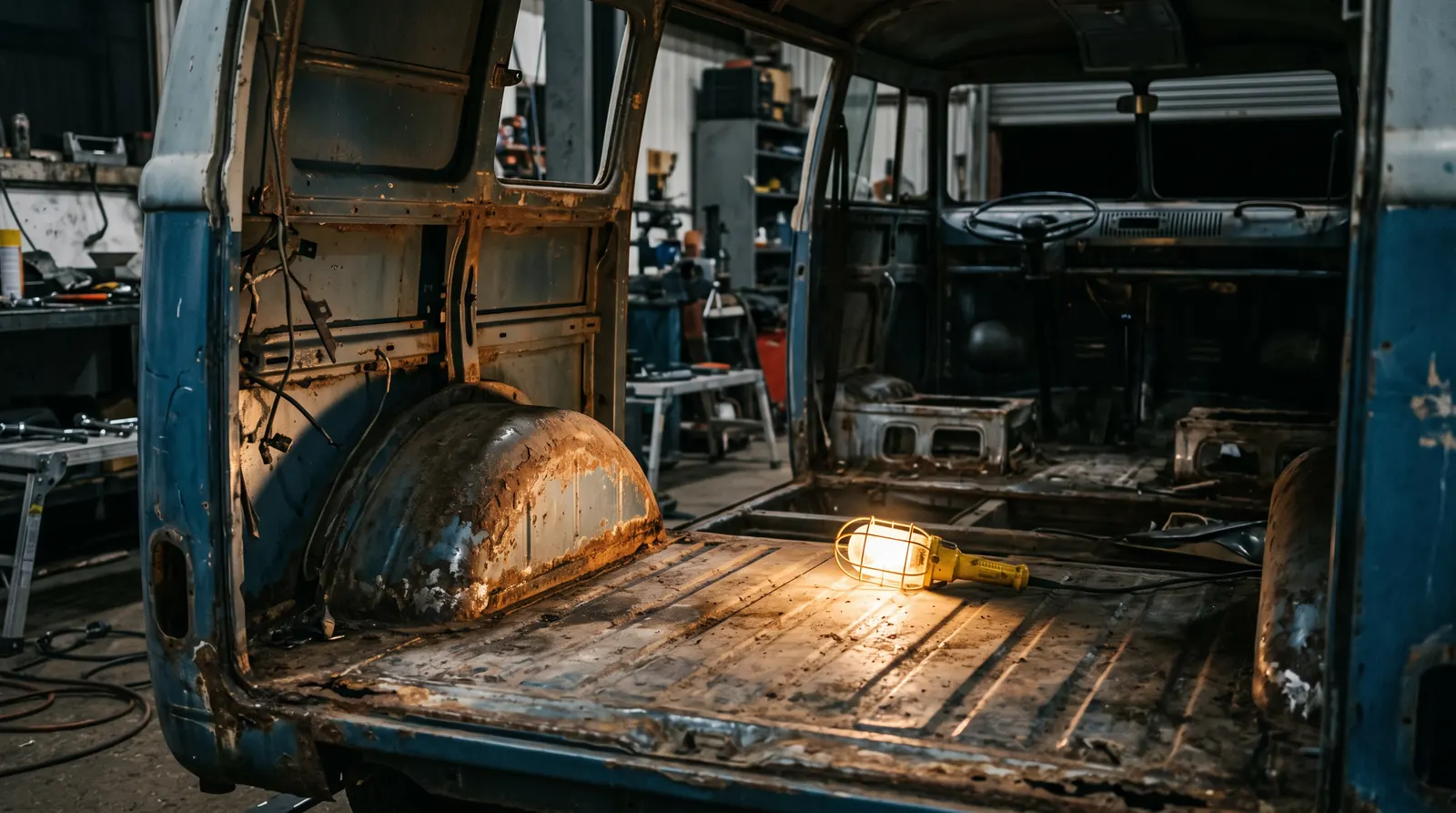
Tell your insurer as well. And if the van needs rust or paint work, have it done before the conversion goes in, while every panel can still be reached.
Do I have to tell the DVLA I've converted my van?
Yes. GOV.UK's page on changing your V5C says you must update it if you change the body type, and its example is converting a van to a campervan or motor caravan. It also says the DVLA will tell you if it needs to inspect the change.
Seating capacity is on the same list, so if the conversion changes the number of seats, that goes on the V5C too. Tax class is separate: GOV.UK says it can't be changed by updating the V5C, only by changing your vehicle tax.
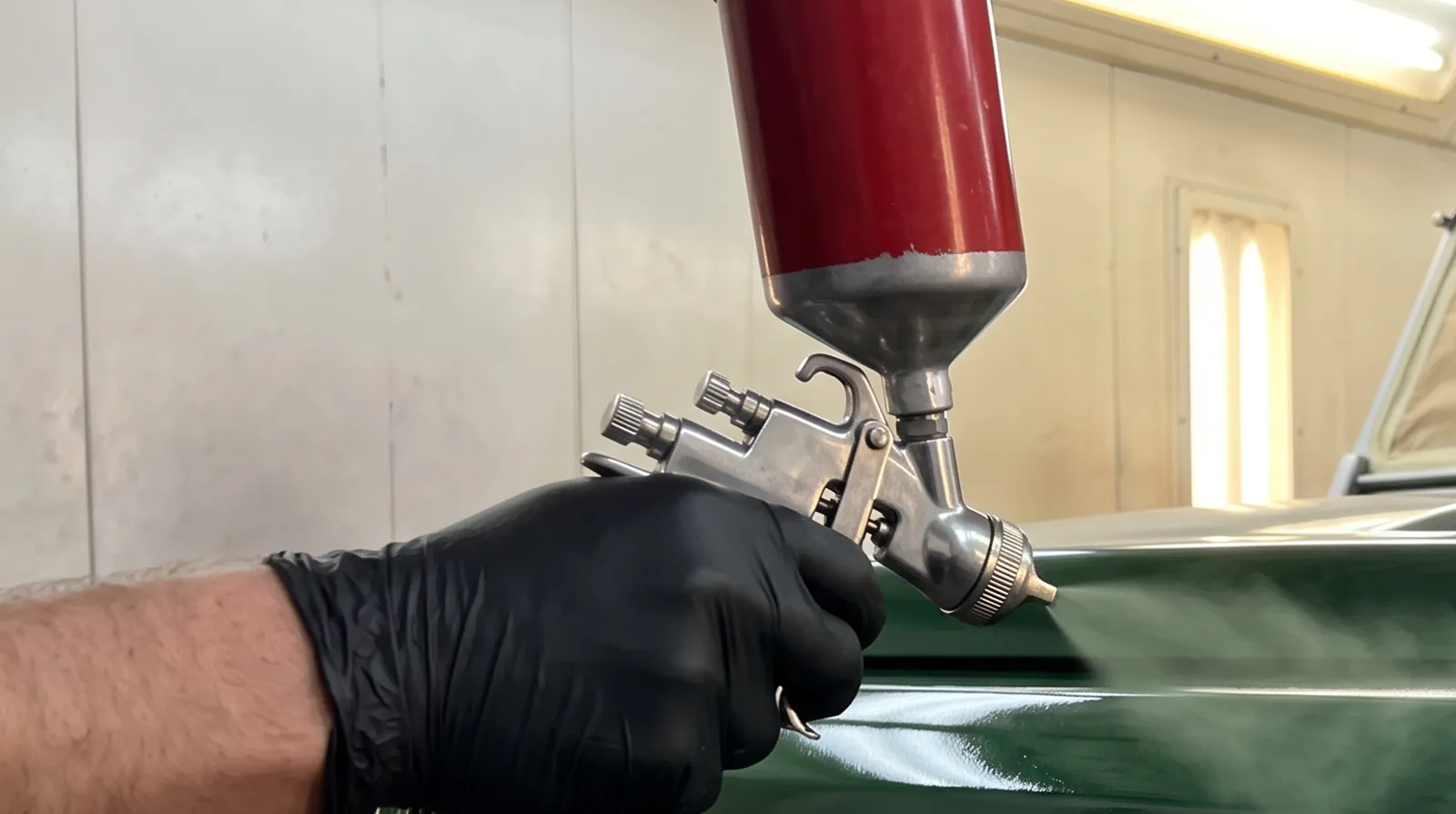
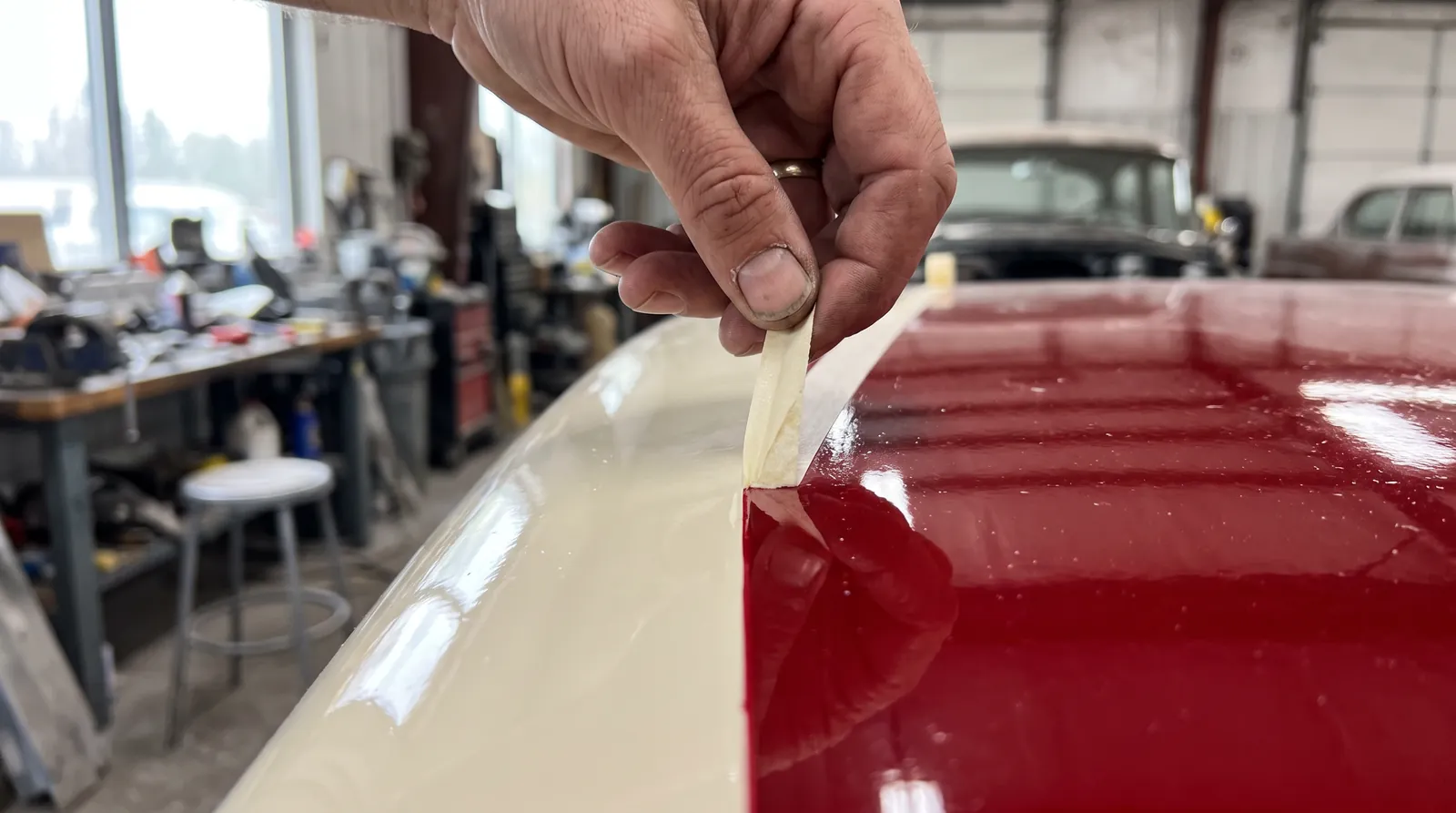
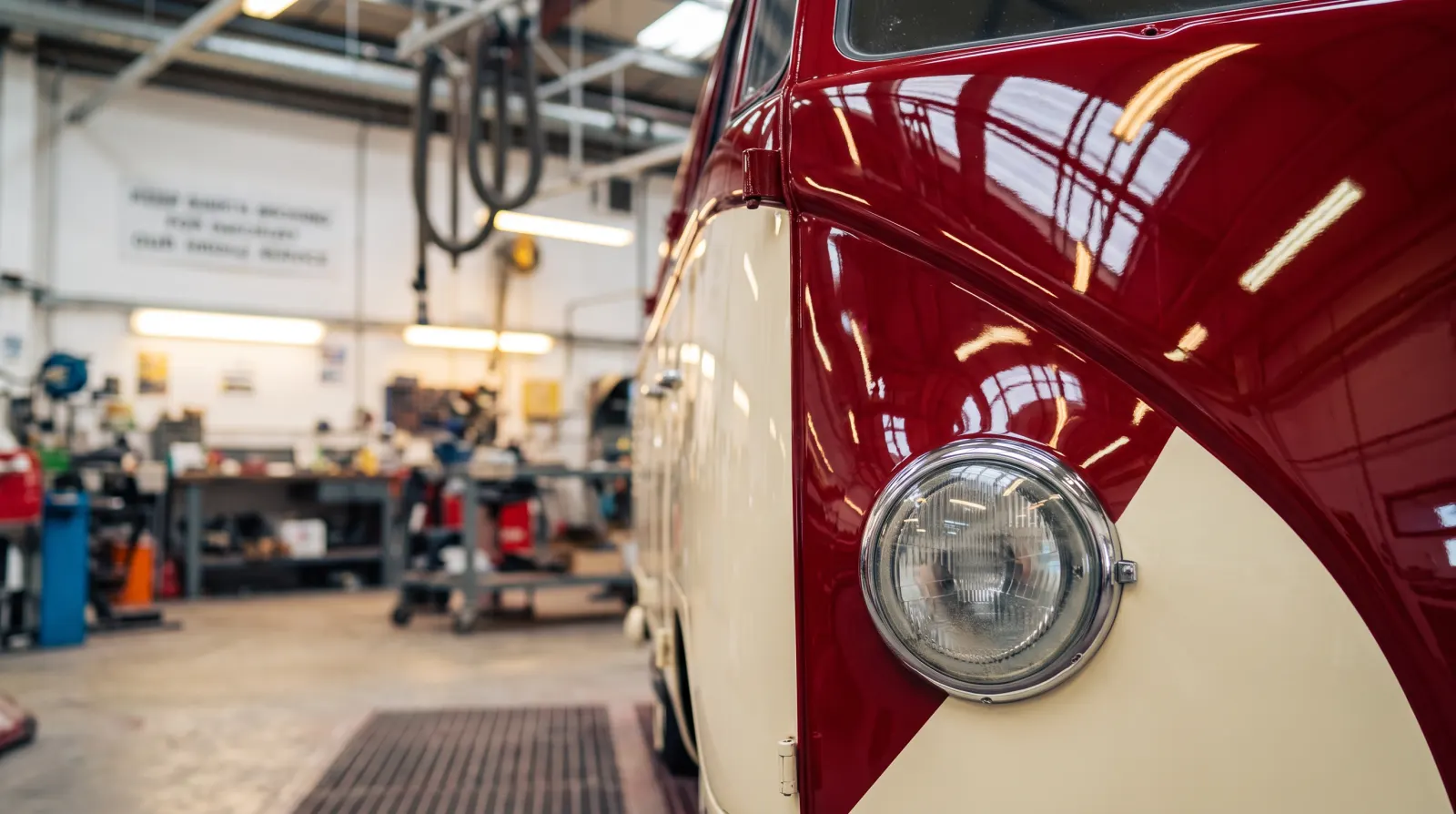
What does the DVLA look for on the outside?
A van that looks like a motor caravan in traffic. GOV.UK's guidance on converting a vehicle into a motor caravan says the body type on the record must describe what the vehicle looks like in traffic, and lists what the DVLA expects to see:
- two or more windows on at least one side of the main body, not counting the windows in the driver's and passenger's doors
- a separate door into the living area, apart from the driver's and passenger's doors; a window in it counts as one of the side windows
- a high-top roof or a pop-top elevating roof
It adds that some vehicles look so distinctive, a bus for example, that the body type can't be changed from the original design.
What has to be fitted inside?
Four things, from the same guidance: seats and a table, somewhere to sleep (which can be made up from the seats), cooking facilities and storage. They must be rigidly fixed in the living area, though the table can be made to lift out.
What evidence does the DVLA want?
Photos of the finished conversion, and a checklist. GOV.UK lists:
- a completed motor caravan conversion checklist
- inside photos of each required feature, with the bed and table set up for use, showing the side windows letting daylight into the living area
- outside photos from the front, both sides and the rear, with the number plates clearly visible
- a photo of the VIN or chassis number on the plate fixed to the original chassis or bodyshell
On the back of each photo, write what it shows, the date and the registration number. Fill in section 1 on the newer log book, the one with multi-coloured numbered blocks on the front cover, or section 7 on the older style, and post it with the evidence to the address on the guidance.
Will the DVLA inspect the van?
It might. GOV.UK says the DVLA covers the cost of an inspection, but not of getting the van there, and that if the vehicle can't be inspected, the application is refused.
What if the DVLA won't change the body type?
You can still use it as a camper. GOV.UK says that even if the body type isn't changed to motor caravan, the vehicle can still be used for that, as long as the keeper is satisfied it has the internal features.
Does a motor caravan V5C change the speed limits or the insurance?
Not on its own. GOV.UK says the body type is for describing and identifying the vehicle, and should not affect its insurance category or have any effect on speed limits.
Tell your insurer about the conversion anyway, before the van goes back on the road, and ask what they need from you. GOV.UK also puts the safety of the conversion on the keeper: seats and belts used while travelling must be securely mounted, and everything fitted adds weight and cuts the payload, which must still cover everyone it seats, their luggage and full water tanks.
Which rust and paint work should be done before the conversion goes in?
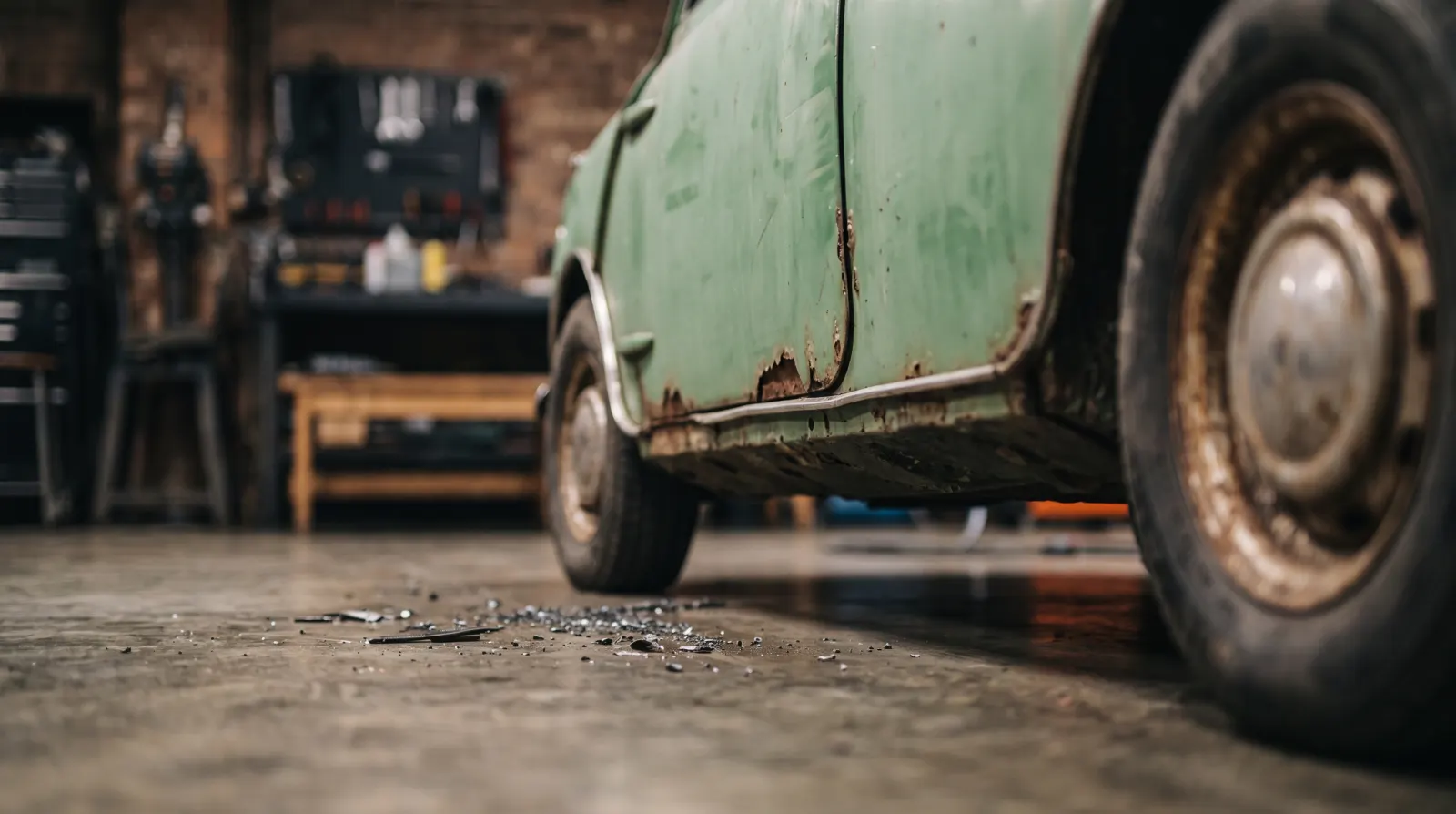
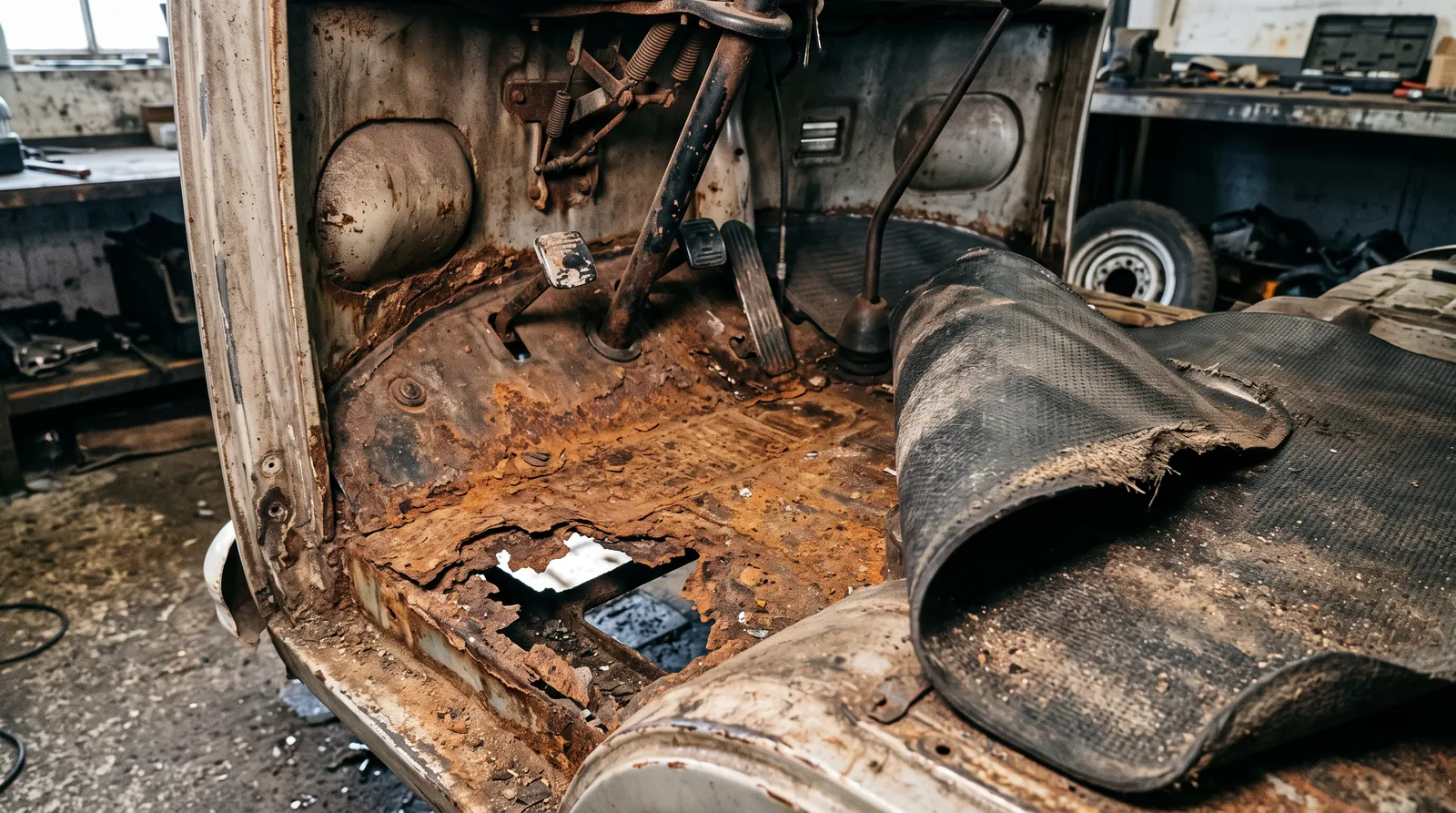
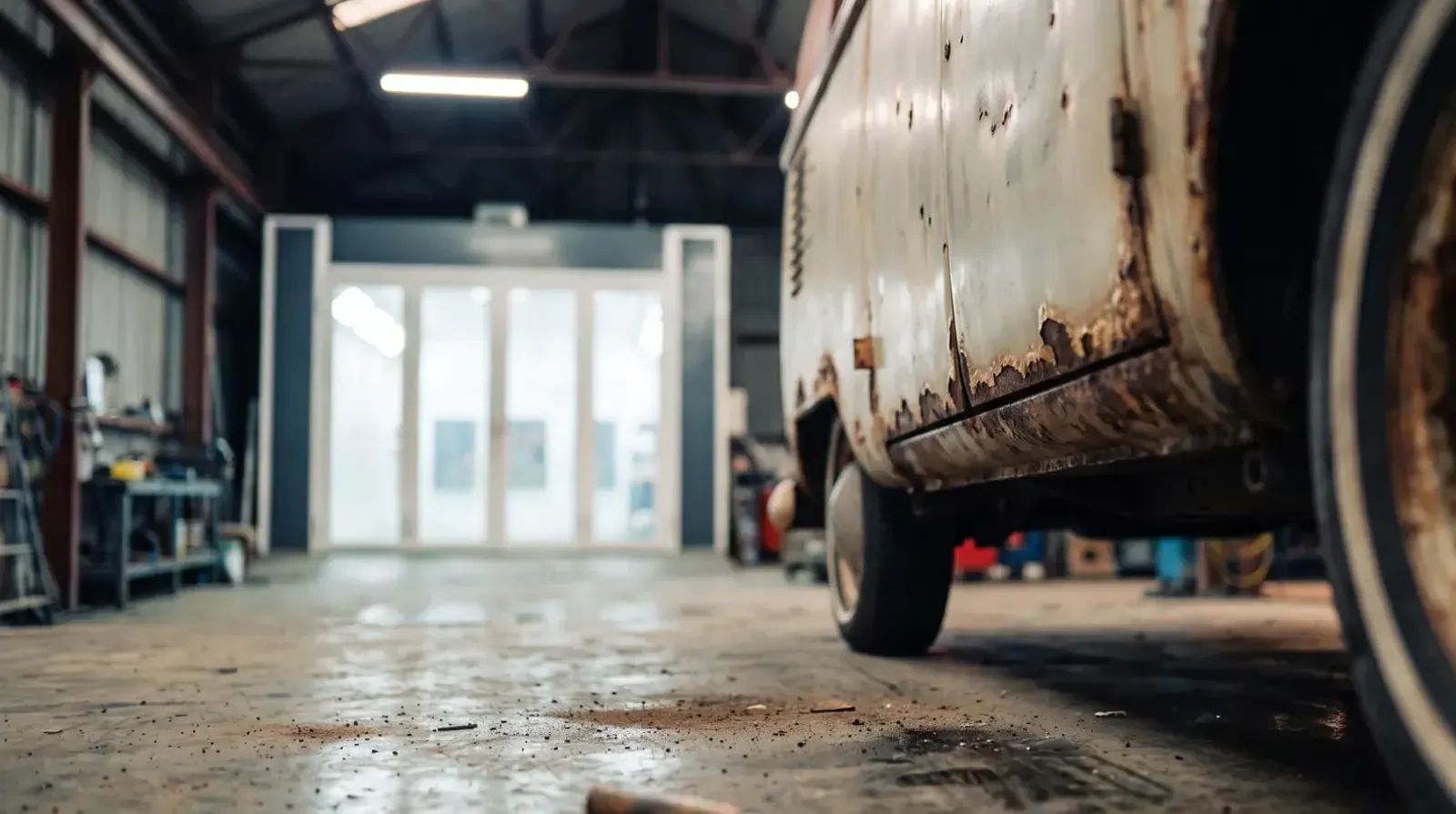
Anything on the floor, the sills, the arches and the inside of the panels. Once the insulation, panelling, cupboards and floor covering are in, those are hidden, and rust can work there for years before it shows outside. Before the fit-out, they can be reached from both sides.
That means cutting rust back to clean steel, letting new metal in, or fitting a new panel where it has spread, then priming it and running seam sealer, a flexible paste that keeps water out, along the joints. See campers for where vans rust.
The floor
The sills
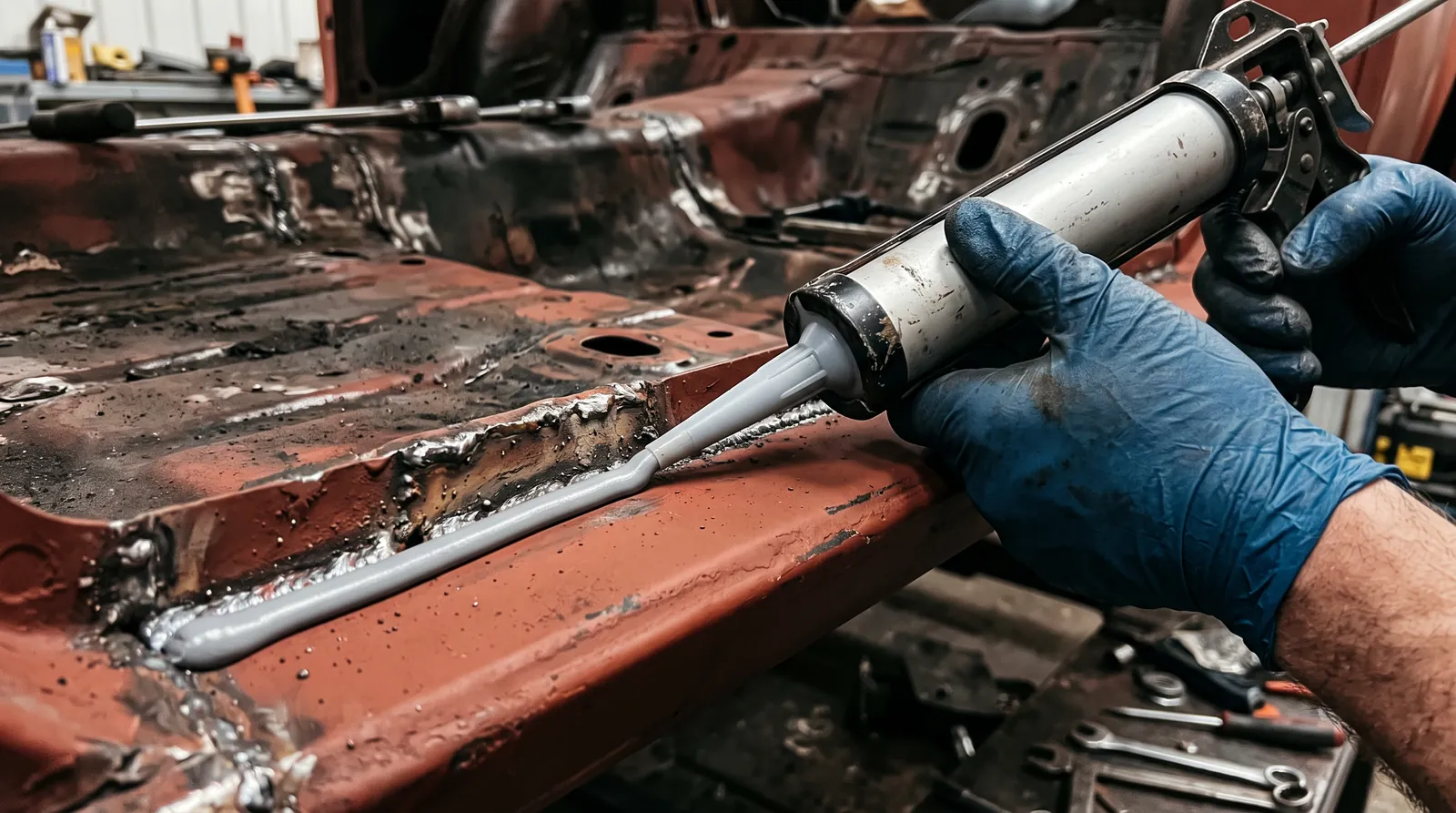
Seam sealer
What about the holes cut for windows, a door and the roof?
Treat every cut edge before it's covered. Windows, a side door, a pop-top or high-top roof, vents and hook-up points all mean cutting into the body. PPG, one of the big paint makers, lists drilled holes left untreated among the causes of corrosion, and says newly exposed metal edges should be treated straight away.
So the edges are cleaned back, primed and sealed before the rubbers, trim and roof go on. A bare edge behind a window rubber is where the next rust starts.
Should the van be painted before or after the conversion?
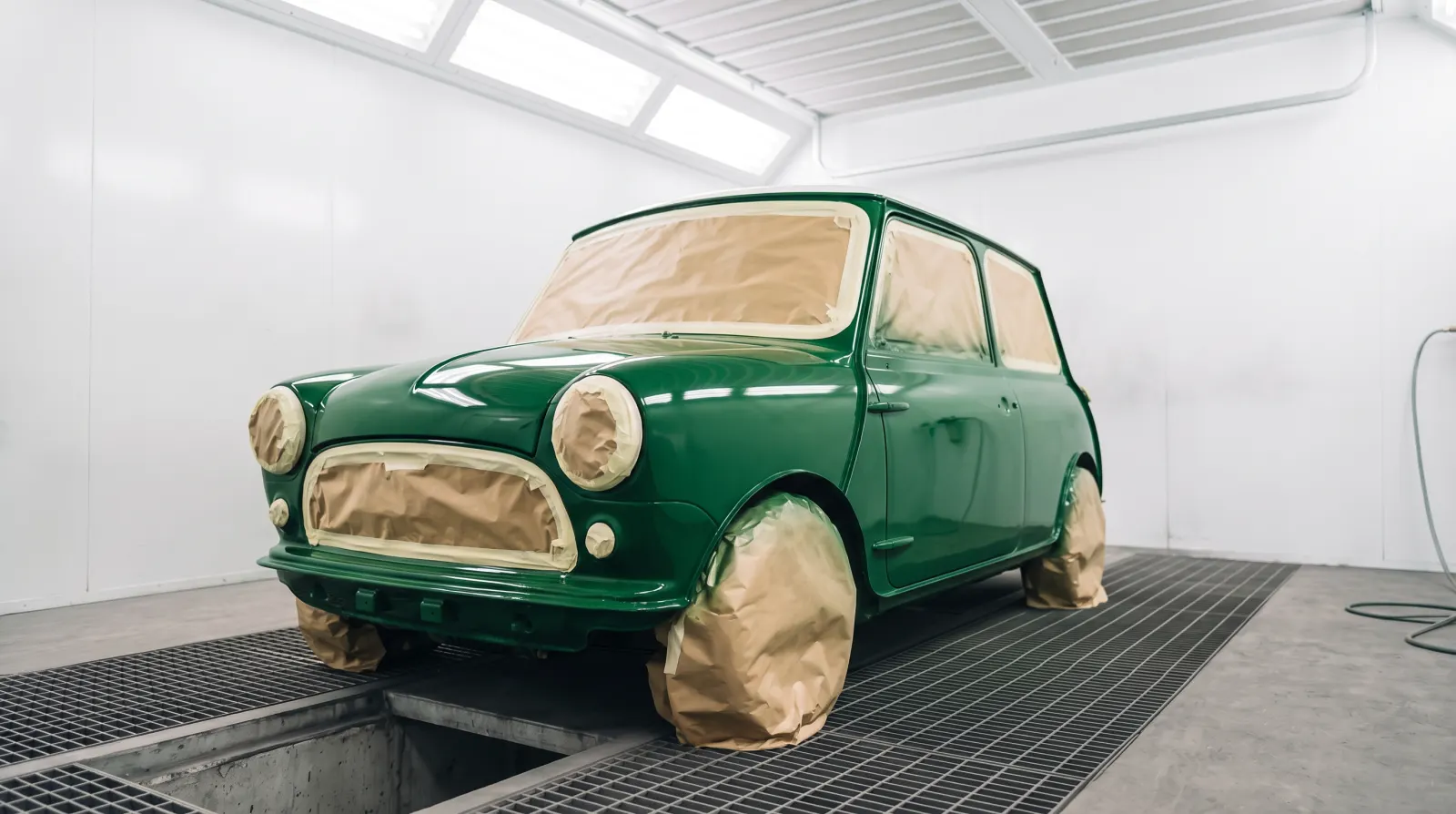
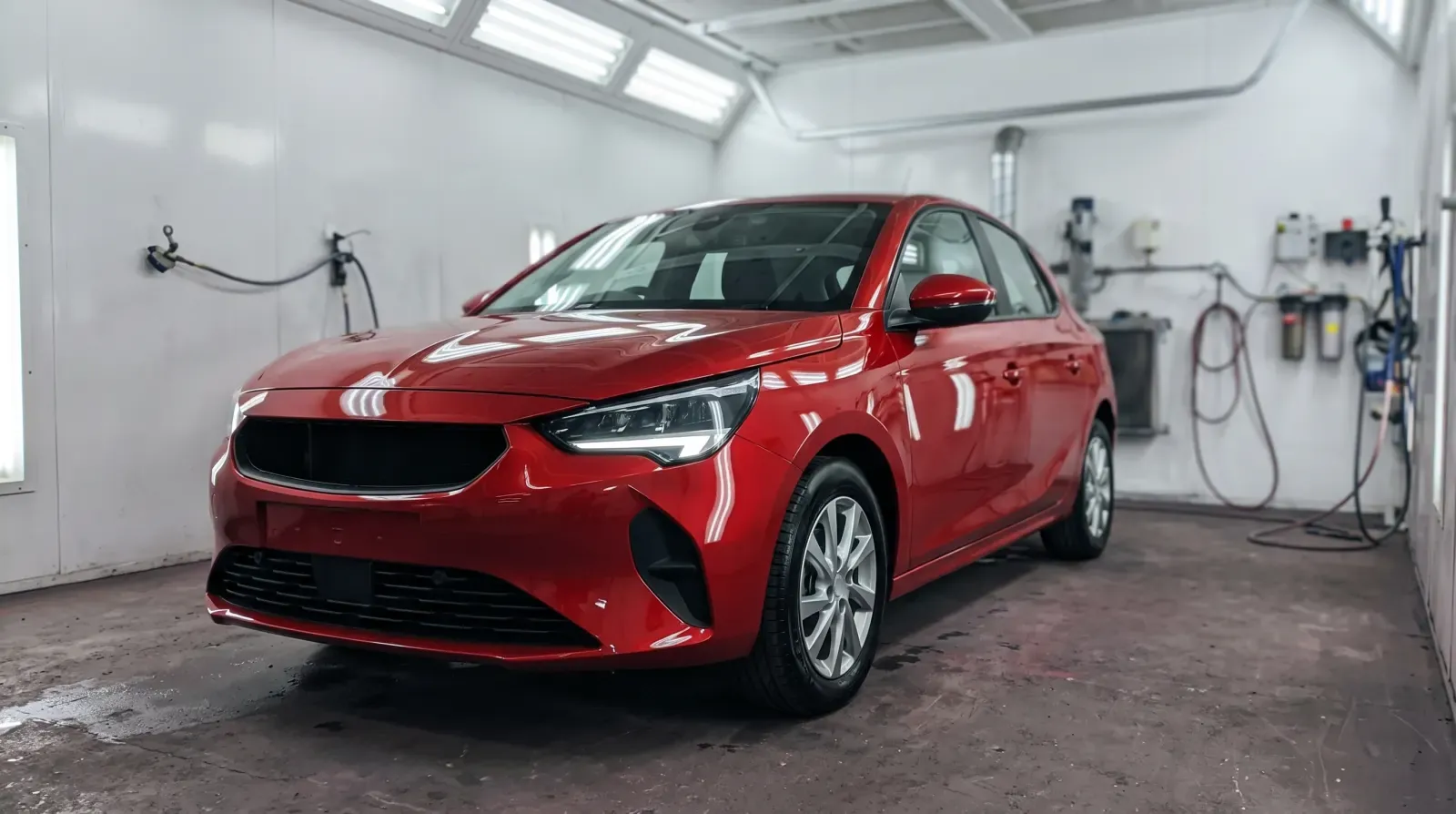
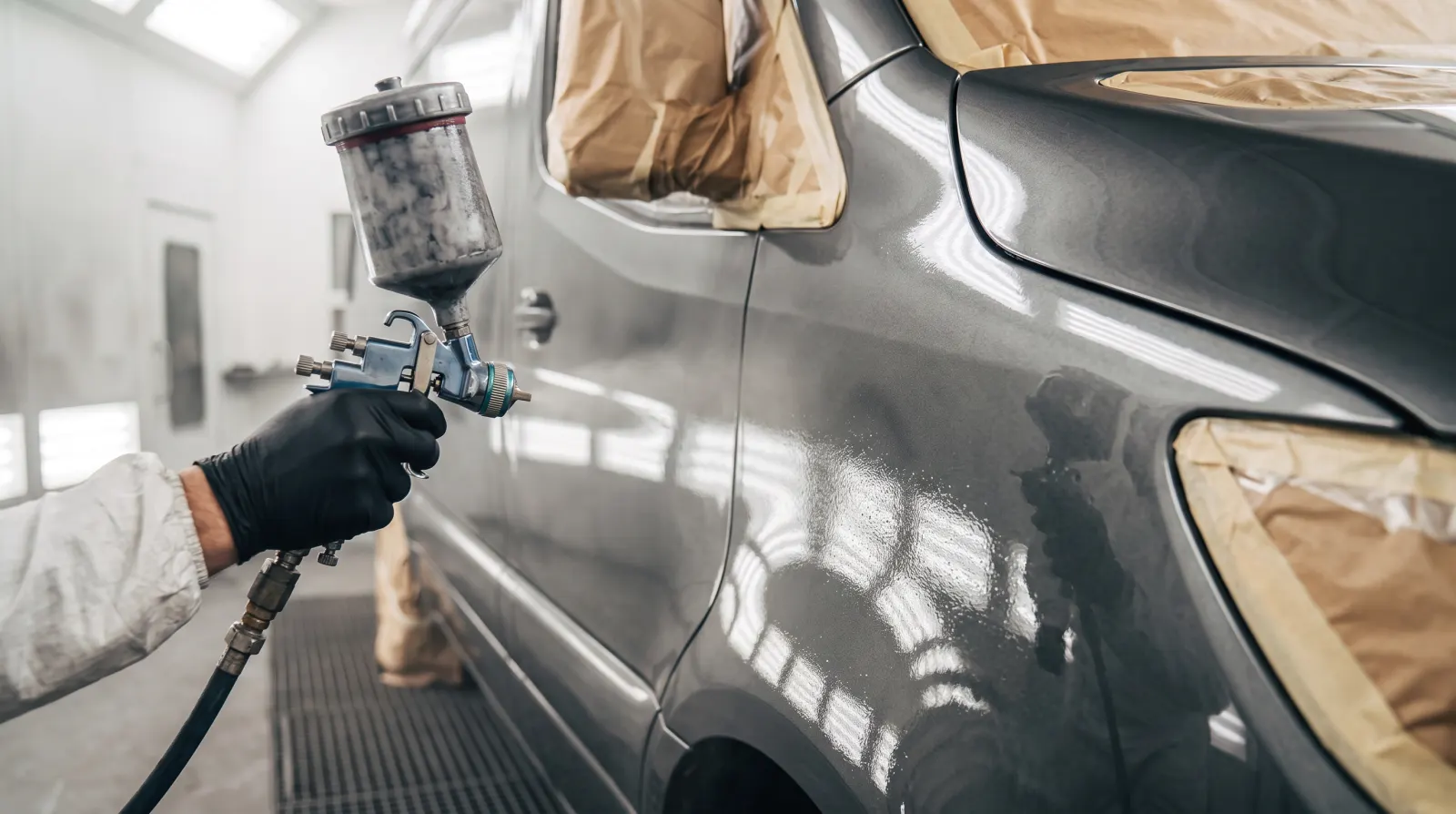
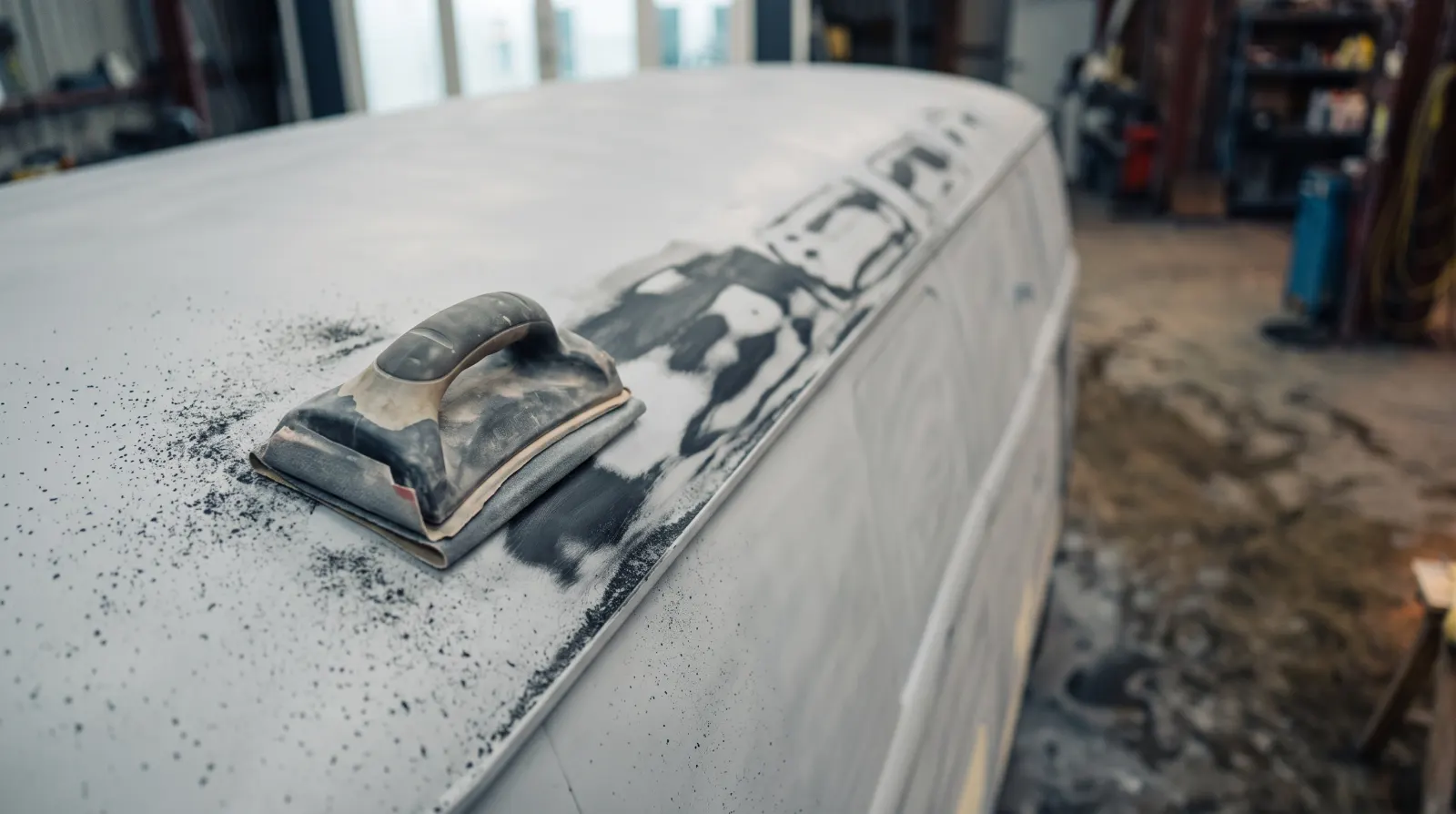
Before, if you can. With the openings cut and nothing fitted, the whole body is prepped and painted in one go, edges and all. Painting after means the windows, roof, door and anything fitted outside are masked or taken off first.
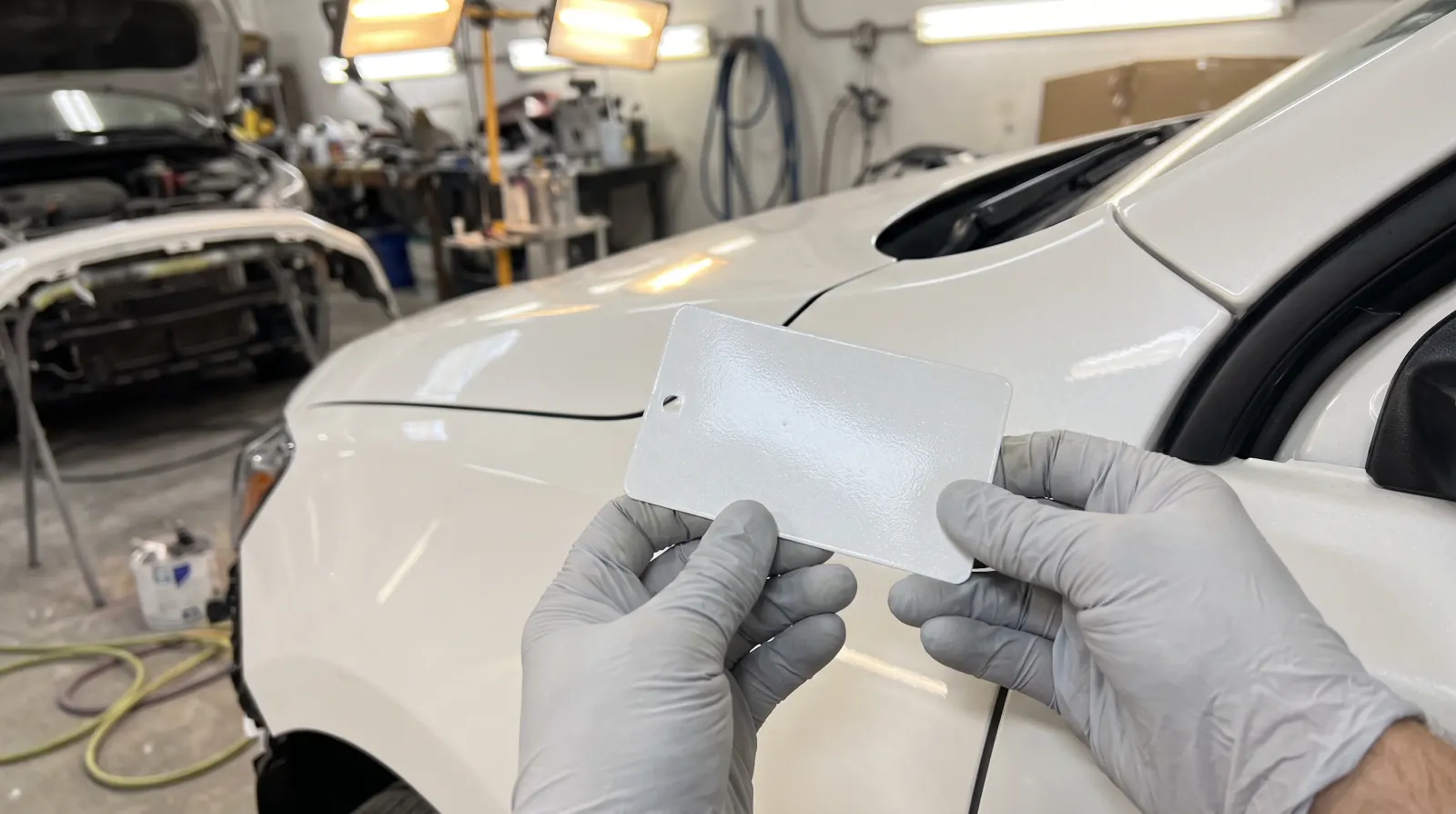
If the colour changes, that goes on the V5C as well. See resprays.
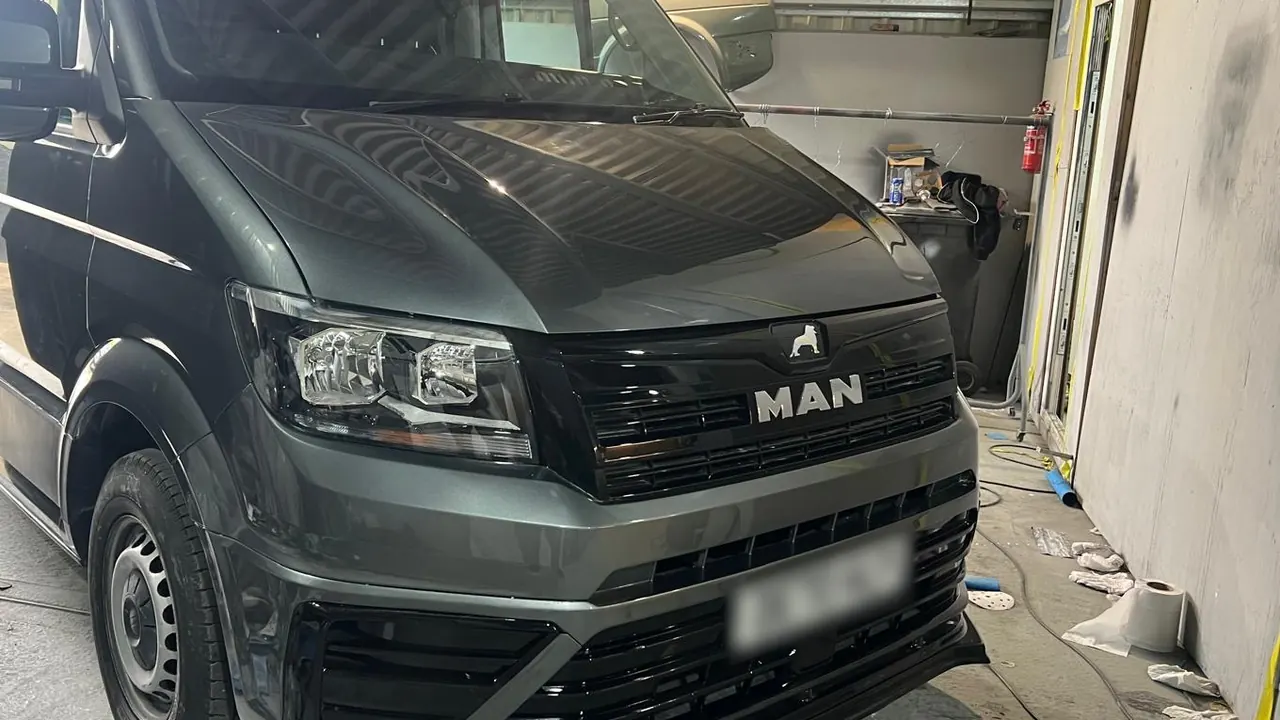
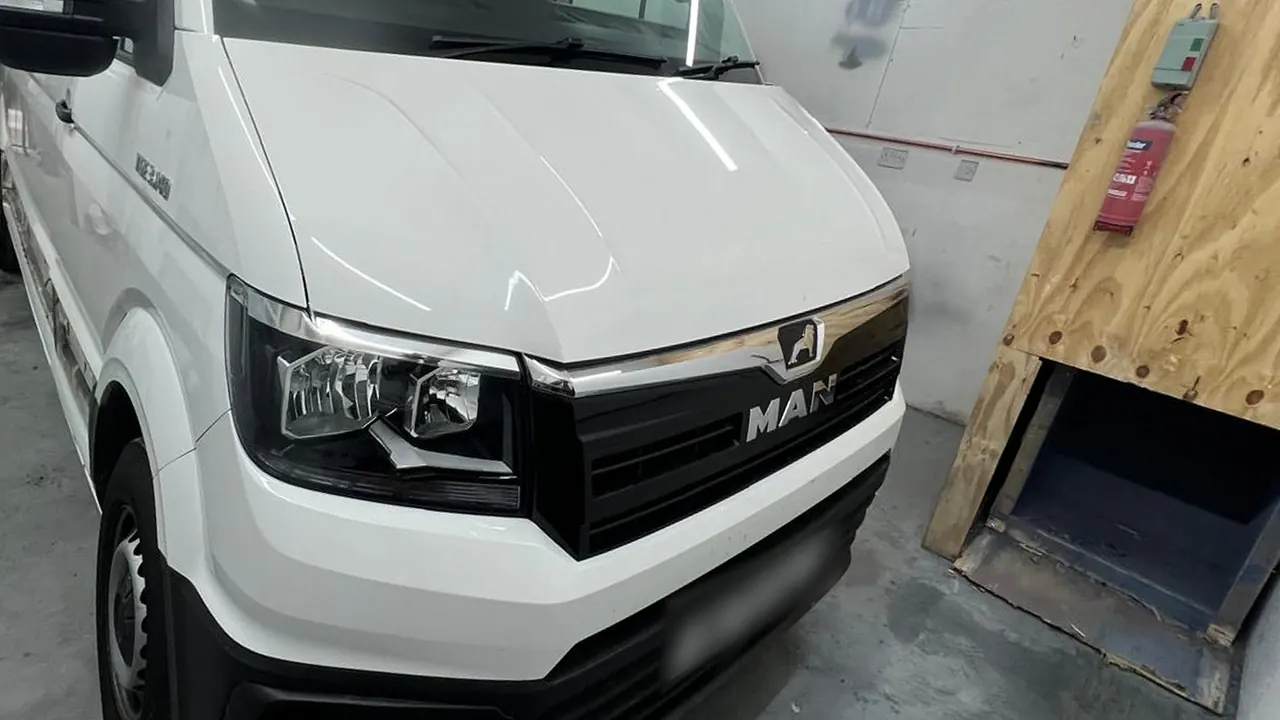
Converting a van and want the metal and paint sorted first? Send us photos and what you're after from the quote form.