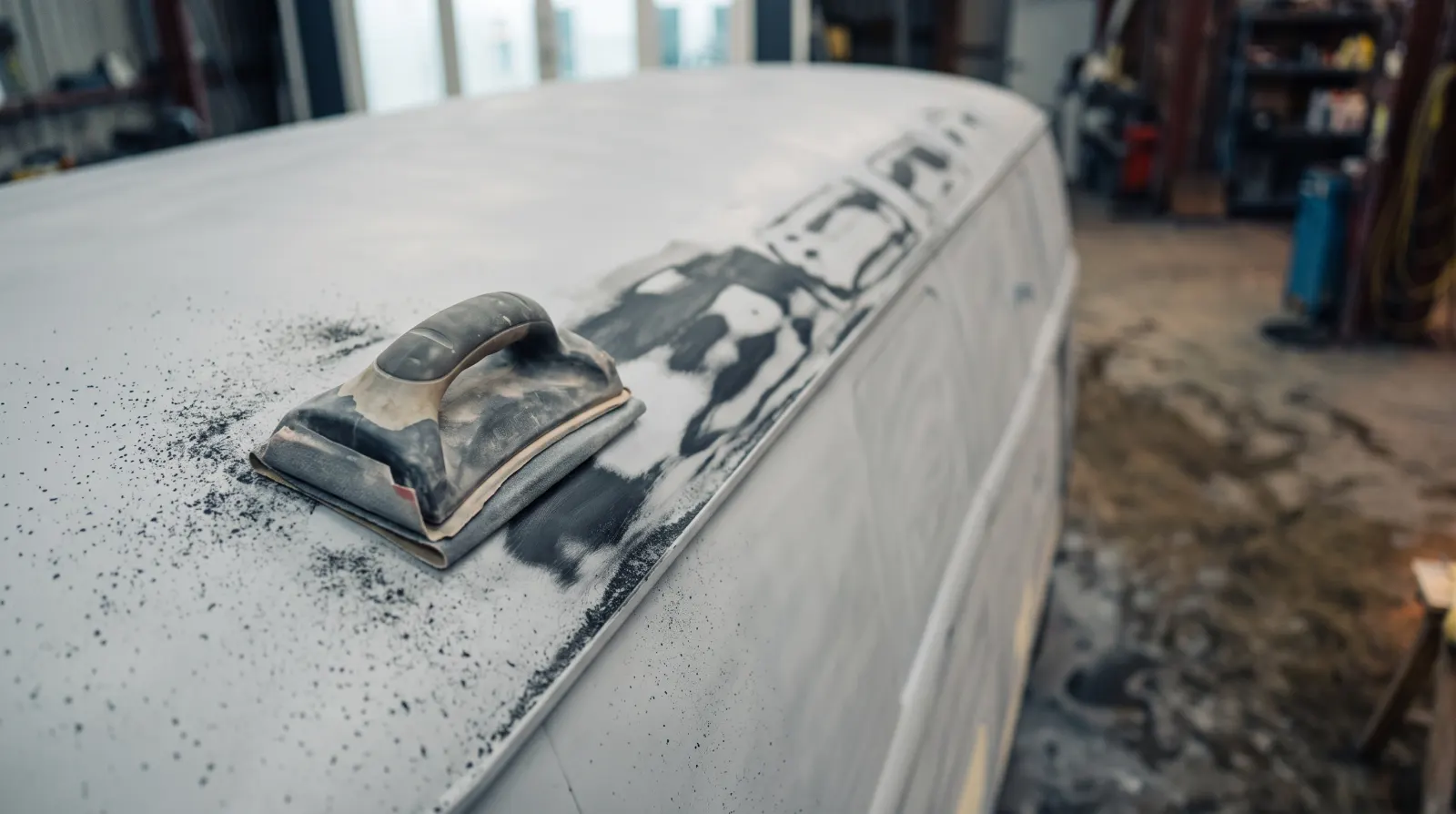
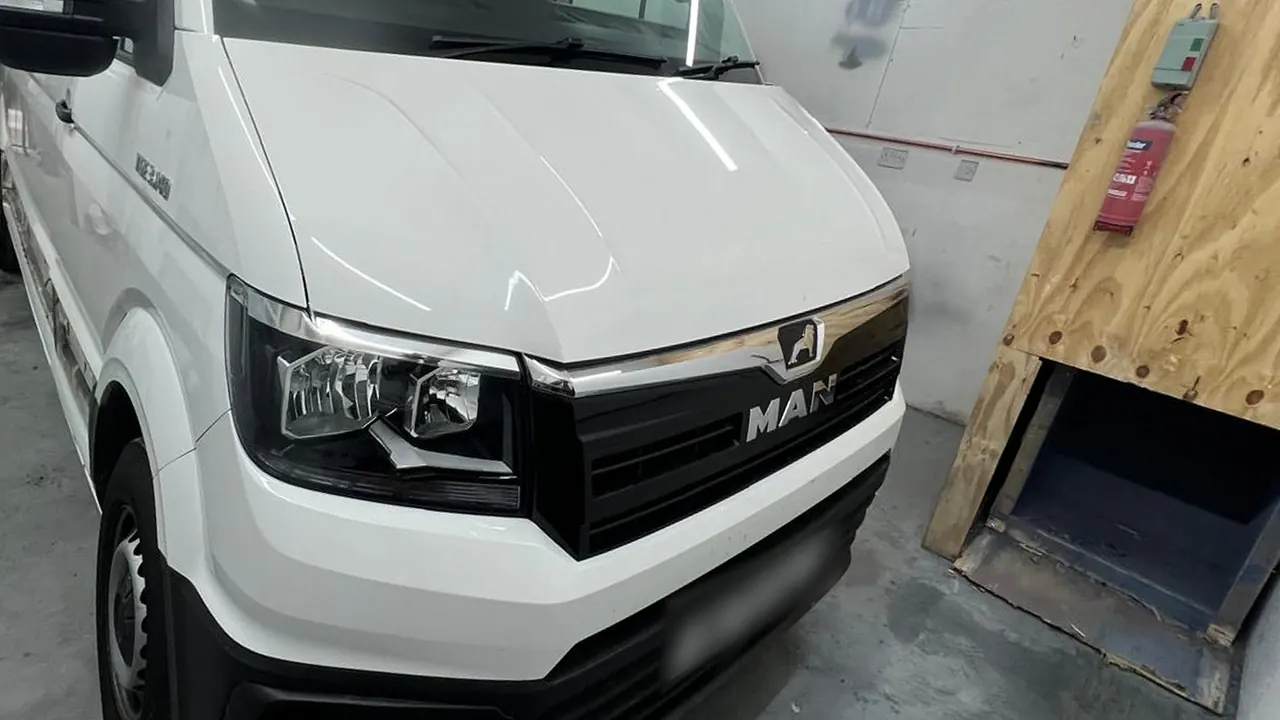
Often, on a van that has worn the same lettering for years. The paint under the vinyl has been kept out of the sun and weather while the paint round it has faded and dulled, so when the letters come off, their outline can still be read in the paint. That outline is the ghost.
A light ghost can often be polished out. If the colour round the letters has faded, or there isn't enough paint left to polish, the panel needs painting. Old vinyl can also leave glue behind, and where the paint under it isn't firmly stuck, it can lift paint as it comes off.
Why does old lettering leave a ghost?
Because the paint under it has aged more slowly than the paint round it. 3M, who make vehicle film, say on their wrap support page that areas covered by the film may look brighter and glossier once it's off, because the film protected them from the elements.
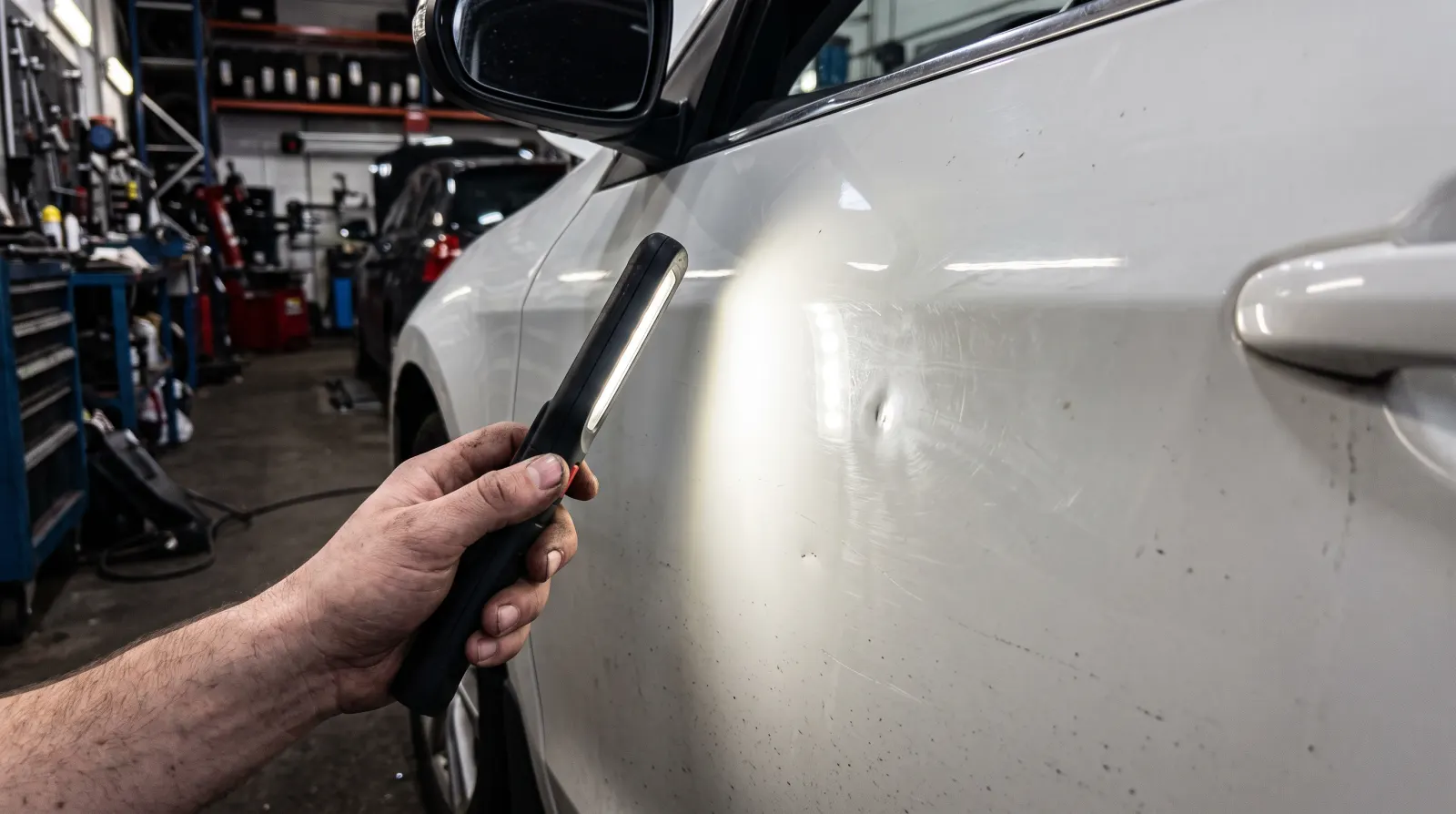
The longer the lettering has been on, and the more the van has stood outside, the further the two drift apart. On a pale van the outline can be hard to see in daylight and plain under a light held low along the panel.
How does the vinyl come off without damaging the paint?
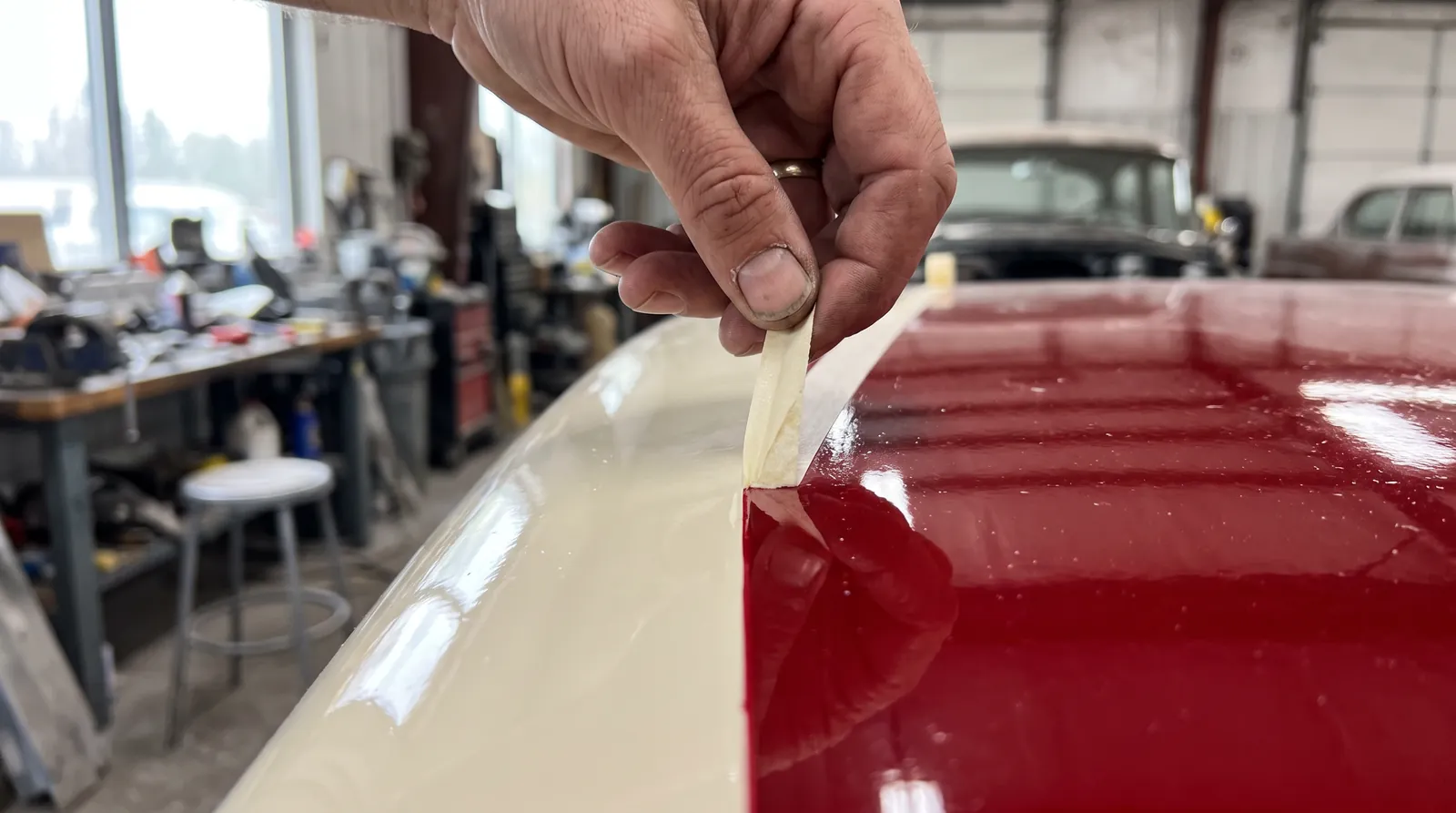
Slowly, and warm. Avery Dennison, another film maker, sets out the method in its removal bulletin: warm the whole graphic with a heat gun, lift a corner, and pull it back slowly at a low angle, stopping to warm it again when it gets hard to pull. Below 10°C, it says, the film can tear and leave more glue behind.
It also says to test a small area first, because how well a film comes off depends on the film, its glue, the surface under it and what it has been through. Lettering that has gone brittle in the sun can break up as it's pulled, so it comes off in pieces rather than whole letters, and that takes longer. On the paint, the scraper is plastic, never a blade.
What about the glue left behind?
It comes off with an adhesive remover. Avery's bulletin says to spray the remover on, let it soak in, lift the residue with a squeegee or plastic scraper, then clean the area. Every trace has to go before any polishing or paint, because polish smears glue round the panel and paint won't stick to it.
Can taking the lettering off pull the paint with it?
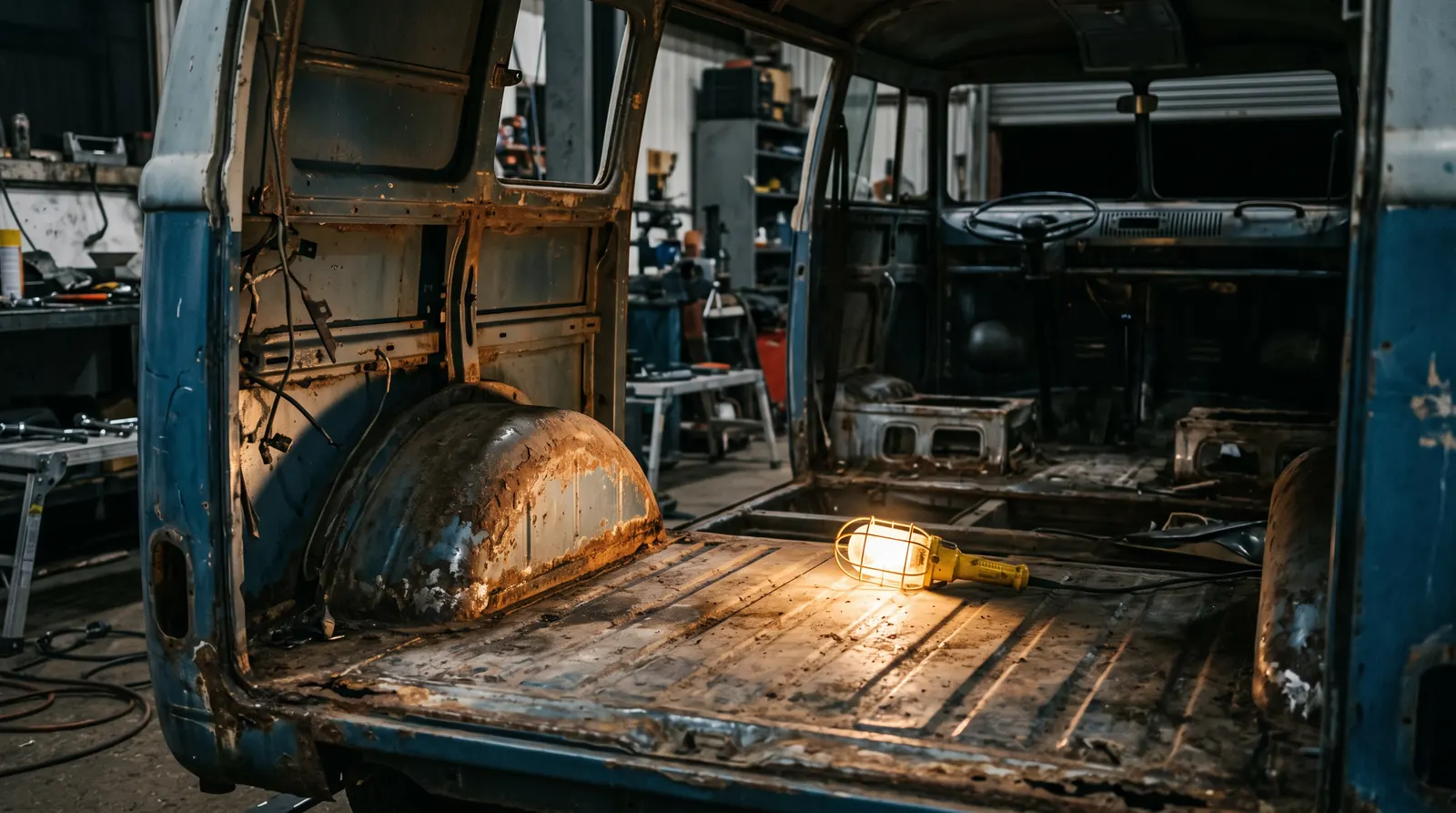
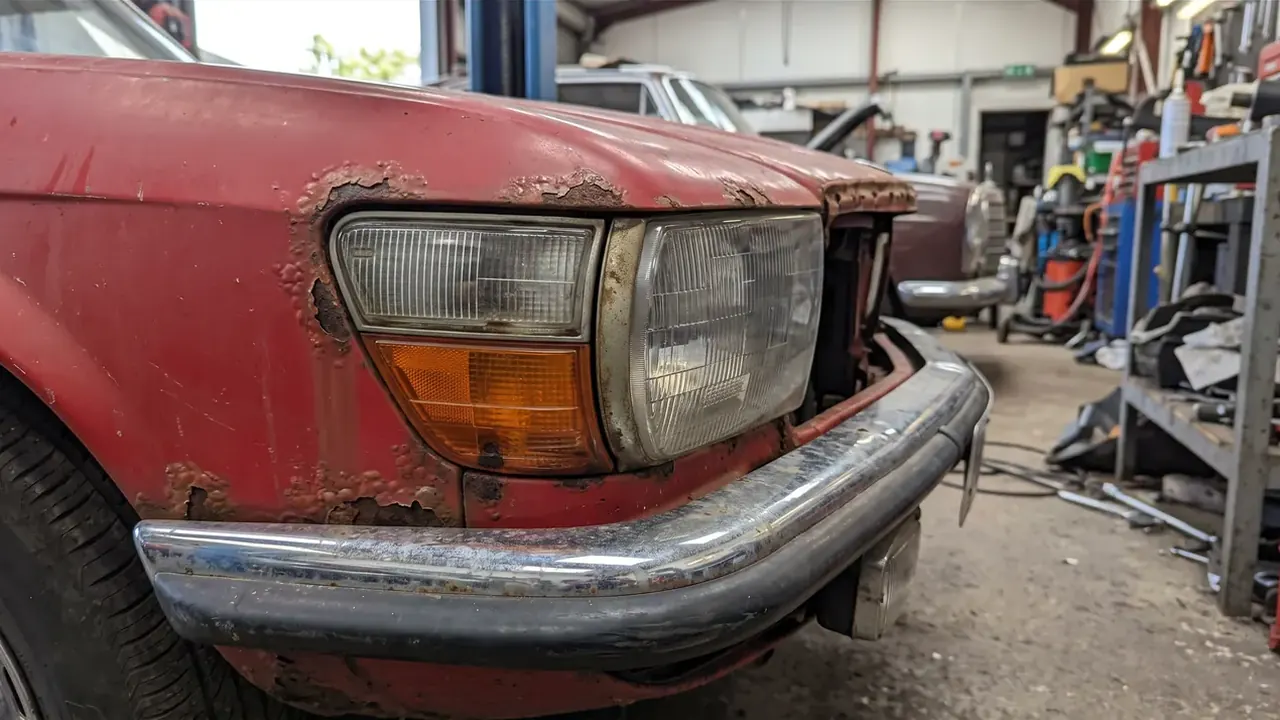
It can, where the paint underneath isn't firmly stuck. 3M's support page warns that poorly cured resprays are more vulnerable, and says to talk to the installer first if the vehicle has had one. So if the van has been resprayed or repaired where the lettering sits, say so before it comes off.
Where paint lifts, that area is repaired: sanded back so the edges taper with no step to show through, then primed and painted. See body repair.
Can the ghost be polished out?
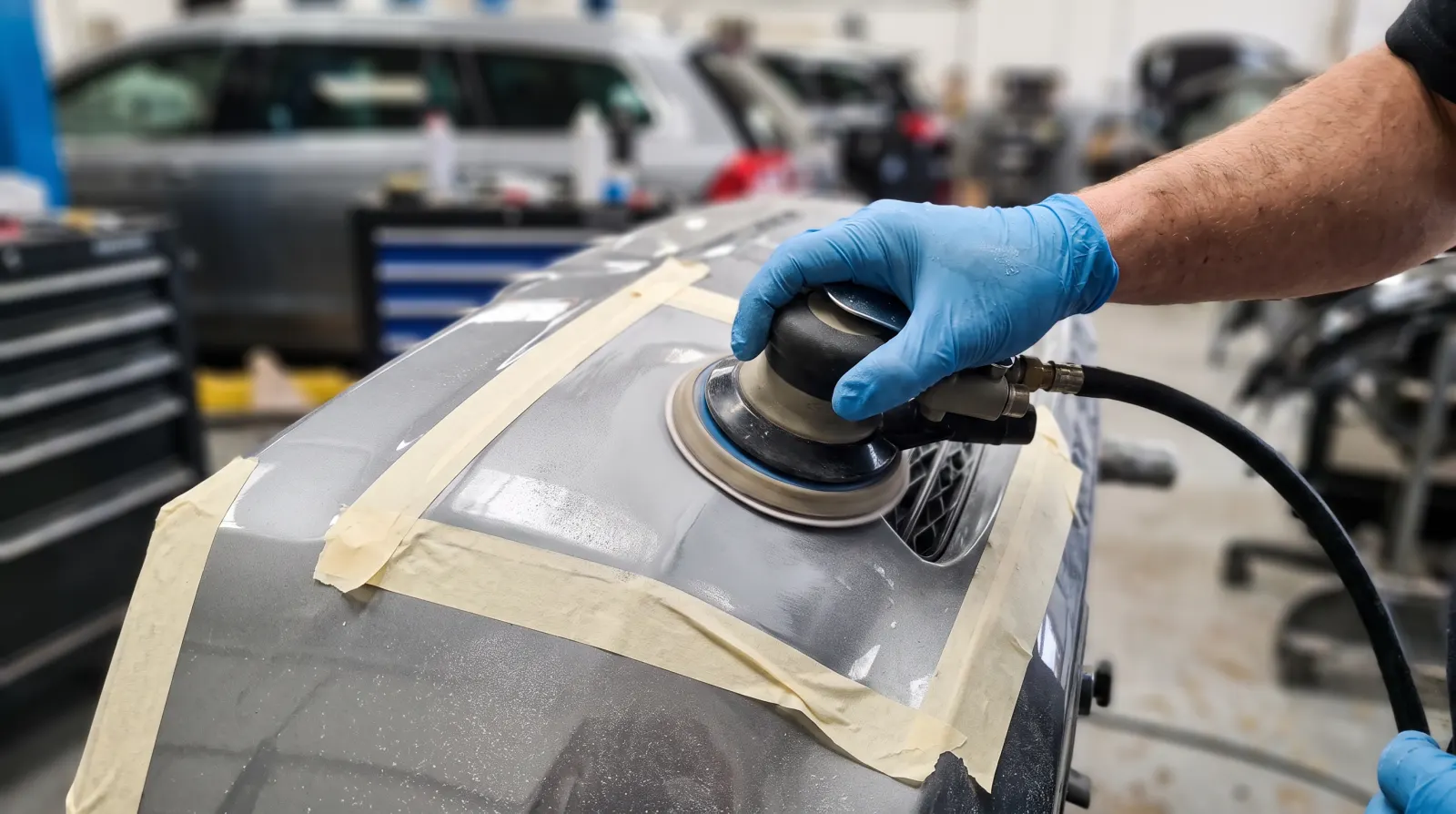
Often, if the paint round the lettering has only lost its gloss. PPG, one of the big paint makers, treats chalky, weathered paint the same way: its guide to chalking says to flat, compound and polish the surface to bring the gloss back where it's minor, and to repaint the topcoat where it's severe. Flatting is sanding with a very fine paper, and compounding is cutting back with an abrasive polish.
Polishing brings the weathered paint closer to the paint that was hidden, so the outline fades. It takes a little paint off each time, though, so it starts with a test patch and stops before the paint gets thin.
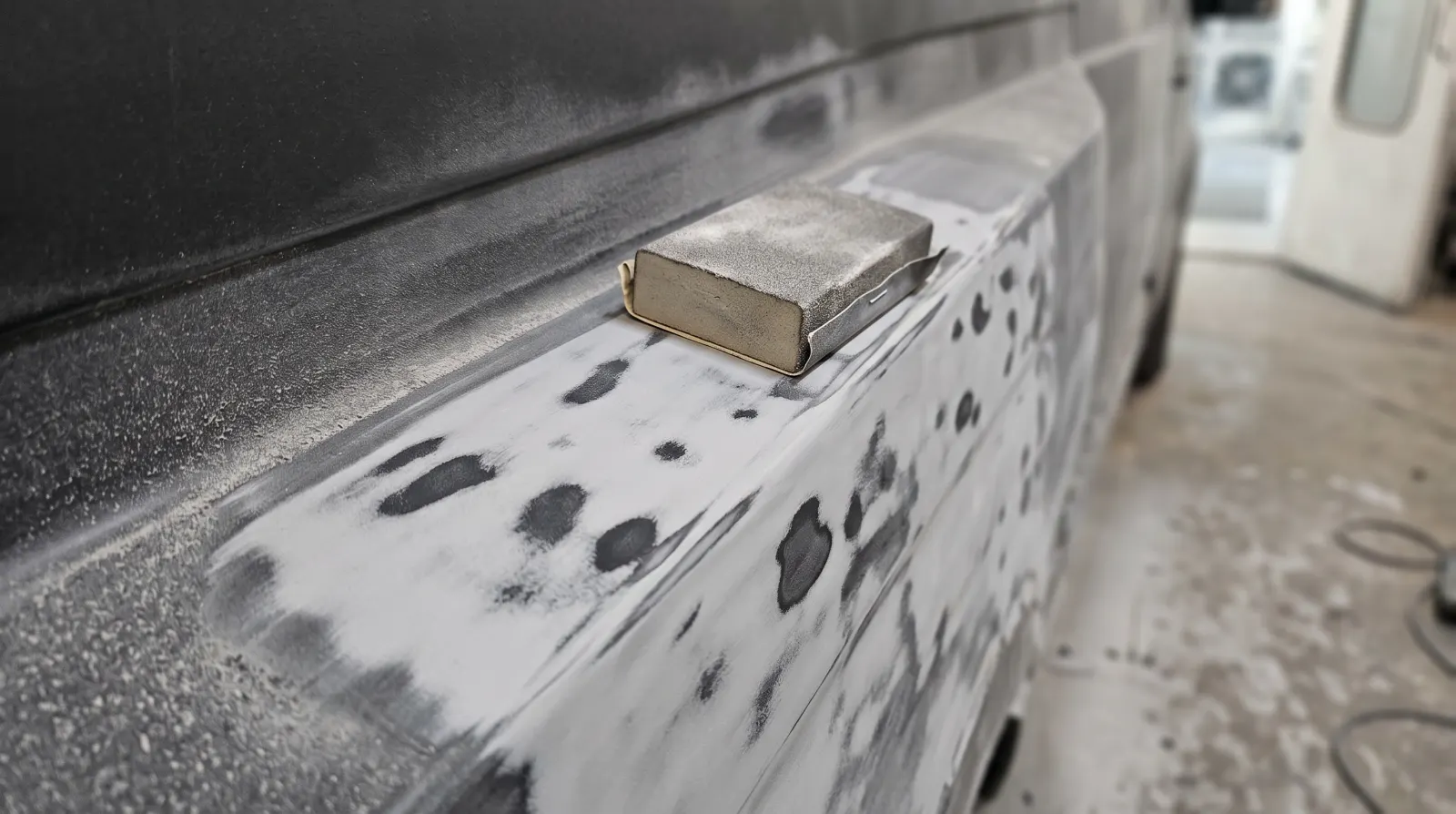
When does the panel need painting?
When polishing won't take the outline out. That's usually because the colour itself has changed round the letters, not only the gloss, or because there isn't enough paint left to polish. It's the same answer where paint has lifted with the vinyl.
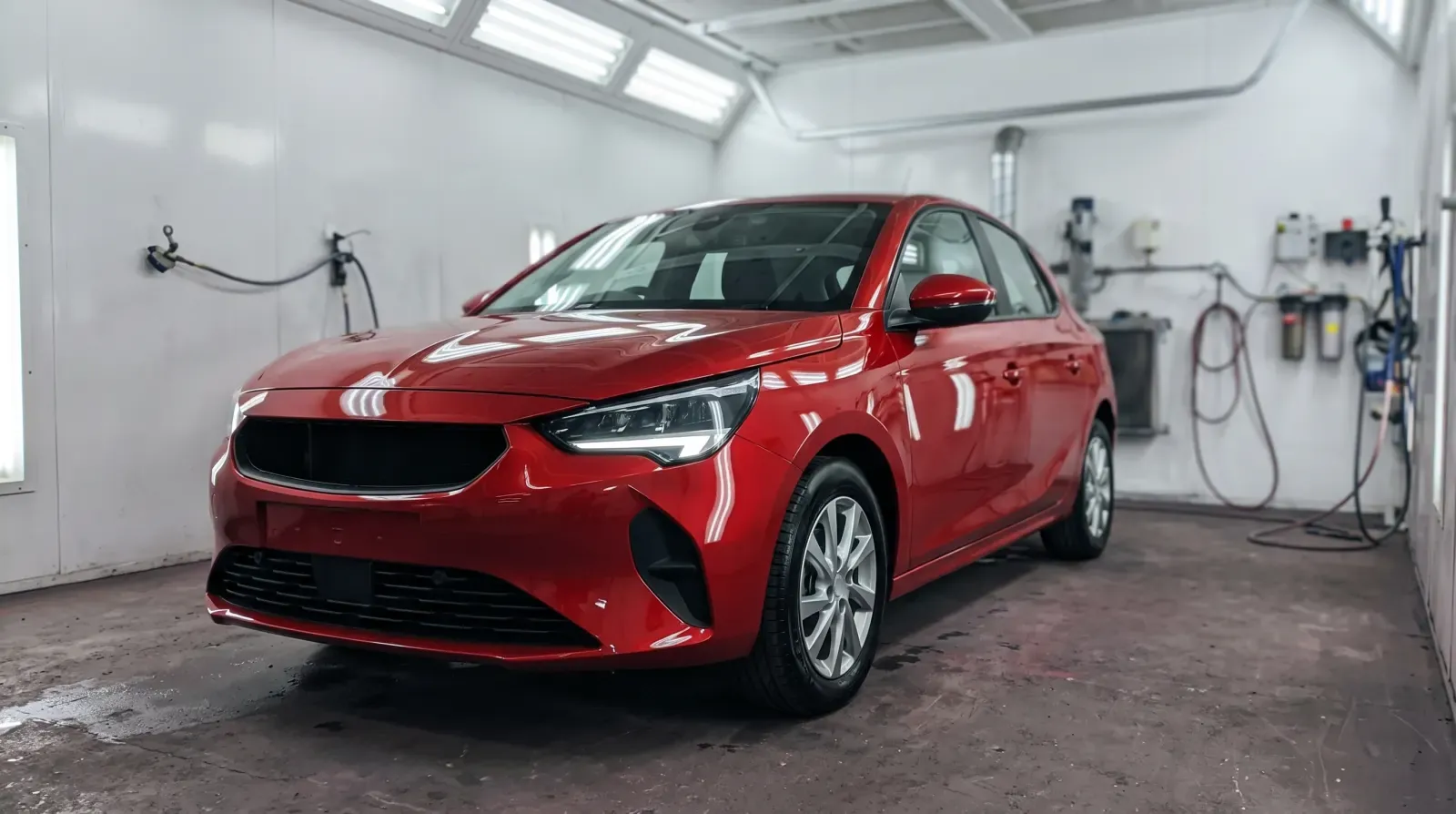
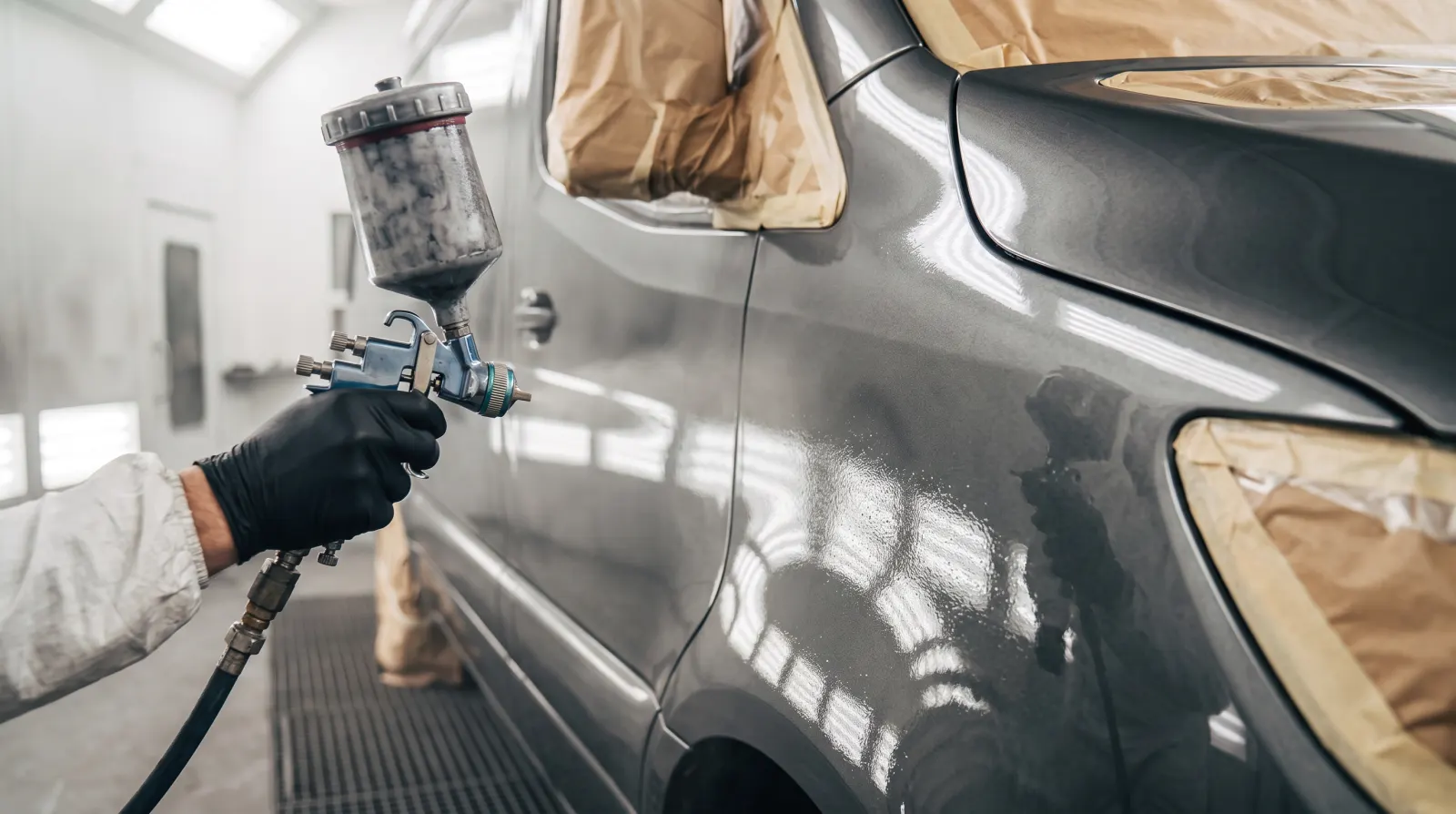
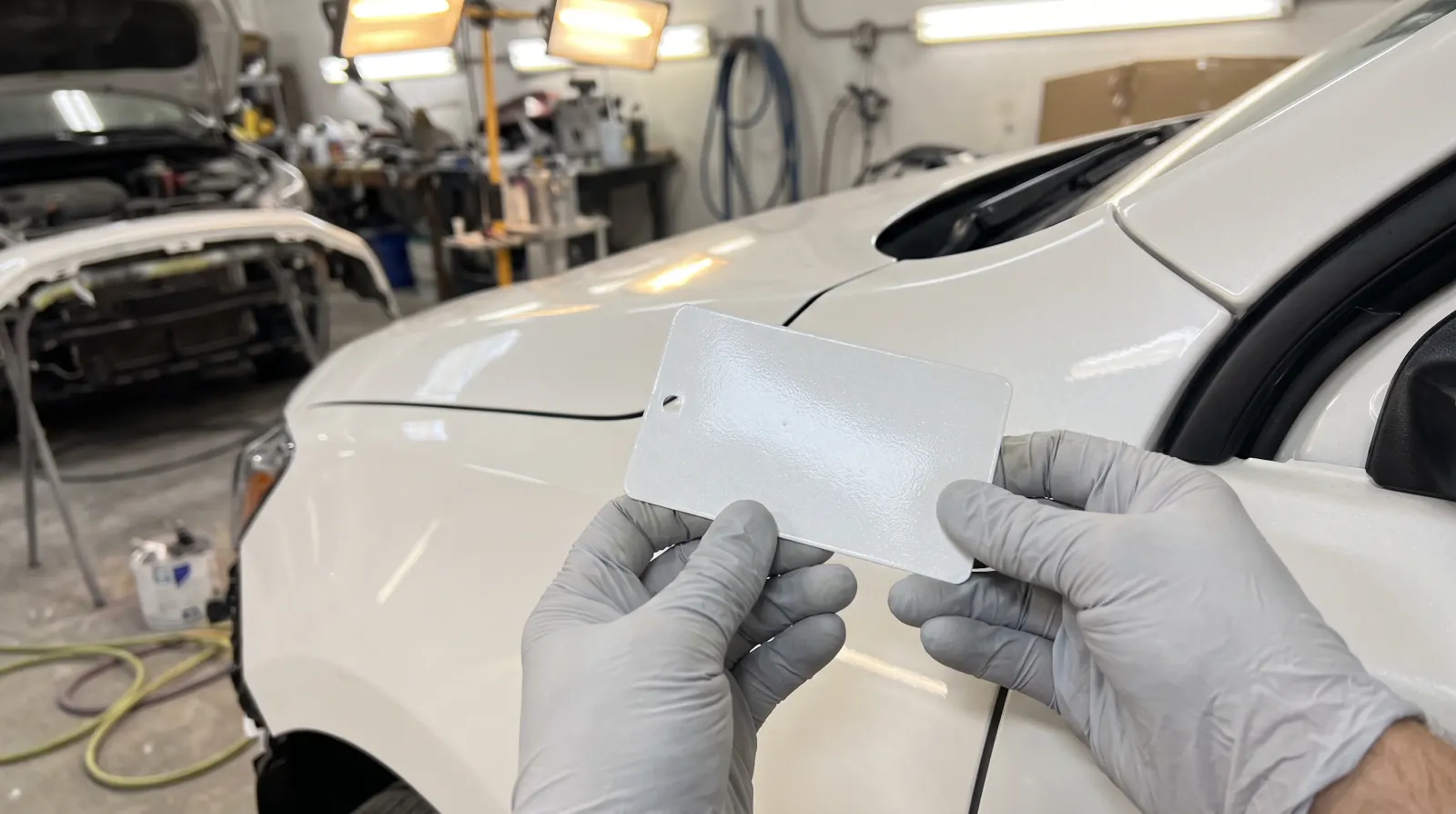
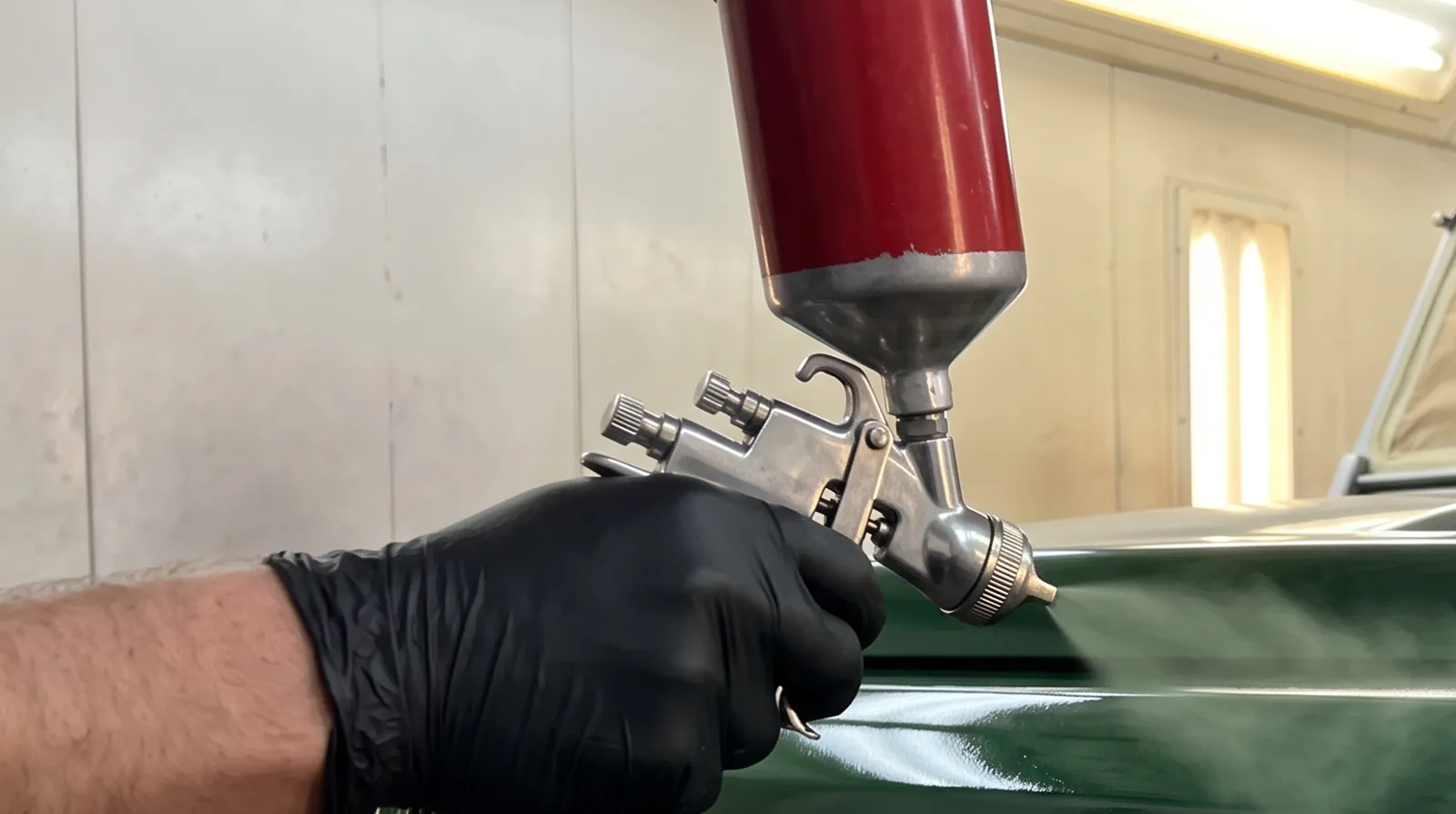
The panel is flatted, primed where it needs it and painted, with the colour mixed to the van's paint code and blended into the panels either side so the repair doesn't show as a patch. Faded paint next door can mean blending further. See resprays.
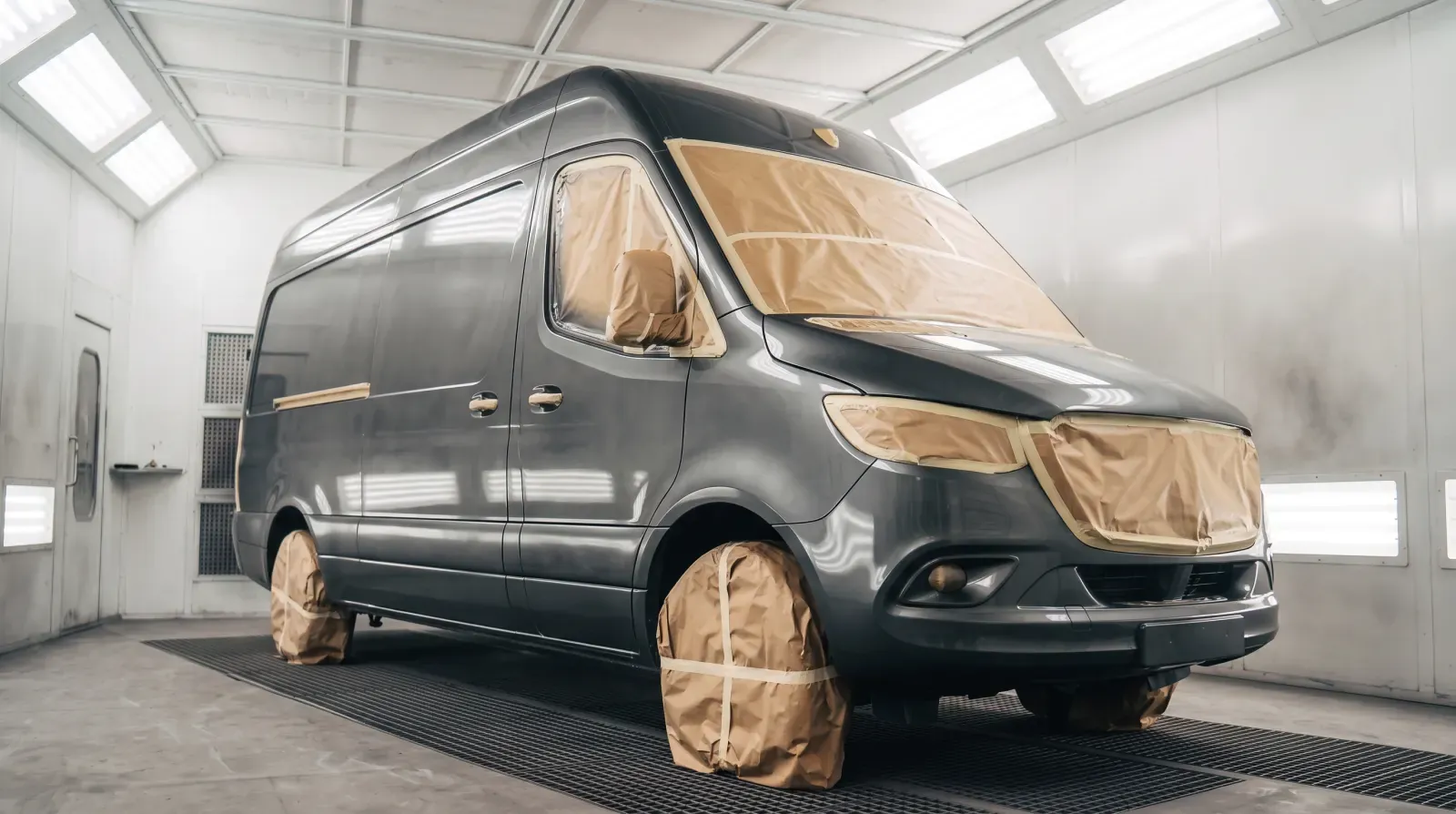
What if the van is lettered on every side?
Then a full respray can be the tidier job. If every side carries a ghost, painting one panel at a time means blending into tired paint all the way round. A same colour respray brings the whole van back to one even finish, and it's the moment to change colour if you want to.
A new colour goes on the V5C: GOV.UK lists colour among the changes you must make on its change vehicle details page. If new lettering is going on after the paint, tell the sign fitter when the van was painted.
What moves the cost?
How much lettering there is and how old it is, how much glue it leaves, whether the ghost polishes out or needs paint, and how many panels it covers. We give a rough price from photos and confirm it once the van is here and the lettering is off, and show you anything we find. See prices for how we quote.
Taking the lettering off? Send us photos of each side, and close-ups of the letters, from the quote form.